Which seven-seat-capable four-wheel drive deserves a place on your off-road shortlist? In our 2023 comparison, Paul Maric puts 12 SUVs through a proving-ground course, with the Nissan Patrol taking the overall win and the Mitsubishi Pajero Sport named our best four-cylinder contender.
Eligibility required low-range gearing and the availability of seven seats, although our Lexus LX600 test vehicle wasn’t the seven-seat version. The LDV D90 wasn’t supplied after the brand declined to participate, while the Land Rover Discovery and Range Rover were unavailable.
We begin with rollers to assess traction control, then tackle offset moguls, check body flex by opening and closing a door, and attempt a rutted 30 per cent climb. A loose 45 per cent gradient provides the toughest challenge, alongside hill descent control checks. These are gradients, not angles in degrees.
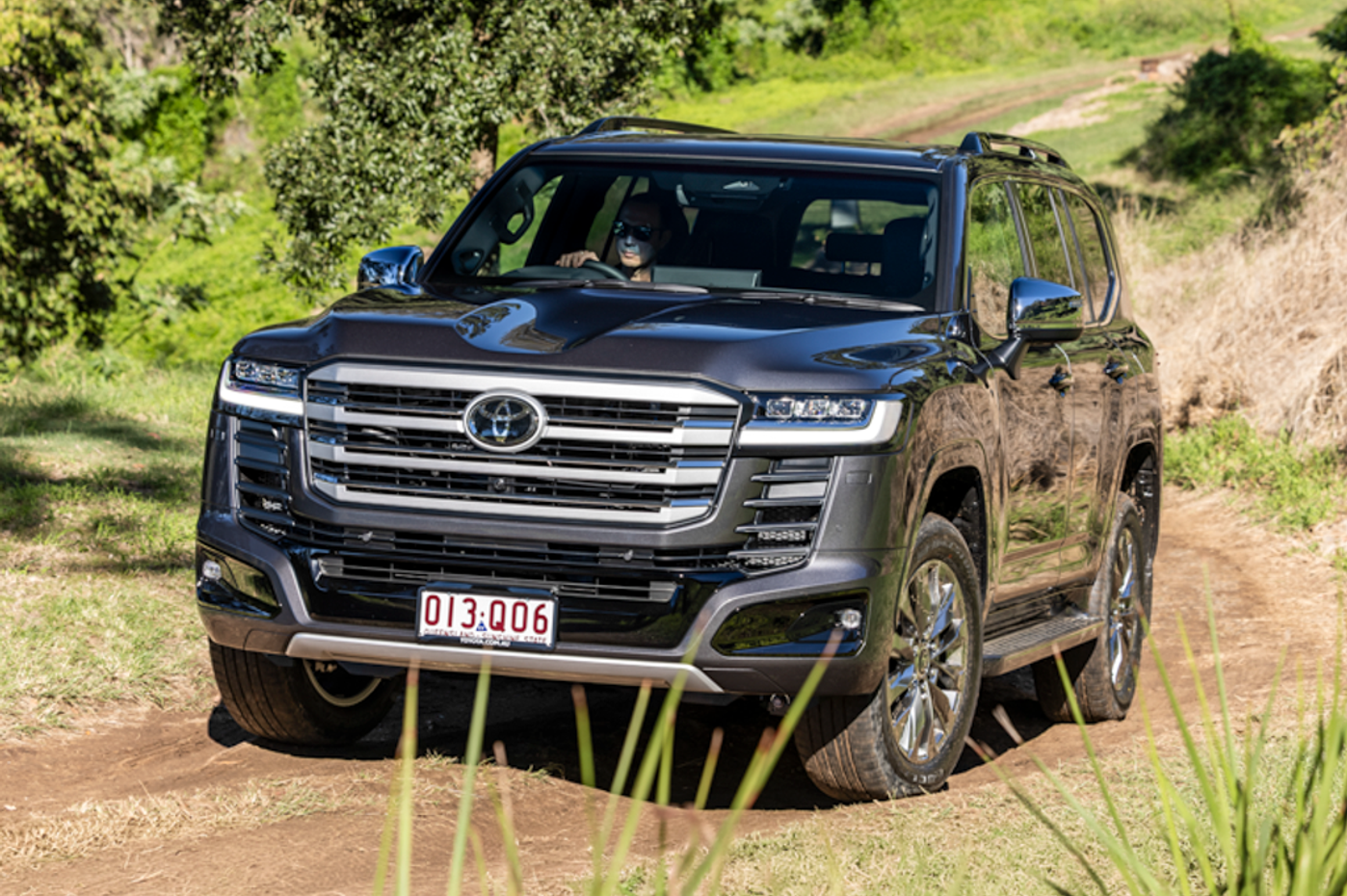
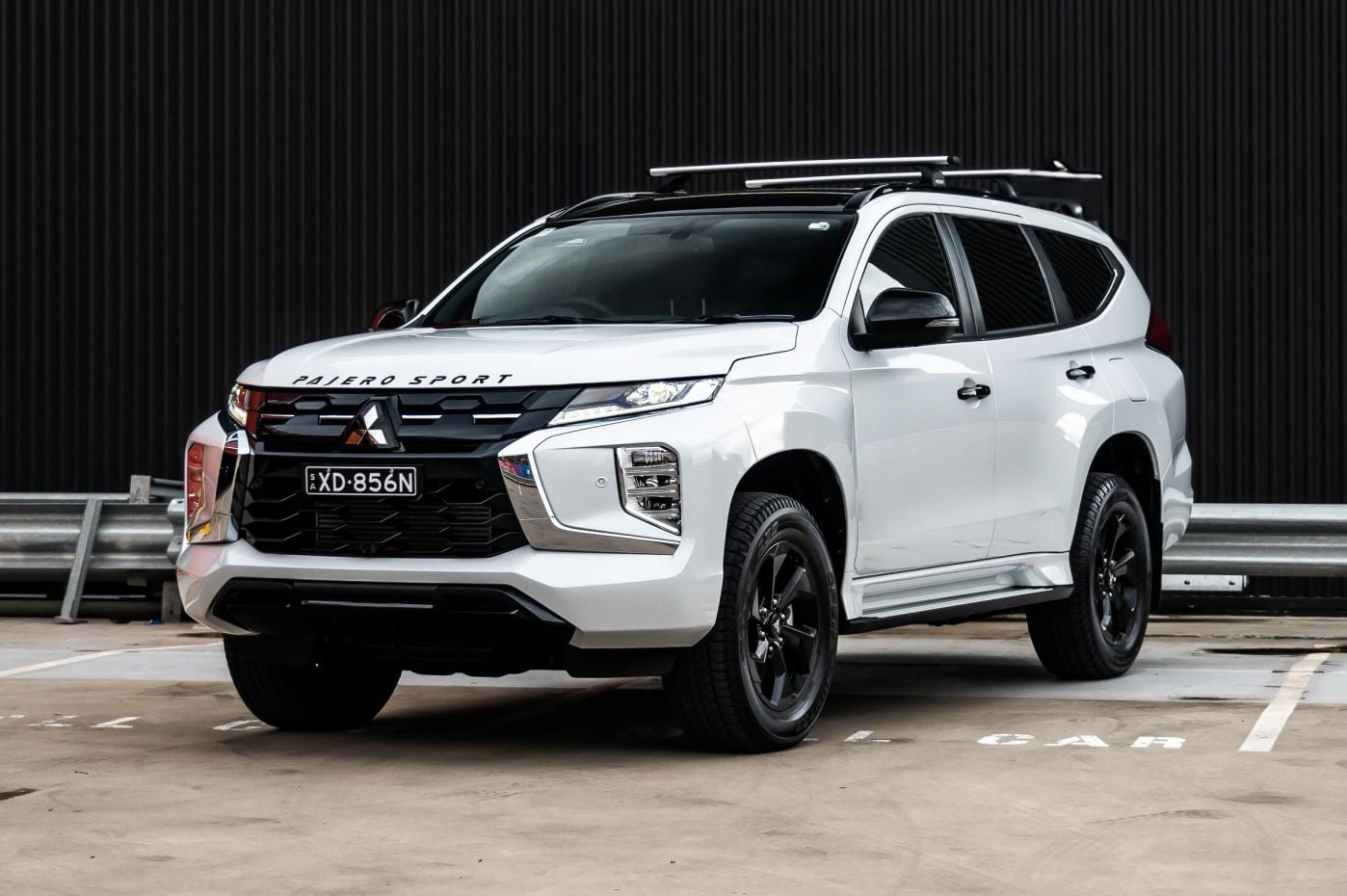
The Patrol impresses with effortless climbing and a comfortable ride across rough ground, edging out the also-capable Toyota LandCruiser 300 Series. The Pajero Sport combines effective traction control with a flexible four-wheel drive system that can also be used on sealed roads. The Toyota Fortuner performs strongly, too, despite its highway tyres.
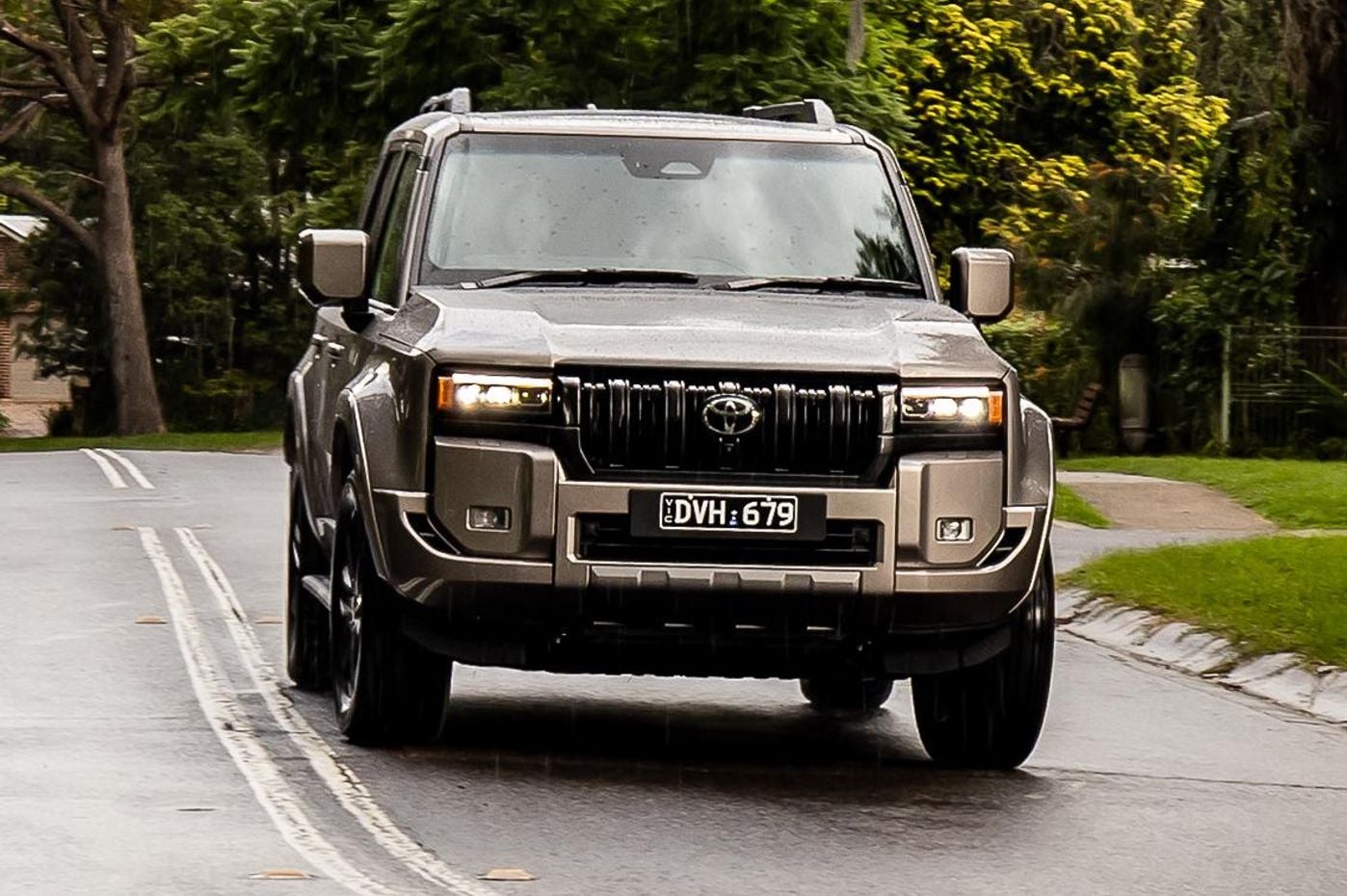
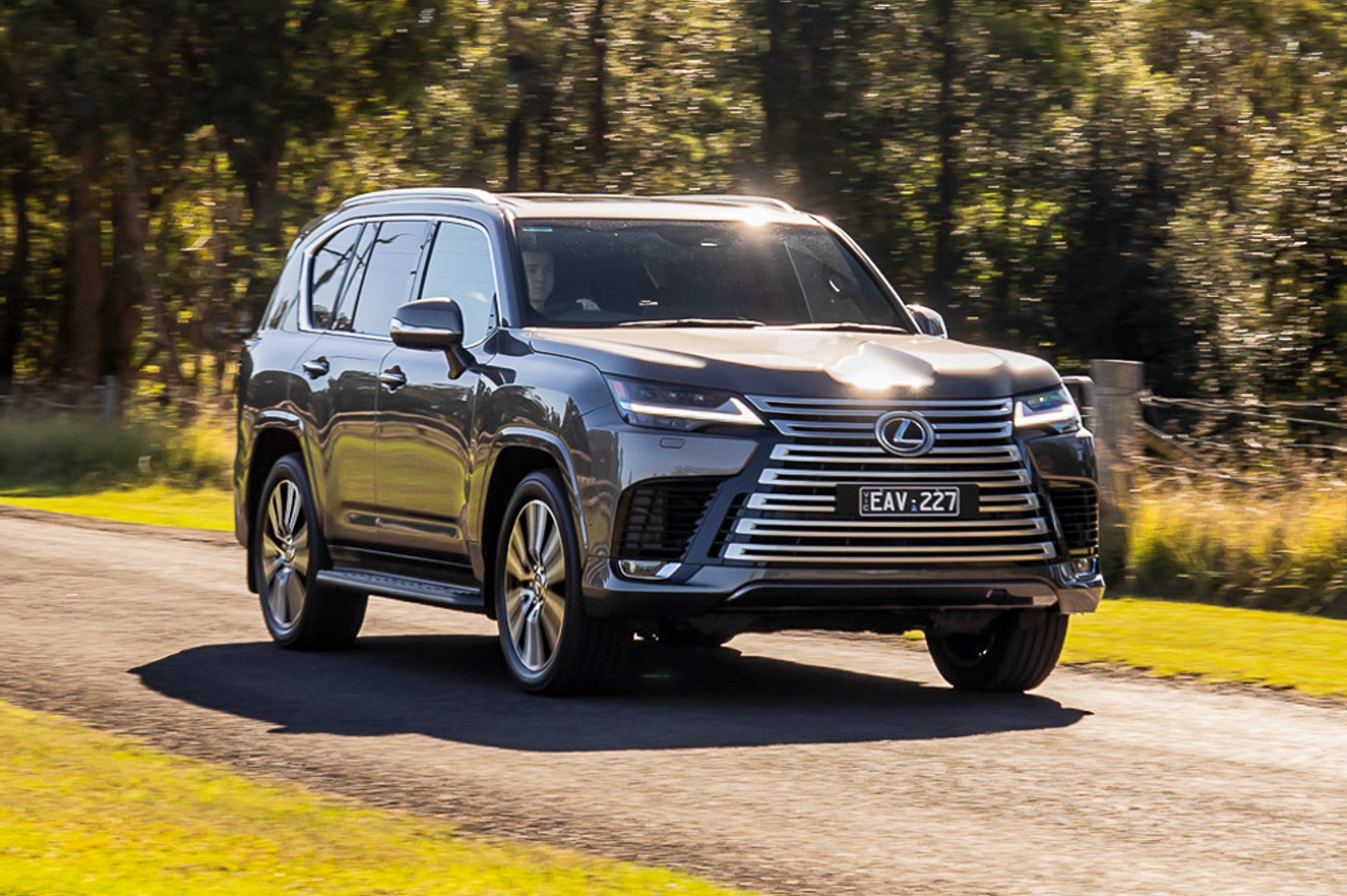
Other results are less straightforward. The Toyota Prado needs its differential locks to overcome disappointing traction-control behaviour, while the Isuzu MU-X benefits enormously from Rough Road Mode. The Land Rover Defender clears both hills, but lowering its suspension helps on the steepest climb. The Lexus makes that climb with momentum, though its Crawl Control attempt falls short.
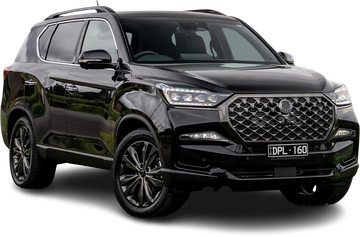
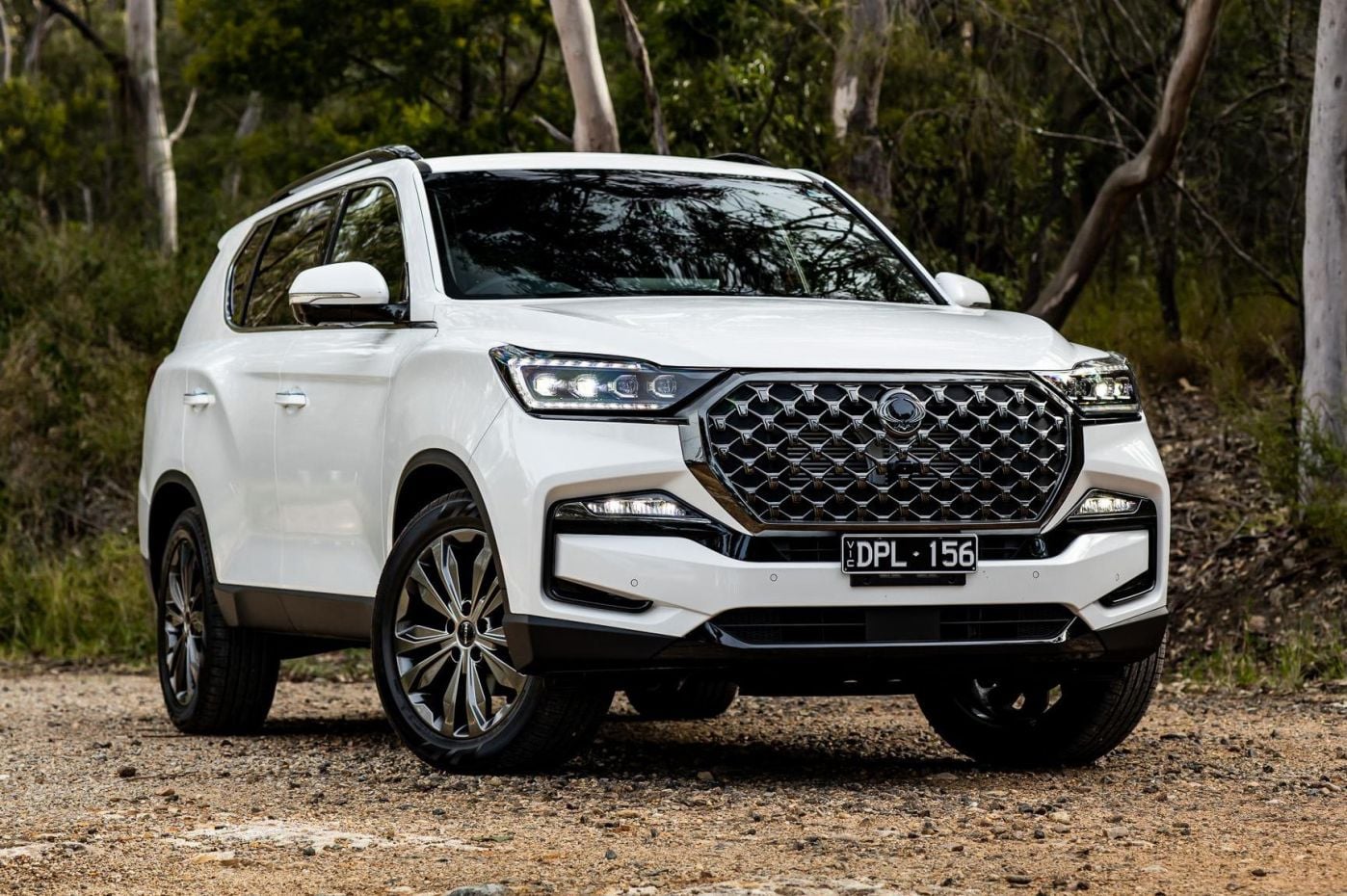
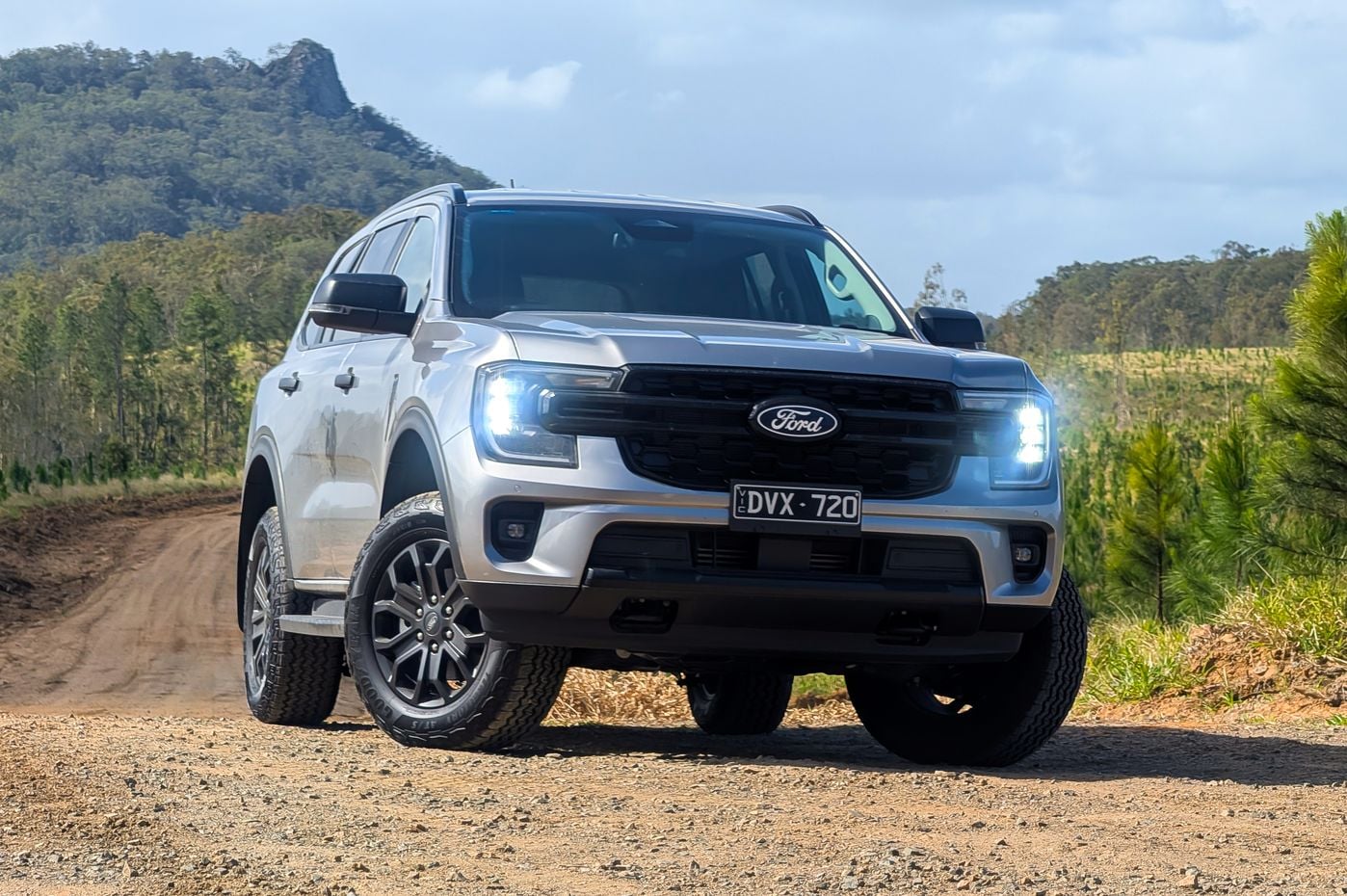
The Ford Everest V6, Jeep Grand Cherokee L, and SsangYong Rexton fail the 45 per cent climb. The four-cylinder Everest cannot complete the 30 per cent hill, so doesn’t progress. The Rexton’s automatic rear differential lock also proves abrupt; importantly, this vehicle has aftermarket Ironman suspension with a 40mm lift.
These results reflect the vehicles and conditions tested, not an identical-tyre shootout. We use factory tyre choices, including available all-terrain options, at placarded pressures. Rain changes the surface during the day; a repeat Defender run still clears both climbs. The proving ground is also used by Toyota for vehicle development.
Our winners make progress feel easy, but the wider lesson is to understand your vehicle’s settings. Tyres, differential locks, suspension height, and traction-control modes all influence how confidently these SUVs tackle the same obstacles.