Big engine outputs don’t tell the whole story. In our 2023 ute dyno comparison, we measure power at the wheels and compare it with each vehicle’s claimed flywheel output. The winner isn’t simply the most powerful ute: it’s the one with the smallest percentage gap. Motorserve sponsored this comparison.
We bring 13 vehicles to the exercise, but test 12. The Ram 1500 TRX cannot fit the available four-wheel drive dyno, and we decline to modify its electronics to enable two-wheel drive testing. The Volkswagen Amarok and LDV T60 are absent ahead of their updates at the time.
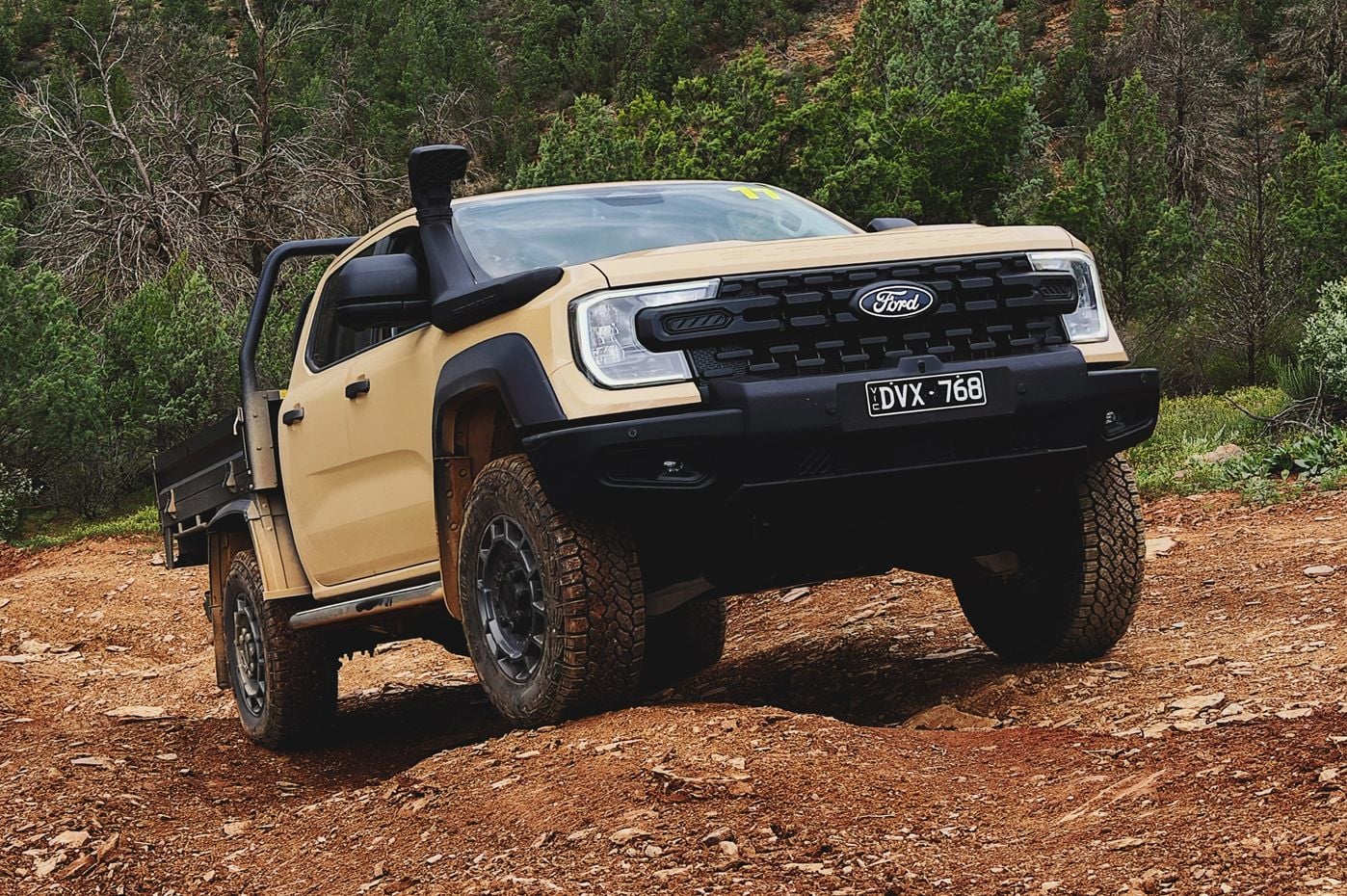
The Toyota HiLux leads our percentage comparison, recording 122kW at the wheels against its factory figure, a difference of 18.66 per cent. Next is the Ford Ranger Wildtrak V6, with 145.6kW at the wheels and a 20.86 per cent gap. The Ranger Raptor records 210kW, closely matching our earlier test on a different dyno.
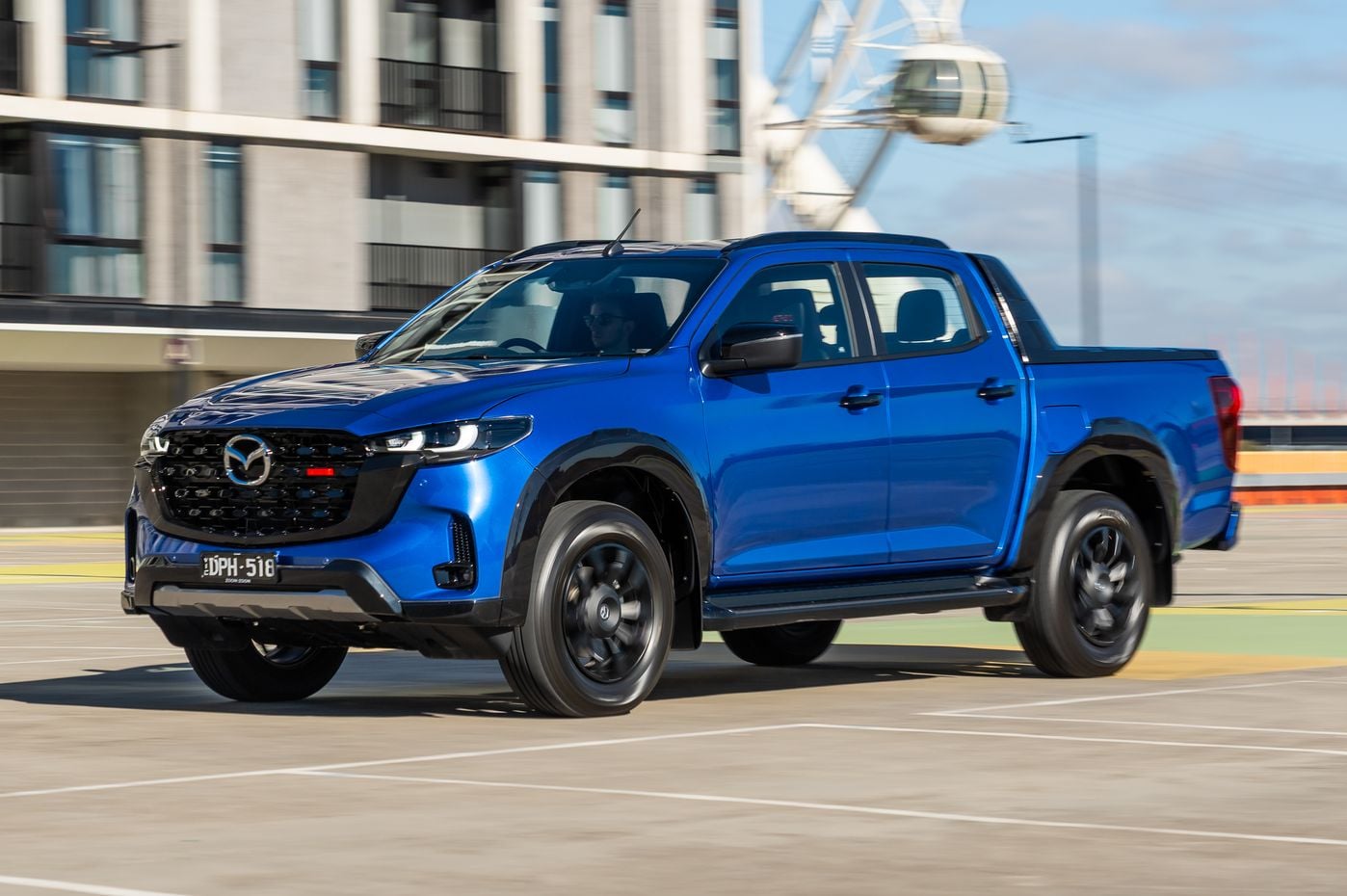
The Mazda BT-50 and Isuzu D-Max are almost inseparable on power, at 108.3kW and 108.2kW respectively. Both are very new vehicles, so we’d be interested in retesting after more kilometres. Their differing torque readings aren’t evidence of a straightforward engine-performance gap: the D-Max’s torque converter locks later during its run.
The GWM Ute records 90kW, the lowest power result but only slightly behind the Nissan Navara Pro-4X Warrior’s 92.2kW. We suspect the Nissan’s larger tyres contribute to its sizeable difference from the factory claim. The GWM also requires Eco mode to run in rear-wheel drive, another qualification worth retaining.
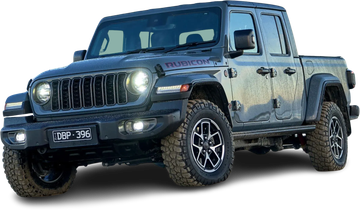
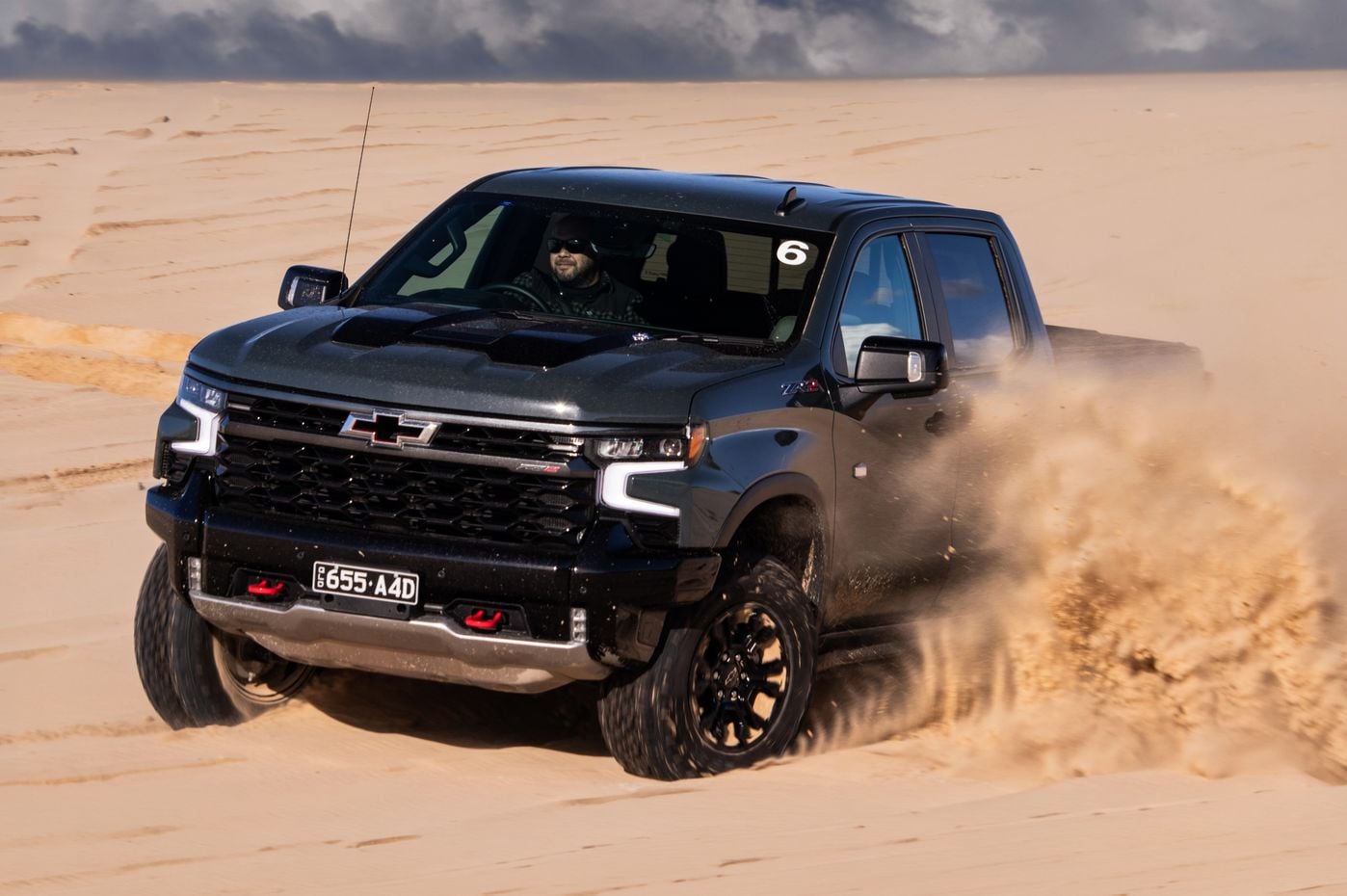
Automatic kickdown complicates testing of the Jeep Gladiator, Ram 1500, and Chevrolet Silverado, making clean comparisons difficult. The Silverado additionally reaches its 187km/h speed limiter, restricting the run. We wouldn’t treat these results as definitive rankings of engine health or capability.
Dyno operator Zane explains why the setup matters. Tyre pressures are equalised at 40psi, gearing information is entered, and torque is calculated from roller behaviour rather than measured directly at the crankshaft. Tyre slip, tyre construction, and torque-converter behaviour all influence the outcome.
The HiLux wins under our chosen method, but the bigger lesson is context. These are results from this rolling-road test, not proof that every difference between claimed and measured output is solely a mechanical drivetrain loss.