




Damion Smy
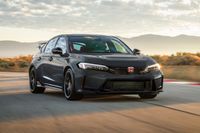
2027 Honda Civic Type R: Facelifted hot hatch revealed
Styling and interior tweaks as well as a new colour come ahead of the Civic Type R’s 30th anniversary in 2027.
5 Hours Ago
These 10 brands, ranging from cheap and cheerful to posh luxury, all significantly outpaced a market that was up by just 0.3 per cent in 2025.

Senior Editor – News
Senior Editor – News
Australia’s new-vehicle market grew only modestly in 2025, and numerous auto brands posted significant declines.
However, there were some brands that enjoyed strong sales growth last year and, perhaps surprisingly, not all of them were Chinese.
For this article, we’ve looked at the brands with the largest percentage increase in sales.
CarExpert can save you thousands on a new car. Click here to get a great deal.
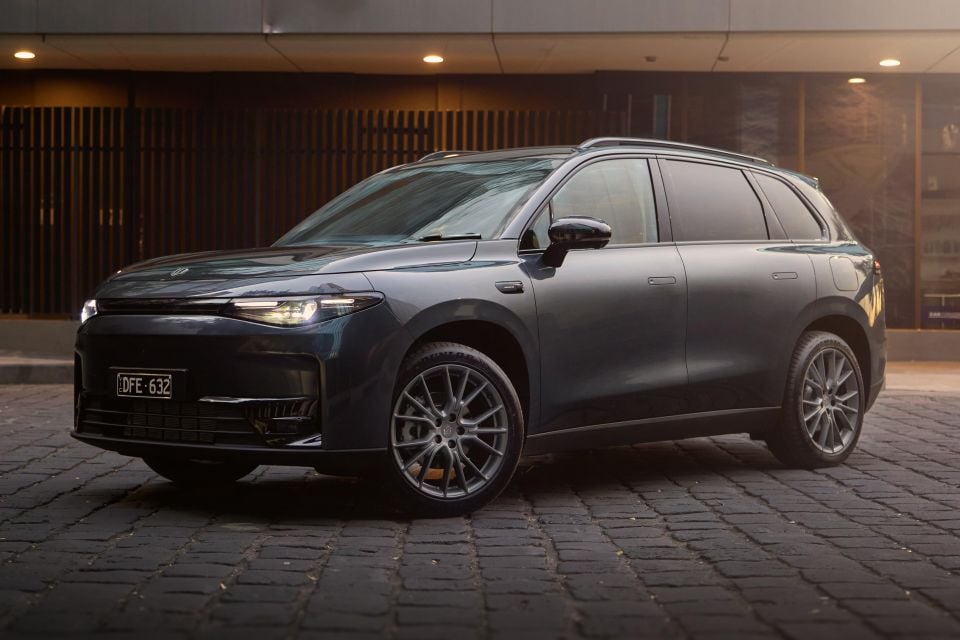
We’ve excluded exotic brands like Rolls-Royce (up 24.1 per cent year over year) and Aston Martin (up 20.1 per cent), as given their low sales volumes they’re more susceptible to significant percentage differences.
Technically, Leapmotor was the brand with the largest percentage increase in sales last year with a 906.2 per cent bump, however, it only commenced local deliveries late in 2024 thereby skewing the percentage change.
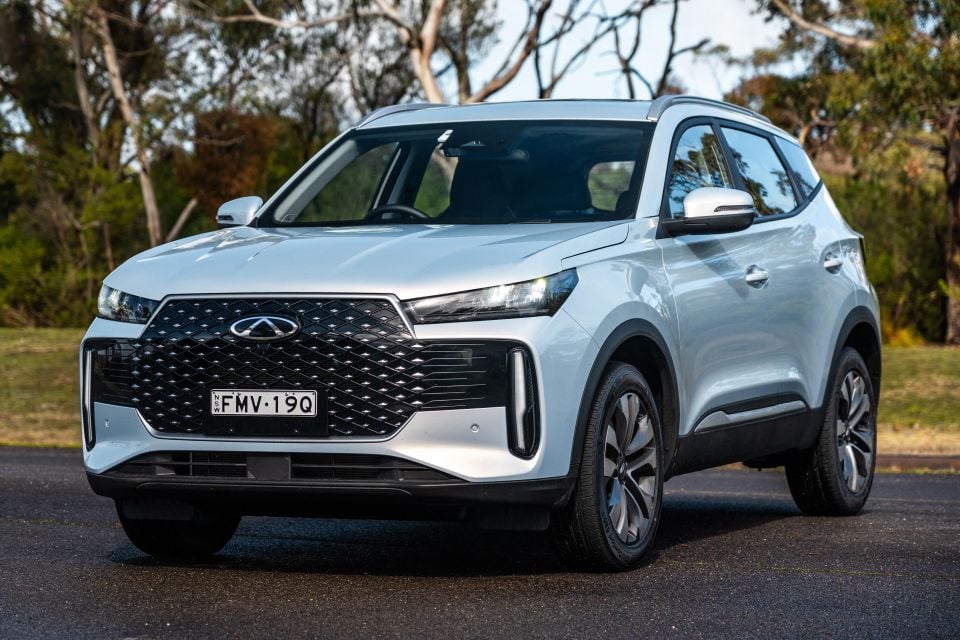
After relaunching in Australia with the Omoda 5 small SUV in April 2023, Chery has quickly expanded its local lineup. Not only that, it has also rolled out a sister brand (Omoda Jaecoo) and confirmed at least one more for our market (Lepas).
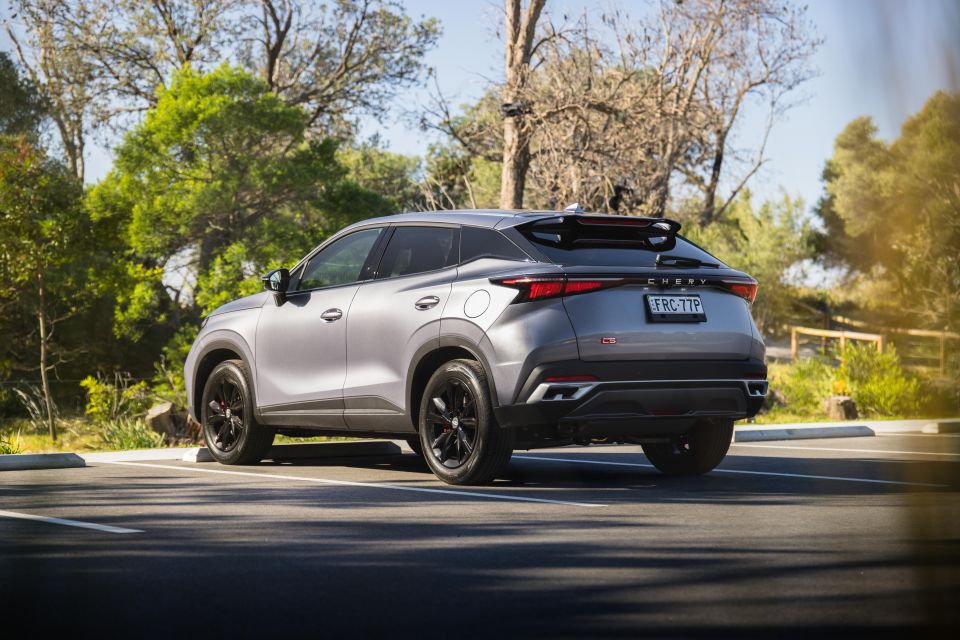
Growth for Chery’s namesake brand doesn’t appear to have been hampered by internal competition with Omoda Jaecoo, as its sales still grew by 176.8 per cent compared with 2024. The total tally was 34,889 units.
That wasn’t quite enough to see it crack the list of top 10 best-selling brands, something it had managed in multiple months during the year. However, it finished in 13th place, which isn’t bad for a fledgling brand in our market.
Chery’s debut model, formerly known as the Omoda 5 and now known as the C5 (with petrol power) and E5 (as an EV), was its only model to post a drop in sales. Overall, it slumped by 14 per cent, making it the brand’s third-best selling model line.
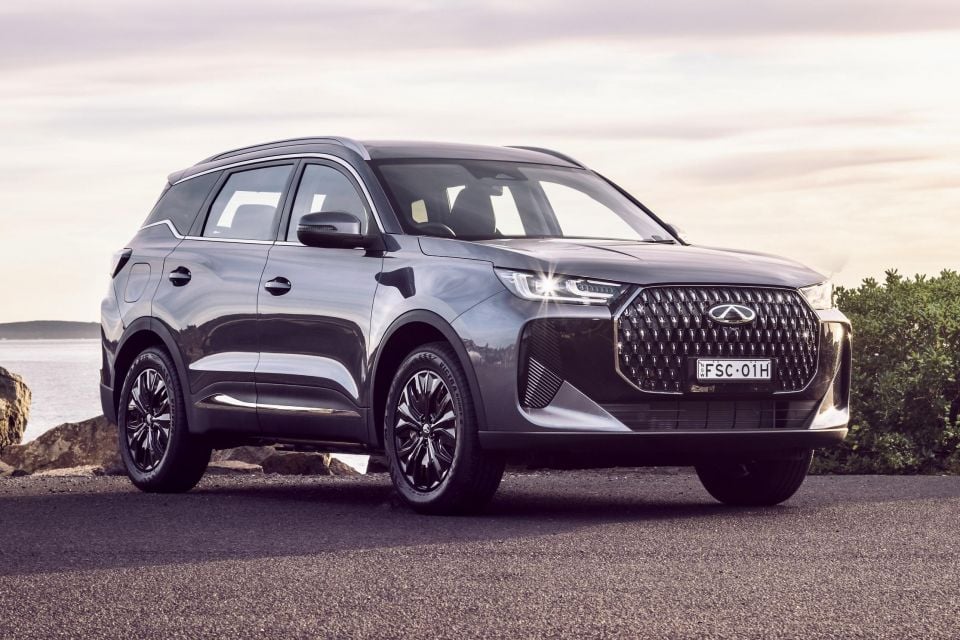
The Tiggo 4 was far and away Chery’s best seller, and after launching here late in 2024 it has stormed up the sales charts. A total of 20,149 examples reached Australian customers in 2025, up 950.5 per cent on 2024’s tally.
Coming in second was the Tiggo 7 range, with 5681 deliveries, up 107.8 per cent. The larger Tiggo 8 accounted for 3571 deliveries, up 99.6 per cent, while late in the year the range expanded further with the Tiggo 9 (190 deliveries).
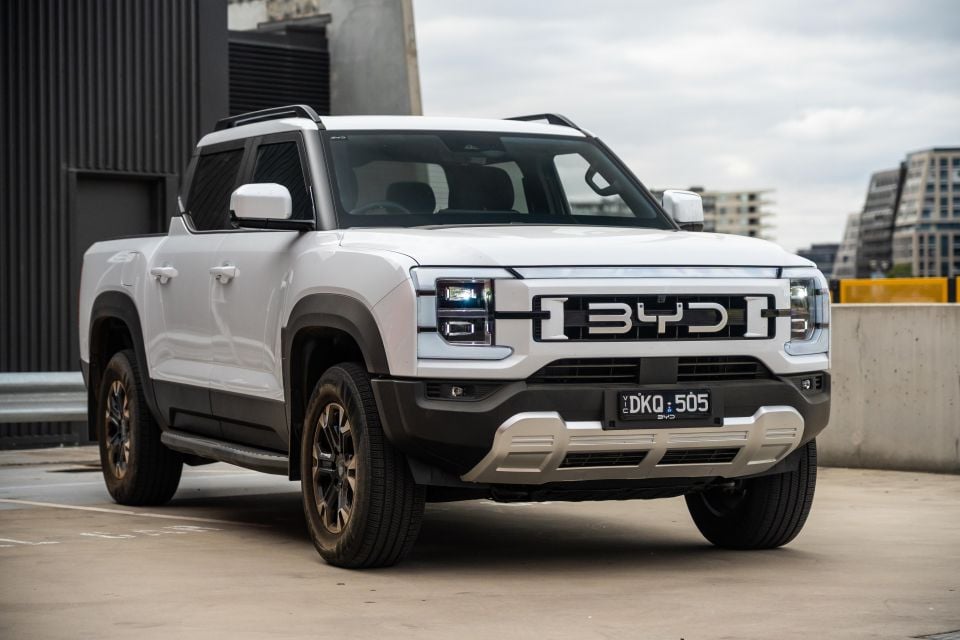
BYD is another Chinese brand that has busily been expanding its lineup, which helps explain its 156.2 per cent rise in sales. A total of 52,415 BYDs reached customers in 2025.
The Atto 1, Australia’s cheapest EV, arrived too late in the year to make much of a difference and only notched 88 deliveries, all in December; the Atto 2, in contrast, managed 896 deliveries across two months of recorded sales.
BYD’s superstars in 2025 were the Shark 6 plug-in hybrid ute (18,073 deliveries) and Sealion 7 electric SUV (13,410), both of which launched early in the year. The Sealion 6 rounded out the podium, its sales rising 46.1 per cent year over year to 9055 units.
The Dolphin electric hatch managed an even greater increase of 53.5 per cent, to 3248 units.
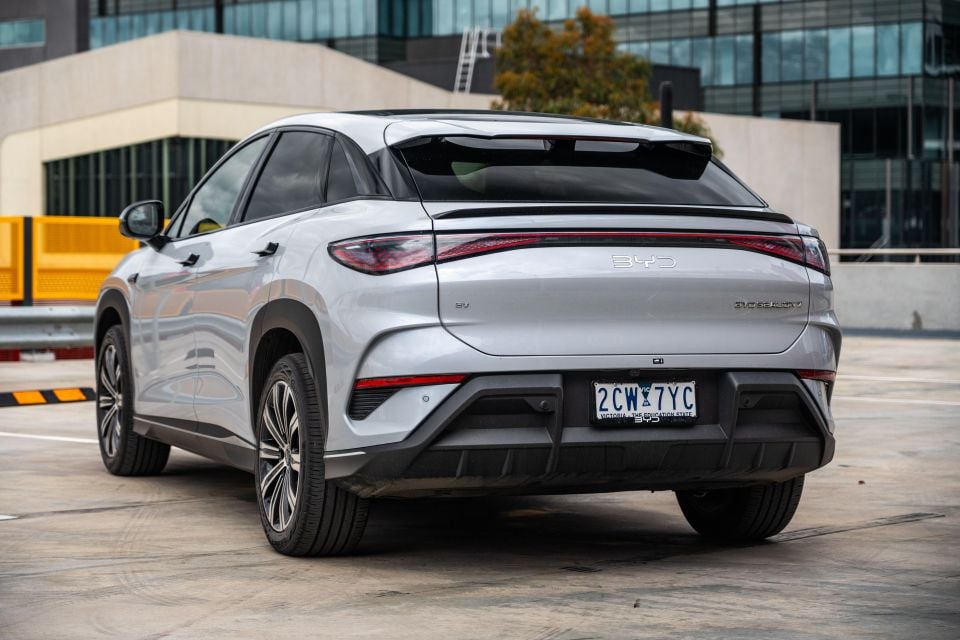
Not every BYD was up in 2025. The Atto 3 mid-size electric SUV, which represented BYD’s first proper crack at the Australian market, dropped 32.9 per cent to 3861 deliveries as it faced fresh competition from Geely, Leapmotor and MG.
The Seal electric sedan also dropped 40.8 per cent to 3784 deliveries, a similar fate to that which also befell rivals like the Tesla Model 3 and Polestar 2.
This year, the Atto 1, Atto 2, Sealion 5 and Sealion 8 will properly come on stream, so BYD could vault further up the sales top 10; it placed eighth in 2025.
The Polestar 2 electric fastback, the Geely-owned brand’s debut model in Australia, slumped by 48.9 per cent in 2025 with just 746 deliveries.
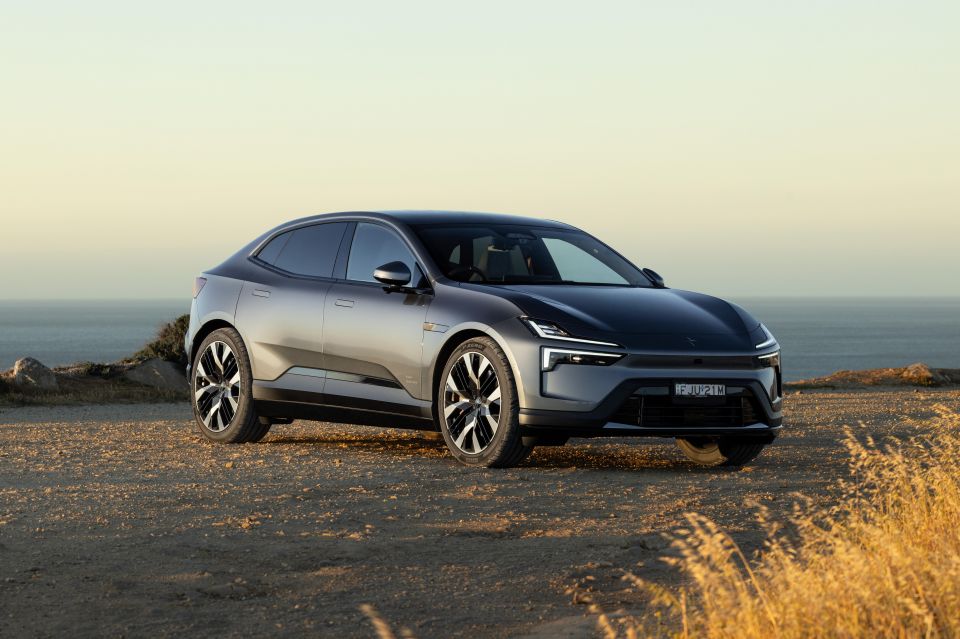
However, this was offset by increased sales for the EV brand’s SUVs, for which deliveries commenced in Australia in 2024.
The Polestar 3 large electric SUV was up 367.6 per cent to 332 units, while the smaller Polestar 4 climbed 607.7 per cent to 1295 units and therefore blew the likes of the Kia EV6, Genesis GV60 and Lexus RZ out of the water. It even managed to just pip the smaller EX30 from sister brand Volvo (1281 units).
This year, Polestar will launch its new flagship passenger car, the Polestar 5 grand tourer. However, given slumping sales for other high-end electric passenger cars, it’s unclear how much of an impact this will have on Polestar’s tally overall.
Mini has recently revitalised its lineup, launching new generations of the Cooper and Countryman, and introducing the new Aceman.
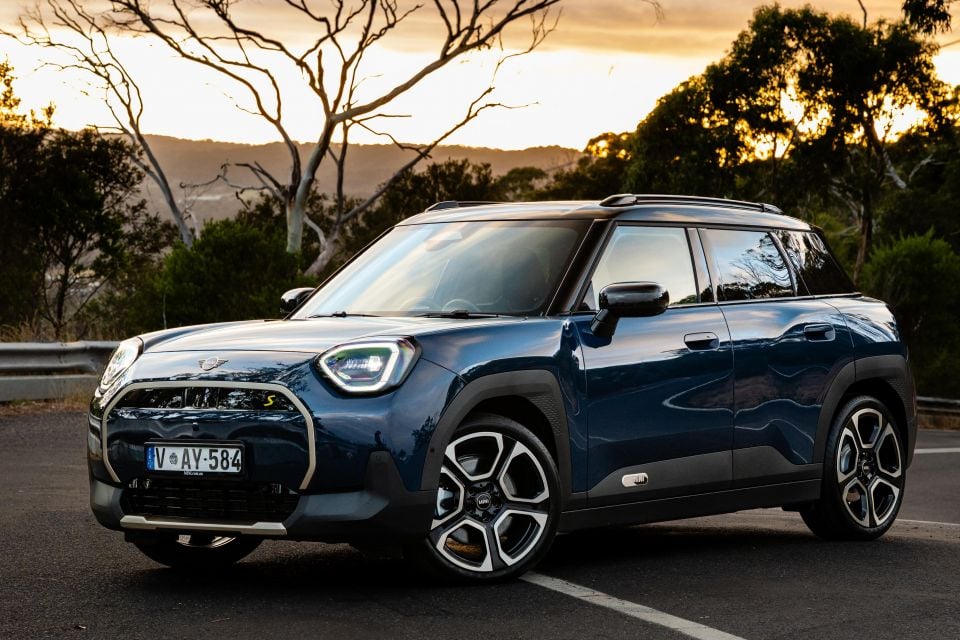
The result is a bump in sales, which were up by 37.7 per cent in 2025 to 5485 units.
The Aceman was up 230.1 per cent to 604 units, the Cabriolet was up 103.7 per cent to 383 units, the Cooper was up 45.2 per cent to 2263 units, and the Countryman was up 19.0 per cent to 2235 units.
GWM sales grew by 23.4 per cent to 52,809 units in 2025, which saw the brand finish in seventh place overall.
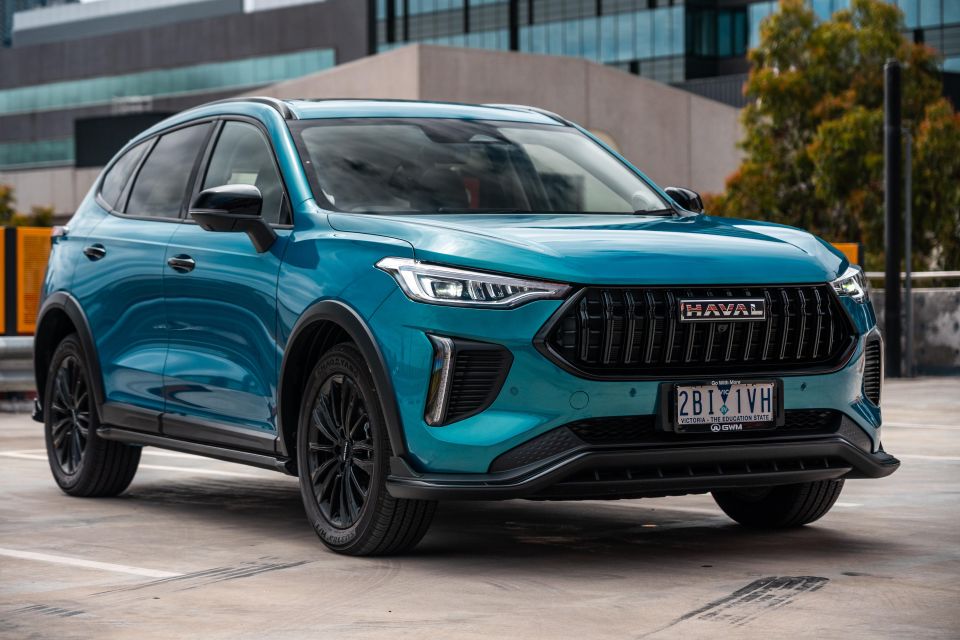
The GWM Ora electric hatch and Tank 500 large SUV may have only launched here in 2023 and 2024, respectively, but their sales dropped off in 2025. A total of 763 Oras reached customers, down 37.7 per cent, while the Tank 500 dropped 9.2 per cent to 1519 units.
The Haval Jolion small SUV, the brand’s best seller, rose 36.3 per cent to 19,413 units, with the larger Haval H6 in second place with 13,217 units, up 6.5 per cent.
However, the model with the biggest percentage increase was the Cannon Alpha. The brand’s flagship ute rose 130.5 per cent to 2524 units.
Like Chery and BYD, Cupra is another brand that only recently arrived on the scene in Australia. Its increase in sales in 2025 is therefore attributable not only to growing buyer awareness, but also the continued expansion of its lineup.
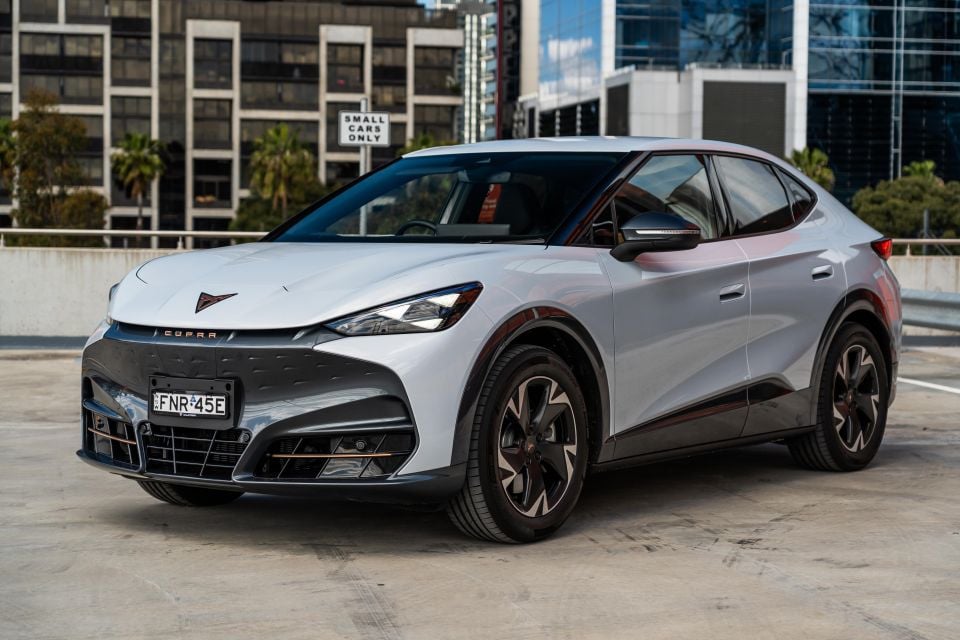
The Tavascan (339 deliveries) and Terramar (246) SUVs helped increase total Cupra sales, which rose 21.0 per cent to 2830 units.
These helped offset declines with the Leon small car, down 2.3 per cent to 339 units amid the changeover to an updated model. The Ateca SUV is being phased out, and fell 61.5 per cent to 101 units; the Born electric hatch was retired during 2025, and recorded 315 deliveries, down 32.3 per cent.
Cupra’s best seller is the Formentor SUV, which accounts for over half of the brand’s total sales. It notched 1490 deliveries, up 17.8 per cent.
After slumping 26.9 per cent in 2024, its first annual loss since launching here in 2019, Hyundai’s luxury brand clawed back some ground in 2025.
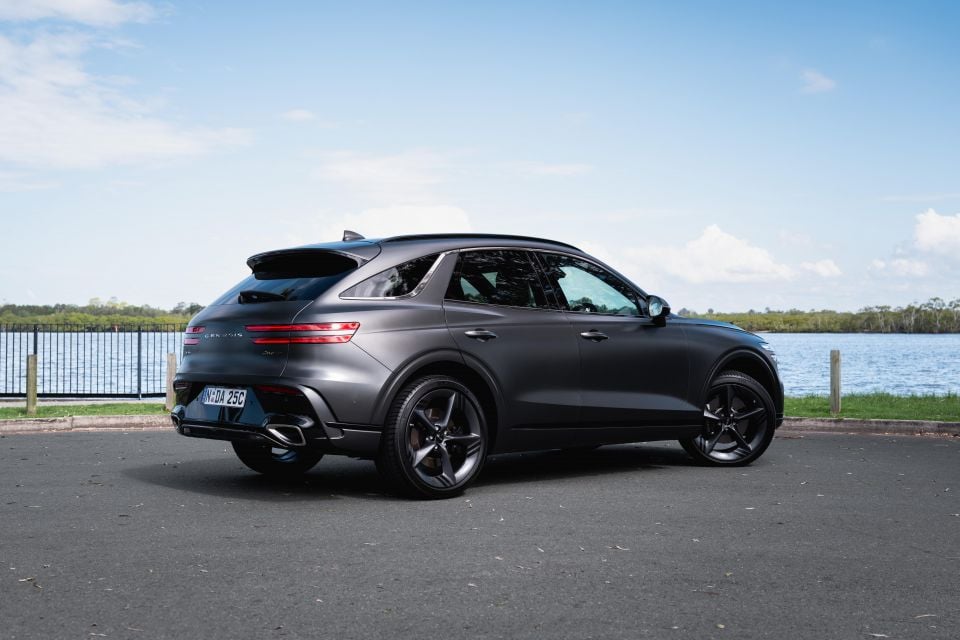
Its sales were up 14.4 per cent over 2024 to 1602 units, with its best seller – the GV70 mid-size SUV – doing the heavy lifting. A total of 1220 examples reached customers, up 35.3 per cent.
However, almost all of the rest of the lineup saw double-digit declines. The G70 sedan slumped 15.6 per cent to 38 units, the G80 large SUV fell 28.1 per cent to 41 units, the GV80 Coupe dropped 15.5 per cent, and the GV60 electric SUV plummeted 78.6 per cent to 15 units.
The GV80 didn’t fare quite as badly, dropping 9.9 per cent to 201 units.
Genesis will need to rely on an expansion of its dealership network to help boost sales in 2026, as it only has one confirmed product launch this year in Australia: the updated GV60, which is gaining a high-performance Magma variant.
Combining Mercedes-Benz Cars and Mercedes-Benz Vans tallies, the three-pointed star brand was up by 11.1 per cent to 27,581 units.
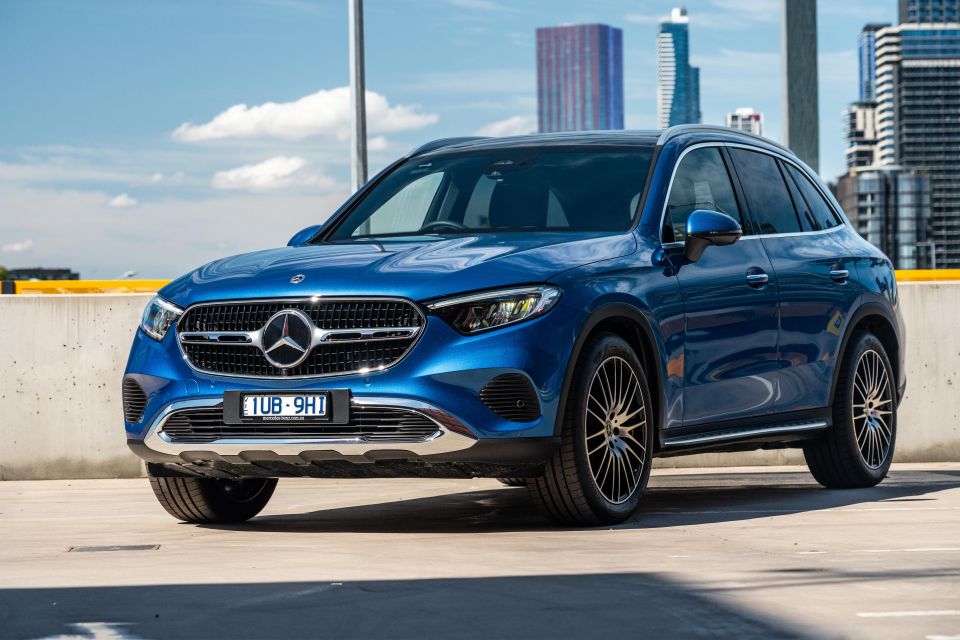
Breaking this down, the Vans division fell by 2.3 per cent to 4731 units, though the Cars division rose 14.3 per cent to 22,850 units.
Every Mercedes-Benz SUV was up apart from the small EQA (down 12.5 per cent to 913 units), but even a swathe of passenger cars from the entry-level A-Class all the way up to the flagship S-Class posted increases.
Of note, the GLC medium SUV was up 47 per cent to 4306 units; though its GLC Coupe sibling rose only 0.8 per cent to 1520 units.
A handful of Benzes were down, however, and these included the unpopular EQE and EQS electric vehicles, the low-volume SL and GT 4-Door Coupe sports cars, and the full-size Sprinter van.
After green shoots appeared in 2024, Honda sales grew by almost 10 per cent in 2025.
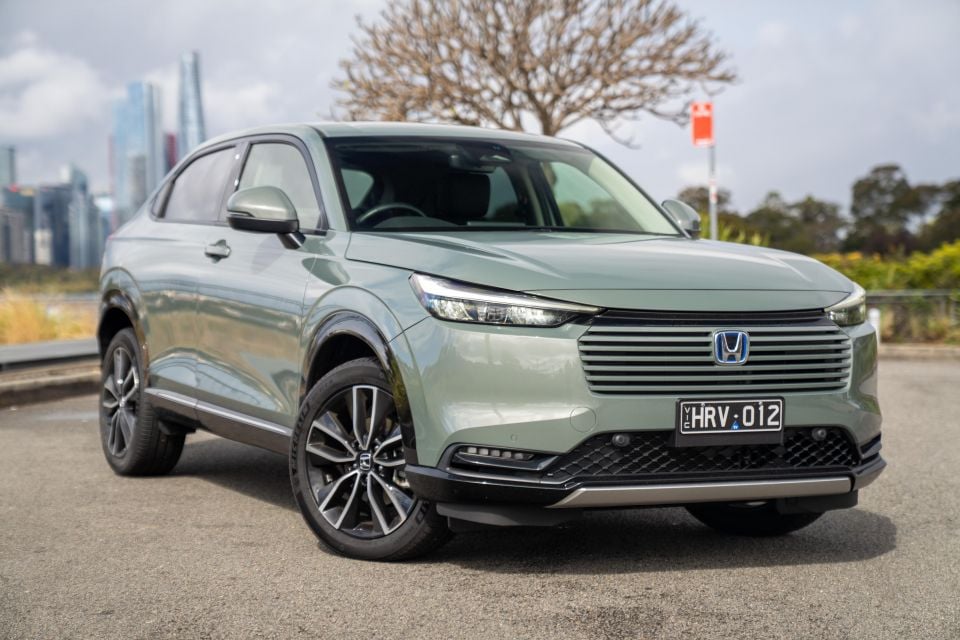
As with Genesis, much of this growth can be attributed to a single model. The HR-V small SUV rose by 43.8 per cent to 4817 units, which saw it overtake the ZR-V medium SUV to become the brand’s second-best seller.
The larger CR-V was up by only 0.9 per cent to 5595 deliveries, with the ZR-V slumping 3.7 per cent to 3940 units.
Honda’s passenger cars also fell, with the Civic hatch dropping by 3.4 per cent to 933 units and the ultra-rare Accord sedan falling by 28.5 per cent to 98 units.
Hyundai sales rose by 7.7 per cent to 77,208 units. That wasn’t enough to push it past sister brand Kia (82,105 units), but it outpaced it in growth as Kia rose by only 0.4 per cent despite the launch of its first ute.
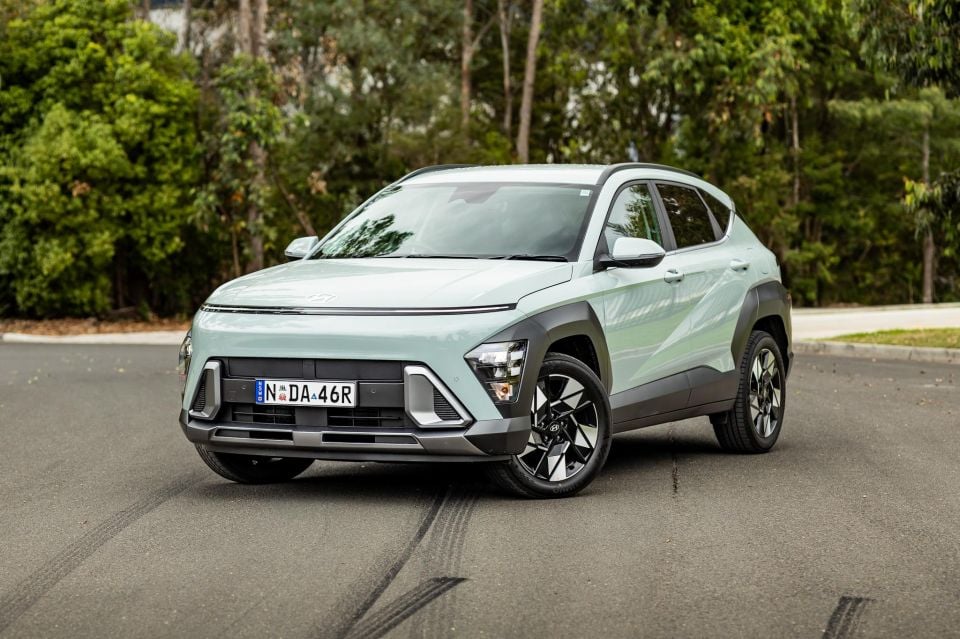
The axing of non-N versions of the i30 Hatch contributed to its 15.7 per cent drop in sales (10,688 units, including the unrelated i30 Sedan), while the changeover to a new generation of Palisade large SUV saw its sales drop 22.8 per cent to 2364 units.
The Staria people mover also fell by 11.6 per cent to 1205 units and the Staria Load van by 16.7 per cent to 2917 units, with other Hyundai models like the Ioniq 5, Ioniq 6 and Sonata also recording double-digit declines.
Strong sales for the Kona small SUV (up 31.1 per cent to 22,769) and Santa Fe large SUV (up 16.2 per cent to 6264 units) helped offset these drops, while the i20 N hot hatch posted a massive 172.6 per cent year over year increase with 1213 examples reaching customers.
MORE: VFACTS 2025: Another record year for new vehicle sales in Australia, but growth modest overall
MORE: VFACTS: The models with the biggest sales drops in 2025
MORE: VFACTS: The brands with the biggest sales drops in Australia in 2025
William Stopford is an automotive journalist with a passion for mainstream cars, automotive history and overseas auto markets.
Damion Smy
5 Hours Ago
William Stopford
5 Hours Ago
Damion Smy
7 Hours Ago
William Stopford
8 Hours Ago
Damion Smy
9 Hours Ago

Josh Nevett
10 Hours Ago
Add CarExpert as a Preferred Source on Google so your search results prioritise writing by actual experts, not AI.