




Damion Smy
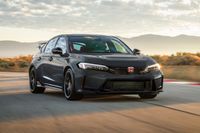
2027 Honda Civic Type R: Facelifted hot hatch revealed
Styling and interior tweaks as well as a new colour come ahead of the Civic Type R’s 30th anniversary in 2027.
5 Hours Ago
Sales of new vehicles in Australia have grown for a third year in a row, though the market was only up by 0.3 per cent overall.

Senior Editor – News
Senior Editor – News
There’s been an influx of new auto brands to Australia, but the overall new-vehicle market was up only modestly in 2025.
A total of 1,241,037 new vehicles were delivered last year, up just 0.3 per cent from 1,237,287 in 2024 – despite Australia’s population growing by around 1.5 per cent in 2025.
It’s the third year in a row the overall Australian auto market has grown, and comes despite some analysts predicting no growth in 2025.
Per data from the Federal Chamber of Automotive Industries (FCAI) and the Electric Vehicle Council, electric vehicle (EV) deliveries totalled 103,269 units, up 13.1 per cent year over year. EVs therefore accounted for 8.3 per cent of all new vehicle deliveries in 2025.
In 2024, they accounted for 7.4 per cent of the overall market, or 91,292 deliveries overall.
CarExpert can save you thousands on a new car. Click here to get a great deal.
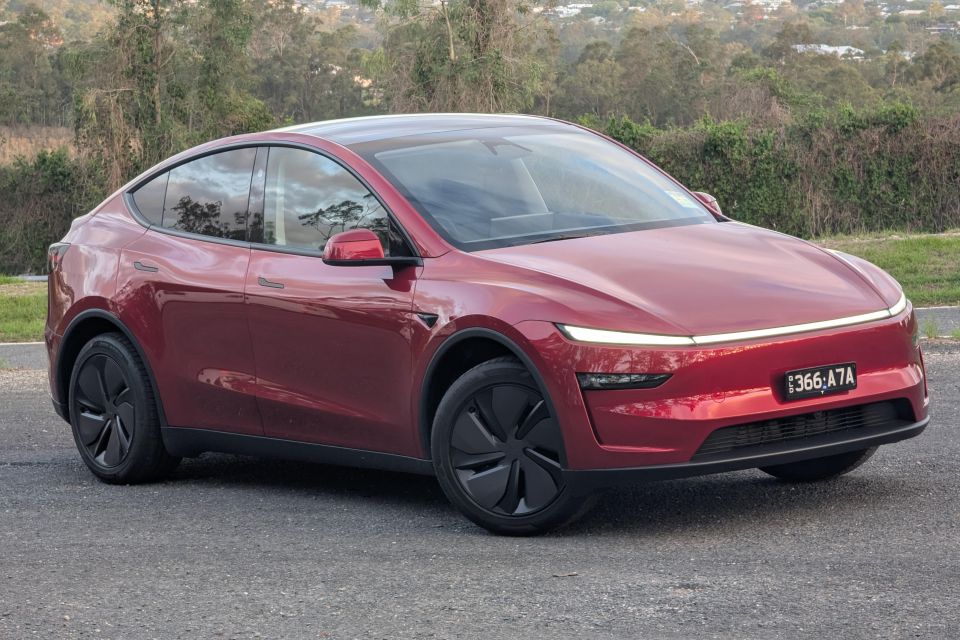
“The growth of battery electric vehicle market share has been anaemic, increasing by 1.1 percentage points over the past two years, well below earlier projections,” said FCAI chief executive Tony Weber.
He criticised the Australian Government’s New Vehicle Efficiency Standard (NVES), introduced last year, for failing to spur EV sales more.
“The NVES has provided policy certainty and has led to an increased availability of EVs in Australia. However, it has had little discernible effect on EV demand,” Mr Weber said.
“There is growing concern about what the impact of NVES will be on vehicle availability, affordability and consumer choice as the Government’s targets become more stringent.”
EV sales may continue to increase but their growth has cooled. Plug-in hybrid vehicle (PHEV) sales, in contrast, are rising sharply – with 53,484 deliveries recorded in 2025, they were up 130.9 per cent year over year.
Hybrid vehicle sales were up 15.3 per cent to 199,133 vehicles. Like PHEVs, the number of hybrid models offered in Australia continues to grow.
But while sales of these more efficient vehicles continue to increase, the market continues to shift inexorably to SUVs and light commercial vehicles, namely utes.
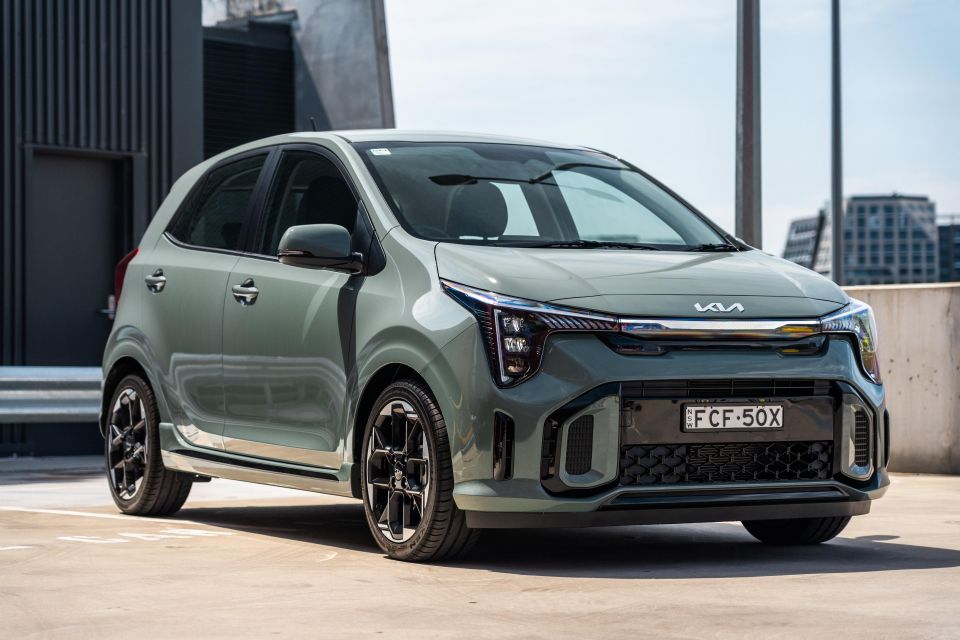
Passenger car deliveries totalled 164,847 units in 2025, accounting for just 13.3 per cent of the total market – down from 17.1 per cent in 2024.
SUVs and light commercial vehicles, in contrast, accounted for 61 per cent and 22 per cent of the market overall in 2025, up from 56.9 and 21.9 per cent respectively in 2024.
China became Australia’s second largest supplier of new vehicles in 2025, overtaking Thailand but still sitting behind Japan.
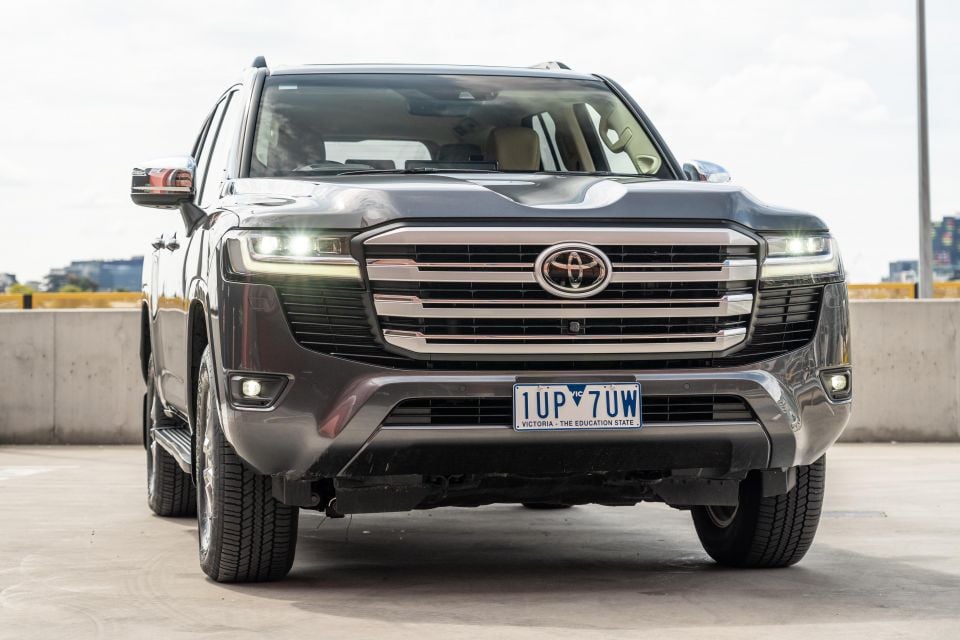
Toyota continued as the top-selling brand in Australia for the 23rd year in a row. Even with sales down ever so slightly (a 0.6 per cent drop), the Japanese giant delivered more than twice as many vehicles as second-placed Ford.
Ford suffered a greater drop of 5.8 per cent, affected by a slump in Ranger 4×2 sales and interruptions in customer deliveries for the F-150.
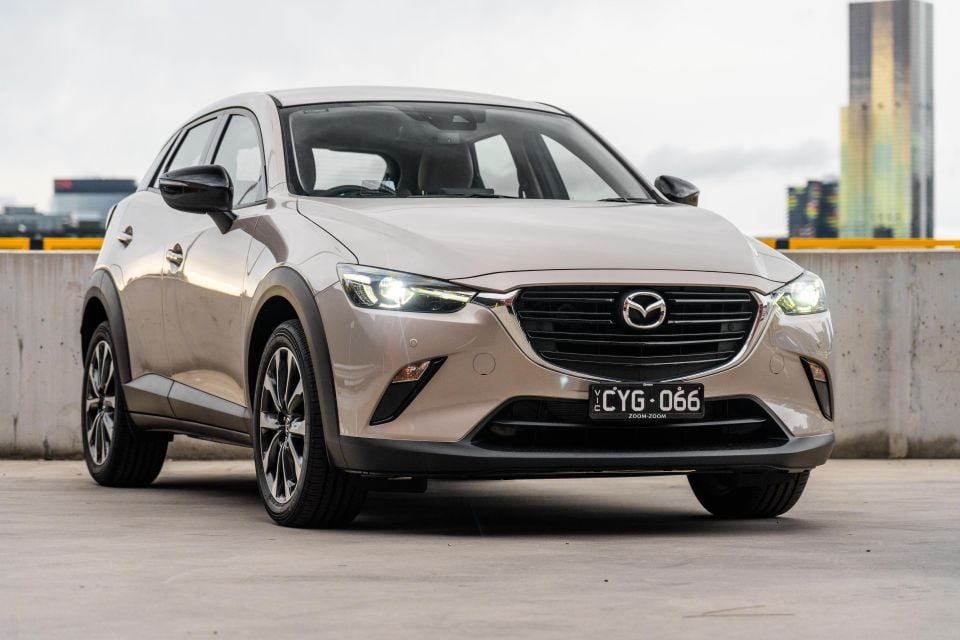
Mazda remained in third place, also suffering a decline. Its deliveries were down by 4.2 per cent, hampered by a 16.4 per cent drop in sales for the CX-3 which nevertheless still led its segment.
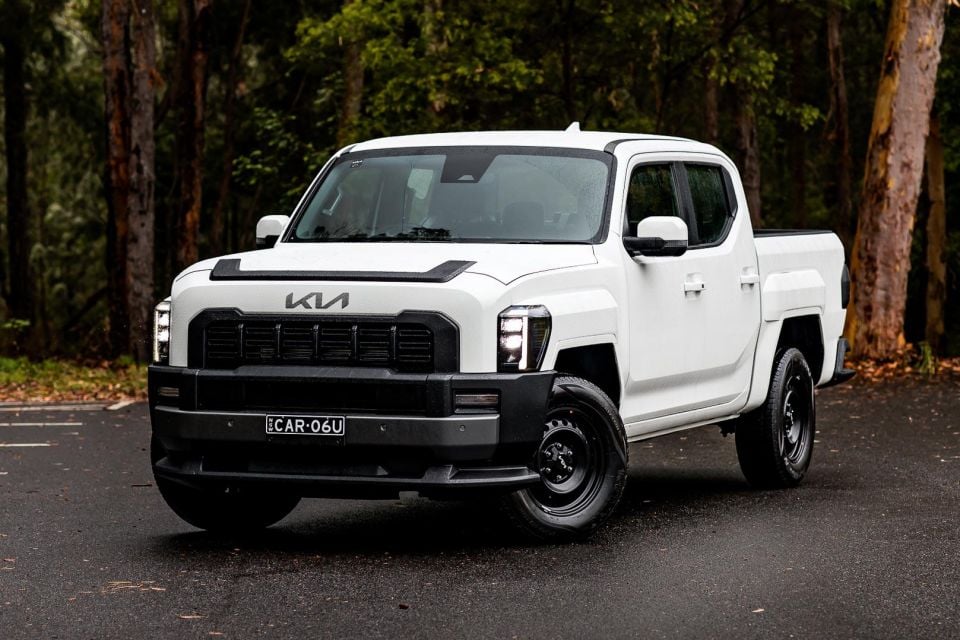
Kia once again finished ahead of its sister brand Hyundai, with 82,105 and 77,208 deliveries respectively. But despite the launch of the new Tasman ute, Kia sales were only up by 0.4 per cent year over year, while Hyundai grew by 7.7 per cent.
Mitsubishi held onto a top 10 spot despite ending imports of models like the Eclipse Cross and Pajero Sport, plus a changeover to a new, more expensive ASX. It sat in sixth with 61,198 deliveries, down 17.9 per cent. That was a drop of one position in the top 10, with Hyundai overtaking it.
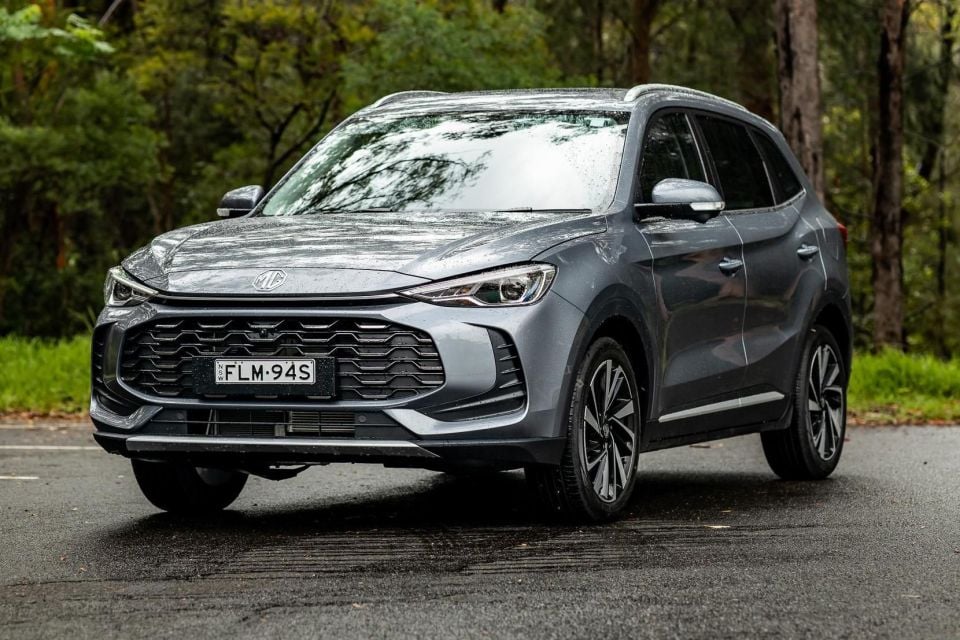
The top 10 was rounded out by GWM, BYD, Isuzu Ute and MG. GWM climbed three spots while MG dropped three, and BYD entered the top 10 for the first time (it placed 17th in 2024). Isuzu Ute also dropped one spot.
Missing from the top 10 was Nissan, which finished in 12th position after its deliveries dropped by 21.6 per cent year over year. It sat in ninth place in 2024.
| Brand | 2025 deliveries | YoY change |
|---|---|---|
| Toyota | 239,863 | -0.6% |
| Ford | 94,399 | -5.8% |
| Mazda | 91,923 | -4.2% |
| Kia | 82,105 | +0.4% |
| Hyundai | 77,208 | +7.7% |
| Mitsubishi | 61,198 | -17.9% |
| GWM | 52,809 | +23.4% |
| BYD | 52,415 | +156.2% |
| Isuzu Ute | 42,297 | -12.2% |
| MG | 41,298 | -18.4% |
| Subaru | 39,005 | -3.9% |
| Nissan | 35,511 | -21.6% |
| Chery | 34,889 | +176.8% |
| Volkswagen | 28,970 | -20.6% |
| Tesla | 28,856 | -24.8% |
| Mercedes-Benz | 27,581 | +11.1% |
| BMW | 26,842 | +1.9% |
| Audi | 16,014 | +4.4% |
| Honda | 15,383 | +9.2% |
| Suzuki | 15,378 | -27.7% |
| Lexus | 14,561 | +6.7% |
| LDV | 14,108 | -11.9% |
| Land Rover | 8339 | +5.4% |
| Volvo | 7239 | -18.6% |
| Mini | 5485 | +37.7% |
| Porsche | 5133 | -27.0% |
| Geely | 5010 | – |
| Skoda | 4808 | -4.1% |
| Renault | 4569 | -17.8% |
| KGM | 4116 | -23.7% |
| Chevrolet | 4113 | -4.4% |
| Omoda Jaecoo | 3721 | – |
| Ram | 3271 | -15.1% |
| Cupra | 2830 | +21.0% |
| Polestar | 2373 | +38.5% |
| Zeekr | 1994 | – |
| Fiat | 1952 | -2.6% |
| Jeep | 1682 | -31.5% |
| Genesis | 1602 | +14.4% |
| JAC | 1582 | – |
| Peugeot | 1350 | -28.8% |
| Leapmotor | 644 | +906.3% |
| Jaguar | 520 | -30.0% |
| Deepal | 481 | – |
| Alfa Romeo | 557 | -0.7% |
| GMC | 342 | – |
| Lamborghini | 272 | -0.4% |
| Maserati | 264 | -30.0% |
| Ferrari | 220 | -10.6% |
| Aston Martin | 185 | +20.1% |
| Foton | 178 | – |
| Bentley | 150 | -18.0% |
| Lotus | 72 | -53.5% |
| McLaren | 68 | -28.4% |
| Rolls-Royce | 67 | +24.1% |
| Denza | 2 | – |
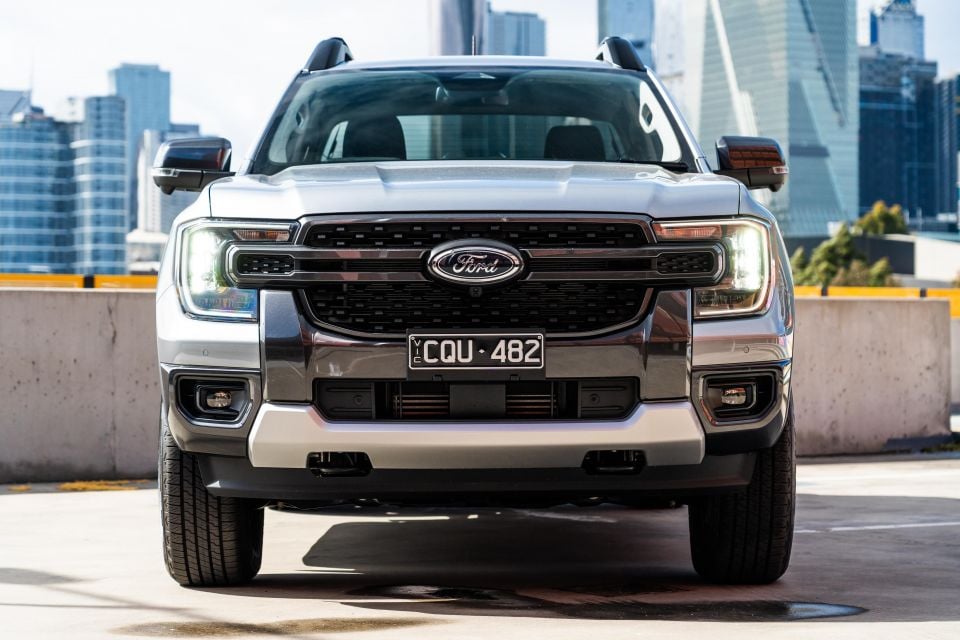
The Ford Ranger was Australia’s best-selling vehicle for the third year in a row, fuelled by strong sales for its more expensive (and more profitable) 4×4 variants – looking at sales of 4×2 variants alone, it was outsold by the Toyota HiLux, Isuzu D-Max and Mazda BT-50.
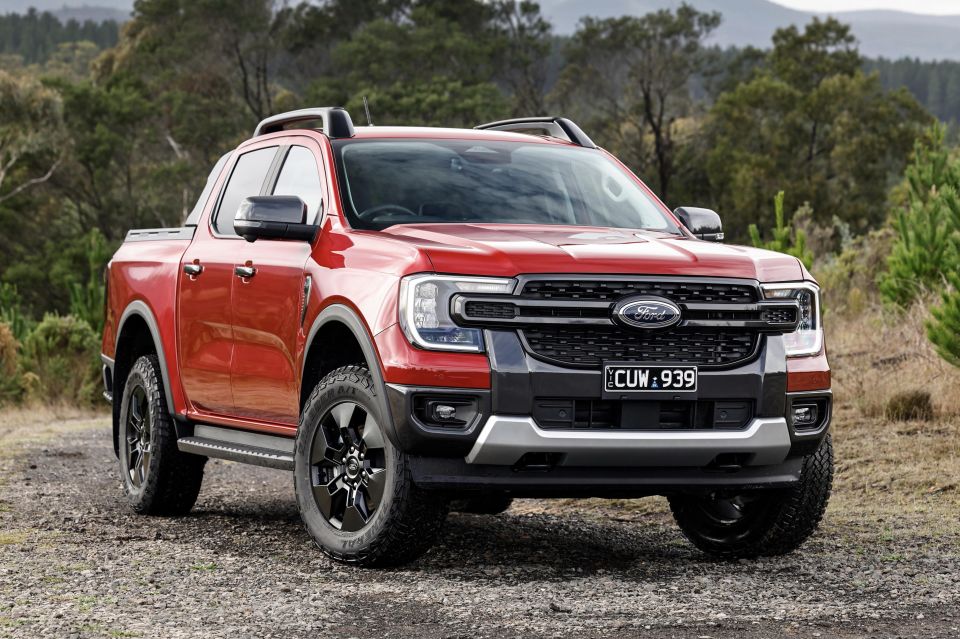
Even with its overall sales declining by 9.6 per cent, the Ranger still finished ahead of the Toyota RAV4. The mid-size hybrid SUV notched 51,947 deliveries in its swansong year, before a new generation arrives in 2026; despite an 11.5 per cent drop, it still outsold the next best-selling mid-size SUV by more than two to one.
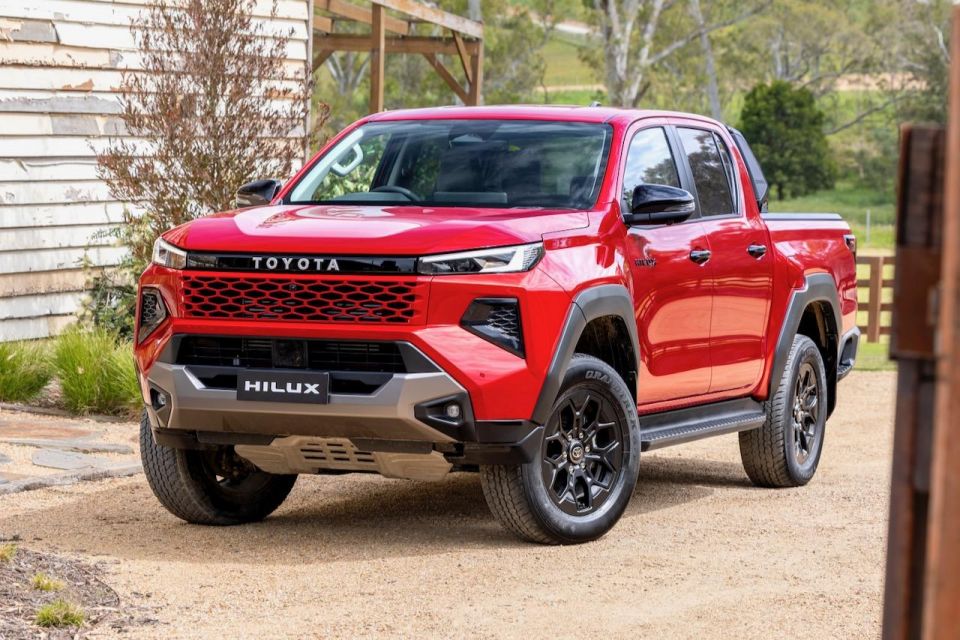
Toyota had another podium finisher in the HiLux, with 51,297 deliveries – down 4.1 per cent. A new generation of the popular ute started arriving in showrooms towards the end of the year.
Fourth spot went to the Isuzu D-Max, which outsold the BYD Shark 6 by more than 8000 units.
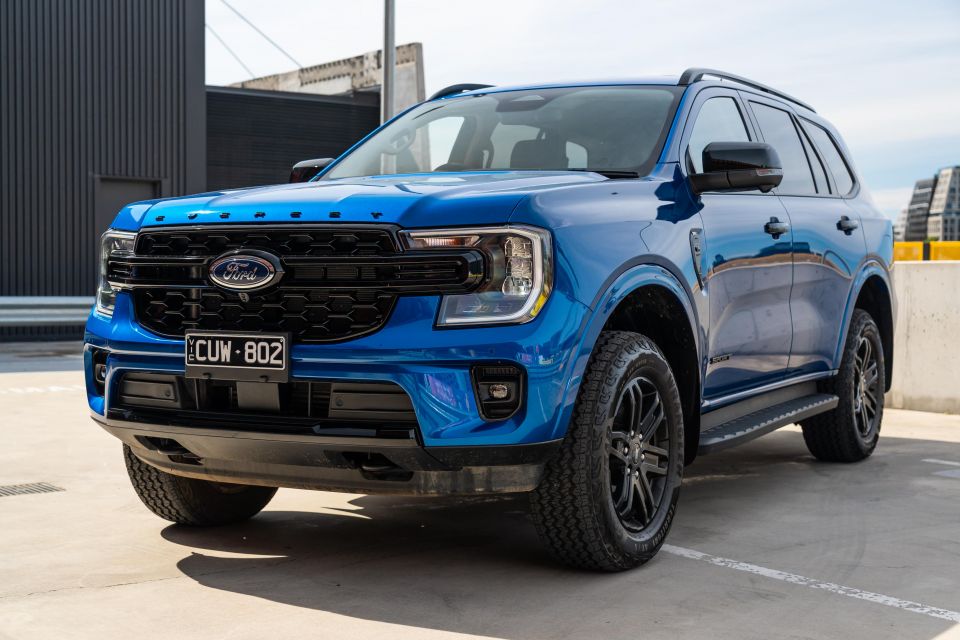
A much closer competition existed between the Ford Everest and Toyota Prado in the large SUV segment, and the former managed to just pip the latter in sales (26,161 versus 26,106 in an almost photo finish).
The best-selling small SUV in Australia wasn’t from a Chinese brand but rather from Hyundai, with its Kona sitting in seventh overall with 22,769 sales – up 31.1 per cent year over year.
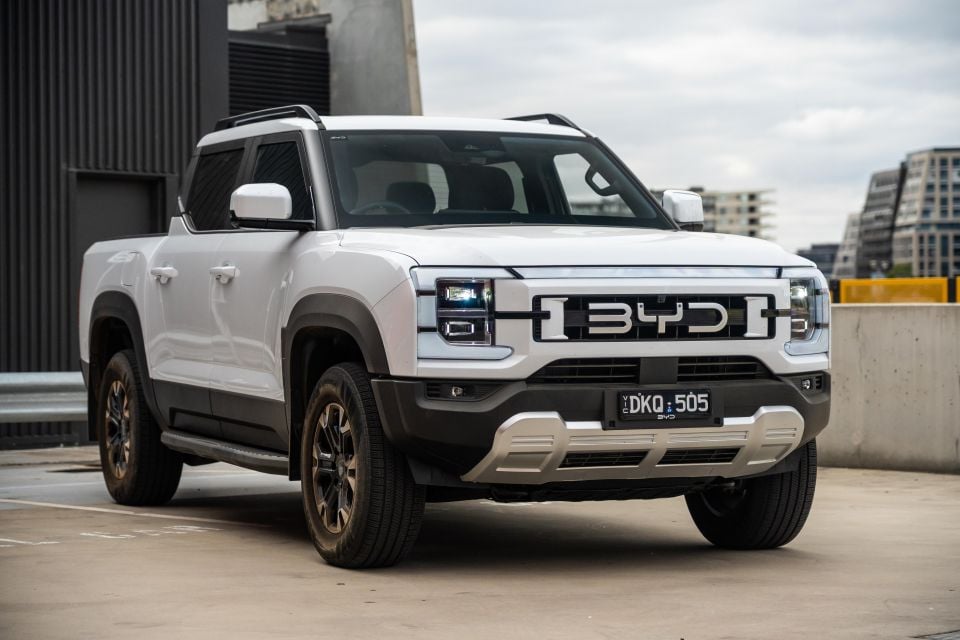
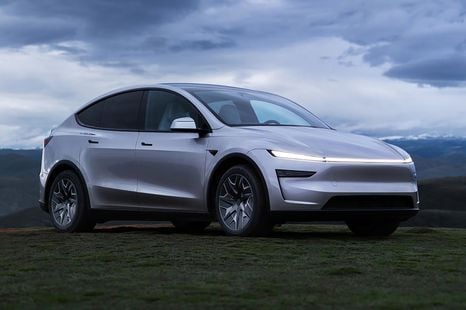
The top 10 was rounded out by three mid-size SUVs: the Mazda CX-5, Mitsubishi Outlander and Tesla Model Y.
| Model | 2025 deliveries |
|---|---|
| Ford Ranger | 56,555 |
| Toyota RAV4 | 51,947 |
| Toyota HiLux | 51,297 |
| Isuzu D-Max | 26,839 |
| Ford Everest | 26,161 |
| Toyota Prado | 26,106 |
| Hyundai Kona | 22,769 |
| Mazda CX-5 | 22,742 |
| Mitsubishi Outlander | 22,459 |
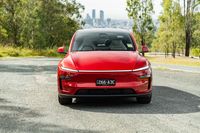
| Tesla Model Y | 22,239 |
| Chery Tiggo 4 | 20,149 |
| Hyundai Tucson | 20,145 |
| MG ZS | 20,000 |
| GWM Haval Jolion | 19,413 |
| Kia Sportage | 19,137 |
| Toyota Corolla | 18,968 |
| Mitsubishi Triton | 18,900 |
| BYD Shark 6 | 18,073 |
| Nissan X-Trail | 15,708 |
| Isuzu MU-X | 15,458 |
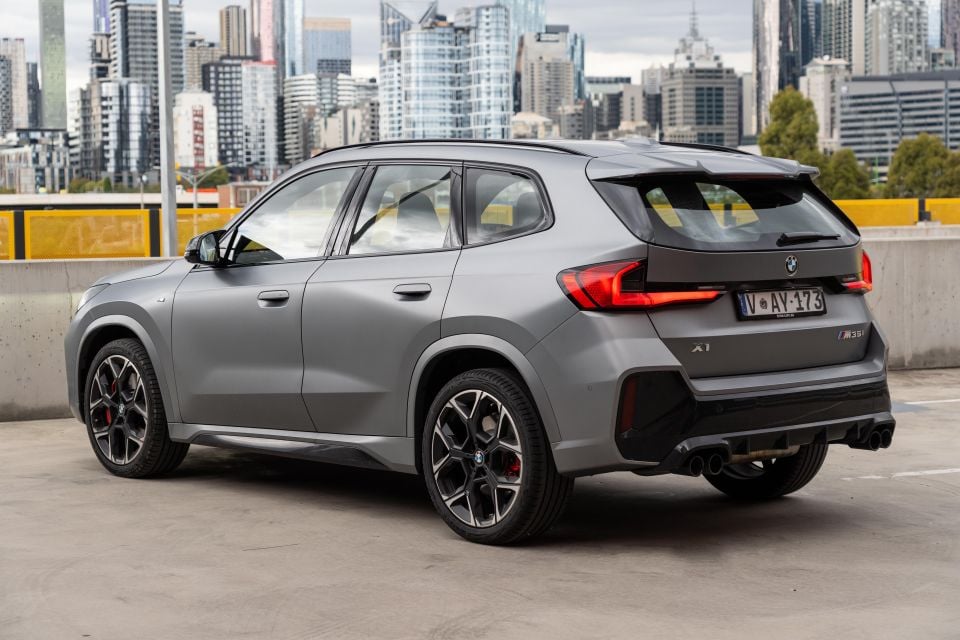
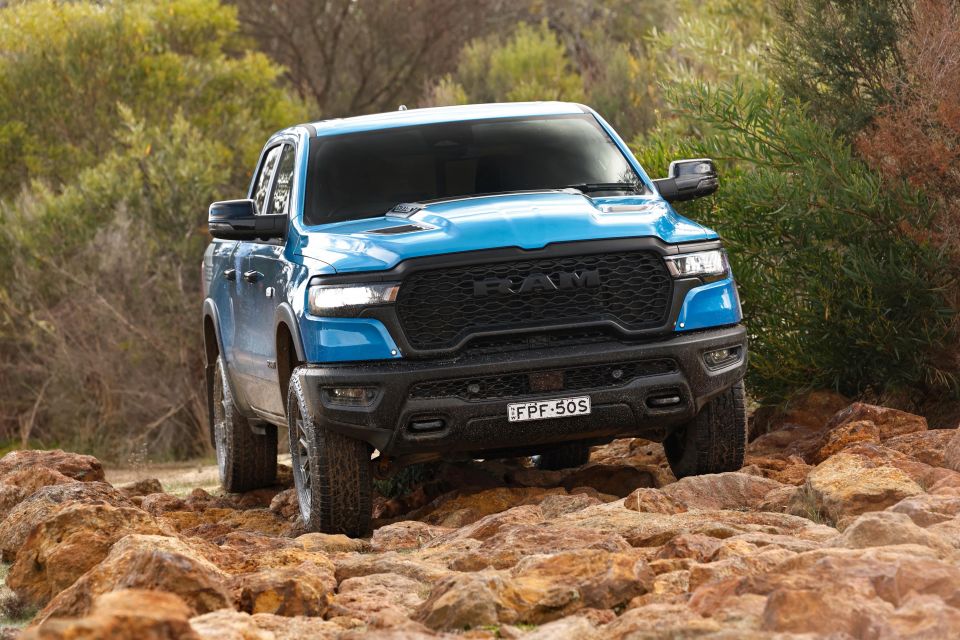
Here’s a breakdown of the top-selling models by segment:
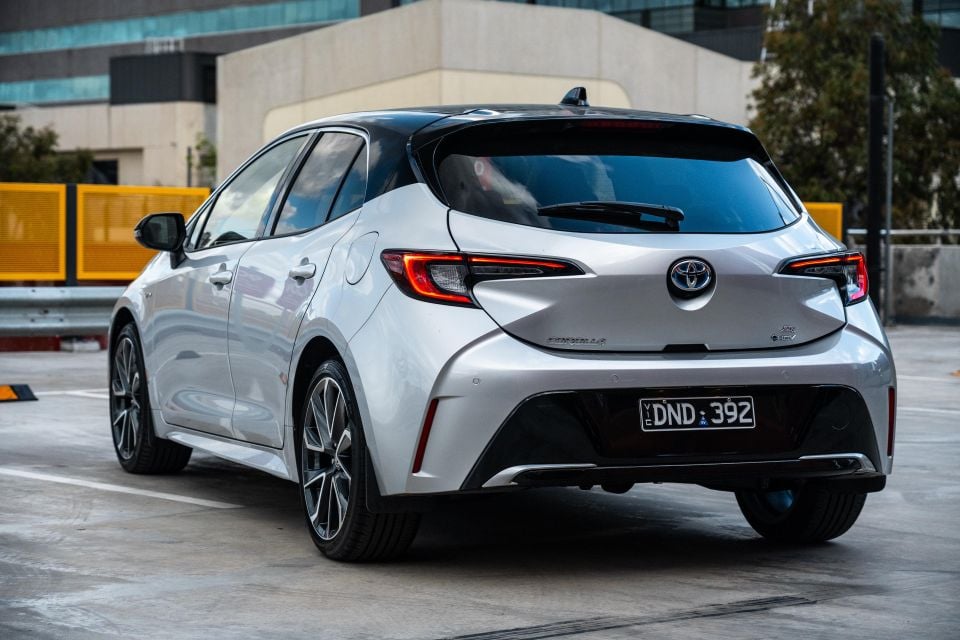
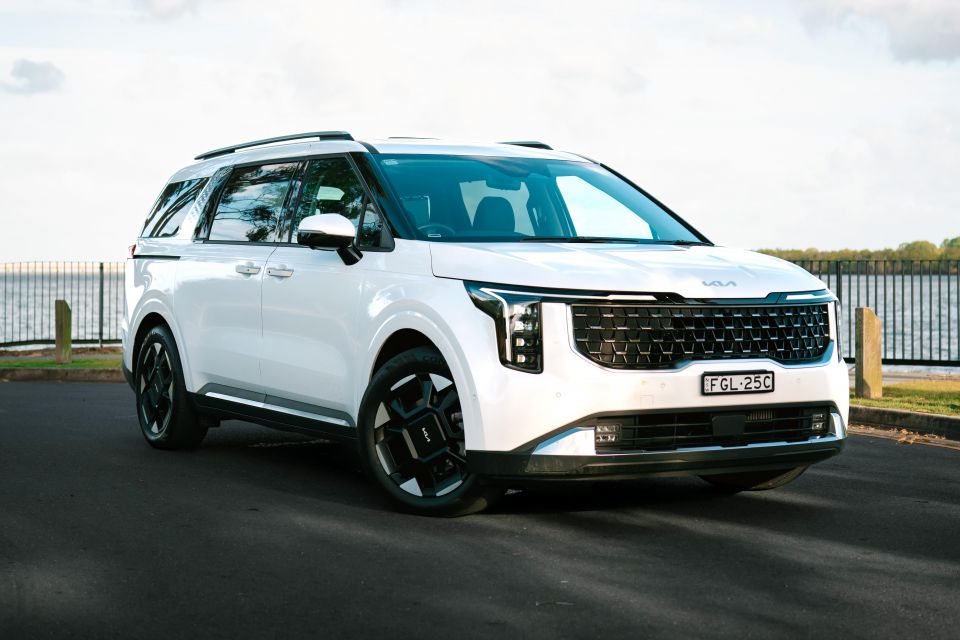
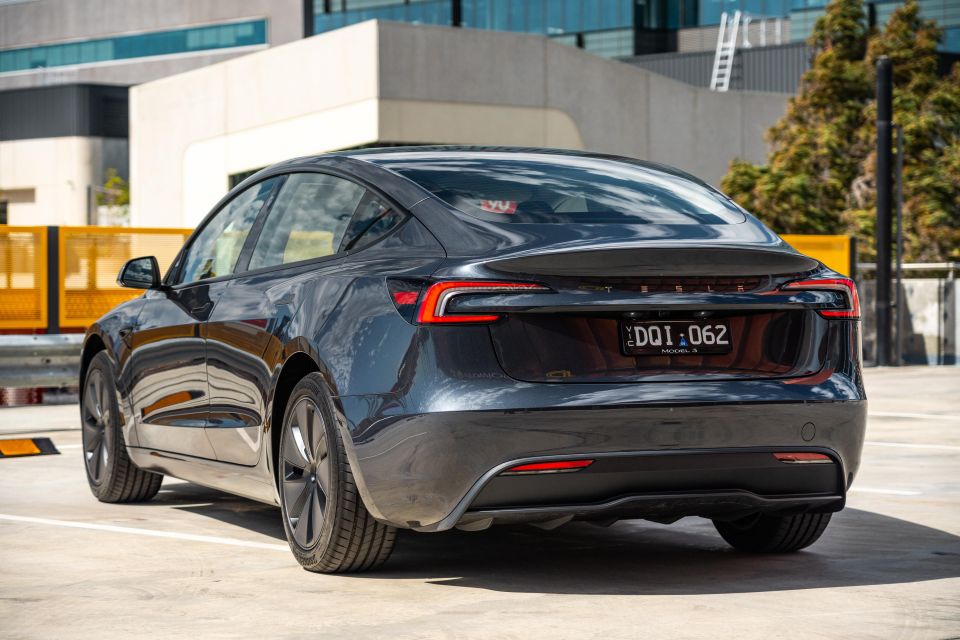
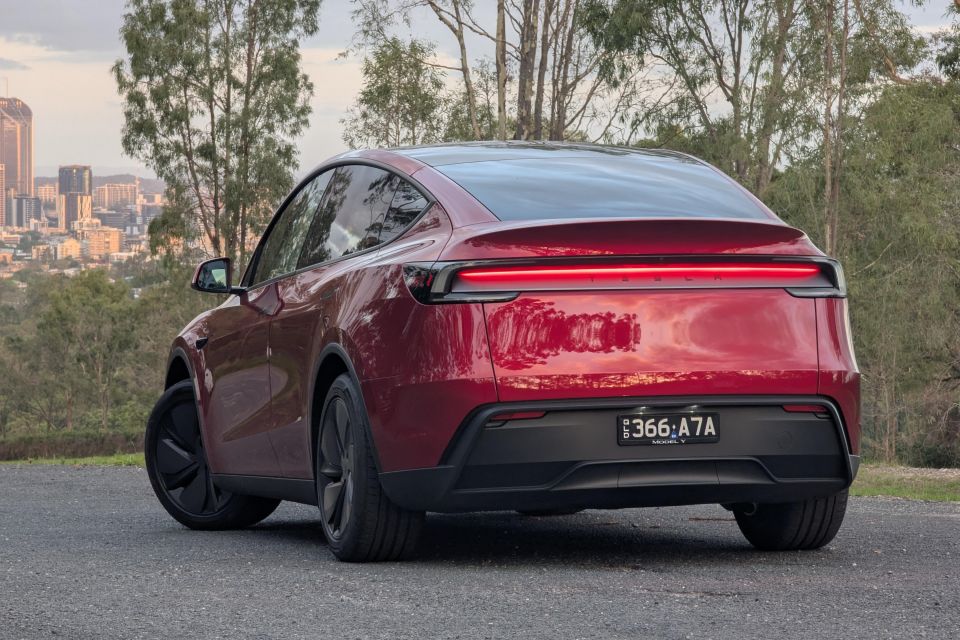

Includes Tesla and Polestar sales.
| Category | 2025 deliveries | Market share |
|---|---|---|
| SUV | 757,697 | 61.1% |
| Light commercial | 273,229 | 22.0% |
| Passenger car | 164,847 | 13.3% |
| Heavy commercial | 45,264 | 3.6% |
Includes Tesla and Polestar sales.
| Segment | 2025 deliveries | Change YoY |
|---|---|---|
| Medium SUVs | 312,409 | +9.2% |
| 4×4 utes | 212,513 | +4.7% |
| Small SUVs | 202,643 | +10.9% |
| Large SUVs | 164,558 | +9.5% |
| Small cars | 72,222 | -22.3% |
Excludes Tesla and Polestar sales.
| State/territory | 2025 deliveries | Change YoY |
|---|---|---|
| New South Wales | 367,947 | -0.3% |
| Victoria | 323,768 | -1.4% |
| Queensland | 259,903 | -1.3% |
| Western Australia | 132,067 | +1.0% |
| South Australia | 78,811 | -2.4% |
| Tasmania | 19,892 | -2.2% |
| Australian Capital Territory | 16,917 | -3.8% |
| Northern Territory | 10,503 | +0.6% |
Excludes Tesla, Polestar and heavy commercial sales.
| Buyer type | 2025 deliveries | Change YoY |
|---|---|---|
| Private | 600,580 | -1.8% |
| Business | 460,371 | +2.2% |
| Rental | 70,677 | +3.5% |
| Government | 32,916 | -15.3% |
Excludes heavy commercial vehicle sales.
| Fuel type | 2025 deliveries | Change YoY |
|---|---|---|
| Petrol | 475,279 | -10.2% |
| Diesel | 364,605 | -1.4% |
| Hybrid | 199,133 | +15.3% |
| Electric | 103,270 | +13.1% |
| PHEV | 53,484 | +130.9% |
Includes Tesla and Polestar sales.
| Country | Sales | Change YoY |
|---|---|---|
| Japan | 358,951 | -5.3% |
| China | 252,928 | +31.2% |
| Thailand | 249,958 | -8.2% |
| Korea | 149,966 | -4.9% |
| Germany | 54,905 | +1.1% |
Stay tuned for a breakdown specifically for the month of December 2025, plus more VFACTS coverage.
MORE: VFACTS November 2025: Australian new car sales drop as major auto brands slump
MORE: VFACTS October 2025 new car sales: Chinese brands, hybrids continue to grow
MORE: VFACTS September 2025: Toyota HiLux on top as Tesla makes top three with record EV share
MORE: VFACTS August 2025: Four Chinese brands in top 10
MORE: VFACTS July 2025: HiLux on top as diesel, EV sales rise in record month
MORE: VFACTS June 2025: Chinese cars surge in buoyant market
MORE: VFACTS May 2025: HiLux outsells Ranger, Model Y pushes past Prado
MORE: VFACTS April 2025: Australian new vehicle deliveries drop
MORE: VFACTS March 2025: Ford Ranger back on top as market expands for the first time this year
MORE: VFACTS February 2025: Petrol, diesel and EV sales drop as PHEVs, hybrids surge
William Stopford is an automotive journalist with a passion for mainstream cars, automotive history and overseas auto markets.
Damion Smy
5 Hours Ago
William Stopford
6 Hours Ago
Damion Smy
8 Hours Ago
William Stopford
8 Hours Ago
Damion Smy
9 Hours Ago

Josh Nevett
11 Hours Ago
Add CarExpert as a Preferred Source on Google so your search results prioritise writing by actual experts, not AI.