The iconic Holden brand was an Australian subsidiary of General Motors (GM) before it was closed in 2020, having played a significant part in Australian motoring culture and the broader national identity post-World War II.
Formed in 1856 by James Alexander Holden in Adelaide, South Australia, Holden began as a saddlery before it took advantage of import tariffs to begin a body-building business in 1917.
Producing bodies for a number of brands, Holden was bought by General Motors in 1931, forming General Motors-Holden's (GMH).
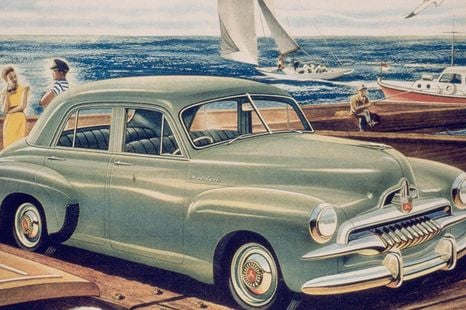
The first locally developed car, the Holden 48-215 six-cylinder sedan, was famously introduced in 1948, with a ute in 1951 and a panel van body style arriving with the FJ Holden in 1953.
It set the template for the traditional Australian family sedan, while Holden introduced the first Australian automotive design studio in 1964, with its manufacturing footprint expanding across the country.
The 1965 HD Holden set a monthly sales record for the brand, with more than 19,000 registered in May that year.
Holden also introduced its Australian-developed V8 engine in 253-cubic-inch (4.2-litre) and 308-cubic-inch (5.0-litre) forms in the 1969 HT Holden range, including the Monaro coupe.
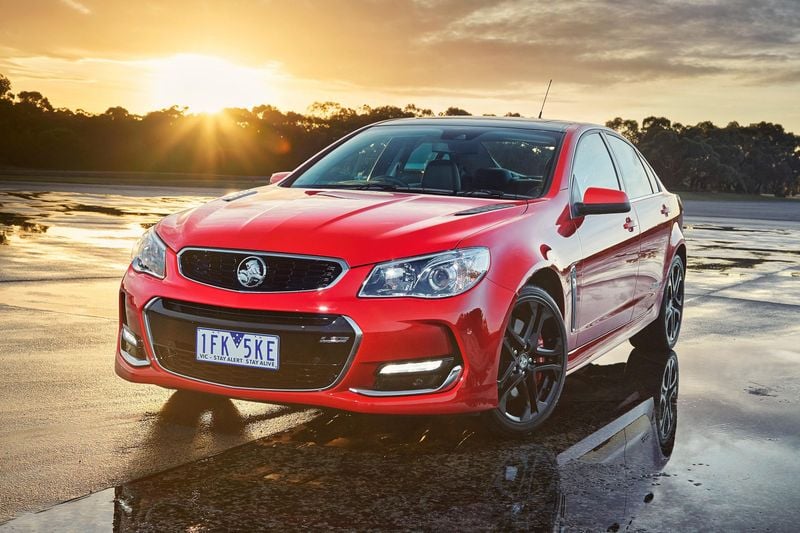
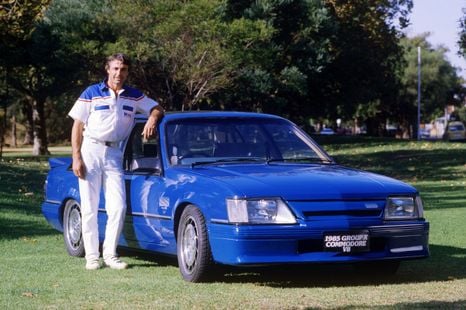
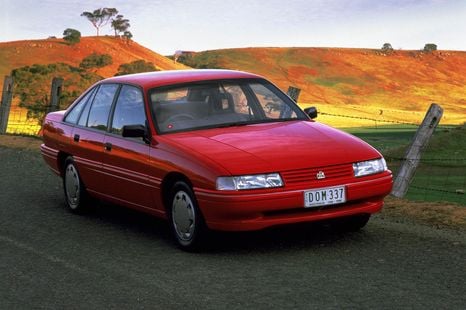
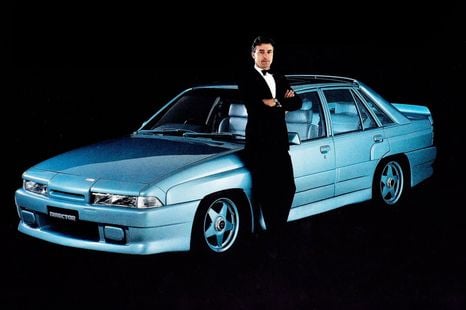
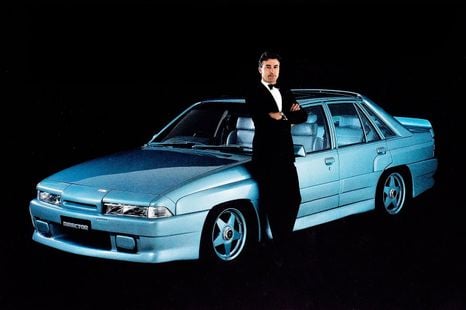
Models including the Torana, Kingswood, Statesman and later the Commodore – as well as the reborn Monaro in 2001 – became part of Australian motoring folklore.
Holden also used motorsport to build its brand, making household names of drivers such as Colin Bond, Peter Brock, Larry Perkins and Craig Lowndes.
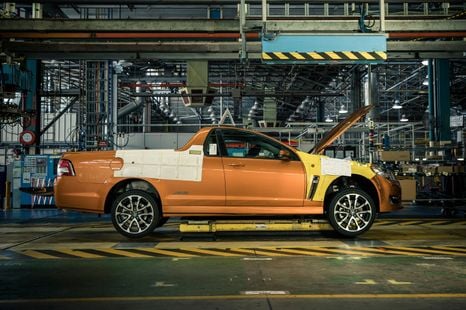
The last Australian-manufactured Holden rolled off the Elizabeth, South Australia, production line in October 2017, with an import-only model lineup failing to carry on the local legacy before General Motors closed the brand in 2020.



















.svg)


