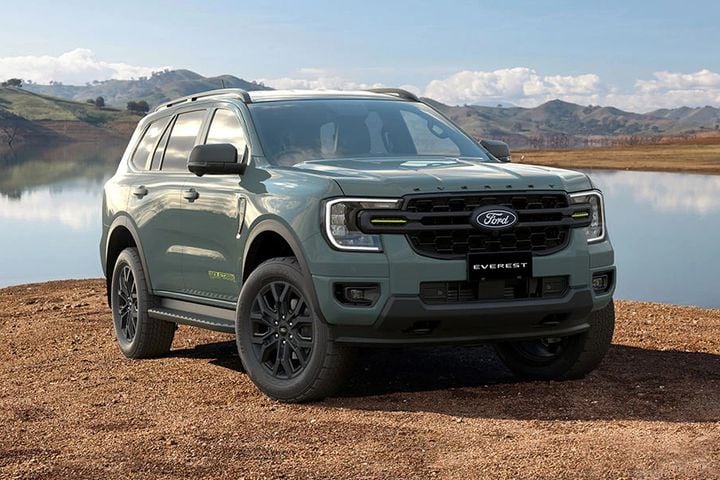
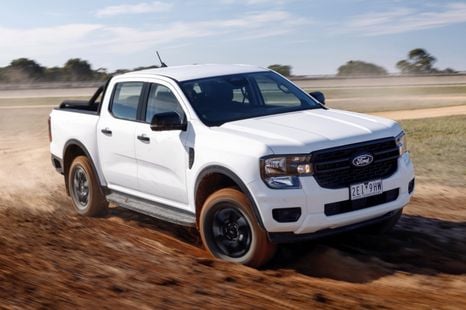
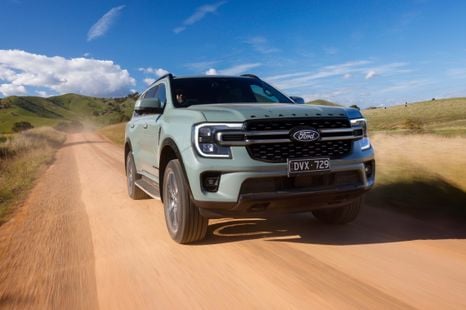
In this 2020 preview, we explore what was taking shape for the next-generation Ford Ranger and Ford Everest. Drawing on two confidential sources familiar with the design and engine plans, Paul Maric outlines the changes we understood were coming for the anticipated 2022-2023 releases. Those plans were subject to change, rather than final production specifications.
The headline was a broader engine lineup. Our information pointed to the departure of the 3.2-litre five-cylinder diesel, with a 2.0-litre twin-turbo four-cylinder diesel offering 157kW of power and 500Nm of torque. A 3.0-litre turbo-diesel V6 was also expected, with 190kW and 600Nm promising a welcome lift in towing performance.
More ambitious was a proposed plug-in hybrid combining a 2.3-litre turbocharged petrol engine with electric assistance. The figures discussed were 270kW and 680Nm, alongside anticipated fuel consumption of around 3.0 litres per 100km. These were expectations reported at the time, not results from a vehicle we had tested. All the proposed engines were described as using a 10-speed automatic.
We also explain the Ford and Volkswagen partnership, under which the next Amarok was expected to share the Ranger’s underpinnings. A modified version of the Australian-developed T6 platform would provide the basis for the new models.
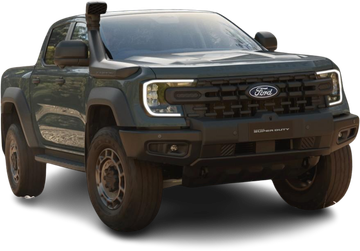
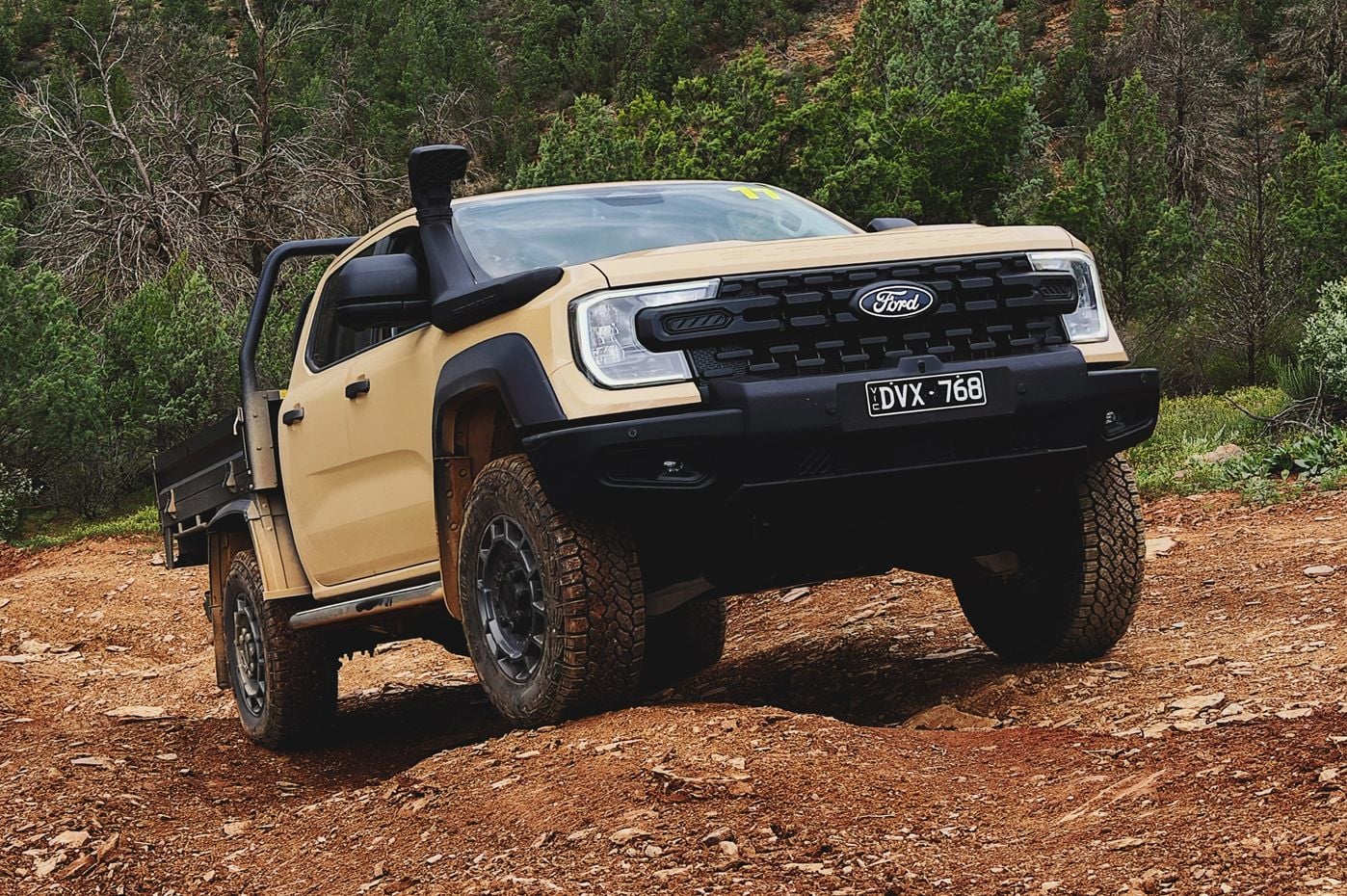
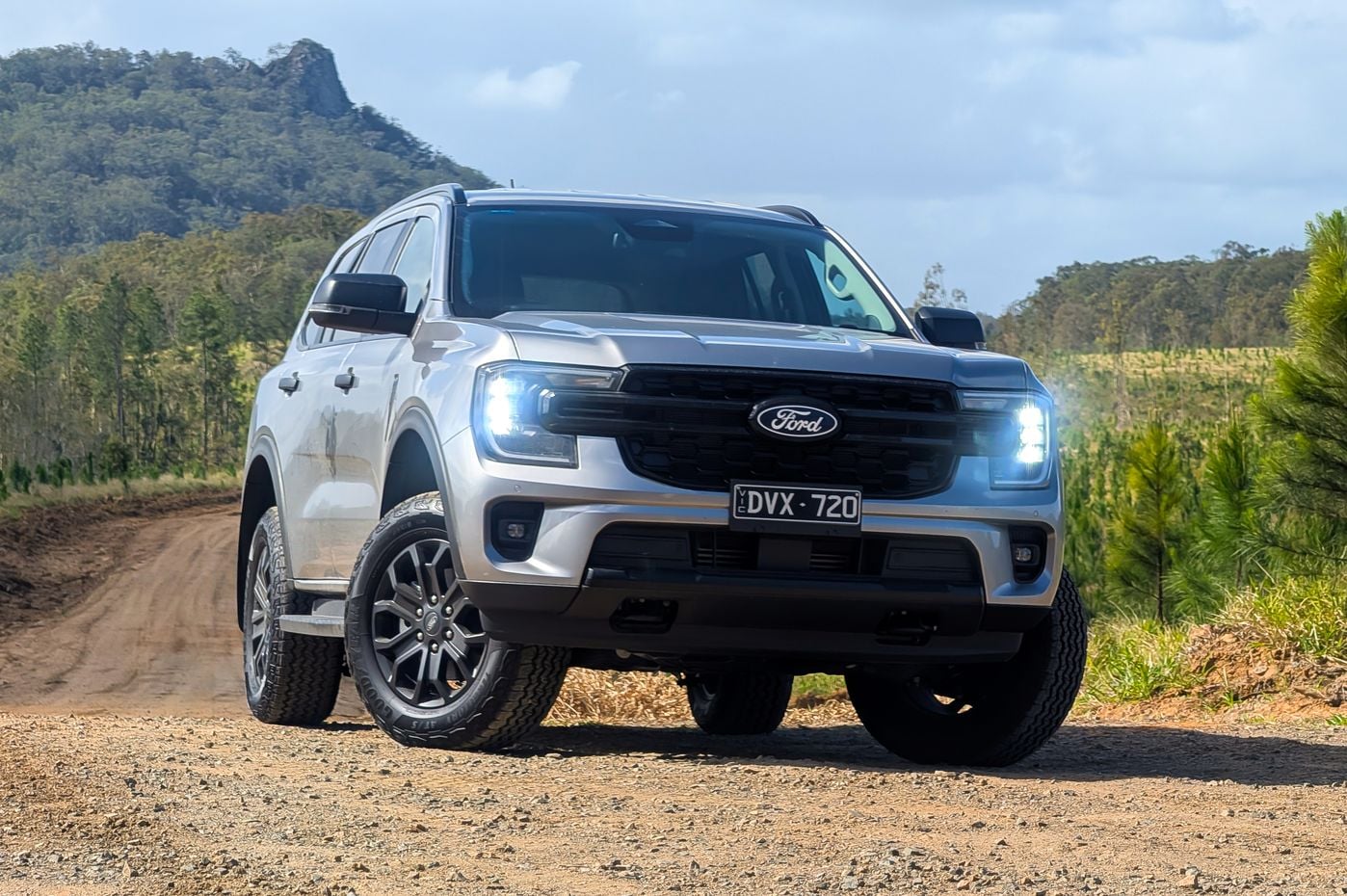
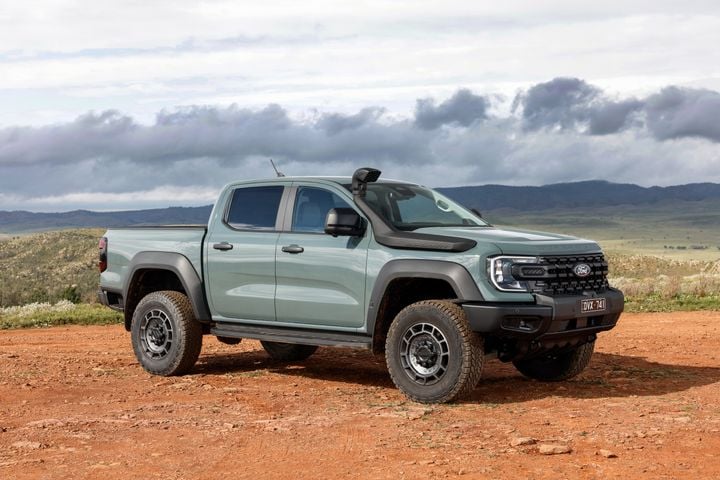
The designs shown are our computer-generated illustrations, informed by those sources and existing imagery, rather than official production-car photographs. They explore an F-150-inspired Ranger, a tougher-looking Everest Wildtrak X concept, and a more contemporary cabin with a portrait-oriented screen. The off-road Everest proposal was particularly appealing, although its equipment remained part of the plans being discussed.
Our enthusiasm comes with an important caveat. More technology and electrification could broaden these vehicles’ appeal, but dependability and repairability matter when owners head far from assistance. Ford offered little detail in response to our questions, and we weren’t driving finished examples here. This is a look at the possibilities as we understood them in 2020, with the promise of greater capability balanced against the need to retain the Ranger and Everest’s everyday versatility.