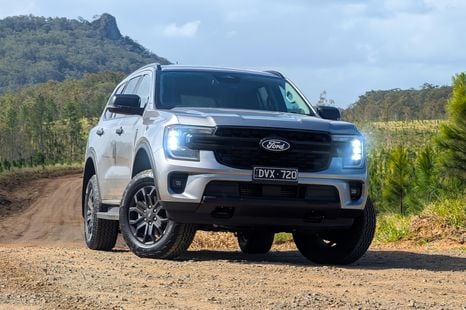
If you’re after a motoring-related example of ‘if it ain’t broke, don’t fix it’, the Ford Everestmight be one of the best examples. At least at first glance.
Sport
The homegrown Everest has always been a strong performer in the rugged, go-anywhere seven-seat SUV segment.
But, following the second-generation model's launch in 2022, the nameplate really came into its stride. Boasting the most refined and polished version of Ford’s Australian-developed T6 platform, paired to a new V6, a roomier cabin, and more distinctive styling, it quickly became a smash-hit, outselling the Toyota Prado to become Australia's most popular large SUV bar none.
After driving the upgraded MY2026.50 Everest for the first time at its Australasian launch in Melbourne earlier this month, our first impressions are that not a lot has changed with the winning formula.
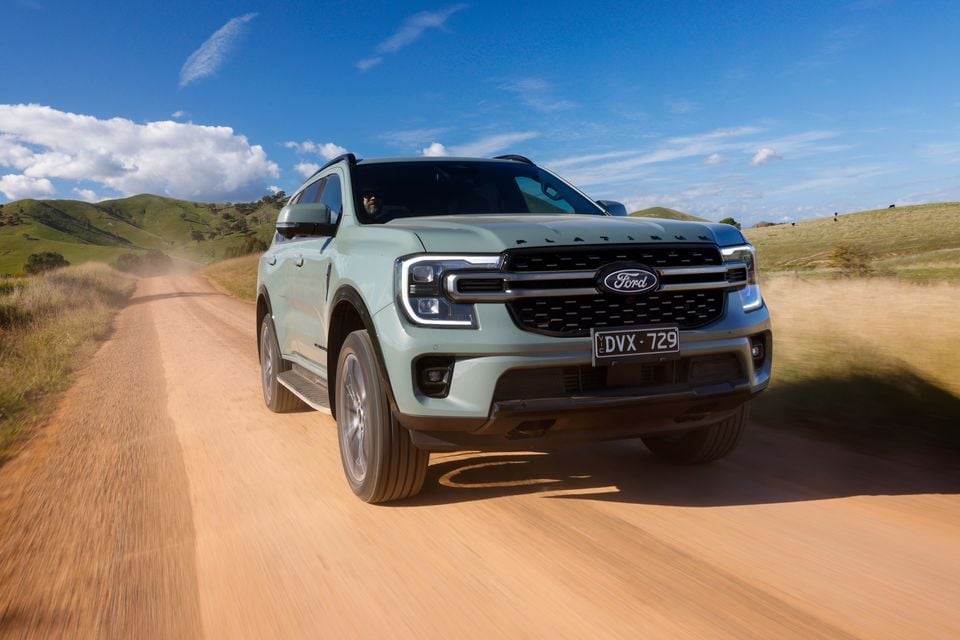
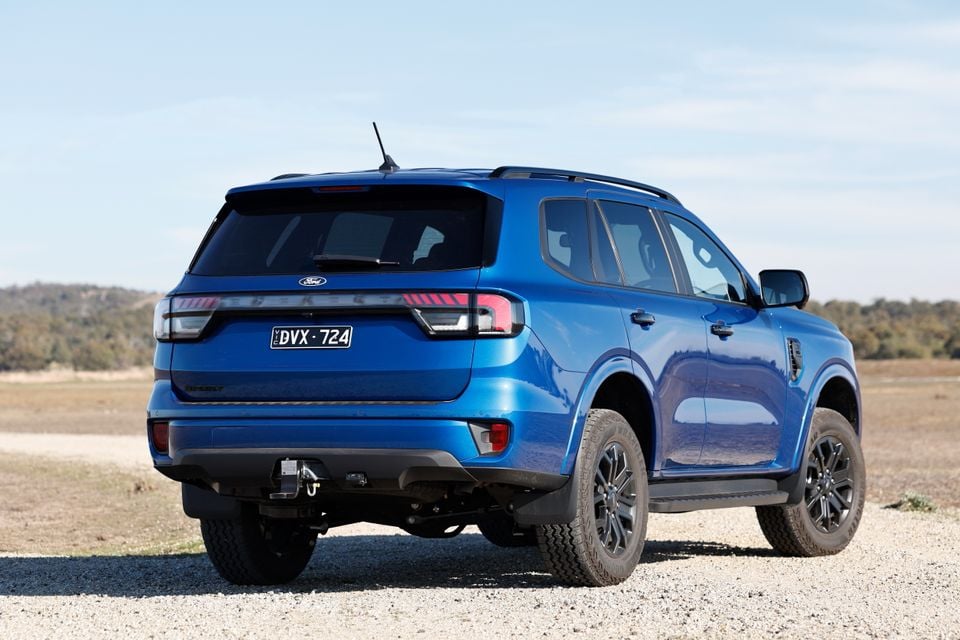
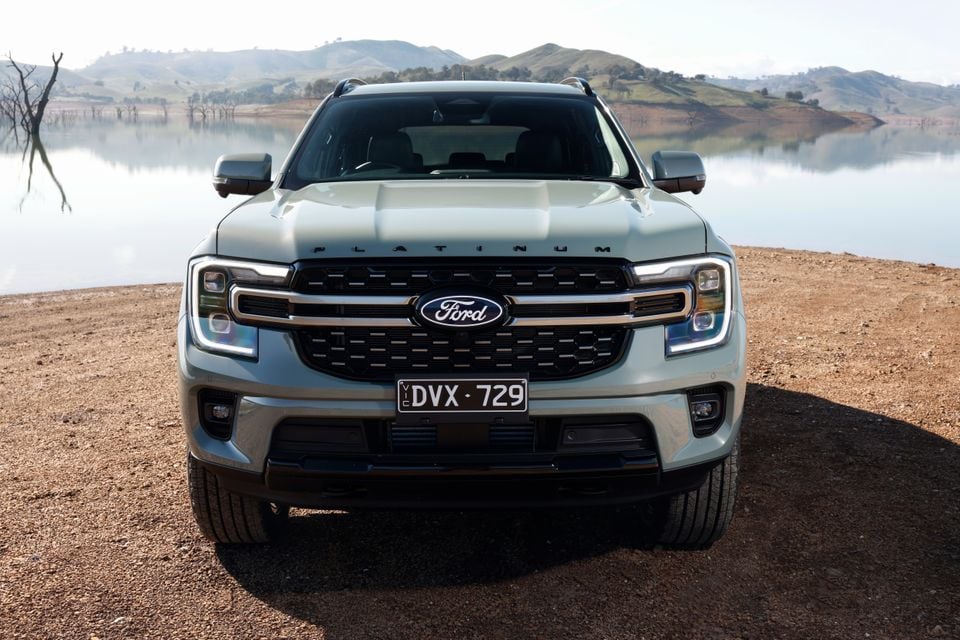
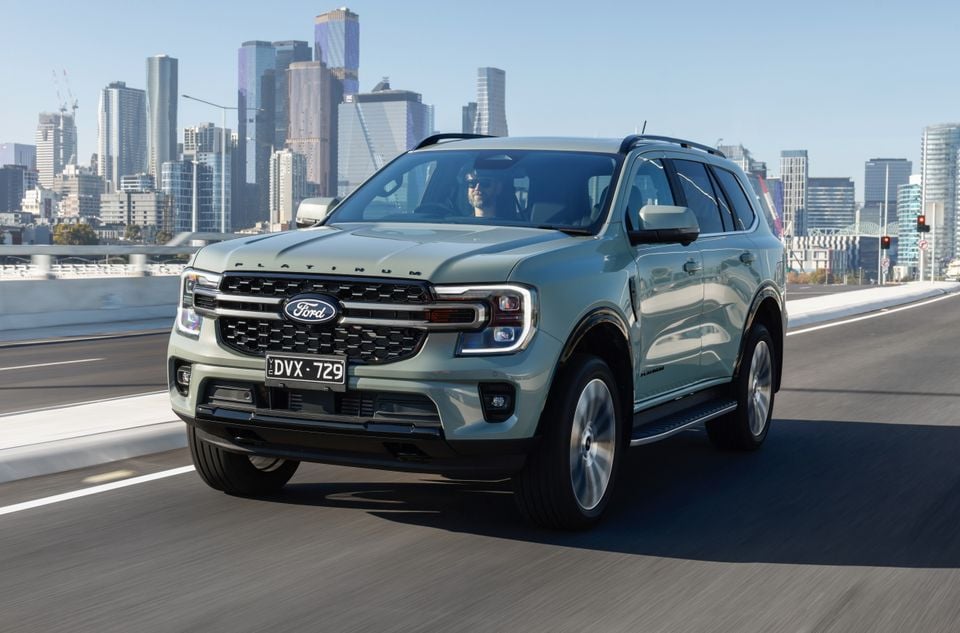
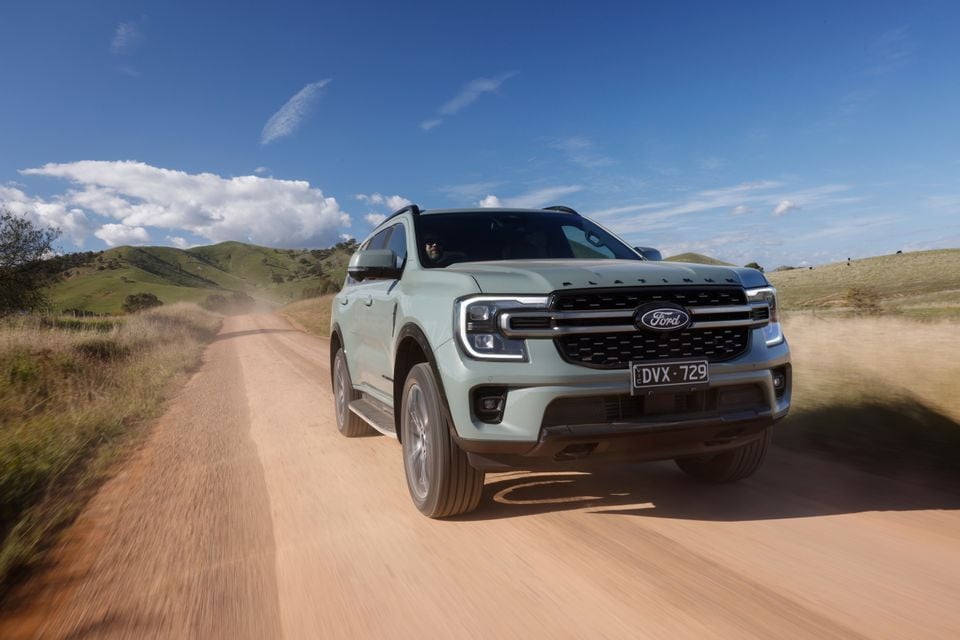
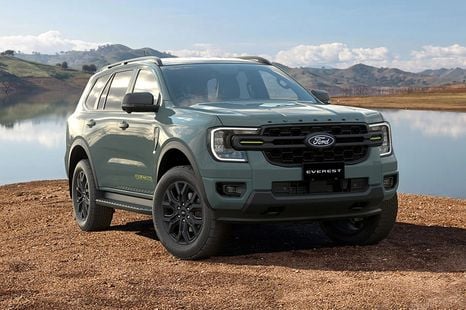
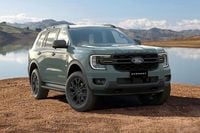
Barring the introduction of some new exterior paint colours (Acacia Green is particularly fetching), its interior and exterior look more or less the same.
But there’s at least one sizeable change, and that’s the addition of a new powertrain. The popular 3.0-litre V6 turbo-diesel is still available, unchanged. But it now has a new small-capacity sidekick – a single-turbo 2.0-litre four-cylinder diesel engine that makes less power and less torque than its bi-turbo predecessor.
It begs the inevitable question; is the new four-cylinder a surprise backwards step, or is it more than the sum of its parts?
How much does the Ford Everest cost?
In a climate where everything feels like it’s only getting more expensive, Ford has done the unthinkable and made the updated Everest cheaper. This is due to the introduction of a new sub-$59,000 Active trim, which is some six grand cheaper than the Trend variant it replaces in the lineup.
Platinu
Model
Price before on-road costs
2026 Ford Everest Active
$58,990 (NEW)
2026 Ford Everest Active V6
$66,990 (NEW)
2026 Ford Everest Sport
$68,990 (NEW)
2026 Ford Everest Sport V6
$76,990 (+$1000)
2026 Ford Everest Tremor V6
$79,990 (+$1550)
2026 Ford Everest Platinum V6
$83,490 (+$500)
The range opens from $58,990 before on-road costs, down $500 from the MY26 Ambiente bi-turbo 4WD.
While the current Ranger has been offered with both single- and bi-turbo 2.0-litre four-cylinder diesel engines since launch, only the latter was offered in the related Everest.
With the bi-turbo engine getting the axe, an updated single-turbo four-cylinder now joins the Everest lineup, where it’s the standard engine in the new Active and the carryover Sport.
Using a 10-speed auto like the defunct bi-turbo, it produces 125kW of power and 405Nm of torque – steep drops of 29kW and 95Nm from the engine it replaces. Despite this, fuel consumption is unchanged at 7.1L/100km.
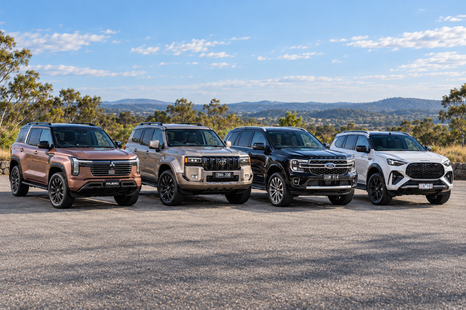
For reference, the single-turbo diesel-powered Toyota Prado range starts from $73,200 plus on-road costs in Australia, while the recently revised Isuzu MU-X 4x4 range kicks off from $55,900 before on-roads.
In terms of Chinese brands, the runout GWM Tank 500 Lux Hybrid is priced from $64,490 drive-away, and will soon be replaced by an all-new 3.0-litre four-cylinder turbo-diesel model.
To see how the Ford Everest lines up against the competition, check out our comparison tool
What’s the Ford Everest like inside?
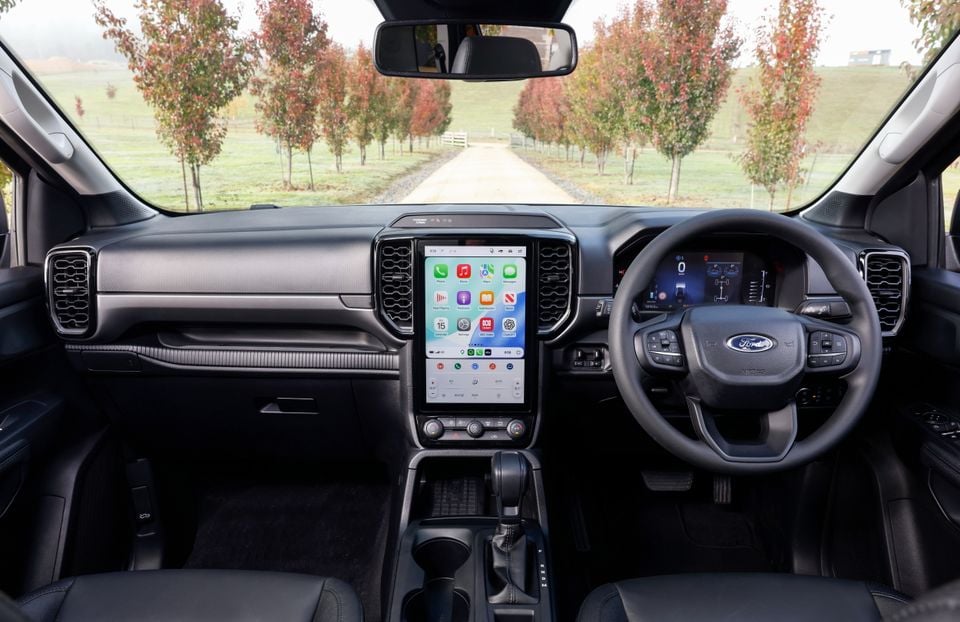
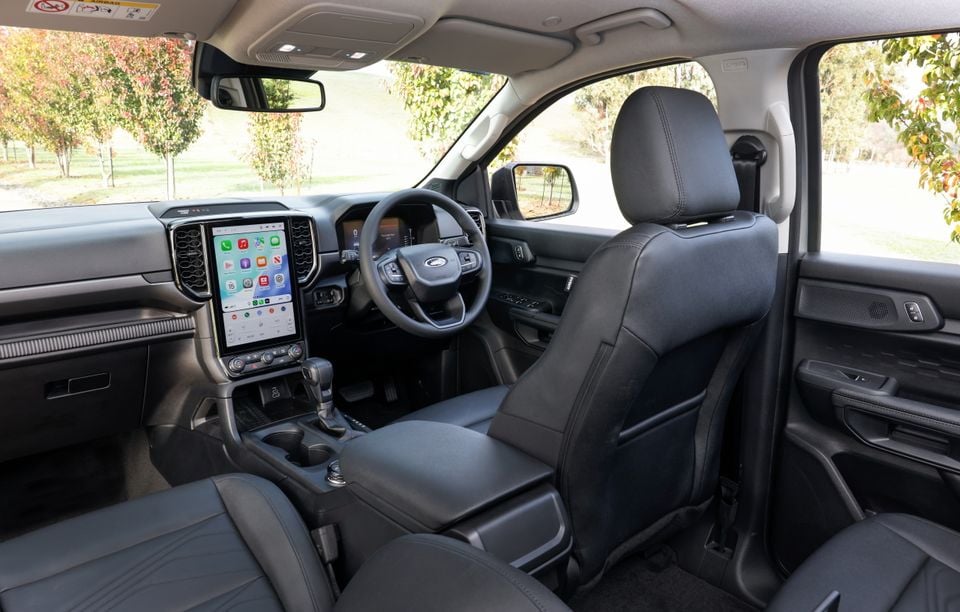
The interior of the Everest is more a case of evolution than revolution, and there’s really not a lot to report in terms of actual changes as part of the MY26.50 update.
The main tweak inside is the shuffling of certain features. All variants down to the Sport now come with a 360-degree surround-view camera, though the 12.4-inch ‘coast-to-coast’ digital instrument cluster remains a Platinum exclusive.
There’s also a new trailer connection alarm system that issues an app alert and sets off the car’s alarm if a trailer is disconnected when the car is locked.
The base Active grade is broadly similar in spec to the outgoing Trend, with features like the 12.0-inch portrait touchscreen, wireless phone mirroring, dual-zone climate control, LED headlights and fog lights, and FordPass Connect app functionality all standard. Ford has also given customers the option of taking out the third row of seats in the adventure-ready Tremor.
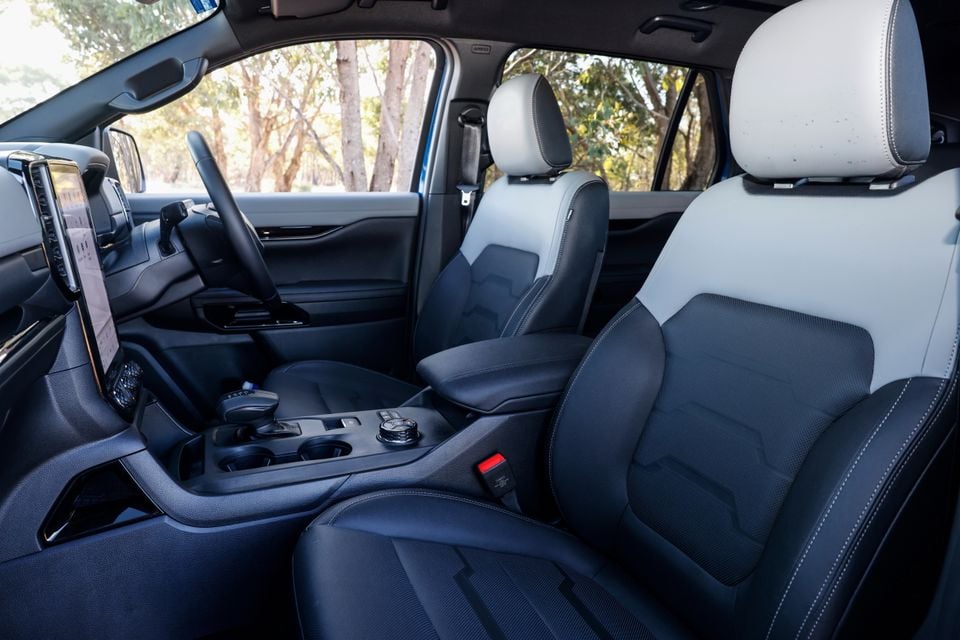
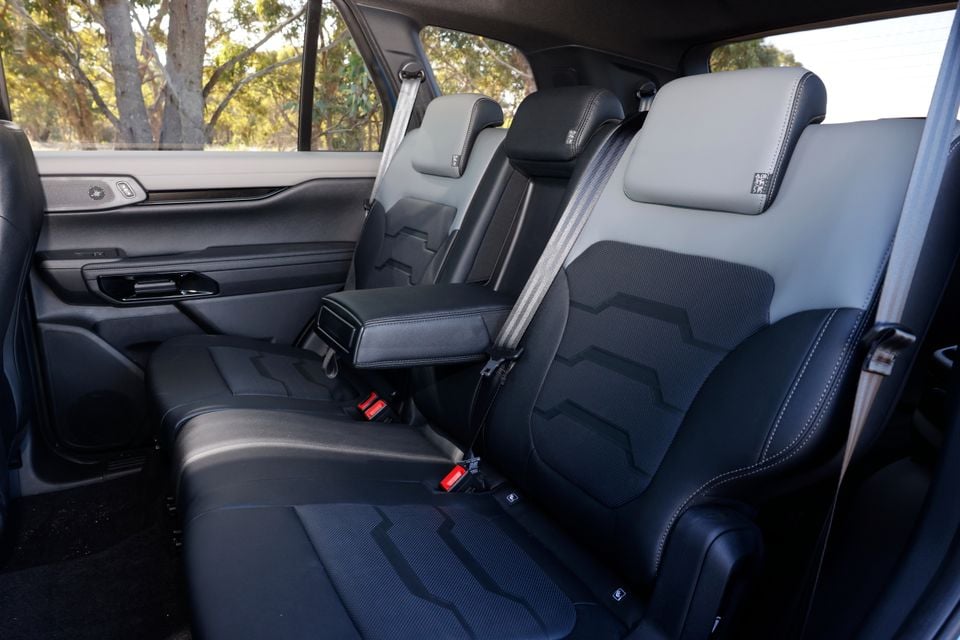
Aside from the spec tweaks, the Everest’s interior remains one of the most welcoming and practical in the ladder-chassis seven-seat off-road SUV segment.
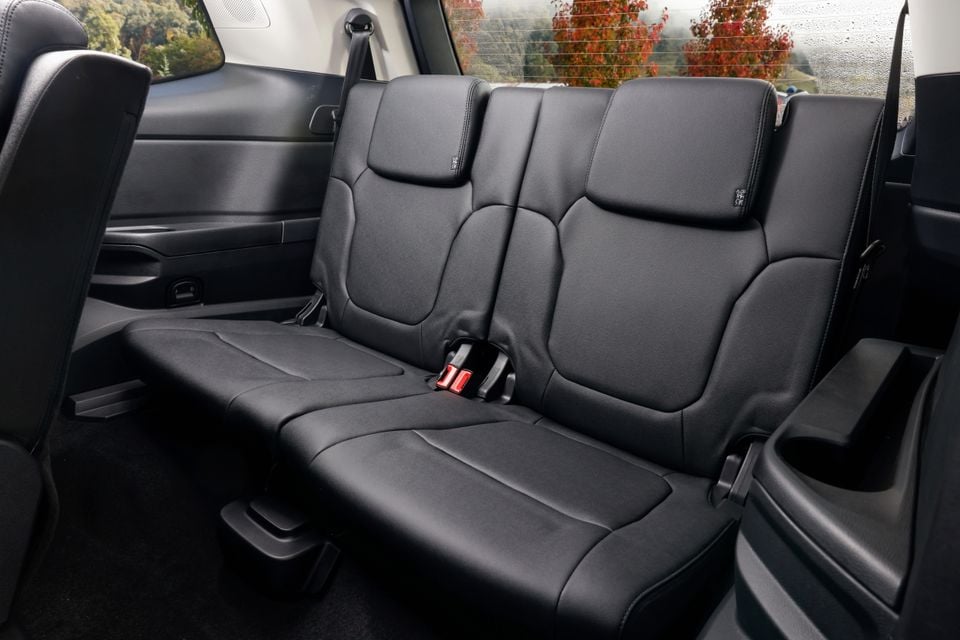
Ford’s last major update to the T6 platform saw the company extend the model’s wheelbase in order to improve interior space in both the Ranger and Everest, subsequently leading to a healthy improvement in rear legroom. The third row remains a squeeze for adults, but compares well to most of the Everest’s direct peers.
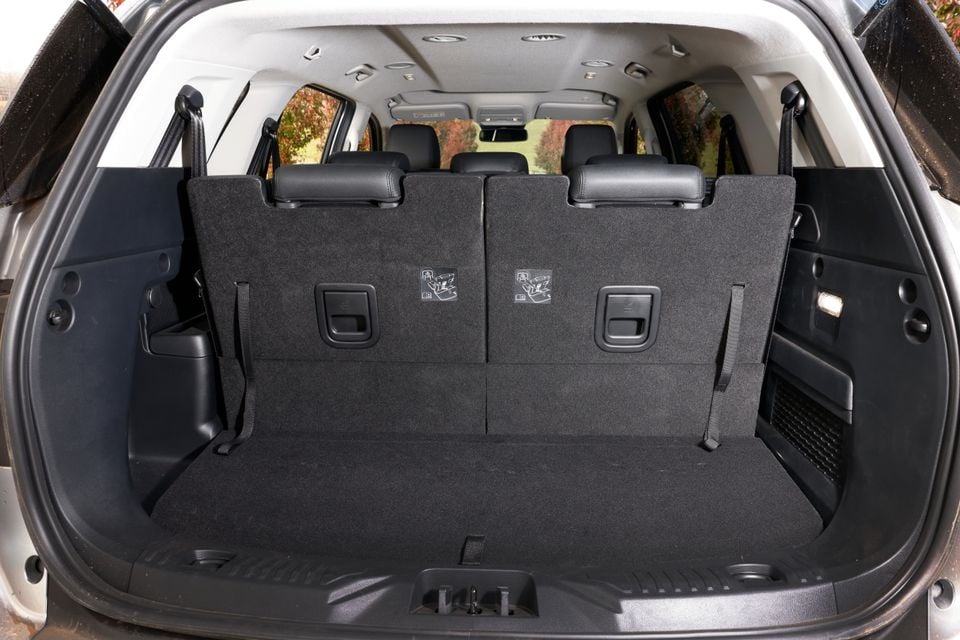
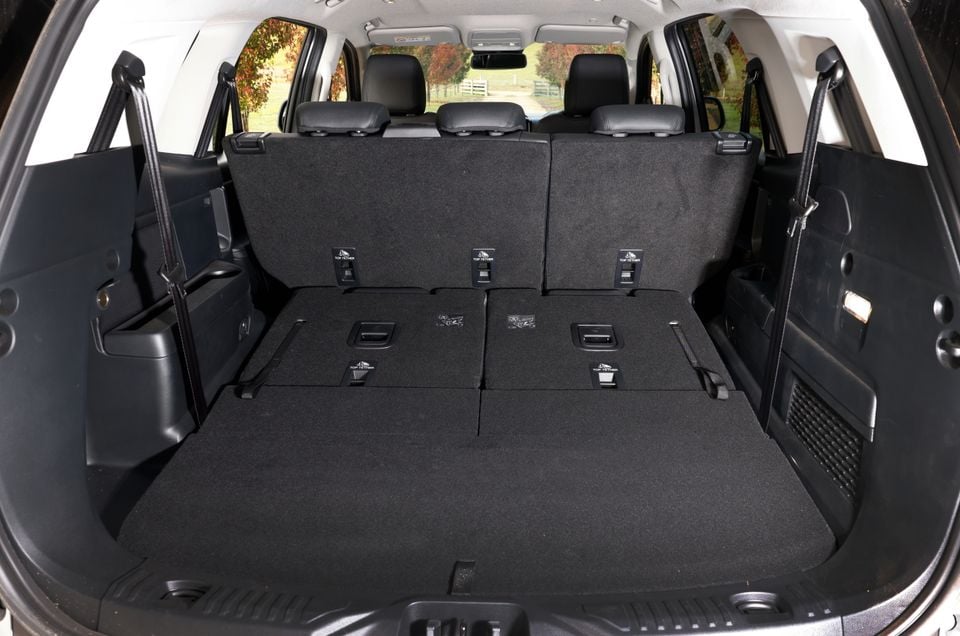
To top things off, the Everest’s boot is enormous, offering 898 litres of cargo capacity with the third row folded flat, and a solid 259L behind the rearmost seats.
This area remains one of the biggest deficits between the Everest and its closest rival, the Prado. The latest Prado’s hybrid hardware, mounted in the SUV’s rear-end, has led to big concessions in boot space – particularly in seven-seat versions in which an awkward raised storage box takes up plenty of real estate.
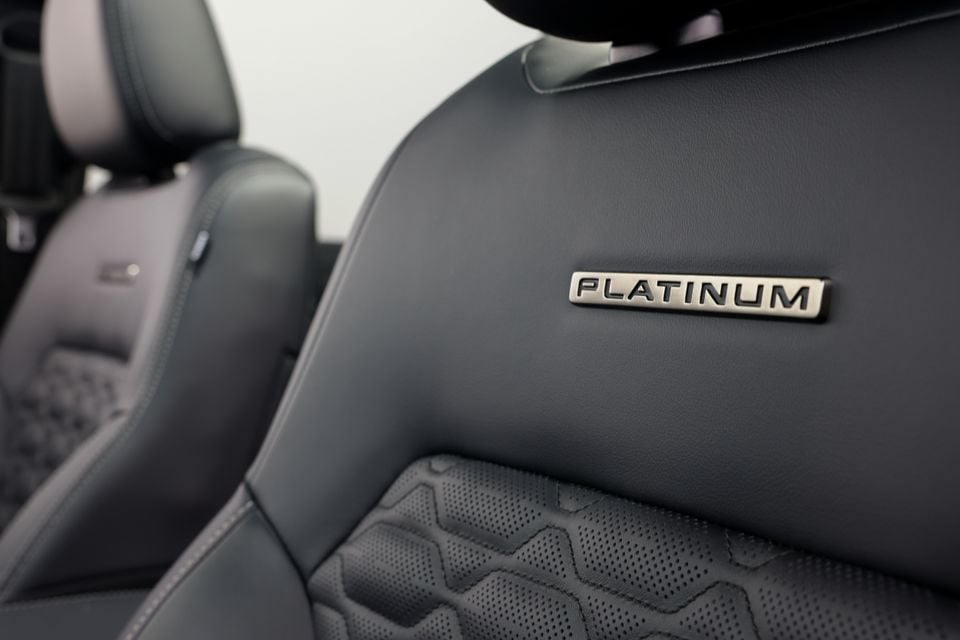
The Platinum feels nicely appointed inside, and Ford has taken care to ensure all Everest variants have plenty of welcoming materials on key touch points. We also appreciate the branded touches Ford has added to make the Tremor feel distinctive inside. And on the tech front, SYNC 4 has been around a few years now, but is still one of the smoothest and best presented software interfaces available.
Dimensions
2026 Ford Everest Platinum
Length
4914mm
Width
1923mm
Height
1837mm
Wheelbase
2900mm
Cargo capacity
259L
Data in this table is accurate at the time of publishing and does not update dynamically.
To see how the Ford Everest lines up against the competition, check out our comparison tool
What’s under the bonnet?
Ford's popular 3.0-litre V6 turbo-diesel continues to be available and is expected to account for a considerable percentage of Everest sales in both Australia and New Zealand.
Specifications
2026 Ford Everest Active
2026 Ford Everest Platinum
Engine
2.0L 4cyl single-turbo diesel
3.0L V6 turbo-diesel
Power
125kW at 3500rpm
184kW at 3250rpm
Torque
405Nm at 1750rpm
600Nm at 1750rpm
Transmission
10-speed automatic with manual mode
10-speed automatic with manual mode
Drive type
4x4
4x4
Weight
2308kg
2433kg
0-100km/h (claimed)
-
-
Fuel economy (claimed)
7.2L/100km
8.5L/100km
Fuel tank capacity
80 litres
80 litres
Fuel tank capacity
80 litres
80 litres
Fuel requirement
Diesel
Diesel
CO2 Emissions
190g/km
224g/km
Emissions standard
EU5
EU5
Braked towing capacity
3500kg
3500k g
Payload
-
-
Gross vehicle mass (GVM)
3100kg
3150kg
Data in this table is accurate at the time of publishing and does not update dynamically.
Manually updated: This data is accurate at the time of publishing and does not update dynamically.
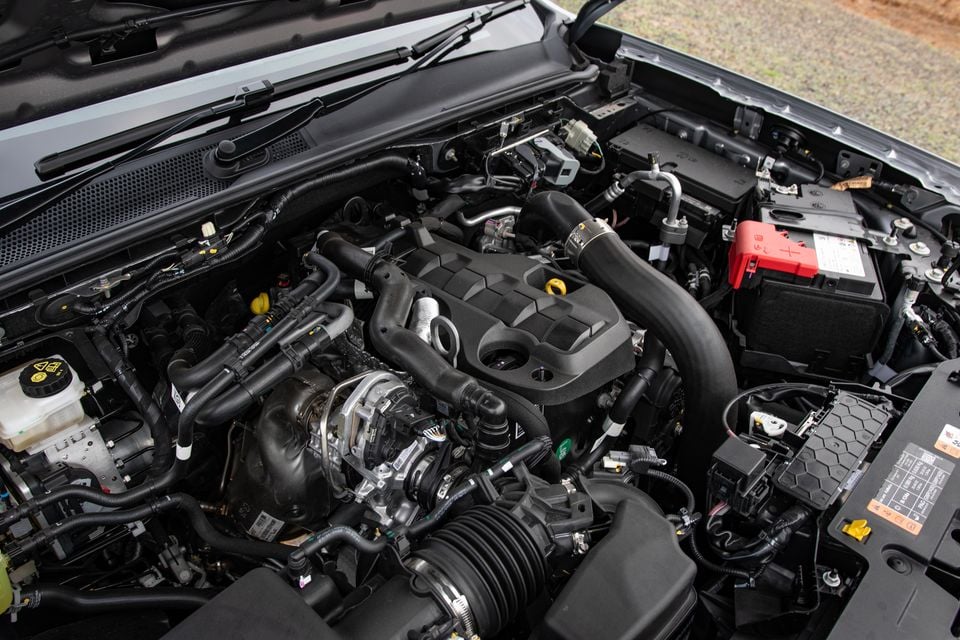
Making 184kW of power and a lusty 600Nm of torque, and paired to Ford’s familiar 10-speed automatic, it marches on unchanged. The bigger story is of course the other engine in the stable, the new 2.0-litre four-cylinder turbo-diesel.
As previously reported, the Transit-derived 2.0L diesel is a single-turbo unit, as opposed to its defunct bi-turbo predecessor. It makes less power and torque at 125kW and 405Nm – 29kW/95Nm drops respectively.
Not only is that less guts than the bi-turbo, but it’s also down in both metrics relative to Toyota, Mitsubishi and, well... every other body-on-frame SUV in this class barring the Mahindra Scorpio and the base 1.9-litre Isuzu MU-X.
But numbers tell only part of the story, as Ford is keen to point out. It says the new 2.0-litre is the most responsive diesel it’s ever produced and claims it brings improved fuel economy, although that isn’t reflected in Ford’s own on-paper numbers given the 7.1L/100km combined figure the same as the outgoing bi-turbo’s.
To see how the Ford Everest lines up against the competition, check out our comparison tool
How does the Ford Everest drive?
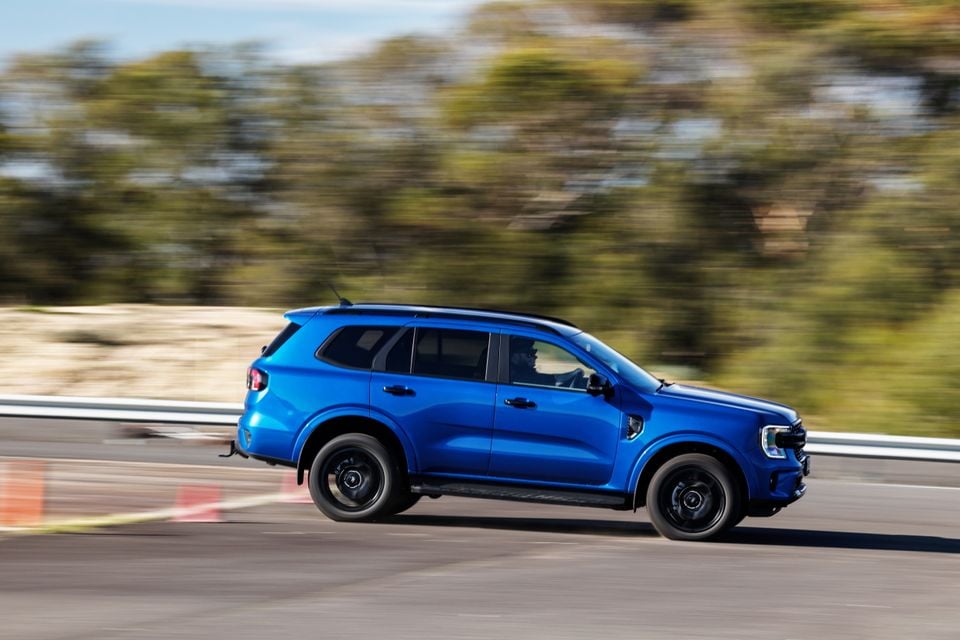
Our first fang of the Everest was a quick mixture of motorway, rural roads, and some more specialised driving on the test tracks and trails of Ford’s You Yangs Proving Ground.
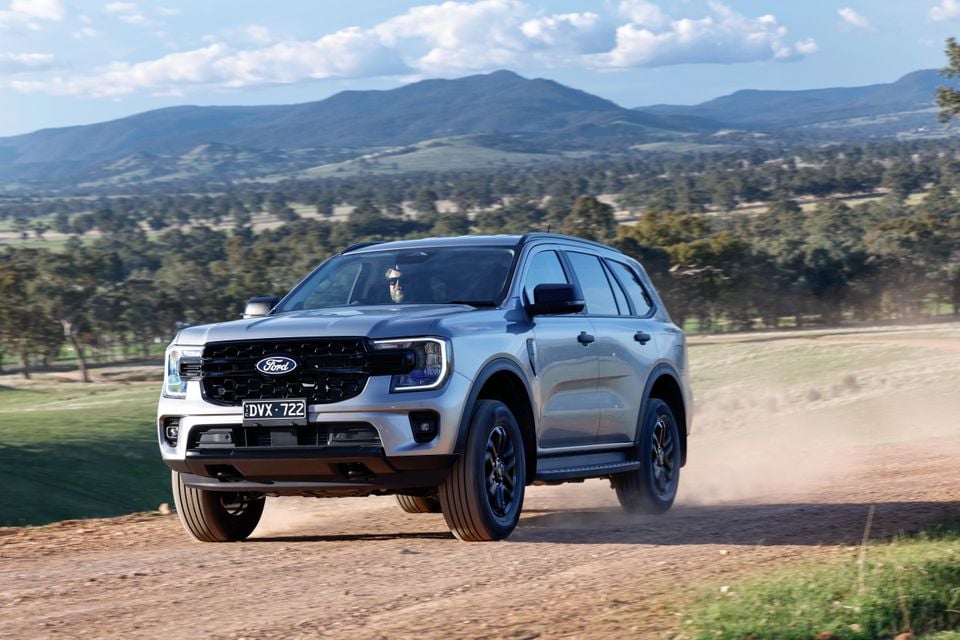
And, most of our time was spent behind the wheel of the 2.0-litre Sport. The new engine is interesting, and brings a few big positives and one inevitable downside.
To get the obvious out of the way, the 2.0-litre Everest isn’t as quick as its predecessor. Ford claims the deficit isn’t something you’ll notice unless you drive the two powertrains back to back and I’ll give them some credit; the new engine is quite responsive whether you’re prodding it from a standstill or if you’re already travelling at highway speeds. It’s just that it runs out of puff more quickly and lacks the outgoing engine’s mid-range punch.
Ford also says the 2.0-litre Everest’s real-world performance stands up relative to its segment rivals, and I would say that largely holds true. In ordinary commuting conditions, the 2.0-litre feels comparable in its abilities to the 3.0-litre MU-X and the 2.8-litre mild-hybrid Prado. I’m interested to see whether that still holds true with respect to towing performance (its capacity is unchanged at 3500kg braked).
Of course, most customers that tow regularly are expected to opt for the V6 anyway.
Where I felt the 2.0-litre did deliver was in its fuel economy numbers. Granted, our drive was somewhat brief and propped up by quite a lot of highway-speed running. But it was nevertheless impressive to see figures in the ballpark of 7.5L/100km achieved without much effort. I’ve previously struggled to see combined real-world economy numbers below 9.0L/100km in 2.0-litre bi-turbo Rangers and Everests in the past.
The new 2.0 also feels a little smoother and quieter in its operations than the bi-turbo. Ford notes the powertrain has benefitted from a new fuel pump, new injectors, and steel pistons. It also now has a cam chain as opposed to a wet belt, which should mean improved reliability.
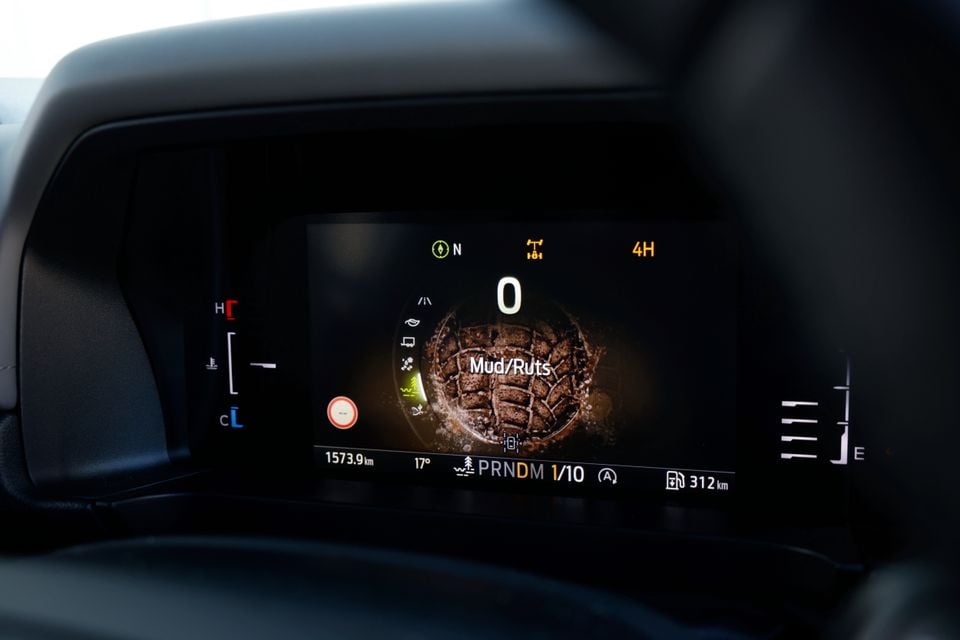
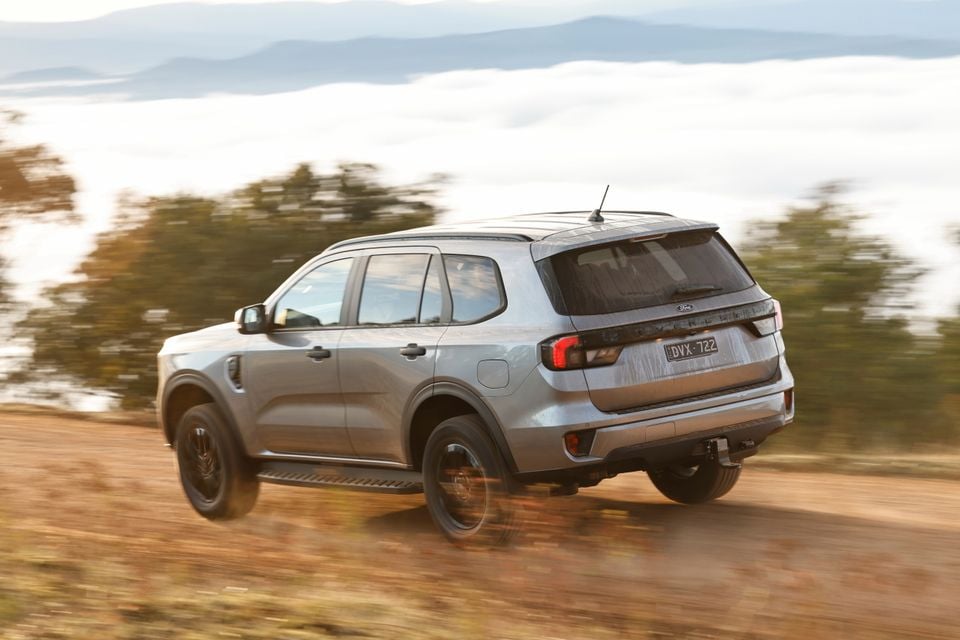
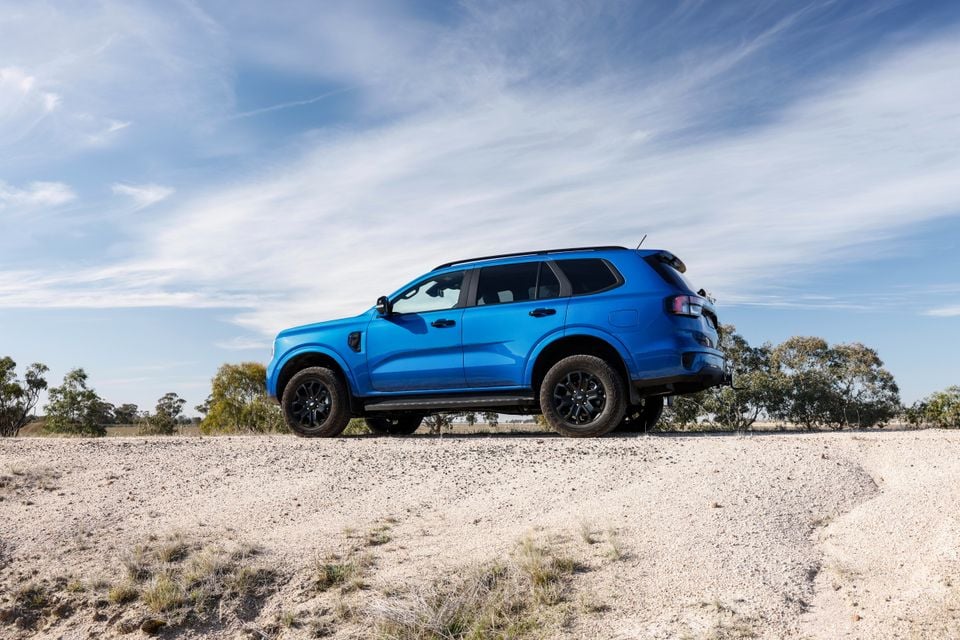
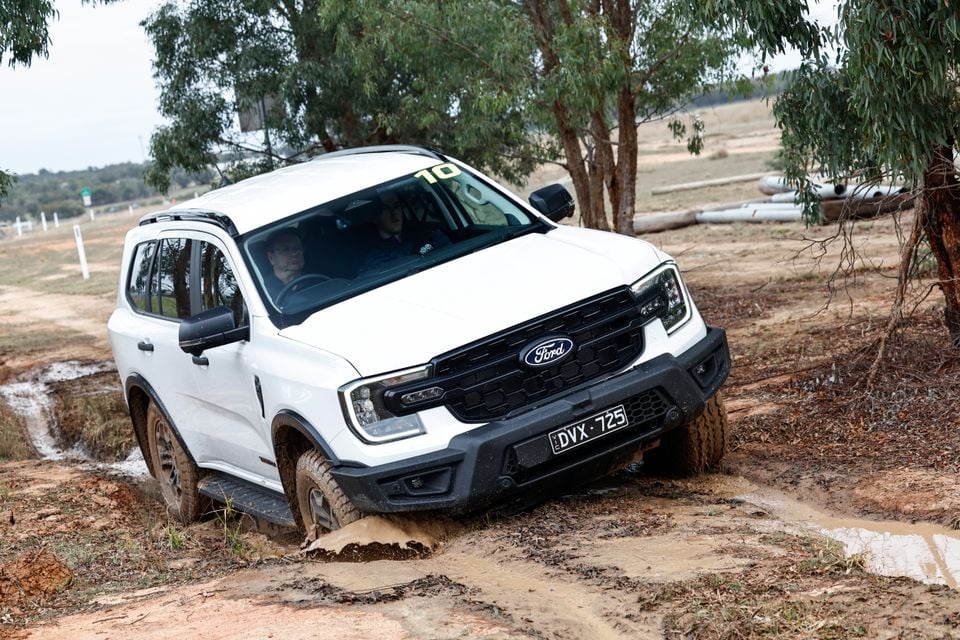
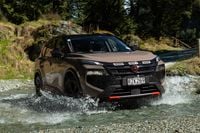
What about everything else beyond the 2.0-litre? Well, for one, the Everest is still a very capable off-roader. A locking rear differential, a slick hill descent control system, short front and rear overhangs, and a very usable suite of off-roading tech (including numerous useful live camera views) makes off-road driving a breeze. The Tremor, with its suspension lift, Bilstein dampers, wider track and all-terrain rubber, is a go-to pick in this segment for anyone wanting to prioritise off-road capability.
On the road, the Everest is also still a comfort standout. Its suspension, even in the aforementioned Tremor trim, is exceptional at ironing out bumps and cloaking its ladder-frame underpinnings in a way that the likes of the Prado simply cannot match.
To see how the Ford Everest lines up against the competition, check out our comparison tool
What do you get?
Just like its Ranger counterpart, the current-generation Everest reset the bar for tech and feature expectations in the ‘ute with a boot’ segment when it was first launched. While the GWM Tank 500 in particular gives it a good run for its money in terms of standard features these days, the Everest is still right at the pointy end of the large off-road SUV field.
Sport
2026 Ford Everest Active equipment highlights:
Five-seat configuration
18-inch alloy wheels with all-season tyres
Full-size alloy spare
Locking rear differential
Mechanical gear shifter (2.0 4cyl)
E-shifter (3.0 V6)
LED headlights
LED front fog lights
Rear privacy glass
Power-folding exterior mirrors
Rain-sensing wipers
Proximity entry and push-button start
Black side steps
12-inch touchscreen infotainment system
DAB+ digital radio
Wireless Apple CarPlay and Android Auto
Satellite navigation
8.0-inch digital instrument cluster
Wireless phone charger
8-speaker sound system
Dual-zone climate control
Leather-accented upholstery (excl. third row, second-row centre seat)
Tilt and telescopic steering wheel adjustment
Electrochromatic rear-view mirror
Sport adds:
Seven-seat configuration
20-inch alloy wheels with all-season tyres
Power tailgate
Zone lighting
Puddle lights
Vinyl-wrapped steering wheel
Heated and ventilated front seats
10-way power-adjustable driver's seat with memory
8-way power-adjustable passenger seat
Pro Power Onboard with 400W, 230V inverter at rear of console
Tremor adds (over Active):
Seven-seat configuration
17-inch alloy wheels with General Grabber all-terrain tyres
Off-road suspension with Bilstein position-sensitive dampers
Rock crawl mode
Heavy-duty side steps
Power tailgate
Zone lighting
Puddle lights
Vinyl-wrapped steering wheel
10-way power-adjustable driver’s seat with memory (NEW)
Eight-way power-adjustable passenger seat (NEW)
Heated and ventilated front seats (NEW)
Pro Power Onboard with 400W, 230V inverter at rear of console
Platinum adds (over Sport):
Matrix LED headlights
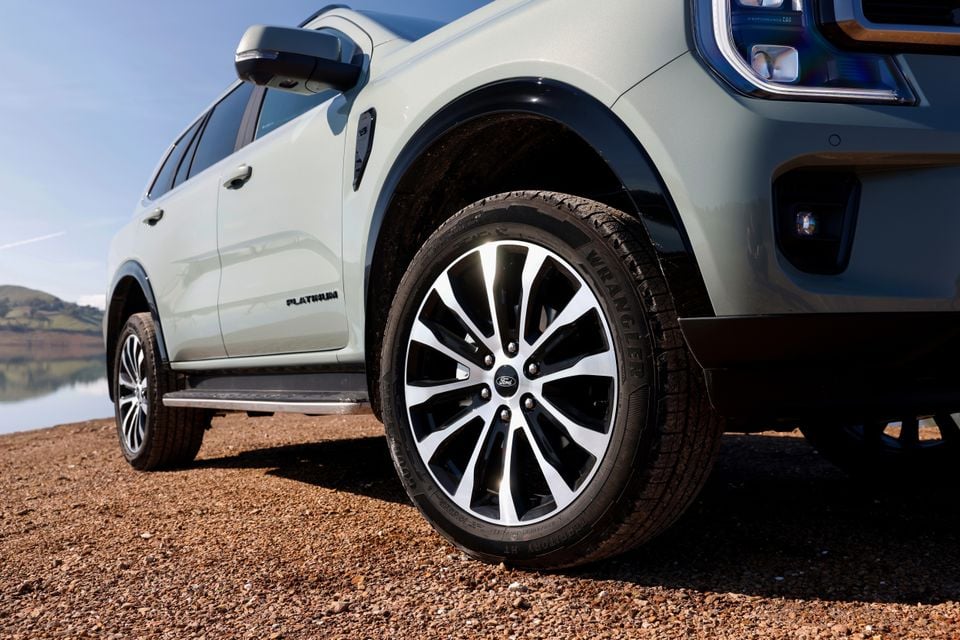
21-inch alloy wheels with all-season tyres
Black roof
Side steps with finished steel inserts
Panoramic sunroof with power blind
12.4-inch digital instrument cluster
12-speaker B&O sound system
Quilted leather upholstery
10-way power-adjustable passenger seat
Heated outboard rear seats
Power-folding third row
Heated, leather-wrapped steering wheel
Ambient lighting
To see how the Ford Everest lines up against the competition, check out our comparison tool
CarExpert’s take on the Ford Everest
Shock horror, the Everest is still a comfortable, capable, and very practical family-hauler in 2026. And thanks to the addition of a reworked entry-level grade, the price of admission has never been as accessible. Incremental feature updates and fresh colour options are the icing on the cake.
The new 2.0-litre might not look all that impressive on paper, but in the real world – particularly with diesel prices still sitting very high – its improved economy could strike a chord with certain buyers. We’re keen to see how replicable our initial impressions are with a longer in the coming months.
Even with less power on tap, there aren’t many SUVs on the market that combine this level of polish, capability and technology, in such a stylish package. For most people shopping for a large family wagon, whether they want to head off-road or not, the Everest is still a top pick.
CarExpert can save you thousands on a new Ford Ranger. Click here to get a great deal.
Select your specs to find the perfect Ford for you.
Vehicle Configurator
Active
2027
$64,057
Active
2026
$64,057
Ambiente
2026
$64,582
Trend
2026
$72,772
Sport
2027
$74,557
Sport
2026
$74,557
Black Edition
2026
$74,557
Tremor
2027
$86,107
Tremor
2026
$86,107
Wildtrak
2026
$86,107
Platinum
2027
$89,180
Platinum
2026
$89,705
Year
2027
2026
Engine Type
2.0L Combustion
3.0L Combustion
Fuel
Diesel
Transmission
Automatic
Body Type
SUV
Number of Doors
5 Doors
Drivetrain
4x4
Maximum Power
125 kW
184 kW
154 kW
Choose your preferences
Pick the features and options you want, and we’ll show you the best match.
17 Configurations available
Select any filter to begin.
Matthew Hansen
Editor
Matthew Hansen
Editor
Matthew Hansen co-founded motorsport outlet Velocity News, worked as a freelance photographer for various race teams, and was a specialist journalist for NZ Autocar Magazine and Driven at the NZ Herald. Most recently, he was Editor of Motoring at Stuff.co.nz.
† Displayed prices are based on the drive-away price of the vehicle, which includes delivery charges, registration fees, number plates, and applicable road taxes, based on a Sydney location. However, prices may vary between states and territories, and additional costs such as compulsory third party (CTP) insurance, dealer delivery fees, and optional extras are not included. These prices are subject to change without notice and may not reflect current market pricing or dealer offers.
Automotive Vehicle Spec Data & 4K images Powered by JATO Dynamics Ltd
















 Automotive Vehicle Spec Data & 4K images Powered by JATO Dynamics Ltd