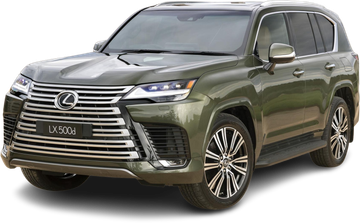
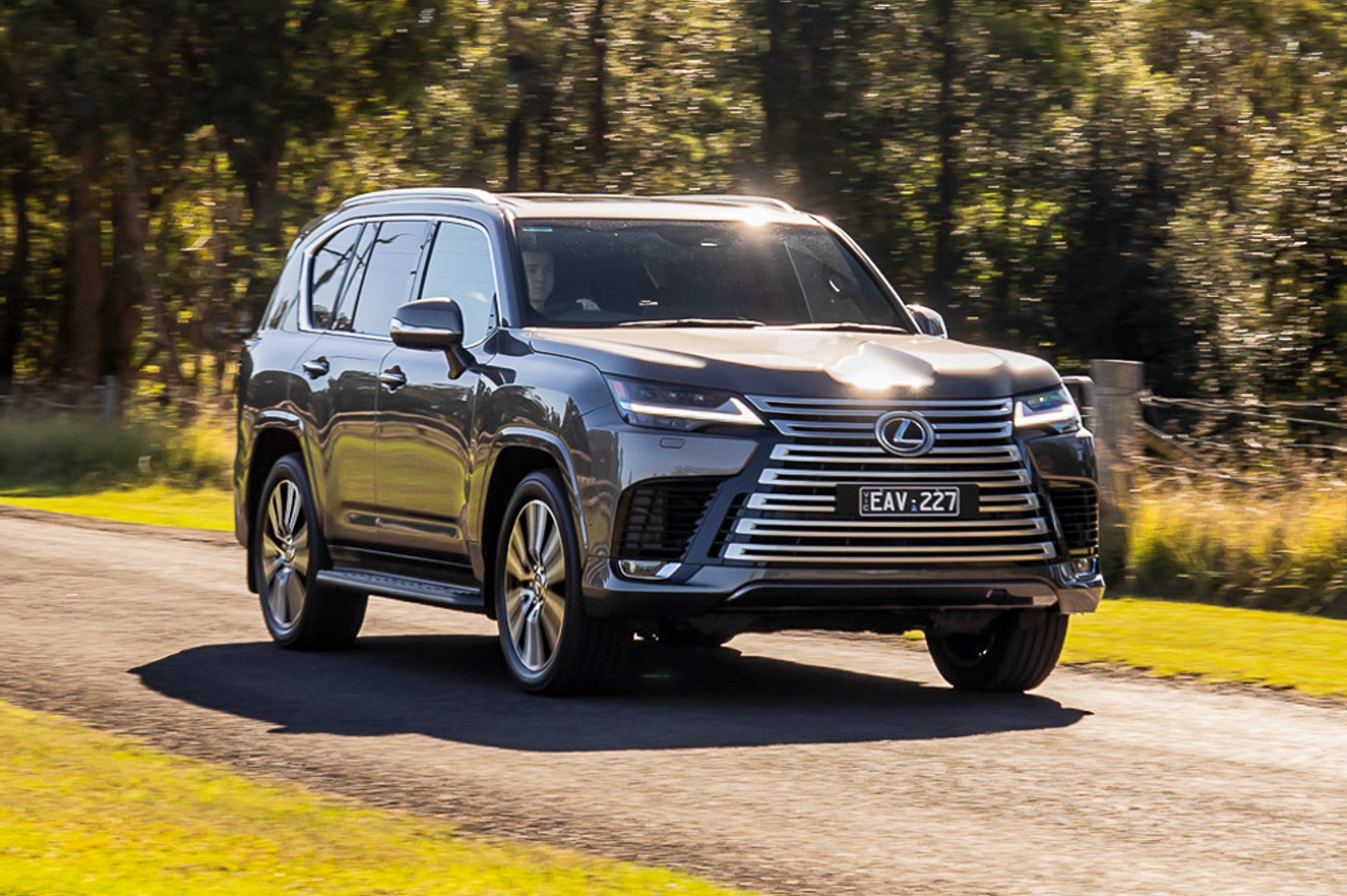
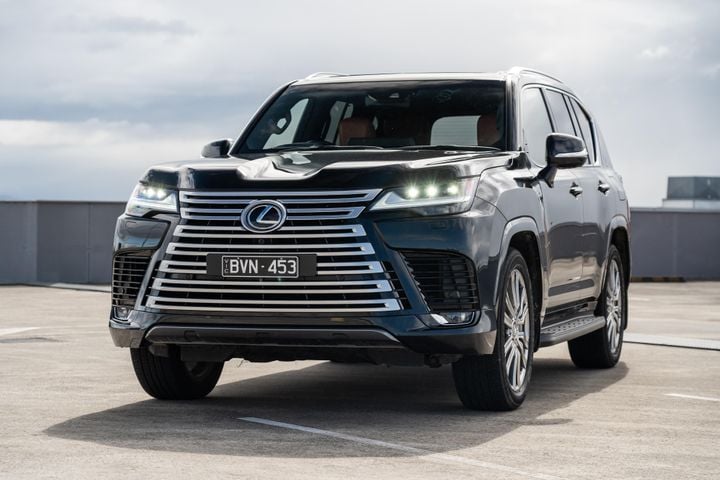
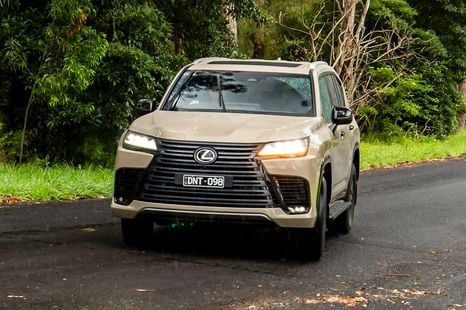
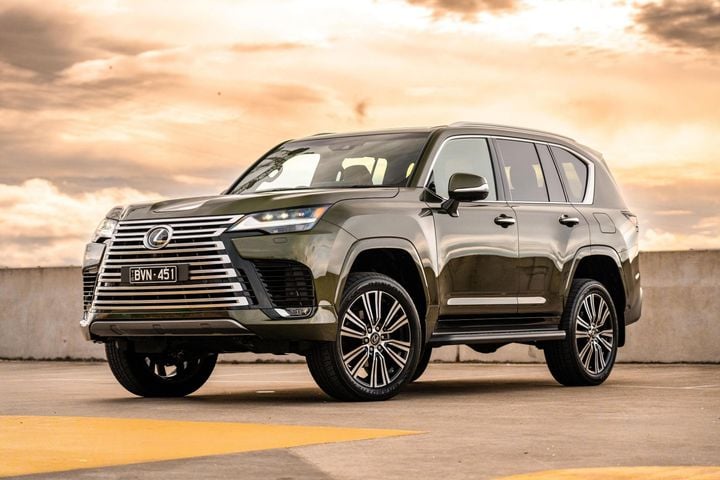
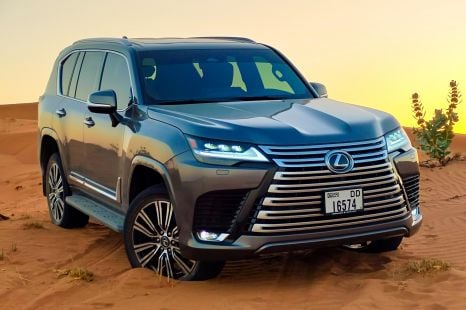
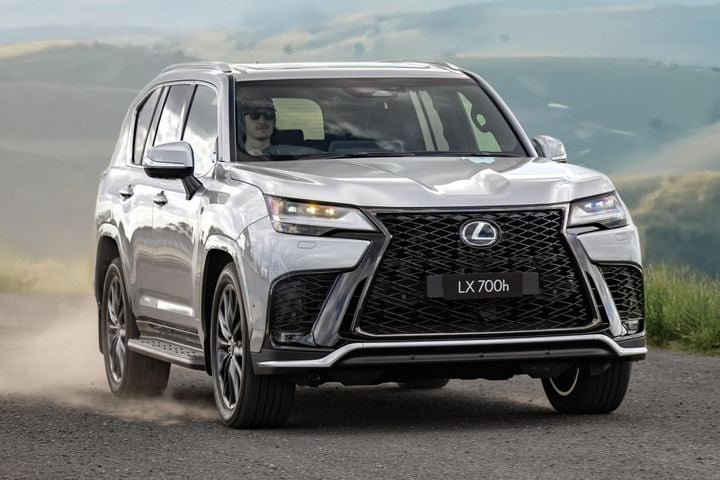
The Lexus LX600 Ultra Luxury takes the LandCruiser formula somewhere far more indulgent. Tested for our 2023-model review, it cost more than $200,000 before on-road costs at the time. There’s genuine luxury here, but we’d think carefully before choosing this four-seat flagship over a less expensive LX.
The rear cabin explains the badge. Two individual seats replace the usual bench, with heating, ventilation, massage, and entertainment screens. The rear passenger can move the front passenger seat aside and recline with a footrest. It’s an impressive way to travel, although space is less generous when someone occupies the seat ahead, and the arrangement reduces cargo flexibility.
Up front, the materials and presentation feel suitably special. The 12.3-inch touchscreen is a substantial improvement over the LandCruiser’s system, supported by an excellent 25-speaker Mark Levinson sound system. Our car received wireless Apple CarPlay through an update during filming; Android Auto remained wired. Oddly, wireless phone charging is reserved for the rear cabin.
The 3.5-litre twin-turbo petrol V6 produces more than 300kW of power and 650Nm of torque, paired with a smooth 10-speed automatic. It feels effortless and responsive, recording 0-100km/h in 6.6 seconds and 80-120km/h in 4.3 seconds during our testing.
That performance comes with a fuel bill. The display showed just under 18 litres per 100km after our earlier driving, versus an official figure just above 12L/100km. Consumption had been closer to the claim earlier, so the higher reading shouldn’t be treated as a representative touring average.
The ride is comfortable around town and impressively smooth over our undulating test section. Push through corners, however, and substantial body roll quickly reminds you how large this SUV is. Even the sportier settings don’t turn it into a dynamic standout.
Our light off-road course tells a more positive story. The traction control, centre differential lock, low-range gearing, and crawl control make progress remarkably easy, despite road-focused tyres and no rear differential lock. The tyres and bodywork still warrant caution beyond these conditions; this wasn’t an extreme off-road test.
With a 3500kg braked towing capacity, the LX remains useful beneath the luxury. We’d favour a diesel further down the range for lower fuel consumption and better value, unless those rear-seat indulgences are central to the purchase.