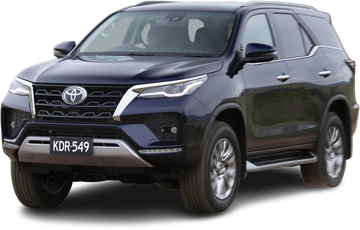
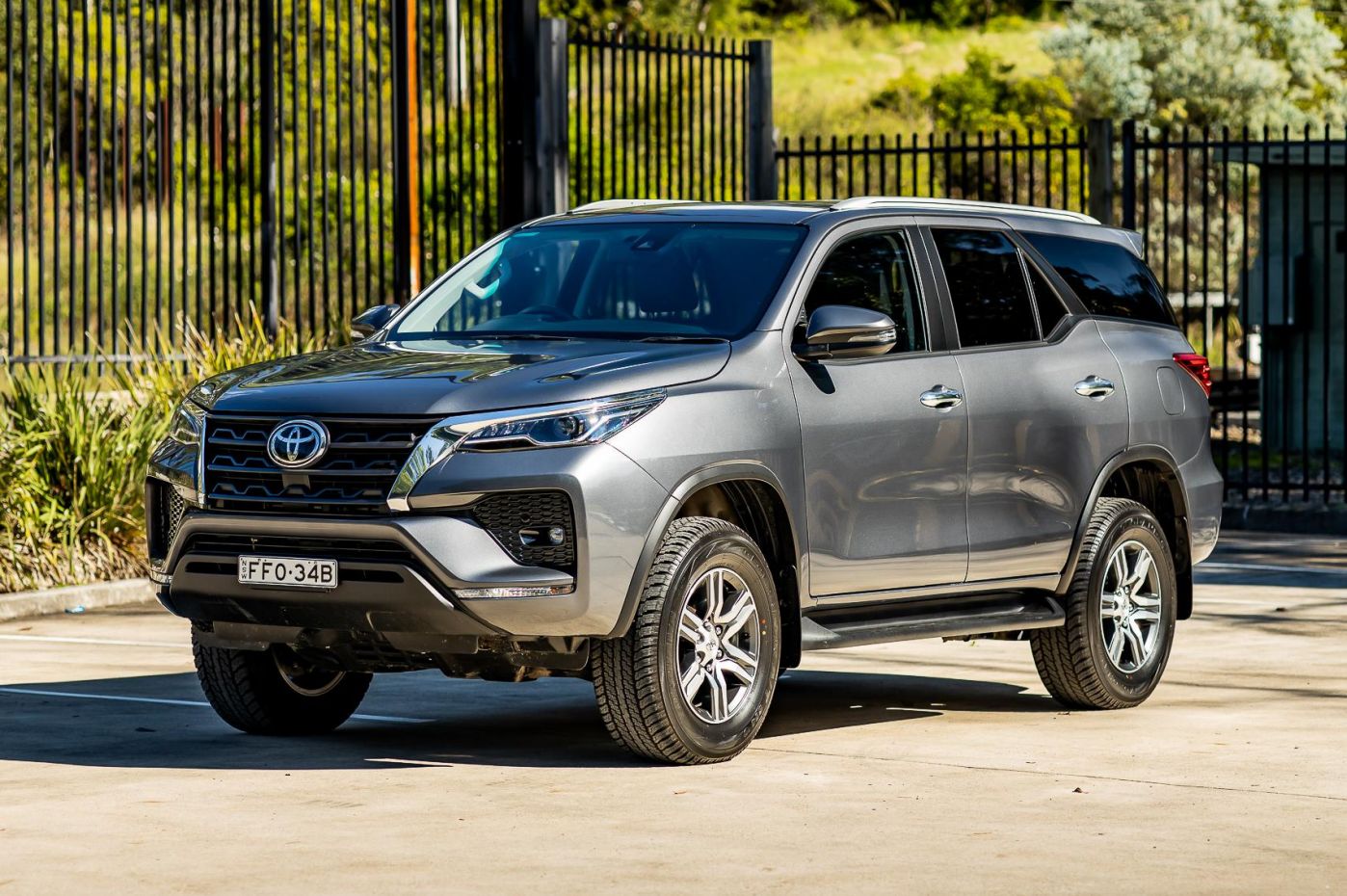
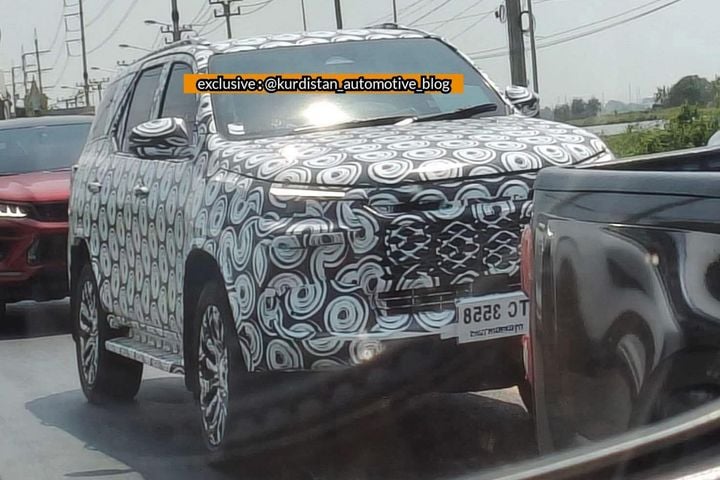
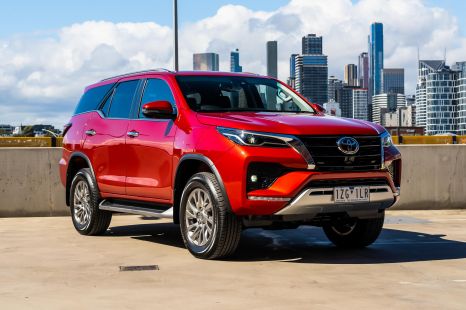
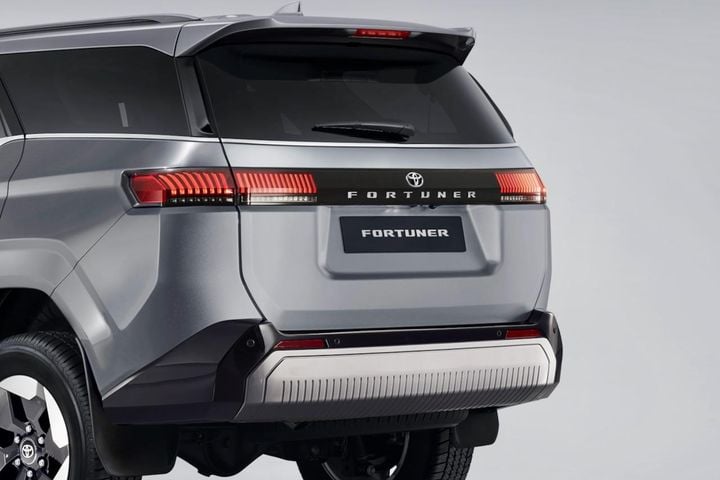
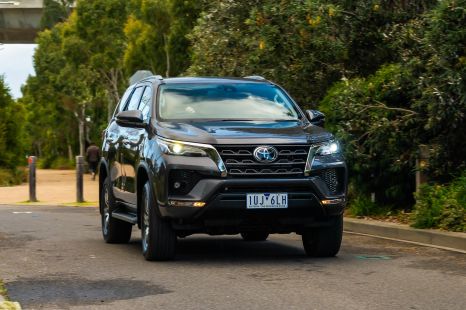
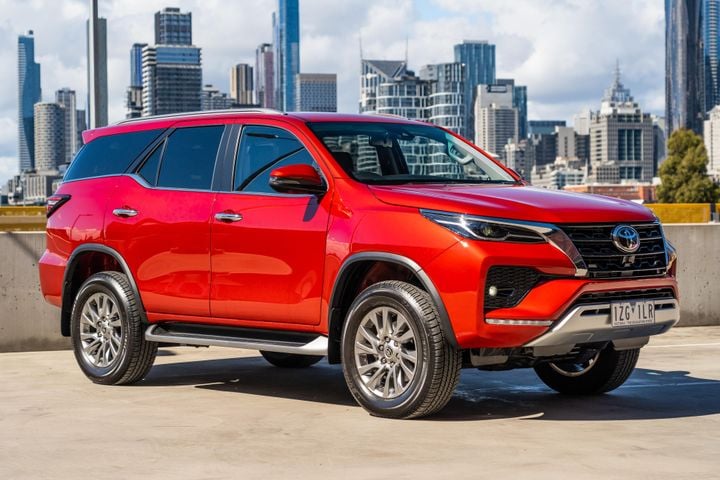
The Toyota Fortuner Crusade has the ingredients for a tough seven-seat SUV, but our 2021 review finds its family-car manners less convincing. The range-topping Crusade cost a little over $61,000 when we filmed, with the range starting below $50,000. Its HiLux foundations bring genuine off-road ability, alongside some compromises.
The updated 2.8-litre four-cylinder turbo-diesel produces 150kW of power and 500Nm of torque through a six-speed automatic transmission. It feels more eager in the mid-range, making the extra pulling power worthwhile. Our indicated consumption was 9.4L/100km against Toyota’s claimed 7.6L/100km, after predominantly city driving with some highway and off-road running.
Unfortunately, the suspension remains too firm. Corrugations and rough country-road surfaces transmit plenty of movement into the cabin, particularly at the rear. There is noticeable body roll through corners, little steering feel, and a diesel soundtrack that becomes intrusive when accelerating. It settles down on a longer cruise, but rivals feel more rounded.
The part-time four-wheel drive system normally operates in rear-wheel drive, with high- and low-range four-wheel drive available for suitable loose surfaces. On our light off-road course, the Fortuner climbed easily, although the firm suspension still tossed us around. We touched down during the descent, and the sensitive brake pedal made smooth progress harder.
Hill descent control initially allowed more speed than we wanted before settling. A rear differential lock is available in low range, but these systems still require the driver to choose the right settings. The Fortuner is capable, not a substitute for off-road knowledge.
Inside, comfortable front seats and solid construction make a better impression than the dated layout. The 8.0-inch touchscreen includes wired Apple CarPlay and Android Auto, backed by an 11-speaker JBL sound system. Autonomous emergency braking and adaptive cruise control are fitted, but blind-spot monitoring is absent and the brake-based lane assistance can feel abrupt.
The third row is best suited to children. Folding those seats against the boot sides eats into usable cargo width, while folding the second row still doesn’t create a flat load area. For buyers prioritising family comfort and flexibility, we found the Ford Everest and Mitsubishi Pajero Sport more appealing. The Fortuner’s stronger engine and off-road competence don’t fully offset its everyday shortcomings.