




Damion Smy
A decade on: Our favourite Australian-made Fords
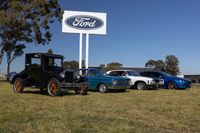
Ten years to the day since Australia's final Ford factory closed, we reminisce with our favourite locally made models.
12 Minutes Ago
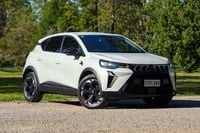
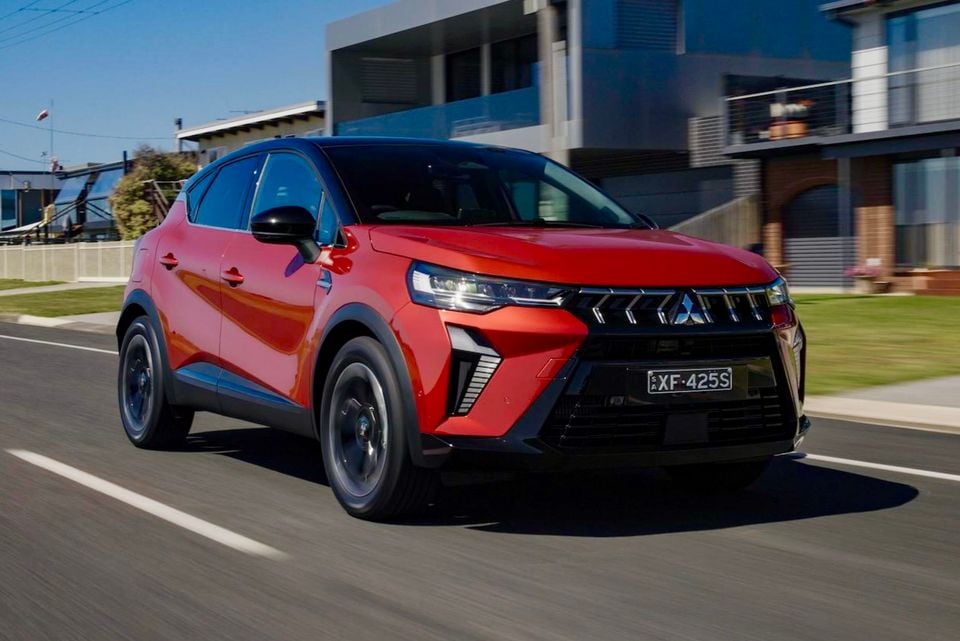
Mitsubishi's new ASX is no longer an affordable little SUV, and the top-spec trim pushes it into uncomfortable territory.

Journalist
Journalist
Journalist
Journalist
If this is the car for you, we’ll compare offers from trusted dealers, handle the back and forth and manage your purchase from enquiry to delivery.
The ASX has gone from an approachable, affordable household nameplate in Mitsubishi’s lineup to something else entirely.
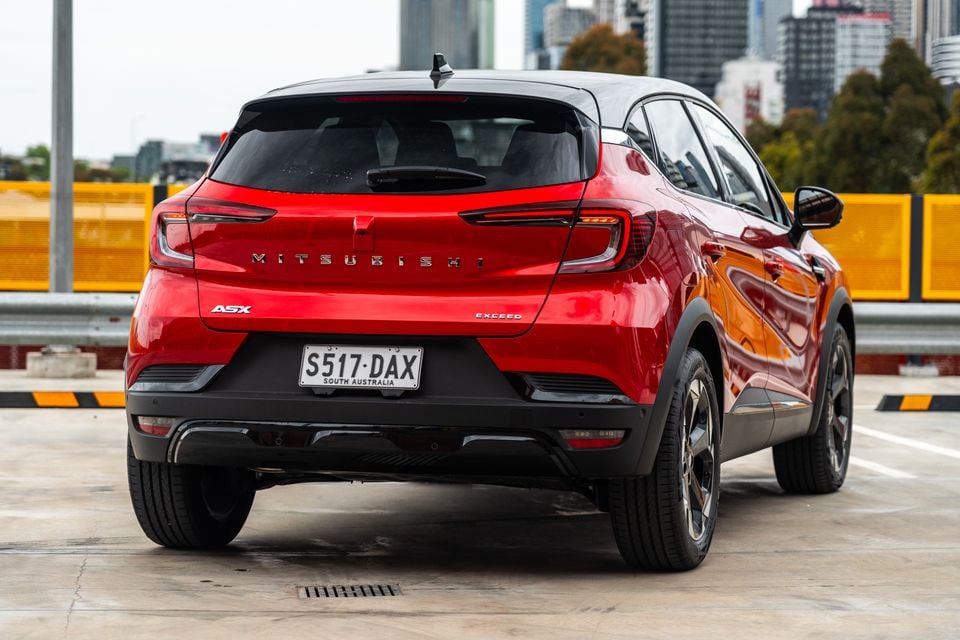
At the risk of beating a dead horse, the widely publicised fact that the new ASX is a rebadged Renault Captur and costs over $13,000 more than the model it replaces means it has become a much harder sell than it was before it fell foul of new Australian safety regulations.
Nowhere is that better reflected than in its sales figures. The new Renault-based ASX was launched locally in October 2025, and since then its monthly sales have consistently sat at around 180 units, which is massively down on the old ASX that was finding about 1000 customers each month.
At its current sales rate, the ASX is now Mitsubishi Australia’s second-slowest selling model, proving less popular than even the Pajero Sport, only dealer stock of which remains available after the large SUV fell victim to the same safety regs that killed the old ASX.
So it's no longer Mitsubishi Australia’s third-best selling model and costs a lot more than it did previously, but is the new ASX any good and does it justify its much higher price?
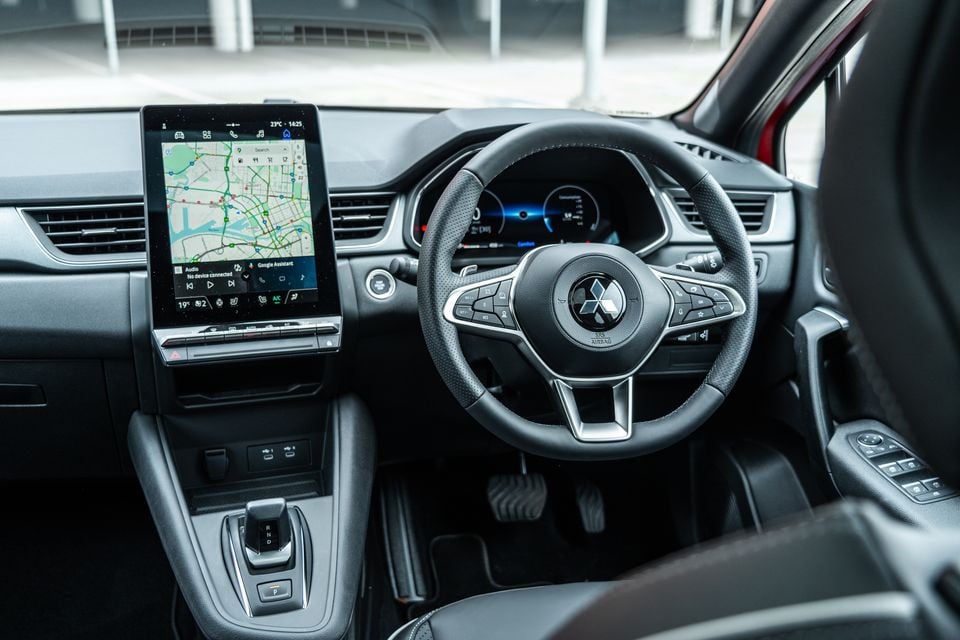
It’s important to remember the new Spanish-built ASX is ultimately a car made for Europe. Mitsubishi has sold it there as a rebadged Captur since 2022, and facelifted the small SUV to match Renault’s version in 2024, which is what we now have in Australia.
Interestingly, the facelifted Captur, which was supposed to arrive here in 2025, is nowhere to be seen in local showrooms, with Renault Australia instead bringing in the slightly larger Symbioz. It has also supplemented its SUV lineup with the electric Scenic E-Tech, which is timely given Australia's tightening emissions regulations.
On that note, there was also an opportunity for Mitsubishi Australia to revamp the ASX with an electrified powertrain – there are multiple hybrid options in Europe – but we only get one petrol engine, which makes for a very expensive small SUV without any kind of electrical assistance.
Can the top-spec 2026 Mitsubishi ASX Exceed help shed light on what’s going on?
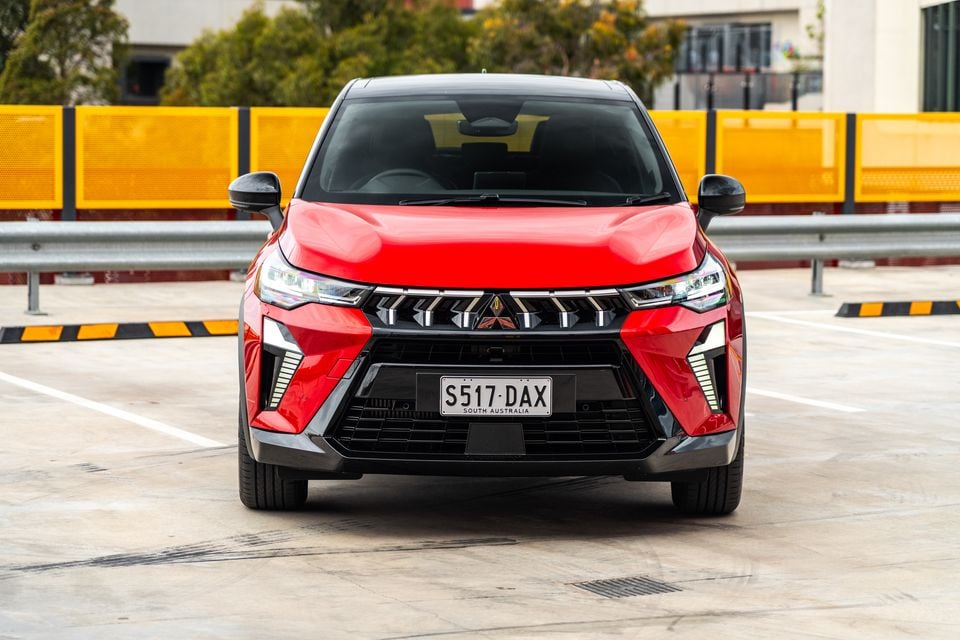
The Exceed sits at the top of the fresh ASX range, commanding a hefty price of $46,490 before on-road costs.
| Model | Price before on-road costs |
|---|---|
| 2026 Mitsubishi ASX LS | $37,740 |
| 2026 Mitsubishi ASX Aspire | $42,690 |
| 2026 Mitsubishi ASX Exceed | $46,490 |
Like-for-like, the Exceed costs $11,250 more than its previous-generation equivalent. As for the rest of the range, the LS (previously an upper-middle variant) now sits at the bottom, yet costs $7250 more than before, while the mid-range Aspire is new.
The ASX’s base price is now also $13,250 more than before. Naturally, these prices mean the ASX is no longer a Japanese (branded) alternative to popular budget options like the Chery Tiggo 4, MG ZS, and GWM Haval Jolion, and it no longer occupies a similar price range to the Mazda CX-3, which was a major reason for the old ASX's popularity.
Instead, it's been pushed into contention with models like the Toyota Corolla Cross and, at the top of the range, the Lexus LBX, both of which offer hybrid power, and it's even dearer than the Skoda Kamiq and Subaru Crosstrek.
To see how the Mitsubishi ASX stacks up against its rivals, use our comparison tool
The ASX’s cabin houses virtually nothing of what we’ve come to expect from a Mitsubishi interior.
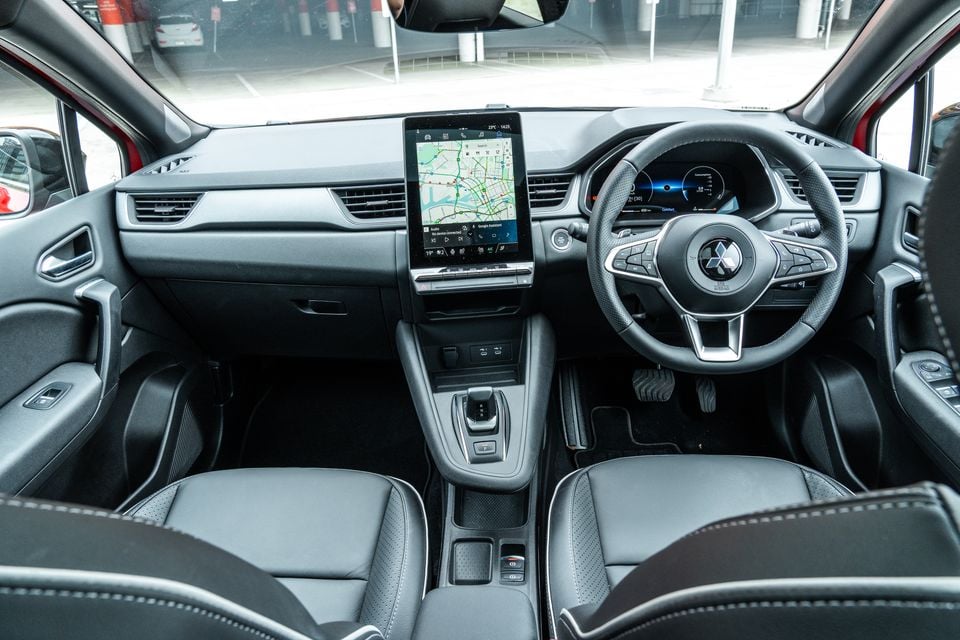
The two digital screens are, of course, the most obvious visual departures, but even minute details like the fonts used for the on-screen graphics – something you’d typically barely take note of – look weird alongside Mitsubishi’s three-diamond logo on the steering wheel.
Mitsubishi tends to have a utilitarian look to its interiors, which may not be to everyone’s taste but generally fits the vibe of the brand’s models (think Triton and Outlander), playing a big part in brand identity. There’s none of that in the ASX, but that's not necessarily a bad thing.
So the ASX may be a culture shock for anyone familiar with Mitsubishi’s undeniably simple, traditional cabin presentation, but it feels much more up to date inside.
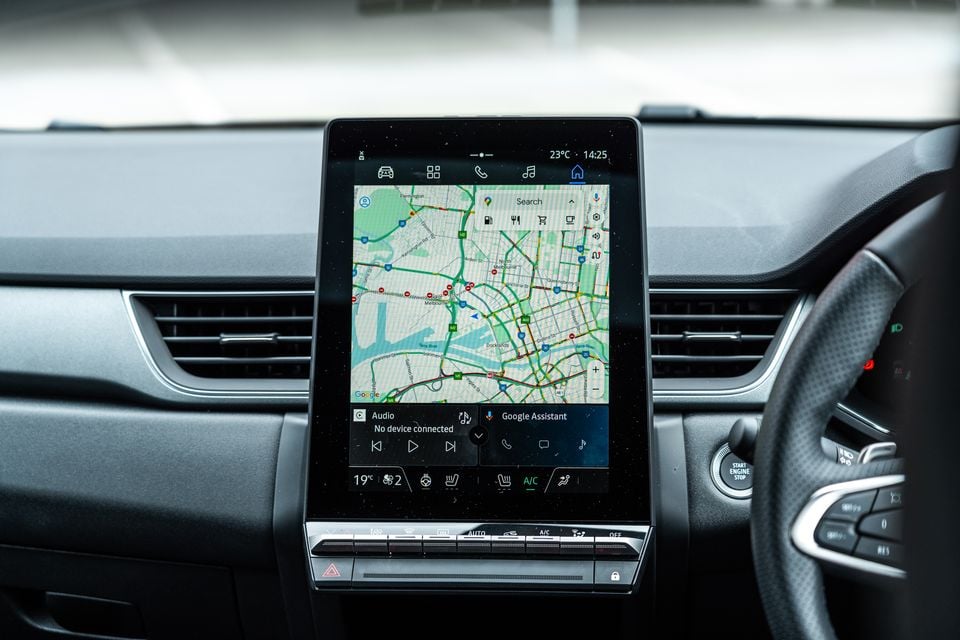
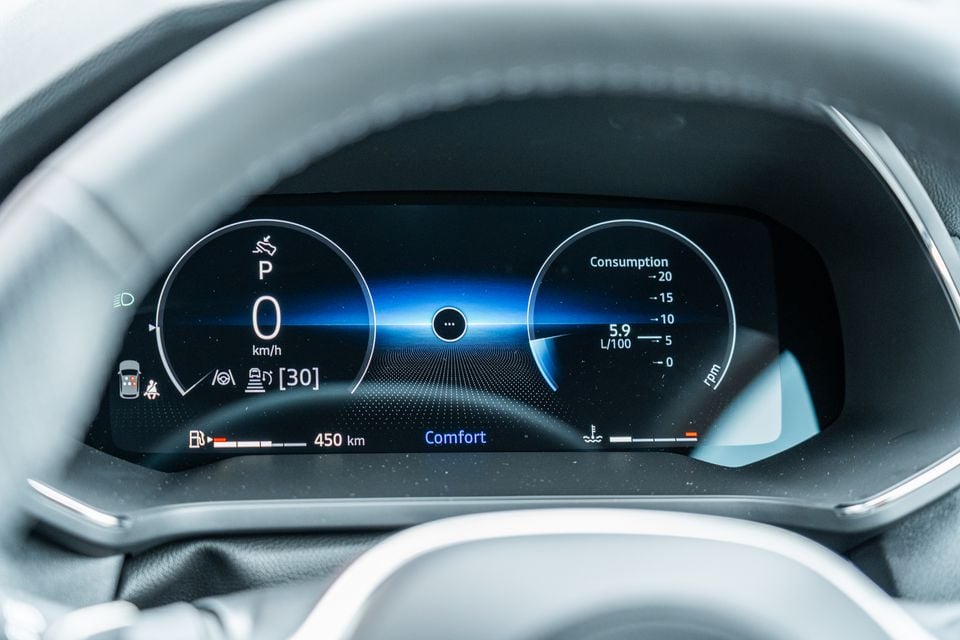
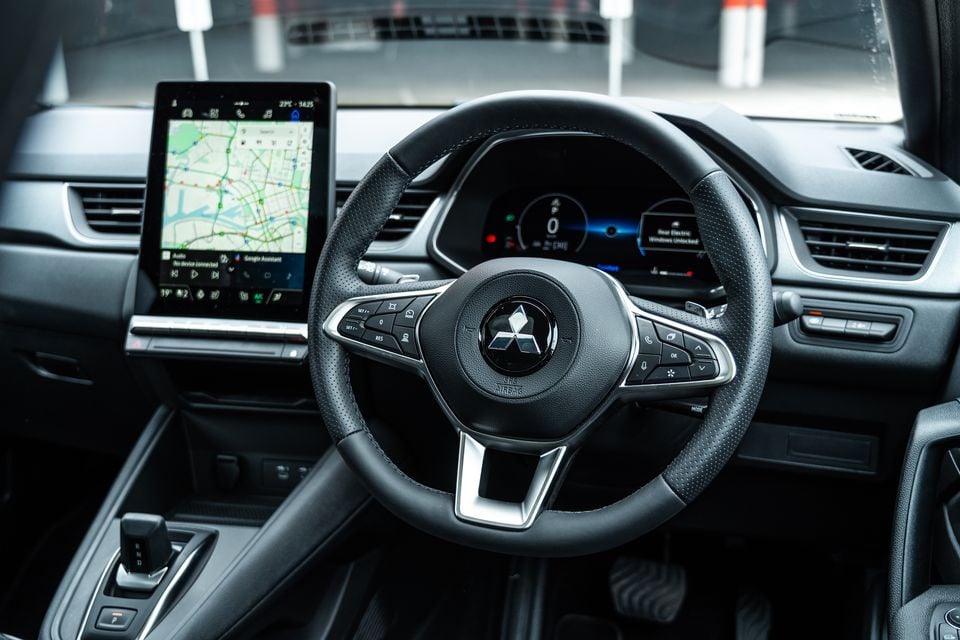
The 10.4-inch vertical infotainment touchscreen is easy enough to learn, as is the Exceed’s 10-inch digital instrument display, both of which are actually fairly swish in their own right. The car’s switchgear is different from before too, and also makes a departure from other Mitsubishi models.
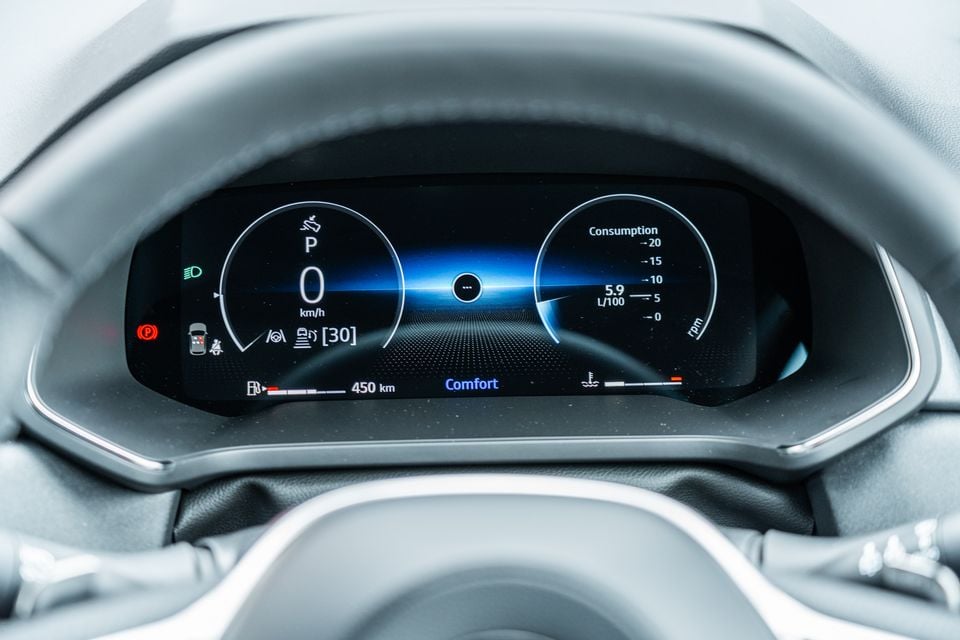
The indicator stalk is on the left rather than the right, as is the Japanese standard, and there are no audio controls on the steering wheel. Those are located on a third stalk to the right of the wheel – in true Renault fashion – which is easy enough to get used to.
Beyond that, the car's key touch points deserve praise. With its European origins, the leather-wrapped steering wheel has a distinctly premium feel (aside from the tacky Mitsubishi-branded centre pad), and the buttons and stalks are all robust.
Material choice is also good, with dull-finish plastic on the steering wheel buttons and gear selector. There is scratchy, cheap plastic on the dash and centre console, but at least the only piano-black finish is around the central touchscreen.
At the bottom of said screen is a row of physical climate switches, which are nice to have, even if they aren’t quite as polished as Mitsubishi’s climate panel in the Outlander. But the touchscreen is the core of the ASX’s interior, as almost all cabin controls are located here.
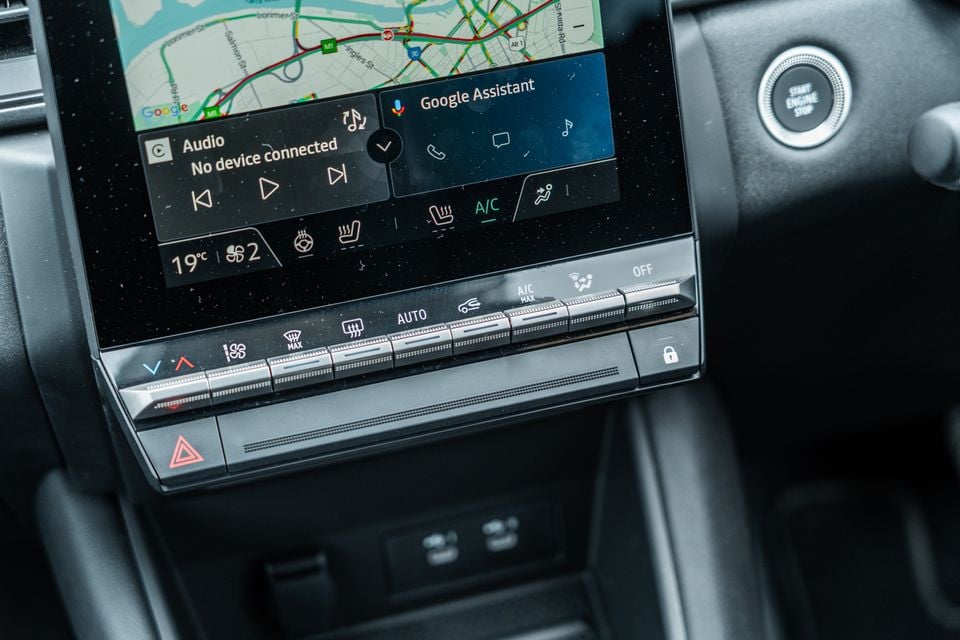
Wireless Apple CarPlay is standard and easy to set up, and navigating the car’s native menus shouldn’t be too daunting for incumbent Mitsubishi owners. The breadth of apps and customisation on offer – including a function that rates your driving efficiency – feels space-age compared to the old ASX.
As for the instrument display, we like its tidy graphics and clean layout – not to mention its flexibility. A button on the steering wheel switches between a plethora of screen layouts, ranging from basic driving information, safety gear, and trip computers to navigation with a full-blown map display.
Otherwise, what you see is what you get. The seats are a highlight with their sporty look, offering decent bolstering, high-quality Exceed-specific upholstery, and a wide range of power adjustment that makes it easy to get comfortable.
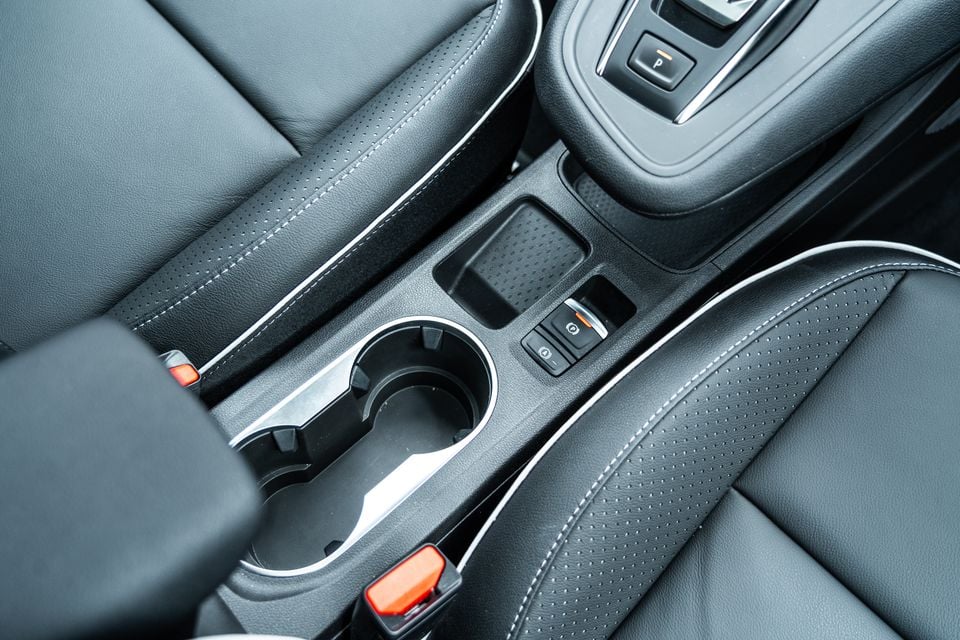
Storage up front is limited by the cabin’s visibly compact dimensions, even though it’s said to be more cleverly packaged than before. You get two cupholders between the seats, a slot for the annoyingly sized Renault-style key card, and a wireless phone charger.
The higher shelf on the centre stack is home to the small gear selector and a large tray with two USB-C ports. Storage space can also be found in the oddly packaged passenger-side glovebox and the small centre console box underneath a padded armrest.
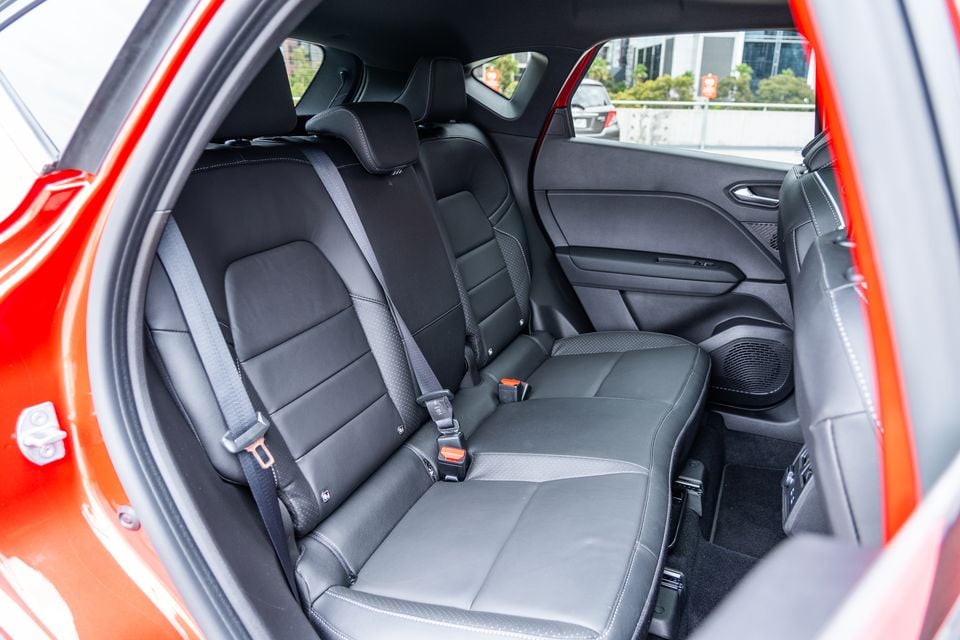
The second row is, as expected, quite cramped, thanks to C-pillars that curve inwards, compromising headroom for adults. It’s also quite dark in the back, even with the Exceed’s sunroof, but that isn’t the end of the world – perhaps it's even a plus if you have young children.
Additionally, the bench slides forward or backwards to maximise either cargo space in the boot or rear-seat legroom.
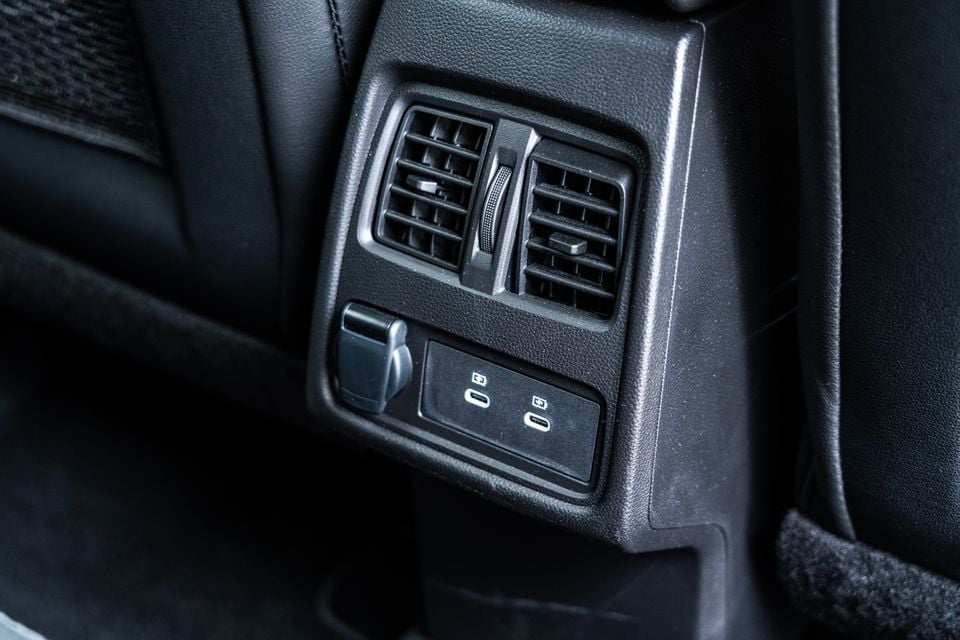
Rear-seat passengers can also make use of two USB-C ports, air vents, and a 12V outlet on the back of the centre console, along with storage nets on the front seatbacks, though there’s no central armrest.
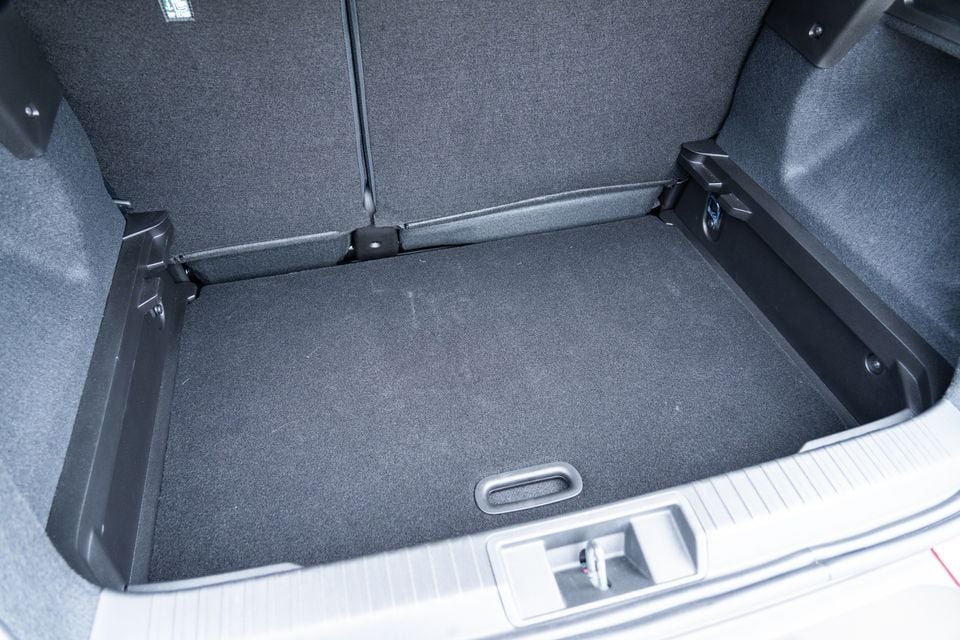
The boot is very spacious for a car this size. With a large load floor, Mitsubishi quotes 484 litres of capacity with the rear seats in use, up from 393L in the old ASX.
Compared to something like the Toyota Corolla Cross (which is both longer and wider than the ASX), that capacity gets even more compelling. Toyota’s small SUV is claimed to have 380L of boot space behind the rear seats.
The ASX is also fitted with under-floor storage, which is deeper and more practical than we expected.
You only get a tyre repair kit as standard, but Mitsubishi’s brochure lists a 16-inch space-saver wheel as an optional accessory.
| Dimensions | Mitsubishi ASX |
|---|---|
| Length | 4238mm |
| Width | 1797mm |
| Height | 1575mm |
| Wheelbase | 2639mm |
| Cargo capacity | 484L (rear seats up) 1596L (rear seats folded) |
To see how the Mitsubishi ASX stacks up against its rivals, use our comparison tool
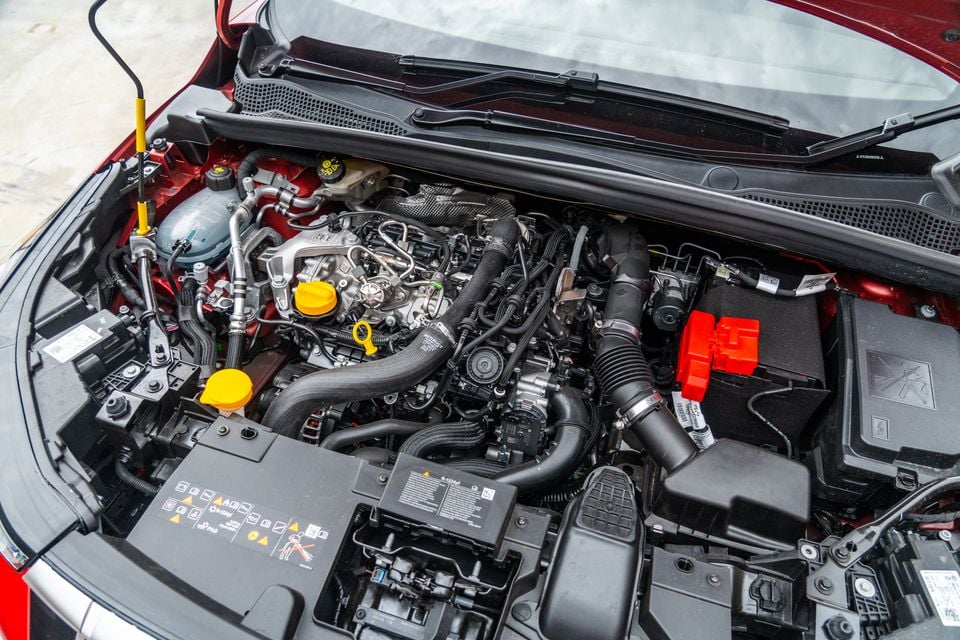
Powering all versions of the Mitsubishi ASX is a 1.3-litre turbocharged four-cylinder petrol engine outputting 113kW of power and 270Nm of torque. Drive is sent to the front wheels through a seven-speed dual-clutch automatic transmission.
| Specifications | Mitsubishi ASX Exceed |
|---|---|
| Engine | 1.3L 4cyl turbo-petrol |
| Power | 113kW |
| Torque | 270Nm |
| Transmission | 7-speed dual-clutch auto |
| Drive type | Front-wheel drive |
| Kerb weight | 1294kg |
| Fuel economy (claimed) | 6.4L/100km |
| Fuel economy (as tested) | 6.6L/100km |
| Fuel tank capacity | 48L |
| Fuel requirement | 91-octane regular unleaded |
| CO2 emissions | 142g/km |
| Emissions standard | Euro 6 |
| Braked tow capacity | 1200kg |
Our week with the ASX primarily involved highway driving, though we also spent some time in suburban areas at lower speeds.
Our recorded fuel economy was well within an acceptable vicinity of Mitsubishi’s claim, which is itself in the ballpark of the efficiency we’d expect from a non-hybrid small SUV. For context, the old ASX had claimed fuel consumption of either 7.4L/100km or 7.9L/100km, depending on the engine.
To see how the Mitsubishi ASX stacks up against its rivals, use our comparison tool
Most of the juxtaposition created by putting a classic Japanese nameplate on a European car also makes itself apparent on the road.
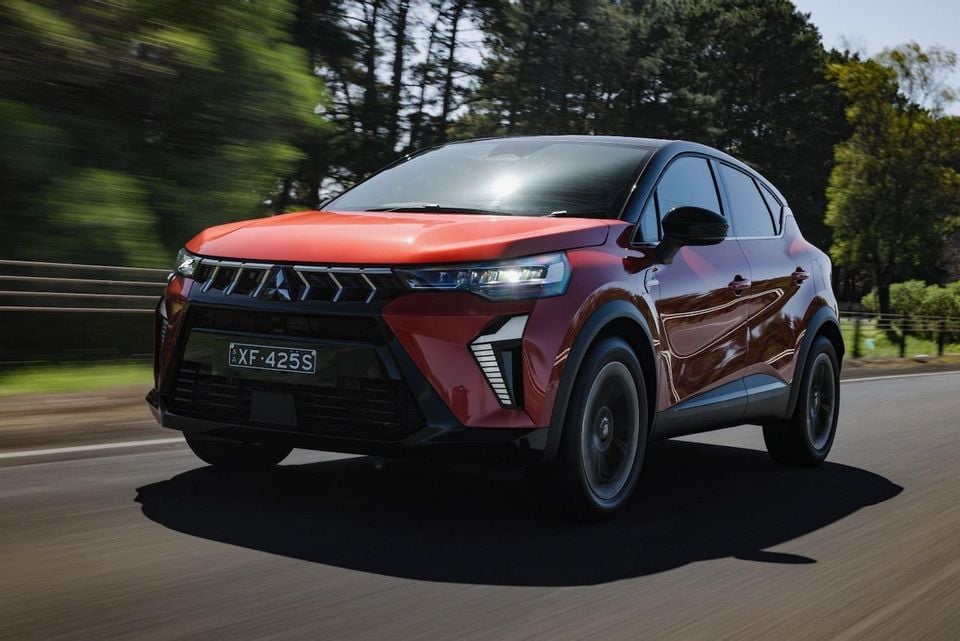
If you were thinking Mitsubishi would inject any of its own driving DNA, you’d be mistaken. Much like the interior, that isn't a bad thing, because the ASX has actually been greatly elevated dynamically by its French bones – Renault does know how to make a car that drives well, after all.
The ride is on the firmer side, but not in a way that feels unintentional or underdone. Instead, it gives the ASX a real sporty quality, making it feel much more enthusiastic than pretty much any other car in this segment.
This is not a sports car by any stretch, but it’s far more capable of holding its own on a twisty road than its predecessor was.
But detracting somewhat from its solid handling is the ASX’s peculiar power delivery which, along with its transmission, produces quite a bit of torque steer. Accelerate too hard away from a standing start and you’ll notice the front-end wandering about with a surprisingly light and floaty steering feel.
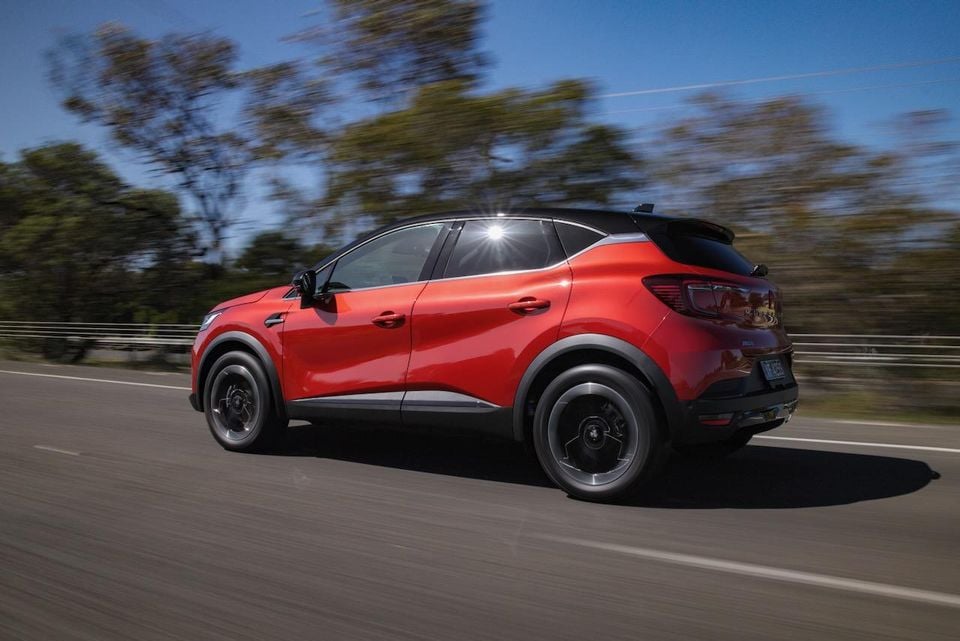
Switching to Sport mode firms up the steering and makes the car feel more stable – even if the effect is partly placebo. There’s also a fair bit of old-school turbo lag, exacerbated by the dual-clutch auto, which can catch you off guard as you try to accelerate.
That can also make it clunky to drive slowly, particularly while matching traffic, which is a fairly common nitpick with dual-clutch gearboxes.
Fortunately, you can get around most of that with the car’s ‘Perso’ drive mode. This allows you to customise the car’s behaviour by adjusting steering weight, throttle response, and other settings to help dial in the ASX to your liking.
That’s a worthwhile addition even if it’s Renault-specific, and highlights just how archaic the old ASX was in comparison. It’s a decent workaround for some of the hiccups detailed above.
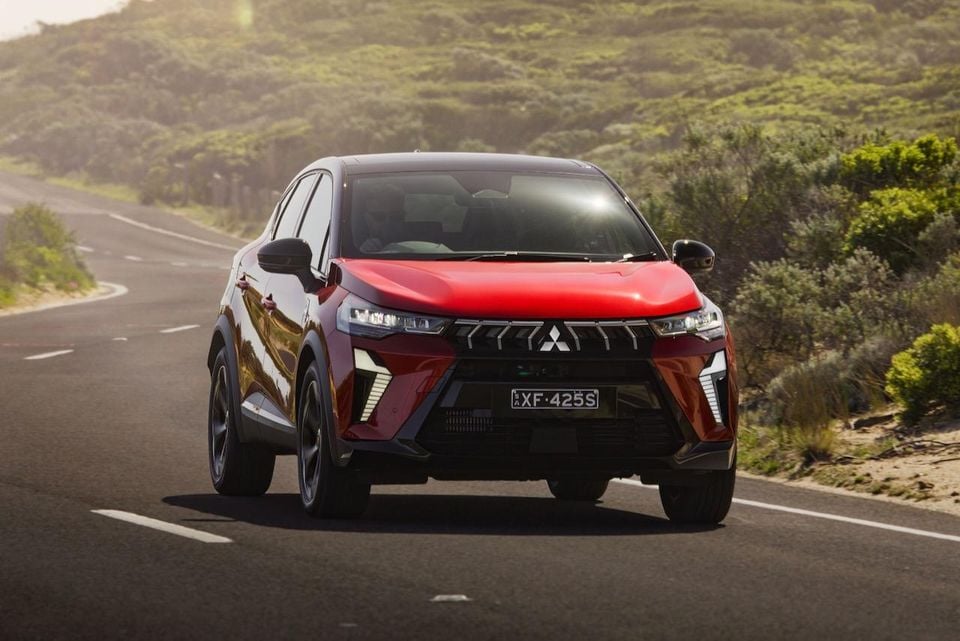
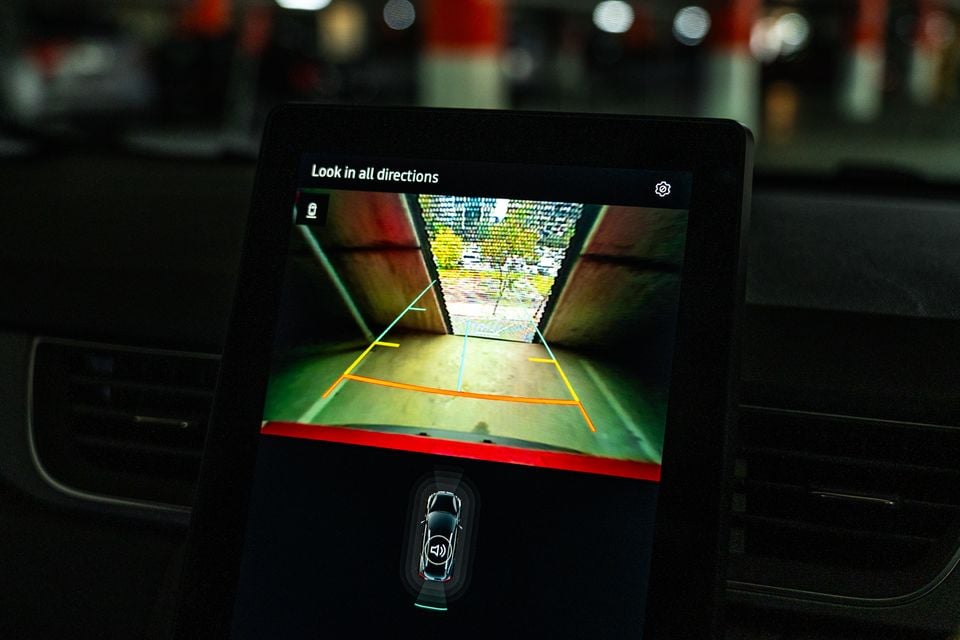
Naturally, the ASX now offers a full suite of safety features, from a reversing camera to a well-sorted adaptive cruise control system. The only thing we can criticise is the passive lane-keep system, which piped up a few times unnecessarily.
Given our tester is the top-spec Exceed, there are no major omissions in safety gear, aside from a disappointingly absent surround-view monitor – acceptable in the stripped-back LS, not so much in the similarly specced Aspire, and not at all at this price.
This is where the Exceed becomes difficult to recommend. It doesn’t add anything to the driving experience that the cheaper Aspire doesn’t, yet it costs nearly as much as the Lexus LBX, which has hybrid power as standard.
Plus, the resolution of the ASX’s reversing camera is disappointingly poor.
If this is the car for you, we’ll compare offers from trusted dealers, handle the back and forth and manage your purchase from enquiry to delivery.
Those familiar with the old ASX will likely find the new model's engine fairly palatable. Aside from the aforementioned turbo lag, it produces strong power and suits this application quite well. A hybrid powertrain wouldn’t have gone amiss, but it may not have felt as sporty as this turbo-petrol engine.
It outclasses the two naturally aspirated engines that powered the old ASX by a significant margin, and complements the new compact SUV nicely. Again, there are no mechanical differences between the model grades, so we still think the Aspire makes more sense.
Topping it all off is relatively well-suppressed road noise, even if the French ASX is far from completely silent on the freeway.
To see how the Mitsubishi ASX stacks up against its rivals, use our comparison tool
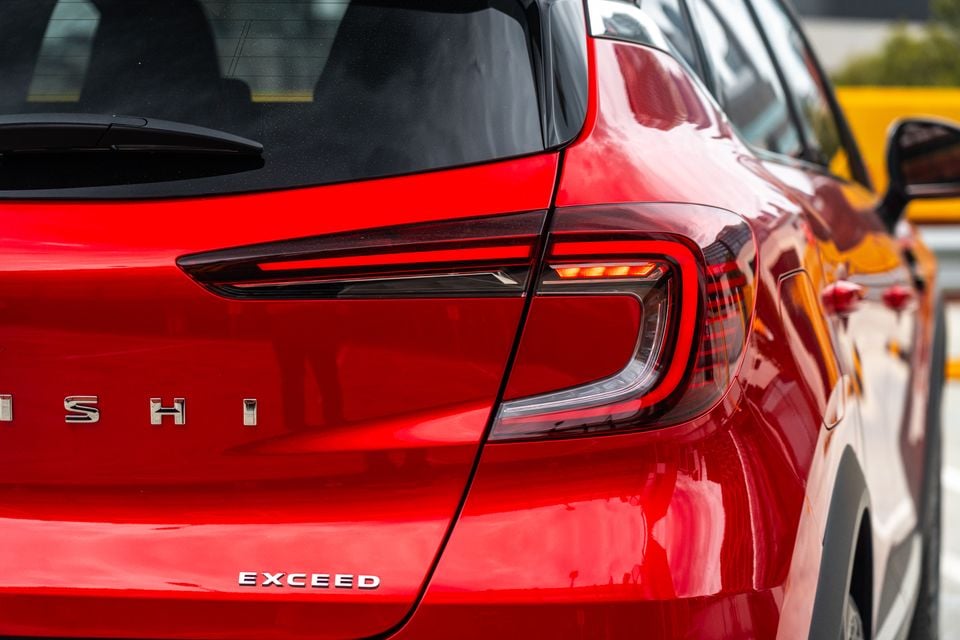
There are three grades of the Mitsubishi ASX available, and the Exceed flagship tested here sits at the top of the range.
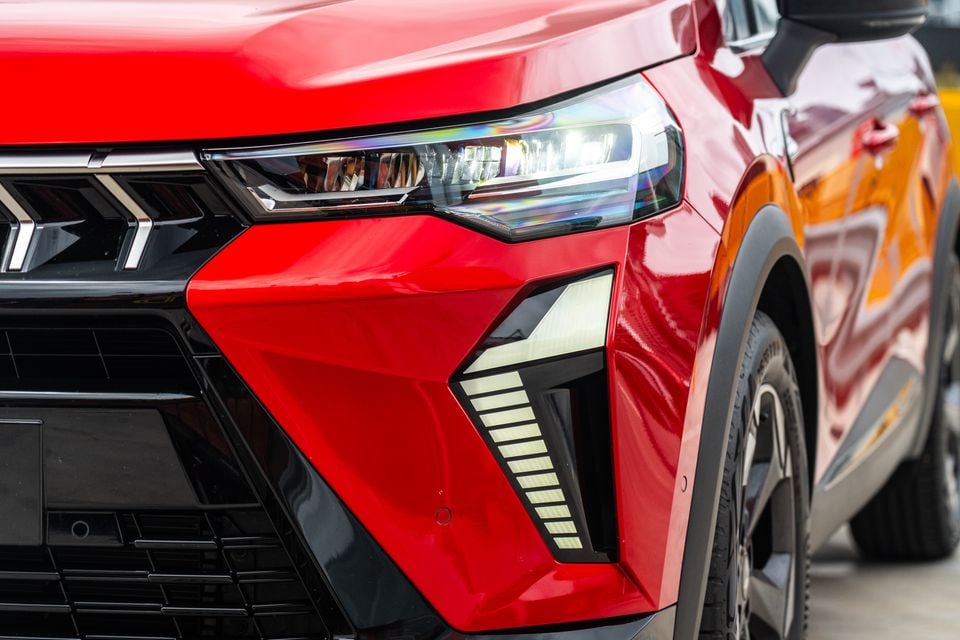
2026 Mitsubishi ASX LS equipment highlights:
ASX Aspire adds:
ASX Exceed adds:
To see how the Mitsubishi ASX stacks up against its rivals, use our comparison tool
The Mitsubishi ASX has a four-star ANCAP safety rating, based on Euro NCAP testing of the Renault Captur in 2024.
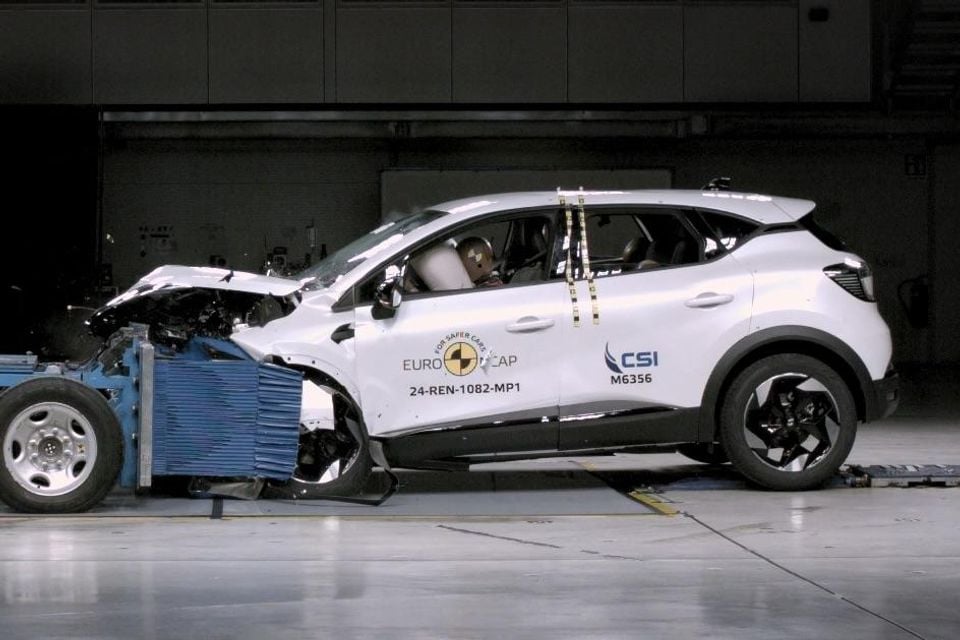
| Category | Mitsubishi ASX |
|---|---|
| Adult occupant protection | 76 per cent |
| Child occupant protection | 83 per cent |
| Vulnerable road user protection | 76 per cent |
| Safety assist | 70 per cent |
Standard safety equipment highlights:
ASX Aspire and Exceed add:
A centre airbag is not fitted.
To see how the Mitsubishi ASX stacks up against its rivals, use our comparison tool
Like Mitsubishi Australia’s wider range, the ASX is covered by a generous 10-year, 200,000km warranty (and roadside assistance for the same period) if you service with the Japanese brand. Otherwise the standard warranty is five years or 100,000km and you get 12 months of roadside assist. Service intervals are 12 months or 15,000km, whichever comes first.
| Servicing and Warranty | Mitsubishi ASX |
|---|---|
| Warranty | 10 years, 200,000km (service-activated) |
| Roadside assistance | 10 years (service-activated) |
| Service intervals | 12 months or 15,000km |
| Capped-price servicing | 10 years |
| Average annual service cost | $579 |
| Total capped-price service cost | $5786 |
Mitsubishi’s individual service pricing is detailed below:
| Service | Price |
|---|---|
| 12 months, 15,000km | $399 |
| 24 months, 30,000km | $399 |
| 36 months, 45,000km | $399 |
| 48 months, 60,000km | $999 |
| 60 months, 75,000km | $449 |
| 72 months, 90,000km | $699 |
| 84 months, 105,000km | $449 |
| 96 months, 120,000km | $1099 |
| 108 months, 135,000km | $449 |
| 120 months, 150,000km | $445 |
For comparison’s sake, we’ll look only at the first five ASX services, which total $2545 and average $509 annually. That’s a bit more than the service pricing for the CX-3, which is $2259 or $451.8 annually, and a lot more than the front-wheel drive hybrid Corolla Cross at $1375. Toyota offers five years of capped-price servicing at $275 each.
As for European competitors, Skoda offers a five-year service pack for the Kamiq at $3000.
Of course, none of those brands offer a warranty as long as Mitsubishi’s, which offers extra peace of mind and is worth considering.
To see how the Mitsubishi ASX stacks up against its rivals, use our comparison tool
Despite major improvements over the model it replaces, the new-generation ASX is a difficult sell.
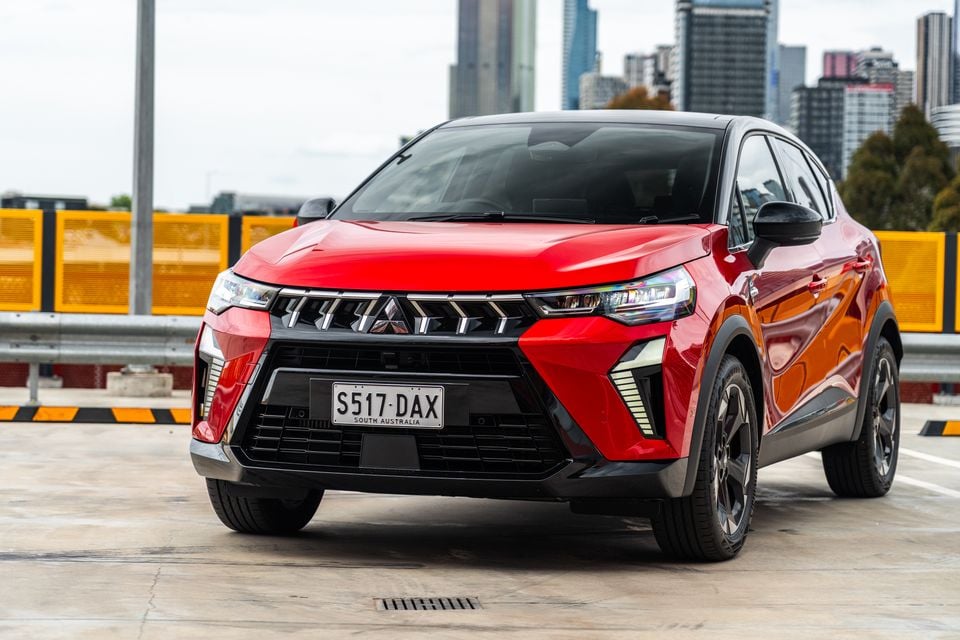
It’s obvious this small SUV is far too expensive, thanks to the European sourcing tax that applies despite the Japanese badge on the grille.
Many previous ASX owners looking to upgrade may be in for a rude shock, and many will shop elsewhere as a result.
And there are few reasons to choose this top-shelf ASX Exceed over a cheaper alternative, including a more affordable ASX variant. Those who can afford its hefty price premium should really spend up on the LBX instead.
The new ASX flagship just doesn’t do enough to justify spending $50,000, even if its road manners and interior are genuinely compelling upgrades over the model variant it replaces.
As such, the cheaper Aspire is much more logical. While it’s still very pricey, its list of standard equipment is practically identical to that of the Exceed – lacking only leather trim, a power driver's seat, sunroof and heated front seats, which should really be included anyway.
The Aspire is priced in line with small SUVs like a well-specced petrol Crosstrek or Kamiq, which may well feel too mainstream for some potential buyers of this new Japanese-branded, French-designed ASX, which despite its badge has an interior that will look alien to most Aussies.
Perhaps a hybrid version of the new ASX is on the way, or maybe this model will pave the way for a new, Mitsubishi-designed small SUV.
As it stands, if an accomplished European compact SUV with a very long Mitsubishi warranty takes your fancy, the mid-range Aspire grade is the one to consider.
CarExpert can save you thousands on a new Mitsubishi ASX. Click here to get a great deal.
Click the images for the full gallery
If this is the car for you, we’ll compare offers from trusted dealers, handle the back and forth and manage your purchase from enquiry to delivery.
Mitsubishi ASX
Mitsubishi ASX Sales rolling 12-months#
*Based on VFACTS and EVC data
Looking for complete Mitsubishi ASX price history?
Our Mitsubishi ASX Pricing Page shows exactly how prices have changed over time.
2025
$41,694
2025
$46,792
2025
$50,736
Max Davies is a CarExpert journalist with a background in regional media, with a passion for Japanese brands and motorsport.
Add CarExpert as a Preferred Source on Google so your search results prioritise writing by actual experts, not AI.
Damion Smy
12 Minutes Ago

Elle Baillieu
14 Minutes Ago

William Stopford
47 Minutes Ago
William Stopford
47 Minutes Ago
Damion Smy
2 Hours Ago
Damion Smy
2 Hours Ago
Add CarExpert as a Preferred Source on Google so your search results prioritise writing by actual experts, not AI.
# Based on VFACTS and EVC data
† Displayed prices are based on the drive-away price of the vehicle, which includes delivery charges, registration fees, number plates, and applicable road taxes, based on a Sydney location. However, prices may vary between states and territories, and additional costs such as compulsory third party (CTP) insurance, dealer delivery fees, and optional extras are not included. These prices are subject to change without notice and may not reflect current market pricing or dealer offers.
 Automotive Vehicle Spec Data & 4K images Powered by JATO Dynamics Ltd