Mitsubishi wants a modern Lancer Evo, but has no plans for a performance revival
First Ralliart, now Evo. Mitsubishi has said it wants to go back to making 'wonderful' performance cars, but don't expect one to be built any time soon.
The president of Mitsubishi Motors Corporation (MMC) has declared that returning the brand to its performance roots is a 'dream', with a strong desire to one day sell models that can rekindle the spirit of icons like the Lancer Evolution.
Speaking at a recent shareholder conference, MMC president and COO Keisuke Kishiura labelled Mitsubishi's historic performance models as 'treasures', and expressed his interest in guiding the brand back towards the enthusiast path.
"Models such as the Lancer Evolution, Diamante, and Galant are very important cars for Mitsubishi Motors, and we consider them treasures ... we would like to make our company one that can once again produce such wonderful cars in the future," he said in a translated passage.
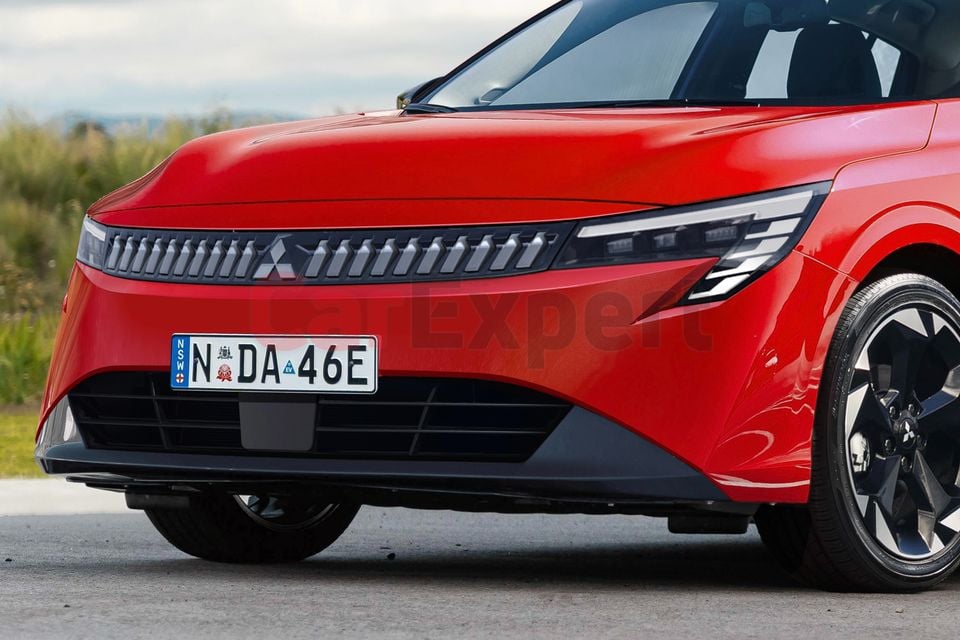
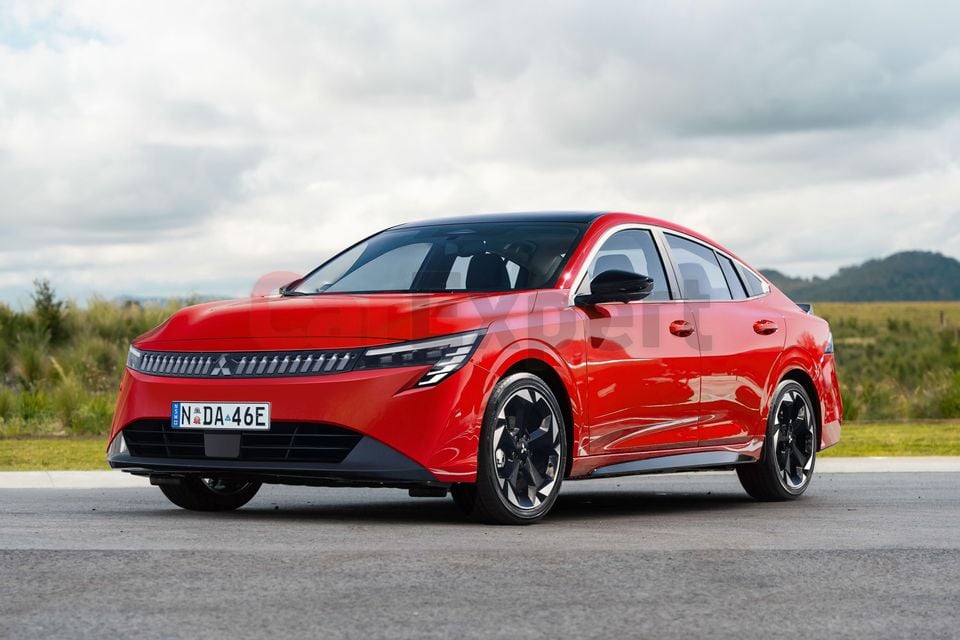
The only caveat? Kishiura-san made it clear that Mitsubishi doesn't have "any concrete plans to introduce these cars again". Because that's disappointing, we've enlisted the help of digital artist Theottle to produce a render of what a reborn Lancer could look like.
The render appears to be based on the small Sentra sedan from Mitsubishi's Alliance partner Nissan, but incorporates several elements from Mitsubishi's current SUV-heavy lineup. Most notable is the thin chrome-accented grille, as seen on models like the new Nissan Leaf-based Eclipse Sportback EV.
In keeping with this theme of Alliance brand collaboration, the Lancer render borrows its 18-inch alloy wheel design from the Renault Captur-based ASX, one of several vehicles Mitsubishi borrows from its French partner.
Nissan's latest Sentra, revealed in 2025, measures 4656mm long, 1816mm wide and 1448mm tall on a 2705mm wheelbase. It's also sold in China as the Sylphy, and depending on the market it's available with naturally aspirated 1.6-litre or 2.0-litre four-cylinder engines mated with a continuously variable transmission (CVT) – nothing quite as hot as Sentra SE-Rs of years past, and certainly not as exciting as the iconic Lancer Evolution.
Of course, this render is much closer to what a regular Lancer would look like than to a more aggressively styled Evolution.
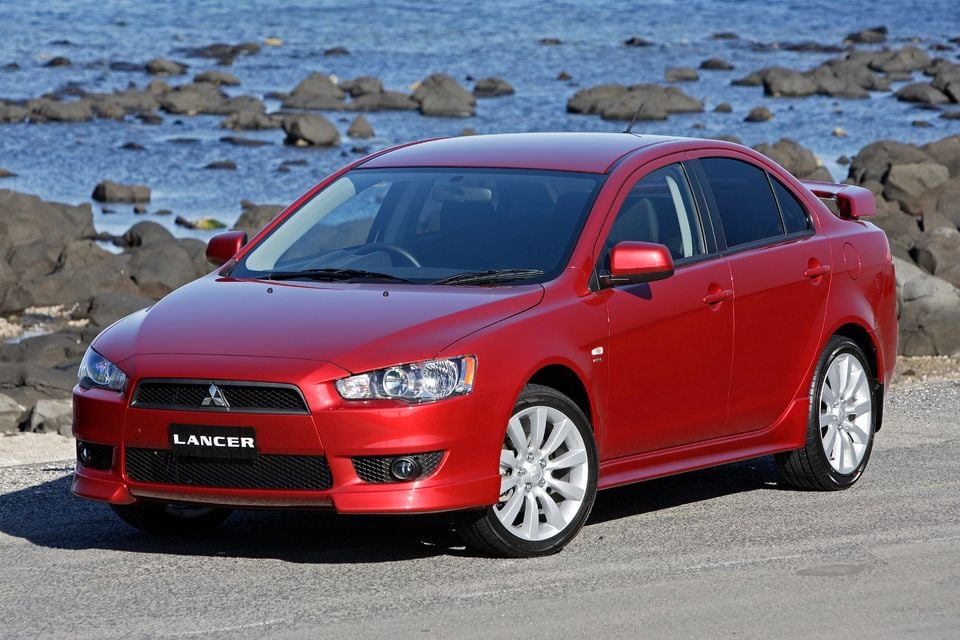
2011 Mitsubishi Lancer VR-X
Mitsubishi has no real performance models at the moment, but it isn't that unreasonable to think some form of electrification could be implemented for this hypothetical sedan.
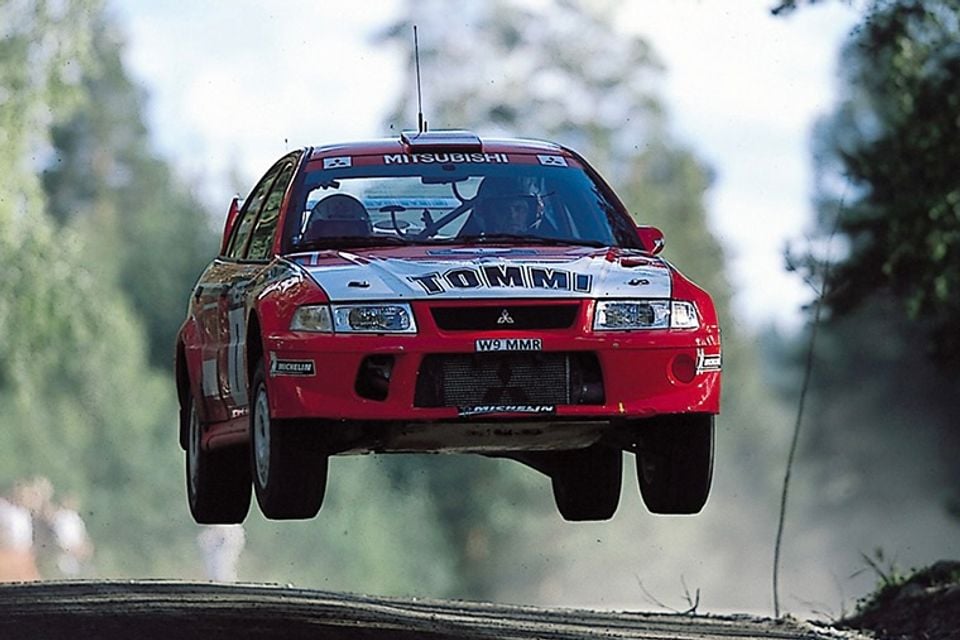
A logical option is the heart of the current Outlander PHEV: a plug-in hybrid system featuring a 2.4-litre non-turbo engine with a total system output of 221kW. That SUV also offers all-wheel drive, which would be a great fit given the Lancer Evo's rally-proven all-wheel drive pedigree.
Fittingly, Kishiura-san also said that returning Mitsubishi to the World Rally Championship (WRC) was a 'dream', with questions at the shareholder conference referencing Toyota GR's WRC efforts under the guidance of chairman and motorsport enthusiast Akio Toyoda.
"Participating in the WRC as a factory team is a dream of mine. As I mentioned earlier, we don't have any concrete plans at the moment, but I would like to make Mitsubishi Motors a company that can compete on a big stage like the WRC in the future, so I hope you will look forward to it," he said.
Mitsubishi has also outlined that future Ralliart activities are likely to focus on off-road enhancements to its SUV lineup and the Triton ute. While that covers more localised events like the AXCR, it doesn't account for car-based motorsport series like the WRC.
Mitsubishi Ralliart hasn't competed in the WRC since 2005. It first entered in 1989 and went on to achieve four drivers' championships and one manufacturer's title, with its withdrawal chalked up as a result of a corporate revitalisation plan.
As for the introduction of an Evo-inspired road car, Kishiura-san said he "will be at the forefront of this effort" and reinforced his gratitude for any interest in such a program among the company's shareholders.
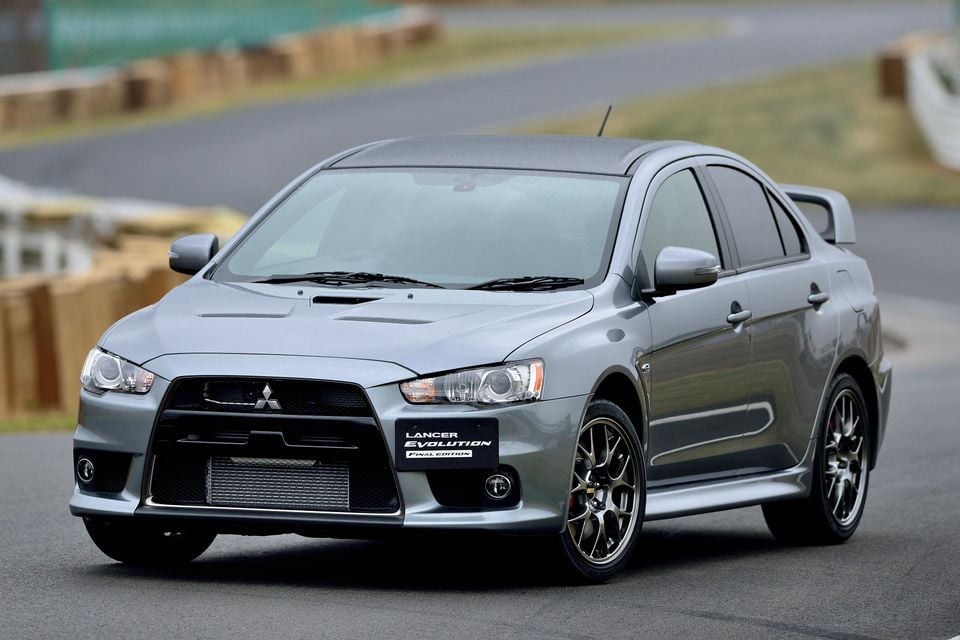
2015 Mitsubishi Lancer Evolution X Final Edition
The last time an Evo was sold in Australia was 2015. That was the Evolution X Final Edition, which was fitted with a 2.0-litre turbocharged four-cylinder engine producing 226kW of power, with drive sent to an all-wheel drive system through a five-speed manual transmission.
It exited production despite its historic WRC rival and arch-nemesis, Subaru, continuing to produce its iconic WRX STI until 2021. Funnily enough, the most recent Australian-delivered STI produced a claimed 221kW of power, the same as the current Mitsubishi Outlander PHEV.
If Mitsubishi were to introduce a model like the Lancer, it would almost certainly be pitched against the current performance-sedan cohort, which includes the WRX, Hyundai i30 Sedan, and even the Skoda Octavia RS.
It would also be a long-awaited return to the passenger car market for the brand. Mitsubishi, at least in Australia, has fielded a lineup dominated by SUVs for the past four years, as it axed the Mirage hatch in 2021 and the Lancer sedan in 2017.