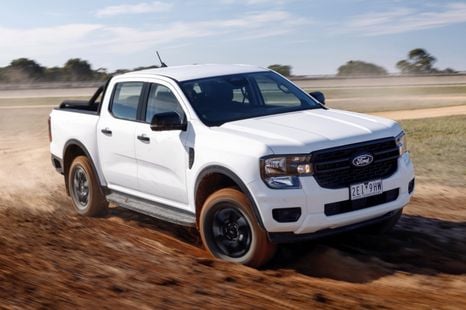
The Ford Ranger XLT doesn’t need a dramatic reinvention to make a convincing case. In this review of the 2021 model, we test the 2.0-litre bi-turbo diesel version, priced just below $61,000 at filming. Its cabin is showing its age, but the familiar package still delivers where a dual-cab ute needs to.
The four-cylinder engine produces 157kW of power and 500Nm of torque, paired with a 10-speed automatic. There’s useful urgency low in the throttle’s travel, and the transmission generally finds the right ratio quickly. It isn’t as smooth as a V6 diesel, but the combination suits the Ranger well.
Fuel use is a less impressive part of the story. Against Ford’s claimed combined figure of 7.4 litres per 100km, the trip computer showed 10.3L/100km over more than 1500km. That’s a substantial gap, even if the smaller engine delivers the performance we want.
Ride and handling remain highlights. The suspension deals confidently with changing Australian road surfaces, while the steering balances reassuring weight with easy low-speed manoeuvring. The Ranger feels composed through corners, and its all-terrain tyres generate surprisingly little noise inside. Some wind noise is still noticeable.
The interior’s hard plastics and dated presentation are harder to defend, particularly as prices rise through the range. Nevertheless, the seats are comfortable, there’s useful storage, and the SYNC 3 infotainment system responds quickly. Wired Apple CarPlay and Android Auto work well, and a high-mounted USB outlet makes fitting a dashcam easier.
FordPass Connect adds remote access through a phone app, including starting and unlocking the ute. There are compromises elsewhere: the steering wheel lacks reach adjustment, rear passengers don’t get air vents, and blind-spot monitoring and adaptive cruise control are optional rather than standard.
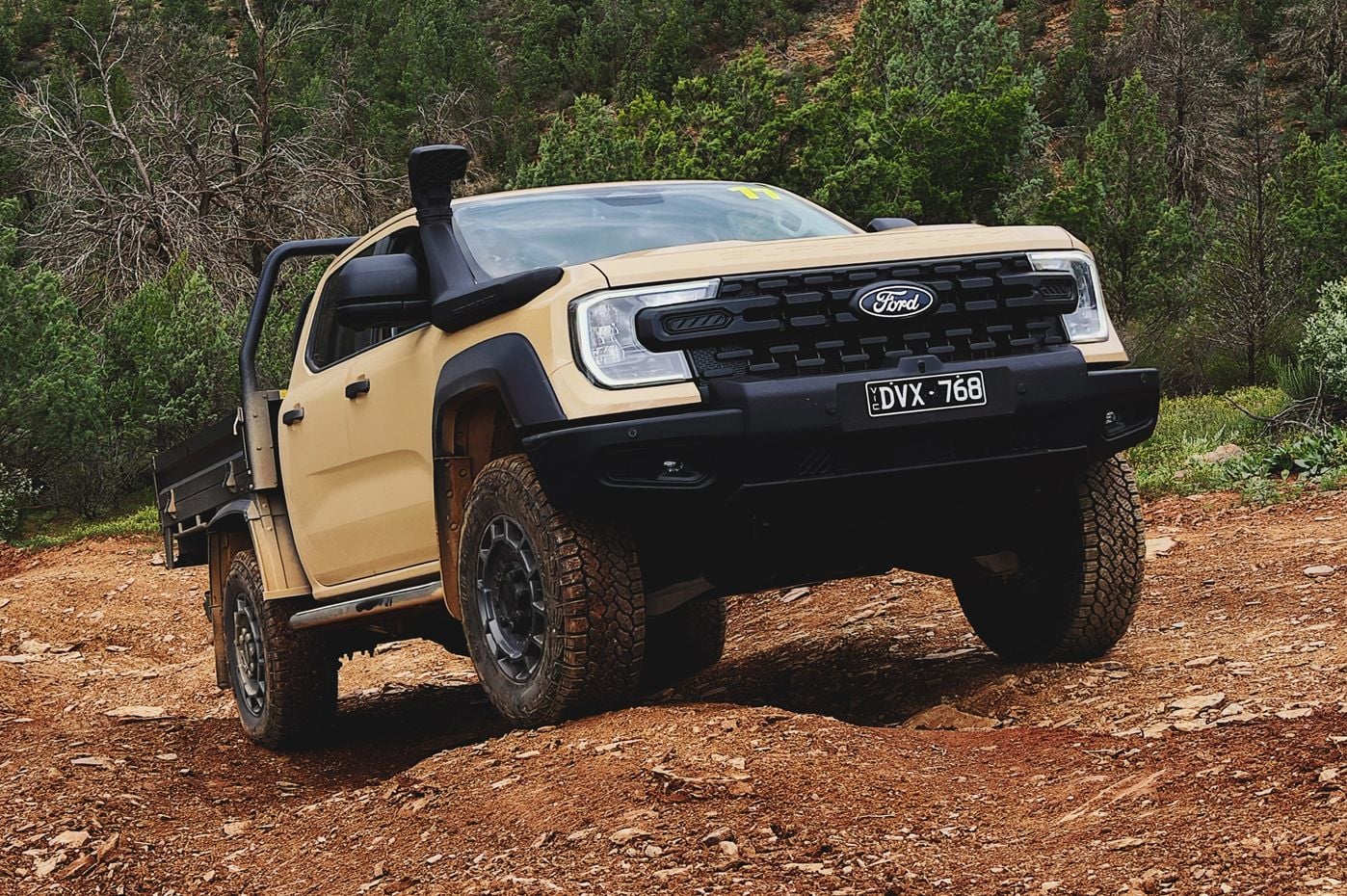
For work, there’s just over a tonne of payload and a 3500kg braked towing rating, plus a tailgate torsion bar that reduces lifting effort. Our light off-road drive shows smooth climbing ability and useful throttle response. The rear differential lock can operate outside low range, although hill-descent control reacts sharply when the brake pedal is pressed.
We didn’t test the stated 800mm wading depth because the river was too high. Even without that demonstration, the Ranger remains an accomplished all-rounder. Its incremental improvements make sense; the dated cabin is the clearest reason to look forward to its replacement.