We’re a long way from the days of the Button plan and rampant model rebadging, but there are still some vehicles in Australia that appear to differ only in the logo on their grilles.
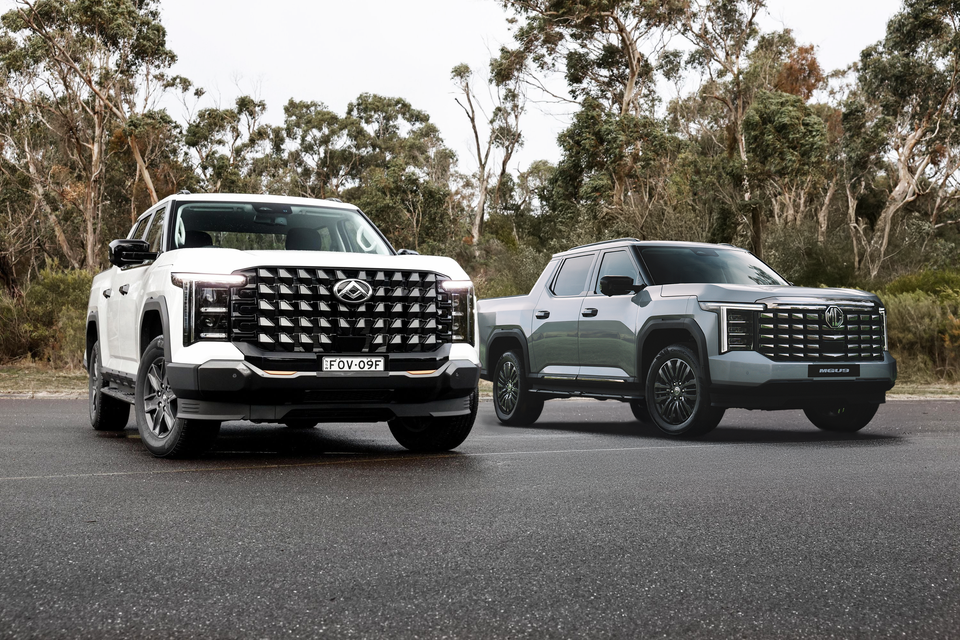
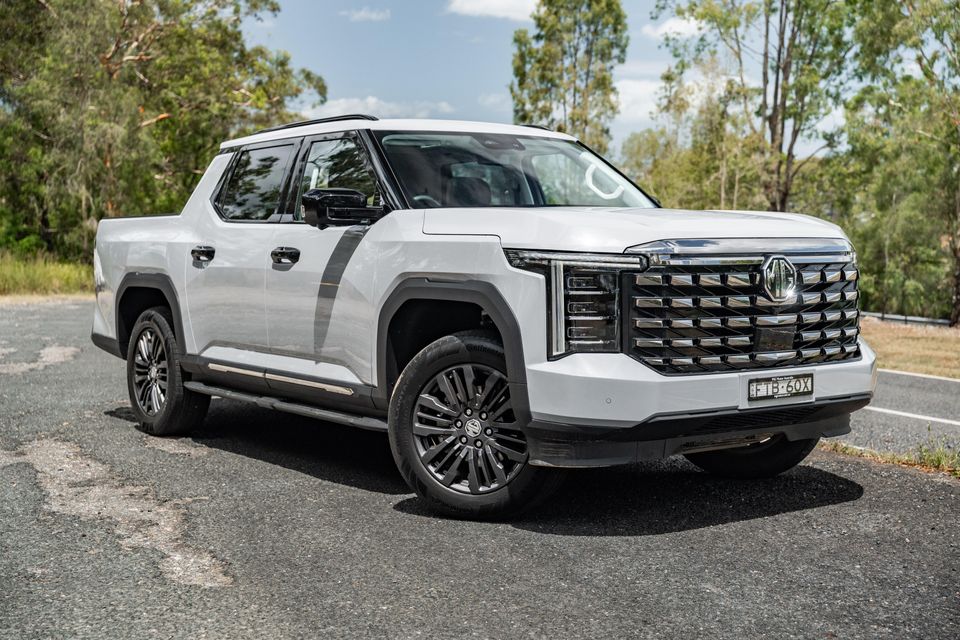
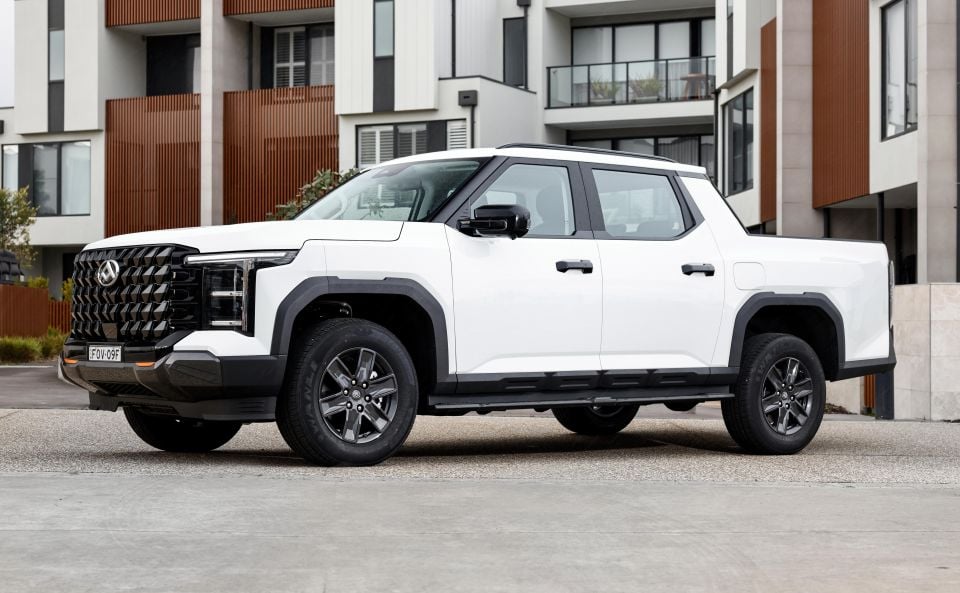
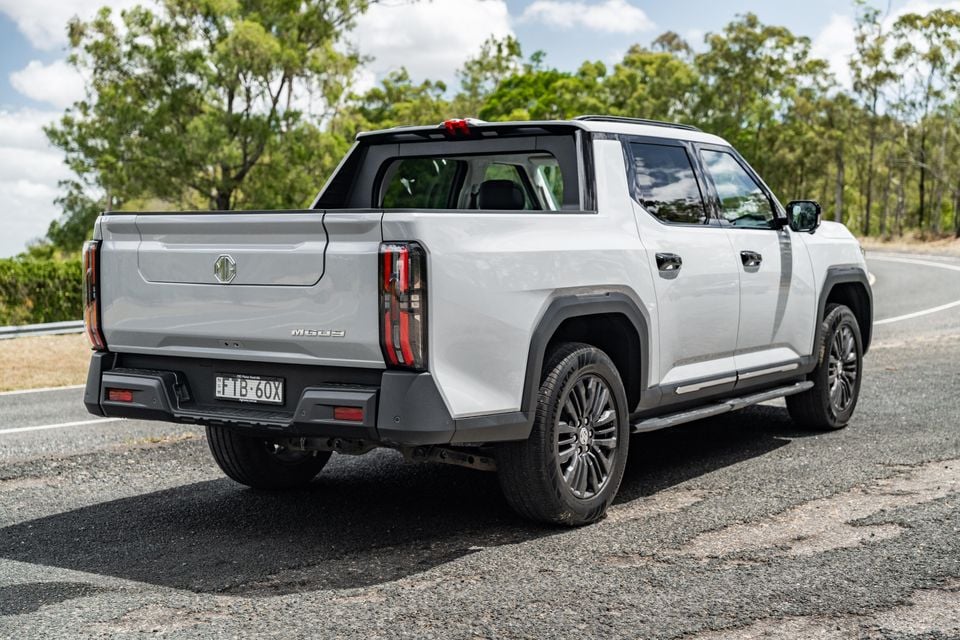
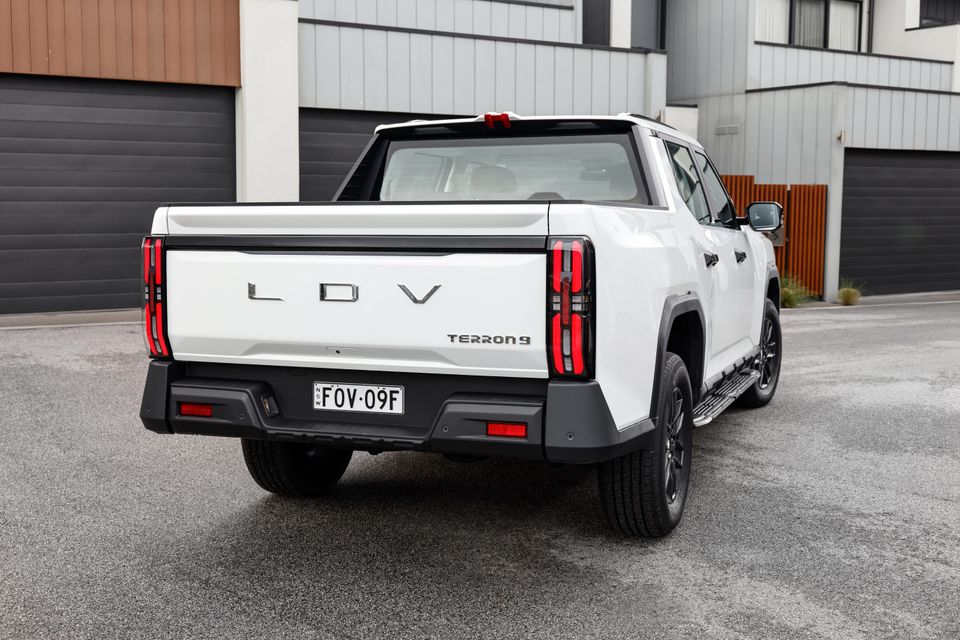
Sure, the recently launched LDV Terron 9 and the even more recently launched MG U9look almost identical inside and out, but this isn’t just a redux of the old Ford Falcon and Nissan Ute twins as there are some key differences between these two Chinese-made dual-cab 4×4 utes beyond their badges.
Launched last year, they’ve entered a hotly competitive segment that contains three of the top five most popular models in the country. And despite their similar appearances, they’re arguably more differentiated than the new Mitsubishi Triton and Nissan Navara, even if they don’t look it from the outside.
The Terron 9 is currently being offered for $50,674 drive-away ($47,990 for ABN holders) in base Origin trim, or $55,937 drive-away ($52,990 for ABN holders) in top-spec Evolve guise. The MG, in contrast, is priced between $52,990 and $60,990 drive-away.
CarExpert can save you thousands on a new car. Click here to get a great deal.
MG U9
LDV Terron 9
The LDV follows the example of most utes in this segment, featuring a live rear axle with leaf springs.
While the MG U9 boasts the same 3500kg braked towing capacity and double-wishbone front suspension, it ditches the Terron 9’s leaf rear suspension setup for a car-like multi-link independent rear suspension with coil springs. The BYD Shark 6 is the only other vehicle in this segment to have such a suspension setup.
Both the U9 and Terron 9 use the same eight-speed automatic transmission and 2.5-litre turbo-diesel four-cylinder engine producing 520Nm of torque, though MG quotes 160kW of power and LDV quotes 163kW.
LDV quotes a payload of between 1005kg and 1100kg, while the MG’s is considerably lower at 770kg-870kg.
MG U9
LDV Terron 9
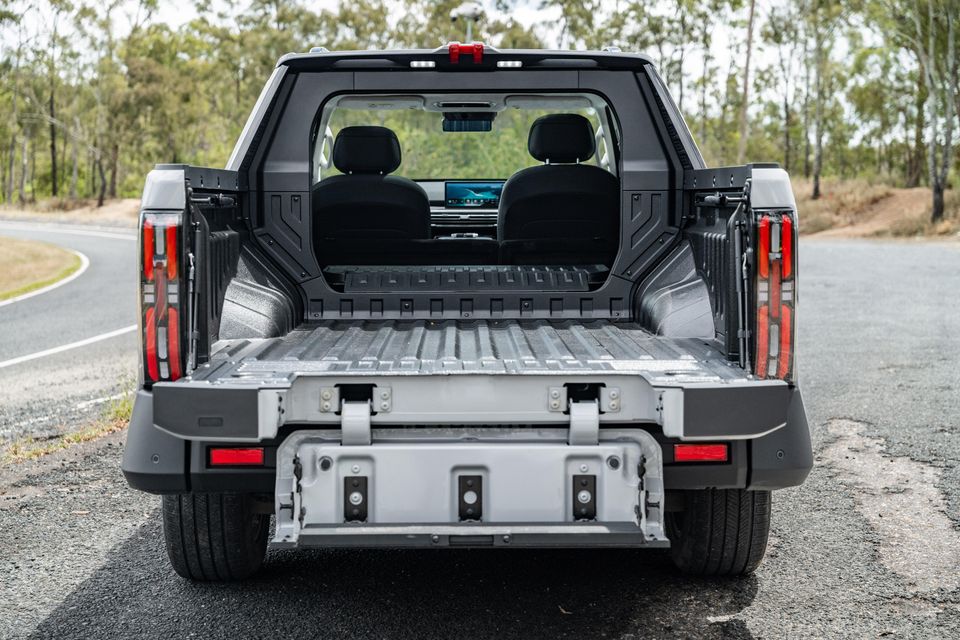
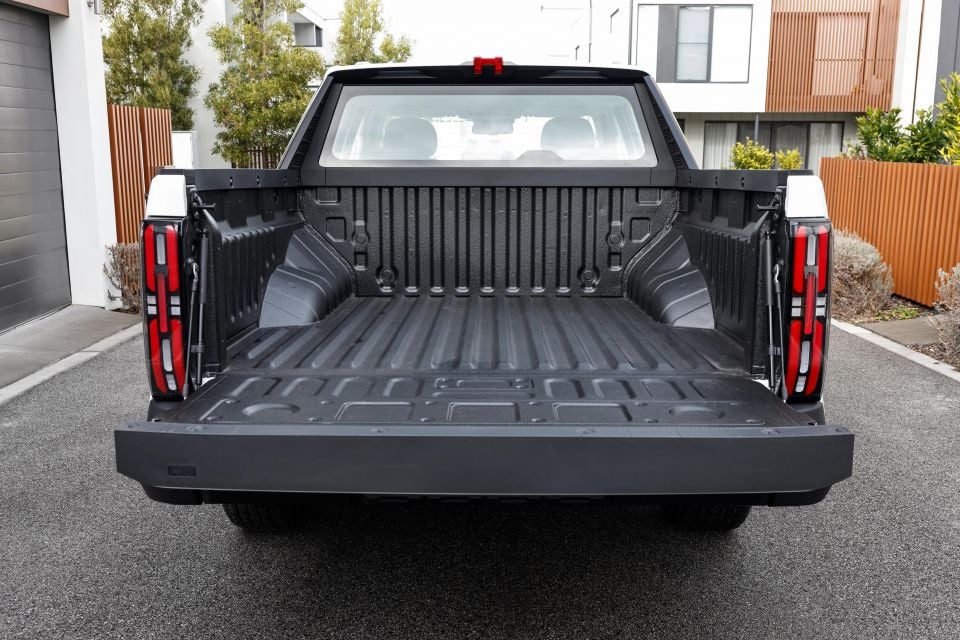
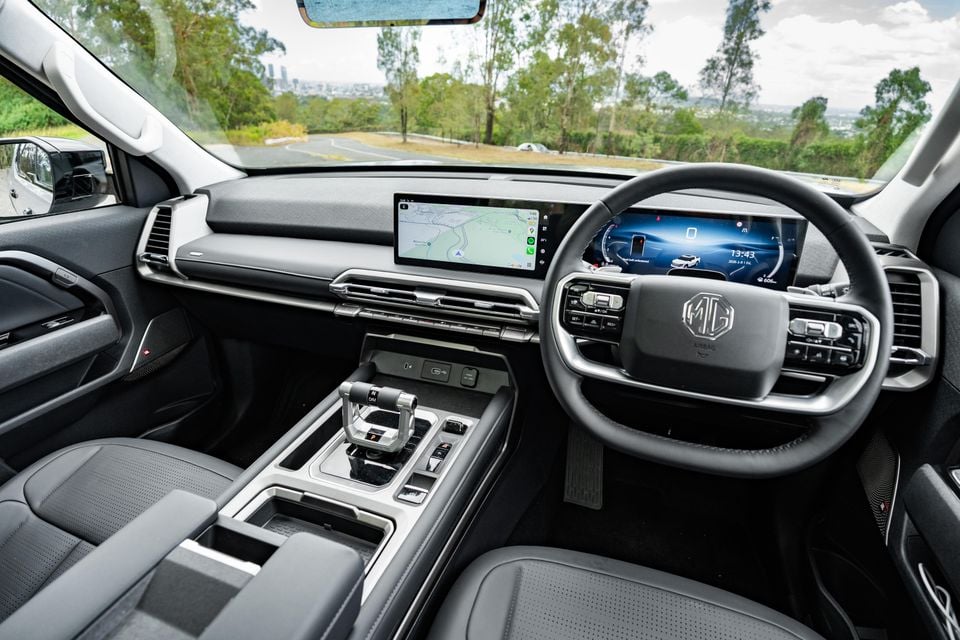
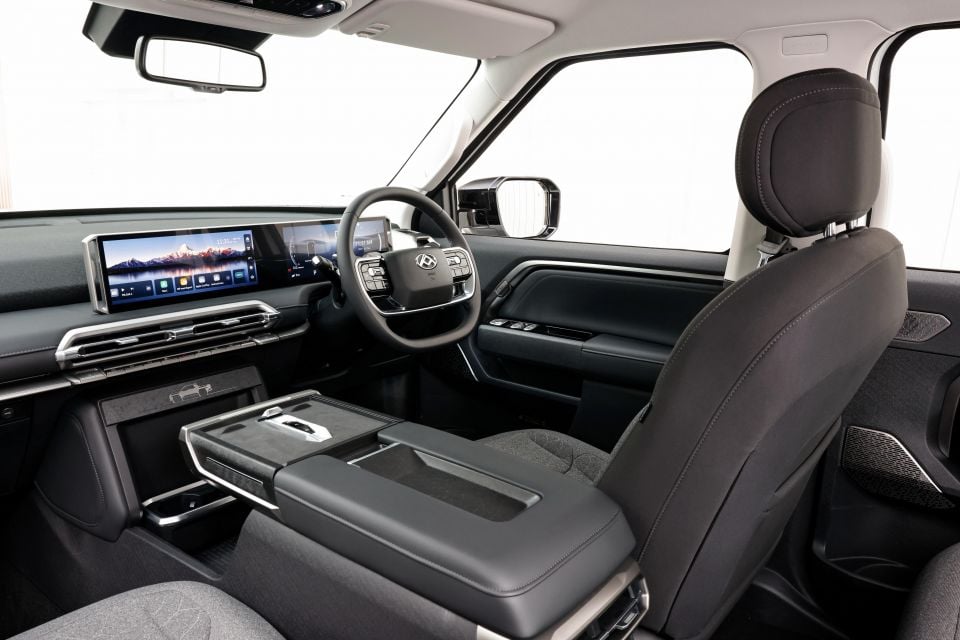
Other key differences between the LDV and MG include different centre console and gear shifter configurations in the cabin, while the MG uniquely offers highly unusual features for a vehicle in this segment such as a panoramic sunroof and a Smart Hatch that allows you to lower the rear window and drop the wall between the tub and the cabin to carry longer items.
The MG also offers a split tailgate design with an integrated step, something not found on the LDV.
LDV and MG haven’t stated any specific sales targets for their duelling utes, and it’s too soon to tell where the two will settle on the sales charts.
It’s unlikely either will sell anywhere near the same volumes as the market-leading Ford Ranger and Toyota HiLux, which are each good for over 50,000 annual sales.
MG U9
LDV Terron 9
Below these sits the Isuzu D-Max (around 25,000-30,000 annual sales), plus a third tier of utes that find around 15,000-20,000 buyers annually, including the Mitsubishi Triton and Mazda BT-50.
Last year, the BYD Shark 6 vaulted up to this tier, while Kia has previously targeted 20,000 annual sales for its Tasman, though recently conceded it will take more than 12 months to achieve this.
The more affordable T60 represents internal competition for the Terron 9 within LDV showrooms, but the MG has no such handicap. And the U9 is a key part of MG’s previously stated goal of becoming a top-three auto brand here by 2030.
Hindering both is the absence of cab/chassis and more affordable rear-wheel drive variants, not that this has stopped the Shark 6 from vaulting up the sales charts.
MG U9
LDV Terron 9
While both MG and LDV are owned by Chinese giant SAIC Motor, they’re distributed separately in Australia.
LDV is distributed by independent importer Ateco Automotive, which also handles the Maserati, Ram and Renault brands locally, where its vehicles are sold through 93 dealerships nationwide. It backs the Terron 9 with a seven-year, 200,000km warranty, though doesn’t offer capped-price servicing.
MG distributes its vehicles itself in Australia, through a network of 118 dealerships. It backs the U9 with a five-year, unlimited-kilometre warranty (160,000km for commercial buyers) and offers capped-price servicing. If you’re a private buyer and service within the MG network, the warranty is bumped up to seven years and 200,000km.
Below are the first few months of U9 and Terron 9 deliveries. We’ll be watching these two utes closely in 2026 to see how they stack up against each other, and within the wider segment.