




Josh Nevett
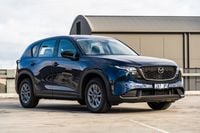
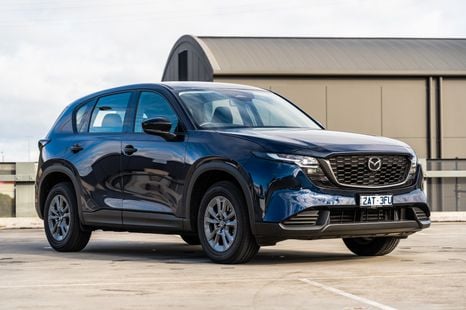
2027 Mazda CX-5 Evolve review: Long-term introduction
It's bigger, edgier and more tech-heavy, so how does the overhauled Mazda CX-5 handle an active urban lifestyle? We’ve got three months to find out.
10 Minutes Ago

Managing Editor
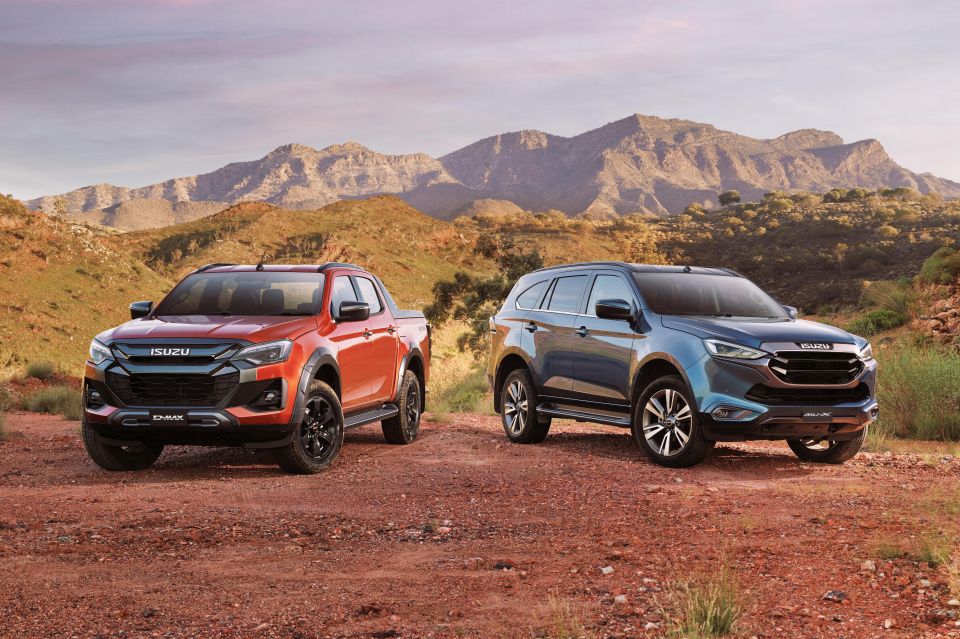
The Isuzu D-Max and MU-X will become available with the Japanese brand’s new turbocharged 2.2-litre four-cylinder diesel engine from the fourth quarter of this year.
As in Thailand, where both vehicles are produced for Australia, CarExpert understands the larger and higher-output turbo-diesel will replace the unloved 1.9-litre oil-burner as the entry-level engine in Isuzu Ute Australia’s two diesel-powered models.
And we expect the new 2.2-litre engine, which is claimed to consume about 10 per cent less fuel than the 1.9-litre engine it replaces, will soon also power entry-level versions of the D-Max’s twin, the Mazda BT-50.
CarExpert can save you thousands on a new Ford Ranger. Click here to get a great deal.
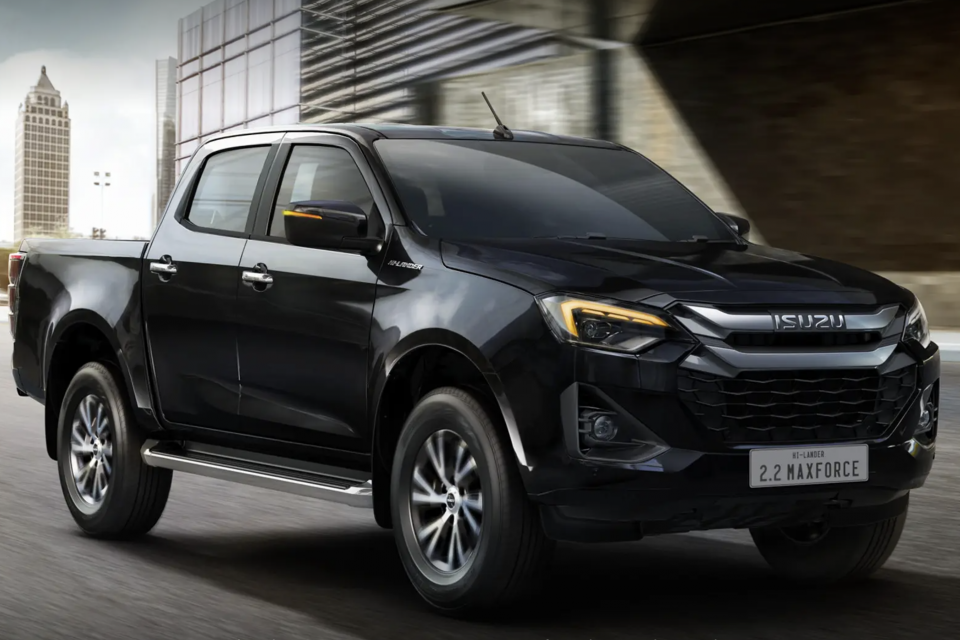
Above: Thai-market D-Max 2.2.
While Isuzu’s big-bore 3.0-litre turbo-diesel will continue to be the flagship engine for the popular D-Max ute and MU-X large SUV (and the BT-50 ute) lineups, the new 2.2-litre engine will play a key role in reducing IUA’s and Mazda Australia’s exposure to emissions-related penalties under the New Vehicle Efficiency Standard (NVES).
Given its higher outputs and improved efficiency, it’s also likely to be more popular than the 1.9-litre engine, which made its local debut in the D-Max in 2022 before becoming available in the MU-X in 2024.
We understand the 1.9-litre engine has attracted fewer than 100 sales annually in the D-Max, which was Australia’s third most popular 4×4 ute in 2024 – behind only the Ford Ranger and Toyota HiLux – with more than 24,000 sales.
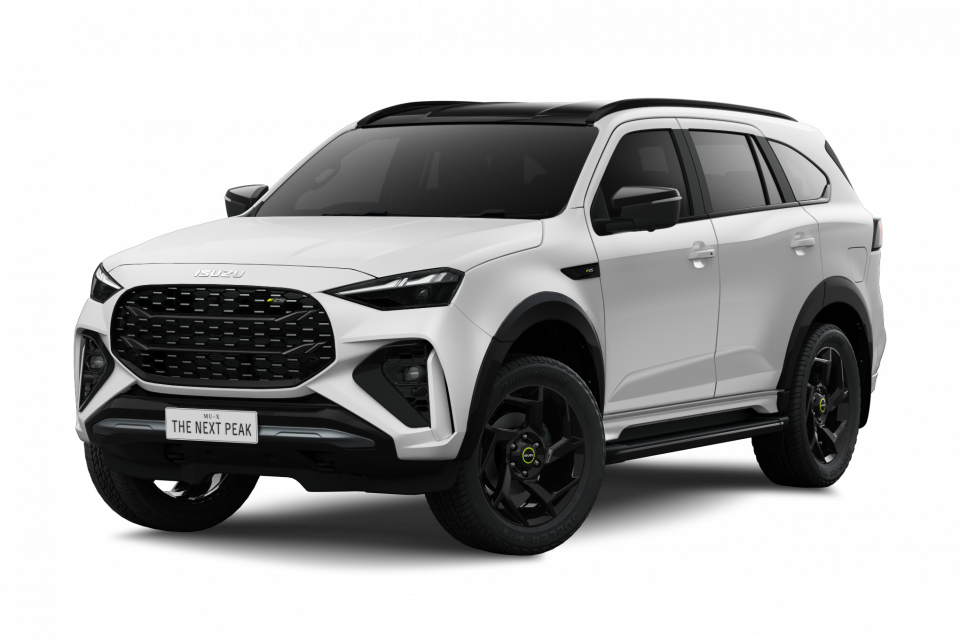
Above: Thai-market MU-X 2.2.
First revealed in November 2024, Isuzu’s new 2.2-litre diesel was listed by IUA as one of a range of powertrains options it could employ to lower its fleet-average CO2 emissions.
These include the battery-electric D-Max EV, which could top $100,000 based on UK pricing and is therefore expected to be a low-volume vehicle. At the other end of the scale, IUA is working on a hardcore Walkinshaw-developed Blade version of the MU-X, to join the D-Max Blade.
Isuzu’s new ‘2.2 Ddi Maxforce’ engine (codenamed RZ4F) is based on and replaces the 1.9-litre RZ4E engine, which produces just 110kW of power and 350Nm of torque.
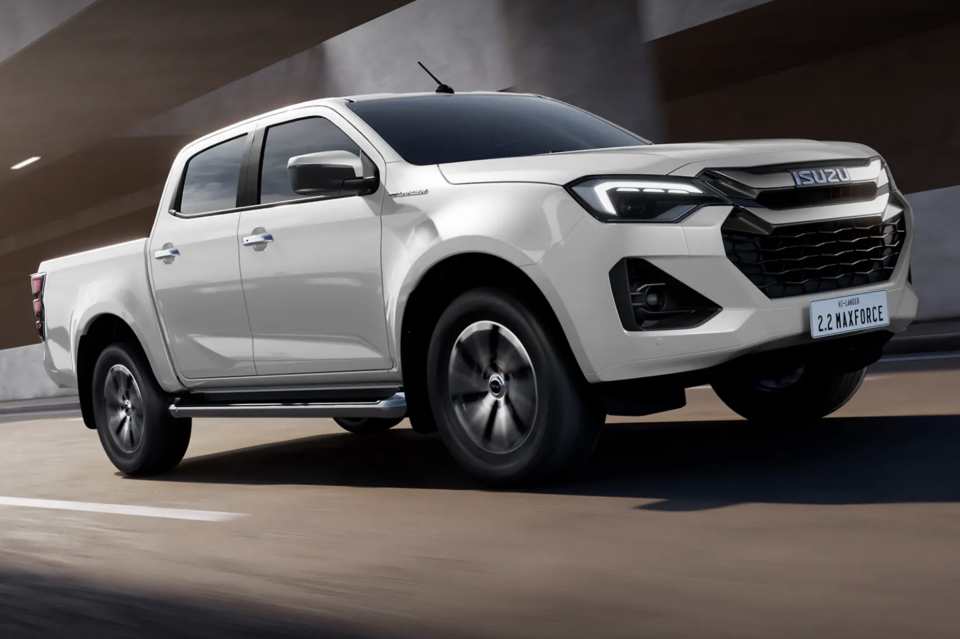
Above: Thai-market D-Max 2.2.
The new engine develops 120kW at 3600rpm and 400Nm over 1600-2400rpm, and is mated to an eight-speed automatic transmission (rather than a six-speed unit as per the 1.9- and 3.0-litre diesels), which Isuzu says brings improved performance and fuel economy.
That’s only 20kW and 50Nm less than the 140kW/450Nm ‘4J’ 3.0-litre diesel that has long powered the D-Max and MU-X, and which will eventually be replaced by the new 2.2.
A mild-hybrid (MHEV) version of the 1.9-litre, revealed earlier last year, will remain on sale in Thailand in a single rear-wheel drive pickup variant. This produces an identical 110kW and 350Nm to the regular 1.9-litre.
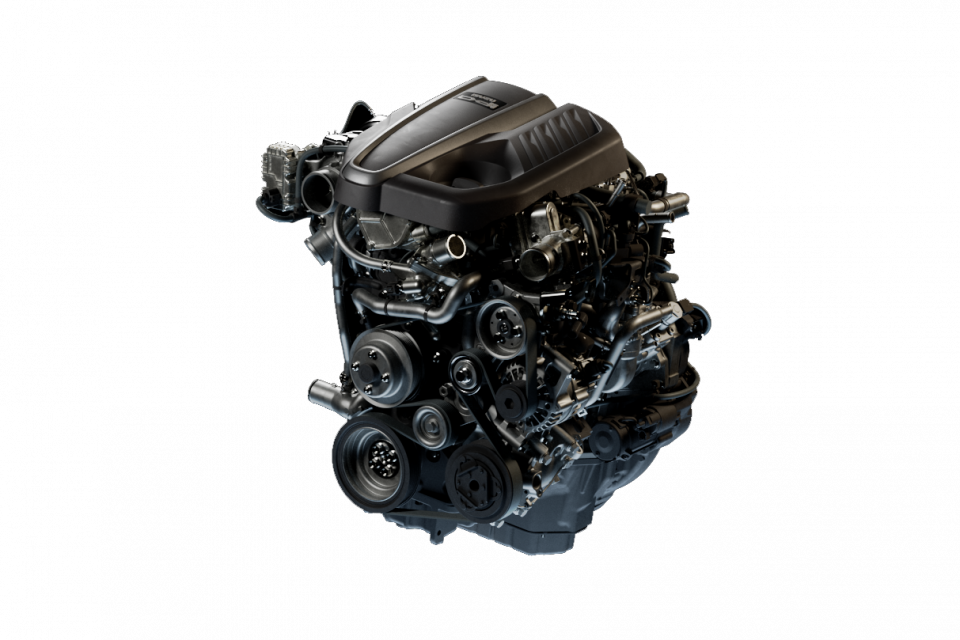
It’s unclear at this stage if the 2.2-litre (pictured above) will eventually gain a mild-hybrid system.
While Isuzu hasn’t published fuel consumption figures, it says fuel economy has been improved by up to 10 per cent over the outgoing 1.9-litre. According to Australian figures, D-Max variants with the 1.9-litre use between 6.7 and 7.0L/100km.
The new 2.2-litre stacks up better against the entry-level four-cylinder turbo-diesels in the Ranger and HiLux.
The base HiLux Workmate’s 2.4-litre engine produces 110kW and 400Nm, while the Ranger’s single-turbo 2.0-litre engine makes 125kW and 405Nm, and both of them are matched with a six-speed (rather than eight-speed) auto.
Research cars in our Showroom, compare your options or let our New Car Specialists do the running around to find you a great deal.
Marton Pettendy is a veteran motoring journalist and editor with decades of experience across Australia’s leading automotive titles.
Josh Nevett
10 Minutes Ago

Damion Smy
16 Hours Ago


Alborz Fallah
17 Hours Ago

William Stopford
17 Hours Ago

Matt Campbell
1 Day Ago

Ben Zachariah
1 Day Ago
Add CarExpert as a Preferred Source on Google so your search results prioritise writing by actual experts, not AI.