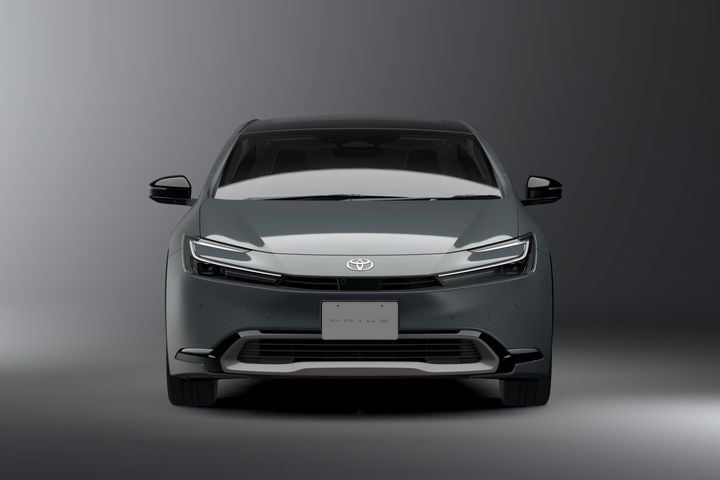
The Toyota Prius isn’t designed to win over every driving enthusiast, but our 2020 test shows why its hybrid formula works so well. In range-topping i-Tech form, it combines an impressively comfortable ride with low fuel consumption and useful everyday space, even if the styling remains an acquired taste.
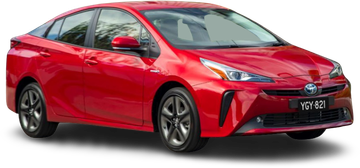
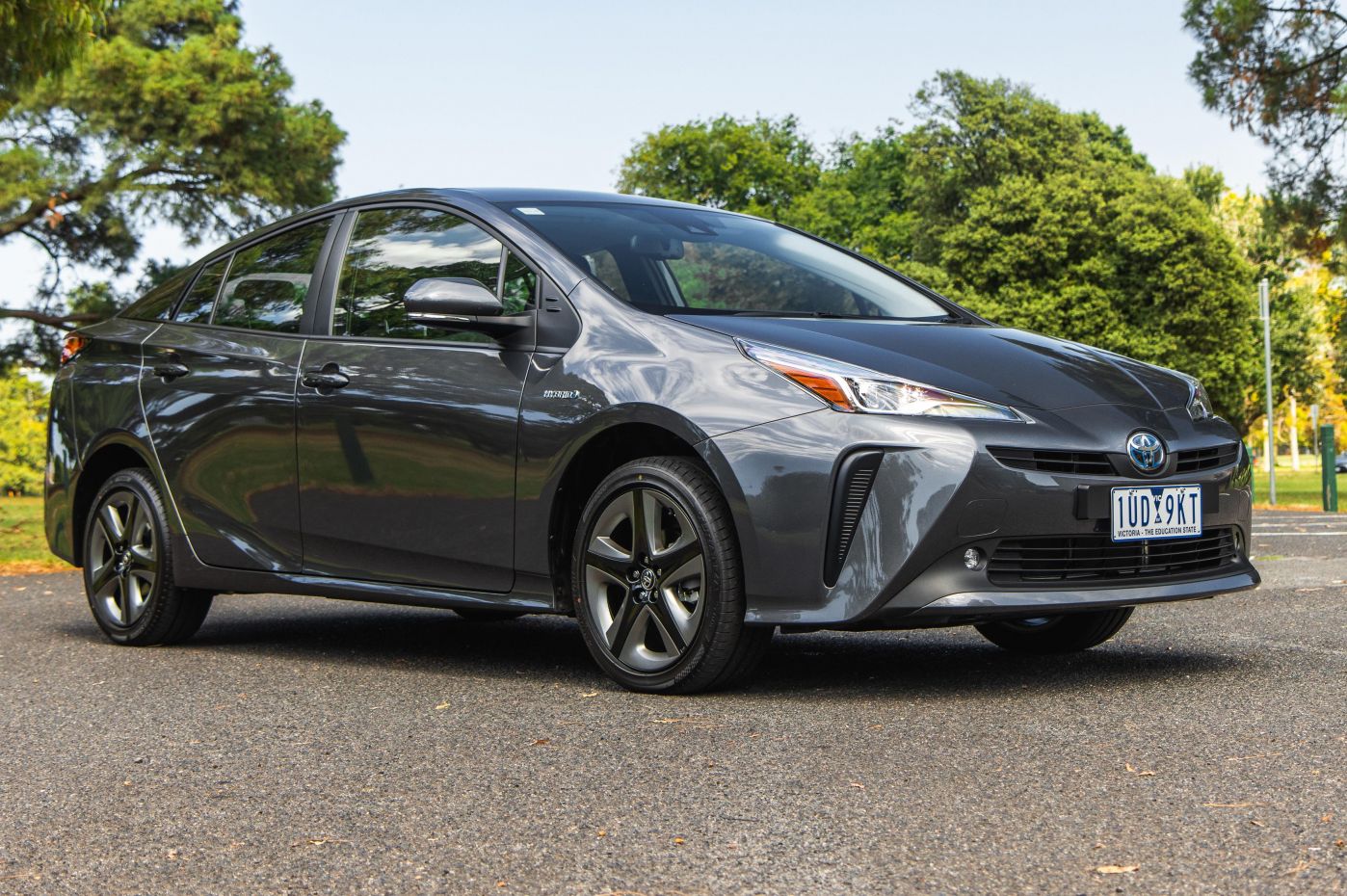
At the time of filming, this version cost a little under $45,000. Its angular bodywork serves an aerodynamic purpose, with a quoted drag coefficient of 0.24, while LED headlights and 17-inch alloy wheels feature on the test car. The unusual rear window arrangement is less successful: a horizontal bar obstructs the view, and the lower glass collects dirt.
The cabin follows the same unconventional approach, placing the digital instruments high in the centre of the dashboard. Soft surfaces and comfortable front seats help, although some rear trim feels cheap and the centre console has more movement than we’d like.
A 7.0-inch touchscreen brings navigation, wired Apple CarPlay and Android Auto, and a 10-speaker JBL sound system. Responses can be slow, but smartphone mirroring improves usability. There’s wireless phone charging, too, though the single USB port limits connectivity when a phone is plugged in.
Safety equipment includes autonomous emergency braking with pedestrian detection, blind-spot monitoring, adaptive cruise control, and a head-up display. A reversing camera is fitted, but front and rear parking sensors are absent. Rear passengers also miss out on air vents and USB ports, despite otherwise useful knee and head room.
The boot offers 457 litres of space and a broad opening that makes loading luggage straightforward. Folding the rear seats expands its usefulness, but there’s a tyre repair kit instead of a spare wheel.
A 1.8-litre naturally aspirated petrol engine works with an electric motor for a combined 90kW of power. The transition between electric and petrol assistance is smooth, and acceleration is adequate rather than exciting. Electric-only running is limited by speed, throttle demand, and battery charge; this isn’t a plug-in hybrid.
Against a claimed combined consumption of 3.4 litres per 100km, our indicated average was 4.6L/100km after some more aggressive driving. Coarse roads generate noticeable tyre noise, but the supple suspension is a highlight. The Prius isn’t especially sporty, yet it delivers comfort and efficiency convincingly enough to make its unusual looks a matter of preference rather than a reason to dismiss it.