




Max Davies
2027 Mitsubishi Pajero vs Toyota Prado vs Ford Everest vs Isuzu MU-X: Spec battle
We break down the spec sheets of Australia's most popular large off-road SUVs before one of the segment's newest entrants arrives.
2 Hours Ago
We break down the spec sheets of Australia's most popular large off-road SUVs before one of the segment's newest entrants arrives.
Journalist
Journalist
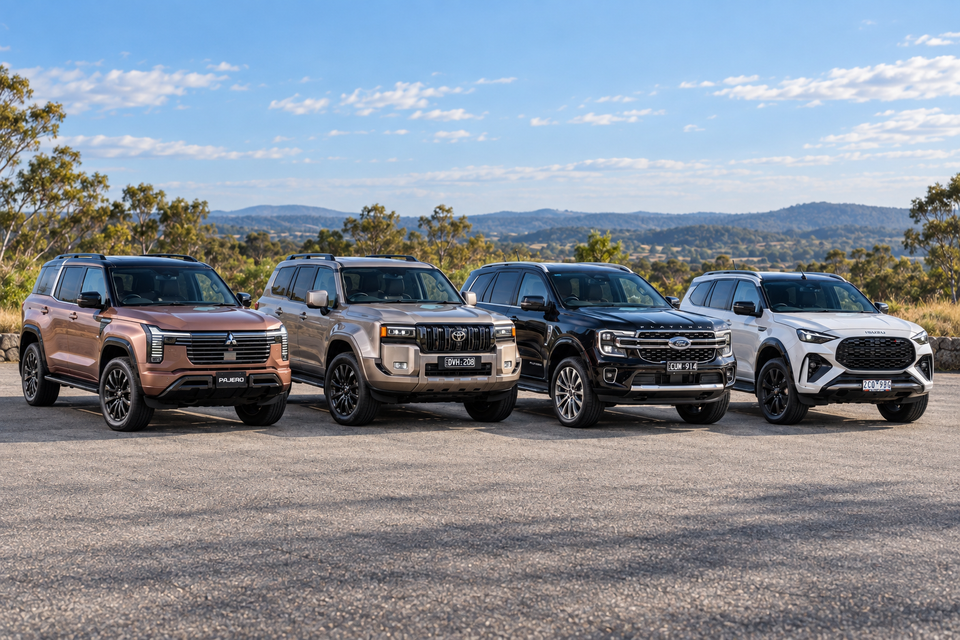
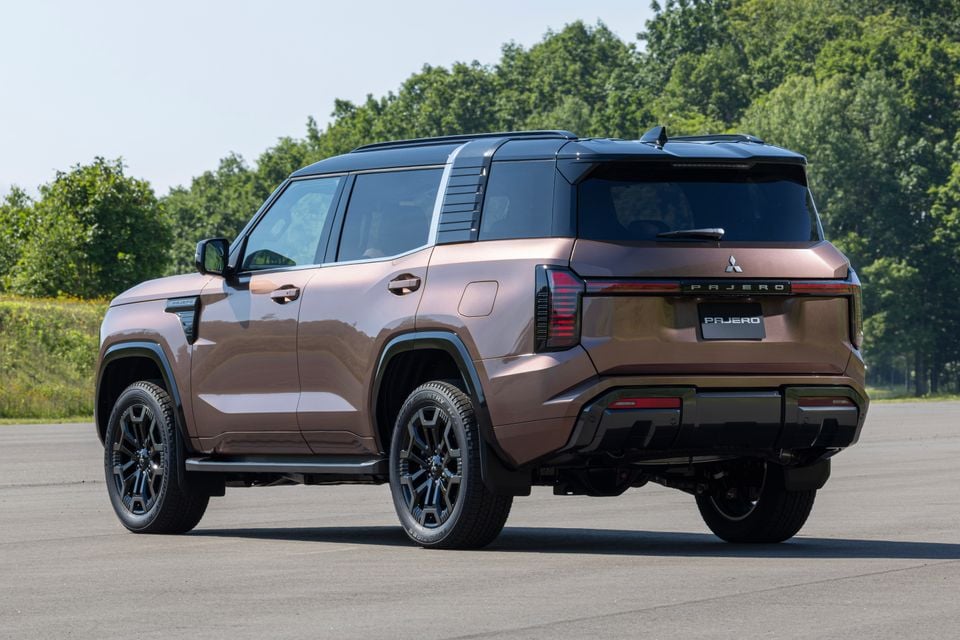
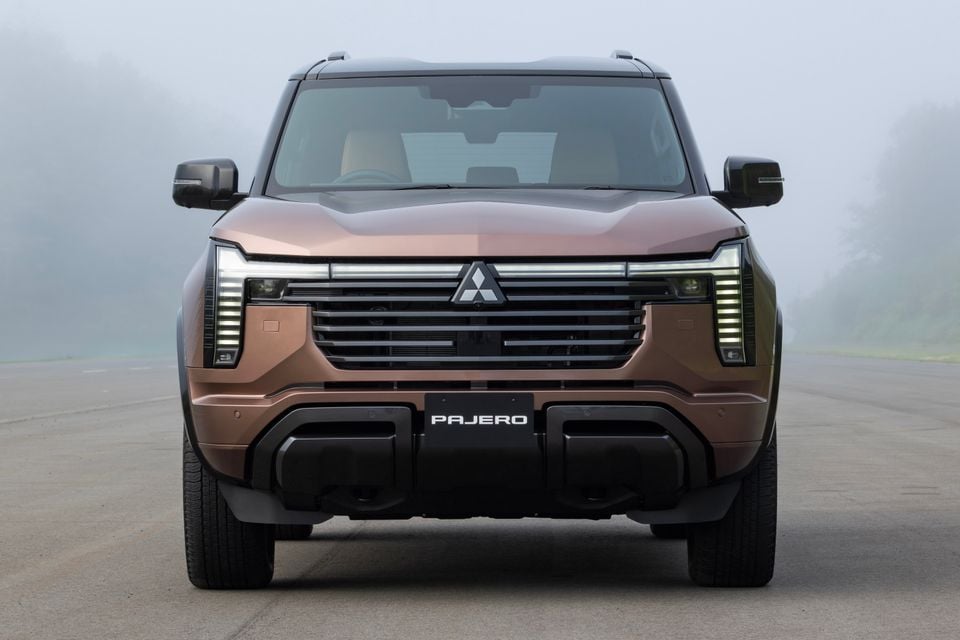
Mitsubishi is about to re-enter Australia's large off-road SUV segment with the fifth-generation Pajero, but its official launch is still a few weeks away, so it'll be some time before we can put one through its paces on home turf.
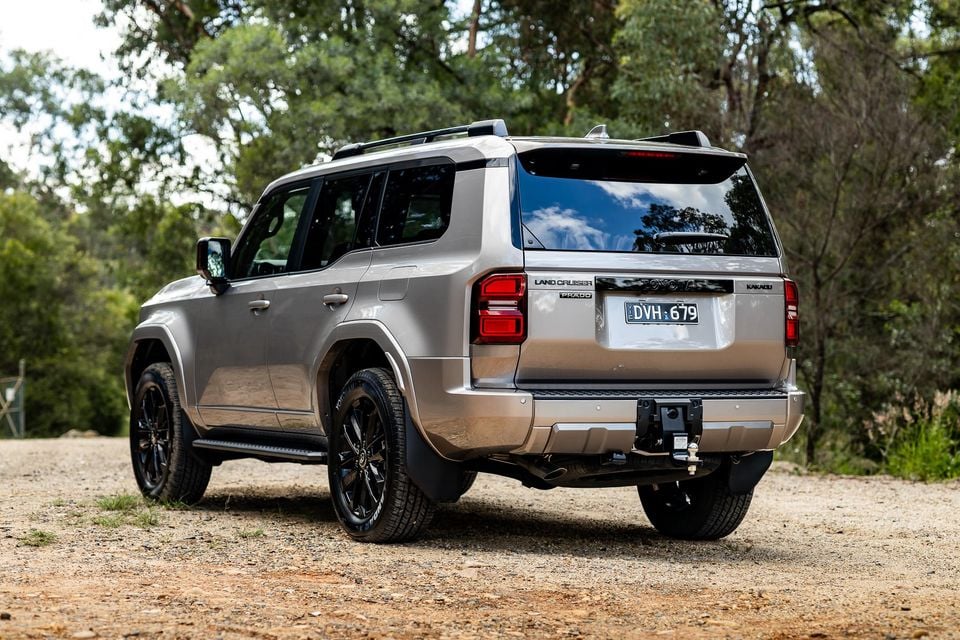
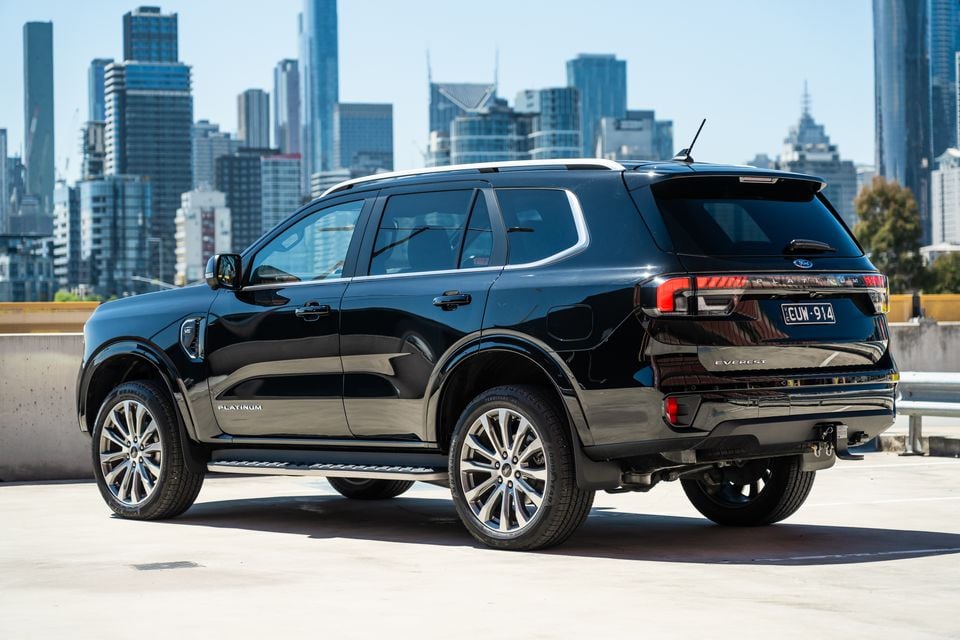
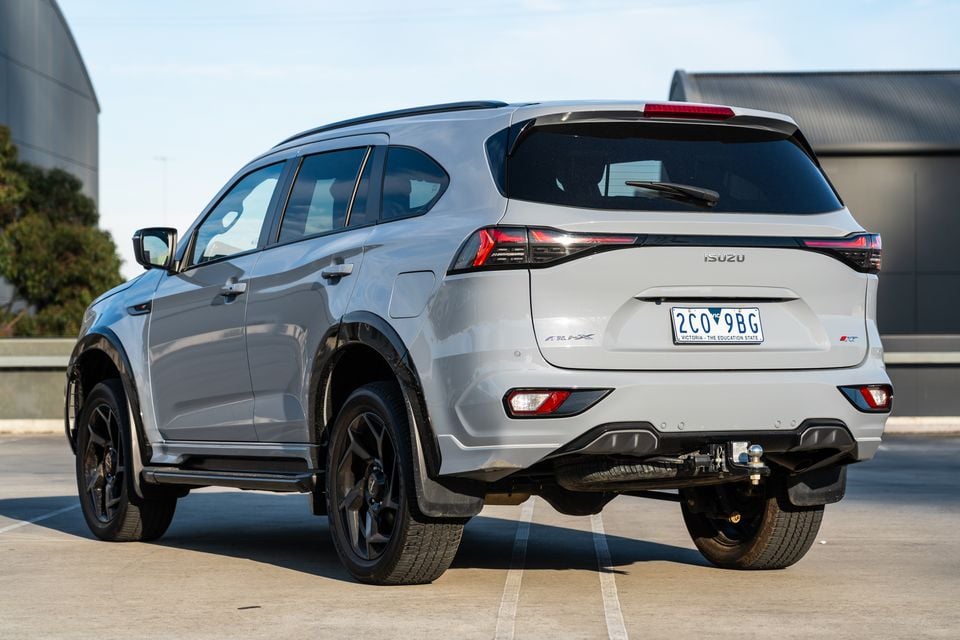
However, since we already know it'll be competing squarely against Australia's most popular large SUVs, we figured it's worth seeing exactly how it stacks up in terms of specifications and standard equipment, at least on paper.
So, we've assembled this bench-test comparison of the incoming Pajero, Toyota Prado, Ford Everest, and Isuzu MU-X to see what Mitsubishi's up against. We've specifically chosen the top-spec versions of each model because they are the best examples each has to offer.
Importantly, all of these large off-road SUVs are based on ladder-frame platform architectures, and three of them share their underpinnings with utes: the Pajero with the Triton, the Everest with Ranger, and the MU-X with D-Max. Each also features four-wheel drive with low-range gearing, and a turbo-diesel engine.
So this should be quite a close contest. Let's get into it.
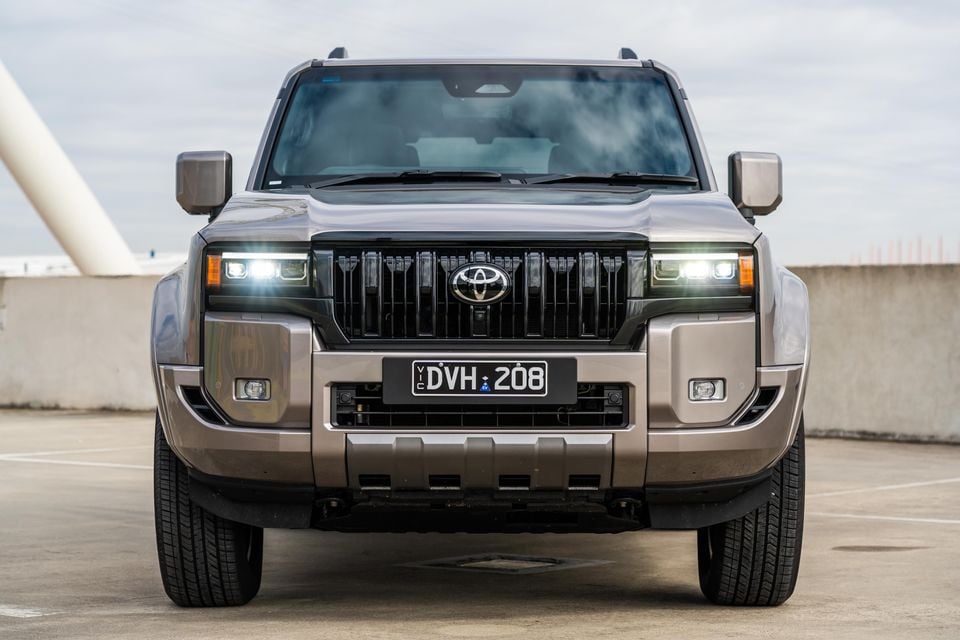
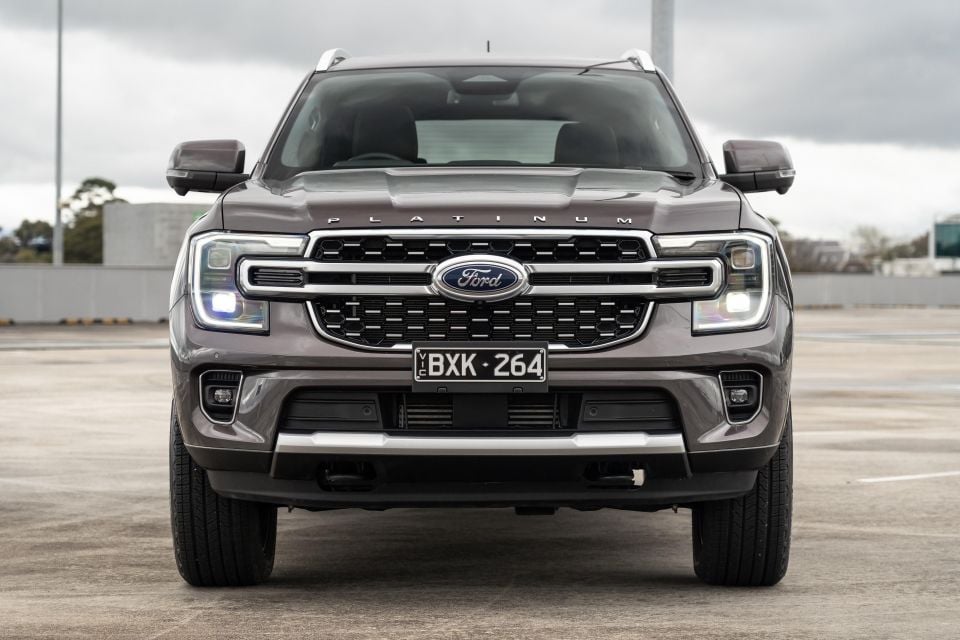
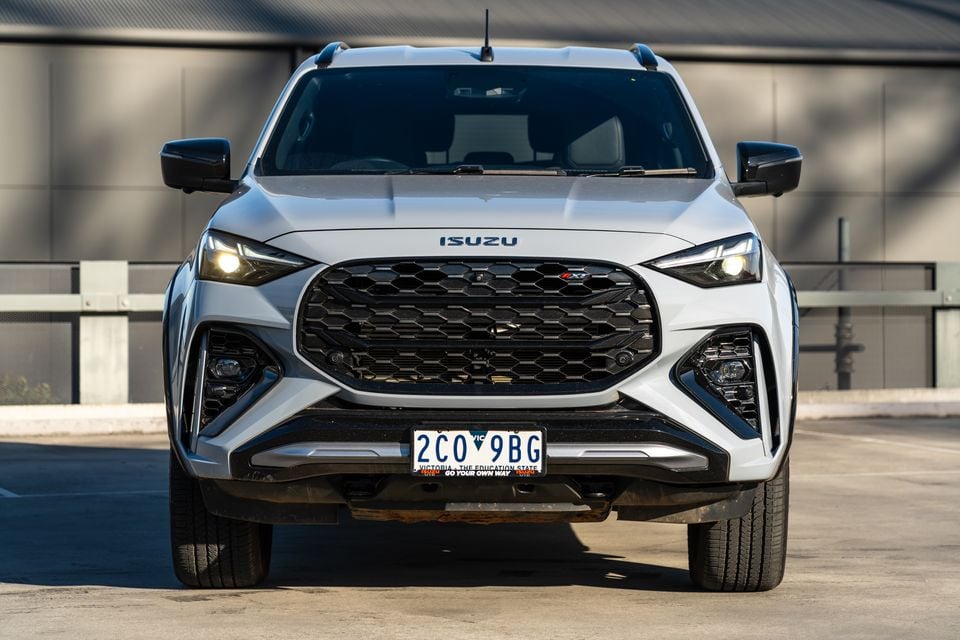
The MU-X is the price-leader of this quartet, and it's the only model variant here priced under $80,000 before on-road costs. The Prado is significantly more expensive and the only one priced above $100,000.
| Model | Price before on-road costs |
|---|---|
| 2027 Mitsubishi Pajero GSR | $84,990 |
| 2027 Toyota LandCruiser Prado Kakadu | $100,690 |
| 2027 Ford Everest Platinum | $82,917 |
| 2027 Isuzu MU-X X-Terrain | $77,100 |
For context, there are some key differences in the starting prices of each model line. The Pajero starts at $68,490 plus on-road costs in base GLS trim, making it the second most expensive behind the Prado GX at $73,200 plus ORCs.
The Ford Everest is cheaper at $58,990 plus ORCs in base Active guise, but the MU-X remains the cheapest of all at $49,900 plus ORCs in entry-level rear-wheel drive LS-M trim.
All of these SUVs are produced in Thailand, except for the Japanese-made Prado.
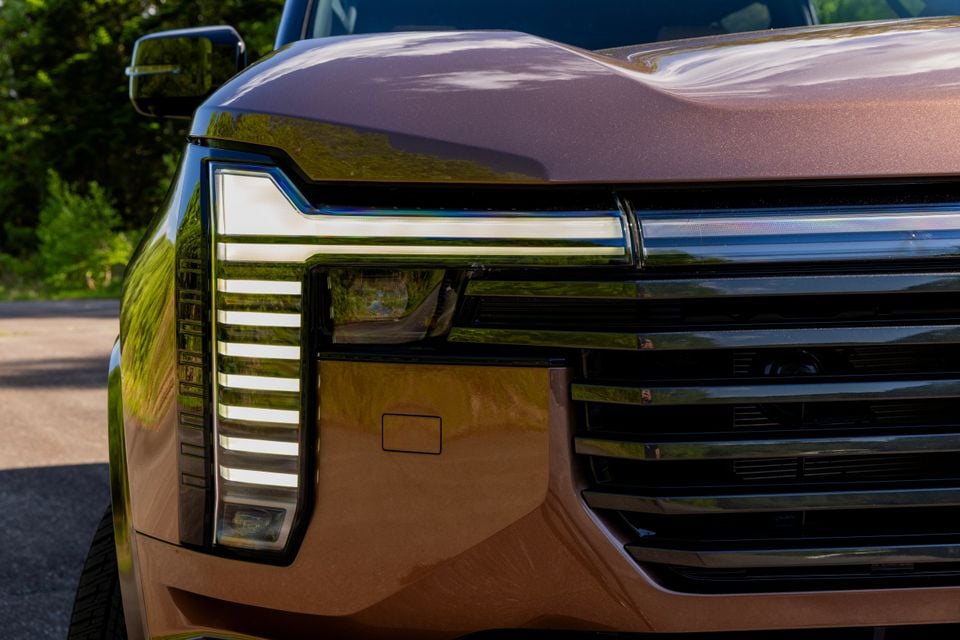
All of the SUVs we're comparing here are flagship versions of their respective nameplates, so each is treated to a fair share of luxuries.
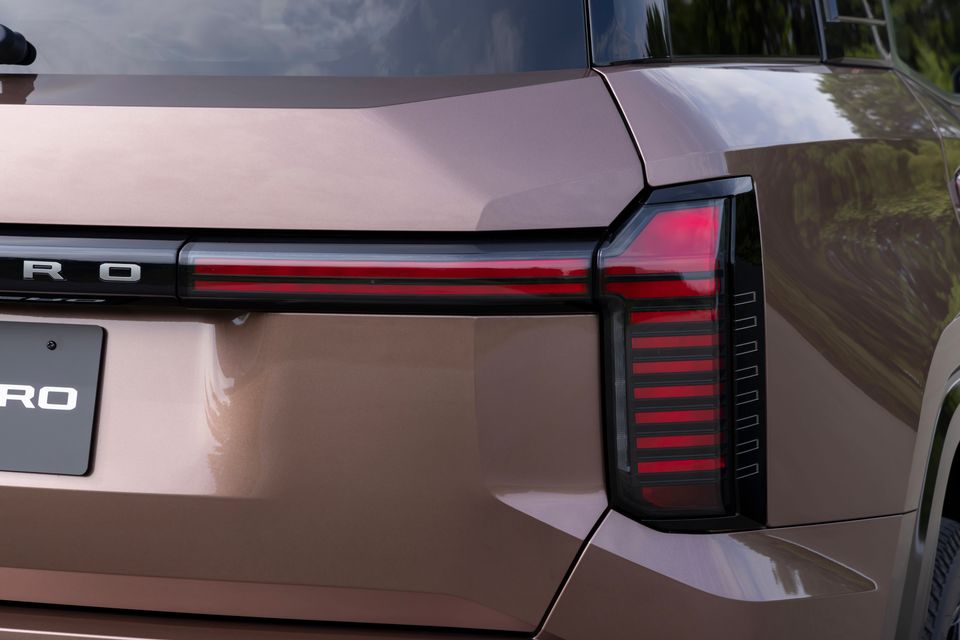
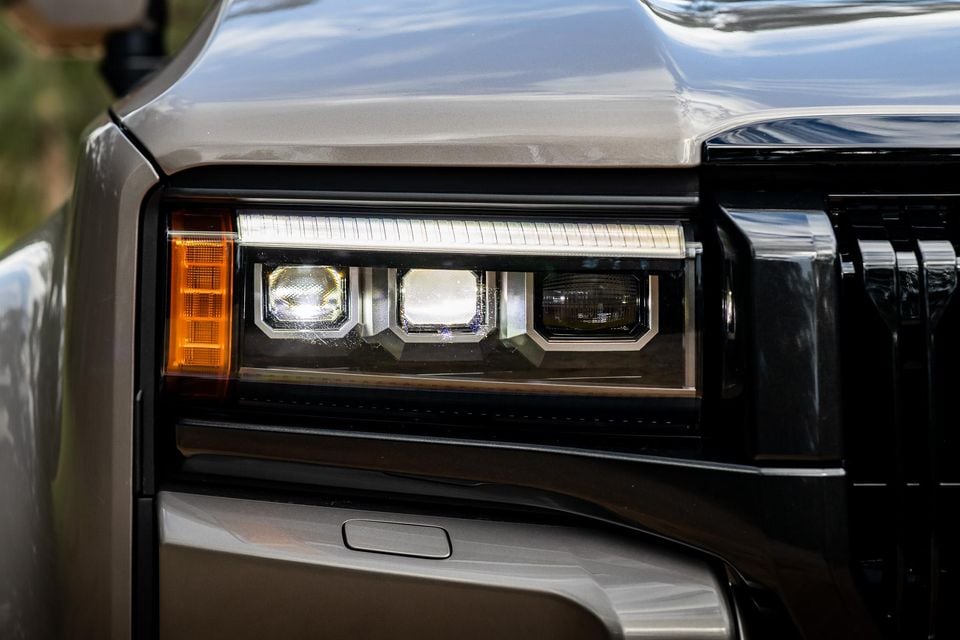
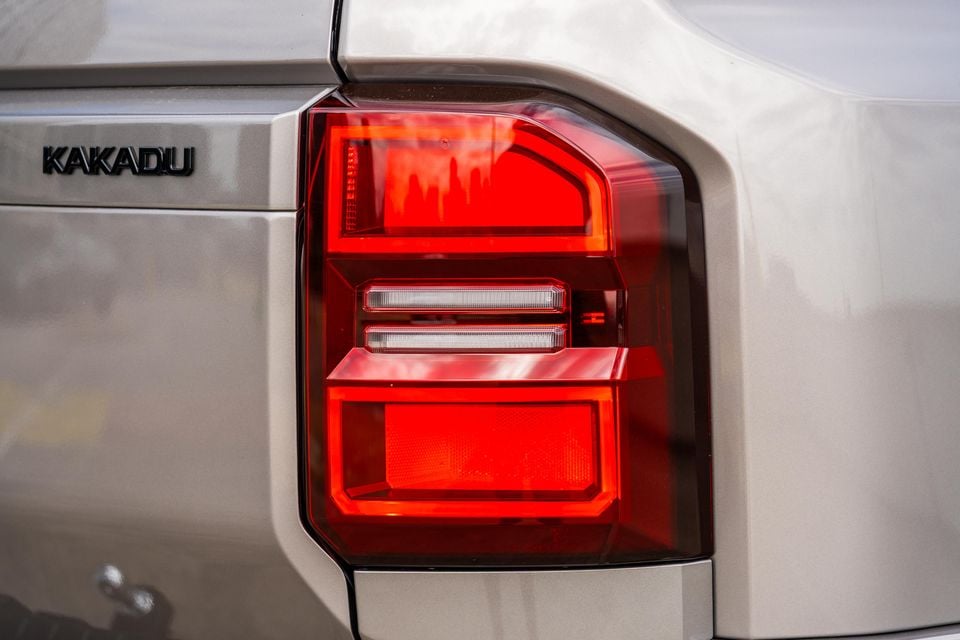
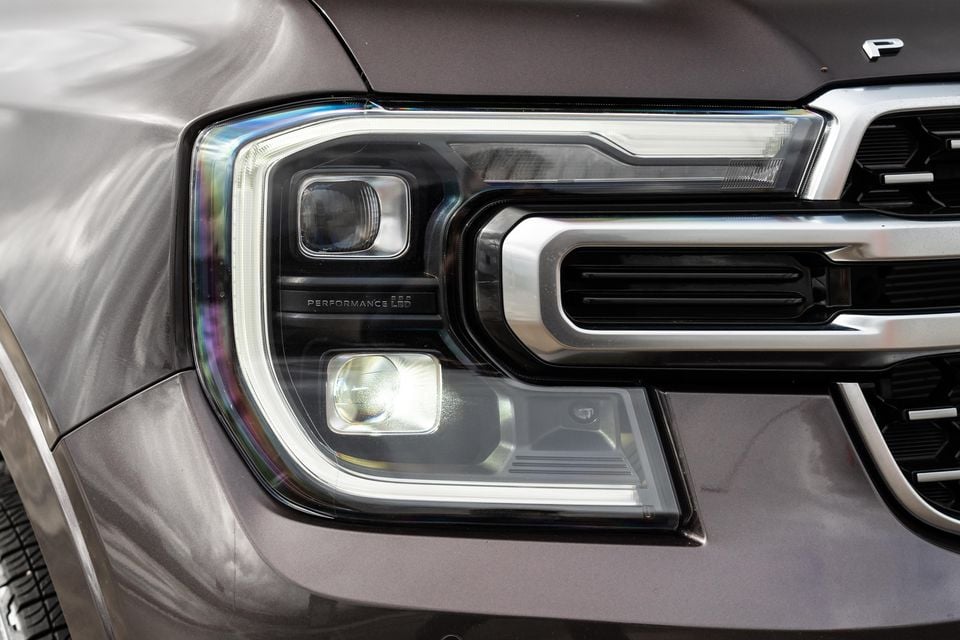
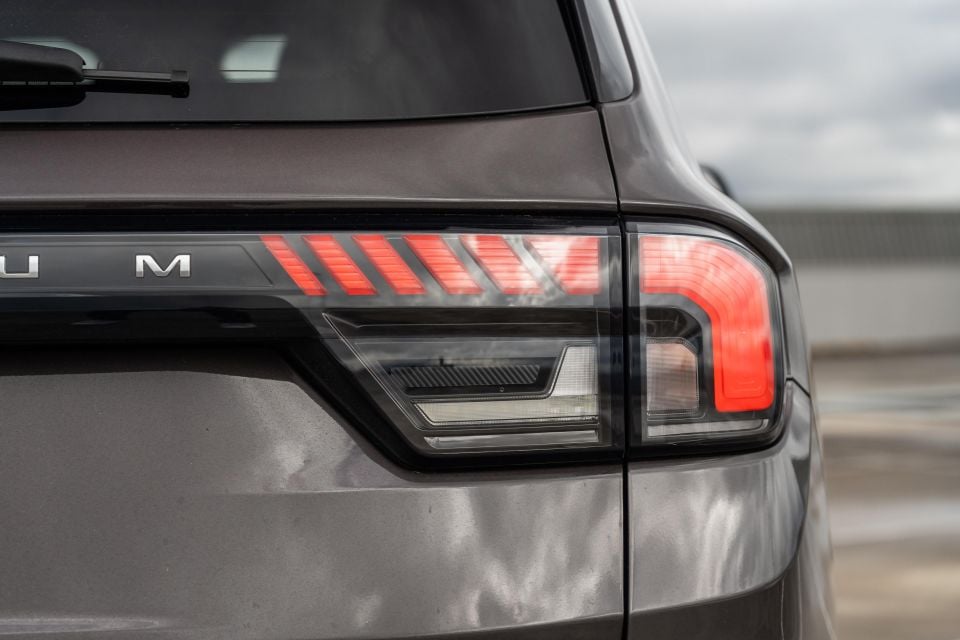
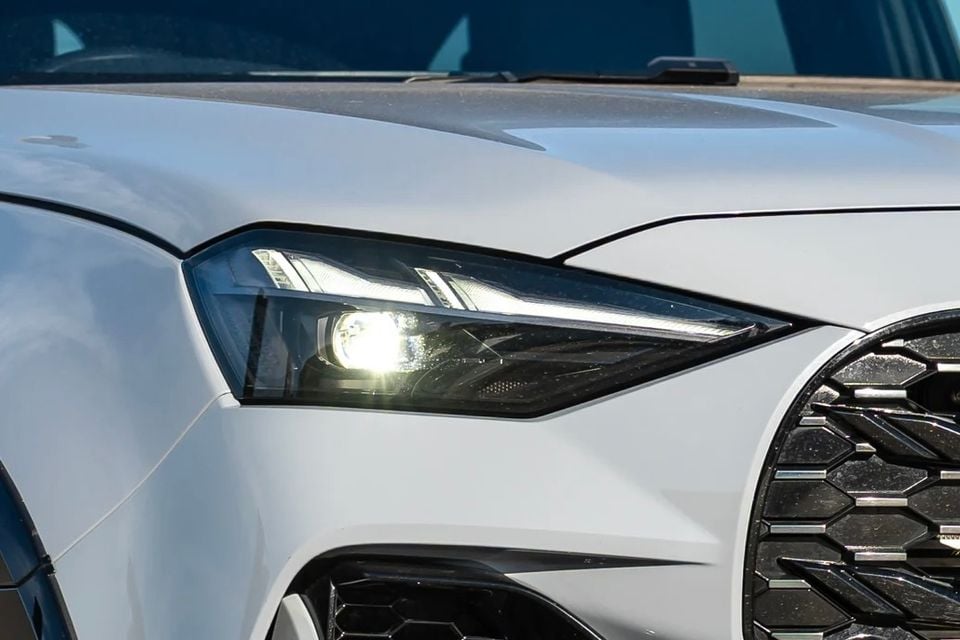
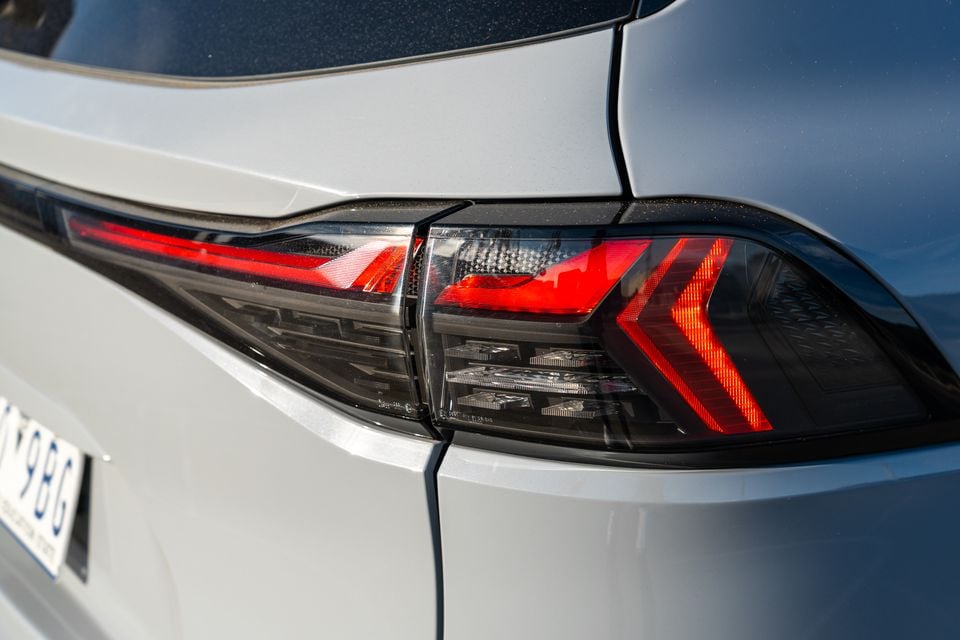
Shared equipment highlights:
The Prado is the only one to feature second-row seat ventilation, while the MU-X is the only one without heated rear outboard seats. In fact, the MU-X is the lowest-specified model of the four vehicles here.
But it lacks a heated steering wheel, wireless phone charger, panoramic sunroof, and front seat memory. Like the others, though, it does have a full-size spare wheel mounted under the rear of the vehicle.
Some other model-specific features include the Everest's sophisticated Matrix LED headlights and power-folding third row, the Prado's head-up display, and the MU-X's hands-free power tailgate and remote engine start. Both the Pajero and Prado get a refrigerated centre console box.
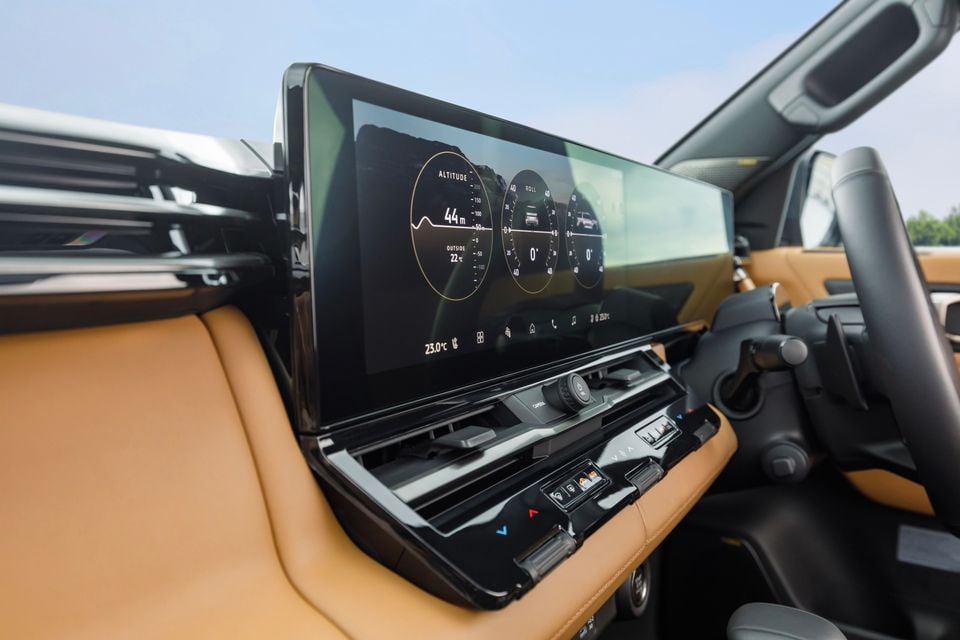
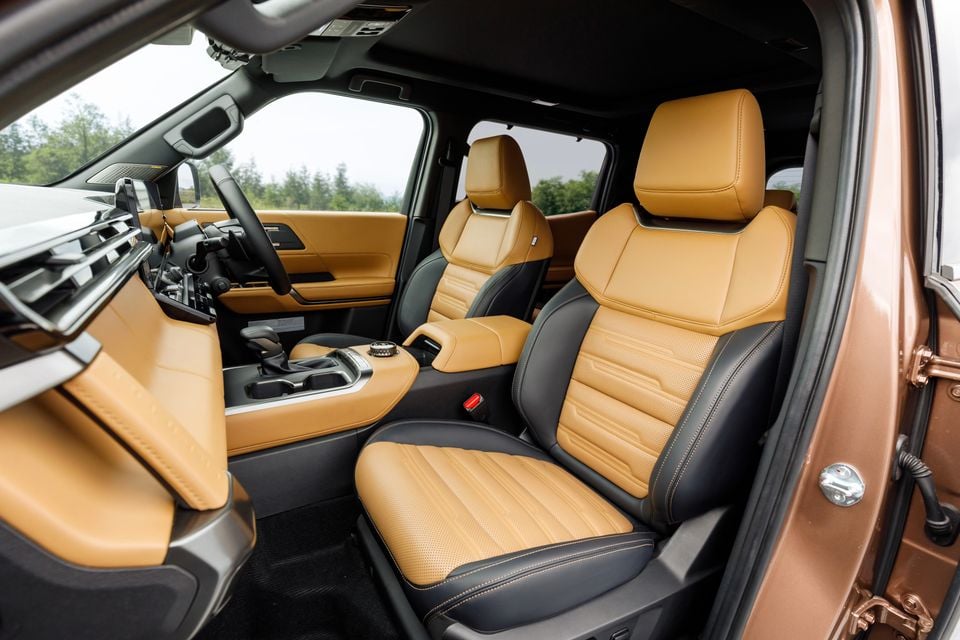
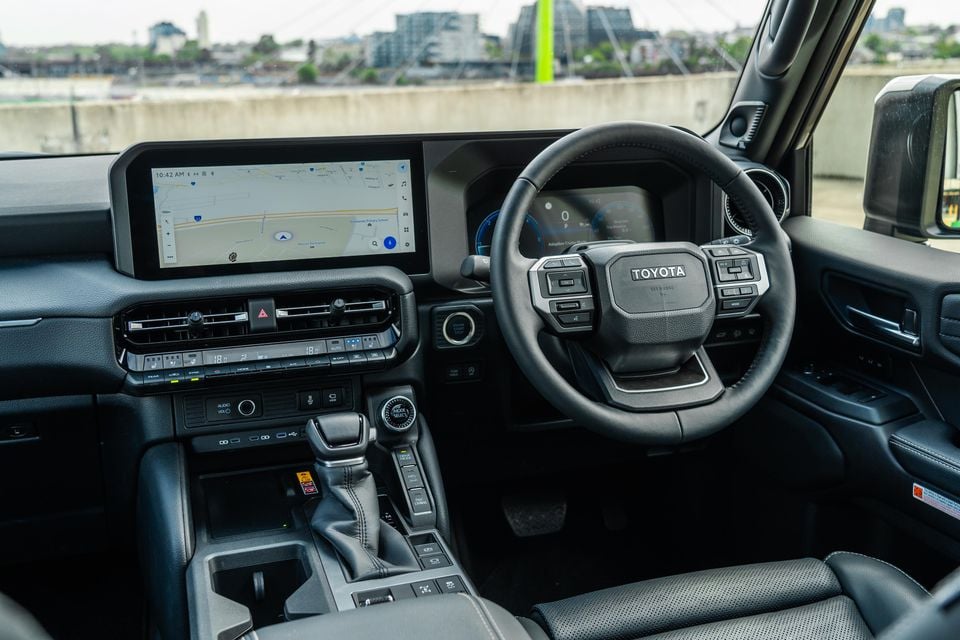
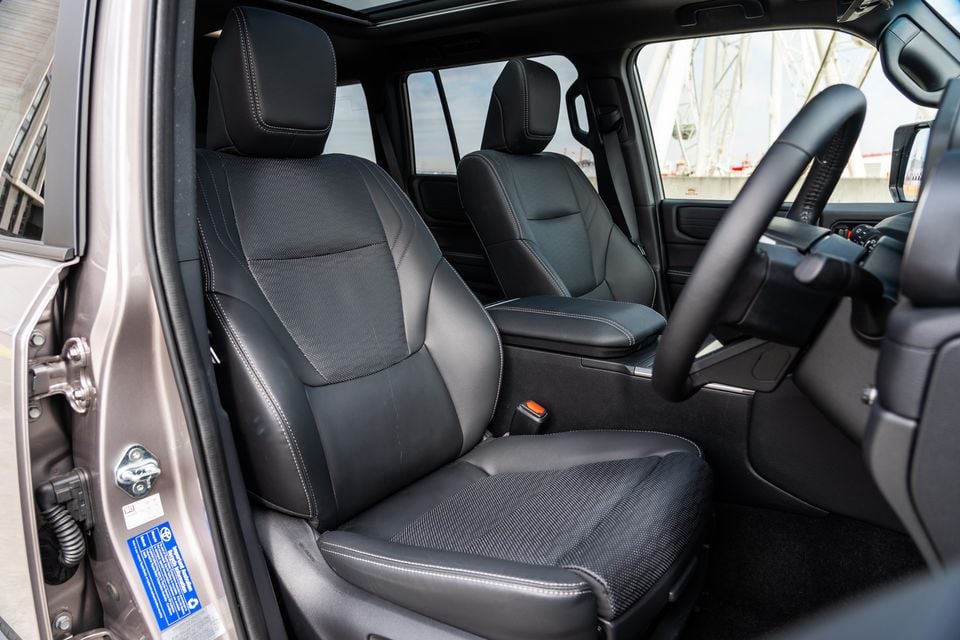
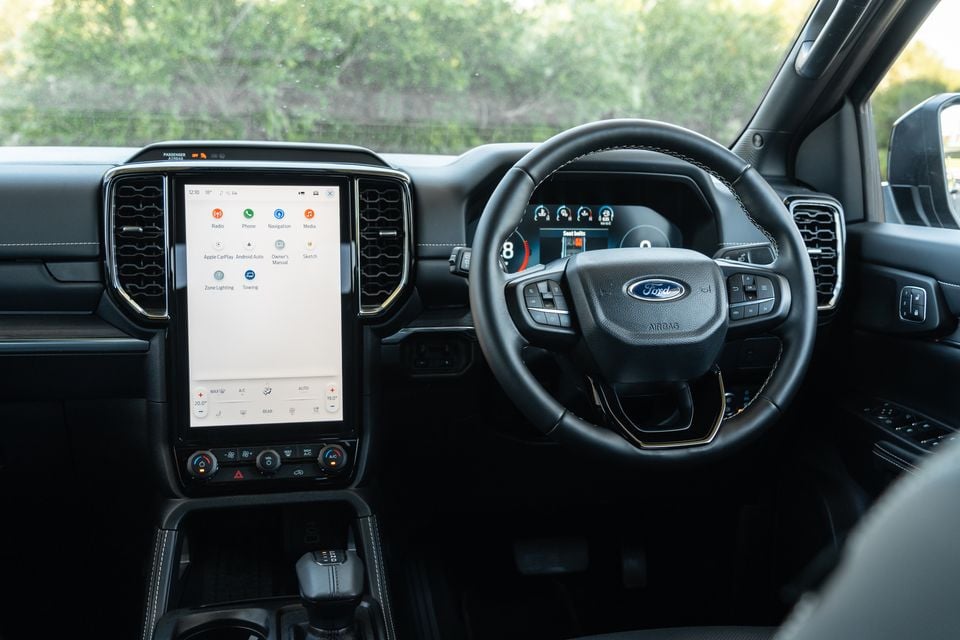
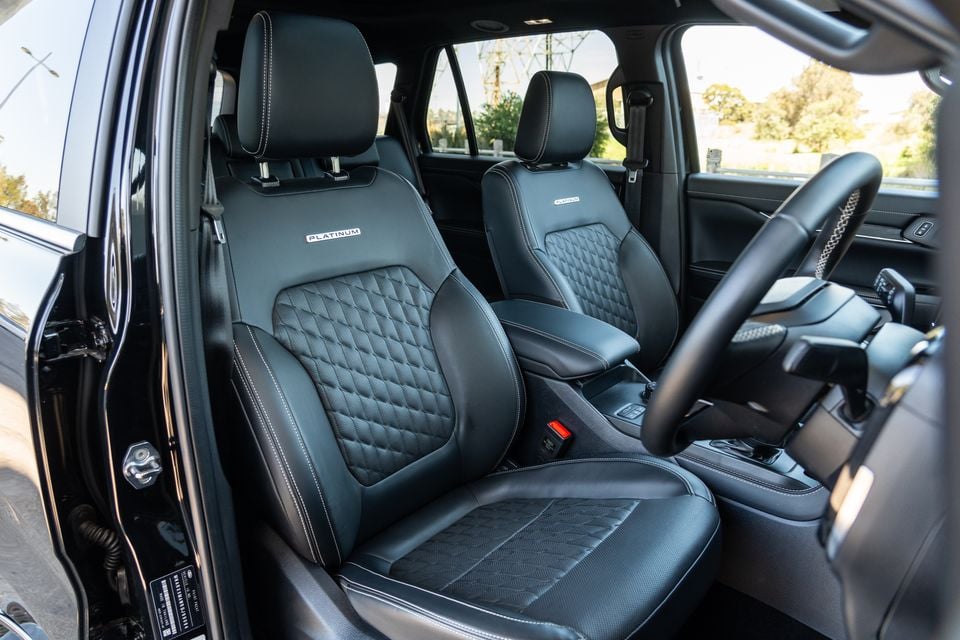
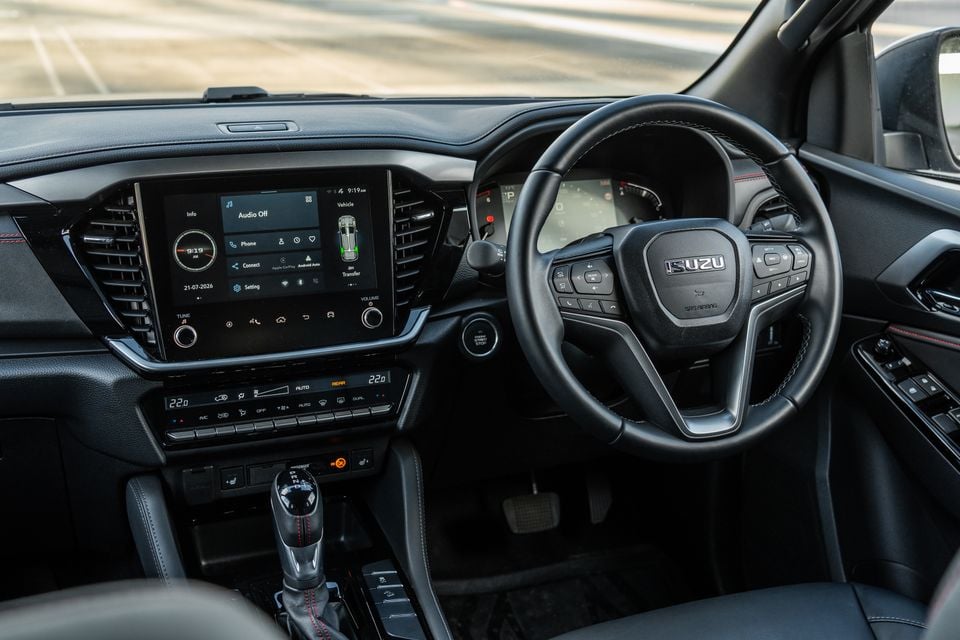
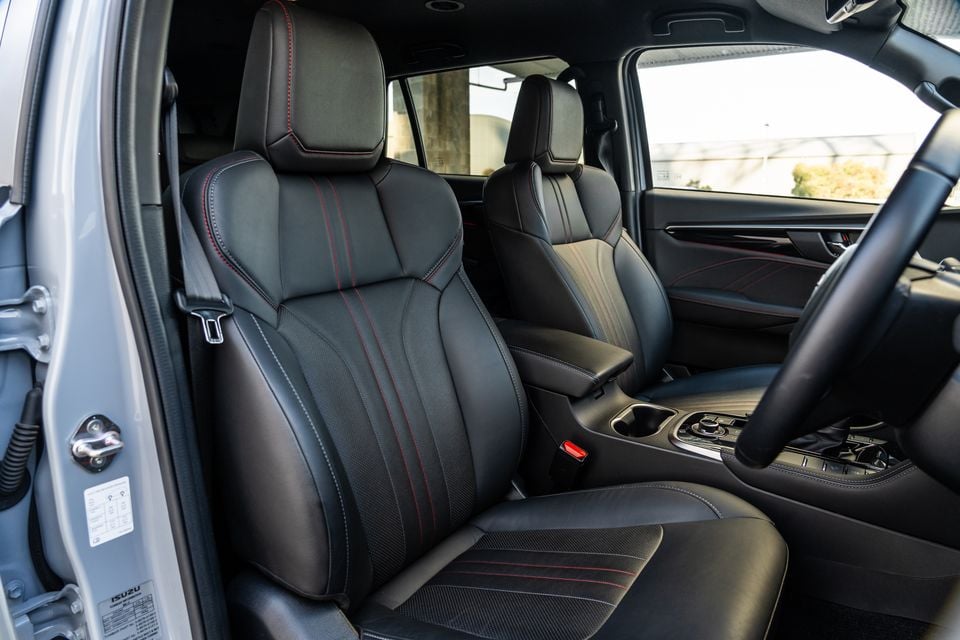
The table below compares several key equipment categories across all four SUVs.
| Feature | Mitsubishi Pajero GSR | Toyota Prado Kakadu | Ford Everest Platinum | Isuzu MU-X X-Terrain |
|---|---|---|---|---|
| Alloy wheels | 20-inch black | 20-inch dark metallic | 21-inch machined | 20-inch black |
| Infotainment touchscreen | 14.3-inch | 12.3-inch | 12.0-inch | 9.0-inch |
| Instrument display | 14.3-inch | 12.3-inch | 12.4-inch | 7.0-inch |
| Sound system | 12-speaker Yamaha | 14-speaker JBL | 12-speaker Bang & Olufsen | 8-speaker |
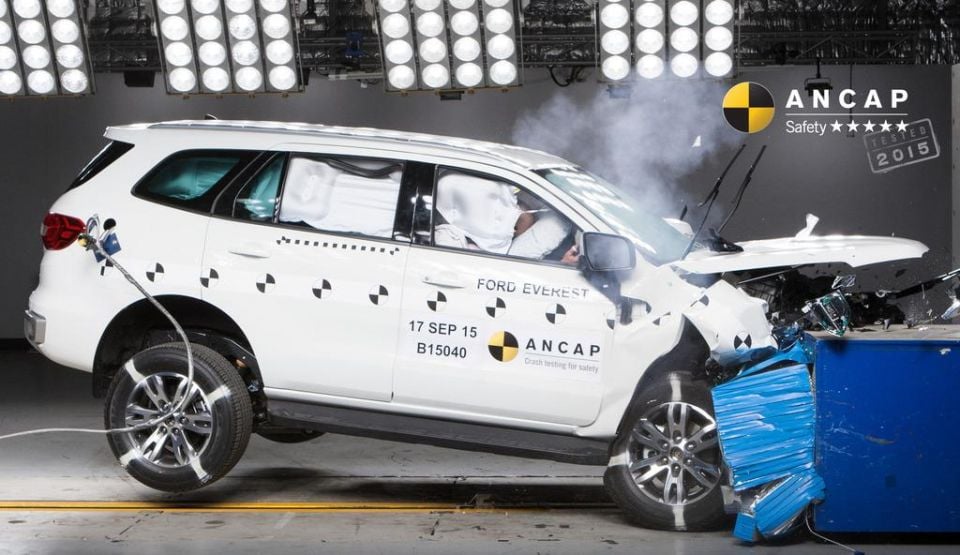
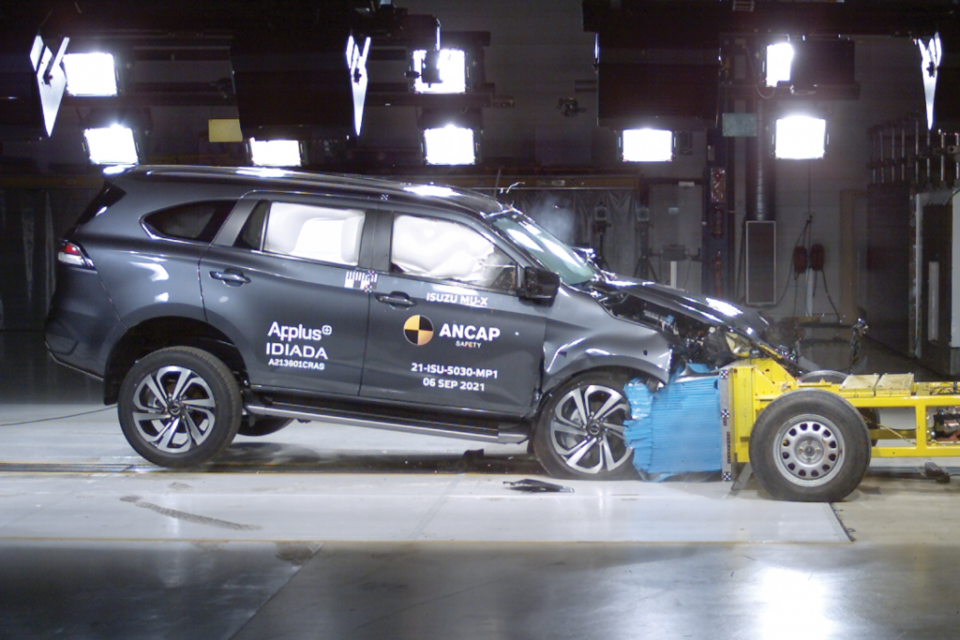
All of these SUVs have a five-star ANCAP safety rating, except the incoming Pajero, which is yet to be assessed.
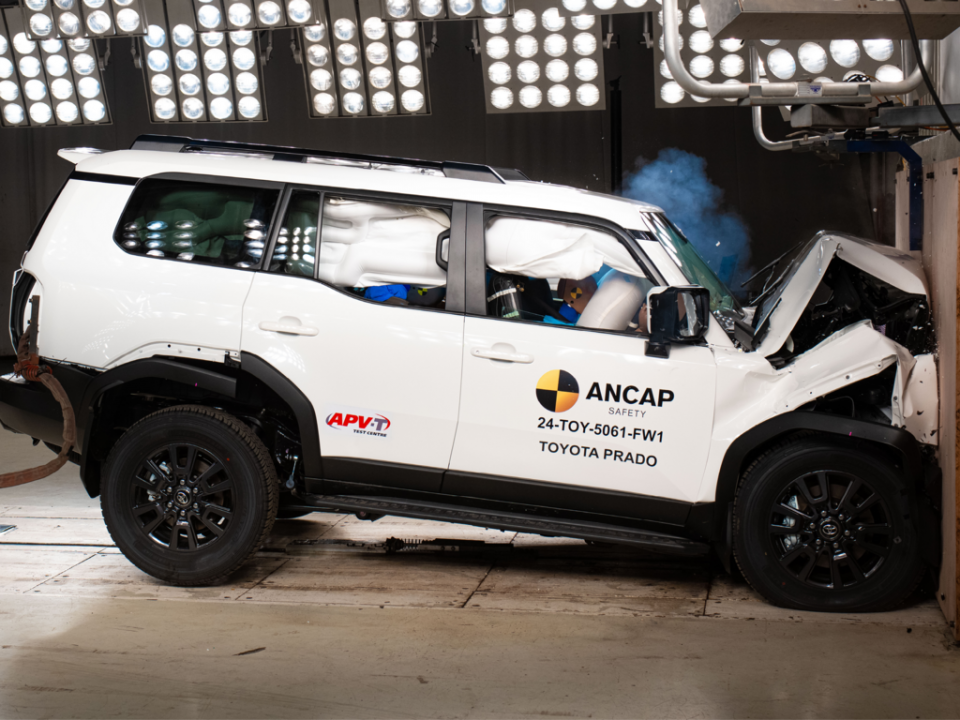
| Category | Mitsubishi Pajero | Toyota Prado | Ford Everest | Isuzu MU-X |
|---|---|---|---|---|
| Adult occupant protection | – | 85 per cent | 86 per cent | 86 per cent |
| Child occupant protection | – | 89 per cent | 93 per cent | 85 per cent |
| Vulnerable road user protection | – | 84 per cent | 74 per cent | 69 per cent |
| Safety assist | – | 82 per cent | 86 per cent | 84 per cent |
| ANCAP rating | – | 5 stars (2024) | 5 stars (2022) | 5 stars (2022) |
Shared safety equipment highlights:
As for airbags, the Pajero and MU-X both have eight, while the Prado and Everest offer nine. The difference is that Toyota and Ford both include a front passenger knee airbag.
Shared airbags:
There are more differences here than you may expect, many of which reflect the differing ages of these vehicles.
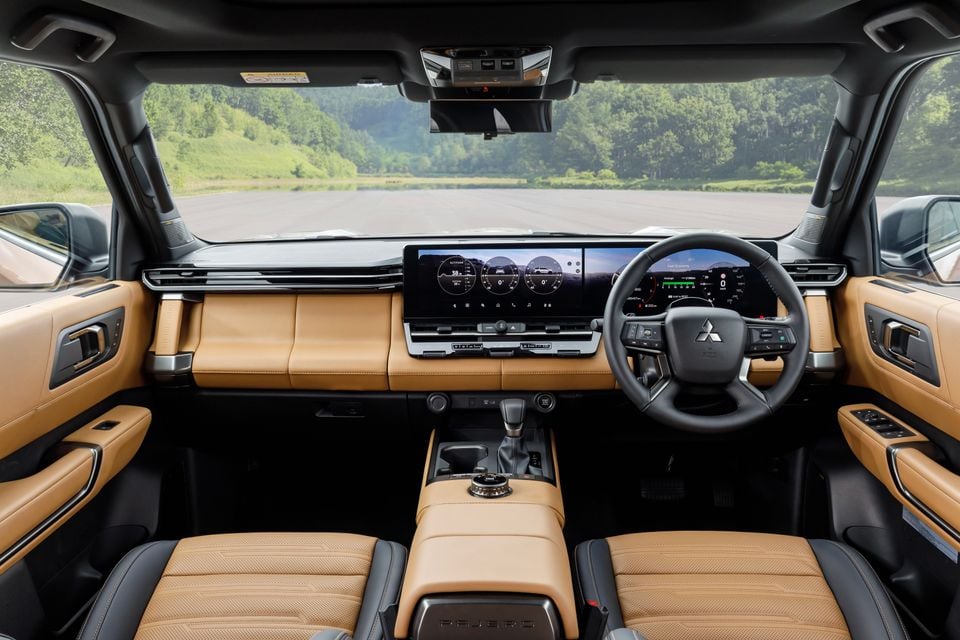
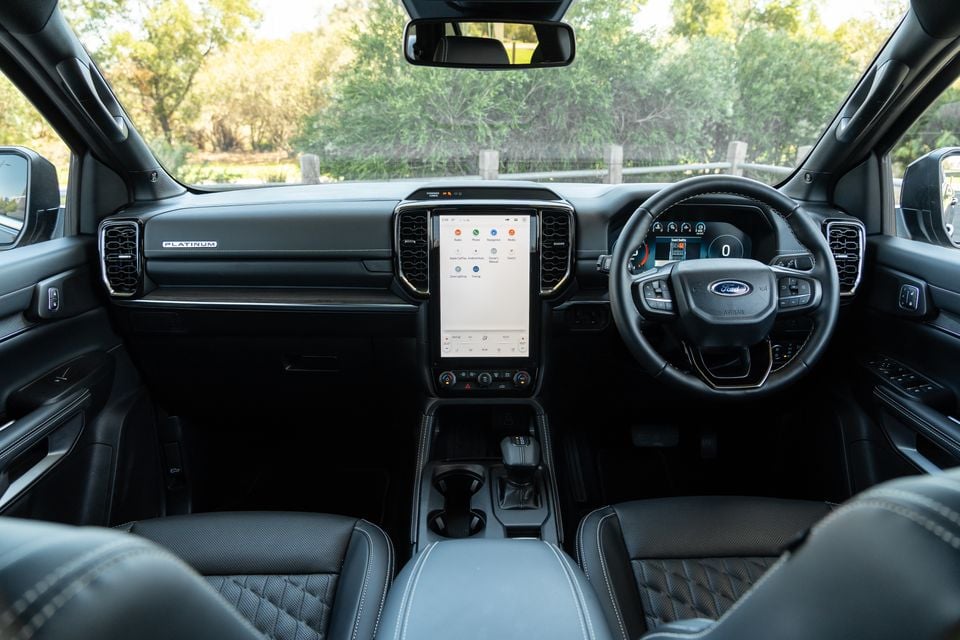
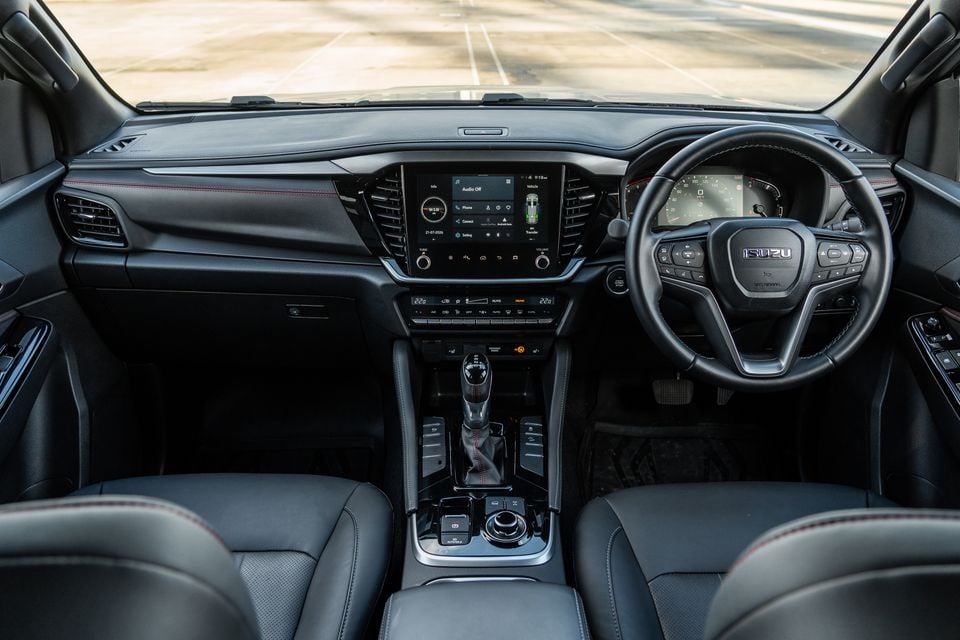
The Pajero is visibly newer inside, with Mitsubishi adopting two large digital screens that share the same panel on the dashboard. Physical climate controls have been retained below the infotainment screen, along with a simple centre console and plenty of storage options – namely the twin gloveboxes on the dashboard in front of the passenger.
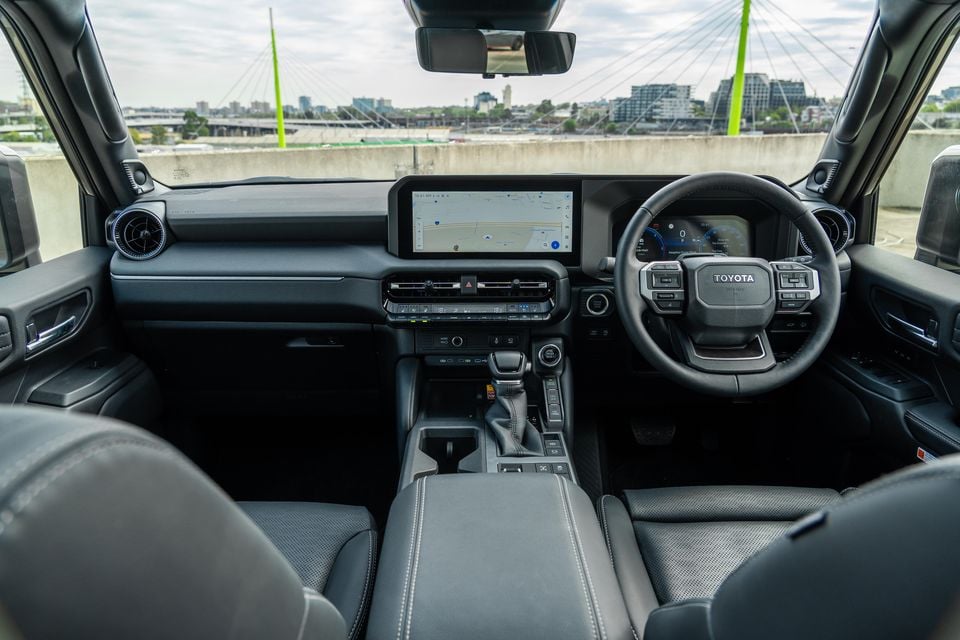
The Prado's dashboard is less futuristic in comparison, but still clean. Its two screens are separate, and there's a vast array of buttons for the climate system. Again, the centre console is basic, with a large gear selector and more physical controls for basic vehicle functions.
The Everest, however, is far more reliant on technology. Its climate system is located within the portrait-style touchscreen, and there are generally far fewer physical controls. Like the Pajero, though, it still offers a two-tier glovebox, and it should be quite practical.
The MU-X is the most traditional of all. With the smallest screens and a generally more basic approach, it's beginning to show its age compared to its rivals. There are still plenty of buttons for most functions, but the use of piano-black plastic doesn't lend itself to durability. It also lacks a two-tier glovebox, despite one being offered in its D-Max sister model.
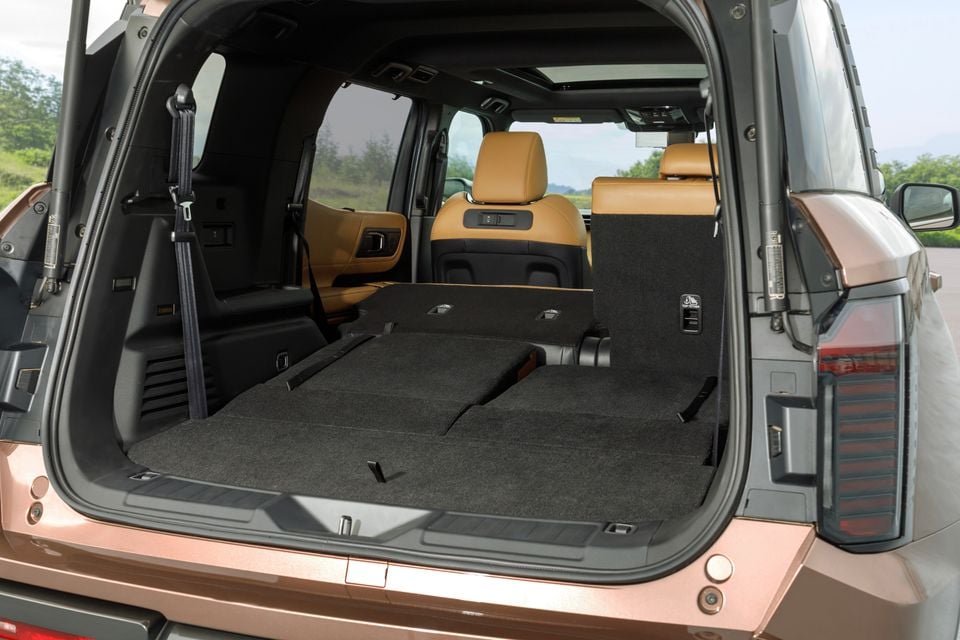
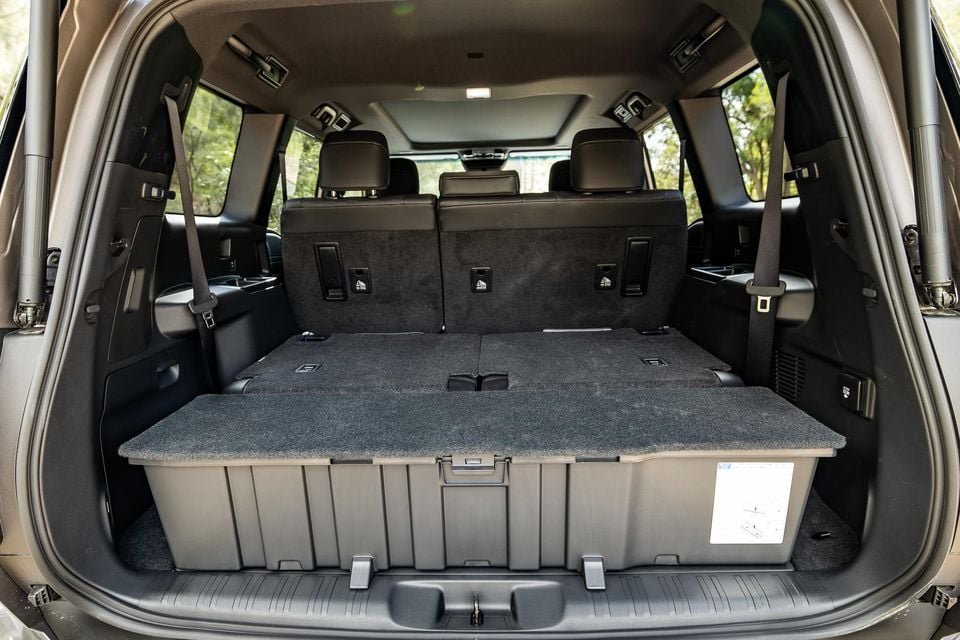
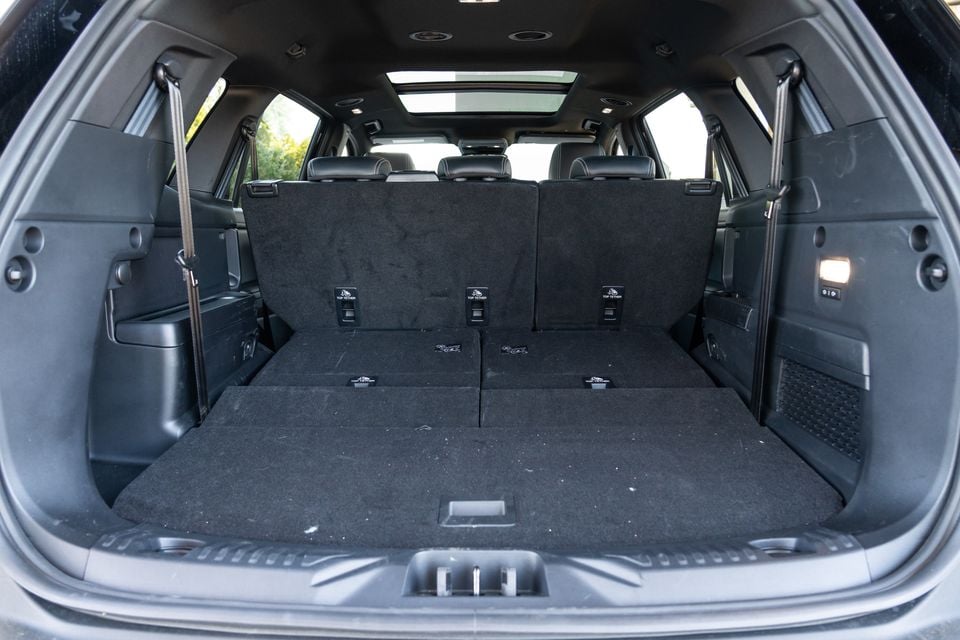
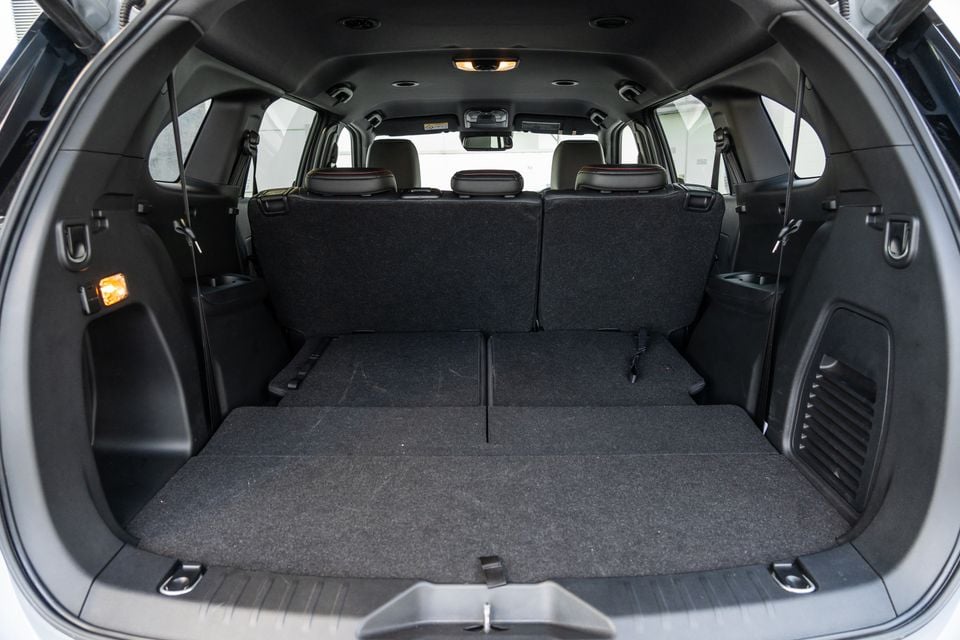
All four are similarly sized, though the MU-X is the smallest overall. The most significant difference is boot space, particularly in the case of the Toyota.
The addition of a battery for the powertrain's mild-hybrid system means the third-row seats are fitted on top of the boot floor, rather than being integrated within it, reducing cargo area height. Toyota has fitted a lidded plastic container behind them to create a level cargo floor, but it's an awkward solution.
The other three SUVs have a more typical boot, though the Everest is the only one to offer a power-folding function for the third row.
| Dimensions | Mitsubishi Pajero GSR | Toyota Prado Kakadu | Ford Everest Platinum | Isuzu MU-X X-Terrain |
|---|---|---|---|---|
| Length | 4920mm | 4990mm | 4940mm | 4860mm |
| Width | 1925mm | 1980mm | 1923mm | 1870mm |
| Height | 1910mm | 1935mm | 1841mm | 1825mm |
| Wheelbase | 2870mm | 2850mm | 2900mm | 2855mm |
| Boot space | 131L – all seats up 519L – 3rd row folded 1561L – 2nd and 3rd rows folded | 182L – all seats up 906L – 3rd row folded 1829L – 2nd and 3rd rows folded | 259L – all seats up 898L – 3rd row folded 1818L – 2nd and 3rd rows folded | 311L – all seats up 1119L – 3rd row folded 2138L – 2nd and 3rd rows folded |
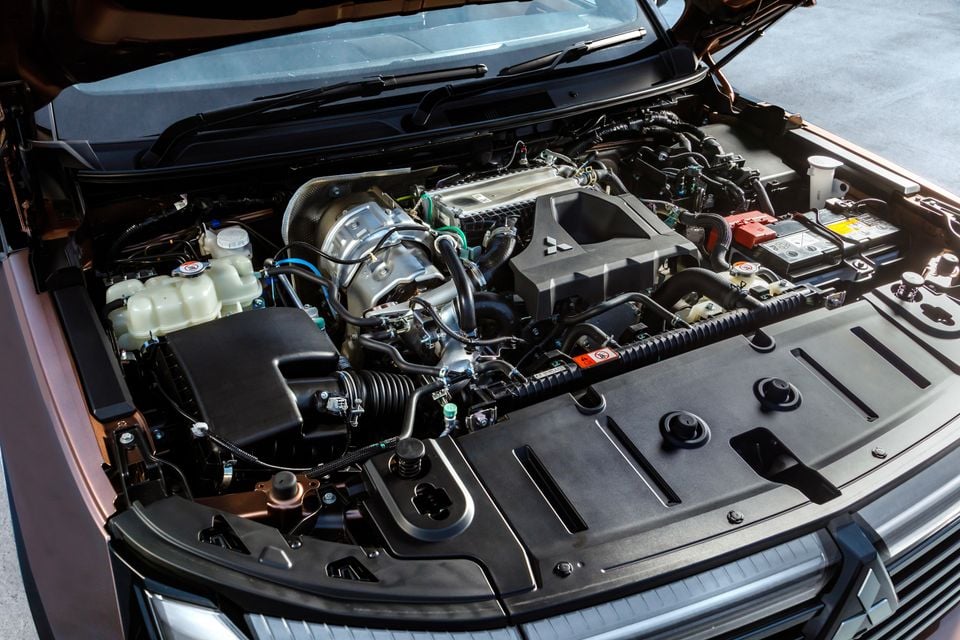
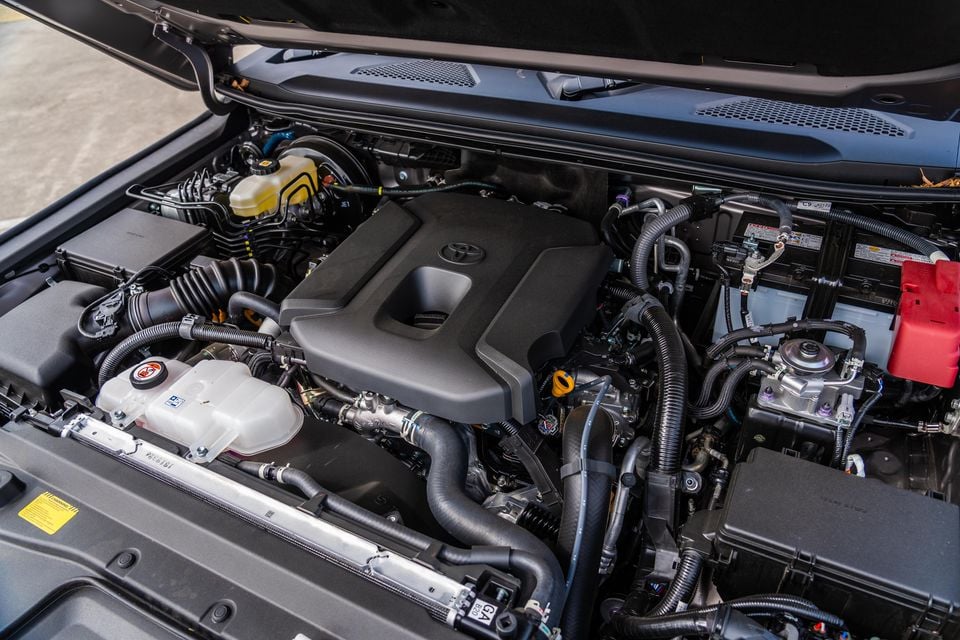
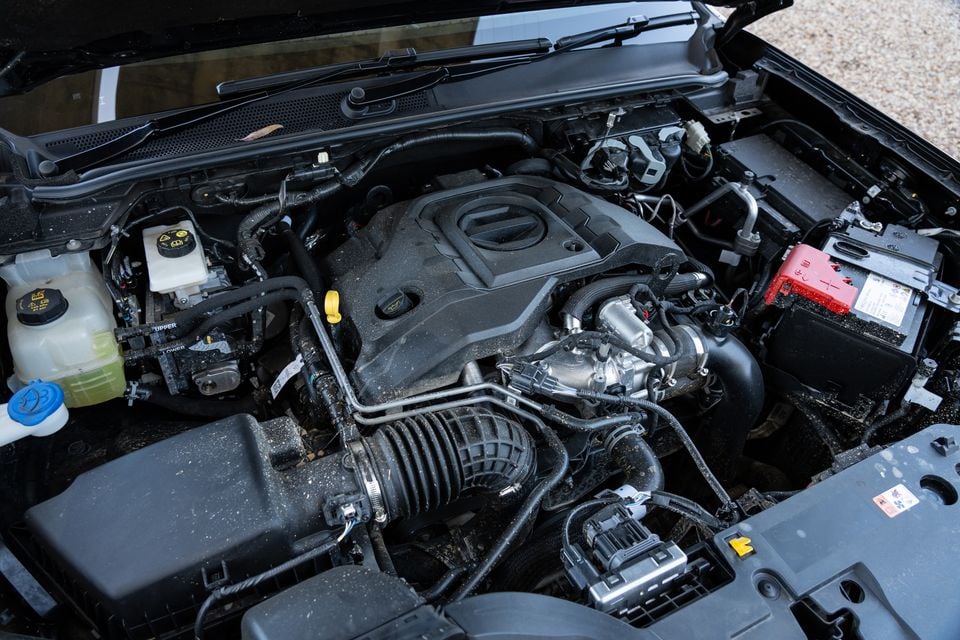
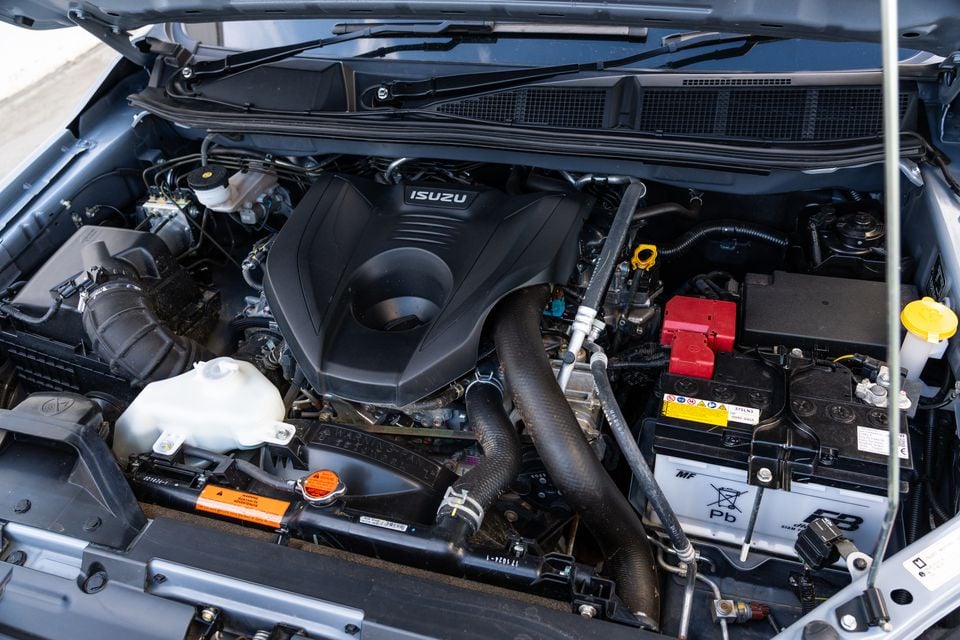
All engines are turbo-diesel, and the four-cylinder units of the Pajero, Prado, and MU-X all produce similar power and torque outputs. The Everest's V6, in contrast, is punchier.
| Specifications | Mitsubishi Pajero GSR | Toyota Prado Kakadu | Ford Everest Platinum | Isuzu MU-X X-Terrain |
|---|---|---|---|---|
| Engine | 2.4L 4cyl turbo-diesel | 2.8L 4cyl turbo-diesel w/ 48V MHEV | 3.0L V6 turbo-diesel | 3.0L 4cyl turbo-diesel |
| Power | 150kW | 150kW | 184kW | 140kW |
| Torque | 480Nm | 500Nm | 600Nm | 450Nm |
| Transmission | 8-speed auto | 8-speed auto | 10-speed auto | 6-speed auto |
| Drive type | Full-time 4WD with low-range | Full-time 4WD with low-range | Full-time 4WD with low-range | Part-time 4WD with low-range |
| Fuel economy (claimed) | 7.2L/100km | 7.6L/100km | 8.5L/100km | 7.6L/100km |
| Fuel tank capacity | 80L | 80L – main 30L – sub | 80L | 80L |
| Fuel requirement | Diesel | Diesel | Diesel | Diesel |
| CO2 emissions (claimed) | 190g/km | 200g/km | 224g/km | 200g/km |
| Kerb weight | 2513kg | 2590kg | 2512kg | 2195kg |
| Payload | 702kg | 610kg | 638kg | 605kg |
| Braked towing capacity | 3500kg | 3500kg | 3500kg | 3500kg |
| Gross vehicle mass (GVM) | 3215kg | 3200kg | 3150kg | 2800kg |
| Gross combination mass (GCM) | 6340kg | 6600kg | 6250kg | 5900kg |
| Emissions standard | Euro 6d | Euro 5 | Euro 5 | Euro 5 |
Most notably, the Prado Kakadu does not have a locking rear differential. It instead has a torque-sensing limited-slip rear diff behind its locking centre diff; you have to step down to the Altitude if you want a rear diff lock.
That said, the Prado is the only one of these four SUVs with adaptive damping, as the others come only with conventional passive shock absorbers.
The MU-X, meanwhile, is the only one without full-time four-wheel drive. Unlike the others, its 4H mode locks the front and rear driveshafts together without an open centre differential, so it cannot be used on sealed roads without causing driveline wind-up and potential component damage, and is designed strictly for loose or slippery surfaces like gravel, mud and sand.
However, it does have a 'Rough Terrain' mode for off-roading, and the others also have their own off-road modes tailored to a variety of driving conditions.
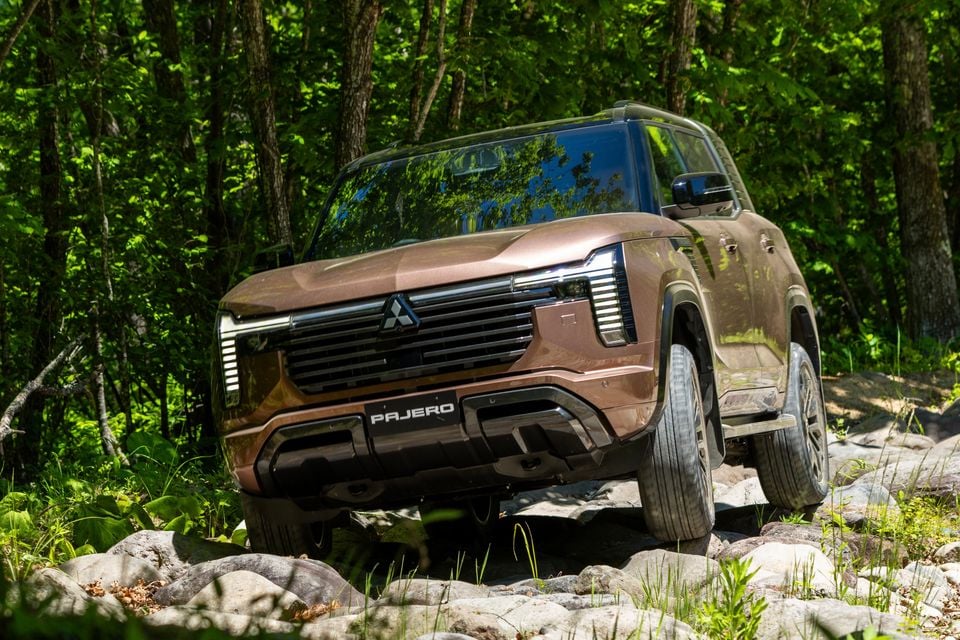
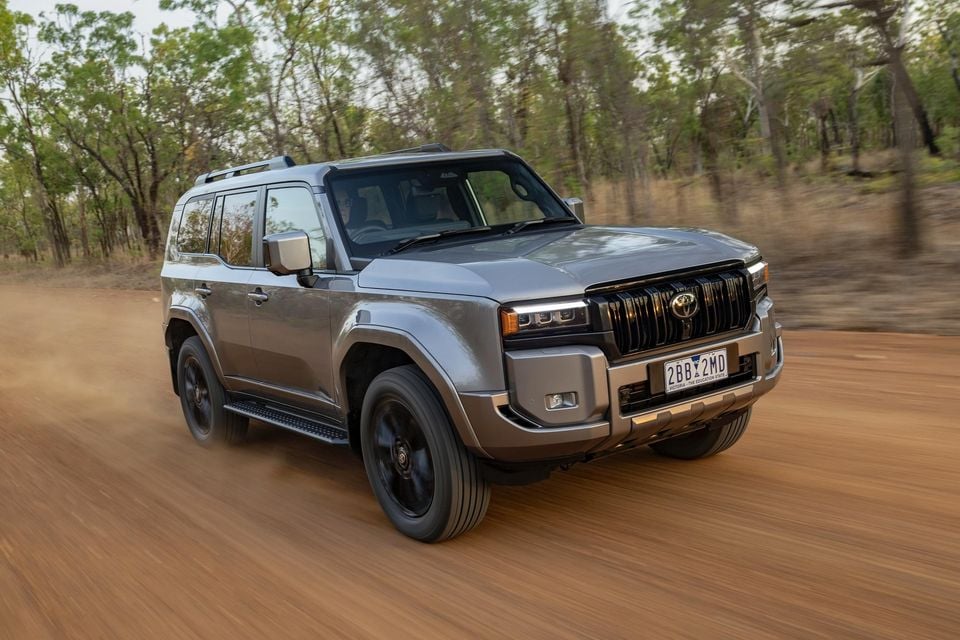
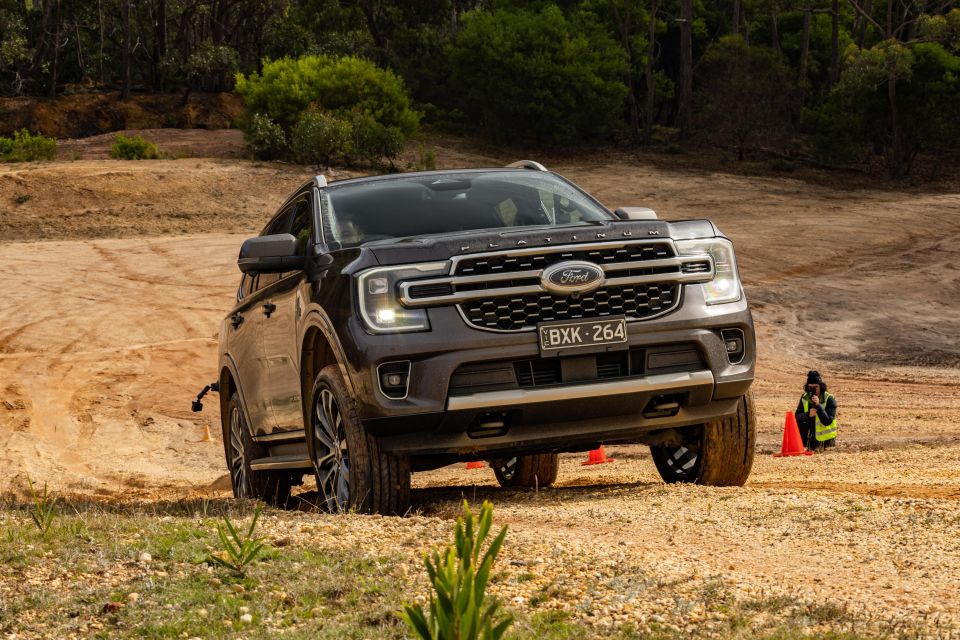
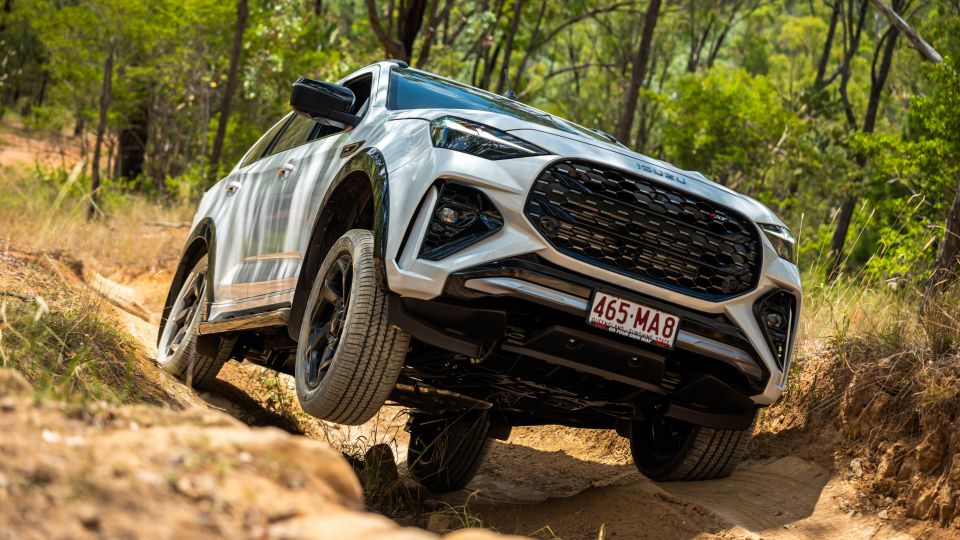
All four SUVs are claimed to have strong off-road capability, as you'll see from the measurements and geometries below.
| Off-road dimensions | Mitsubishi Pajero GSR | Toyota Prado Kakadu | Ford Everest Platinum | Isuzu MU-X X-Terrain |
|---|---|---|---|---|
| Track front and rear | 1630mm | 1664mm – front 1668mm – rear | 1620mm | 1570mm |
| Ground clearance | 228mm | 221mm | 226mm | 235mm |
| Approach angle | 30.4º | 32.0º | 30.2º | 29.2º |
| Departure angle | 25.8º | 17.0º | 25.0º | 26.4º |
| Ramp breakover angle | 22.6º | 25.0º | 21.9º | 23.1º |
| Wading depth | ~800mm | 700mm | 800mm | 800mm |
Warranty periods differ across these four SUVs, but Mitsubishi's conditional 10-year, 200,000km coverage is the longest of all.
| Servicing and Warranty | Mitsubishi Pajero | Toyota Prado | Ford Everest | Isuzu MU-X |
|---|---|---|---|---|
| Warranty | 10 years, 200,000km | 5 years, unlimited kilometres | 7 years, unlimited kilometres | 6 years, 150,000km |
| Roadside assistance | Up to 10 years, service-activated | $99 or $139 per year, depending on chosen plan | Up to 7 years, service-activated | Up to 7 years, service-activated |
| Service intervals | 12 months or 15,000km | 6 months or 10,000km | 12 months or 15,000km | 12 months or 15,000km |
| Capped-price servicing | 10 years | 5 years | 5-year prepaid plan | 5 years |
| Average annual service cost | TBC | $790 | – | $489 |
| Total capped-price service cost | TBC | $3950 | $1596 | $2445 |
Mitsubishi Australia has yet to announce service pricing for the new Pajero, but it has confirmed that it'll be covered by its 10/10/10 aftersales program.
If serviced on time at a Mitsubishi dealer, the Pajero will be warranted for up to 10 years or 200,000km (whichever comes first). If not, you'll only be eligible for the brand's standard five-year, 100,000km coverage.
Similarly, the brand's roadside assistance coverage will be extended up to a maximum of 10 years if you service at a Mitsubishi dealer. Ford has a similar conditional system in place for its warranty and roadside assistance programs.
Toyota and Isuzu are more conventional in terms of warranty, but differ in roadside assistance. Toyota requires owners to pay annually for roadside assistance, while Isuzu will extend roadside assistance by 13 months each time a vehicle is serviced at an Isuzu dealer, up to a maximum of seven years.
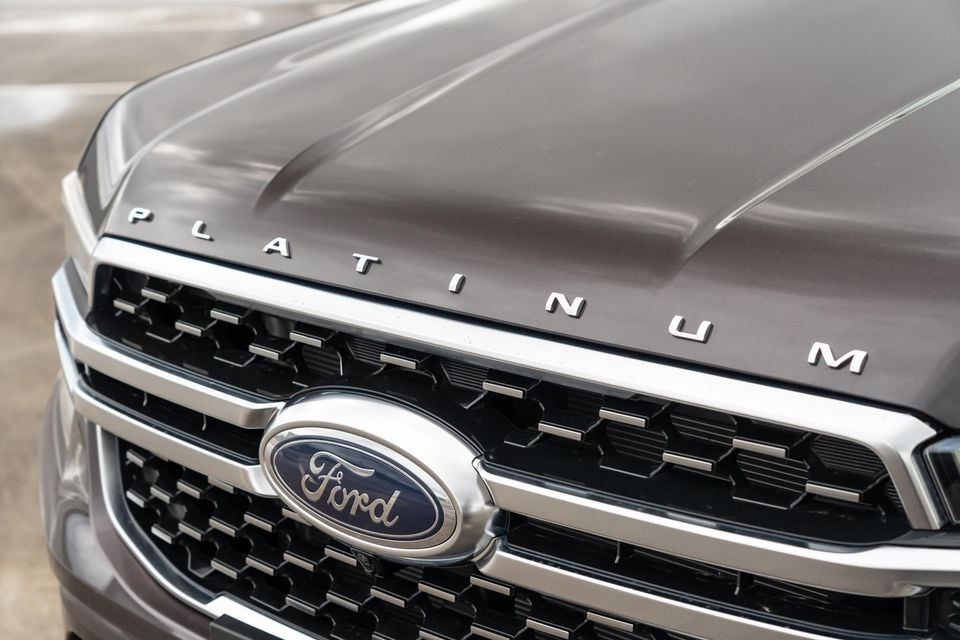
On paper, the Everest Platinum is the most logical purchase of these four all-terrain large SUVs.
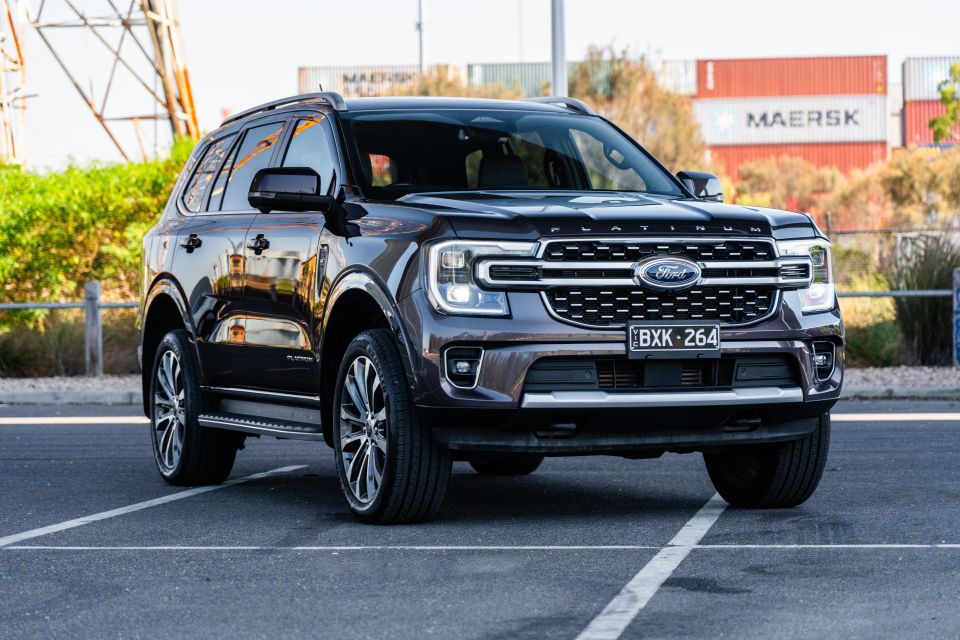
It's priced relatively well, offers plenty of luxurious appointments, and comes with a V6 engine that's considerably more potent than the four-pots in the other three. Ford's warranty also became more competitive recently, offering buyers of what is the only Australian-developed model in this quartet a little more peace of mind.
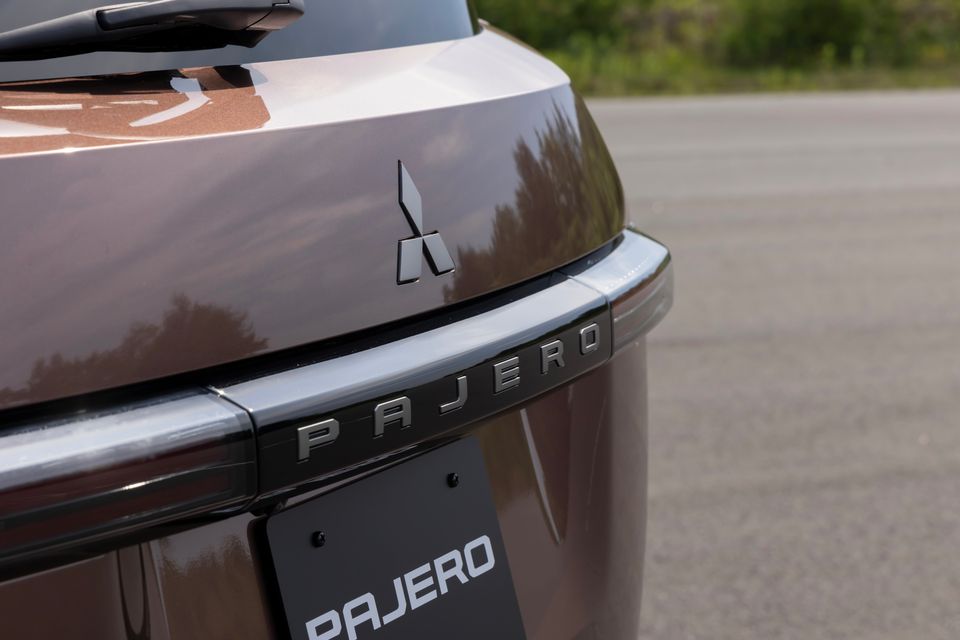
But the real question mark here is the Pajero. It's the only one we're yet to drive extensively on local roads (for obvious reasons), and there's every chance it'll be just as comfortable, more efficient, and maybe even more capable off-road.
It's backed by one of Australia's strongest auto warranties and employs upgraded versions of the Triton's proven platform and engine, even if it doesn't set the spec sheet alight with crazy performance figures or heavy-duty capacities, and it's relatively pricey.
Time will tell if the Pajero can deliver, but there's no question that Australia's large off-road SUV segment is about to get more competitive.
MORE: Explore the Mitsubishi Pajero showroom
MORE: Explore the Toyota Prado showroom
MORE: Explore the Ford Everest showroom
MORE: Explore the Isuzu MU-X showroom
Share your thoughts with us in the comments below!
Max Davies is a CarExpert journalist with a background in regional media, with a passion for Japanese brands and motorsport.
Share your thoughts and write a review of a car you own and get featured on CarExpert.
Max Davies
2 Hours Ago
Max Davies
6 Hours Ago
Max Davies
7 Hours Ago

William Stopford
1 Day Ago

Josh Nevett
1 Day Ago

Derek Fung
1 Day Ago