There’s a new Subaru Outback in town.
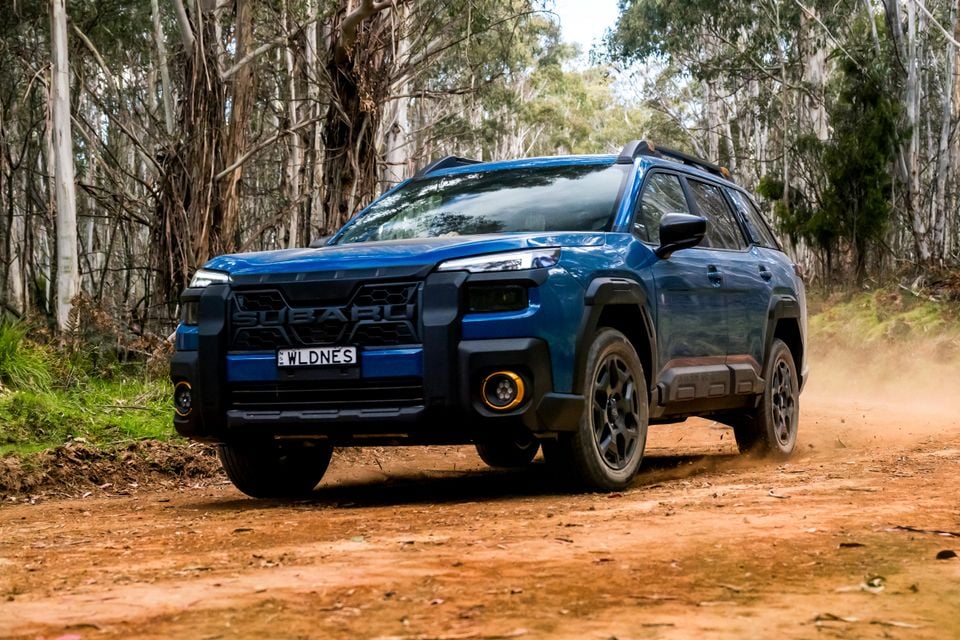
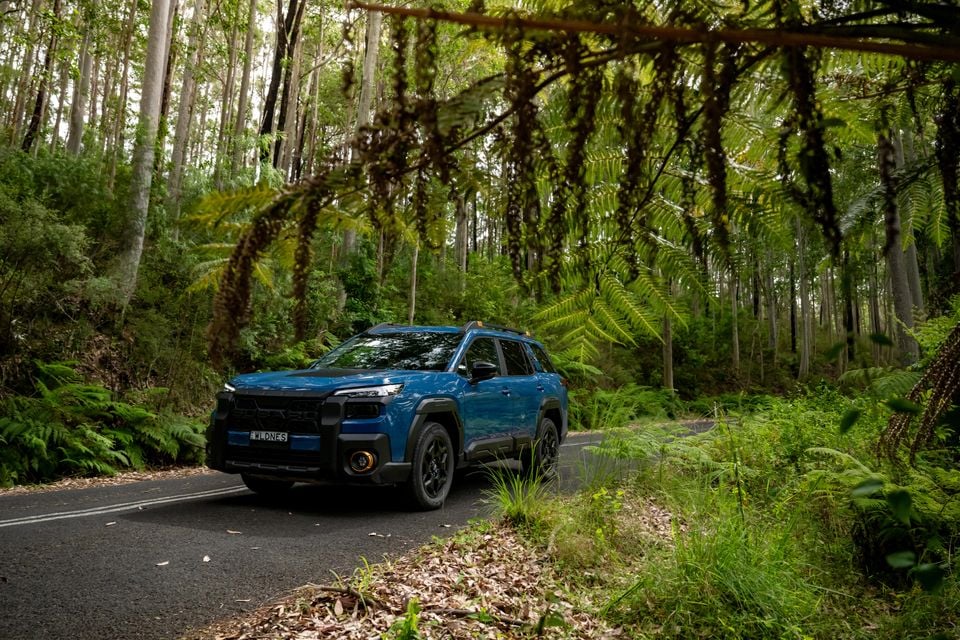
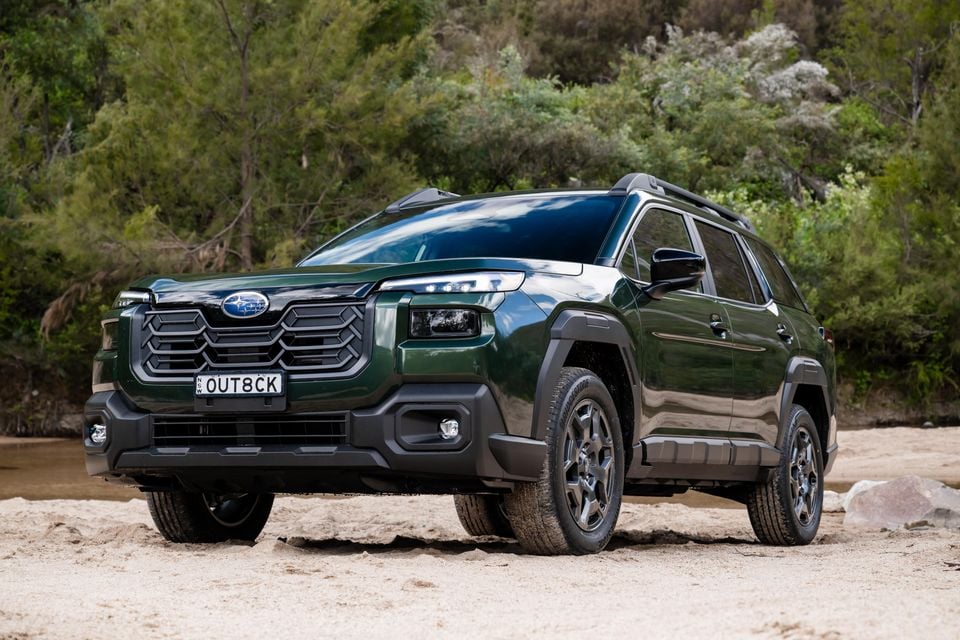
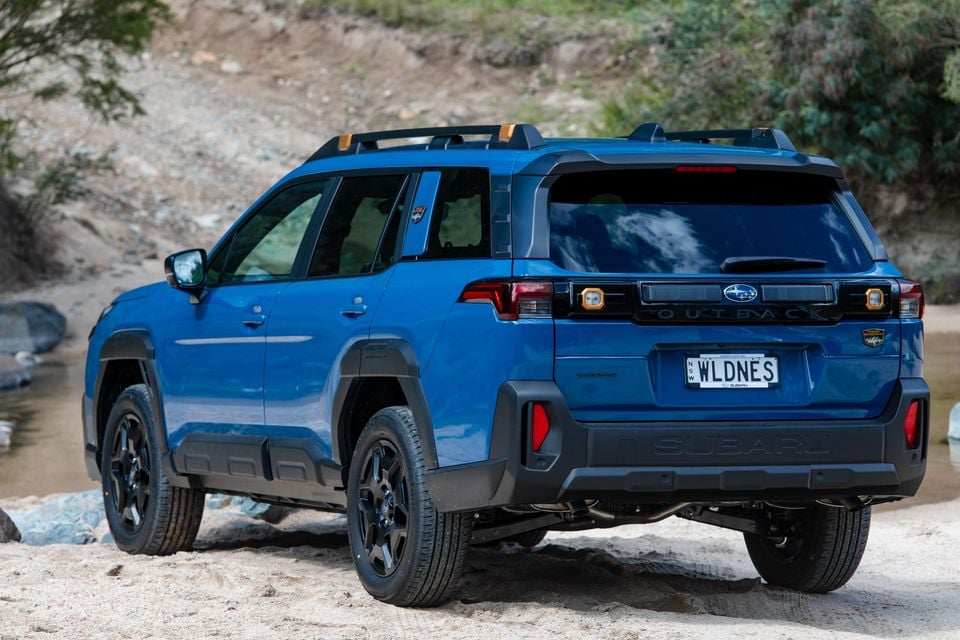
Now in its seventh generation, the 2026 Subaru Outback is as big as ever, and debuts the more rugged Wilderness sub-brand that has previously been reserved for the North American market.
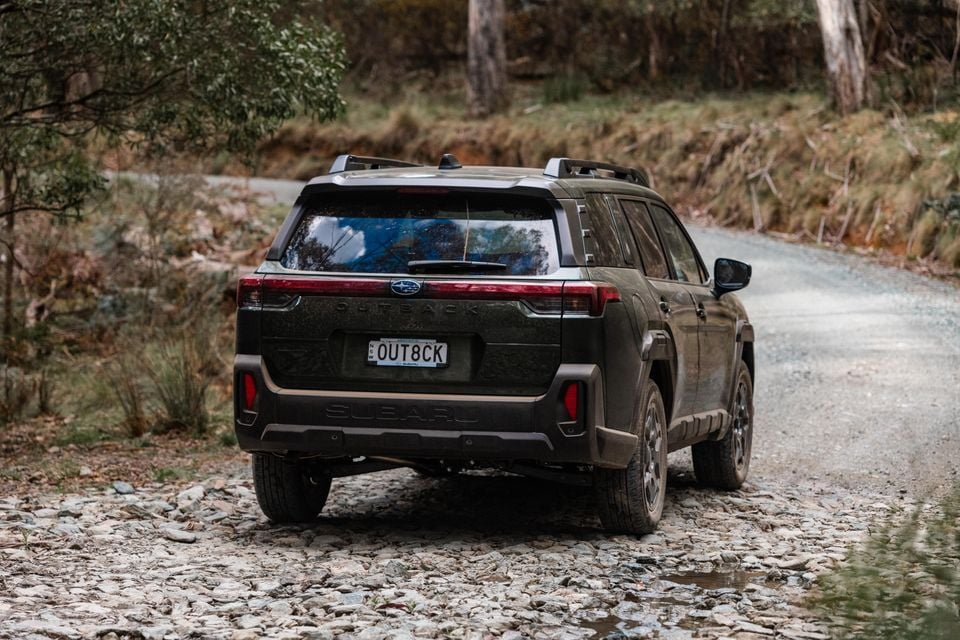
The headlines? More boxy, SUV-leaning design, more space, more tech and, of course, more money. Now, that design might be quite polarising, but who am I to tell you what to think about something so subjective?
What hasn’t changed all that much are the drivelines, with mildly updated versions of the old model’s naturally aspirated and turbocharged four-cylinder Boxer petrol engines, coupled with a CVT automatic and symmetrical all-wheel drive.
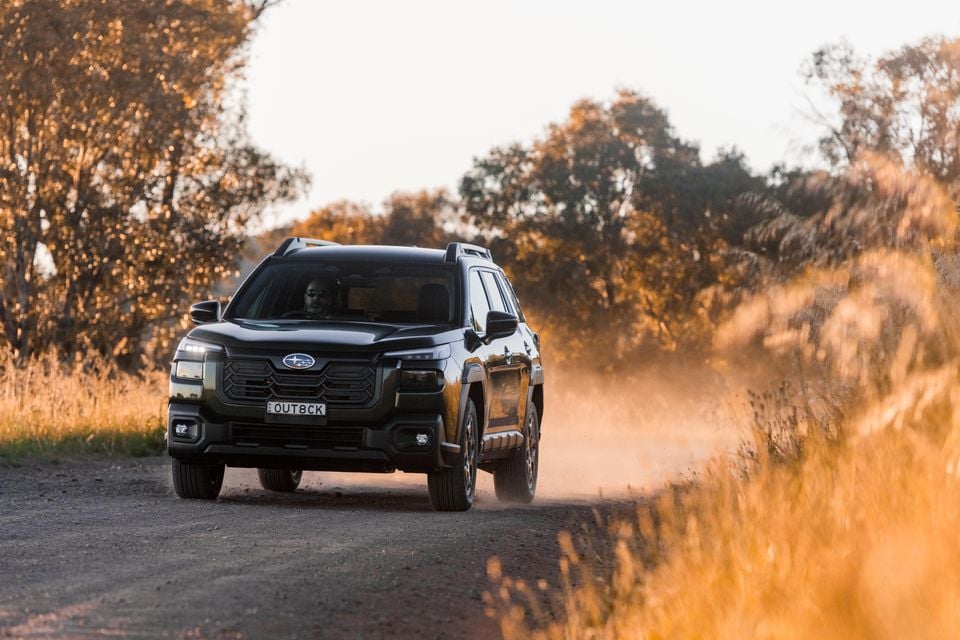
Further, the Outback’s more adventurous and off-road-ready pitch compared to other unibody SUVs carries over, promising decent capability off the beaten track, right out of the box.
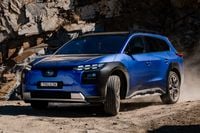
‘No electrification?‘ you might ask? Well, the upcoming Trailseeker hopes to fill that void, offering an all-electric alternative to the Outback, though an Outback Hybrid could be on the cards for future introduction, according to the brand’s local boss.
For now though, let’s focus on the car you can actually buy. We joined the Australian media drive in New South Wales to see if the Outback still impresses as the all-in-one family adventure wagon.
How much does the Subaru Outback cost?
Pricing for the Outback has risen for the most part, with the entry point now nearly $5000 higher at $48,990 plus on-road costs for the base ‘Outback AWD’.
| Model | Price before on-road costs |
|---|
| 2026 Subaru Outback AWD | $48,990 (+$4800) |
| 2026 Subaru Outback AWD Premium | $53,490 (NEW) |
| 2026 Subaru Outback AWD Touring | $56,990 (+$4500) |
| 2026 Subaru Outback AWD Wilderness | $59,690 (NEW) |
| 2026 Subaru Outback AWD Wilderness Apex | $62,490 (NEW) |
While the new Outback is pricier than before, you can still get a mid- to high-spec variant for similar money to low-grade unibody rivals in the large SUV segment – namely the likes of the Hyundai Santa Fe, Kia Sorento and Toyota Kluger.
Find your perfect new car with CarExpert
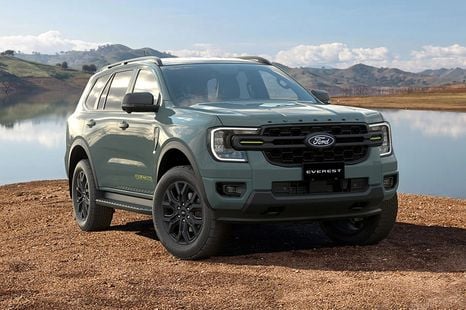
Further, more specialised ladder-frame 4x4 large SUVs like the Ford Everest and Toyota Prado are substantially dearer spec-for-spec, so unless you really need to go hardcore off-roading or tow 3.0-3.5 tonnes, you probably can save tens of thousands of dollars and get other stuff.
To see how the Subaru Outback lines up against the competition, check out our comparison tool
What is the Subaru Outback like on the inside?
Quite a bit has changed in here, and it likely previews what’s to come from Subaru’s next generation of products.
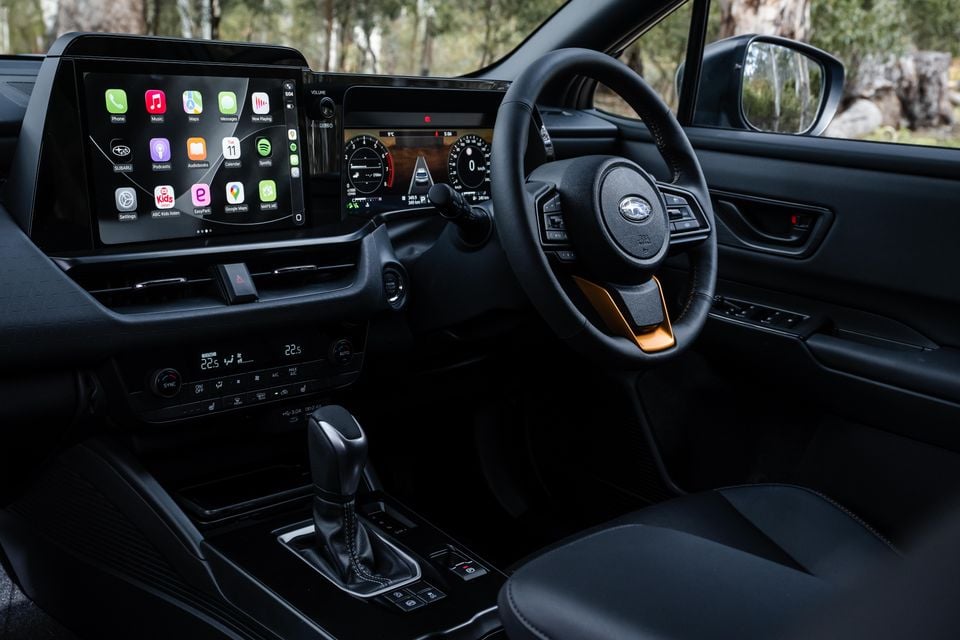
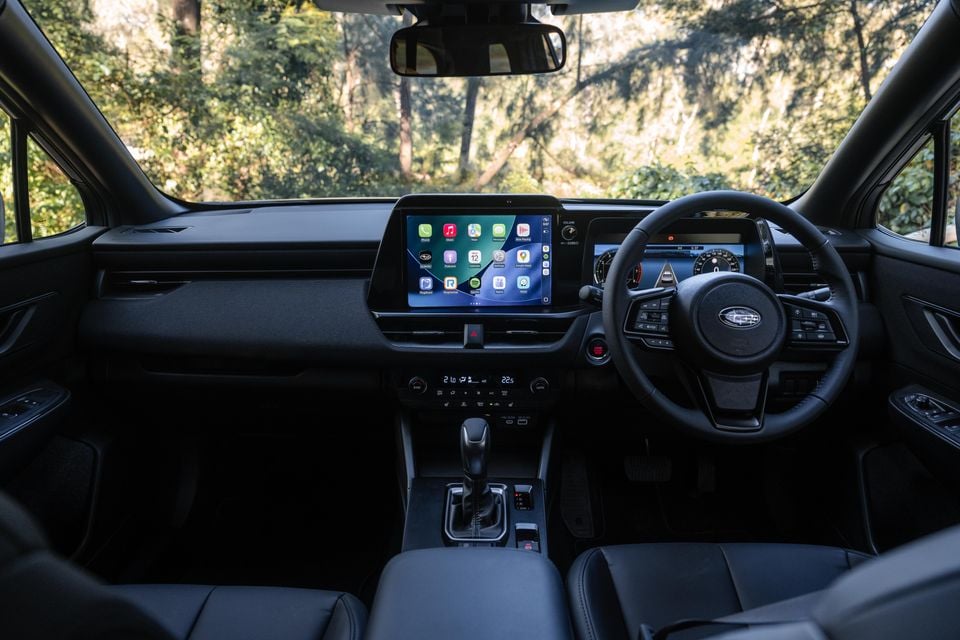
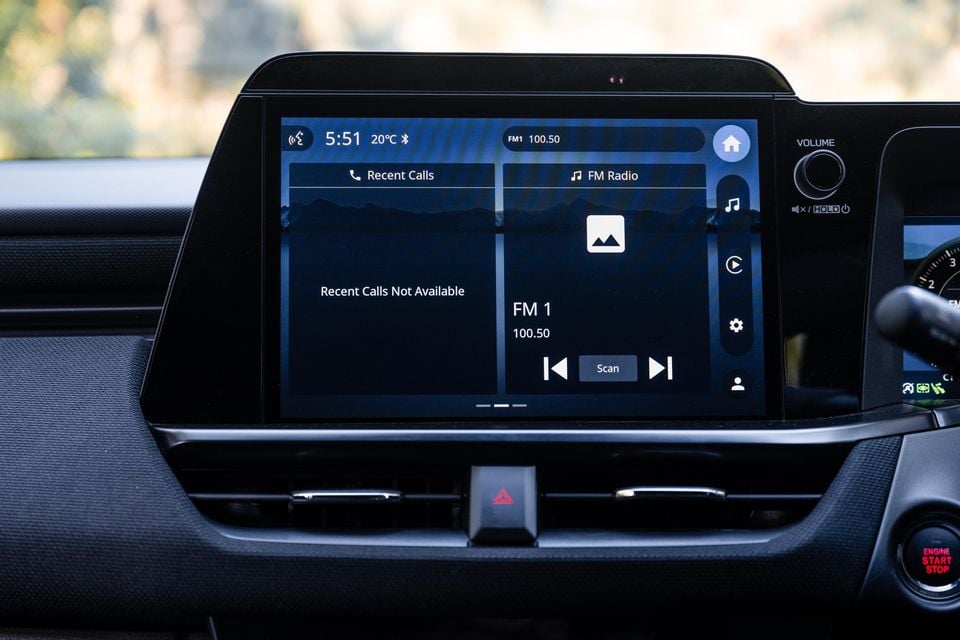
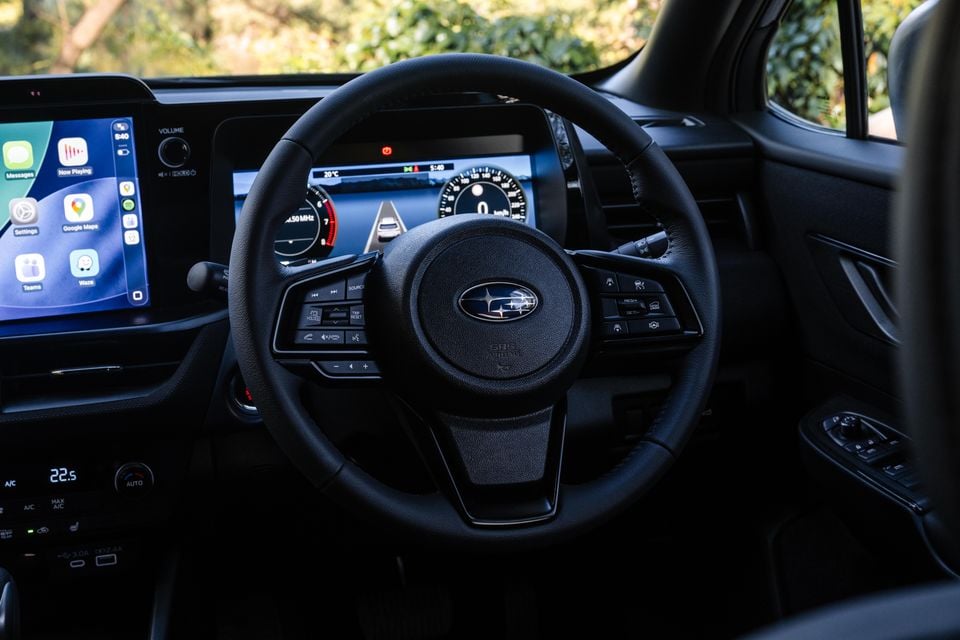
The integrated design of the in-vehicle displays has been ditched for a more in-fashion floating tablet-style array, running new software that looks suspiciously linked to the latest Toyota and Lexus interface.
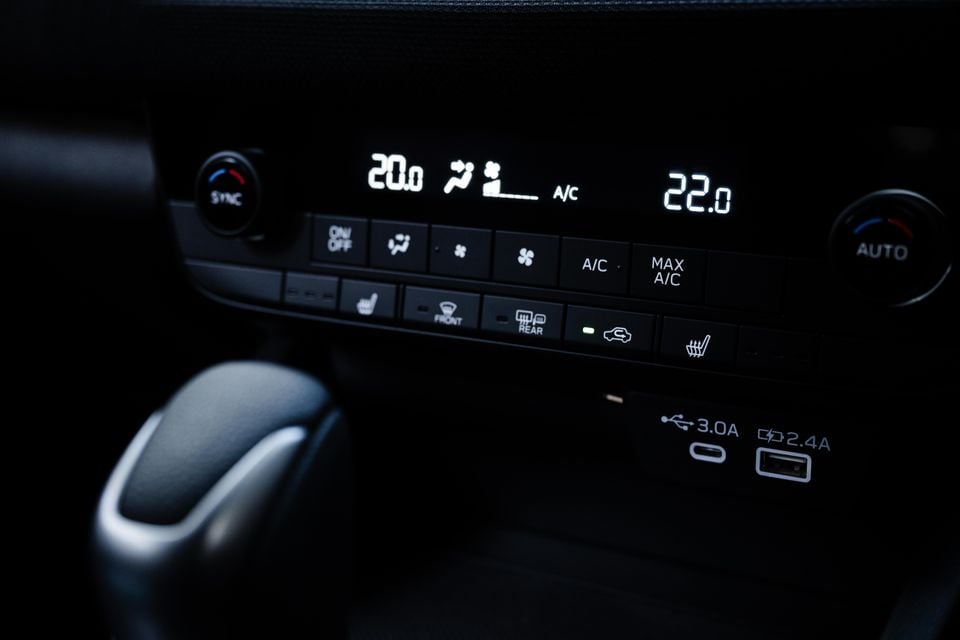
All models now get a 12.3-inch digital instrument display as well as a 12.1-inch landscape-oriented central touchscreen, and Subaru has also reinstated a conventional, physical climate control pod.
For your reviewer, the more tacked-on design isn’t as clean as in the previous generation, even if the new software interface is cleaner and quicker – if a little basic in both Outback AWD and base Wilderness trims.
While native navigation is oddly (and annoyingly) reserved for top-end grades, all variants come with wireless Apple CarPlay and Android Auto in addition to DAB+ digital radio, with Apple CarPlay working well during our time with the car.
Compared to the outgoing model, the new infotainment system offers a cleaner, more modern look, quicker loading time and smoother animations. Really, it appears to be a reskinned version of the user interface seen in the latest Toyota and Lexus products, which is known for its solid performance.
The standard six-speaker audio system did a good job too, offering clear audio quality with good depth and bass, helping to drown out the outside world on the open road.
With that in mind, I imagine the Harman Kardon premium audio in Touring and Wilderness Apex grades with double the speaker count should be quite impressive, though we didn’t sample any vehicles with this fitted.
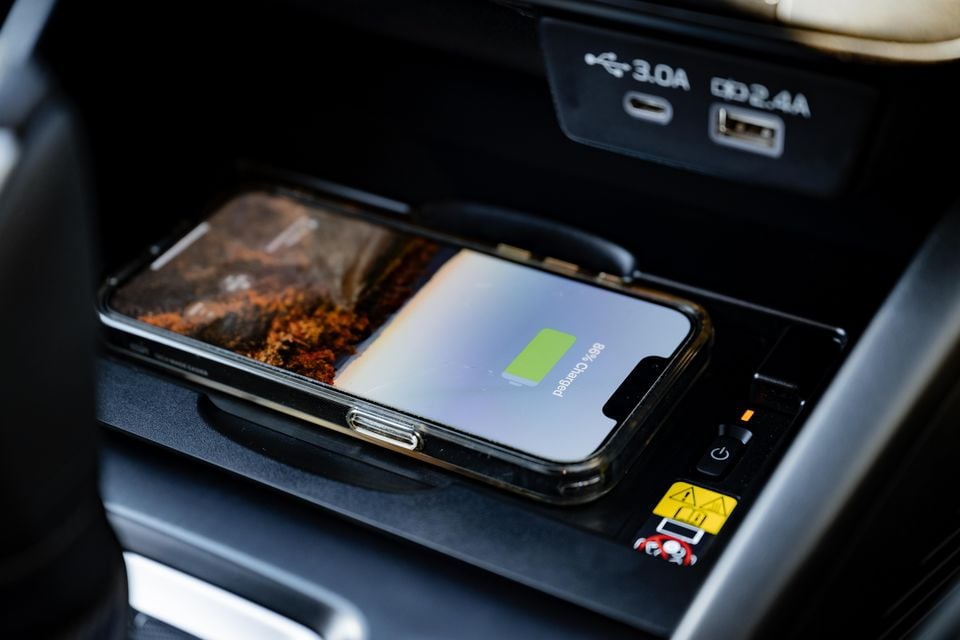
A wireless phone charger is standard in all Wilderness grades, but only the high-spec Touring version of the naturally aspirated range. It sits underneath a physical pod of climate controls which have chunky buttons with a solid action when pressed, and a clear LCD display for temperature readouts and fan speed.
You also get USB-A and USB-C ports for charging devices across the board, and the aforementioned air-conditioner again appears to be from the Toyota parts catalogue given it’s almost ice-cold at any temperature below 22 degrees.
Front cabin storage is pretty good, with the previously mentioned phone charger (or shelf in base models) augmented by toothed cupholders ahead of a front-centre cubby, felt-lined door bins that can hold decent-sized bottles, and a healthy glovebox.
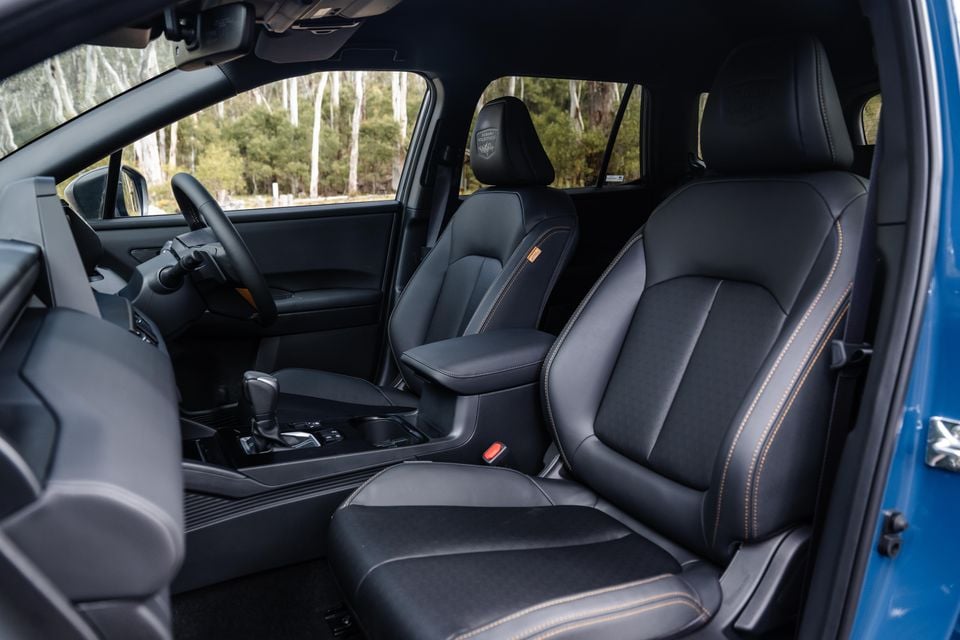
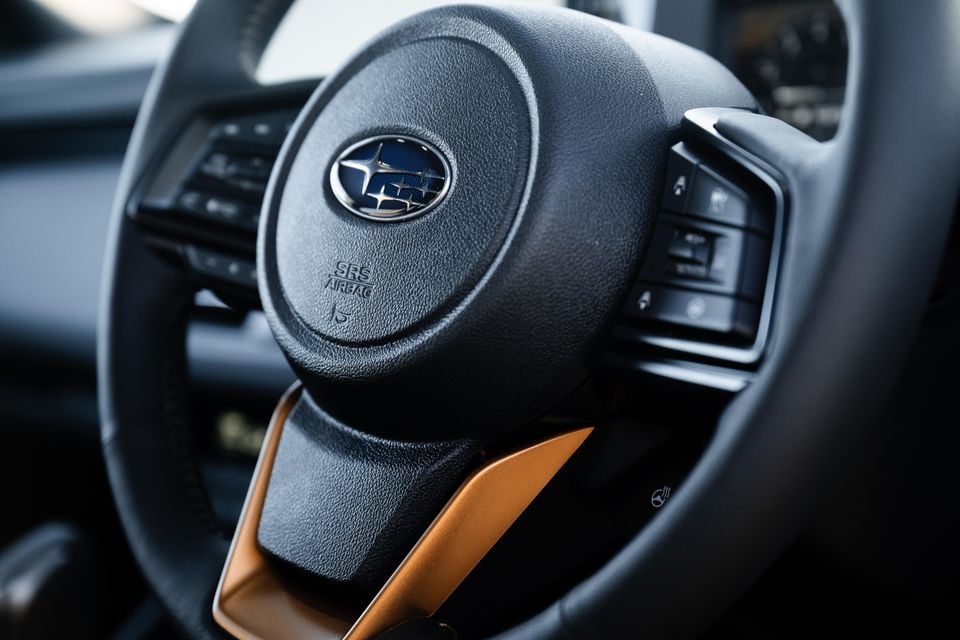
The general feeling of quality is also good, with a nice mix of soft-touch materials lining the upper and middle tiers of the dashboard and doors, and interesting textures dotted throughout. Wilderness models get eye-catching orange stitching highlights and a metallic insert in the steering wheel, too.
With that said, I find the cabin of the previous model to feel a little more classic and classy, with better integration of in-vehicle displays and a more premium presentation. That’s all down to personal taste, though.
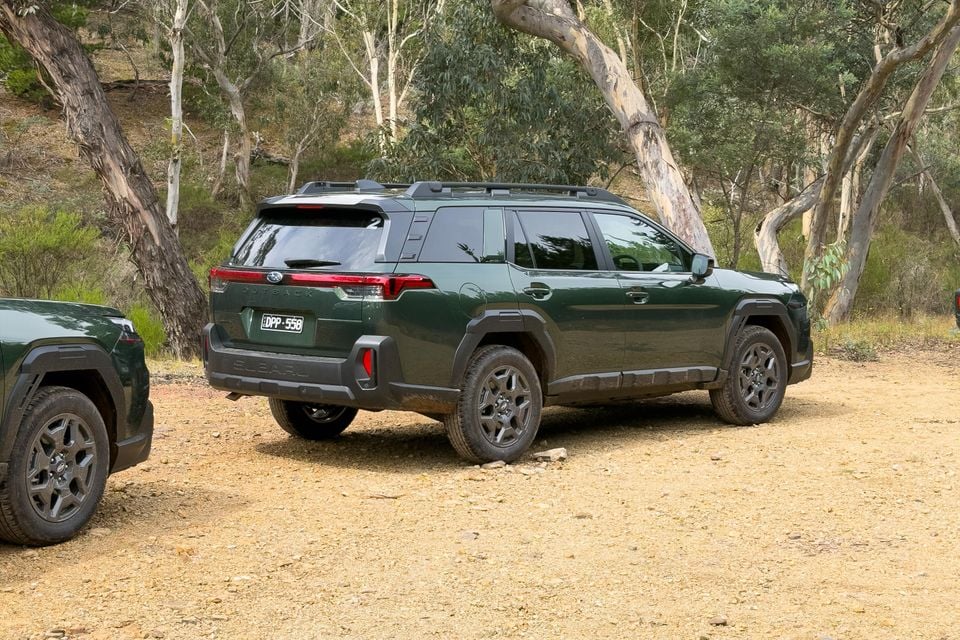
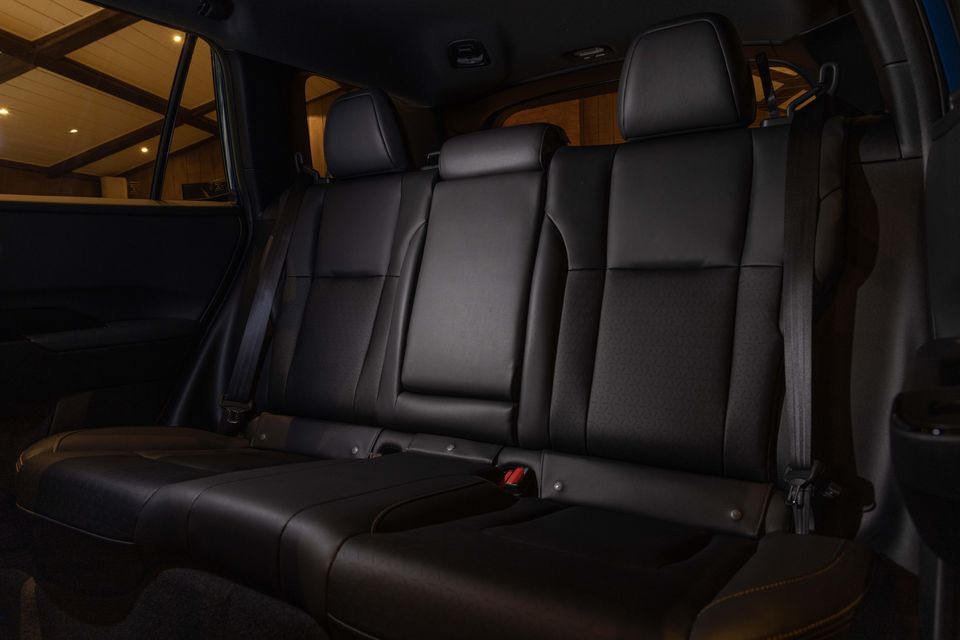
Given its immense size, the Outback’s second row remains a key strength. Even for 6’1″ me behind my preferred driving position, there’s heaps of head, leg, knee and toe room, with good outward visibility through the tall windows.
Two adults will be more than comfortable back there, though the skinny and raised centre seat is best for kids. It’s also annoying that the centre seatbelt is attached to the roof rather than the seat.
Amenities include rear air vents, a fold-down centre armrest with cupholders, bottle holders in the doors, and map pockets behind the front seats.
For parents, you also get the requisite ISOFIX child seat anchor points on the outboard rear seats, and top-tether points behind all three rear positions.
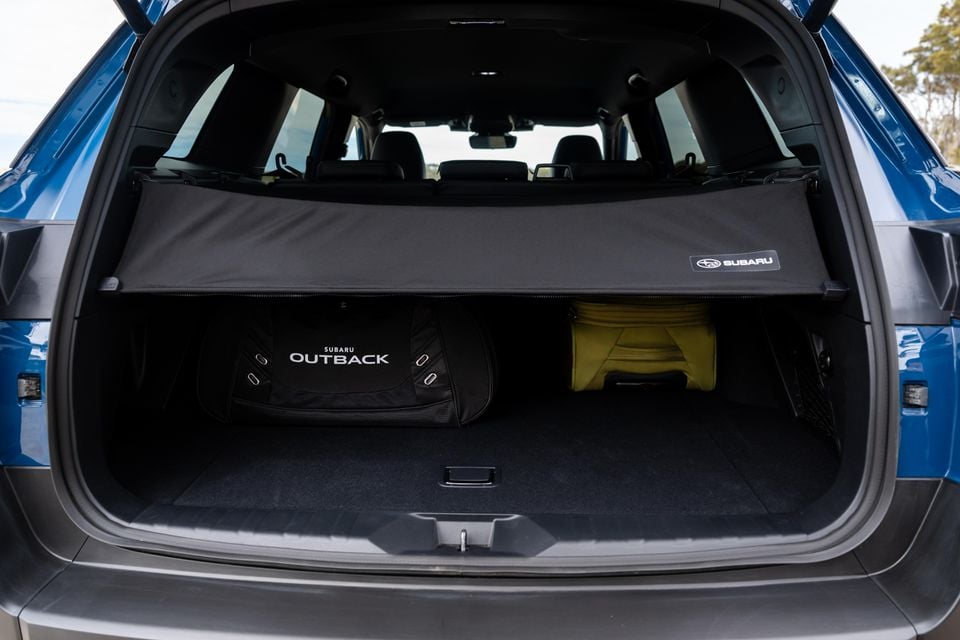
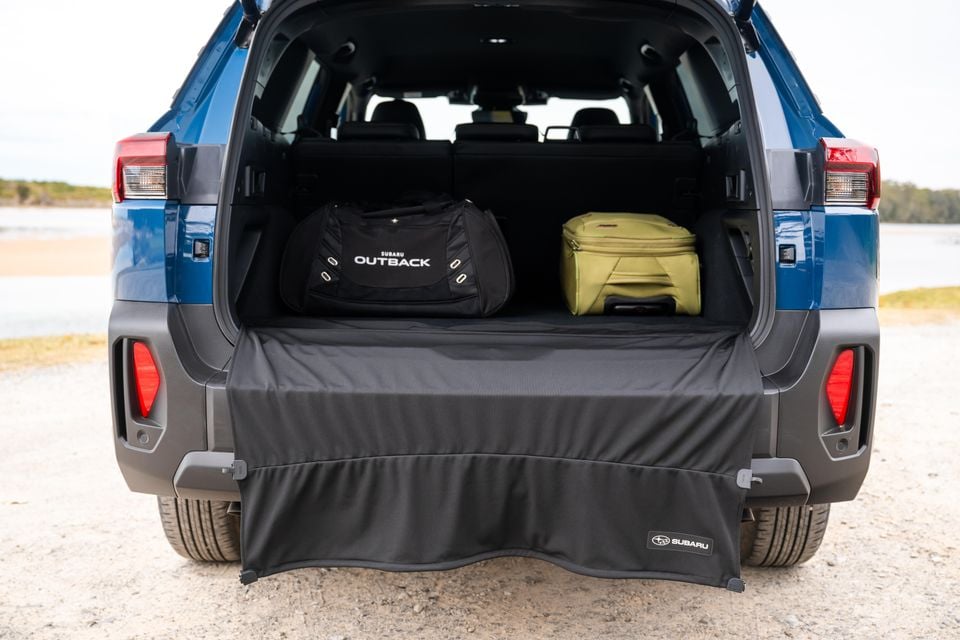
Behind the second row there’s still no third row of seating, but there is a healthy 530 litres of cargo capacity across the range with the rear seats in place. That expands to 1211L with the rear seats down, measured to the top of the front seat backs, or 1844L measured to the ceiling.
Under the boot floor is a full-size alloy spare wheel across all model grades, something that's an increasingly rare inclusion in today’s market.
| Dimensions | Subaru Outback | Subaru Outback Wilderness |
|---|
| Length | 4880mm (+10mm) | 4880mm |
| Width | 1880mm (+5mm) | 1880mm |
| Height | 1715mm (+40mm) | 1735mm |
| Wheelbase | 2745mm | 2745mm |
| Boot space | 530L – rear seats up
1211L – rear seats down, to seatback
1844L – rear seats down, to ceiling | 530L – rear seats up
1211L – rear seats down, to seatback
1844L – rear seats down, to ceiling |
To see how the Subaru Outback lines up against the competition, check out our comparison tool
What’s under the bonnet?
Two engines are available in Australia, both updated versions of the old model’s powertrains.
| Specifications | Outback | Outback Wilderness |
|---|
| Engine | 2.5L 4cyl ‘Boxer’ petrol | 2.4L 4cyl ‘Boxer’ turbo-petrol |
| Engine power | 137kW at 5800rpm | 194kW at 5600rpm |
| Engine torque | 245Nm at 3700rpm | 382Nm at 2000-3600rpm |
| Transmission | CVT with 8-speed manual mode | CVT with 8-speed manual mode |
| Drive type | All-wheel drive | All-wheel drive |
| Kerb weight | 1705kg (base)
1732kg (Premium)
1733kg (Touring) | 1781kg (Wilderness)
1802kg (Wilderness Apex) |
| Fuel economy (claimed) | 8.1L/100km | 9.7L/100km |
| Fuel economy (as tested) | 10.1L/100km | 11.4L/100km |
| Fuel tank capacity | 63L | 63L |
| Fuel requirement | 91-octane regular unleaded | 91-octane regular unleaded |
| CO2 emissions | 183g/km | 228g/km |
| Unbraked towing capacity | 750kg | 750kg |
| Braked towing capacity | 2000kg | 2100kg |
In addition to the minor bumps in power and torque for both engines, Subaru claims the torque curve has been widened for improved driveability. Further, the Japanese brand says both powertrains offer reduced noise and smoother performance.
We couldn’t match the brand’s fuel economy claims during the on-road launch drive, with the turbocharged Wilderness in particular nearly hitting 12.0L/100km after a drive loop comprising predominantly high-speed B-roads and country highways.
Subaru Australia says it has no current plans to introduce the turbocharged engines into the non-Wilderness range, despite the North American market retaining ‘XT’ versions like the previous generation. The Wilderness’ upgraded chassis and the heavier body of the new model also means the Outback’s maximum tow capacity is 2100kg, rather than the 2400kg of the old XT.
For me, given there are plenty of hybridised and diesel-powered rivals in the same segment that can achieve significantly greater efficiency, it’s a pretty big mark against the Outback – particularly at a time when families are feeling the bite of cost-of-living pressures.
While Subaru’s local boss says there are discussions around an Outback Hybrid, it could be some time before we see an electrified Outback beyond the all-electric (and not quite as capable) Trailseeker due on sale in the coming months.
To see how the Subaru Outback lines up against the competition, check out our comparison tool
How does the Subaru Outback drive?
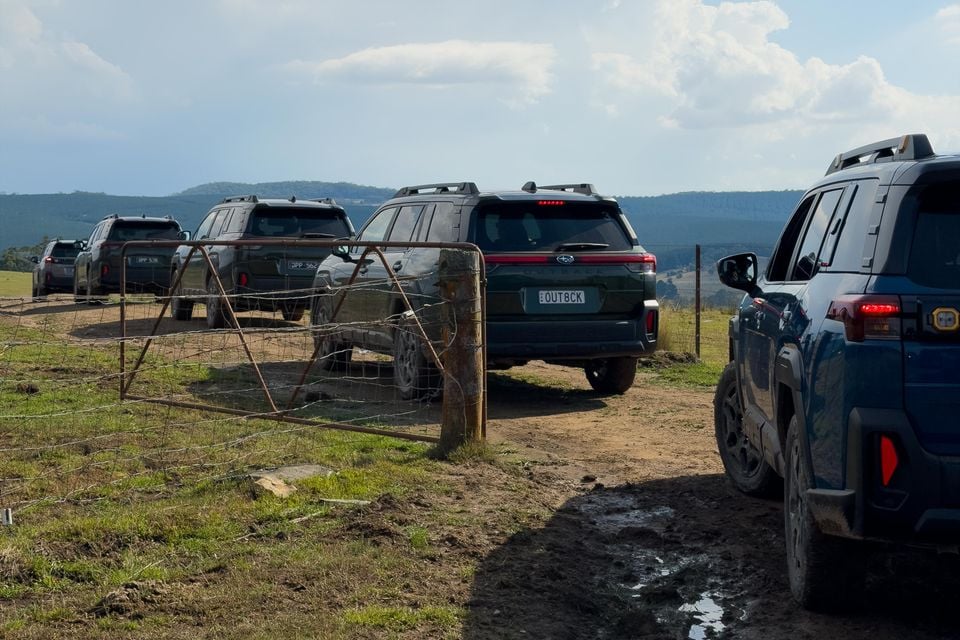
Our launch drive was a pretty comprehensive one, starting in Jamisontown in Greater Sydney’s west, then heading west through the Blue Mountains to Mount Panorama – no, there was no track drive around Bathurst (giggles).
We got the chance to spend time behind the wheel of both the base Outback AWD as well as the AWD Wilderness, with Subaru Australia hoping to showcase the core capability from lower grades both on- and off-road.
First up we’ll dive into the base Outback AWD, which is powered by the atmo 2.5-litre ‘Boxer’ engine and is the most affordable way into the Outback range in Australia.
No doubt on paper the standard Outback might seem a little underdone, but the Lineartronic CVT automatic and symmetrical AWD system help get the power down nicely and this circa-1.7-tonne family hauler shifts adequately.
Performance is linear and rev-happy while actual engine noise is well suppressed. It does need to be worked hard when pulling out onto country highways or up steeper hills, for example, but it gets the job done. Particularly in town, you probably don’t need the extra grunt of the turbocharged models.
We found the base Outback to be a touch more nimble as well as more refined than the Wilderness too, which isn’t down to tyres (because Aussie-spec Outbacks all wear Bridgestone Alenza road rubber), but potentially down to less wind resistance due to the lower ride height and perhaps better sound deadening.
At a cruise the engine settles into a relatively quiet hum, and the ride settles nicely. It’s a capable cruiser even in base spec, and as I’ll touch on later there’s a good level of baseline of assistance tech to take the load off longer stints.
Back to the ride for a moment. The base Outback doesn’t get adaptive dampers like the Wilderness, though the standard passively damped chassis has a firm-ish primary ride but a softer rebound, which keeps body control tight after initial impacts, but doesn’t feel terse as it recovers without bobbing about.
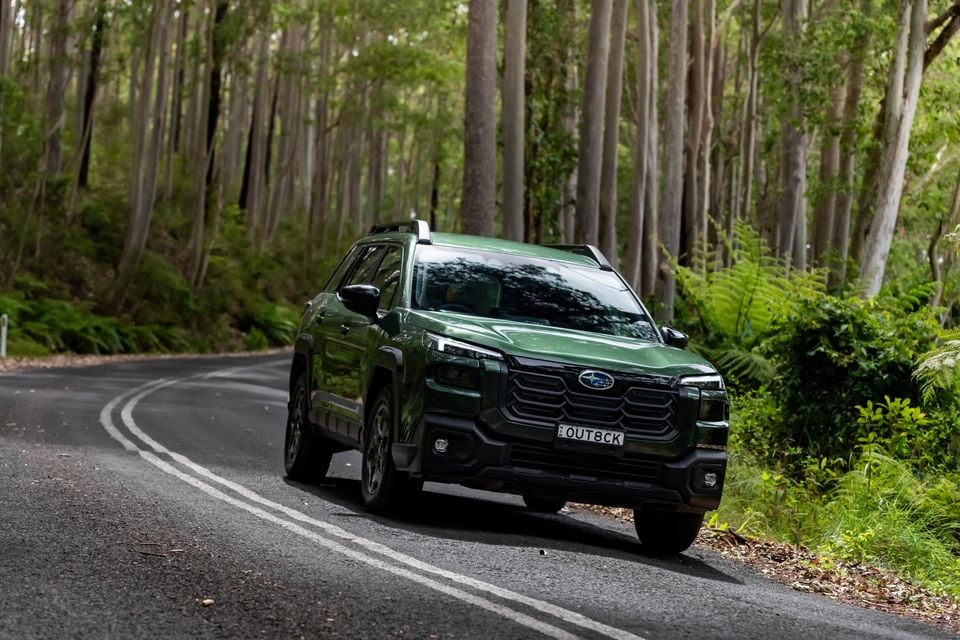
The new Outback picks up the WRX’s dual-pinion steering system which promises “extra precision and confident control”, and in practice offers quicker response and more natural feedback than before, which really helps make this big family bus feel quite nimble and wieldy even through tight, twisty B-roads.
Swapping into the Wilderness for an on-road stint, the feel from behind the wheel isn’t as different as you might expect.
The added ride height makes you feel a touch more elevated and there’s a bit more low-down response from the powertrain thanks to the extra 140Nm of torque from 2000rpm, rather than 3700rpm.
With that said, I’ve previously complained about turbocharged Subarus with the Lineartronic CVT, which feels like it saps the engine of character and feel, so it doesn’t feel all that much quicker than before – even if the speedo does appear to rise faster, particularly at the upper end.
Subaru has programmed eight ‘speeds’ into the CVT when using manual mode, but unless you’re at full throttle it just flares and drones and isn’t particularly engaging or fun to push harder.
Ready to buy? We’ll help you get a great deal.
If this is the car for you, we’ll compare offers from trusted dealers, handle the back and forth and manage your purchase from enquiry to delivery.
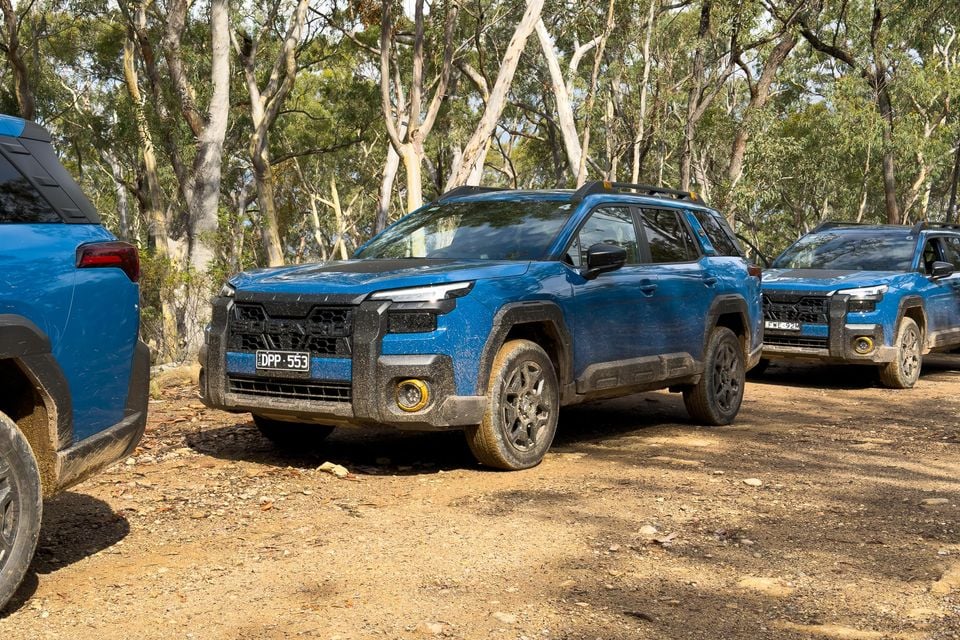
Our off-road stint scaled the rocky trails up to Dark Corner, between Lithgow and Bathurst.
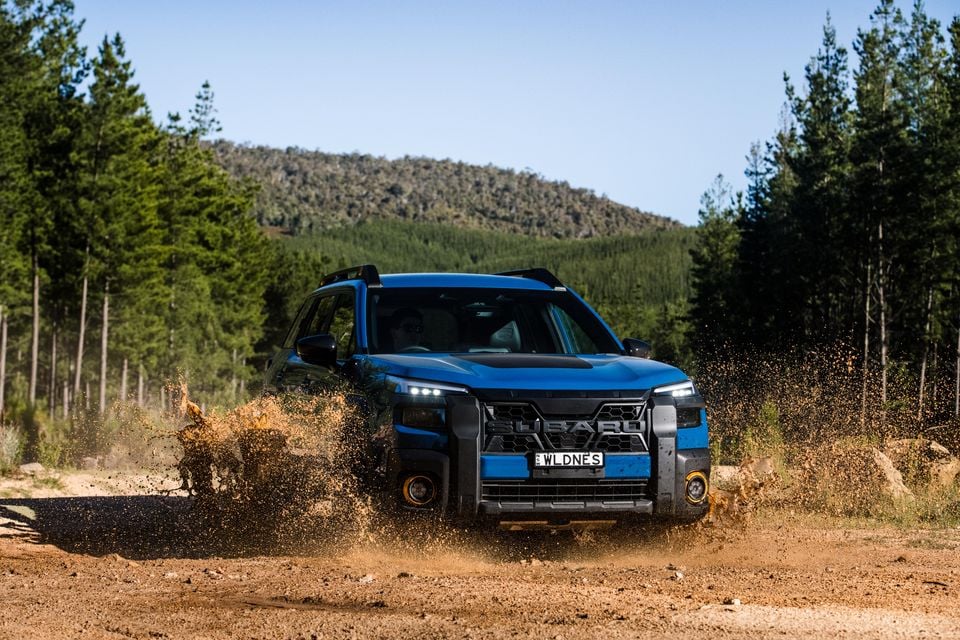
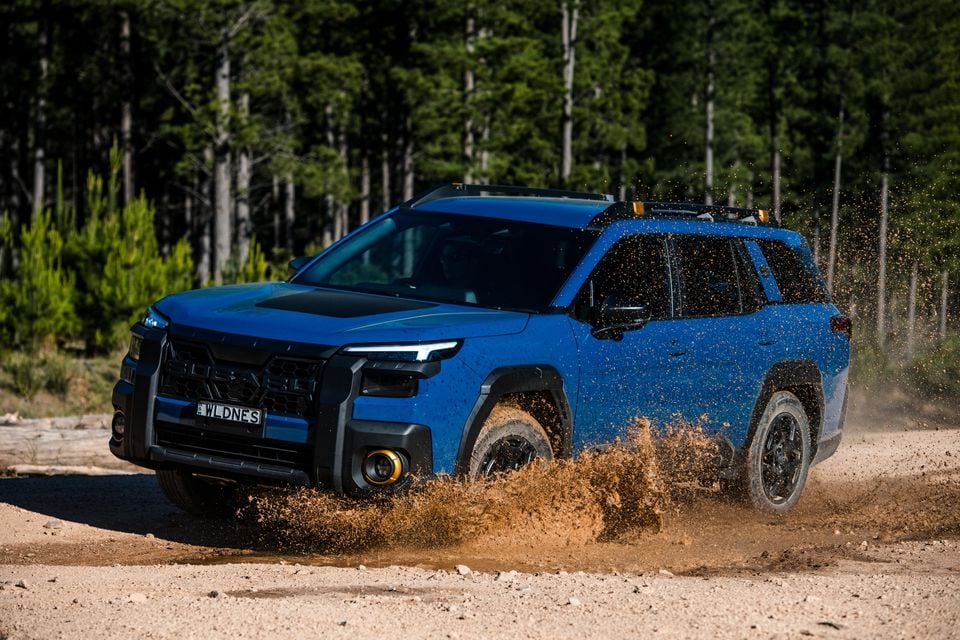
While it started off quite tame and flat, the off-road route quickly became steeper and rockier, and I was quite impressed with the base Outback’s capability given it went everywhere the Wilderness went.
All vehicles on test had 18-inch alloy wheels shod in Bridgestone Alenza 225/60 tyres, which are usually seen on more premium road-biased SUVs. This is especially peculiar for the Wilderness, given its adventurous marketing and the fact its sister model in North America gets smaller 17-inch wheels with all-terrain rubber.
Subaru says it’s considering a multitude of options and accessories for its new Wilderness sub-brand, so we could see something similar to the US model’s kit available here soon to unlock even more capability.
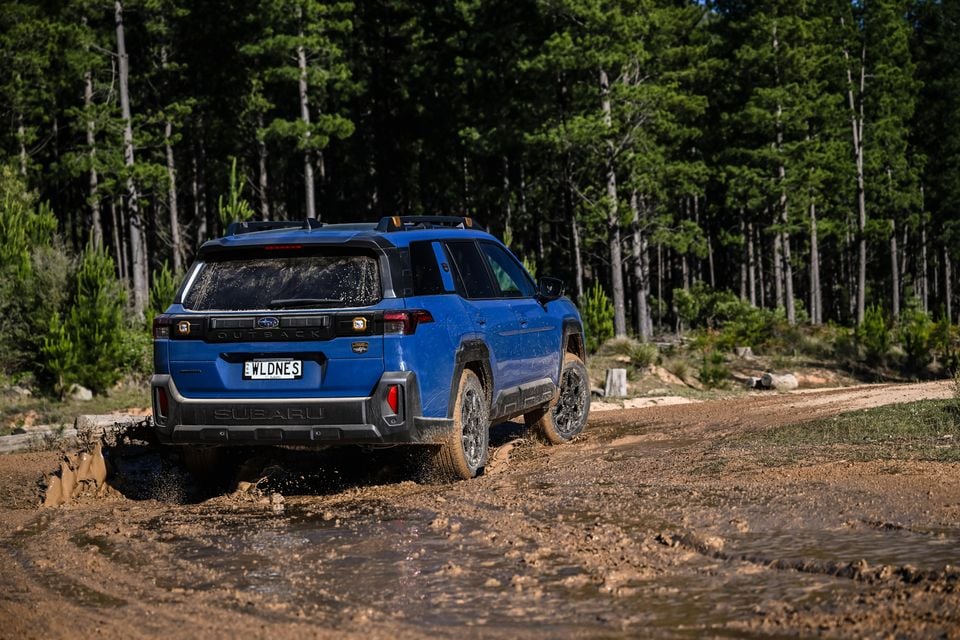
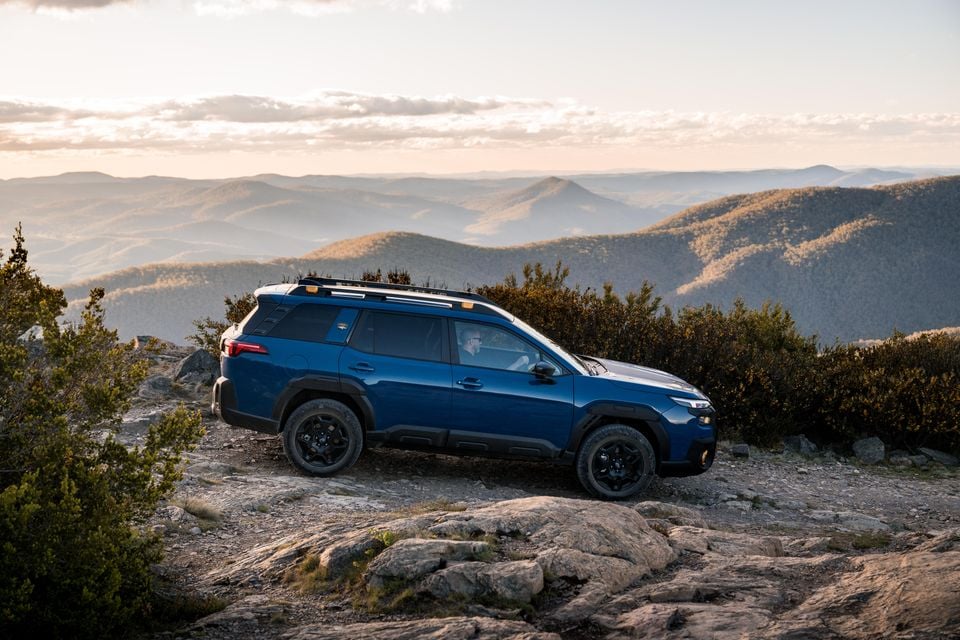
But for what it’s worth, the Outback offers plenty of off-road ability for most people. It's able to go where most soft-roaders wouldn’t dare to roam without compromising on-road comfort like a ladder-frame SUV does.
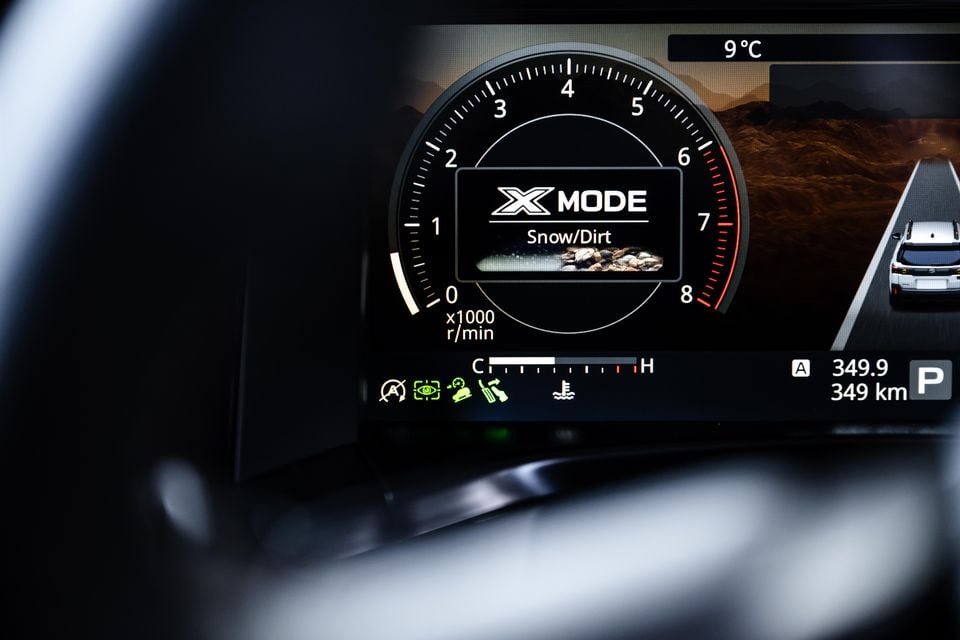
Even on road tyres there’s plenty of mechanical grip from the smart full-time AWD system, combined with decent ground clearance and Subaru’s X-Mode system, which adjusts the throttle, transmission, braking, stability and traction control systems to maximise grip.
The Wilderness adds a second mode for deep snow and mud on top of the standard dirt and snow mode, working in concert with the (Outback-first) electronically controlled dampers, which Subaru says were developed to “keep the body stable on rough ground while maintaining comfort on long journeys”.
Honestly, I didn’t really feel much of a difference with the adaptive damping, other than that it felt firmer than the standard passively damped car at times. The hill descent function of X-Mode proved helpful for longer descents and over crests, and also ensured the Outback didn’t just spin its wheels over slippery, rocky ascents.
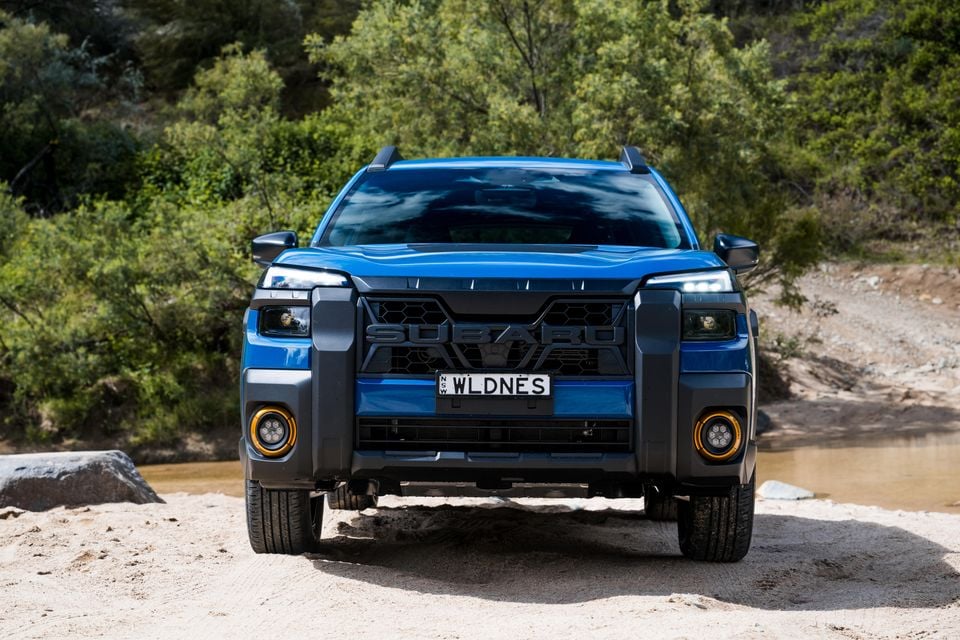
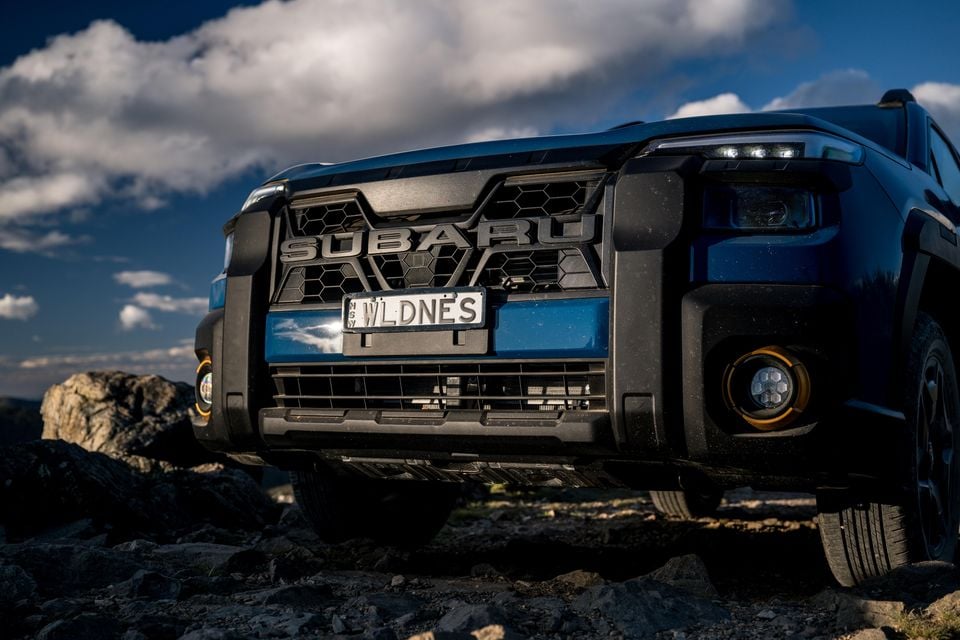
That said, the extra ground clearance of the Wilderness (240mm vs 220mm), and in turn its improved approach, departure and breakover angles, meant there was less thought needed while traversing larger rocks and ruts, which inspires confidence when travelling off the beaten track – as does the front bumper under-guard to avoid damaging the delicate oily bits.
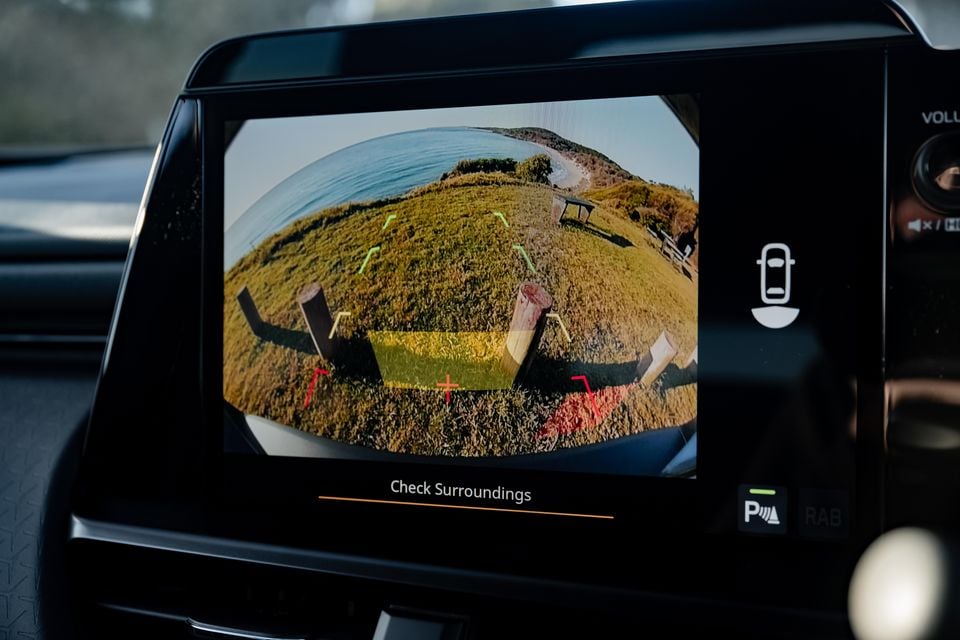
Other things to note are the decent outward visibility through the tall, square glasshouse and big side mirrors, though the lack of a standard surround camera system means you can’t look through a forward-facing camera when going over a crest, for example.
Speaking of assists, the Outback comes pretty well equipped, with adaptive cruise control, lane centring assist, blind-spot and rear cross-traffic alerts all being generally well-calibrated and useful in real-world use, at least in our limited experience.
While the audible driver attention monitoring system can be a touch overbearing if it thinks you’re looking away from the road for too long – often just because you’re glancing over at the central touchscreen or at one of the side mirrors – there’s also a new Emergency Driving Stop System which will safely pull the vehicle over if the driver is incapacitated while using cruise control.
| Off-road dimensions | Outback | Outback Wilderness |
|---|
| Track front and rear | 1585mm (front)
1610mm (rear) | 1575mm (front)
1600mm (rear) |
| Ground clearance | 220mm | 240mm |
| Approach angle | – | 20.0º |
| Departure angle | – | 23.6º |
| Ramp breakover angle | – | 21.2º |
| Wading depth | – | – |
To see how the Subaru Outback lines up against the competition, check out our comparison tool
What do you get?
A total of five trim levels are available in Australia – three naturally aspirated, two turbocharged.
2026 Subaru Outback AWD equipment highlights:
- 18-inch alloy wheels (dark metallic finish)
- Full-size spare wheel
- Automatic LED headlights (steering-responsive)
- LED front fog lights
- Rain-sensing wipers
- Power-folding side mirrors
- Ladder-style roof rails
- Black synthetic leather upholstery (NEW)
- 8-way power driver’s seat with lumbar
- Leather-wrapped gear selector
- Leather-wrapped steering wheel
- Black interior stitching
- 12.3-inch digital instrument cluster (NEW)
- 12.1-inch infotainment display (NEW)
- Wireless Apple CarPlay
- Wireless Android Auto
- DAB+ digital radio
- 6-speaker sound system
- 1 x USB-A port
- 1 x USB-C port
- Dual-zone climate control
- Steering wheel paddles
- Power tailgate
- X-Mode drive mode
Outback AWD Premium adds:
- Heated steering wheel
- 8-way power passenger seat
- Heated front seats
- Satellite navigation
- Electric sunroof
Outback AWD Touring adds:
- 18-inch alloy wheels (machined gloss finish)
- Auto-dipping, auto-folding side mirrors
- Black Nappa leather upholstery
- Brown Nappa leather upholstery – optional
- Ventilated front seats
- Heated rear outboard seats
- Four-way driver’s seat lumbar support
- Driver’s seat position memory
- Silver interior stitching
- Wireless phone charger
- 12-speaker Harman Kardon sound system
- Auto-dimming rear-view mirror
Subaru Outback AWD Wilderness equipment highlights:
- 18-inch alloy wheels (matte black finish)
- Unique exterior and interior design with Wilderness branding
- Front bumper under guard
- Unique LED front fog lights
- 2100kg braked towing capacity
- 240mm ground clearance
- Adaptive suspension
- Black water-repellent upholstery
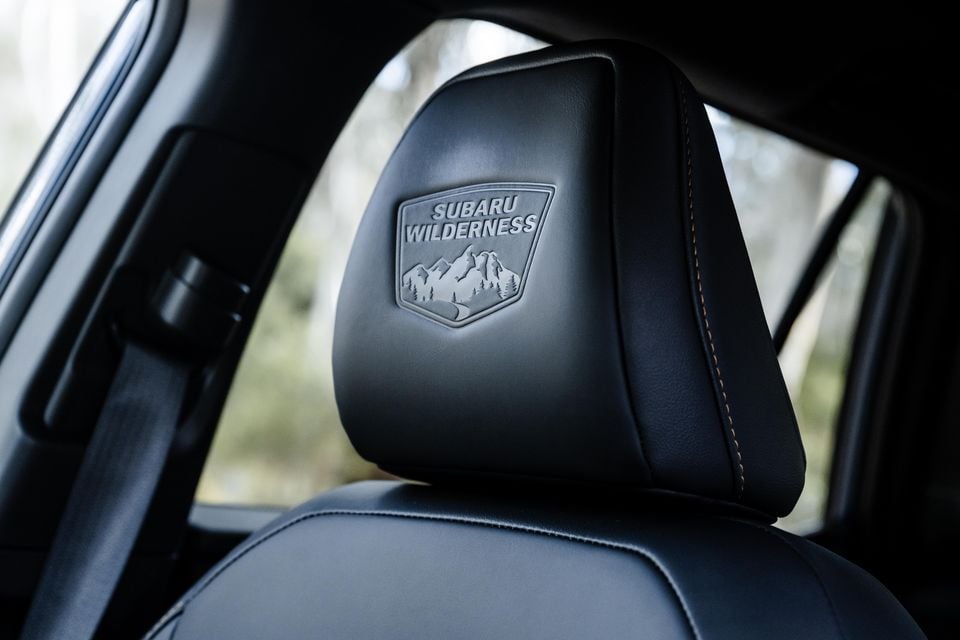
- Wilderness embossing on head restraints
- 8-way powered driver’s seat with lumbar
- Heated rear outboard seats
- Yellow interior stitching
- 'Wilderness theme' digital instrument display
- Wireless phone charger
- Auto-dimming rear-view mirror
- Copper-colour interior and exterior accents
- Dual tailpipes
- X-Mode drive mode (2 modes)
Outback Wilderness AWD Apex adds (over Wilderness):
- Electric sunroof
- Satellite navigation
- 12-speaker Harman Kardon sound system
To see how the Subaru Outback lines up against the competition, check out our comparison tool
Is the Subaru Outback safe?
The 2026 Subaru Outback has yet to be crash-tested by ANCAP or its sister organisation Euro NCAP and is therefore unrated.
Standard safety equipment highlights:
- 9 airbags incl. front-centre
- Adaptive cruise control
- Active torque vectoring
- Autonomous emergency braking
- Blind-spot monitoring
- Driver monitoring system (NEW)
- Lane-keep assist
- Rear cross-traffic alert
- Reverse parking sensors
- Reversing camera
- Subaru EyeSight
- Wide-angle monocular camera (NEW)
- Emergency Driving Stop System (NEW)
- Subaru Vision Assist
- Blind-spot monitoring
- Rear cross-traffic alert
- Reverse AEB
- Front-side radar (NEW)
- Traffic sign recognition
- Tyre pressure monitoring
Outback Premium adds:
- Front view monitor
- Side-view monitor
- Surround-view camera
Outback Touring adds:
- Active lane-change assist (NEW)
- Driver monitoring system with auto side mirror and driver’s seat adjustment (NEW)
Outback Wilderness Apex adds:
To see how the Subaru Outback lines up against the competition, check out our comparison tool
How much does the Subaru Outback cost to run?
Like the wider Subaru range, the Outback is covered by a five-year, unlimited-kilometre warranty.
| Servicing and Warranty | Subaru Outback |
|---|
| Warranty | 5 years, unlimited kilometres |
| Roadside assistance | 12 months |
| Service intervals | 12 months or 12,500km (excl. Wilderness)
12 months or 15,000km (Wilderness) |
| Capped-price servicing | 5 years |
Service costs are dependent on the powertrain.
| Service | Outback | Outback Wilderness |
|---|
12 months, 12,500km (excl. Wilderness)
12 months, 15,000km (Wilderness) | $347.92 | $347.14 |
24 months, 25,000km (excl. Wilderness)
24 months, 30,000km (Wilderness) | $526.90 | $526.12 |
36 months, 37,500km (excl. Wilderness)
36 months, 45,000km (Wilderness) | $402.89 | $402.11 |
48 months, 50,000km (excl. Wilderness)
48 months, 60,000km (Wilderness) | $702.60 | $701.82 |
60 months, 62,500km (excl. Wilderness)
60 months, 75,000km (Wilderness) | $370.90 | $370.12 |
| Average annual service cost | $470.24 | $469.46 |
| Total capped-price service cost | $2351.21 | $2347.31 |
To see how the Subaru Outback lines up against the competition, check out our comparison tool
CarExpert’s Take on the Subaru Outback
The latest instalment in the 30-year story of the Subaru Outback should remain appealing to loyalists of the family crossover wagon, provided they gel with the more distinctive looks of the latest generation.
It’s as big and spacious as ever, and retains the signature Boxer rumble that fans have come to know and love. The feel on the road is familiar and surprisingly nimble for such a large car, and it gobbles up miles while offering a comfortable and pretty refined ride on the open road.
And, as Outback owners have come to expect, when you run out of tarmac the Outback will be able to go where most of its fellow soft-roaders will be too scared to travel, with an impressive level of capability out of the box which, in theory, should be more than enough for most people, negating the need to step up to a ladder-frame off-road SUV.
But it’s not without its drawbacks. Even if you don’t mind the looks, the largely carryover engines don’t do much to move the game forward in terms of performance nor efficiency, and Subaru’s reliance on CVT autos saps the life out of the rumbly, rev-happy engines that power its cars.
The price rises of the new generation haven’t gone unnoticed either, and the reservation of some key convenience features for higher grades – ie: navigation and surround cameras – seems a little stingy to me.
Having tackled some pretty tough trails in both the naturally aspirated Outback and its more rugged Wilderness stablemate, I do question the need to spend more than $10,000 over the base car to get the jacked-up model, even if it unlocks turbocharged performance and more adventure-ready bits – it's also a shame the Australian model lacks the all-terrain wheel and tyre package of its North American equivalent.
The base car has more than enough capability baked in, and the naturally aspirated engine doesn’t feel that much worse off than the turbo model in terms of on-road performance and refinement. Really, I think Subaru should bring back XT-badged versions of the standard Outback to offer the turbo engine in non-Wilderness grades.
Unless you’re towing or planning on scaling rocky hill climbs often, the standard Outback has plenty to offer, and in one-up-from-base Premium trim there’s a great balance of features for the spend – which remains substantially less than a similarly specified rival.
CarExpert can save you thousands on a new Subaru Outback. Click here to get a great deal.
Click the images for the full gallery
MORE: Explore the Subaru Outback showroom











 Automotive Vehicle Spec Data & 4K images Powered by JATO Dynamics Ltd