






Damion Smy
Ram 2500 Warlock brings Hemi V8 back to Australia
The famous Hemi V8 is returning to Ram’s Australian lineup for the first time in almost two years, under the bonnet of the heavy-duty 2500 Warlock.
5 Hours Ago
Slick technology, striking design, a comfortable interior, engaging dynamics – the new-generation BMW iX3 ticks a lot of boxes.
If this is the car for you, we’ll compare offers from trusted dealers, handle the back and forth and manage your purchase from enquiry to delivery.
It’s surprisingly not all that often that an automaker launches a truly new model. But that’s just what the BMW iX3 is.
The second-generation mid-size electric SUV might as well wear a different name, given just how different it is from its predecessor.
It debuts BMW’s new Neue Klasse dedicated electric vehicle (EV) platform, a new electrical architecture, new battery technology, and a new design language including a radically different interior featuring, among other changes, a sweeping pillar-to-pillar digital display.
Unlike its Chinese-built predecessor, it offers all-wheel drive, and it’s the all-wheel drive 50 xDrive that debuts the new iX3 in Australia.
Customer deliveries have already commenced, while a more affordable rear-wheel drive 40 variant will follow in the fourth quarter (October to December) of 2026.
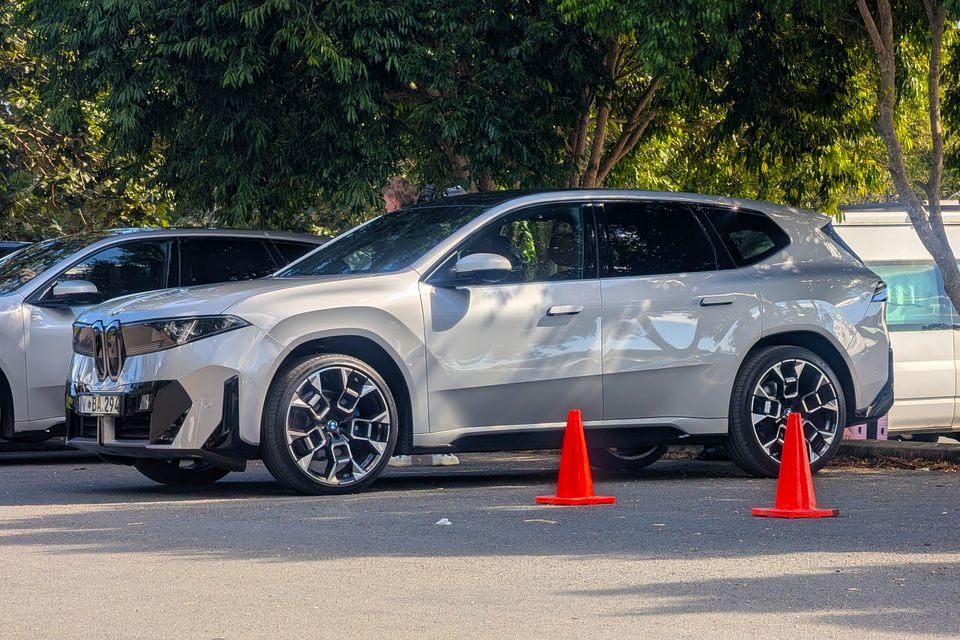
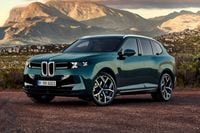
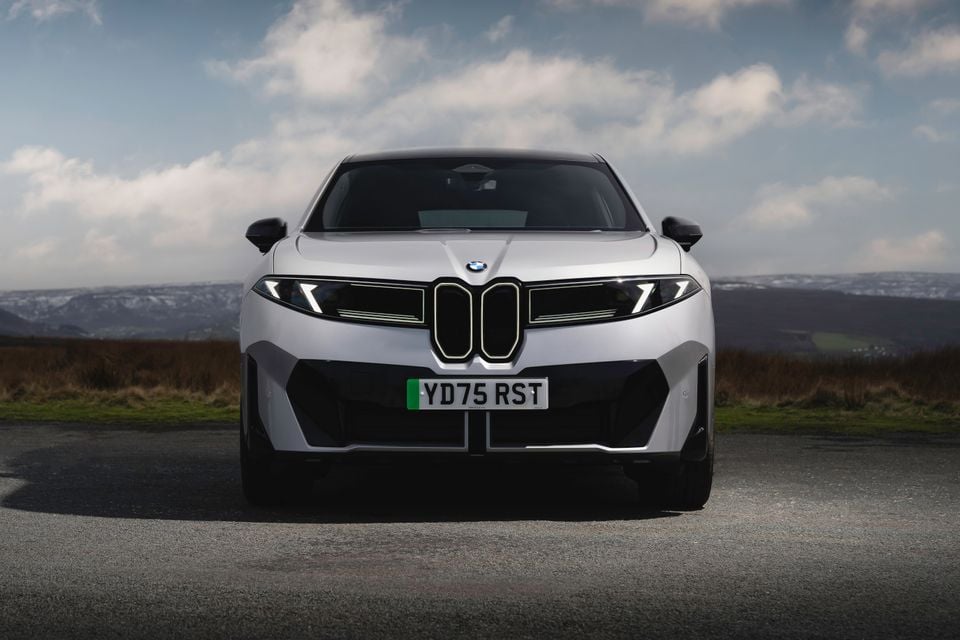
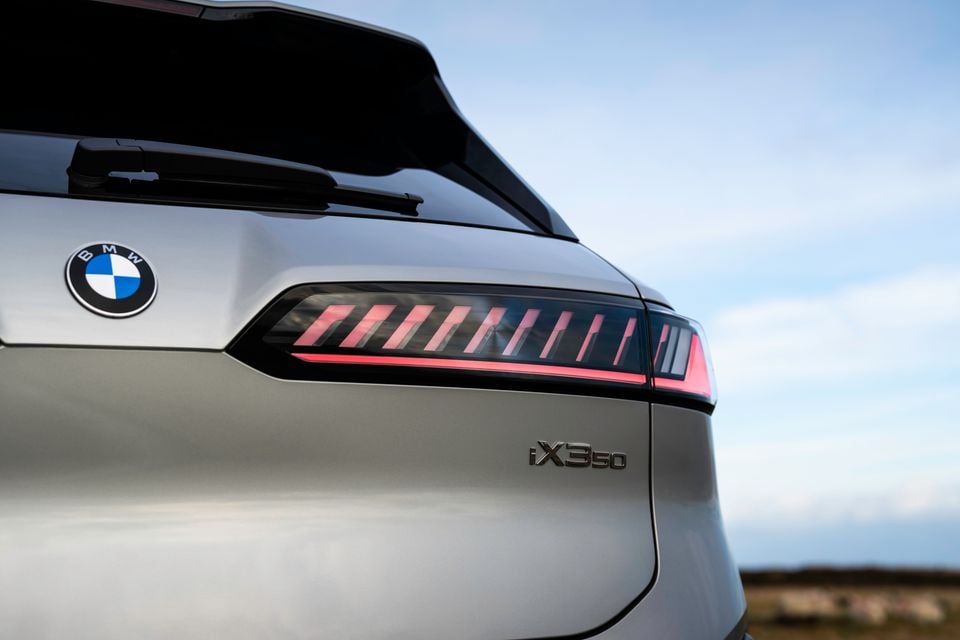
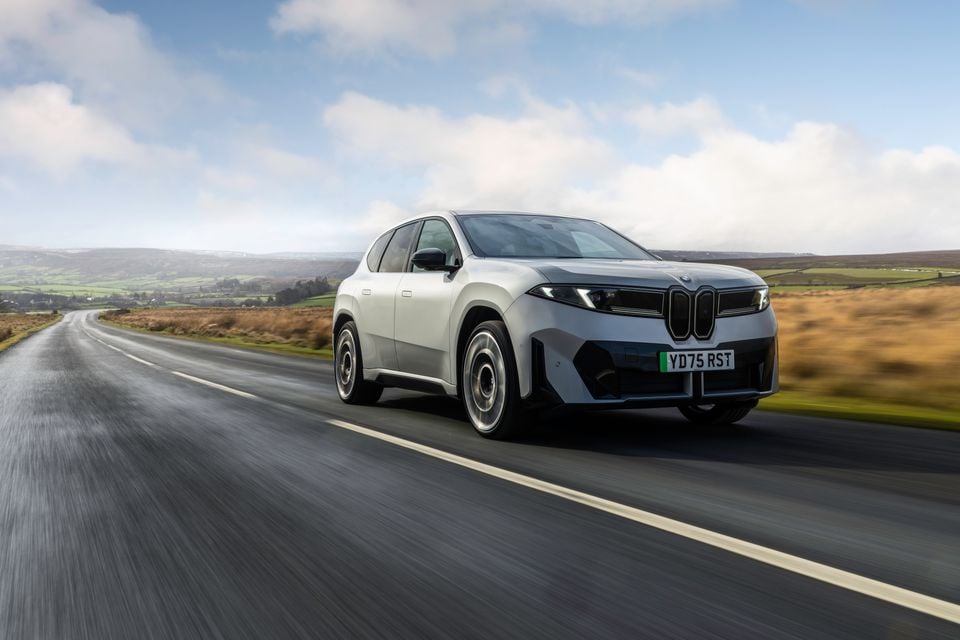
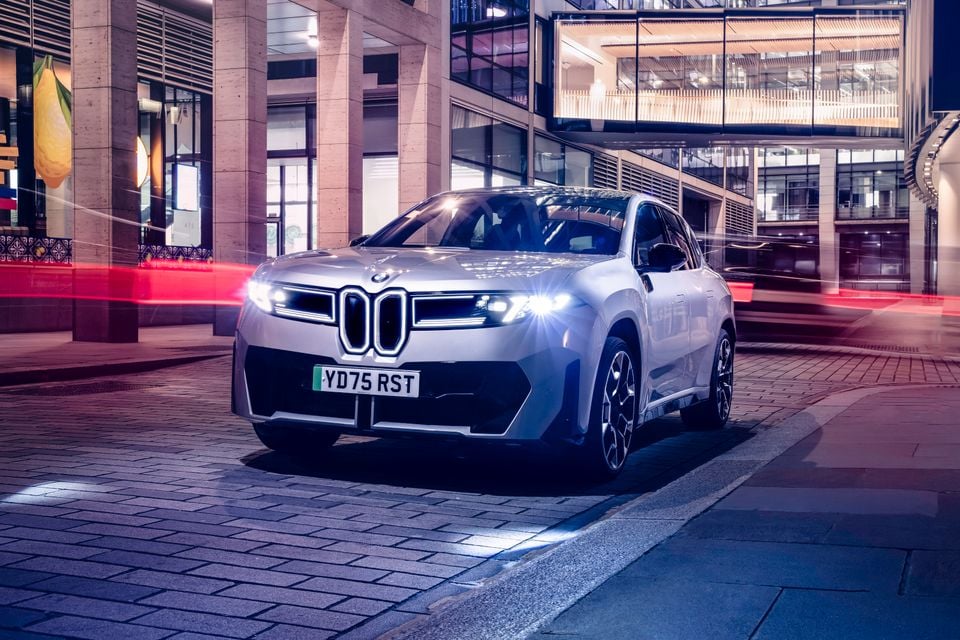
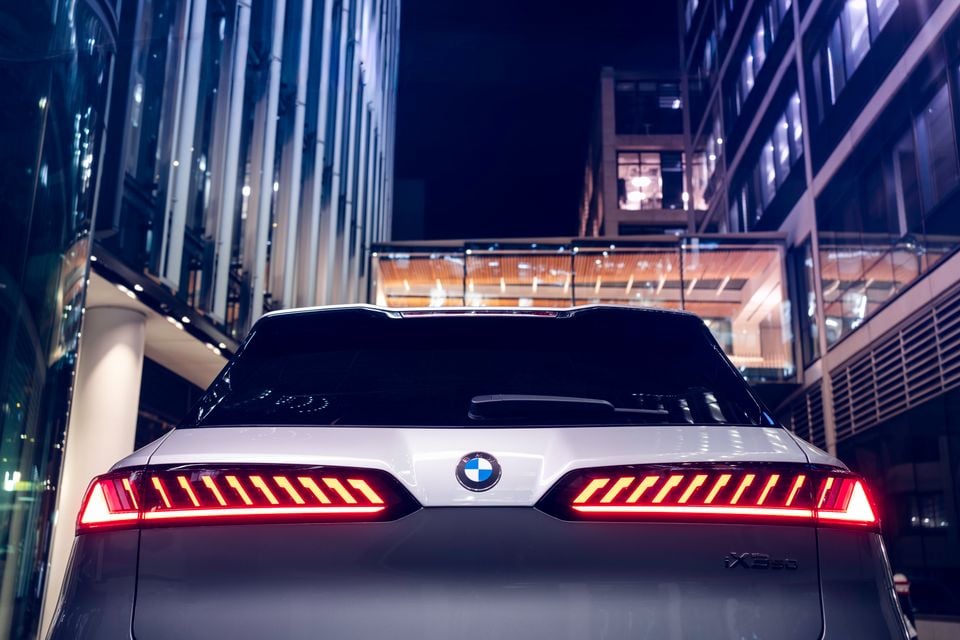
The iX3 can’t be mistaken for any other car on the road, not even the combustion-powered X3 mid-size SUV that sits alongside it in the same showroom.
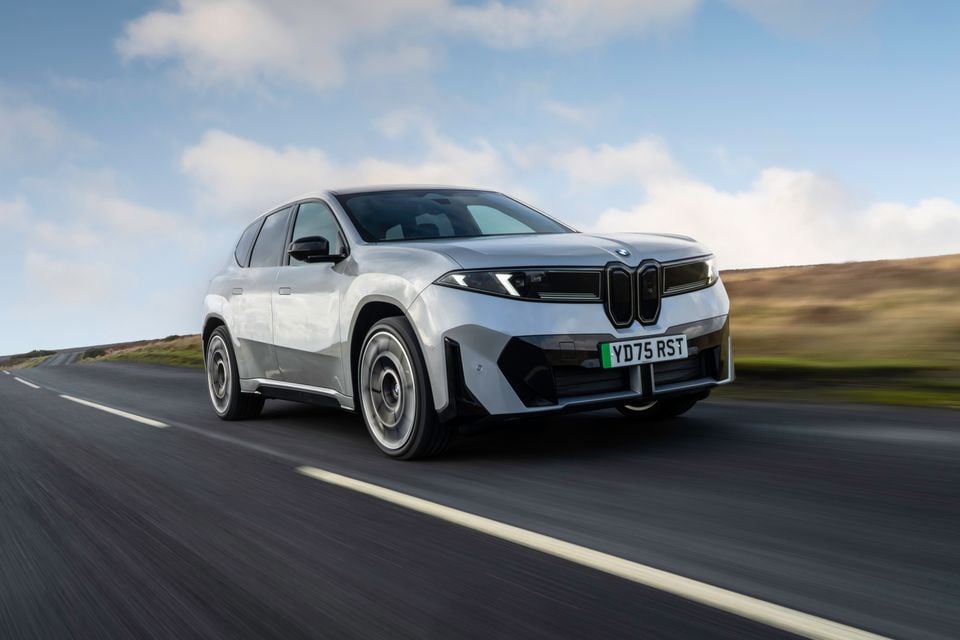
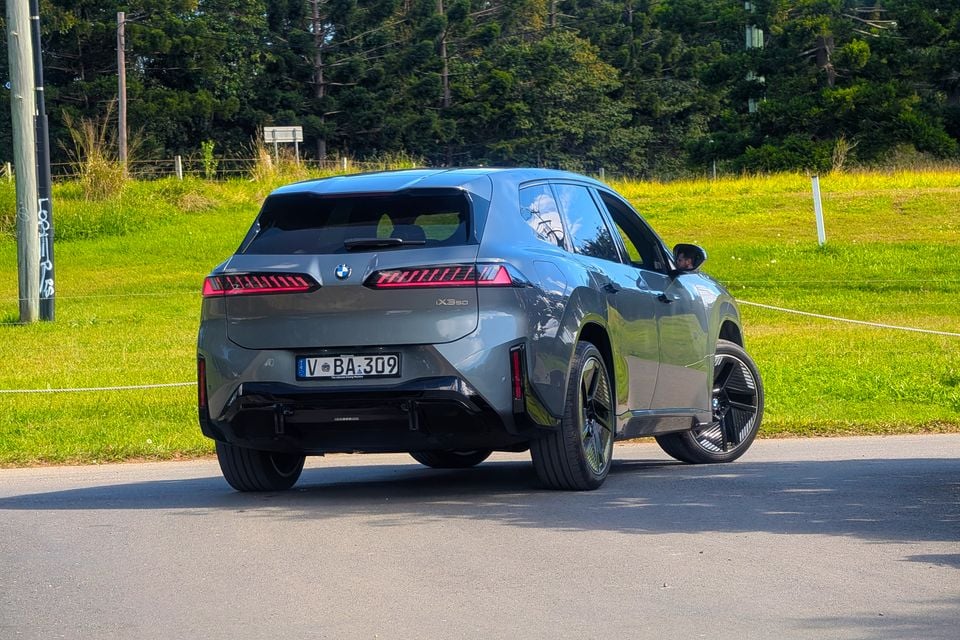
It’s made the transition from concept to production vehicle with precious few changes and, if you have any reservations about the styling, I urge you to check out the vehicle in person. To my eyes, it all comes together nicely.
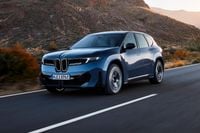
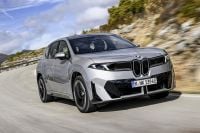
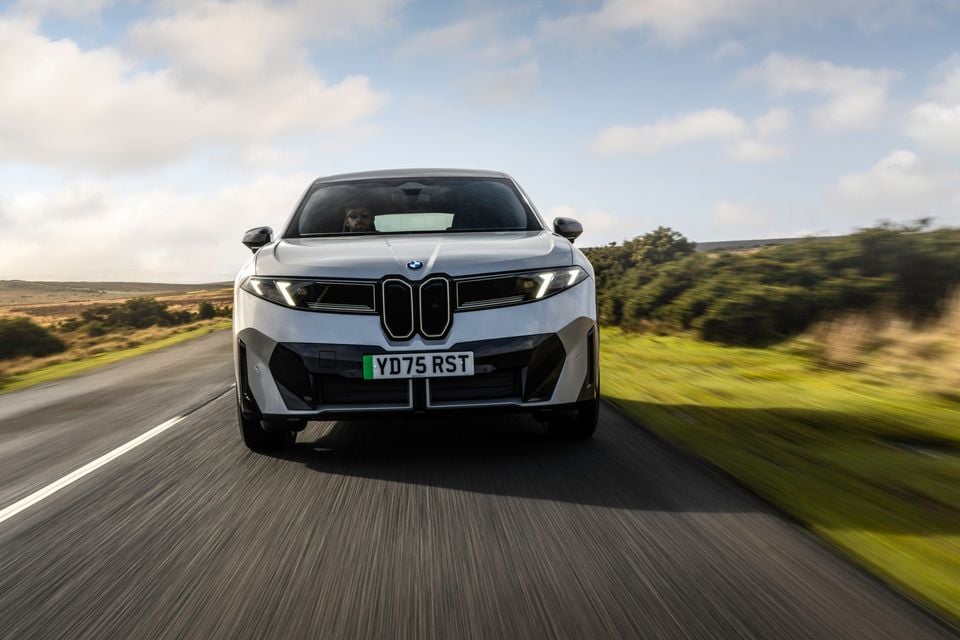
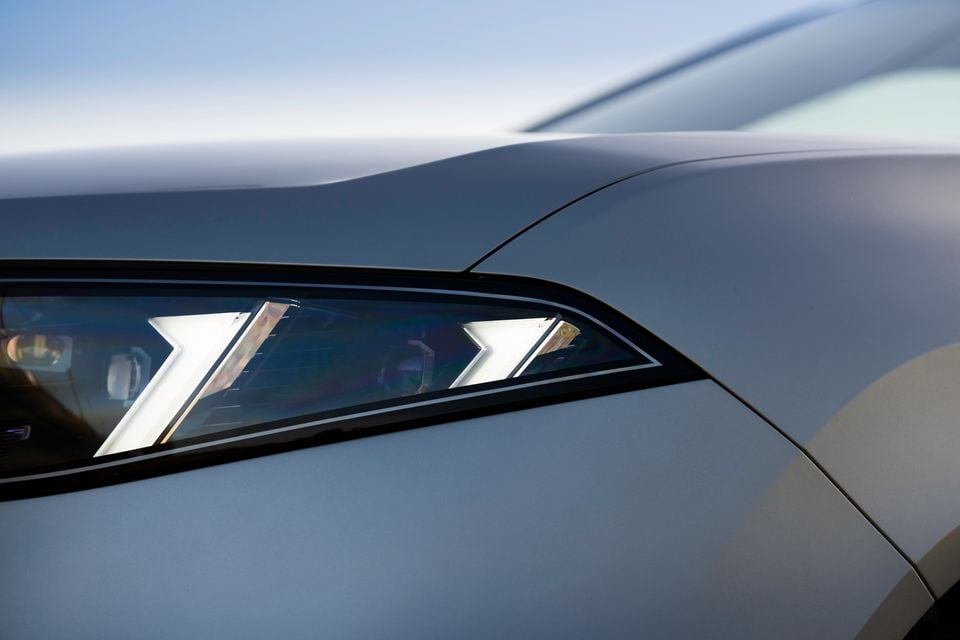
The slim double-kidney grille is a nod to the original Neue Klasse cars that helped save BMW, while the flanks are smooth and the haunches muscular. It doesn’t look overstyled, and is more athletic looking than the melted-looking iX. We’d love to see an M version…
Aerodynamic performance is aided by a closed and smooth underbody, active shutters and air curtains. The drag coefficient is an excellent 0.24Cd, which BMW points out is even less than the old i8 sports car (0.26Cd) – therefore demonstrating the brand’s progress.
There are also flush door handles which can pulsate back and forth to free themselves from ice. Very cool, though unlikely to be a functionality used much in Australia.
All iX3s in Australia come with either the M Sport or optional M Sport Pro package, such is Australian BMW buyers’ predilection for these packages. For me, they enhance the iX3’s exterior styling, so the ‘standard’ iX3 probably won’t be missed.
The iX3 enters arguably the most competitive part of the premium EV market but, with a headline range figure and a bold look inside and out, it’s blowing in like a brisk wind. Should rivals be worried?
The BMW iX3 50 xDrive is priced at $109,900 before on-road costs, while the upcoming 40 costs $89,900 before on-roads.
| Model | Price before on-road costs |
|---|---|
| 2026 BMW iX3 40 | $89,900 |
| 2026 BMW iX3 50 xDrive | $109,900 |
The 40, which has a smaller battery and rear-wheel drive but the same level of standard equipment, slides under the current Luxury Car Tax (LCT) threshold and is therefore eligible for Fringe Benefits Tax exemptions.
There’s a raft of rivals for the iX3. When looking specifically at the 50 xDrive, direct rivals with all-wheel drive include the following models:
Audi doesn’t currently offer an all-wheel drive version of its rival Q6 e-tron priced below the $150,000-plus SQ6 e-tron.
To see how the BMW iX3 lines up against the competition, check out our comparison tool
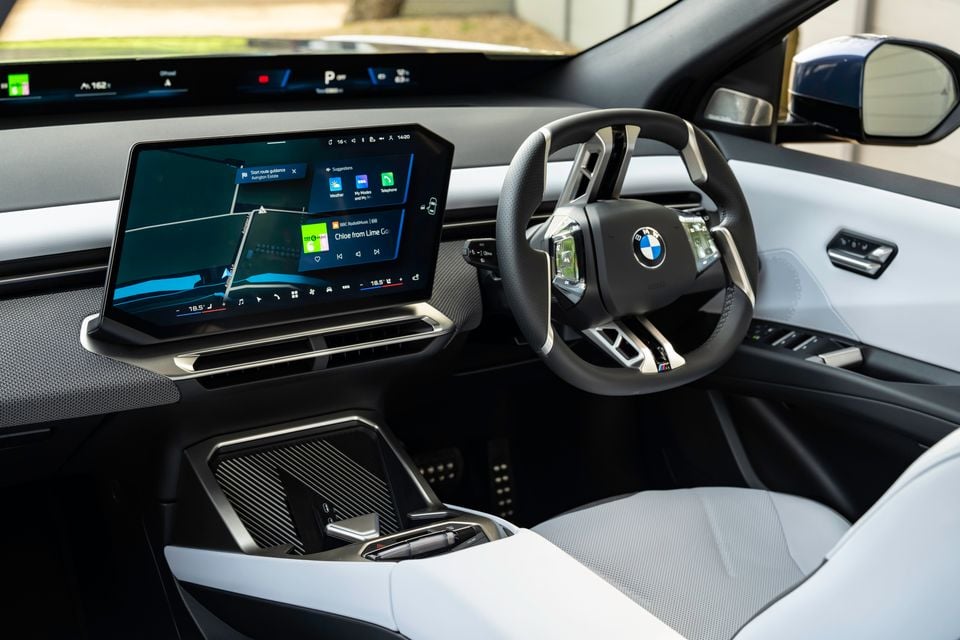
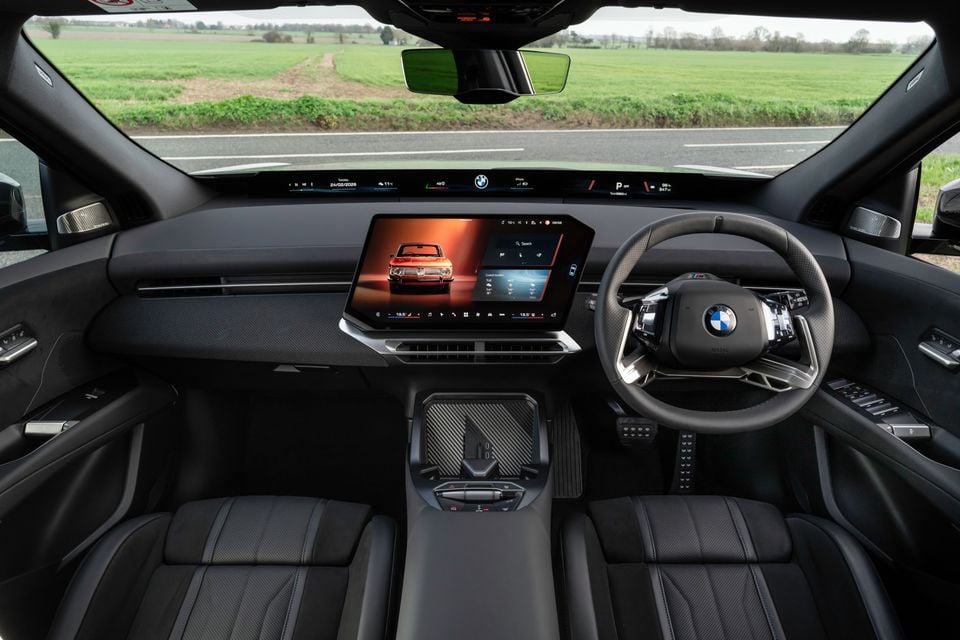
This interior is the most dramatic departure for the BMW brand since it launched the first iDrive system in 2001.
Even with the introduction of iDrive, the overall layout of BMW interiors didn’t dramatically change, despite there being a new way – a rotary dial – to control functions and navigate the screen.
That dial is nowhere to be found in the new iX3, and physical buttons and switches have been largely shown the door, too.
The headline act of the iX3’s interior is the new Panoramic Vision display, a 43.3-inch unit running along the base of the windscreen from A-pillar to A-pillar. It’s not a screen but rather three separate projection panels, and you can customise these to display information typically found in a digital instrument cluster, including speed, time and date, and trip data.
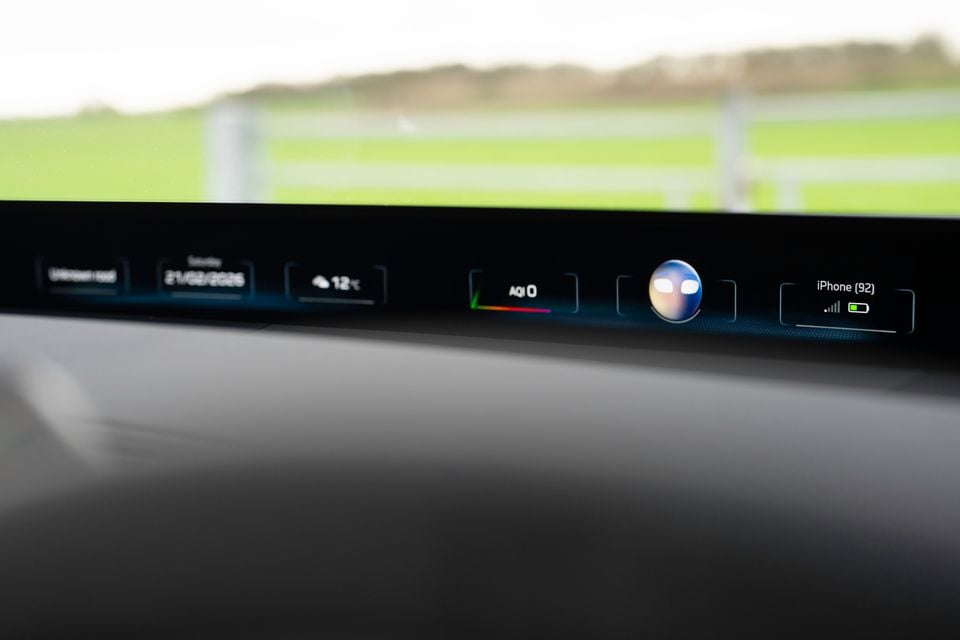
Its inclusion helps keep your eyes on the road ahead, and all Australian-delivered iX3s come with a head-up display so you scarcely need to look away from the road at all. I found I just looked at the head-up display instead of the Panoramic Vision display, but that means it’s also not distracting.
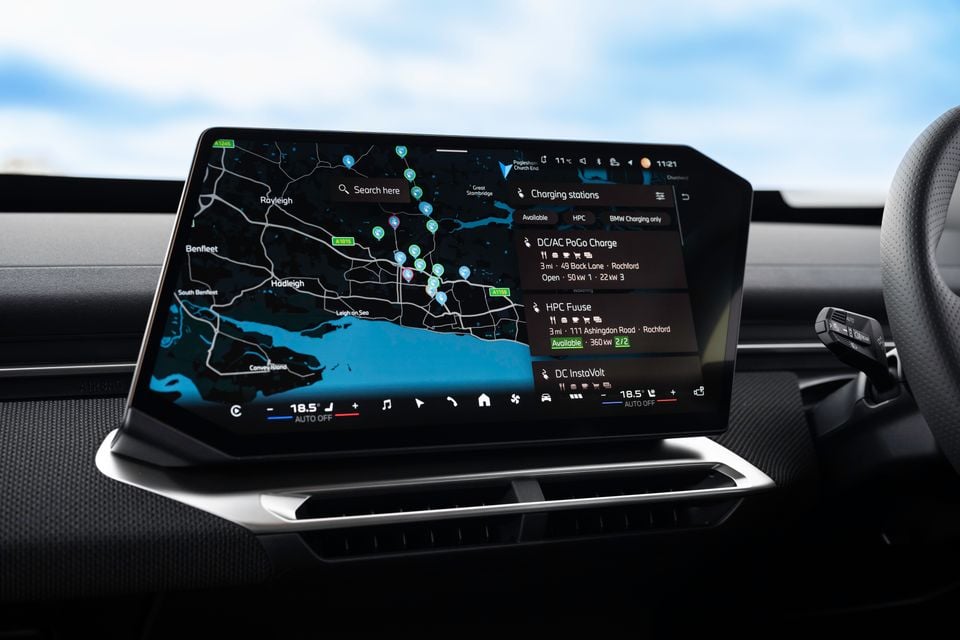
The removal of a traditional digital instrument cluster means the only way to view a map in the iX3 is to look at the central touchscreen, and that’s one function I might miss if I owned an iX3.
Nevertheless, you still get turn-by-turn directions in the head-up display, and the touchscreen is excellent.
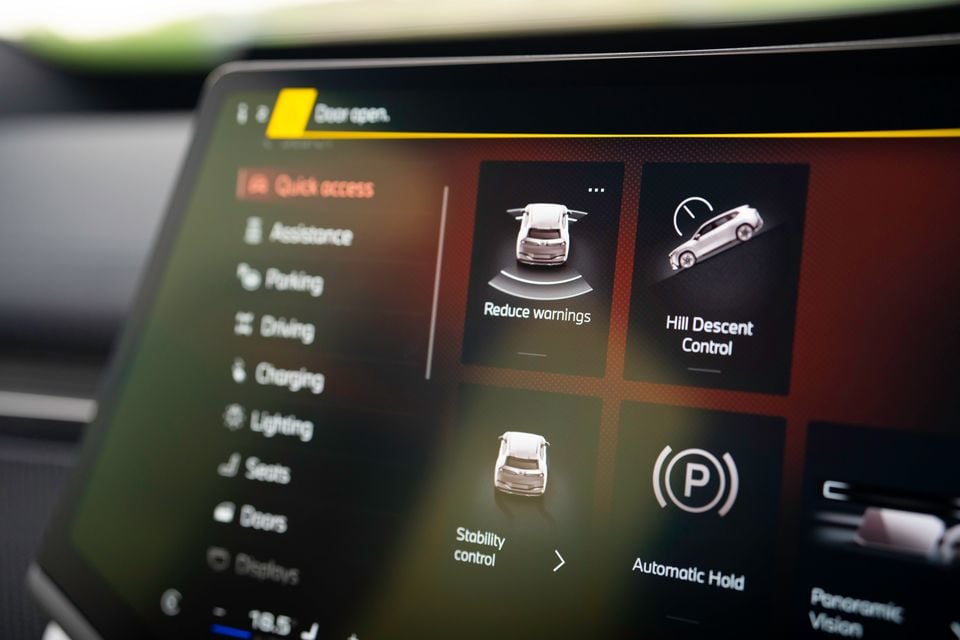
Running the new BMW Operating System X and measuring 17.9 inches, the touchscreen has an unusual shape that, coupled with the distinctive user interface, makes this look so much more interesting than some modern cars that have what look like tablets stuck to their dashes.
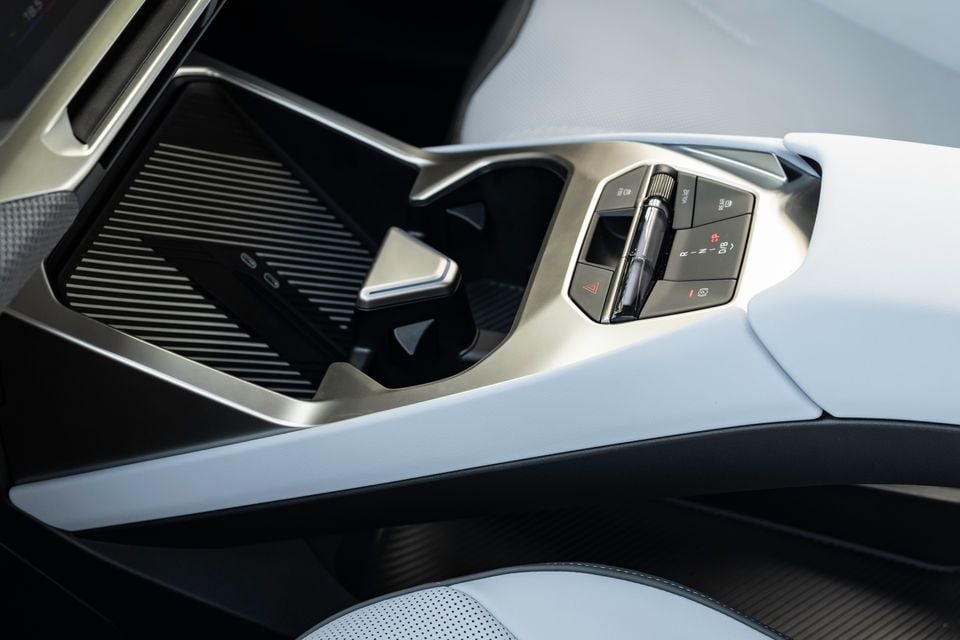
There’s an anchored shortcut bar at the bottom with climate controls, but you won’t find any physical controls on the centre stack. On the centre console, there’s just a handful of buttons, including for the demisters, park brake and hazard lights; there’s also a slide wheel for volume adjustment.
Some functions require a few button presses on the touchscreen, but there’s a voice assistant as well to make things easier when you’re driving.
Surround-view camera quality is excellent, but BMW has frustratingly employed a reversing camera with a distorted, fish-eye-like effect as you may have seen in some Porsches.
Below the touchscreen is an upright wireless phone charger and a pair of 45W USB-C outlets. It’s nice these are so easy to reach instead of being buried in the second level of the centre console.
Said shelf provides space for oddments, though it’s not particularly large – small purses only, please.
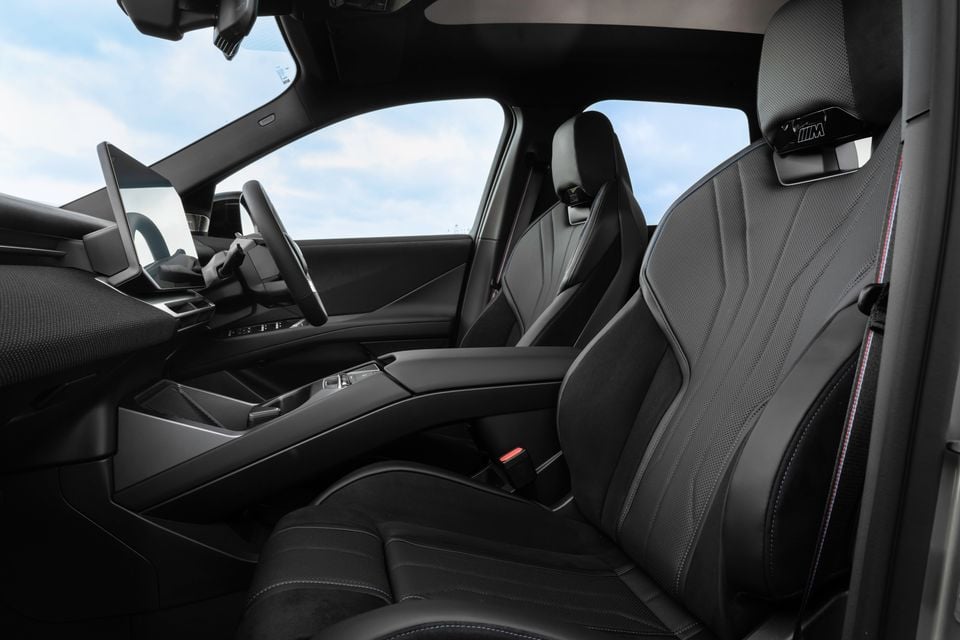
BMW gives you a lot of options. In Australia, there are three different steering wheel designs, plus a choice of 10-way M Sport or 8-way ‘Multifunctional’ front seats, both of which offer memory, massage and heating.
M Sport seats have electric head restraint adjustment and manual thigh support adjustment, and offer improved lateral support. Indeed, they kept us securely in place through some winding roads.
Frustratingly, there’s no availability of ventilated seats in any market, despite BMW offering these in the X3. Here’s hoping these are added come mid-life update time.
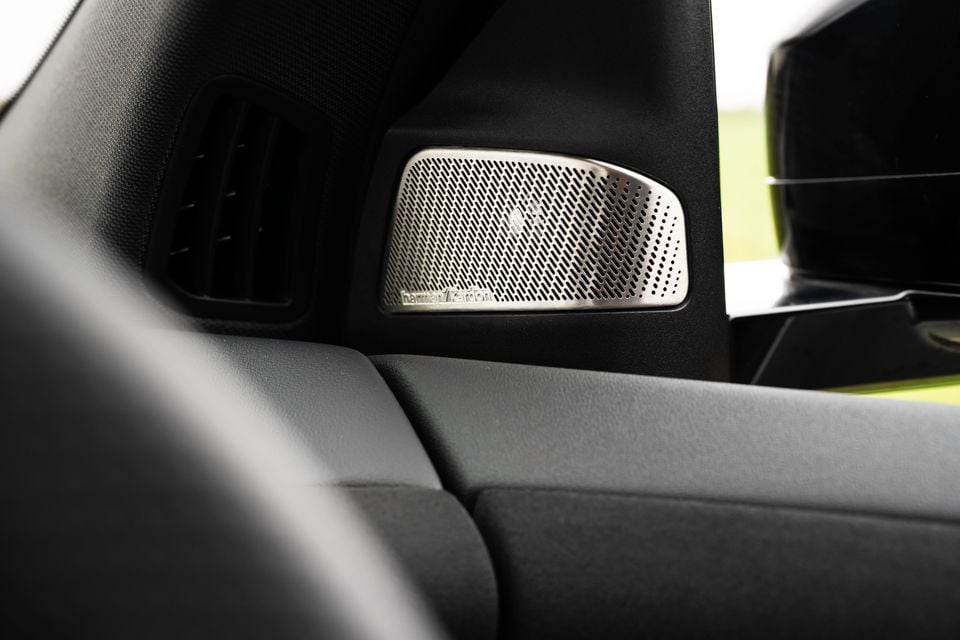
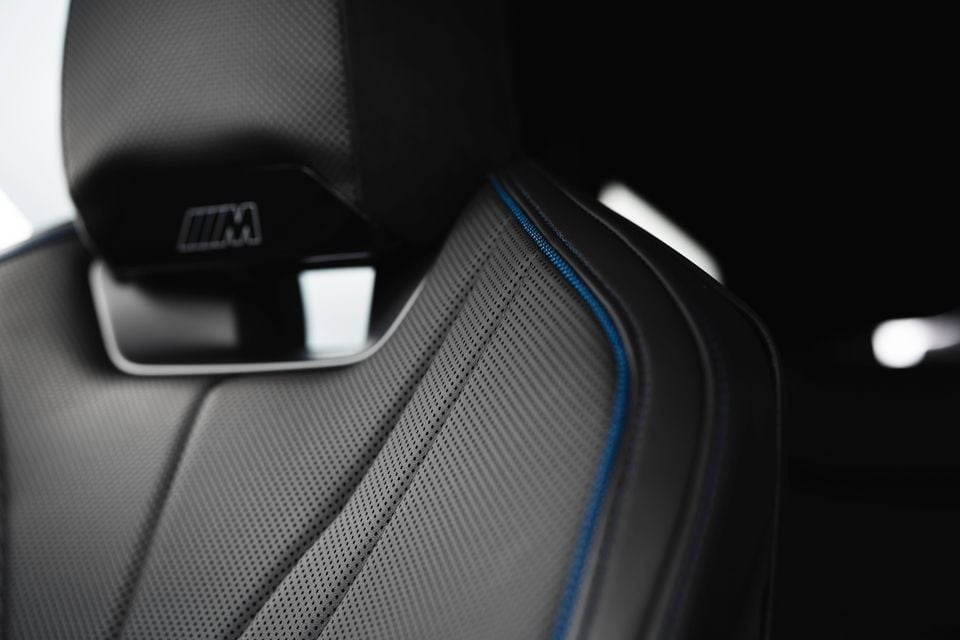
There’s a range of interior colourways, including black, Digital White, Agave Green and Castanea (a terracotta-type colour).
You can choose between Veganza leatherette (with or without PerformTex suede-like highlights) or extra-cost Merino leather upholstery for the seats, and depending on the interior you select you’ll find Veganza or PerformTex on the dashboard and doors.
Fabric trim runs across the dash no matter the configuration, though what this fabric looks like can vary. It provides a funky, modern touch, particularly with the colour backlighting. We’re also happy to report-gloss black trim is essentially nowhere to be found.
Hard plastic trim can be found on the lower reaches of the dash and doors, and the door pockets lack any kind of rubber or felt lining to help prevent items from loudly clattering around within. Otherwise, almost everything is soft to the touch. One does wonder how well the fabric or Alcantara-like trim might look with age; ditto the available white steering wheel.
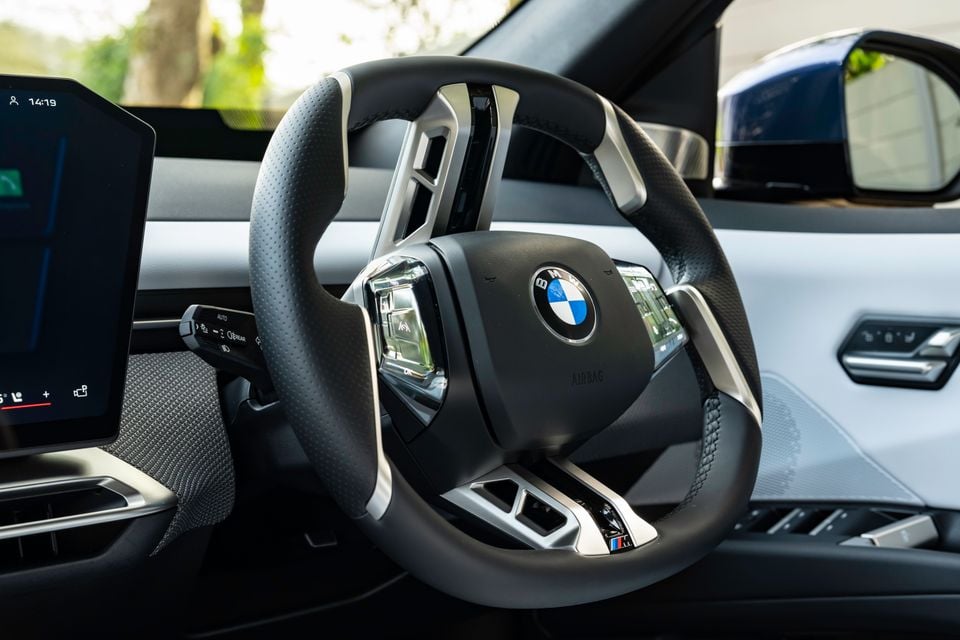
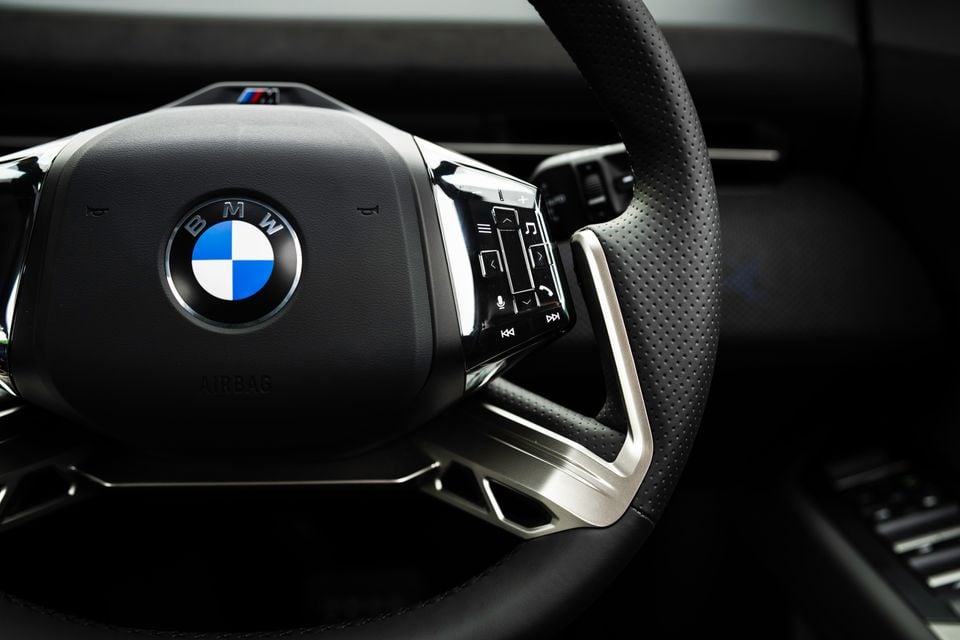
All three steering wheel designs available locally – plus a fourth ‘base’ wheel, offered overseas – feature what BMW calls ShyTech controls. This means a button only appears when a function is available, for example the Assisted Parking system when you’re driving at low speeds, or the Assisted Driving system when you’re out on the open road.
The M Sport Pro has a more traditional design than the standard M Sport wheel, which features four spokes with two being vertical.
The steering wheel switchgear is easy to use, though the button used as an ‘Enter’ key on the right-hand spoke is very narrow and sometimes requires a second push.
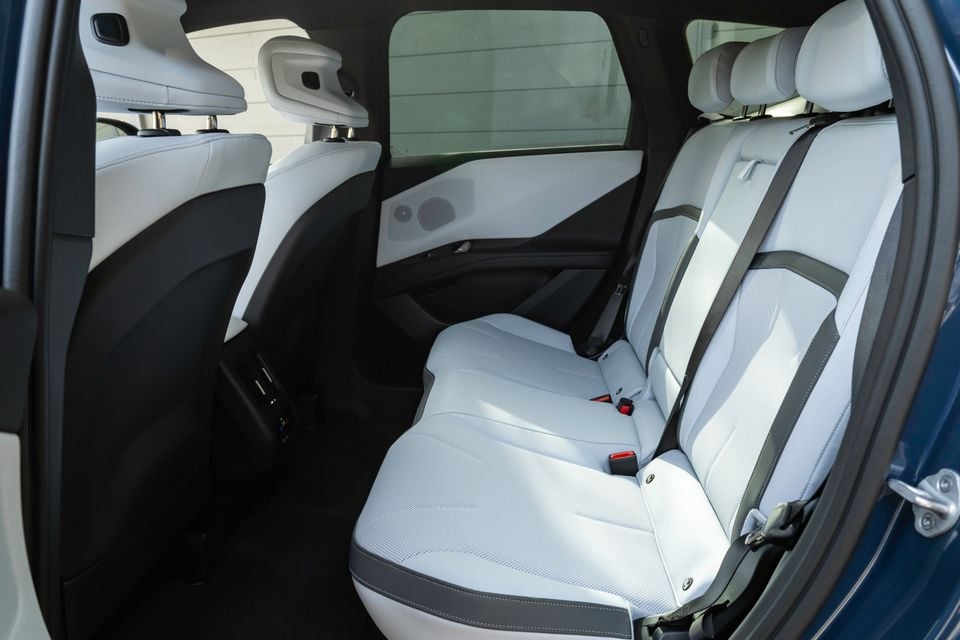
Step into the back and there’s a comfortable bench seat with plenty of space in every direction, and a floor that’s almost completely flat. While the iX3 is technically narrower than the X3, you’ll scarcely notice the difference.
There are air vents and USB-C outlets back here, plus a fold-down centre armrest with cupholders. There are also what BMW calls Travel & Comfort connectors on the seatbacks, which are physical mounting points you can use to attach items like tablet holders and coat hangers.
You can install child seats using one of the three top-tether or two ISOFIX anchor points.
Oddly, there are no map pockets back here, and grab handles are conspicuously and frustratingly absent. Some scratchy plastic on the front seatbacks lets down the ambience a tad, too.
The panoramic glass roof is claimed to deliver 100 per cent UV-A and UV-B protection, and its tinting stopped the cabin from baking in the sun when parked. The caveat here is it wasn’t a particularly sunny day, so we’ll have to get behind the wheel of an iX3 come summertime and see just how effective the roof is at blocking Aussie rays.
There’s no trick polymer dispersed liquid crystal (PDLC) technology to allow you to electrochromatically adjust the roof and make it opaque with the touch of a button, as you can in the iX. There’s also no sunblind as standard, though BMW offers one as an optional accessory.
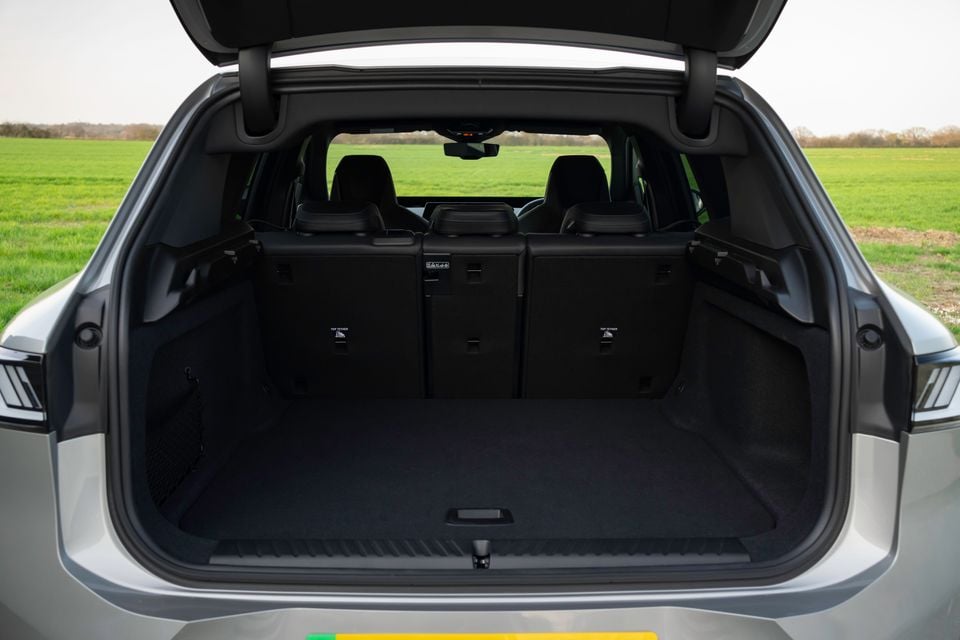
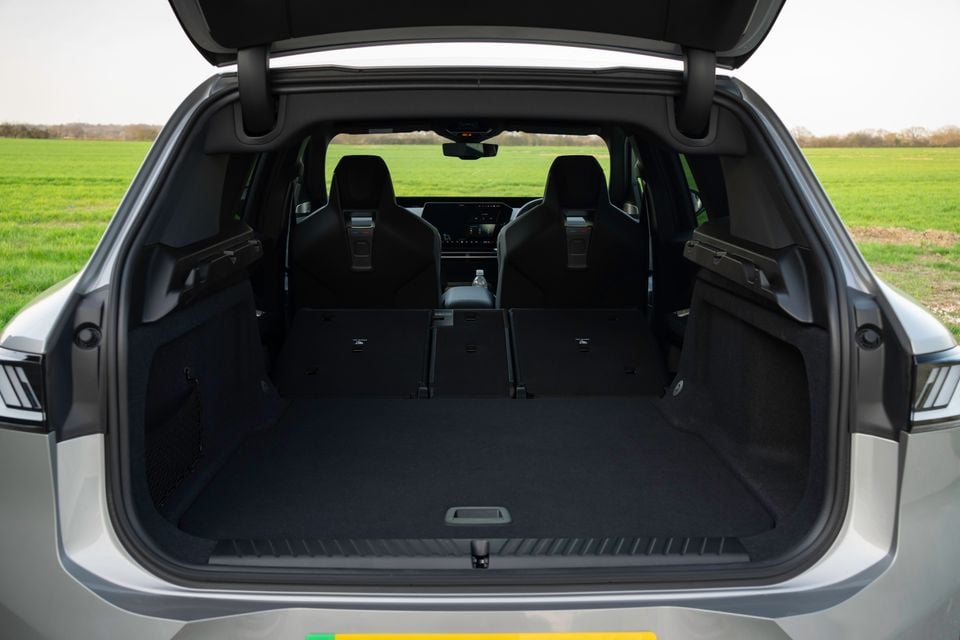
Open the power tailgate and there’s 520 litres of cargo capacity, more than the previous iX3 but less than the rival Audi Q6 e-tron and Porsche Macan. As is sadly expected of an EV, there’s no spare wheel.
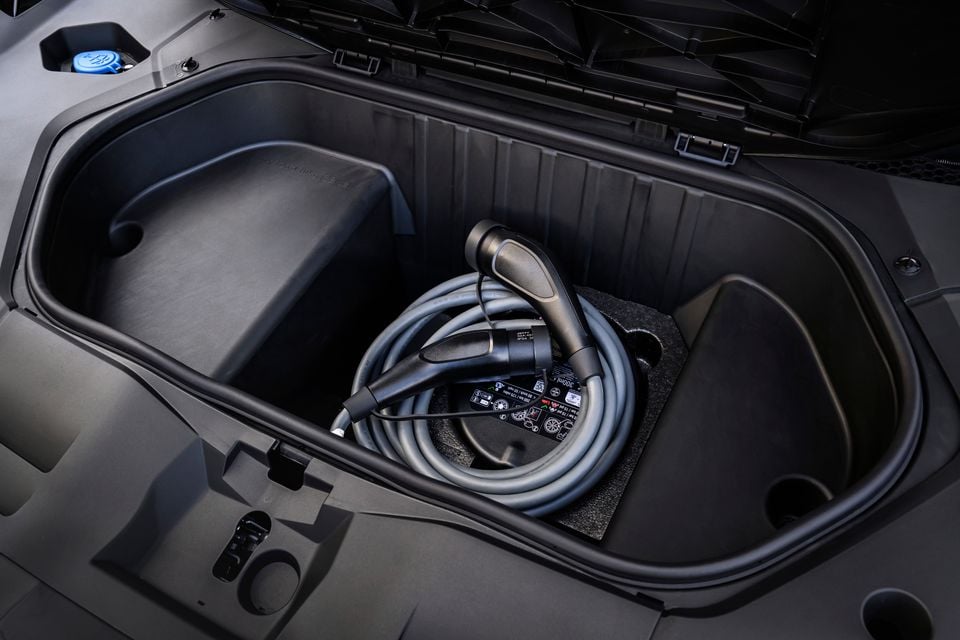
Surprisingly, the new iX3 is only the second BMW since the original i3 to offer a storage compartment under the bonnet. This has 58L of volume, and gives you a neat place to store charging cables.
| Dimensions | BMW iX3 |
|---|---|
| Length | 4782mm |
| Width | 1895mm |
| Height | 1635mm |
| Wheelbase | 2897mm |
| Cargo capacity | 520L – rear seats up1750L – rear seats folded58L – under bonnet |
To see how the BMW iX3 lines up against the competition, check out our comparison tool
With 805km of range on the WLTP cycle, the iX3 50 xDrive well and truly has all its rivals beat.
If this is the car for you, we’ll compare offers from trusted dealers, handle the back and forth and manage your purchase from enquiry to delivery.
| Specifications | iX3 40 | iX3 50 xDrive |
|---|---|---|
| Drivetrain | Single-motor electric | Dual-motor electric |
| Battery | 82.6kWh (net) Nickel Manganese Cobalt | 108.7kWh (net) Nickel Manganese Cobalt |
| Power | 235kW | 345kW |
| Torque | 500Nm | 645Nm |
| Drive type | RWD | AWD |
| Kerb weight | 2085kg | 2285kg |
| 0-100km/h (claimed) | 5.9 seconds | 4.9 seconds |
| Energy consumption (claimed, WLTP) | TBD | 15.1-18.8kWh/100km |
| Energy consumption (as tested) | n/a | 18.3kWh/100km |
| Claimed range (WLTP) | 635km | 805km |
| Max AC charge rate | 22kW | 22kW |
| Max DC charge rate | 300kW | 400kW |
The 50 xDrive features the brand’s sixth-generation eDrive tech, and incorporates a 108.7kWh net/113.4kWh gross battery pack with nickel manganese cobalt chemistry and new cylindrical battery cells. BMW claims these offer 20 per cent greater energy density than its Gen5 prismatic battery cells.
While BMW has only published a WLTP range figure for the iX3 with its standard 20-inch alloy wheels, it says a rule of thumb for range is a five per cent decrease with every added inch in wheel size. It also notes the aero versions of its wheels offer about 5-6km more range than the non-aero versions.
Across close to 200km of driving at the local launch, predominantly on high-speed rural roads, we observed energy consumption of 18.3kWh/100km.
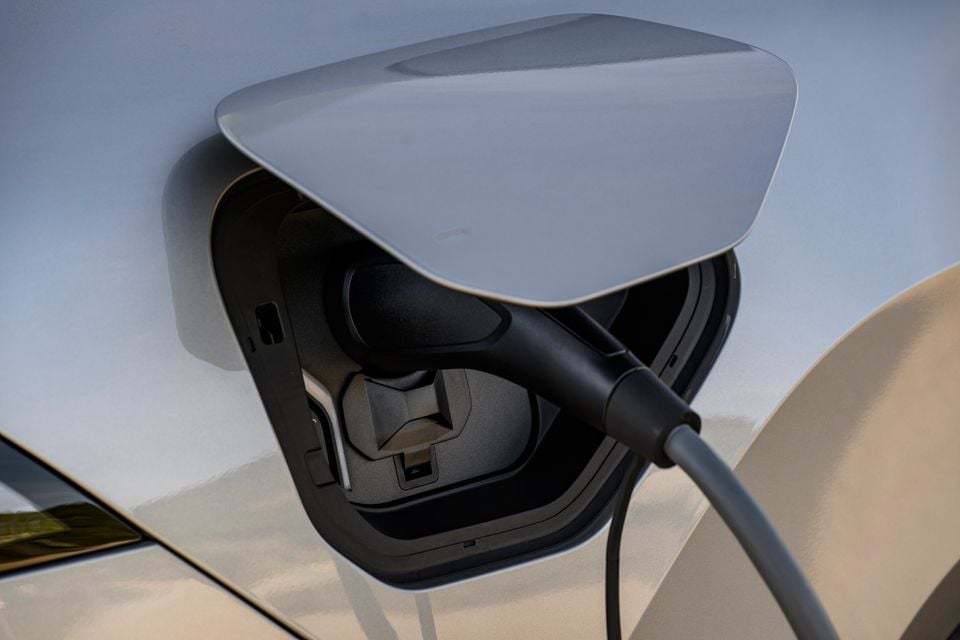
When it comes time to charge, BMW has introduced an Intelligent Charging Flap which can open the door to the charge port if you’re approaching a charging point programmed into the navigation, or one saved to the vehicle’s memory.
It’ll also automatically close after a few seconds if no plug is plugged in, while AI learning will allow the iX3 to determine other opportune moments to open the charge door.
To see how the BMW iX3 lines up against the competition, check out our comparison tool
BMW has spoken at great length about all the bits and pieces under the skin that are intended to make this iX3 an excellent performer, including its in-house-developed Heart of Joy – one of four ‘superbrains’ in the new electric SUV.
This memorably named control unit is responsible for the drivetrain, brakes, energy recuperation and steering, and BMW claims it can process information up to 10 times faster than conventional control units.
That’s all well and good, but how does the iX3 actually drive?
Our drive of the iX3 took place in the Northern Rivers region of New South Wales which, in addition to offering pretty scenery, served up some wonderful winding roads… beaten, battered, and littered with potholes.
A luxury SUV should theoretically offer a comfortable ride, and the iX3 on paper is at a disadvantage due to the heavy kerb weight inherent of an EV, plus its lack of air suspension or even adaptive dampers.
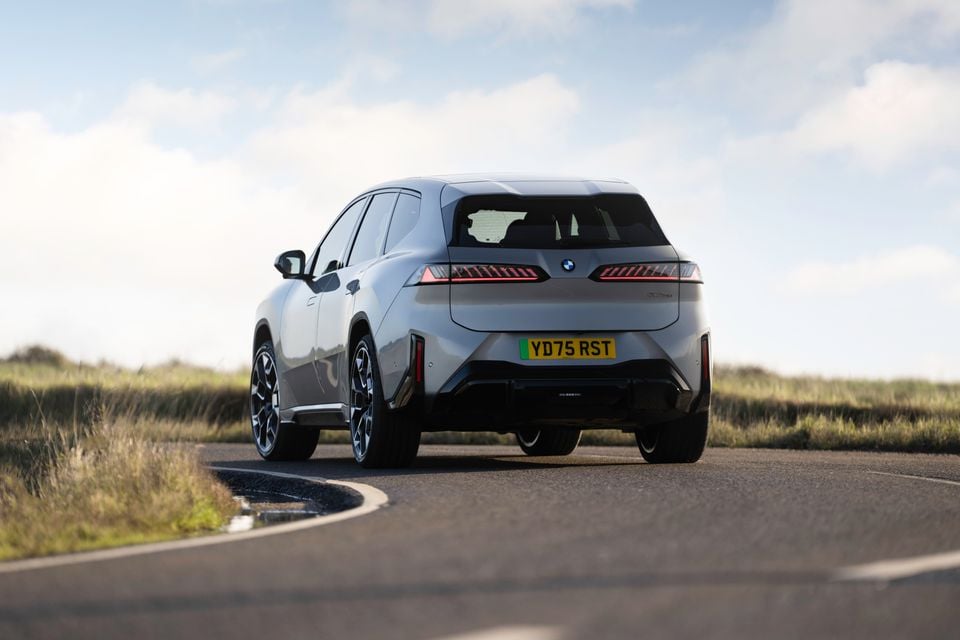
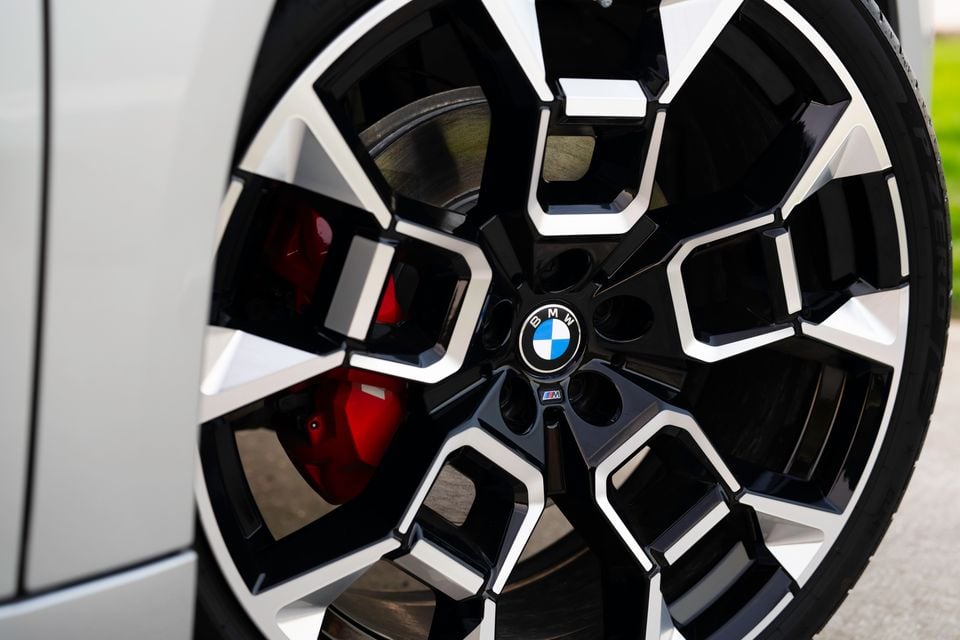
It comes standard with 20-inch alloy wheels, but you can also opt for 21- or 22-inch wheels. All sizes can also be had with a more aerodynamic wheel design.
Moving up in wheel sizes not only reduces range, but it often impacts ride quality.
While I didn’t get the chance to drive iX3s with all three different wheel sizes, I did at least split the difference and get behind the wheel of a 50 xDrive M Sport Pro with 21s.
The good news? Ride comfort is quite good. It’s firm, as expected of a BMW, but it didn’t have a hard edge over some of the more damaged roads.
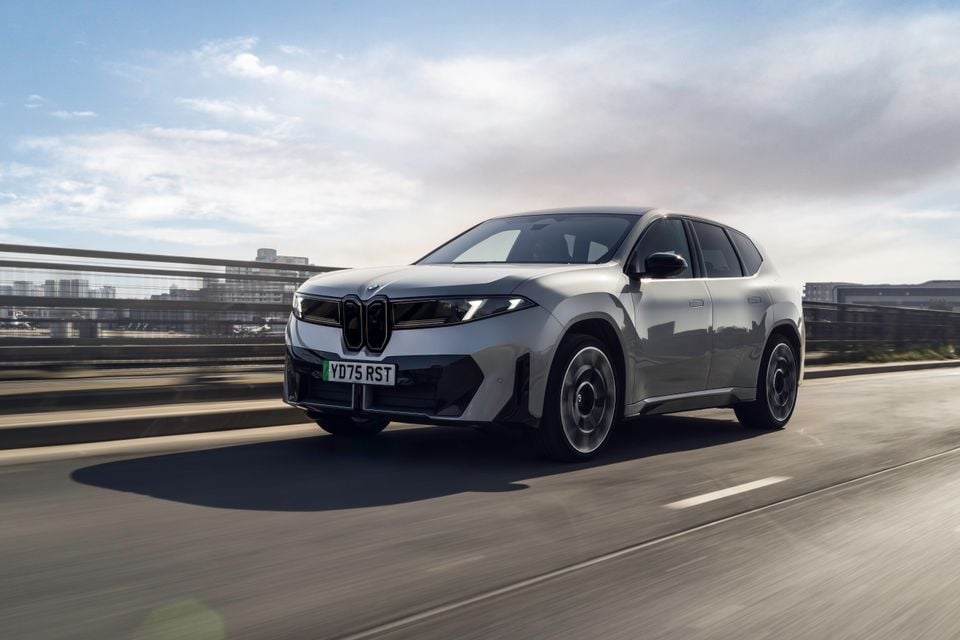
BMW says the iX3 has 49/51 per cent front/rear weight distribution, and there’s a distinct rear-biased feel to the way this SUV drives. That’s precisely what we expect from a BMW.
Drive is sent to the rear wheels by default, including when you’re powering out of the corners, with the front motor only engaging when necessary.
The iX3 carves corners with aplomb, and the steering has a good amount of road feel, making this a rewarding companion on a winding back road. Steering weight is also spot-on, even in the default drive mode.
The Bimmer might be heavy, but it never feels cumbersome. This is easily one of the most enjoyable vehicles to drive in this segment, and the likes of Porsche should be worried.
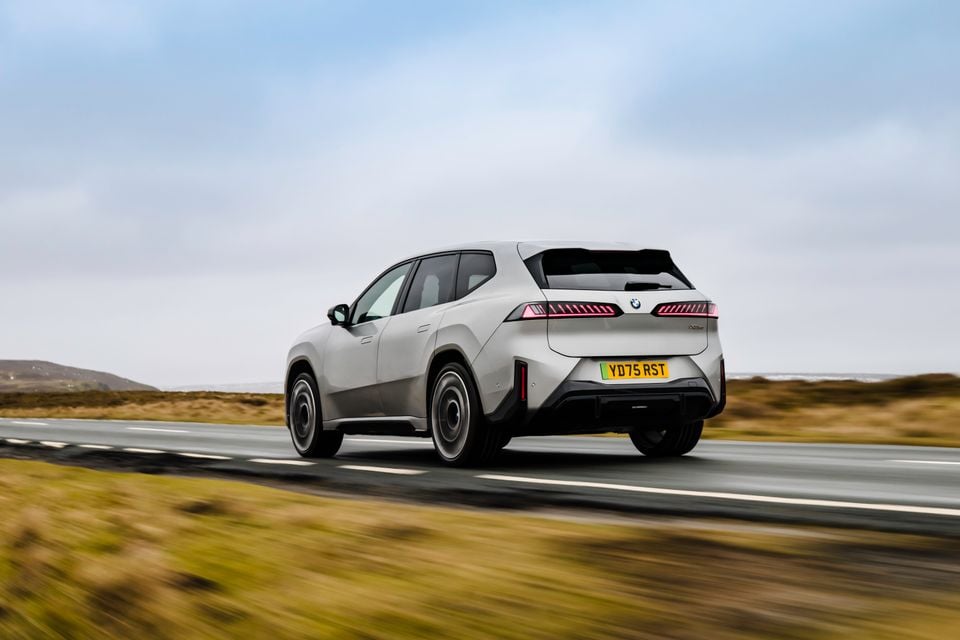
Body control is excellent, with body roll kept to an absolute minimum in the corners and the iX3 still feeling nicely tied down even on more undulating roads.
Performance is also excellent. The iX3 boasts a 4.9-second 0-100km/h time, and our seat of the pants impression suggests that’s indeed accurate.
Hans Zimmer might no longer be composing the artificial propulsion sounds in electric BMWs, but whomever has succeeded him has created a soundtrack that’s entirely pleasant.
You can choose between three levels of regenerative braking plus an adaptive mode, though toggling these requires a few presses on the touchscreen. Better to just push the shifter from D to B to activate the one-pedal mode, which can bring the vehicle to a halt.
Drive mode selection is also a bit finicky. You can choose between Eco, Comfort, Dynamic and Individual modes.
We observed little in the way of wind noise, with the sleek iX3 neatly cleaving the air. Tyre roar, sometimes an issue with European vehicles, was scarcely noticeable as well, even on coarser-chip road surfaces.
The Assisted Driving feature can be activated with the press of a button, and it keeps the vehicle neatly within its lane.
There’s a slight learning curve here, though, as braking doesn’t turn it off as in most cars. That means if you activate it on the highway and then pull off, the vehicle will accelerate back up to the set speed unless you press the button to turn it off.
BMW has included a Soft Stop feature to limit head jerking when you come to a halt, using the regenerative braking.
To see how the BMW iX3 lines up against the competition, check out our comparison tool
The iX3 40 and 50 xDrive are distinguished only by their mechanicals.
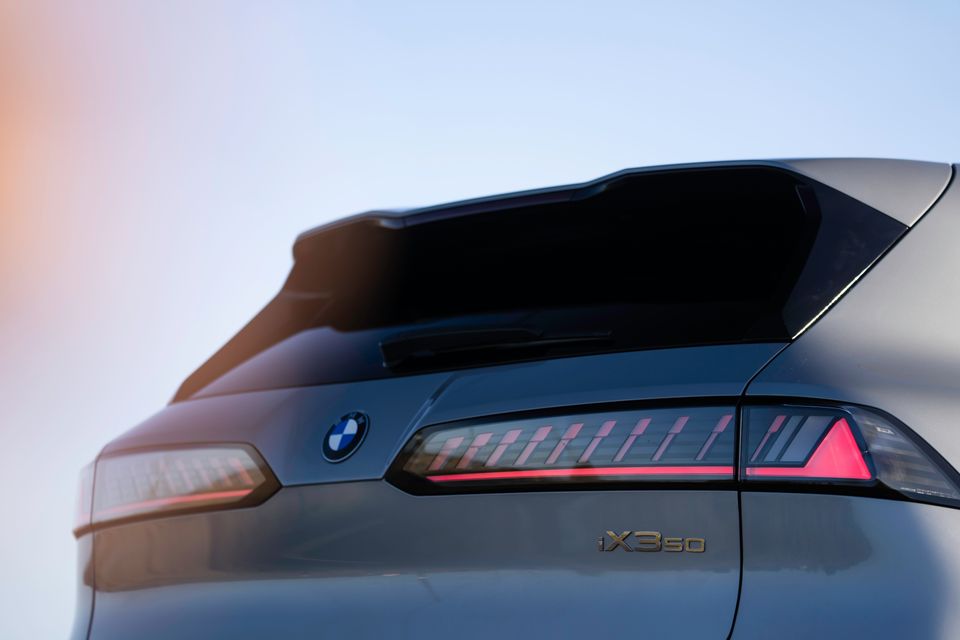
2026 BMW iX3 standard equipment highlights:
The optional M Sport Pro package ($3500 incl. GST and LCT) adds:
Metallic paint is an additional $2000 including GST and LCT, with BMW Individual Frozen matte finishes priced at $6000.
21-inch alloy wheel options cost between $2500 and $3200, while 22-inch wheel options cost between $5300 and $7700.
Leather upholstery is a $4000 option, while Digital White BMW Individual steering wheel is a $300 option.
You can also add trailer tow hitch preparation for $2500, though this excludes a tow bar tongue kit and power cable. These, BMW says, will be made available for sale via its dealerships, with pricing not yet available.
The BMW iX3 was the first model to have its results released under independent safety authority ANCAP's new, tougher 2026 protocols. It received an overall rating of five stars.
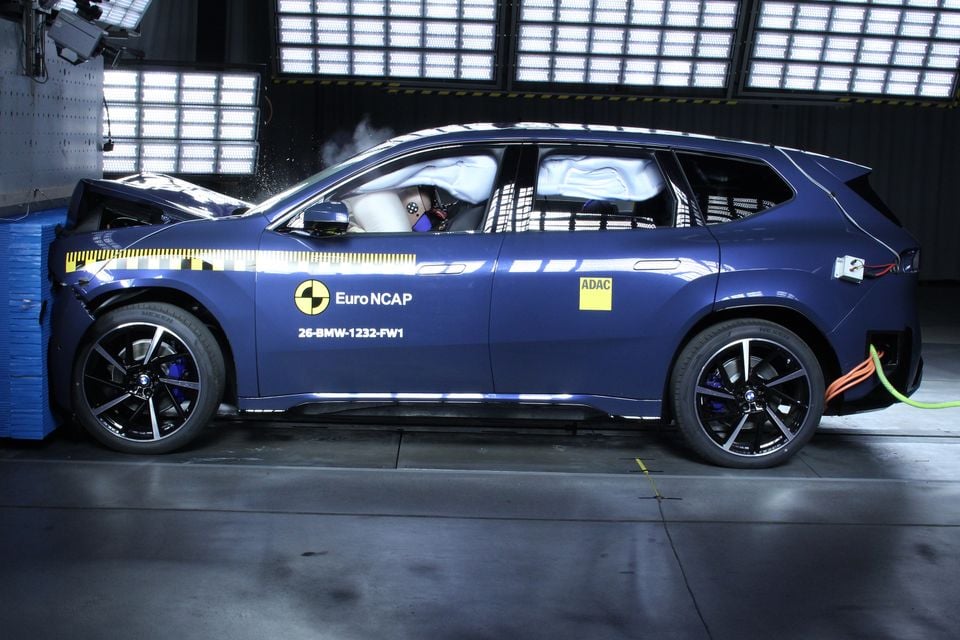
| Category | BMW iX3 |
|---|---|
| Safe driving | 71 per cent |
| Crash avoidance | 83 per cent |
| Crash protection | 86 per cent |
| Post crash | 95 per cent |
Standard safety equipment across the range includes:
The iX3’s suite of active safety and driver assist technology is powered by four short-range radar, one mid-range radar, five cameras, and 12 ultrasonic sensors.
BMW may offer pre-paid service plans for its EVs, as with its other models, but its EVs don't have predetermined service intervals. They instead require 'condition-based servicing', with the car telling you when it’s time for a service, and even alerting your dealer via connected services.
| Servicing and Warranty | BMW iX3 |
|---|---|
| Warranty | 5 years, unlimited kilometres – vehicle8 years, 160,000km – battery |
| Roadside assistance | 3 years |
| Service intervals | n/a |
| Capped-price servicing | 4- or 6-year pre-paid service plan |
| Total capped-price service cost | $1614 – 4-year Service Inclusive plan$2420 – 6-year Service Inclusive plan |
Service Inclusive plans cover typical diagnostics, while BMW also offers Service Inclusive Plus plans – priced at $5535 for four years and $6615 for six years – which also cover wear items like brake pads and discs and windscreen wipers.
To see how the BMW iX3 lines up against the competition, check out our comparison tool
There’s been a lot of hype about the new iX3 – so thank goodness that after all that, this new electric SUV doesn’t disappoint.
From its class-leading range to its distinctive styling and its superb dynamics, there’s a lot to love about the new iX3.
It’s not perfect. The interior is dramatically styled, thoroughly contemporary and greatly customisable, but the heavy reliance on the touchscreen means there’ll be a steep learning curve for some buyers.
There are also a couple of touches that aren’t especially upmarket, and the lack of ventilated seats is disappointing.
Nevertheless, this new iX3 makes a bold statement and, frankly, makes some of its rivals look a bit behind the times in comparison.
Perhaps the greatest threat to the iX3 50 xDrive is the upcoming iX3 40, which offers all the same standard equipment and all the same ambience – albeit with slightly less performance and range – for a razor-sharp price that makes it a tantalising choice for buyers purchasing via a novated lease.
Interested in buying a BMW iX3? Let CarExpert find you the best deal here
Click the images for the full gallery
If this is the car for you, we’ll compare offers from trusted dealers, handle the back and forth and manage your purchase from enquiry to delivery.
Quickly see how this car stacks up against its competition. Select any benchmark to see more details.
2026
$0
William Stopford is an automotive journalist with a passion for mainstream cars, automotive history and overseas auto markets.
Add CarExpert as a Preferred Source on Google so your search results prioritise writing by actual experts, not AI.
Damion Smy
5 Hours Ago

Marton Pettendy
7 Hours Ago

William Stopford
7 Hours Ago
William Stopford
11 Hours Ago
William Stopford
14 Hours Ago
William Stopford
15 Hours Ago
Add CarExpert as a Preferred Source on Google so your search results prioritise writing by actual experts, not AI.
# Based on VFACTS and EVC data
† Displayed prices exclude on-road costs such as delivery charges, registration fees, number plates, insurance and applicable road taxes. These prices are subject to change without notice and may not reflect current market pricing or dealer offers.
 Automotive Vehicle Spec Data & 4K images Powered by JATO Dynamics Ltd