




Josh Nevett
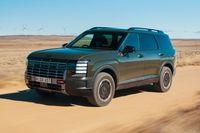
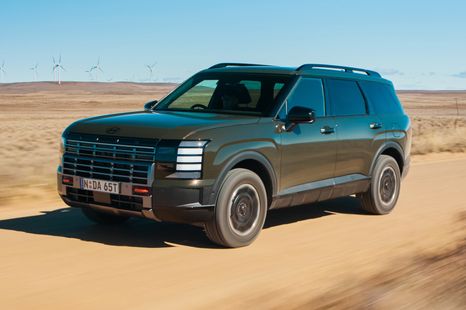
2027 Hyundai Palisade XRT Pro review: Quick drive
Hyundai’s off-road sub-brand has arrived with a tougher take on the family-friendly Palisade large SUV. Is the first XRT Pro as capable as it looks?
7 Hours Ago

Deputy News Editor
Ford Australia president and CEO Fadi Mawal has told CarExpert the arrival of new Chinese-built models won’t cheapen the brand, saying the move follows global Ford chief Jim Farley’s strategy of leveraging the company’s “iconic nameplates”.
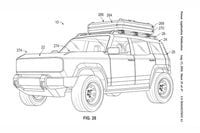
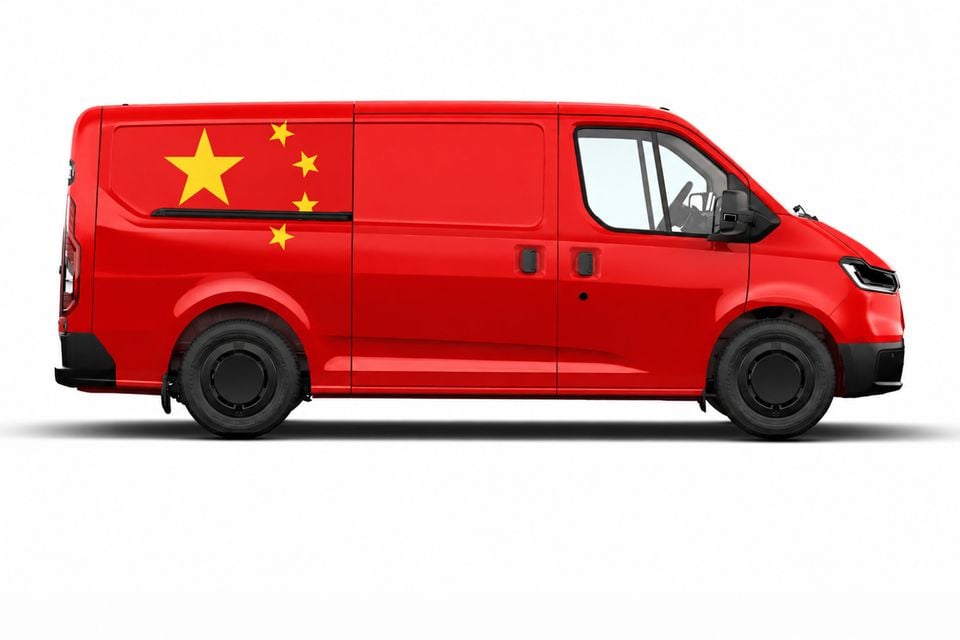
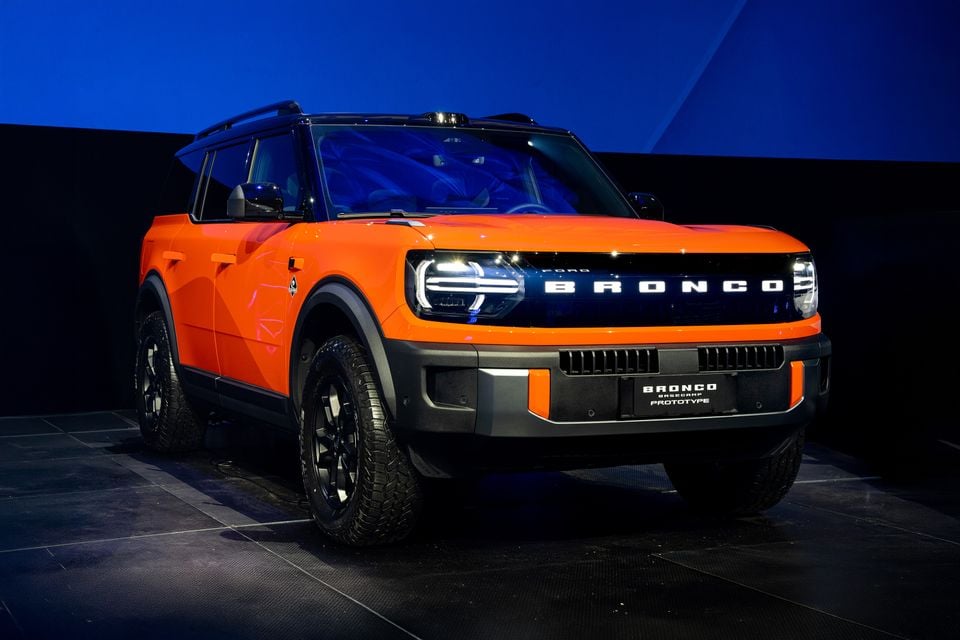
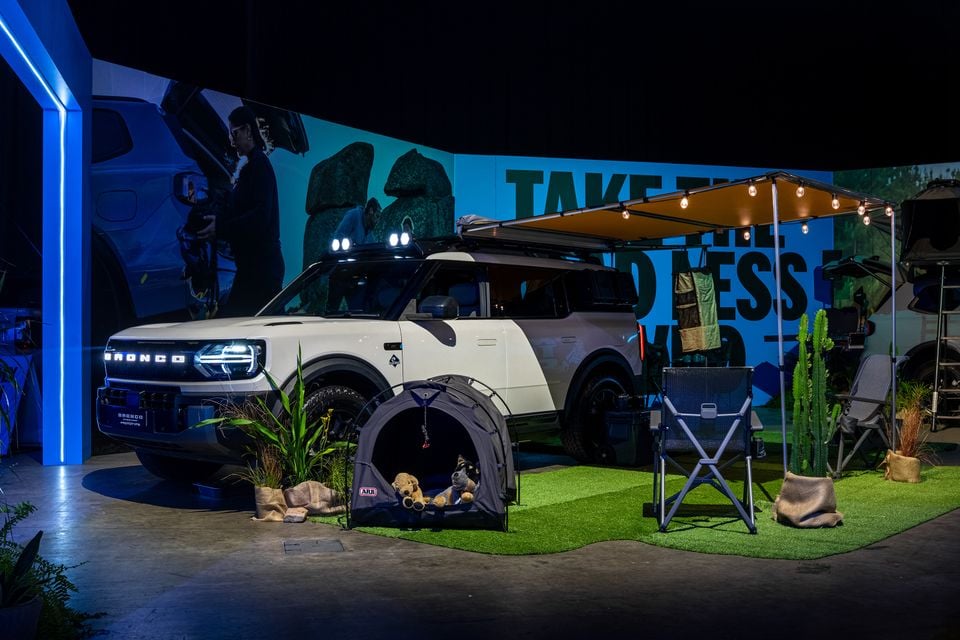
Mr Mawal was speaking at the 'Ford Uncovered' event in Melbourne this week, when the Ford Bronco Basecamp hybrid SUV and Ford Transit City electric van were confirmed for the Australian lineup.
Both new electrified models will be imported from China, where they were developed with Ford’s joint-venture partner of more than 30 years, Jiangling Motors Corporation (JMC).
It is one of the US auto giant’s two main joint ventures in China, alongside Changan Ford, established in 2001. The Blue Oval brand also has a partnership with China's Geely to manufacture cars in Spain from 2027.
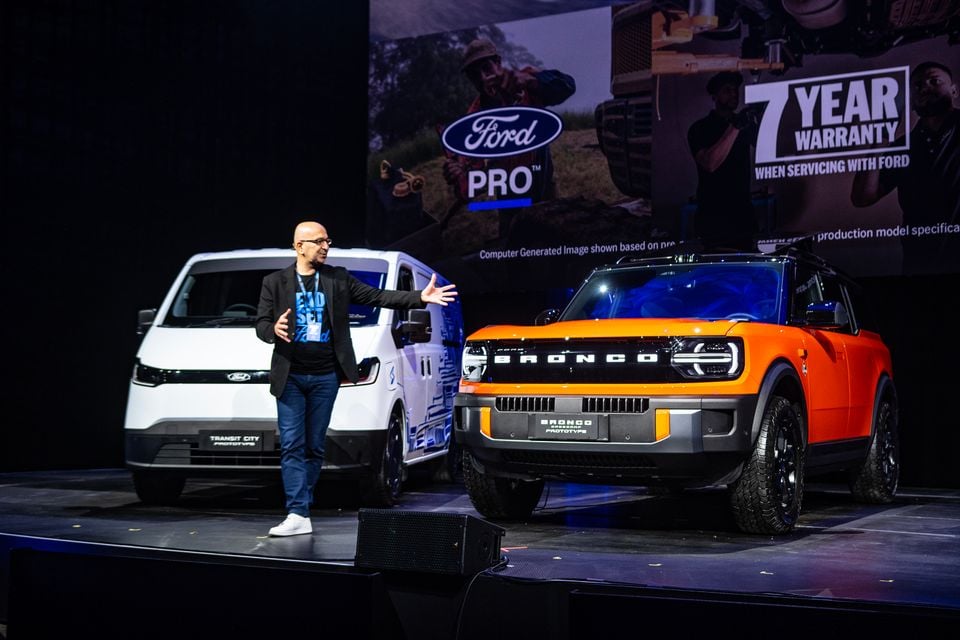
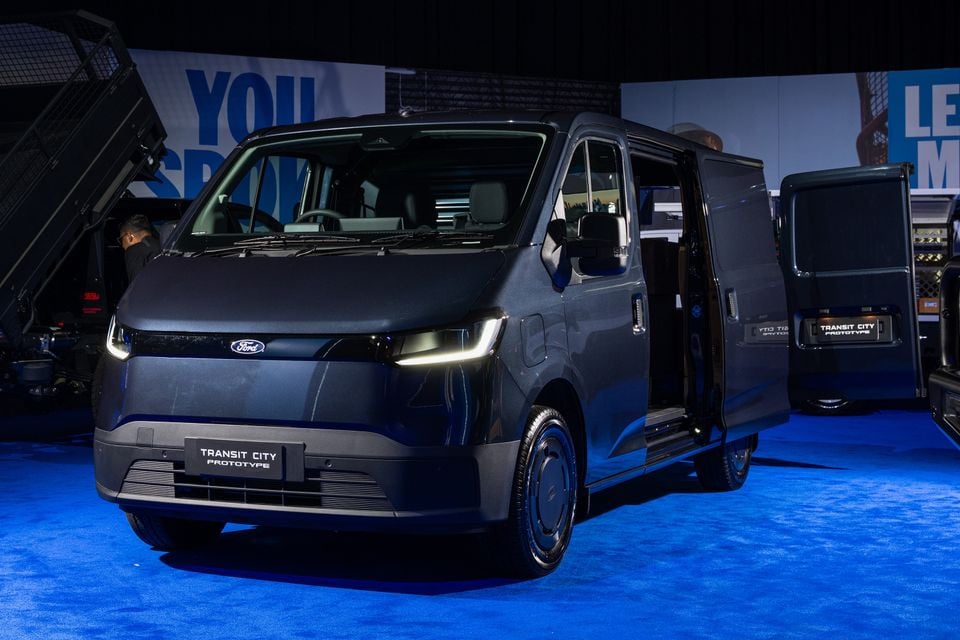
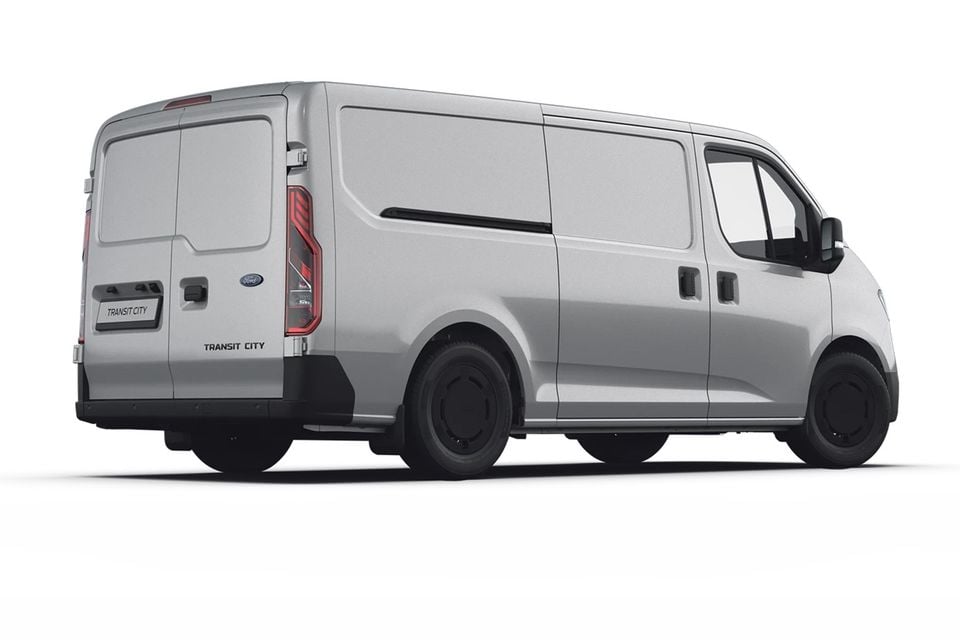
While pricing for the Bronco Basecamp, scheduled to go on sale in the second half of 2027, is yet to be revealed, Ford has announced an ultra-competitive $50,000 drive-away price for the Transit City.
That will make the Transit City one of Australia’s most affordable electric vans when customer deliveries begin in November 2026.
It will cost just $10 more than the Chinese-made Farizon V7E, listed at $49,990 drive-away before discounts or promotions. Meanwhile, LDV is currently offering the eDeliver 5 from $47,990 drive-away to ABN holders, discounted from its standard $52,621 drive-away price until September 30.
The Ford Australia chief was asked by CarExpert whether going head-to-head with Australia’s cheapest Chinese electric vans with a similarly priced Chinese-built model of its own risked damaging the Ford brand.
“No, we don’t see it doing damage at all; it’s going to strengthen the brand,” Mr Mawal said.
“It’s a Transit, it’s part of our family of icons, so this is adding to and extending the Transit range and the icons.”
In 2025, Mr Farley said the Dearborn-based company was looking to move away from its history as a volume manufacturer and instead focus on leveraging iconic nameplates such as Mustang, F-150 and Bronco.
The fact the Bronco Basecamp and Transit City sold in Australia will be sourced from China is irrelevant, according to Mr Mawal, who said the Transit City’s aggressive pricing would not transform Ford into a cut-price brand.
“We’ve done our due diligence on the product, we’ve done our validation, so it’s a great product and a great value-for-money offering, backed by a brand like Ford that’s been here for 100 years, with a great aftersales capability which has just gotten better with a seven-year warranty,” he told CarExpert.
Chinese-built vehicles accounted for a record 40.3 per cent of Australia's new-vehicle market in August 2026, with the top-selling model, the Tesla Model Y, manufactured in Shanghai.
Other non-Chinese brands selling Chinese-built vehicles in Australia include Hyundai with the Elexio, Kia with the EV5, Mazda with the 6e liftback and CX-6e SUV, Cupra with the Tavascan, and Mini with the electric Cooper and Aceman.
More automakers are also looking to China as an export base. Stellantis and Dongfeng have announced that new Peugeot and Jeep models will be produced in China from 2027 for the domestic and export markets.
Ford Australia marketing director Ambrose Henderson said most Ford customers were not concerned about where their vehicles were made or whether they were the cheapest available.
“What we’re doing is adding to that the technology that China is able to deliver from a transitional-technology perspective, from a powertrain transitional-technology perspective, to add to that portfolio,” he said.
“So for us, are we worried about where we source the product from? No. What we’re focused on is using our global network and our global power to get the right products for the Australian customer based on what they need.”
Mr Henderson said the Transit City would attract buyers for reasons beyond its price.
“There are already cheaper vans that are out there, and they’ll get cheaper, right? We’re not about being the cheapest; we’re about delivering amazing value,” he said.
“We wanted to make a statement that we are here to stay and we’re here to win, and we can deliver with the best of them. But that [Transit City] is a value package; it’s not the cheapest.”
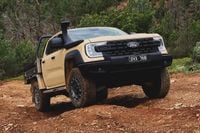
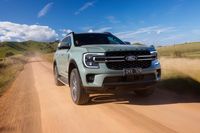
Turning to the Bronco Basecamp, the marketing boss pointed to the sales success of the Ranger ute and Everest SUV, which are far from the cheapest models in their respective categories.
“When you think about Bronco Basecamp and what we’re doing there, we’re bringing in something that is unique and it’s emotional and it’s different,” he said.
“It’s about heritage and excitement. That’s something that only Ford can do.
“It’s not going to be the cheapest car. It’s going to be competitive, but we’re not the cheapest car. We’re about engaging with customers in a way that is authentic and a way that is exciting, and that people want to talk about.
“There are plenty of other, you know, white boxes out there that people can choose from – that’s not us, and that’s not how we were successful with Ranger, nor how we were successful with Everest, and that’s the winning formula that we’ll be applying to our other segments as well.”
Earlier this week the US government urged Ford to reduce its reliance on Chinese manufacturing and technology partners, citing national security concerns, and to instead prioritise American workers and domestic manufacturing.
Research cars in our Showroom, compare your options or let our New Car Specialists do the running around to find you a great deal.
Damion Smy is an award-winning motoring journalist with global editorial experience at Car, Auto Express, and Wheels.
Josh Nevett
7 Hours Ago
Damion Smy
12 Hours Ago

Dave Kavermann
12 Hours Ago

Marton Pettendy
12 Hours Ago
Damion Smy
14 Hours Ago
Alborz Fallah
14 Hours Ago
Add CarExpert as a Preferred Source on Google so your search results prioritise writing by actual experts, not AI.