




James Wong
Deepal parent confirms new Chinese brand for Australia – UPDATE
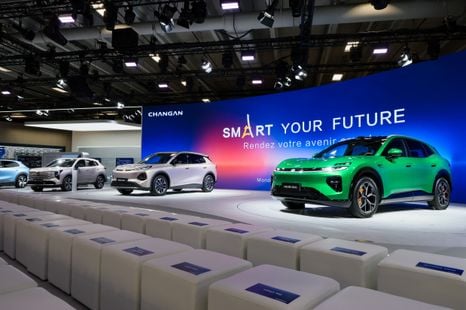
Changan will launch its Nevo brand in Spain next year, and it has plans to expand into other European markets and potentially Australia.
2 Hours Ago
A reported list of proposed cuts across the VW Group lineup includes Audi, Porsche, Skoda and Cupra models as part of a radical streamlining plan.

Deputy News Editor
Deputy News Editor
A German media outlet has published what it claims is a list of Volkswagen Group models facing the axe as part of drastic measures aimed at improving the German automaker's profitability with a less complex model lineup.
Newspaper Bild said axing around 50 per cent of the company's 150-odd models could save as much as €6.5 billion (A$10.7 billion) by 2031.
The Volkswagen Group is one of the world's largest automakers and includes Skoda, Audi, Porsche, Cupra, Seat (not sold here), as well as Bentley, Lamborghini and the Volkswagen brand itself. The company hasn't confirmed any of the models included in a proposal to reduce its lineup.
Despite taking the top spot for electric vehicle (EV) sales from Tesla in Europe last year, the company has struggled with profitability and falling sales, shuttering multiple factories in Europe and announcing job cuts.
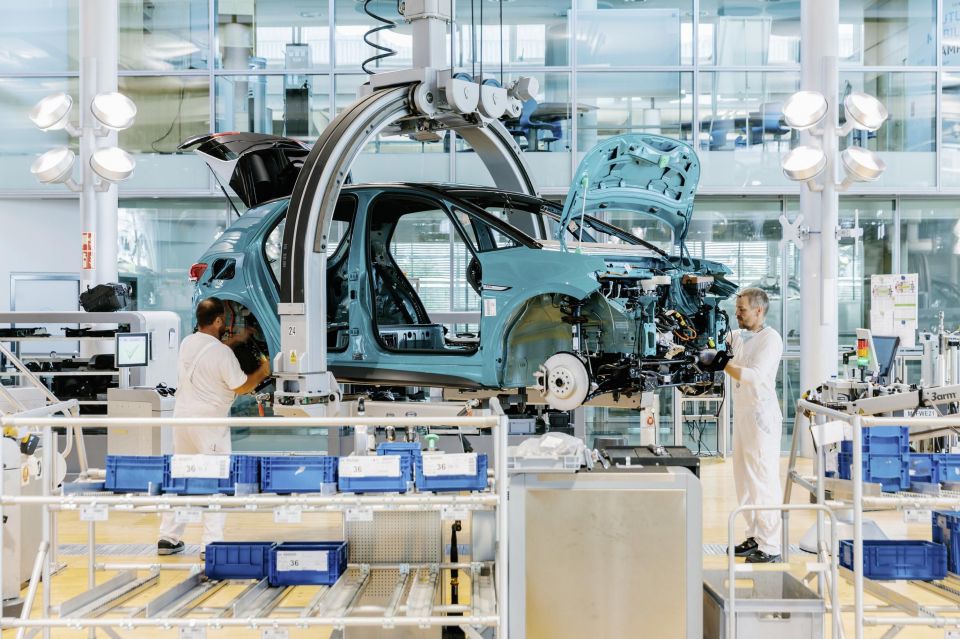
This includes the closure of a plant in Germany, the first in the company's history, along with sites including its factory in Brussels, Belgium. It has also announced plans to reduce its annual production capacity from 10 million to nine million vehicles.
Despite these cost-cutting measures, the company – under Volkswagen Group CEO Oliver Blume – continues to look for ways to improve its profitability, reportedly increasing the number of planned job cuts from 50,000 to 100,000 by 2030.
This has included a proposal to reduce its circa-150-strong model range by half and cut variant complexity by 75 per cent – a plan reportedly rejected by the Volkswagen supervisory board.
The list of models facing the chopping block, according to Bild via Carscoops, includes the Volkswagen Jetta – a model not seen in Australia since 2017 – and the Taos small SUV, which is not sold here but uses the same platform as the Skoda Karoq.
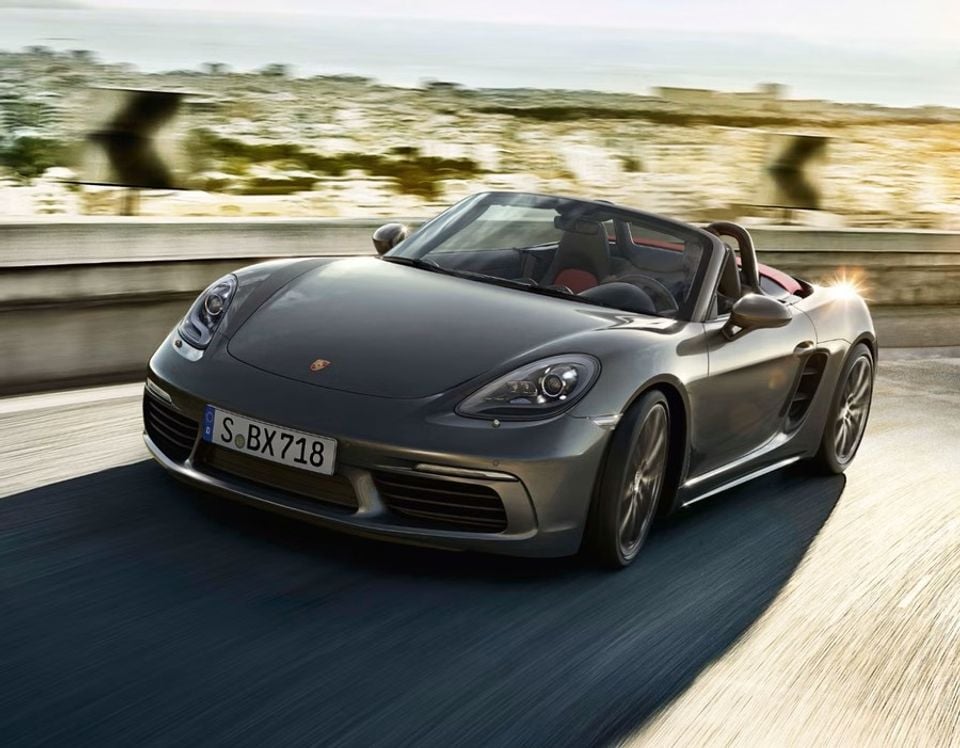
According to Bild, the Porsche brand, which Mr Blume led as CEO for a decade until late 2025, could axe as many as four models from its lineup.
The next-generation petrol-powered 718 Boxster and Cayman twins could reportedly be axed yet again, having previously been given a reprieve after slowing EV demand saw plans for electric-only replacements shelved.
Instead, Porsche could offer heavily updated petrol Boxster and Cayman models based on existing platforms alongside EV versions that are now due in 2027.
It's a similar approach to that taken by Volkswagen with the current petrol-powered Golf, which is set to remain in showrooms until as late as 2035, while EV versions based on a newer architecture are sold alongside it.
Sales of the electric Porsche Taycan, positioned below the petrol and hybrid-powered Panamera, fell by 22 per cent globally in 2025; it's also on the reported list of proposed model departures, alongside the Cayenne Coupe, which would mean the Cayenne continues only in SUV form.
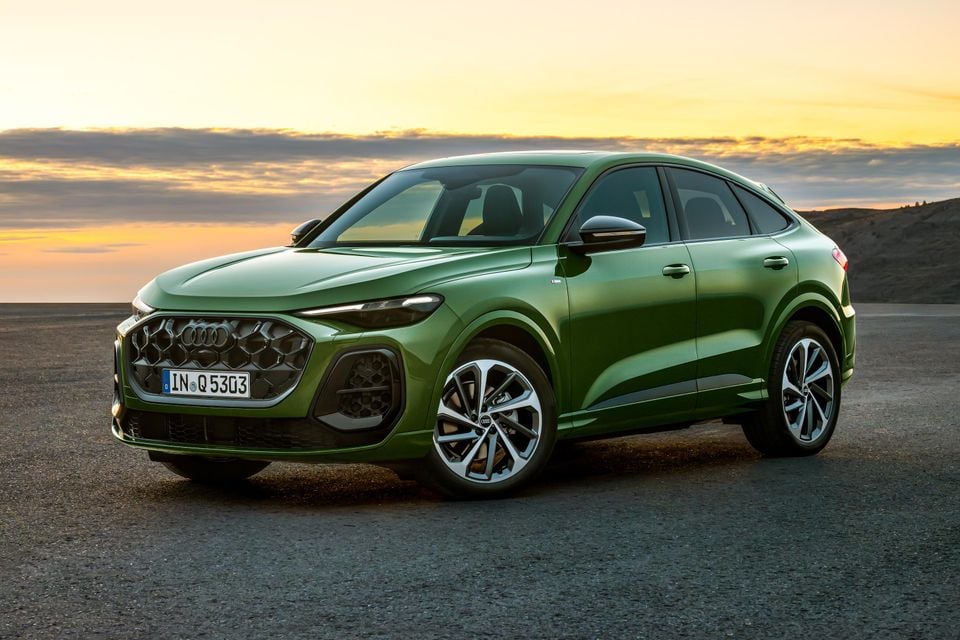
Similarly, Audi will reportedly cut secondary body styles from its SUV lineup, with the Q5 Sportback and Q6 e-tron Sportback tipped to be dropped.
The German luxury brand has already ended production of the A1 light car and the Q2 crossover.
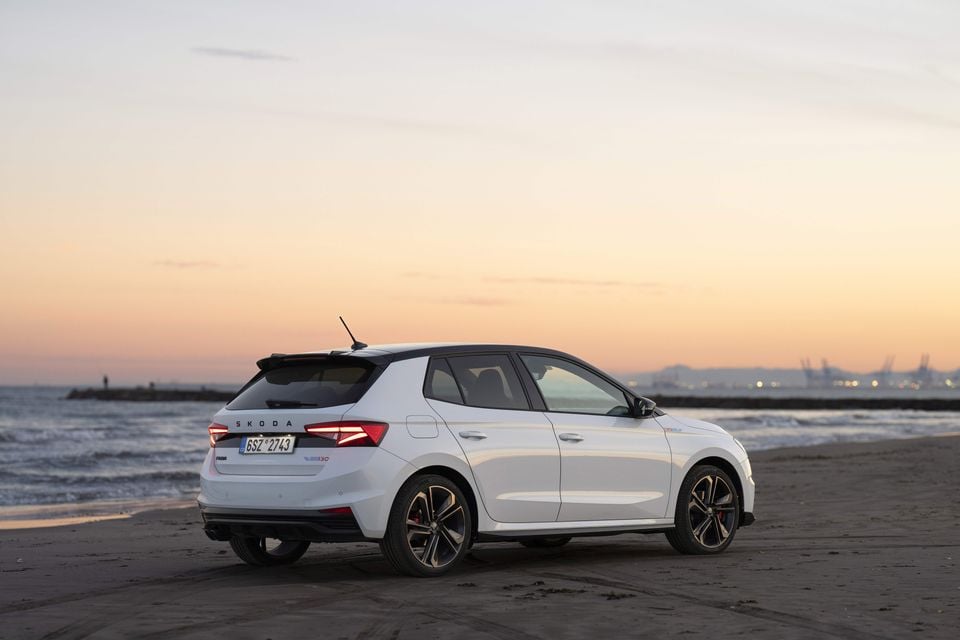
Bild says the Volkswagen Polo-based Skoda Fabia, similar in size to the Audi A1, could also get the boot despite being more popular than the Superb large sedan and wagon.
The Fabia also outsells the Scala small hatch, which will be dropped from Australian showrooms after the current model year. The Scala's global future is also reportedly uncertain, as is that of the Kamiq small SUV.
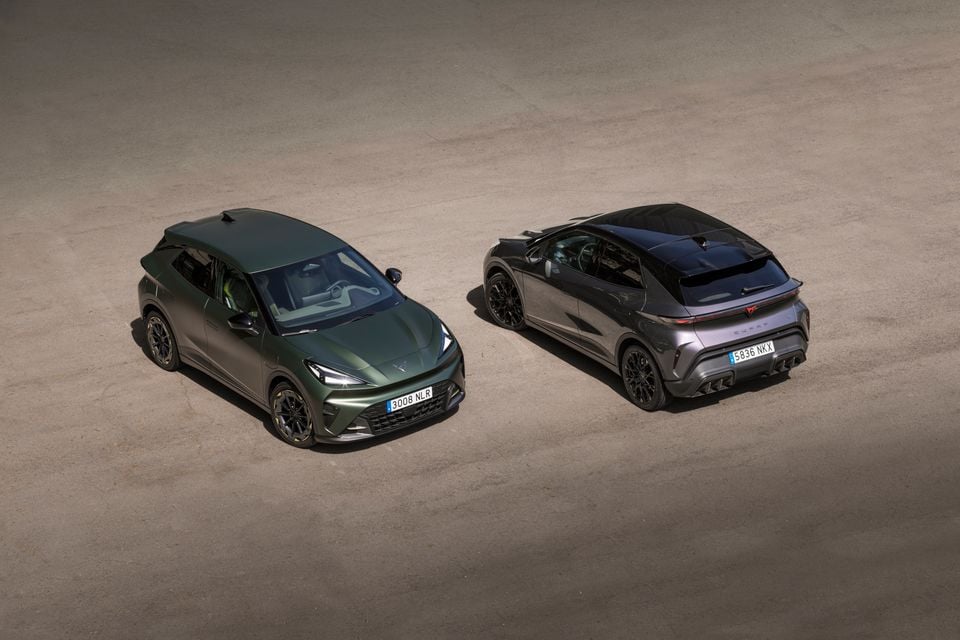
Over at Spanish brand Cupra, the recently revealed Raval EV may be a one-generation wonder. The future role of the Seat brand – which initially spawned Cupra as its performance arm, but hasn't been offered here since the 1990s – is also reportedly looking uncertain.
The reported rejection of Mr Blume's rationalisation plan by Volkswagen's 19-member supervisory board throws the company's future model strategy into doubt, and also represents a public challenge to the Volkswagen Group CEO's position.
Damion Smy is an award-winning motoring journalist with global editorial experience at Car, Auto Express, and Wheels.
James Wong
2 Hours Ago

Max Davies
3 Hours Ago
Damion Smy
14 Hours Ago

William Stopford
16 Hours Ago

Dave Kavermann
16 Hours Ago

Matthew Hansen
16 Hours Ago
Add CarExpert as a Preferred Source on Google so your search results prioritise writing by actual experts, not AI.