





James Wong
Deepal parent confirms new Chinese brand for Australia – UPDATE
Changan will launch its Nevo brand in Spain next year, and it has plans to expand into other European markets and potentially Australia.
2 Hours Ago
Mitsubishi has introduced an update to its Outlander and Triton to reduce the sensitivity of one of its most criticised safety features.

Journalist
Journalist
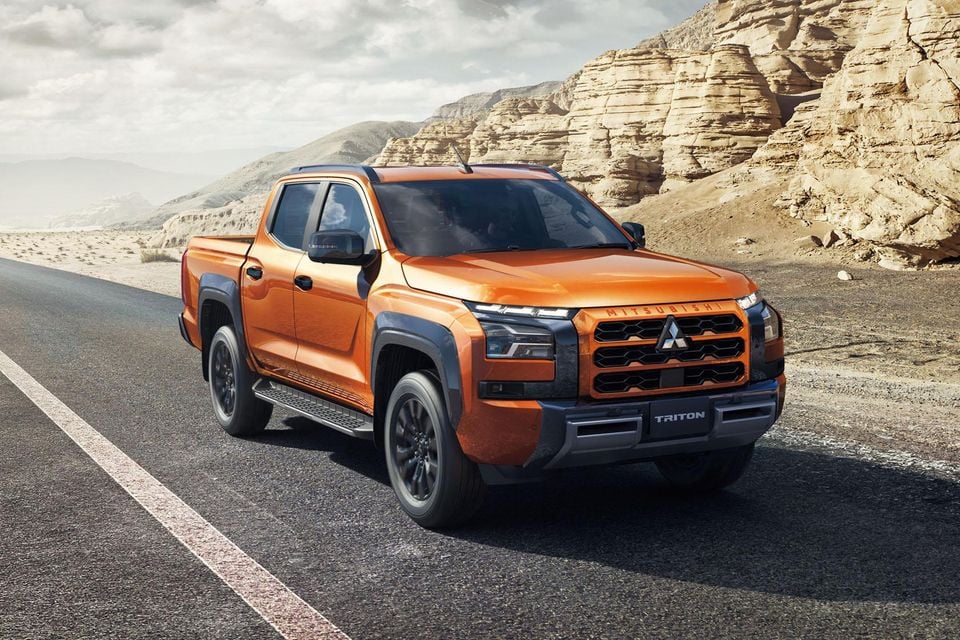
Mitsubishi has taken media and customer feedback on board and rolled out an update to its most heavily criticised safety system, with changes intended to make warnings much less intrusive in two of its models.
Since the launch of the current Triton ute in 2024 and the facelifted Outlander SUV in 2025, a common complaint for both regards their over-sensitive driver attention monitoring systems.
In a recent review of the Outlander, we wrote that "nothing infuriates more in the Outlander than its driver monitoring system, which adopts a strict zero-tolerance policy to distraction, yawning, improper steering wheel holding, and even head tilting", noting that "it's really quite farcical".
Similarly, a Triton review noted its system was "far too sensitive", and that "it’ll chime if you spend a fraction too long looking at the instrument cluster, the side mirrors, the climate control, or the touchscreen, and heaven forbid if you do a head-check or wear sunglasses".
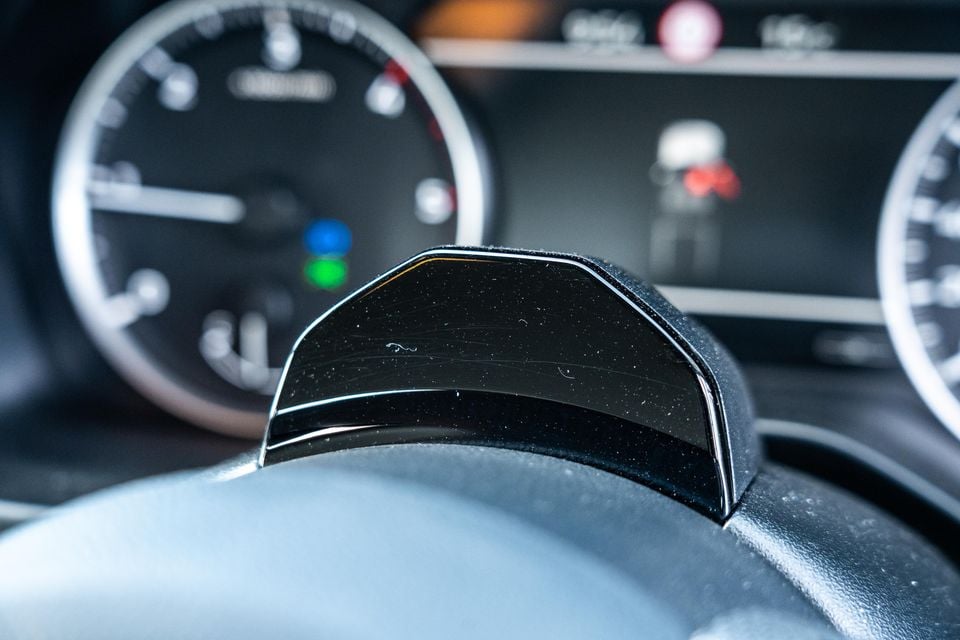
Mitsubishi Australia product strategy general manager Bruce Hampel confirmed that media and customers were equally vocal in their complaints, and said that there have been updates to its monitoring systems for 2026.
"The actual software has been fine-tuned, so customers should experience a less intrusive experience with the 2026 model year [Tritons], and the 2026 model year Outlanders," he told CarExpert, confirming updated models are arriving imminently.
"We've been continually working with that team in Mitsubishi Motors [in Japan], conducting benchmarking testing as well to see where we sit versus a lot of our competitors, and then striving to make it less intrusive to the driver but still meeting [Australian Design Rules] requirements."
The updates are relatively minor, but two-fold. To support the claimed reduction in sensitivity built into the system's code, Mitsubishi has also simplified the process of disabling the driver monitoring camera altogether.
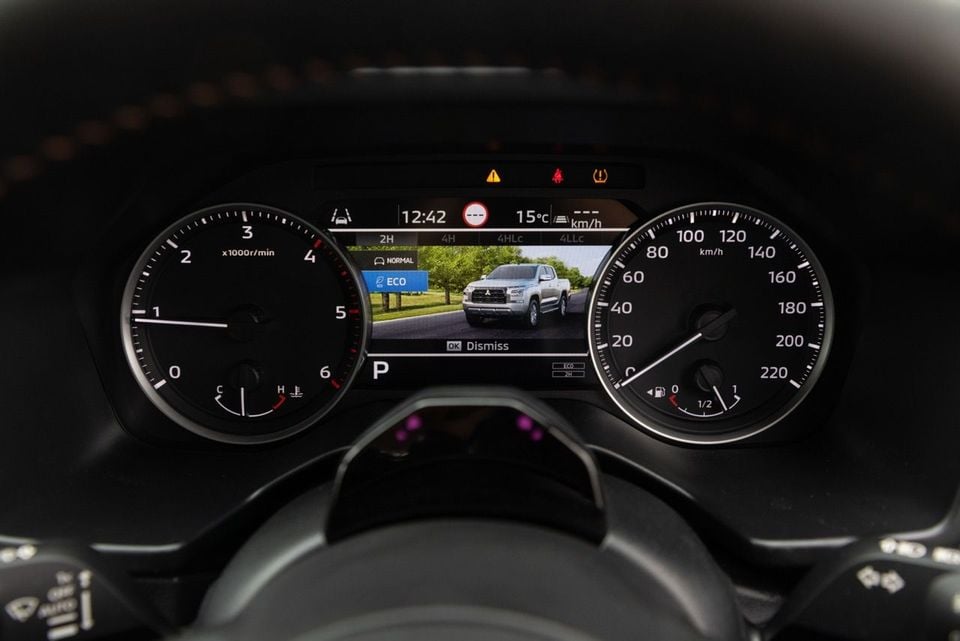
It has been reduced to one button press that opens a safety system menu on either car's instrument display, where the option to disable the driver monitor is automatically highlighted and can be toggled off with another press. You'll still have to do it every time you start the car.
"We think this is a good first step, and we're continually working with that," Mr Hampel told CarExpert. It's not yet clear what further steps could entail.
"There's new news coming out now with how Europe's handling these types of technologies through their [safety] rating systems. We're continually trying to refine it to make it less intrusive."
These assessment changes refer to new protocols being rolled out in Euro NCAP and ANCAP safety testing. Among the raft of tweaks for 2026 are revised guidelines regarding the effectiveness of driver monitoring systems and preventative advanced driver assistance systems (ADAS).
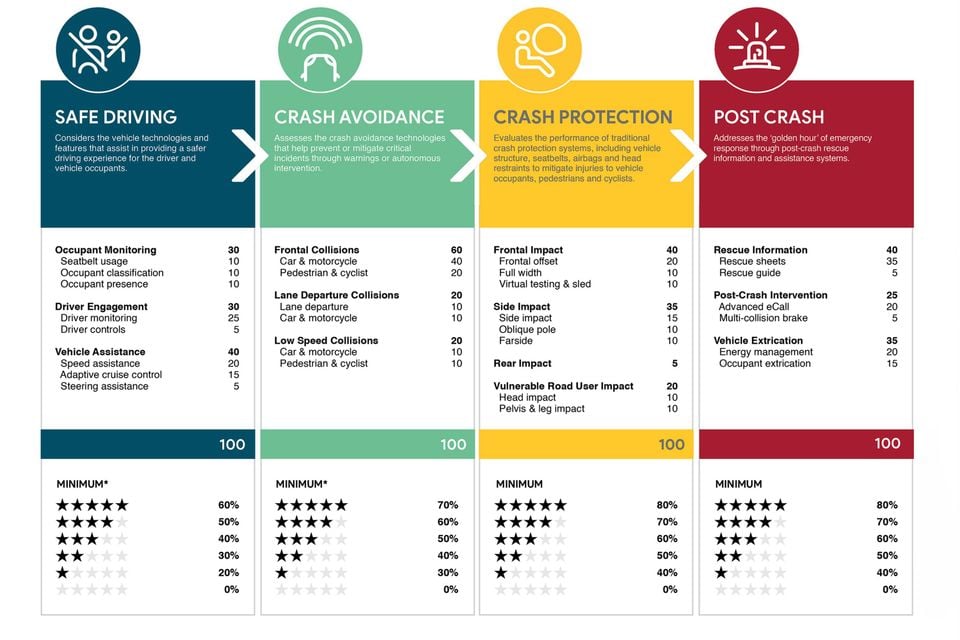
The safety authorities will examine systems designed to encourage good driver behaviour and reduce the risk of a collision, taking into account factors such as whether key features are buried within touchscreen menus and how effectively assistance systems serve their stated purpose. The idea is to move away from a 'box-ticking' system that has resulted in flawed systems in many new cars.
As part of the new protocols, ANCAP CEO Carla Hoorweg outlined that “driver monitoring systems must demonstrate genuine capability to detect distraction and fatigue, and speed assistance systems must demonstrate both accuracy and meaningful driver engagement."
If a car's systems are found to perform poorly, that model will lose points in its safety assessment, potentially reducing its overall safety rating. It's likely that Mitsubishi's tweaks are, at least in part, intended to reduce the chances of this eventuality in its models.
In any case, the changes to the Outlander and Triton should theoretically improve the overall user experience. They're timely, too, as a report published by car insurer AAMI in 2025 revealed that almost one in five Australian drivers turned off some of their vehicle's ADAS functions.
MORE: 2026 ANCAP safety protocols are here – What you need to know
MORE: Australian drivers are turning off “annoying” safety systems, study shows
MORE: Explore the Mitsubishi showroom
Research cars in our Showroom, compare your options or let our New Car Specialists do the running around to find you a great deal.
Max Davies is a CarExpert journalist with a background in regional media, with a passion for Japanese brands and motorsport.
James Wong
2 Hours Ago

Max Davies
3 Hours Ago

Damion Smy
14 Hours Ago

William Stopford
16 Hours Ago

Dave Kavermann
16 Hours Ago

Matthew Hansen
16 Hours Ago
Add CarExpert as a Preferred Source on Google so your search results prioritise writing by actual experts, not AI.