The new 2026 Australasian New Car Assessment Program (ANCAP) protocols have been locked in for the next three years, with a simpler set of rules designed to be more effective.
Developed in conjunction with the European New Car Assessment Programme (Euro NCAP), the updated ANCAP protocols move from what safety bodies describe as a ‘box-ticking’ system to a ‘stages of safety’ approach.
“This is not a cosmetic update, it’s a meaningful step forward,” said ANCAP CEO Carla Hoorweg at an event in Europe attended by CarExpert.
“Vehicle safety doesn’t begin and end with a crash test. Before a crash, systems should help prevent it; during a crash, the vehicle must protect occupants and vulnerable road users around it; and after a crash, systems must help emergency services respond quickly and effectively.”
CarExpert can save you thousands on a new car. Click here to get a great deal.
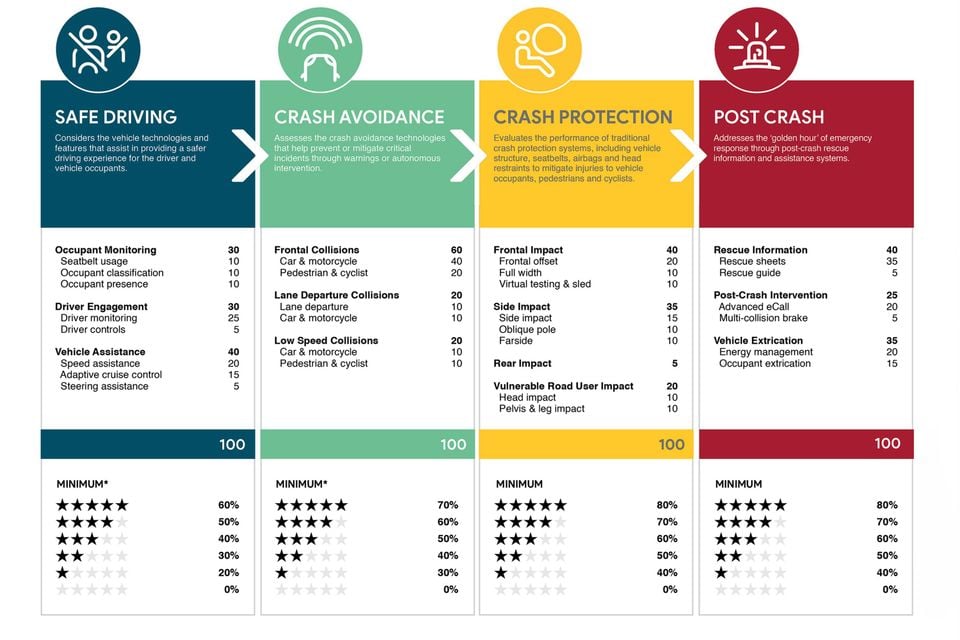
The four stages of safety are Safe Driving, Crash Avoidance, Crash Protection and Post Crash.
Each will be scored out of 100, with set minimum thresholds required in each stage for a vehicle to achieve a five-star overall safety rating.
The first test under the 2026 ANCAP protocols is expected to take place around April/May with the first rating expected to be published in July.
“This new approach reflects the full journey of a crash event,” said Ms Hoorweg.
“It better reflects the complexity of modern vehicles, and it makes the rating system easier for consumers to understand.
“Our objective remains unchanged. Our mission is to reduce deaths and serious injuries on Australian and New Zealand roads, and that goal sits behind every protocol, every test, every rating we publish.
“But the vehicles we’re assessing today are very different from those we were testing even 10 years ago. Vehicles are increasingly software-defined; they depend on sensors, algorithms and connectivity.
“The 2026 protocols respond directly to this shift. They ensure our assessments reflect modern vehicle architecture and real crash patterns we see on our roads.”
Stage 1: Safe Driving – reducing reliance on touchscreens
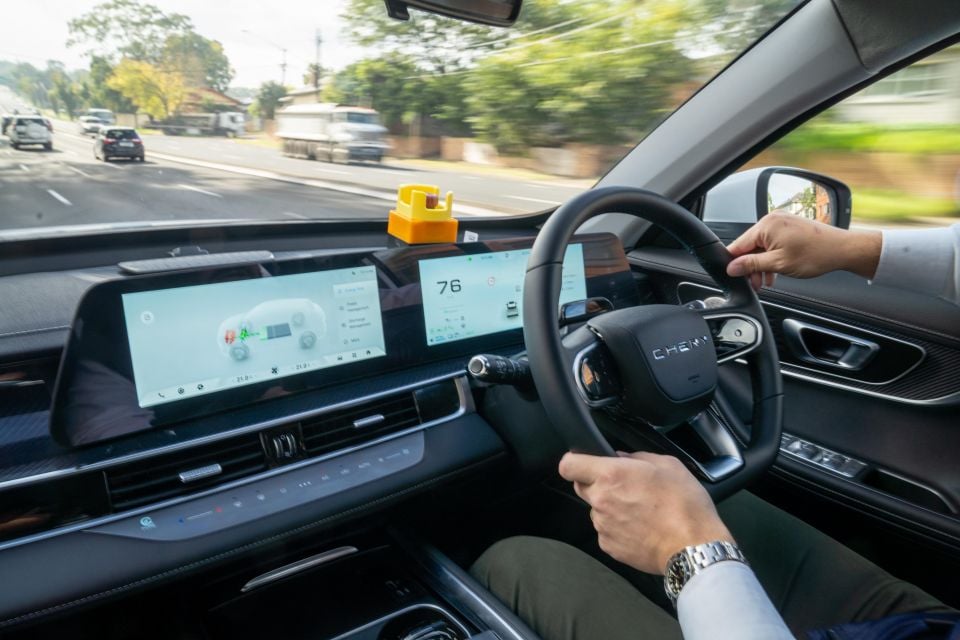
The first stage examines systems designed to encourage good driver behaviour and lower the risk of a collision, such as fatigue monitoring and preventive advanced driver assistance systems (ADAS).
This includes ‘distraction by design’, such as whether key features are buried in touchscreen menus, making them cumbersome to access – echoing consumer complaints about the move away from physical buttons.
“Driver monitoring systems must demonstrate genuine capability to detect distraction and fatigue, and speed assistance systems must demonstrate both accuracy and meaningful driver engagement,” said Ms Hoorweg.
There’s also greater assessment of speed limit recognition systems using new real-world testing procedures, with cars in Europe tested across multiple countries due to differences in signage design.
“Vehicles will be assessed using road signs and driving environments that reflect Australia and New Zealand conditions – accuracy in these systems is essential if they are to genuinely support safer driving,” she said.
“For manufacturers, this means a higher engineering standard will be required to achieve a five-star rating under ANCAP protocols.”
Stage 2: Crash Avoidance – focus on real-world ADAS performance
Driving experience is now a factor in achieving a five-star ANCAP rating, with penalties for intrusive or poorly calibrated safety systems that do more harm than good.
“A major focus of the 2026 protocols is the real-world behaviour of driver assistance systems,” said Ms Hoorweg.
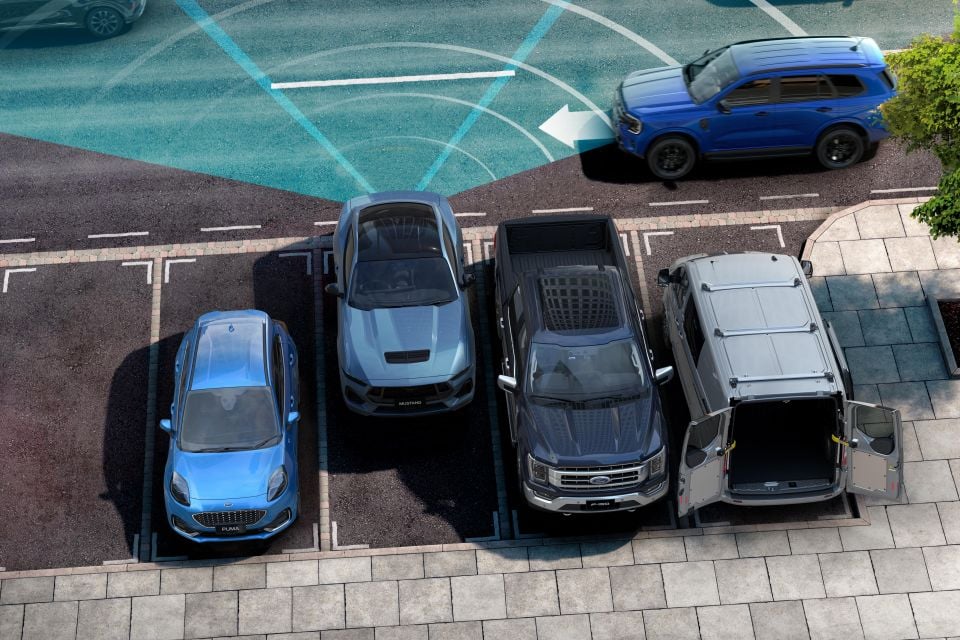
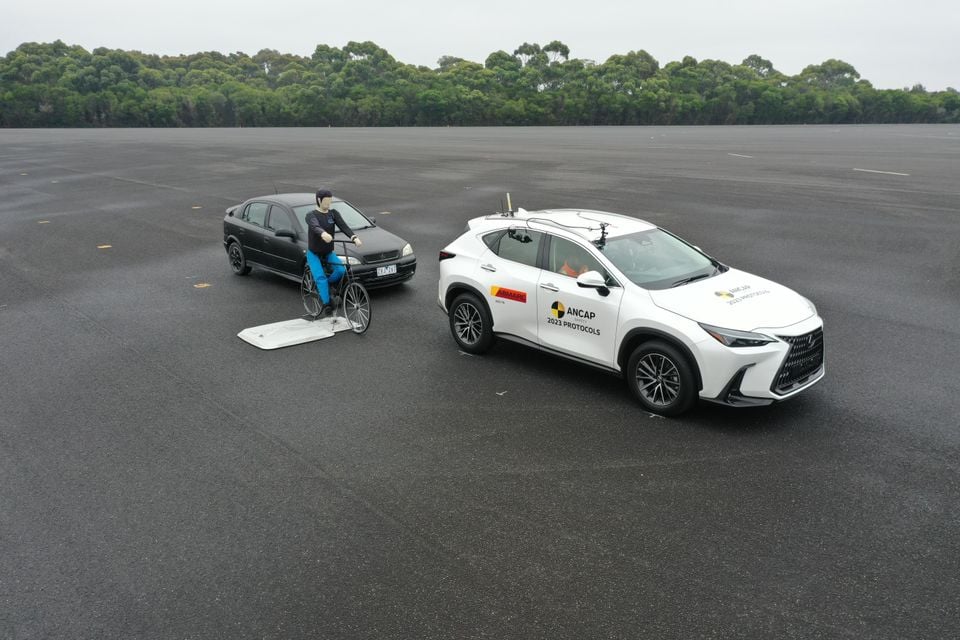
As well as driver monitoring systems, ANCAP will assess the sensitivity and effectiveness of forward collision warning (FCW), autonomous emergency braking (AEB) and lane support systems (LSS).
The new protocols test whether these systems perform as well at night and in rain as they do in daylight, and whether they can detect vulnerable road users such as road workers wearing high-visibility clothing.
“Through extensive research, ANCAP was heavily involved in examining how baseline systems behave when drivers actually use them, and the insights from this work are now directly written into the shared testing criteria for 2026.”
The protocols also measure how quickly steering reacts when lane support activates, how much driver input is required to override an unwarranted intervention, and how aggressively the vehicle moves within a lane.
“Because driver assistance systems must do exactly that – assist the driver – not surprise or compete with the driver,” said Ms Hoorweg.
They also assess whether a vehicle can detect and prevent ‘pedal misapplication’, when a driver unintentionally presses the accelerator instead of the brake.
Pedestrian and cyclist protection, junction crash avoidance, and driver monitoring systems are also key areas of focus.
Stage 3: Crash Protection
This stage focuses on the physical crash structure of a vehicle and includes broader evaluation across different body types and a wider range of crash scenarios.
“Structural crash protection will remain the foundation of occupant safety,” said Ms Hoorweg.
“Early engagement with ANCAP continues to help manufacturers meet these expectations and deliver stronger outcomes.”
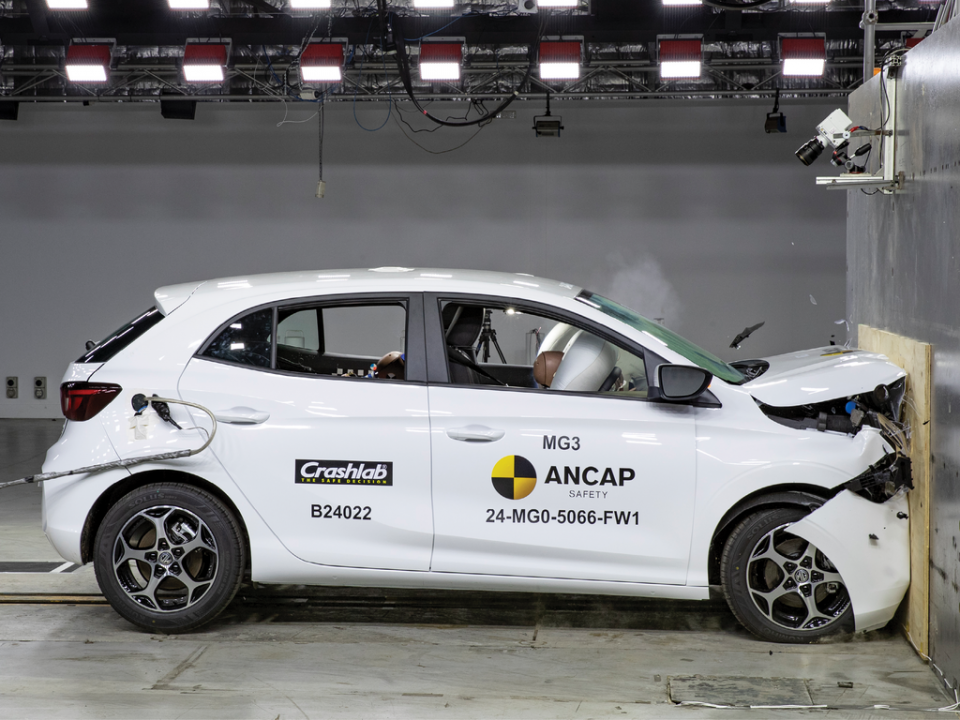
If a seat or seat rail fails – as seen in the MG 3 crash test in 2025 – an automatic 50 per cent loss of points will apply in this category, effectively ruling out a five-star rating.
In rollover scenarios, vehicles must ensure curtain airbags remain inflated long enough to provide protection throughout the crash.
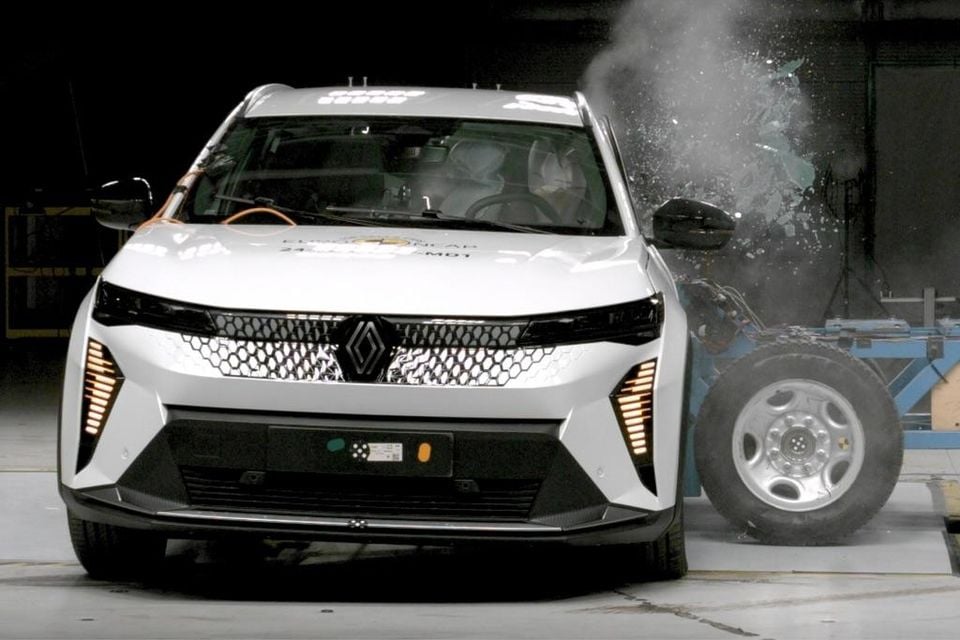
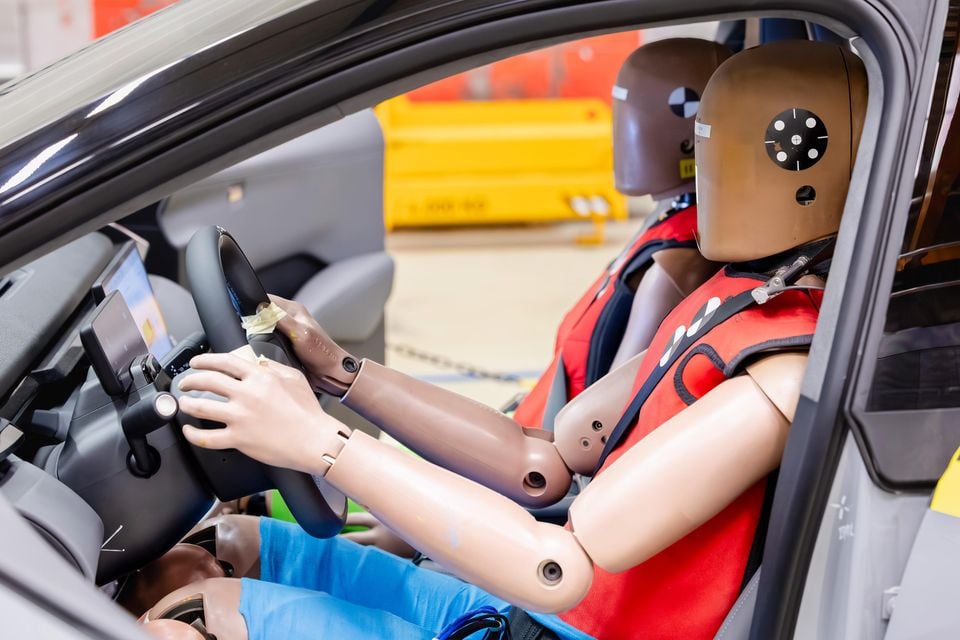
The full-width frontal crash test now uses a deformable barrier instead of a rigid wall, allowing better analysis of airbag performance. There are also more occupants included, with an additional dummy in the front passenger seat.
The frontal offset test includes two adult and two child dummies, with the previous ‘male’ driver dummy replaced by a smaller ‘female’ occupant.
“Child safety remains at the core of our program, and ANCAP continues to conduct crash testing using the child restraint systems adopted in Australia and New Zealand, ensuring that the protection offered to passengers reflects how families actually travel,” said Ms Hoorweg.
Stage 4: Post Crash
The final stage examines what happens after a crash, focusing on the ‘golden hour’ response by emergency services and vehicle systems.
This includes multi-collision braking, the ease or difficulty of extracting occupants (including issues such as electric door handles), and rescue guides for electric vehicles (EVs) to minimise the risk of electric shock.
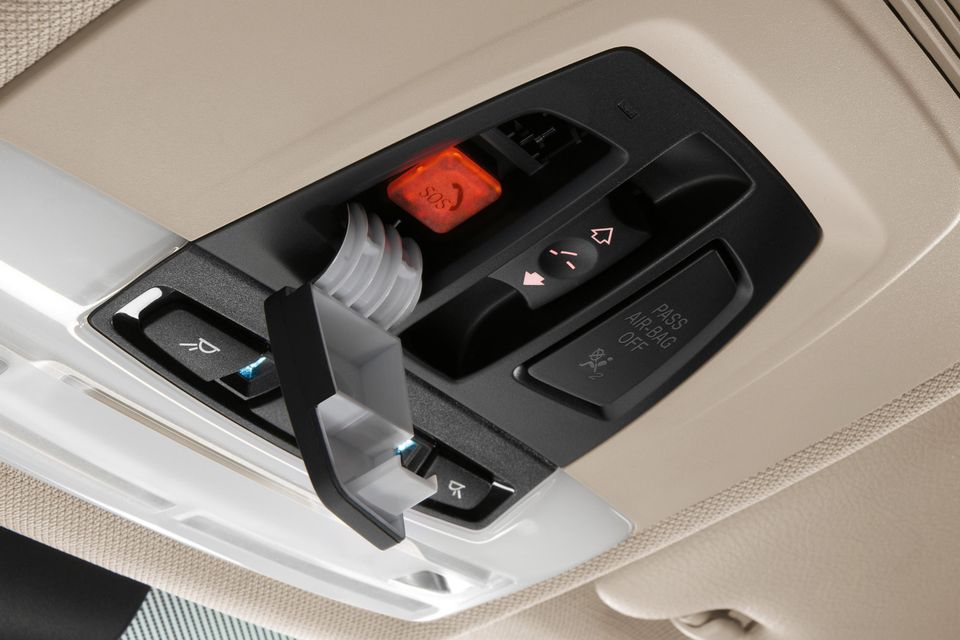
“We’re strengthening our assessment to encourage eCall [emergency services call] systems into the Australian and New Zealand markets,” said Ms Hoorweg.
“These are markets where there is currently no regulatory requirement for post-crash contact with emergency services.”
Europe mandated eCall systems, which automatically contact emergency services in the event of a collision, in 2018.
The 2026 protocols also examine EV fire risks – both for occupants and first responders – including whether high-voltage batteries ignite, how warnings are communicated to occupants, and how incidents are signalled externally.
“Collaboration with manufacturers and suppliers means that the protocols remain grounded in real solutions to the collective road safety problems we’re all facing,” said Ms Hoorweg.
Euro NCAP technical director Richard Schram said the new protocols have been developed to be easier for consumers to understand.
“What consumers want is more transparency; they want to know how these systems work, and they want to have trust in these systems,” Mr Schram said.
“This is really a pivotal shift in safety, where we are broadening our scope and making the life of manufacturers harder, to make sure they are delivering vehicles that are safe.”