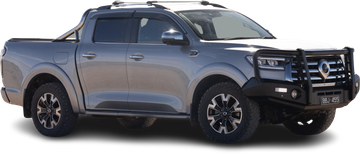
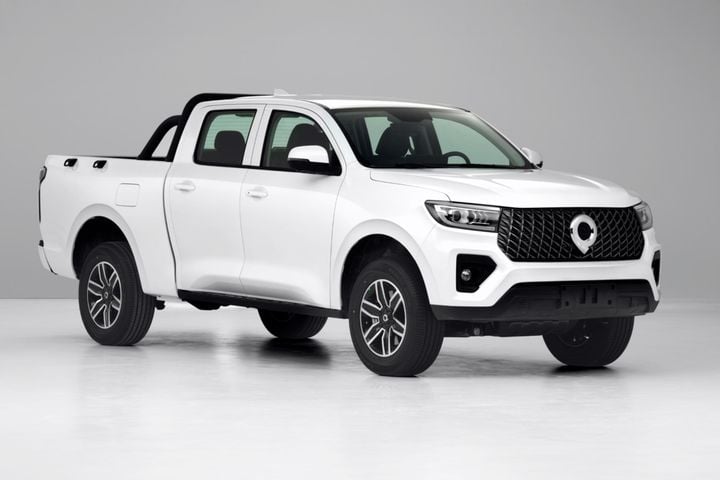
The GWM Cannon XSR offers more than an adventurous-looking sticker pack. In our 2024-model review, its front and rear differential locks, steel bumpers, snorkel, and all-terrain tyres made a compelling package for just under $53,000 drive-away at the time of filming.
The equipment extends to sturdy steel side steps, a tailgate access step, and a surround-view camera. Inside, quilted door trim, heated front seats, and a sunroof help the XSR feel generous for the money. Rear-seat space is good, although there are no rear cupholders outside the doors.
The 9.0-inch touchscreen supports wired Apple CarPlay and Android Auto, but lacks built-in navigation and digital radio. Some menus are frustrating, and the test vehicle also lacked blind-spot monitoring. Our lane-centring assessment was disappointing, with the ute wandering towards markings rather than reliably holding the centre.
Under the bonnet, the 2.0-litre four-cylinder turbo-diesel produces 120kW of power and 400Nm of torque, paired with an eight-speed automatic. There's a long pause when accelerating from rest, and outright performance is leisurely. We recorded 0-100km/h in 12.72 seconds and 80-120km/h in 11.96 seconds. Braking from 100km/h took 41.04 metres.
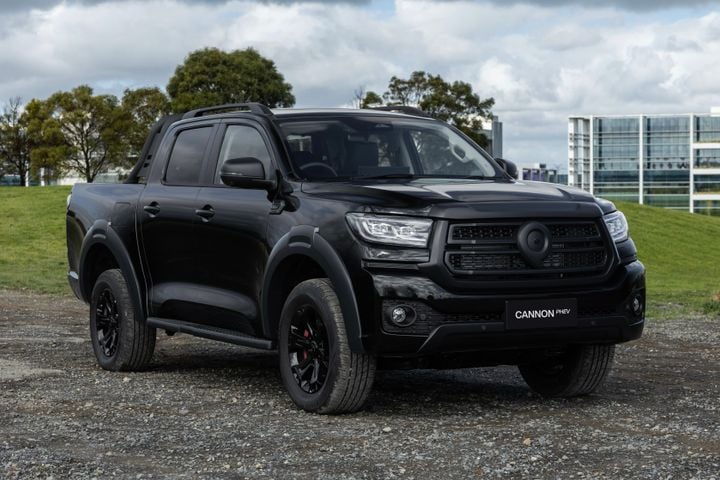
Body control over the high-speed undulations was surprisingly good, although the ride became choppy on rougher sections. Wind noise around the snorkel also intruded. Unlike the broader Cannon range described in the review, the XSR uses part-time four-wheel drive; its four-wheel drive modes aren't for sealed-road use.
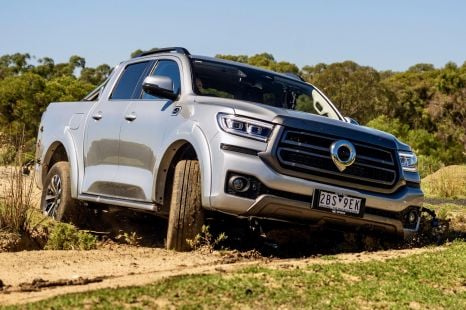
Off-road, it handled our dry moguls and hill climb with little fuss. Crawl control managed the climb effectively, while turn assist noticeably tightened the turning circle on loose ground. The water crossing was straightforward, too, but limited ground clearance led to occasional underbody contact over other obstacles.
The biggest off-road concern was traction control interfering while the rear differential was locked. We couldn't find a way to fully disable that intervention in the conditions tested. Our assessment covered relatively light terrain, and we hadn't evaluated the tyres in wet-road driving.
There's genuine value here, with a 3000kg braked towing rating and payload just under 900kg adding practical appeal. However, we didn't tow during this review. More engine response and better electronic calibration would make an already capable, well-equipped ute much easier to recommend.