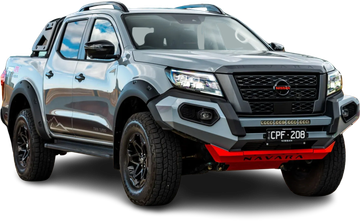
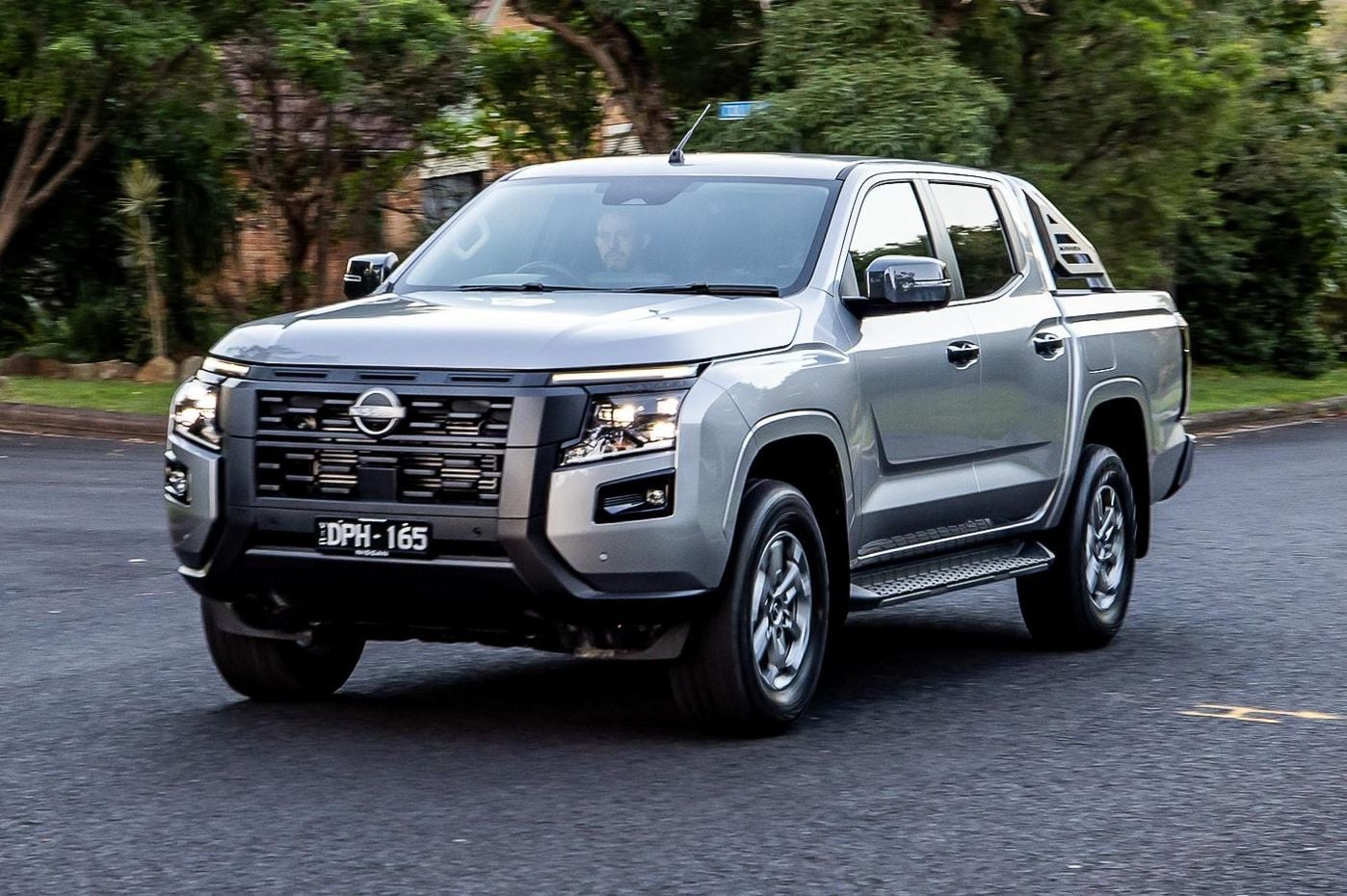
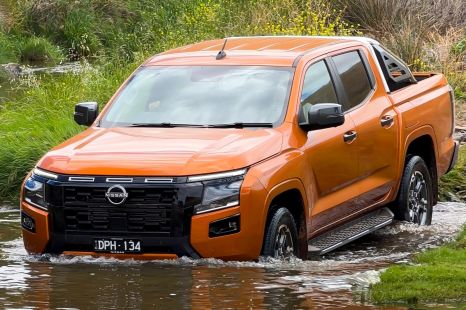
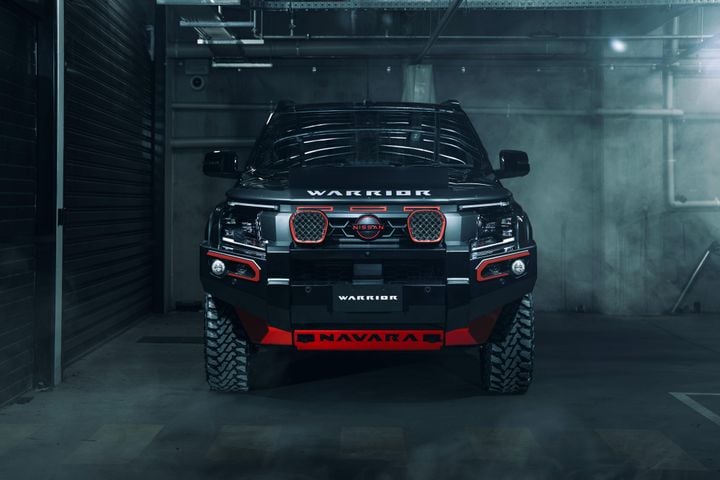
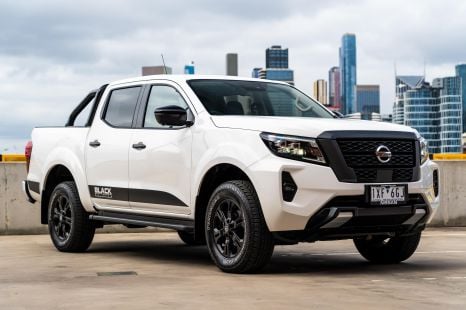
The Nissan Navara Pro plug-in hybrid is heading to Australia in 2027, and our first look reveals a vehicle with more than a different badge to distinguish it from the growing crowd of electrified utes. We inspect both a Chinese-market display car and a pre-production Australian example, rather than driving either one.
The major Australian change is a 2.0-litre turbocharged petrol engine in place of the Chinese version’s 1.5-litre unit. Nissan is talking about approximately 300kW and 800Nm, a 3500kg braked towing capacity and a one-tonne payload. Those are promising headline figures, but gross vehicle mass and gross combination mass were not available at this preview. They matter when working out how much load can actually be carried while towing.
Unlike plug-in hybrid utes that use separate electric drive at each axle, this package has a conventional driveline running through the vehicle, an eight-speed automatic, low range and front and rear differential locks. Physical controls make the four-wheel drive functions easy to find. Australian development work also includes a dedicated towing mode, though its effectiveness remains untested by us.
The battery is around 30kWh, and the Chinese-cycle electric range claim exceeds 100km. That is not a confirmed Australian WLTP figure. Charging specifications also remain an important question: only AC charging was being discussed for Australia, despite the Chinese display vehicle having provision for a DC connector.
Inside, the Navara Pro feels notably spacious, particularly in the second row. There are screens for the driver and infotainment, but Nissan has retained plenty of buttons for frequently used functions. The Australian prototype also demonstrates retractable side steps, while a tailgate step and vehicle-to-load capability add useful practical appeal.
Several details still need settling. Both leaf-spring and coil-spring rear suspension arrangements are being evaluated, and the pre-production cabin is not a final guide to showroom finish. Our enthusiasm for the space and presentation therefore comes with some unanswered questions about the finished vehicle.
Price will be crucial. Our view at the preview was that roughly $60,000 drive-away would make a compelling starting point, but that was an opinion, not announced pricing. Before judging this against the BYD Shark, we need the final specifications and proper driving, off-road and towing tests.