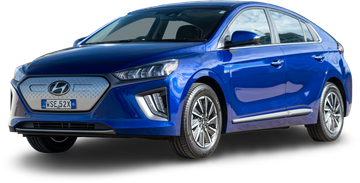
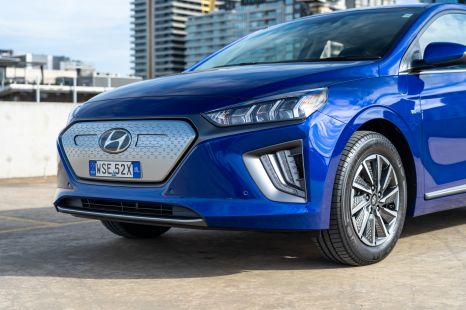
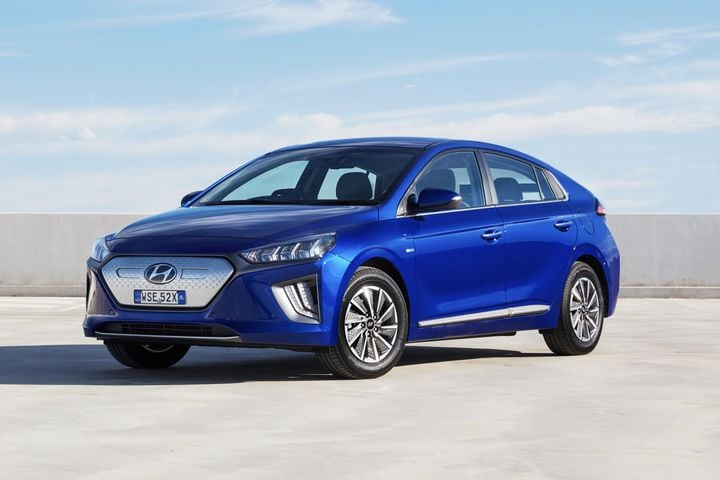
The Hyundai Ioniq Plug-in Hybrid sits between the conventional hybrid and fully electric versions of Hyundai's small car. In this 2020 review, we test the entry-level Elite, which started just below $42,000 when filmed, to see whether its electric commuting potential outweighs its compromises.
There is a strong efficiency argument if you can plug in regularly. On an 85km driving loop starting with a full battery, we averaged 1.9 litres per 100km, with the electric range exhausted at around 63km. That result depends on the initial charge and journey length; it should not be treated as fuel consumption for an indefinitely long trip.
The 8.9kWh battery supports AC charging at up to 3.3kW. A 1.6-litre naturally aspirated petrol engine contributes 77kW of power, while the electric motor produces 44.5kW. Their combined maximum is 104kW, not the simple sum of the two individual peaks. Together, they provide a useful surge when stronger acceleration is needed.
Inside, the updated cabin feels more contemporary, particularly its sharp 10.25-inch infotainment screen. Satellite navigation, digital radio, an eight-speaker Infinity sound system, and wired smartphone mirroring give the Elite plenty of everyday appeal. Its cloth seats are attractive and comfortable, although some dashboard and centre-console components feel less solid than we would like.
Practicality is mixed. Front occupants have useful storage, but there is only one USB port. Rear passengers get air vents and an armrest, though space behind a tall front occupant is tight. The boot holds 341 litres, expanding to more than 1400 litres with the rear seats folded, and a tyre repair kit replaces a spare.
On the road, locally tuned suspension and generous tyre sidewalls deliver excellent compliance. The steering is light, visibility is good, and electric running is quiet. Unfortunately, the dual-clutch transmission introduces occasional clunks and hesitation, undermining the otherwise relaxed experience.
The adjustable regenerative braking is another frustration. Its response is abrupt rather than smoothly progressive, and it stops slowing the car at low speed rather than bringing it fully to rest.
We like the efficiency potential and comfortable ride, but not enough to overlook those drivability flaws. The Ioniq makes most sense for buyers whose daily travel fits its electric range and who can recharge each night.