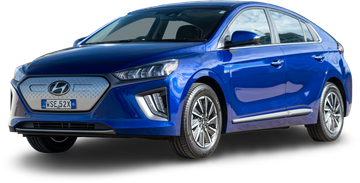
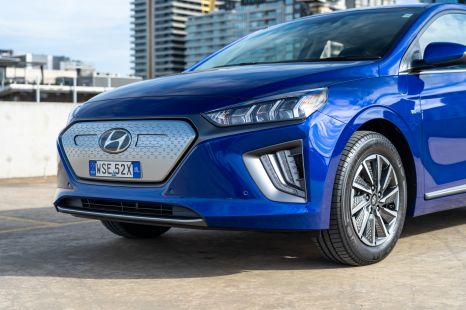
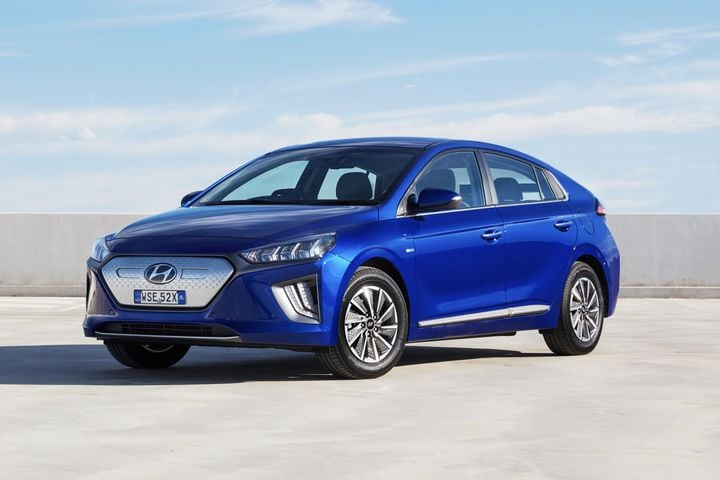
A bigger touchscreen isn’t automatically a better one, but the Hyundai Ioniq’s 10.25-inch infotainment system makes a strong case for the extra space. In our 2020 review, Paul Maric explores the plug-in hybrid’s high-resolution display and finds an impressive mix of clear navigation, smartphone integration, and useful electrified-driving information.
The home screen uses three main panels, with swipes revealing further menus and touch-sensitive buttons below providing another way in. The display supports a split-screen layout, so its size has a practical purpose rather than simply dominating the dashboard.
Built-in navigation is attractively presented and address entry is straightforward. Suggestions appear as you type, while traffic information can help reroute around congestion. Charging locations are also included, with the system able to guide you to a nearby charger.
The plug-in hybrid menus go well beyond a battery symbol. We explore remaining range, charging-time estimates, energy flow, and driving history. Scheduled charging lets owners take advantage of off-peak electricity tariffs where available, and charging current can be adjusted through the settings.
Our earlier 85km drive, starting with a full battery, returned an indicated 1.9 litres per 100km. The initial electric running ended at around 63km, after which the car used a combination of electric assistance and its petrol engine. That result reflects this particular charged-battery drive, not a promise of the same fuel consumption on every journey.
Entertainment includes digital radio and an eight-speaker Infinity sound system that impresses us. Bluetooth and USB handle external audio, but there’s no auxiliary input. A voice-memo function lets you save a thought for later, while a QR code opens the vehicle’s web manual on your phone. Display settings also include a blue-light filter.
Smartphone mirroring is another highlight. Apple CarPlay fills the wide display in our demonstration, and Android Auto is supported too. The catch is voice recognition: it relies on a connected, mirrored smartphone rather than a native system for the car’s own functions.
That omission is frustrating, but it doesn’t undo the overall result. Clear graphics, useful charging controls, and effective use of the screen make this a convincing infotainment package for the Ioniq tested.