The Hyundai Kona Active makes a stronger impression on the road than its basic cabin might suggest. In our 2020 review, we find a small SUV that’s comfortable, nimble, and surprisingly enjoyable through corners, but harder to justify if value and practicality sit above styling on your shopping list.
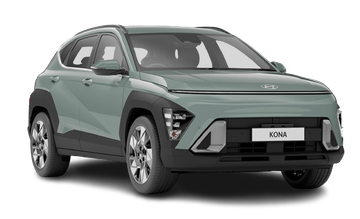
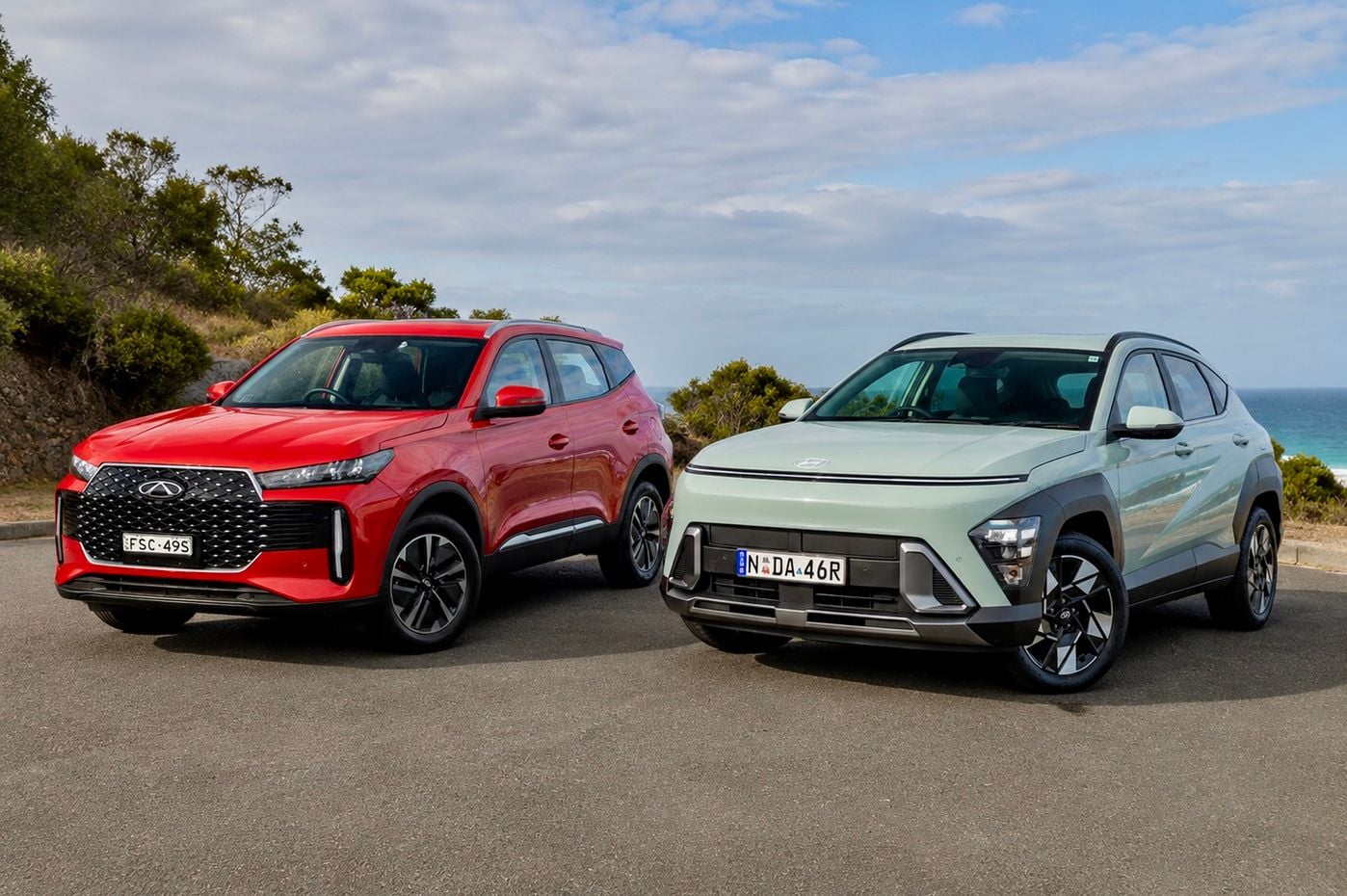
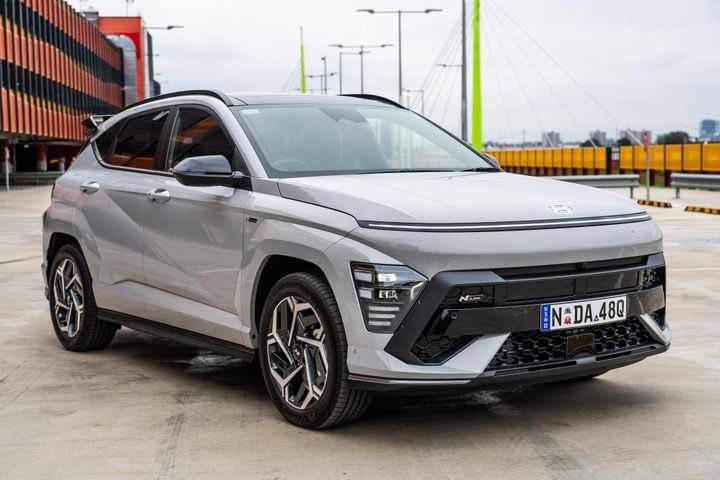
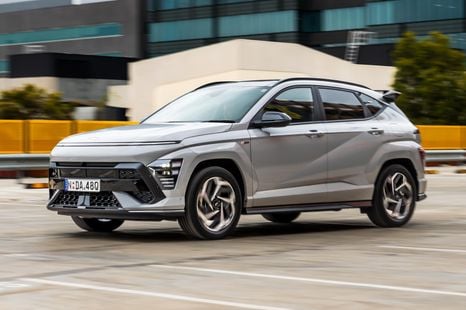
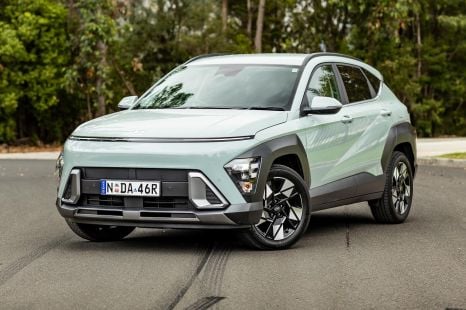
Positioned one step above the entry model, the Active started at a little over $25,000 when we filmed. Its split lighting, chunky cladding, and busy front-end give it a distinctive look. Whether that appeals is personal, but the SUV appearance shouldn’t be mistaken for a major increase in usable space over a small hatchback.
The cabin is easy to get comfortable in, with accessible controls, supportive cloth seats, and useful places to store phones and everyday items. Unfortunately, hard plastics and noticeable centre-console flex undermine the presentation. A conventional ignition key and manually adjusted air-conditioning reinforce the basic feel.
The 7.0-inch touchscreen offers Apple CarPlay and Android Auto, with navigation handled through a connected phone rather than built into the car. We like the reversing camera’s clarity, including at night. Safety assistance is less convincing: the autonomous emergency braking system is limited to city speeds, and the lane-keeping assistance can tug abruptly or fail to respond when expected.
Rear passengers get reasonable head room and toe room, but knee room is limited. There are no rear air vents or charging outlets. Boot capacity is 361 litres, expanding to 1143 litres with the rear seats folded, and a space-saver spare sits beneath the floor. It’s useful rather than especially generous.
The 2.0-litre petrol engine delivers 110kW of power and 180Nm of torque through a six-speed automatic. Those outputs aren’t spectacular, yet the conventional automatic responds well and the combination provides enough punch for this sort of car. Engine and tyre noise are more noticeable than we’d like.
Hyundai’s Australian suspension tuning is a highlight. Combined with the 16-inch wheels and generous tyre sidewalls, it gives the Kona a compliant ride without sacrificing responsive steering and enjoyable handling. That makes it an appealing small SUV to drive, but it doesn’t erase the price premium over a Hyundai i30. We’d buy it for the design and driving character, not an expectation of substantially greater space or luxury.