




Max Davies
2027 Subaru Outback Wilderness review: Rally shakedown
Rallying in a Subaru? Yes, please. Rallying in an Outback? That's unexpected – here's how it went.
8 Seconds Ago
Rallying in a Subaru? Yes, please. Rallying in an Outback? That's unexpected – here's how it went.
Marketplace Journalist
Marketplace Journalist
Marketplace Journalist
Marketplace Journalist
If this is the car for you, we’ll compare offers from trusted dealers, handle the back and forth and manage your purchase from enquiry to delivery.
Subaru, rally... Outback? Surely not.
Yes, Subaru is a household name in the rallying world – that's where the WRX (World Rally eXperimental) and its STI performance division grew to fame – but the car you see on test here couldn't be further removed from motorsport.
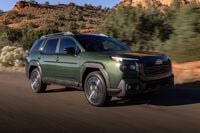
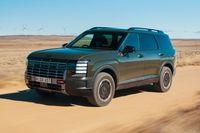
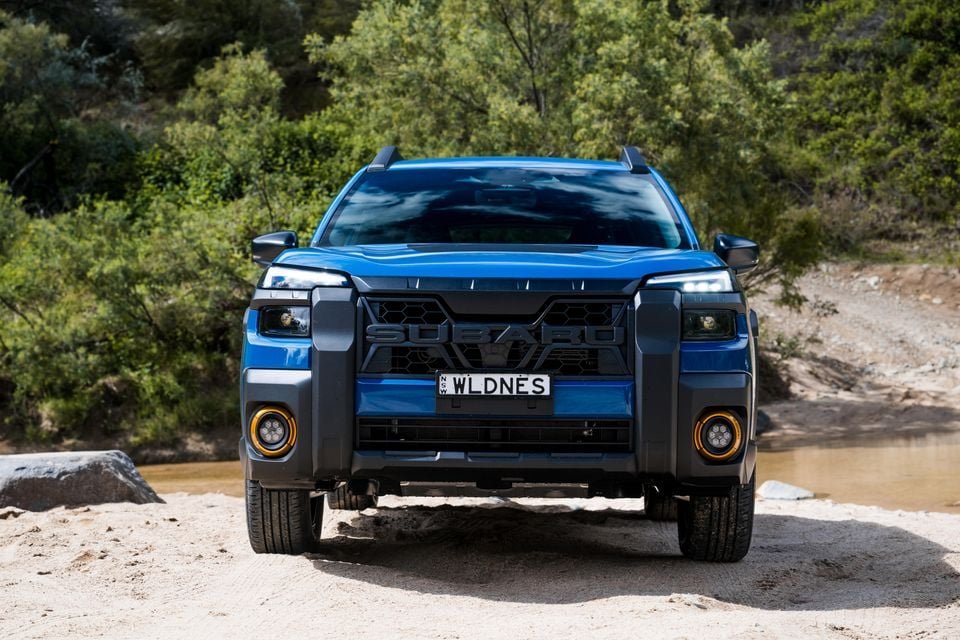
Yet, this is the car Subaru Australia is using to build a new kind of performance credibility, bearing an off-road sub-brand nameplate that Australians will find unfamiliar despite its relatively recent introduction in early 2026. It's the Subaru Outback Wilderness.
Wilderness is Subaru's latest sub-brand and is focused on off-road adventure rather than motorsport performance. Debuting in 2021, it was exclusive to North America before arriving in Australia nearly five years later.
It definitely doesn't carry the same weight as the STI name, and we're yet to hear word on local releases of the Crosstrek and Forester versions that could further flesh out the sub-brand's local presence. Still, Subaru Australia hasn't forgotten about Wilderness, nor has it abandoned rallying.
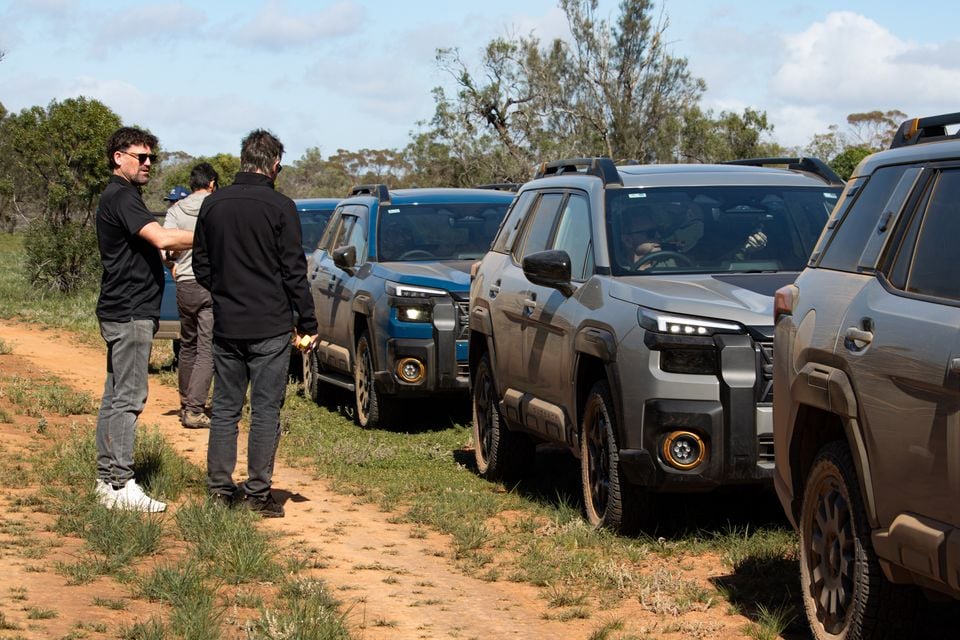
The Japanese brand not only remains heavily involved in the Australian Rally Championship, but also supports the more niche Sunraysia Safari Rally held annually in remote New South Wales. Conveniently enough, the latter was held last week.
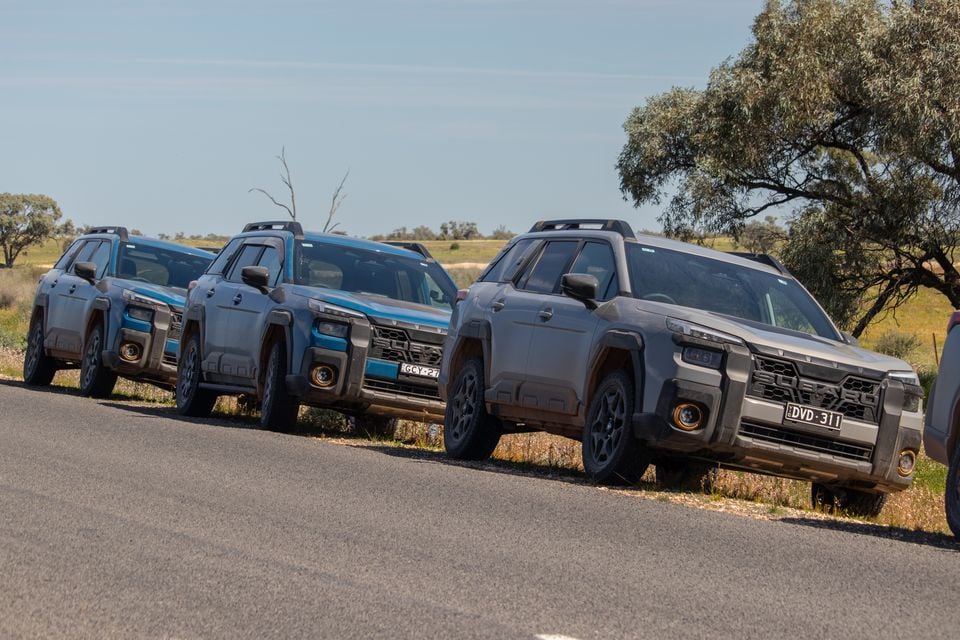
For 2026, it again backed the Subaru-centric efforts of the Maximum Motorsport team, but it also fielded a non-competitive touring group for the first time. It then invited media including CarExpert to join said group, to put the Outback Wilderness through its paces – properly.
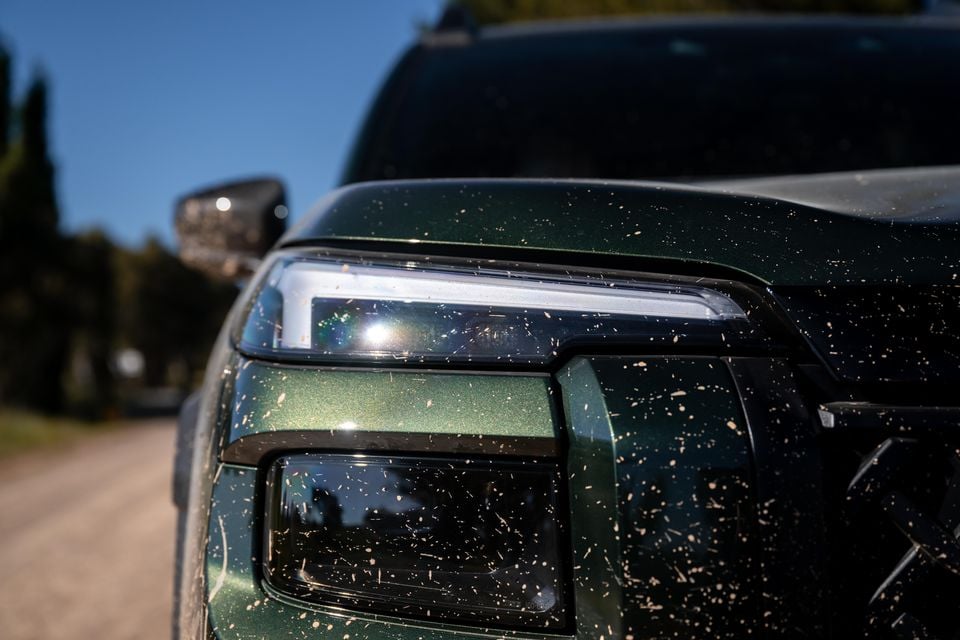
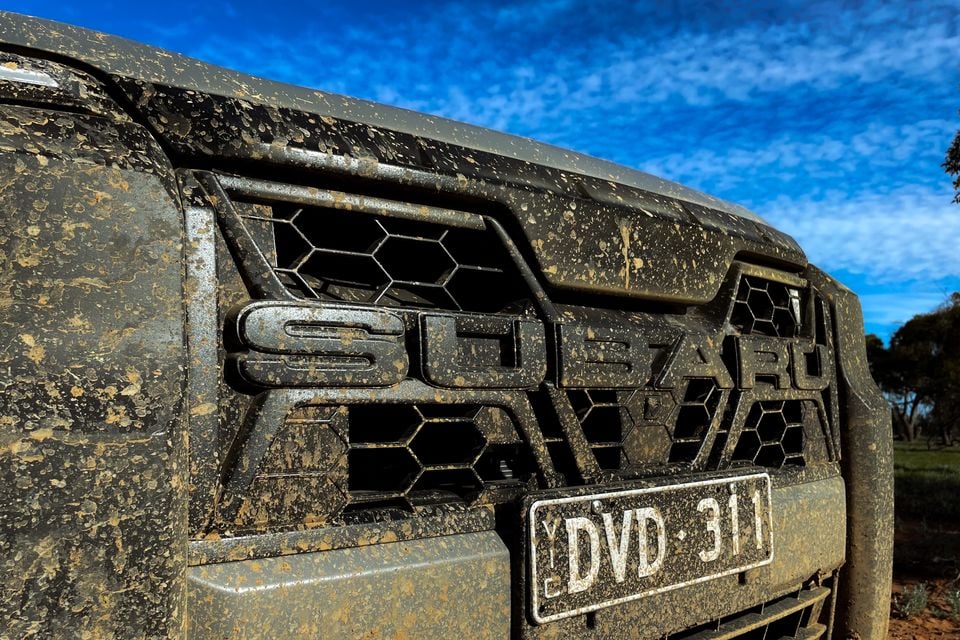
That meant our first in-depth look at the flagship 2027 Subaru Outback Wilderness Apex took place on two actual stages of the Sunraysia rally, a uniquely brutal environment for a mostly standard production vehicle. This review will therefore be slightly different to the usual.
How does the Outback Wilderness Apex stack up when the going gets tough, and is it worthy of Subaru's flagship off-roader status?
The Wilderness Apex is the most expensive version of the Subaru Outback currently on sale. It's priced at $62,690 before on-road costs.
| Model | Price before on-road costs |
|---|---|
| 2027 Subaru Outback AWD | $48,990 |
| 2027 Subaru Outback AWD Premium | $53,490 |
| 2027 Subaru Outback AWD Touring | $56,990 |
| 2027 Subaru Outback AWD Wilderness | $59,690 |
| 2027 Subaru Outback AWD Wilderness Apex | $62,690 |
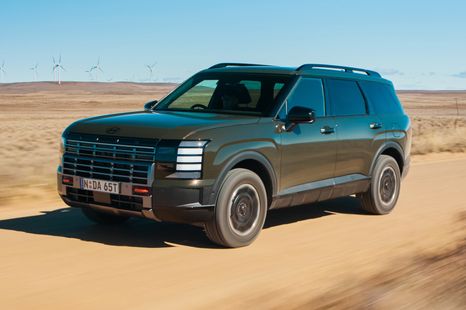
In terms of large, car-based (monocoque) SUVs, the only true competitor to the off-road-focused Wilderness is the Hyundai Palisade XRT Pro. Like the Wilderness, the XRT Pro features standard all-wheel drive, offers a unique powertrain compared with its overarching model range, and naturally promises enhanced (but still light) off-road ability.
However, while the five-seat Outback is officially classed as a large SUV, the Hyundai is considerably larger, offers three rows of seating, and is much more expensive at $79,900 before on-roads.
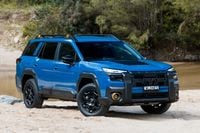
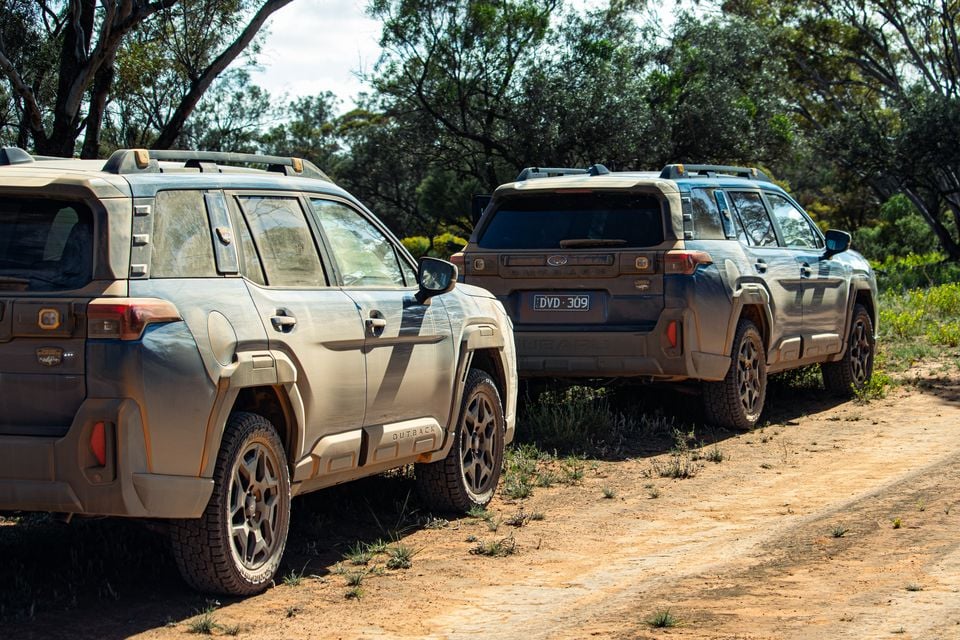
Subaru's event vehicles were all fitted with all-terrain tyres, a new accessory option. They're available with a new 18-inch alloy wheel design in sets of either four or five, priced at $4286.93 and $5274.12 respectively. All-terrains are standard on the US-market Wilderness.
To see how the Subaru Outback stacks up against the competition, check out our comparison tool
The interior isn't really the focus of this review, so we'll keep our impressions brief. It's a good thing that there isn't too much to unpack here.
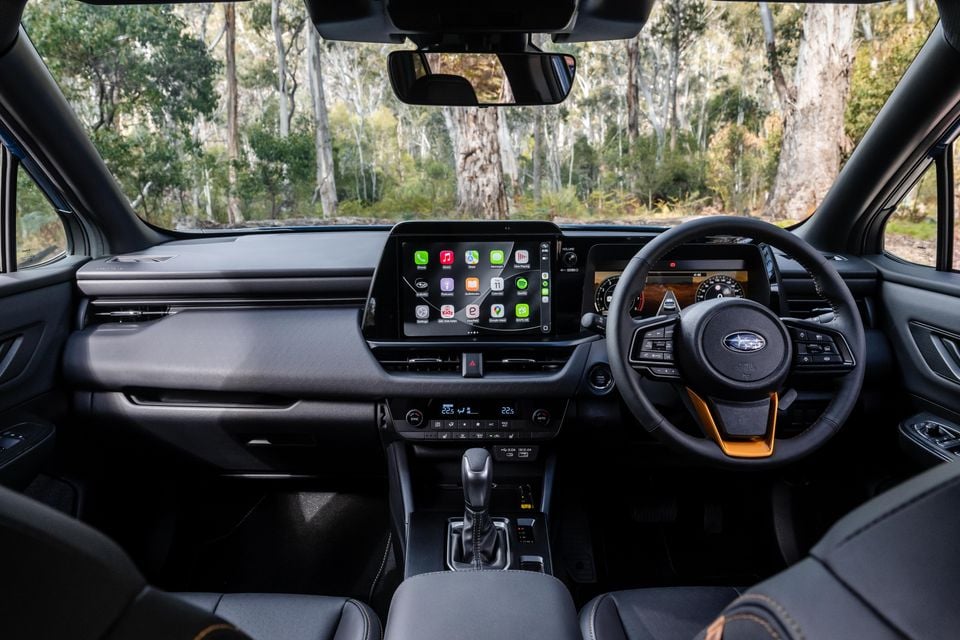
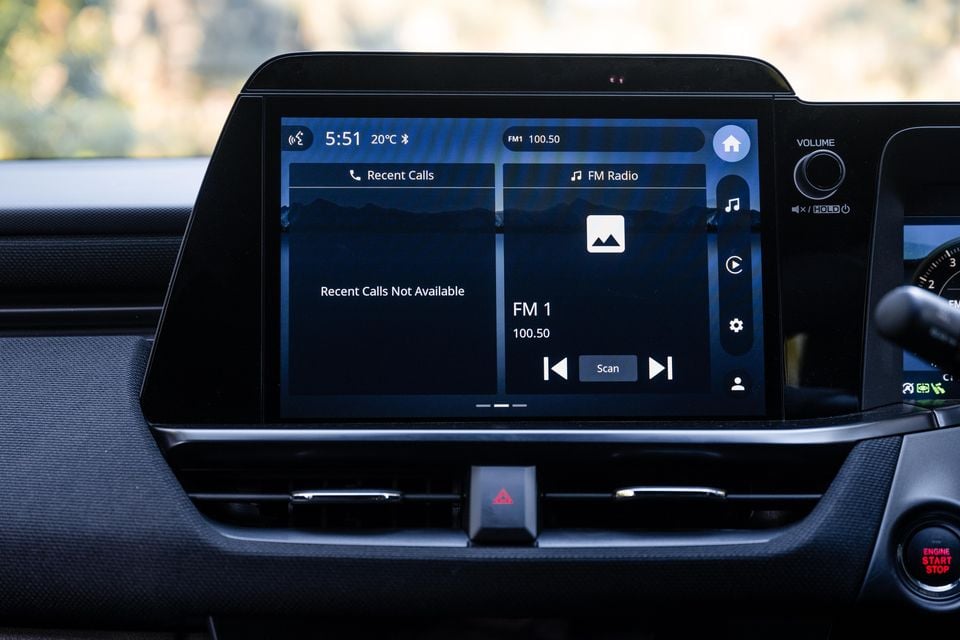
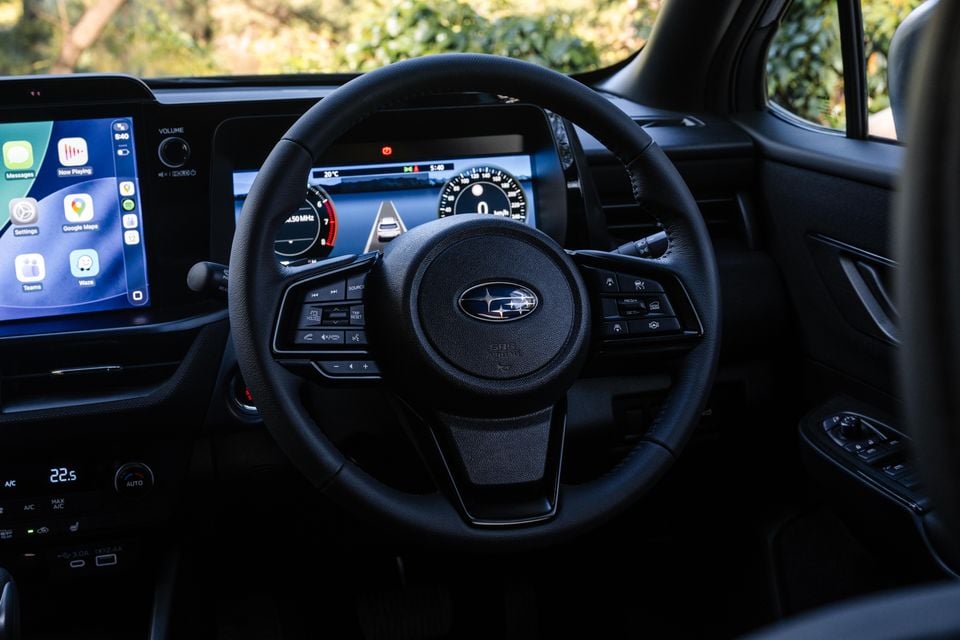
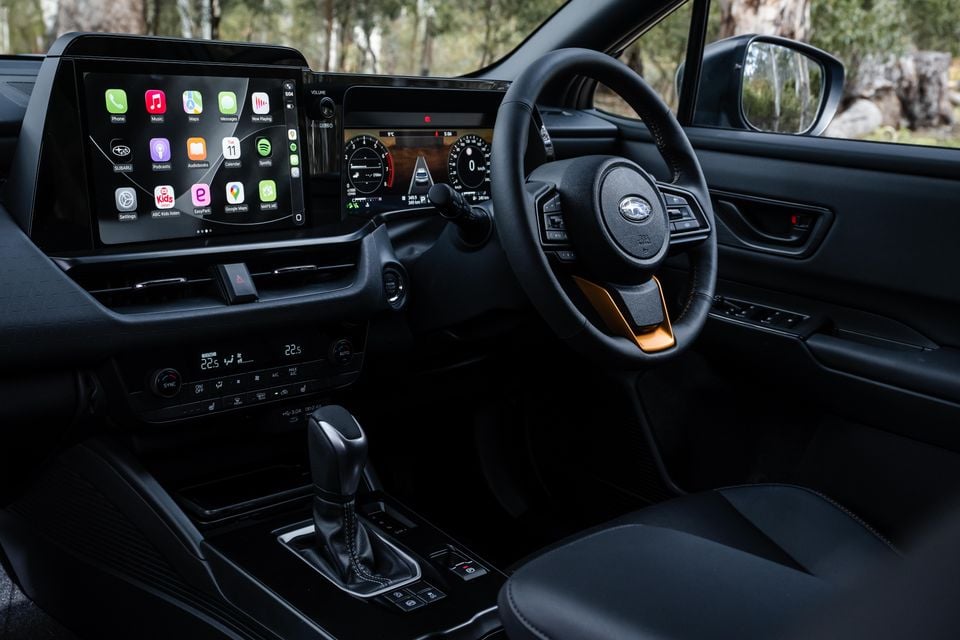
To us, it's a massive upgrade over the previous-generation Outback. Where the old model had Subaru's clunky, aged portrait-style infotainment touchscreen, the latest one has a slick new 12.1-inch unit that not only looks better, but is far more responsive and therefore easier to use.
Its icons are also massive, aiding legibility. The brand has also confirmed this is an in-house system (not derived from, say, Toyota tech), making it a shoo-in for Subaru's best touchscreen to date. That's a low bar, but one cleared nonetheless.
As part of that, it's a huge plus that the Outback has reverted to a physical climate control system. Situated low on the centre stack, the climate panel is incredibly easy to figure out on the fly, and its buttons and knobs feel great. It's far from space-age, and that's a good thing.
The most advanced piece of tech in here is the digital instrument display. It looks good graphically, and steering-wheel buttons allow you to flick through different information widgets and backgrounds. A highlight is the map view, which sits nicely behind the digital dials on either side.
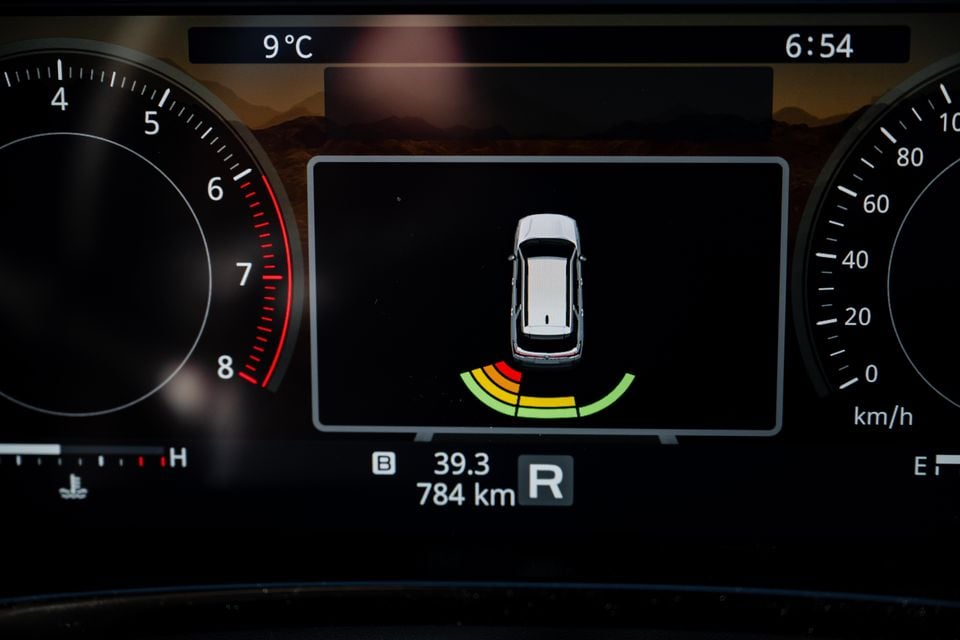
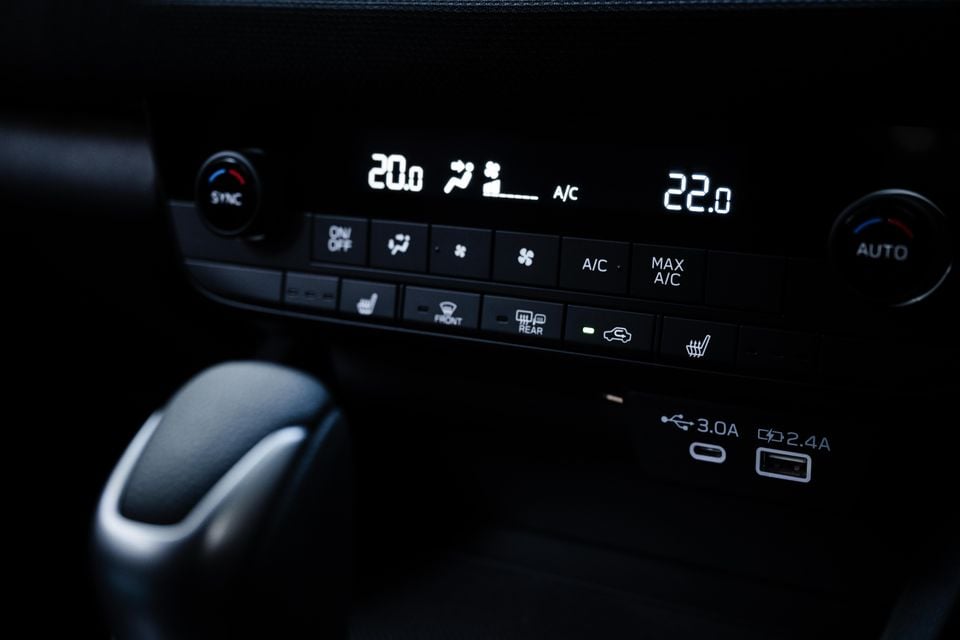
Physicality is a theme of the Outback's cabin, but it isn't all perfect. The steering wheel, for instance, looks quite cluttered with its generous assortment of buttons. Finding individual controls can take a moment, especially the steering wheel heating button positioned behind the bottom spoke.
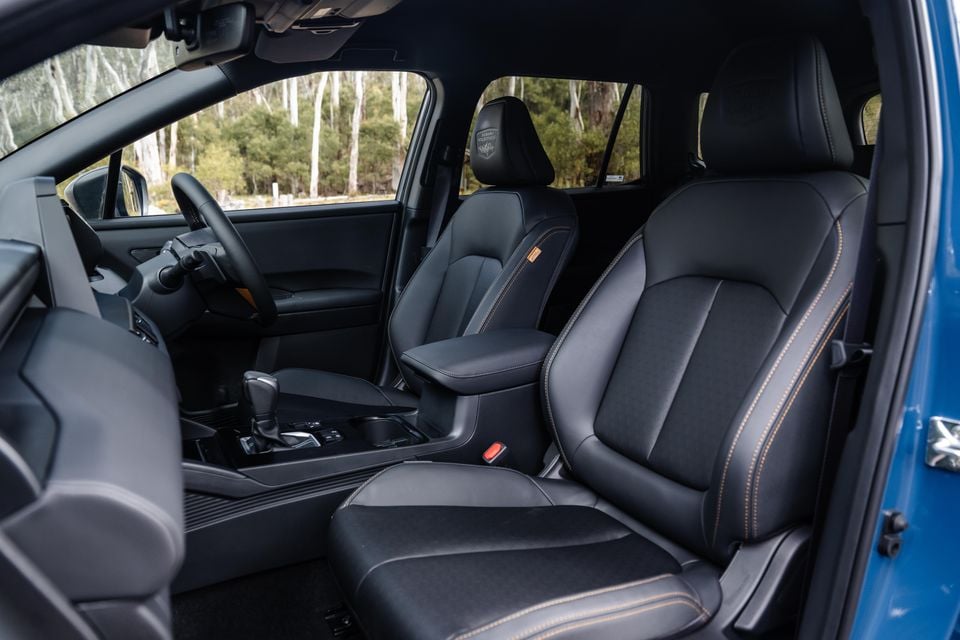
At least there's a large, traditional-style gear selector on the centre console, and just a few buttons for various driving-related controls. Being a Wilderness, it also features plenty of luxurious touches like leather on the seats and steering wheel, heated seats, and powered driver's seat adjustment.
Unfortunately, the front passenger seat is only manually adjustable, and there's no seat ventilation. That last point is notable, partly because this is supposedly an adventurous vehicle for use in often-sweltering Australia, but mostly because the Apex is the flagship Outback.
And in that sense, you may also be wondering what the Apex adds over the standard Wilderness. The answer is only four things: native sat-nav, a surround-view camera, sunroof, and Harman Kardon audio. We'd have loved to see the full bevy of Subaru features applied here.
Still, everything you do get is quite good. On top of strong perceived build quality, the seats are comfortable and supportive with a wide range of adjustments for the driver, and the ergonomics are well dialled-in. We can also commend the lack of piano-black plastic anywhere in here.
Front-row storage is good, with a large centre console box, centre console cupholders, and various slots and cubbies scattered about. There's also a wireless phone charger ahead of the shifter, which sits below two USB ports – one A and one C.
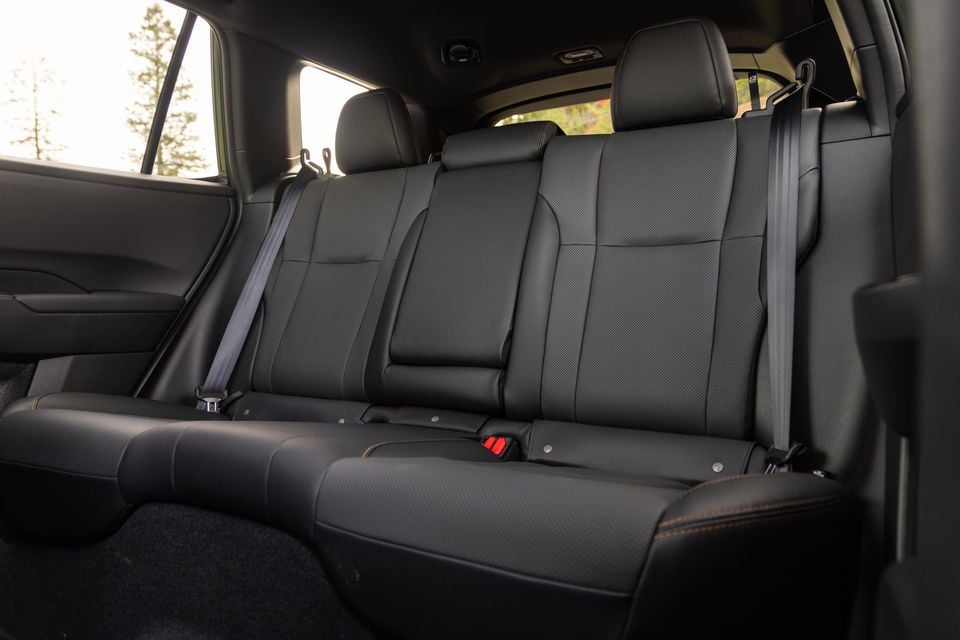
As for space, the cabin feels very airy. The boxy body, while not exactly beautiful, opens things up, and the relatively narrow A-pillars and large rear-end windows make for excellent outward visibility. Interior space is particularly strong in the second row.
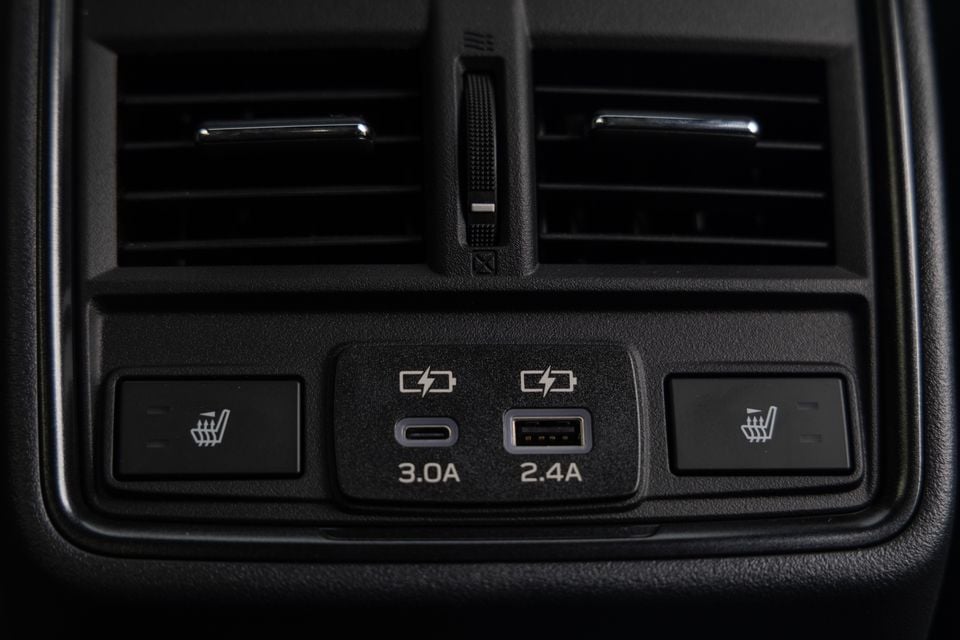
Headroom and legroom are both very good, and the large side windows mean it doesn't feel too boxed-in. Outboard passengers even get seat heating, with the associated buttons located on the back of the centre console alongside two more USB ports and air vents.
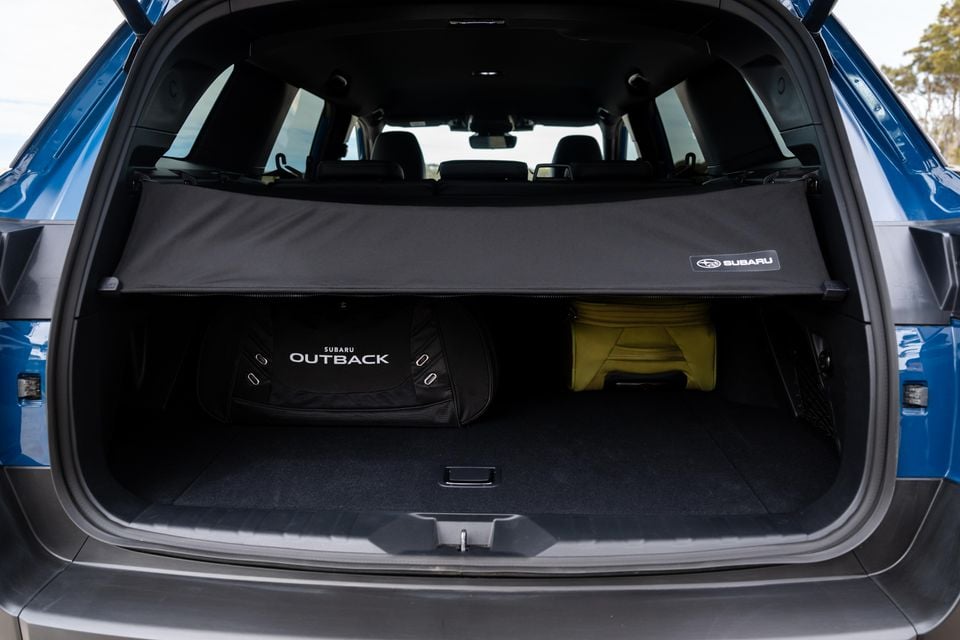
Opening the power tailgate also reveals a huge boot. It doesn't quite match up to the Palisade's, but that's a three-row SUV. This cargo hold is much more spacious than in most of Australia's popular mid-size SUVs.
Better yet, there's a full-size spare wheel under the boot floor. This is a standard fitting in the Outback regardless of the trim level, and choosing the optional all-terrain tyres – provided you opt for the set of five wheels – doesn't change that.
The Outback is quite a practical vehicle, with a pleasant cabin in which to spend time.
| Dimensions | Subaru Outback Wilderness |
|---|---|
| Length | 4880mm |
| Width | 1880mm |
| Height | 1735mm |
| Wheelbase | 2745mm |
| Cargo capacity | 530L (rear seats up) 1211L (rear seats folded, to seatback) |
To see how the Subaru Outback stacks up against the competition, check out our comparison tool
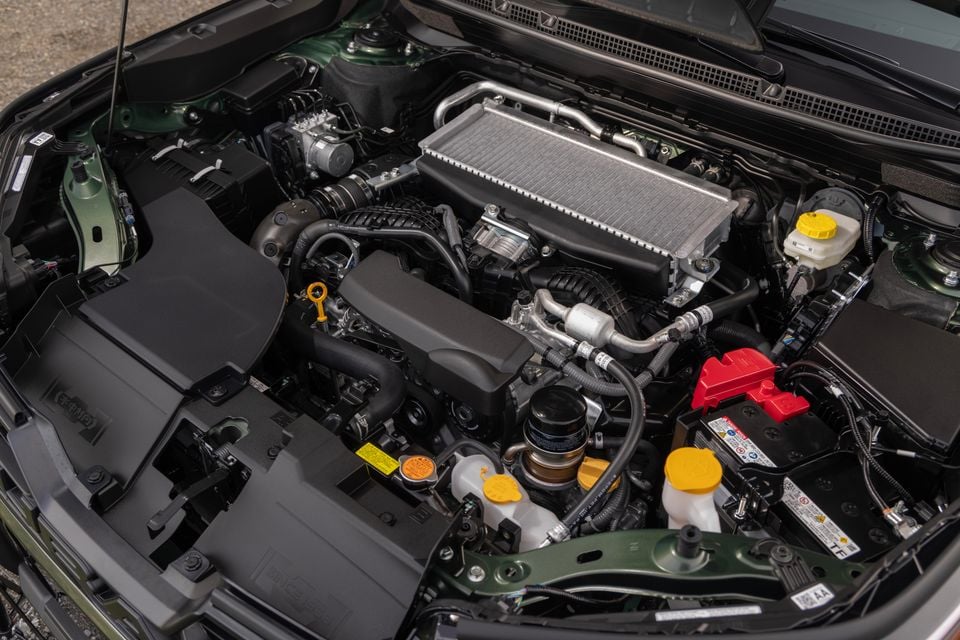
The Outback Wilderness is powered by a 2.4-litre four-cylinder turbocharged 'boxer' petrol engine delivering 194kW of power and 382Nm of torque – the same engine as in the WRX, but down 8kW and up 32Nm. Drive is sent to all four wheels via a continuously variable automatic transmission (CVT).
| Specifications | Subaru Outback Wilderness |
|---|---|
| Engine | 2.4L 4cyl turbo-petrol boxer |
| Power | 194kW |
| Torque | 382Nm |
| Transmission | '8-speed' CVT |
| Drive type | All-wheel drive |
| Weight | 1781kg – Wilderness 1802kg – Wilderness Apex |
| Fuel economy (claimed) | 9.7L/100km |
| Fuel economy (as tested) | 13.0L/100km |
| Fuel tank capacity | 63L |
| Fuel requirement | 91-octane regular unleaded |
| CO2 emissions | 228g/km |
| Emissions standard | Euro 6 |
| Braked tow capacity | 2100kg |
While the Outback Wilderness comes with a CVT auto as standard, it has a manual mode with eight simulated steps. This allows you to use either the traditional shift lever or the steering wheel paddles.
Additionally, Wilderness models are the only Outback variants to offer a turbocharged powertrain. Regular Outbacks get a 137kW/254Nm 2.5-litre naturally aspirated boxer four instead.
Note that the unique nature of driving at this event made our recorded fuel economy figure far higher than Subaru's claim.
To see how the Subaru Outback stacks up against the competition, check out our comparison tool
We know this type of driving is a bit beyond what most owners will put their cars through, but it's also a useful demonstration of what the Outback Wilderness can really do.
Our most recent review of the new-generation Outback noted little difference between the regular variants and the Wilderness grades, which is fair, given much of that driving was done crawling over mild rocks and inclines on campsite trails.
But outback Australia is different. Really different.
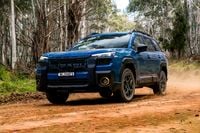
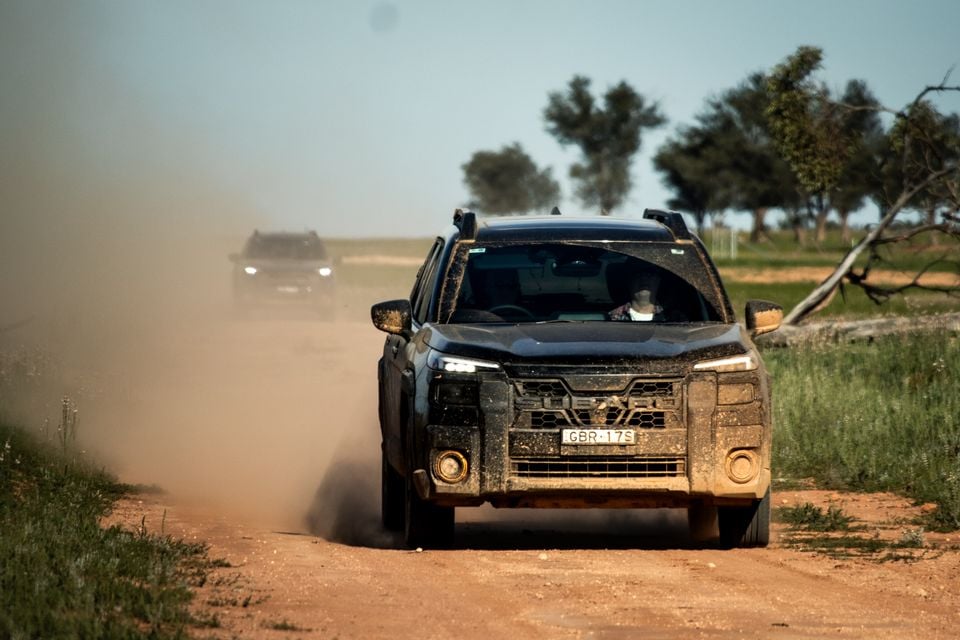
The Sunraysia rally's competitive stages take place entirely on private property – infinitely large farms zig-zagged with bumpy, sandy, potholed access tracks, sudden crests and dips, hidden rocks and tree stumps, and deep bog holes that would happily remove a car's bumper if not traversed carefully.
These are the sorts of trails you'd only want to take on with a lifted rally car or a Baja-ready Ford Ranger Raptor. Yet somehow, this is where the Outback Wilderness came to life.
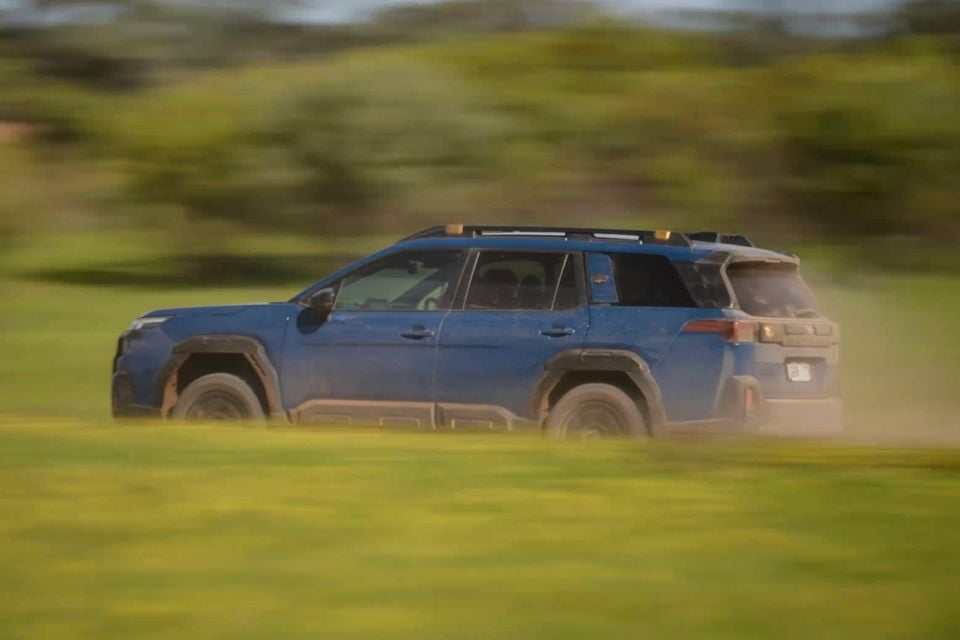
Several things are at play here. One is the adaptive suspension damper setup unique to the Wilderness, which doesn't actually offer driver adjustment. Instead, sensors detect road and vehicle conditions to adjust the dampers as required.
Another is the turbocharged engine, again a unique Wilderness element. It offers far more grunt than the other Outback engine across the board, and in practice it's the perfect powerplant for this particular purpose.
The final addition is the now-optional all-terrain Pirelli Scorpion rubber. These tyres are genuinely very good and complement the Outback's styling with their meaty look, but Subaru charges far too much at $4286.93 – a set of four is available independently for roughly $1200 each.
Combine all of that, and you end up with a surprisingly capable Subaru SUV, even by the brand's own standards. With roughly 100km of rally stages ahead of us, that quickly became clear.
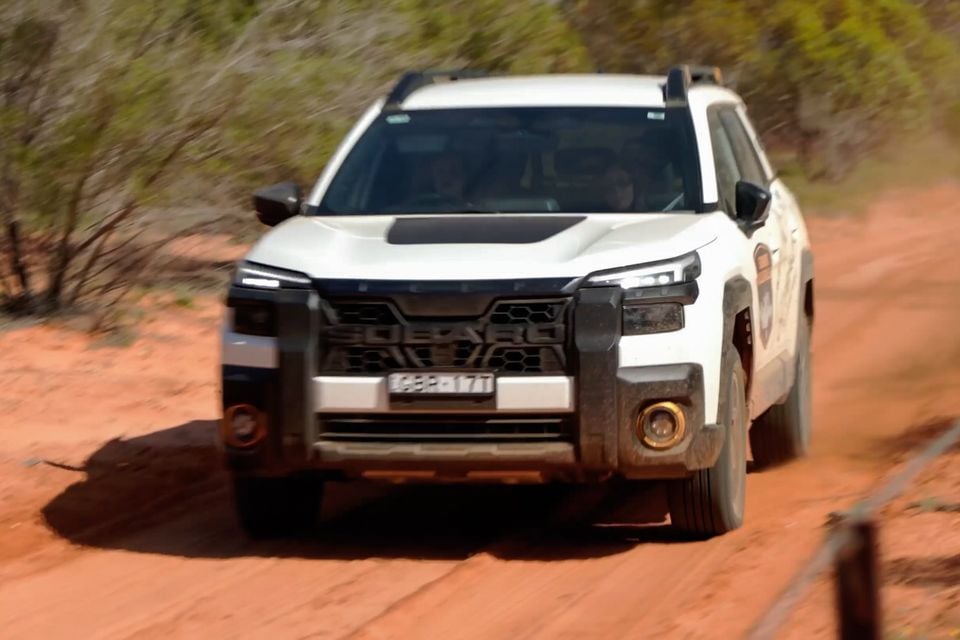
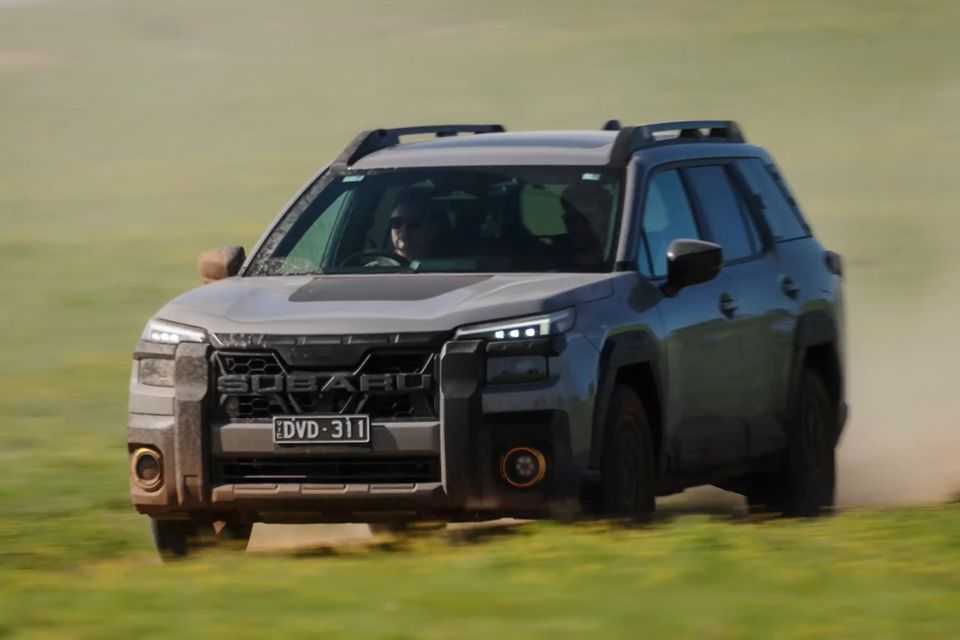
Our 10-strong group set off just a few minutes behind the final competitive runner, which meant we'd be traversing the already-rough tracks after the field of dirt bikes and rally cars had torn them up even more.
But the Wilderness wasn't fazed, showing remarkable composure right off the bat. With just a hint of wheelspin off the line after we'd 'deactivated' traction control – more on that later – the all-terrain tyres proved highly capable in keeping the car on the straight (and often very) narrow.
Of course, it helped that we had constant radio instruction from multi-time Australian rally champion Cody Crocker in the lead Wilderness, with ample warning about upcoming turns and hazards. The actual competitors could only dream of such luxury.
As we felt more comfortable in the car, the speed naturally picked up. It wasn't long before we were moving with genuine pace, and because we were third in the convoy, we had little reason to hold back.
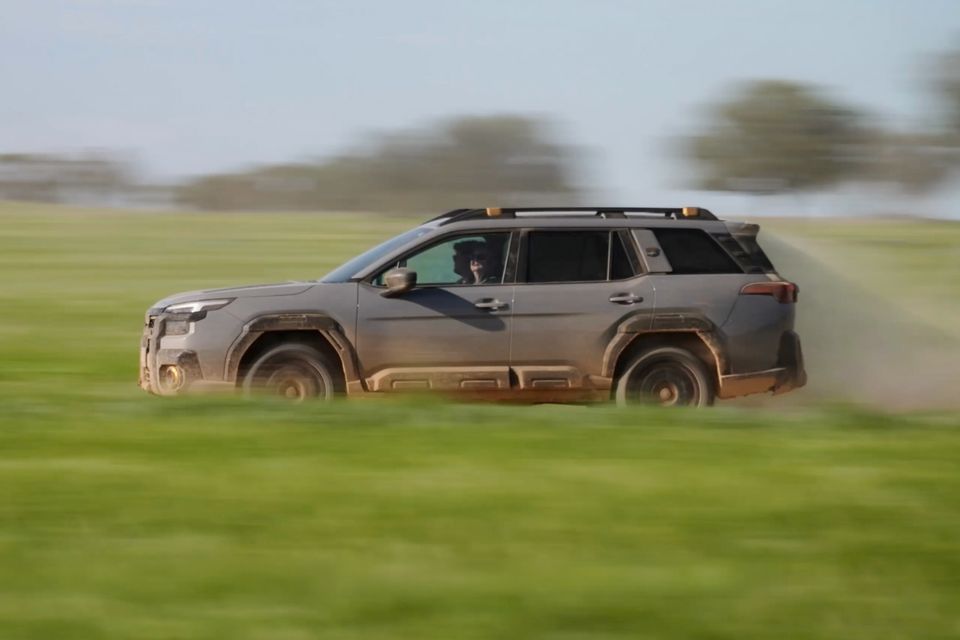
The most surprising thing about the car was its suspension. It consistently kept the Outback's body in check without too much fuss, generally doing a very good job of keeping the tyres in contact with the ground.
Because the extremely dusty surface was so loose, this did wonders for overall stability. At higher speeds, the confidence with which it soaked up bumps and holes kept the car from spearing off course and into a tree. It also made the car easy to place on the track despite the unsteady ground.
Naturally, there were imperfections. Sudden holes often had the shocks rapidly extending to their maximum, and high-speed bumps sometimes came faster than the suspension could compress, both of which created an audible, physical clunk inside the cabin.
But these instances were few and far between, and the suspension's positives way outweighed its negatives. Larger bumps and crests were soaked up nicely with no undue bobbing or bouncing, and the plush seats helped keep things comfortable inside.
If this is the car for you, we’ll compare offers from trusted dealers, handle the back and forth and manage your purchase from enquiry to delivery.
Ride height is another area where the Wilderness certainly isn't lacking. With 240mm of clearance, it rides 20mm higher than the regular Outback, and 28mm higher than the Palisade XRT Pro.
In the rally's heavily rutted twists and turns, we lost count of how many times we braced for underbody impact, only to find the Wilderness glide through with no issue at all. It's worth noting that Subaru's X-Mode has its own suspension tweaks, but it's more for slow off-roading.
The car also proved nimble enough for some of the rally's twistiest sections, with the electric power steering offering decent feedback about the ground passing under the front wheels. This again aided stability, even if it still isn't quite as communicative as an old-school hydraulic system.
The Outback often fell into deep ruts dug by the rally cars, but it seemed happy enough to follow along despite how harsh it felt from inside. Important in such areas were those all-terrain tyres, which worked well with the all-wheel drive system to keep things moving.
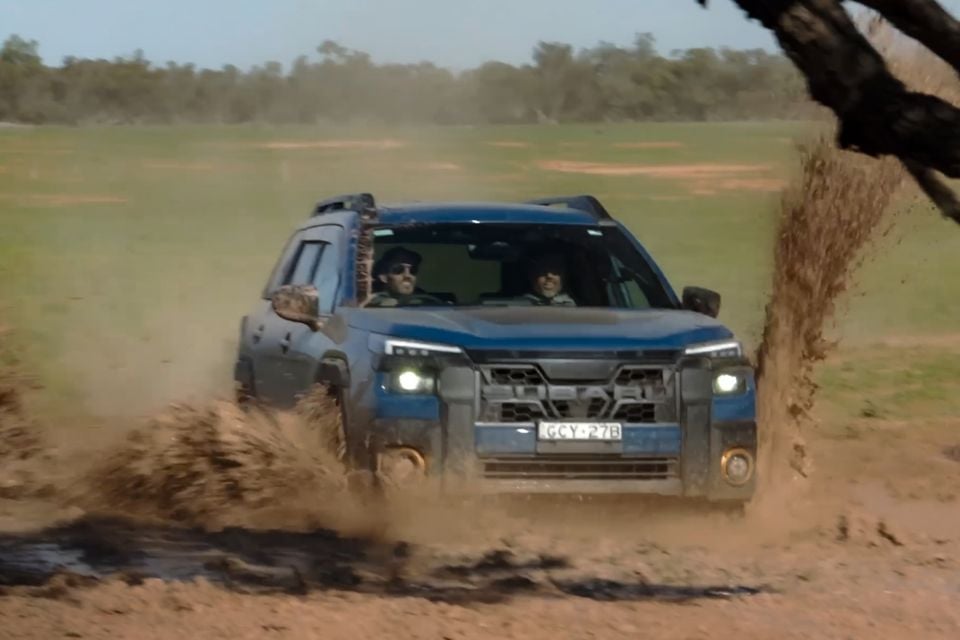
On one occasion, we entered a bog hole at a slightly slower pace, and the car slowed significantly. I responded by planting the throttle, at which point the tyres spun up, mud sprayed everywhere, and the Outback pulled itself out.
Traction, however, isn't worth as much if you don't have the grunt to take full advantage of it. That's where the engine comes in, and its performance was more than enough for the stages we completed.
Though there's only slight turbo lag, peak power doesn't hit until 5600rpm, which means you have to keep the engine revving for maximum forward progress. That'll be very familiar to people who have driven older WRXs hard.
The best way to stay in the powerband is to use manual mode, because the CVT doesn't cut the mustard without help. As smooth and daily-drivable as it may be, it just doesn't offer the sharpness we needed for this kind of driving.
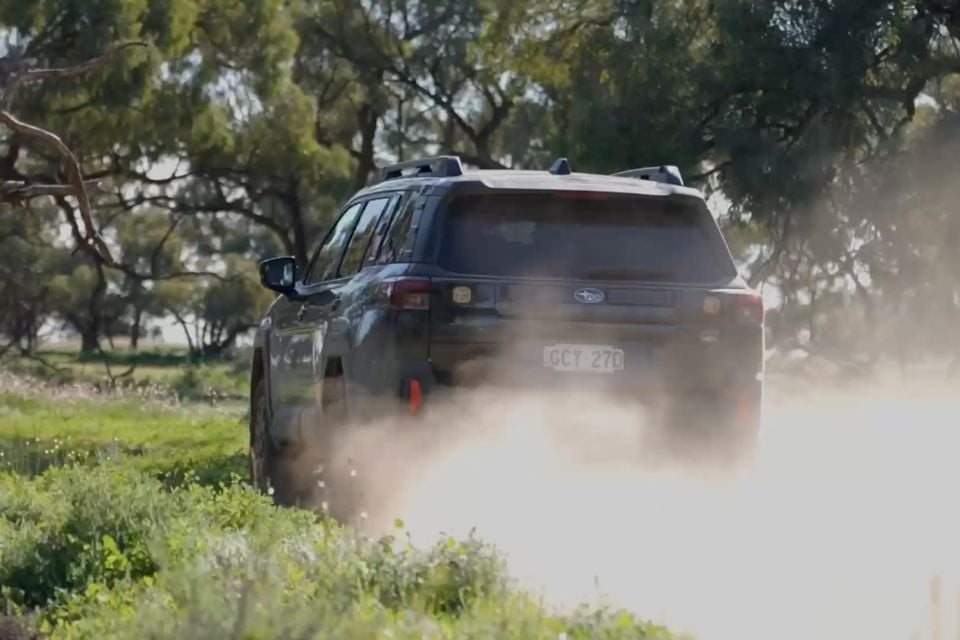
Manual mode uses simulated steps in the transmission to provide 'gears', and it does a good job of holding those gears like a traditional auto would. There is still a slight delay when shifting manually – Subaru makes no secret that this is not the 'performance' CVT fitted to the WRX.
Holding third or fourth 'gear' helped avoid frequent shifting, while dropping to second gave the extra punch necessary to get some sliding happening out of sharp turns. At least, that was the thinking.
The Outback's most significant limitation in this environment is its traction control. Like plenty of other new cars, it has a 'traction off' button on the centre console, but it only loosens the system's reins. It can't be disabled entirely.
That's totally fine for the light-duty off-road driving the Outback Wilderness will usually be subjected to, but it became a persistent factor at the rally. Every time sideways action looked likely, the system would jump in, cutting power and grabbing the brakes.
It was arguably more intrusive on the deep sand sections of the course, where it would detect wheel slip when travelling in a straight line and throw out the anchors on its own. This even happened while we were bowling along at 110km/h.
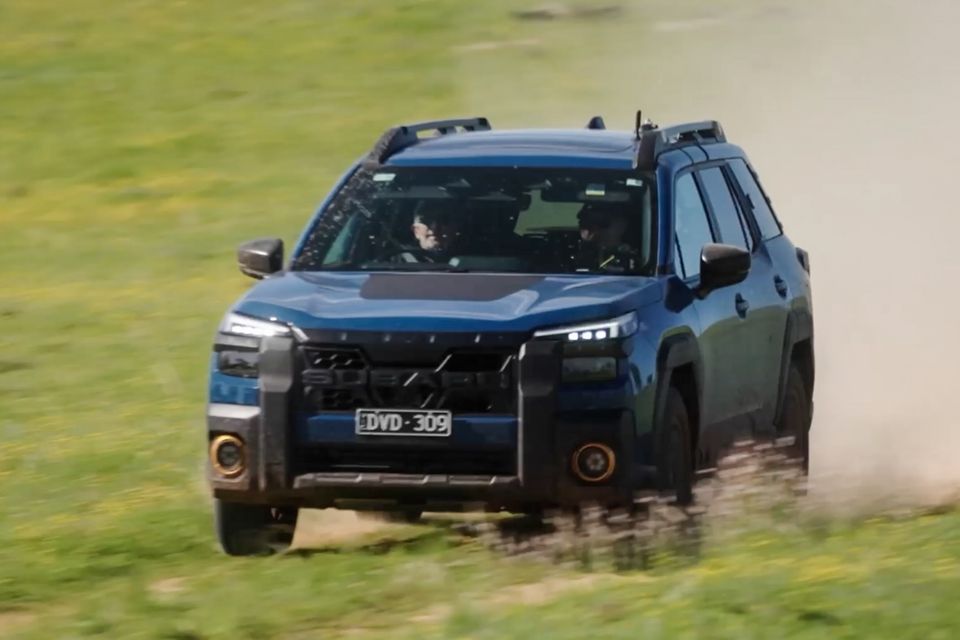
That doesn't mean sliding was impossible, though. You can induce lift-off oversteer in the slackened traction control state and, as long as you ignore your instincts to steer into the slide, the car won't intervene.
With that knowledge, we were able to start inducing powerslides on the exit of turns, even if they were difficult to sustain given the need to avoid steering input. The spectacular dust clouds reaffirmed that the engine was more than up to the task in this lairy off-roading.
The traction control situation leads us into the rest of the Outback's safety gear. Some systems are unavoidable, namely the anti-lock brakes that made themselves known when we were heavy-handed on loose surfaces, but most of the car's tech can be deactivated via the touchscreen.
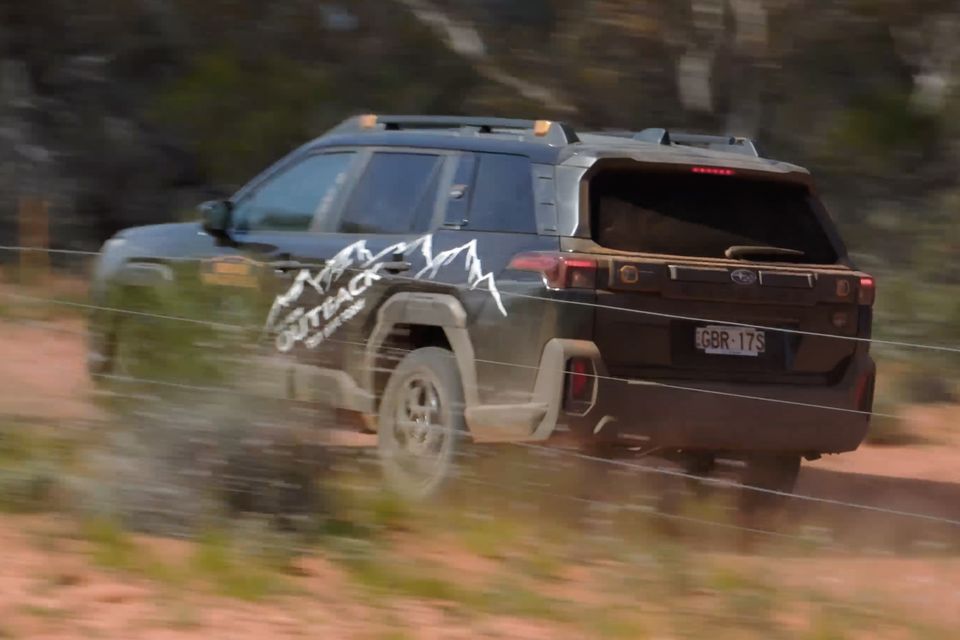
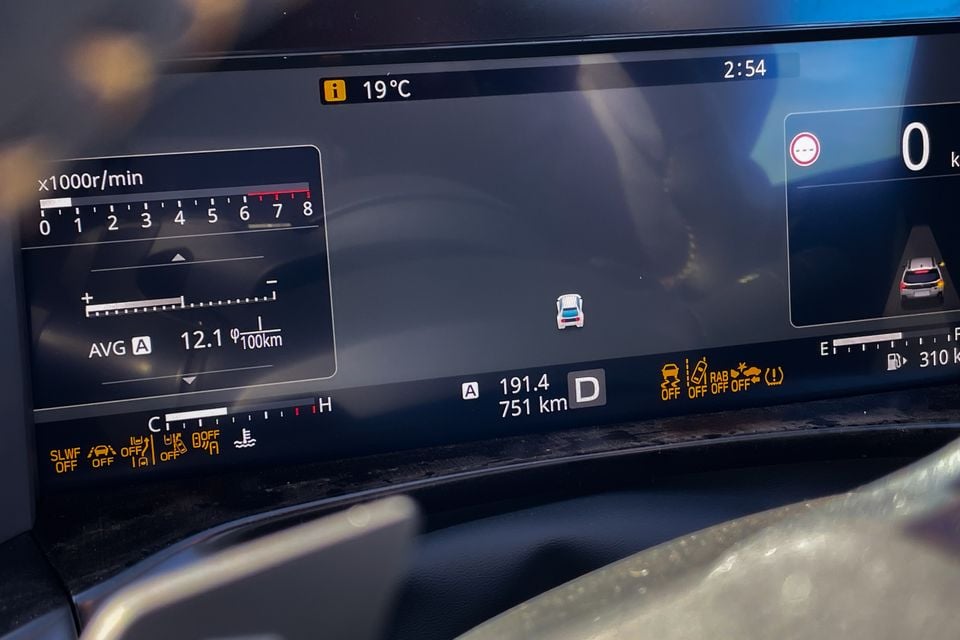
Given we'd often be driving into walls of dust or barreling towards corners with trees in close proximity, we were told to do just that. So we dived into the car's settings menus and disabled everything we could find – the dashboard was quite literally lit up like a Christmas tree.
This worked exactly as intended. Commendably, at no point on the rally stages did any warnings regarding autonomous emergency braking or collision avoidance crop up, leaving us to our own devices. Naturally, however, we had to do this every time we started the car.
But we also spent some time on sealed roads as we transited between stages and base camp. Most safety systems proved competent when active, but that pesky driver monitor is as annoying as it is in the latest versions of the Crosstrek and Forester.
That's a shame and a downgrade because it'll beep at you for spending too long looking at the screen, the climate system, or out the side window. And while it can be deactivated, you'll have to do it every time you get in. At least it turns itself off if the driver is wearing sunglasses.
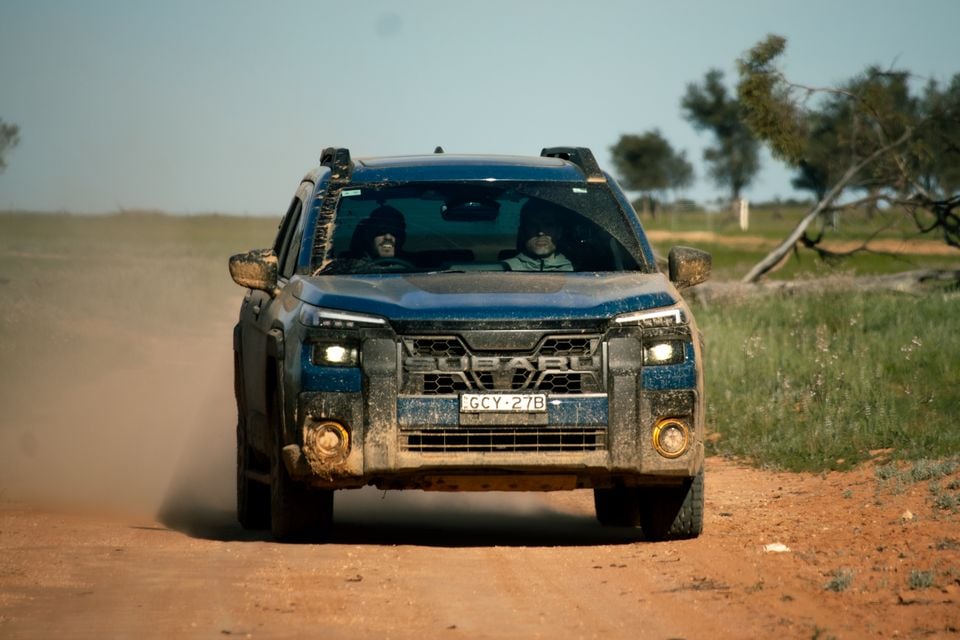
Other than that, the Outback Wilderness turned out to be quite an impressive out-of-the-box package. It held up remarkably well to the abuse of the hardcore rally stages – it even tracked straight when we returned to the blacktop – and let us have more fun than anticipated throughout the day.
Obviously, the all-terrain tyres are probably the single most useful addition if you're buying one to head off-road. They don't even compromise the Outback on-road as they're comfortably quiet, and may even soften the ride slightly compared with the standard highway-terrains. If only they weren't so expensive.
And while we know a car's off-road ability is inversely related to how much the driver cares about it, the Wilderness fared better here than the regular Outback would have. That's largely thanks to the tyres, but also the advantages of the extra height and more sophisticated damping setup.
All said, it's not every day you get to drive in a rally, and it's commendable for a brand to back its vehicle in a way that allowed it to happen at all.
| Off-road dimensions | Subaru Outback Wilderness |
|---|---|
| Track front and rear | 1575mm – front 1600mm – rear |
| Ground clearance | 240mm |
| Approach angle | 20.0º |
| Departure angle | 23.6º |
| Ramp breakover angle | 21.2º |
To see how the Subaru Outback stacks up against the competition, check out our comparison tool
The Wilderness Apex is the – drum roll, please – apex of the five-variant Outback range.
2027 Subaru Outback equipment highlights:
Outback Premium adds:
Outback Touring adds:
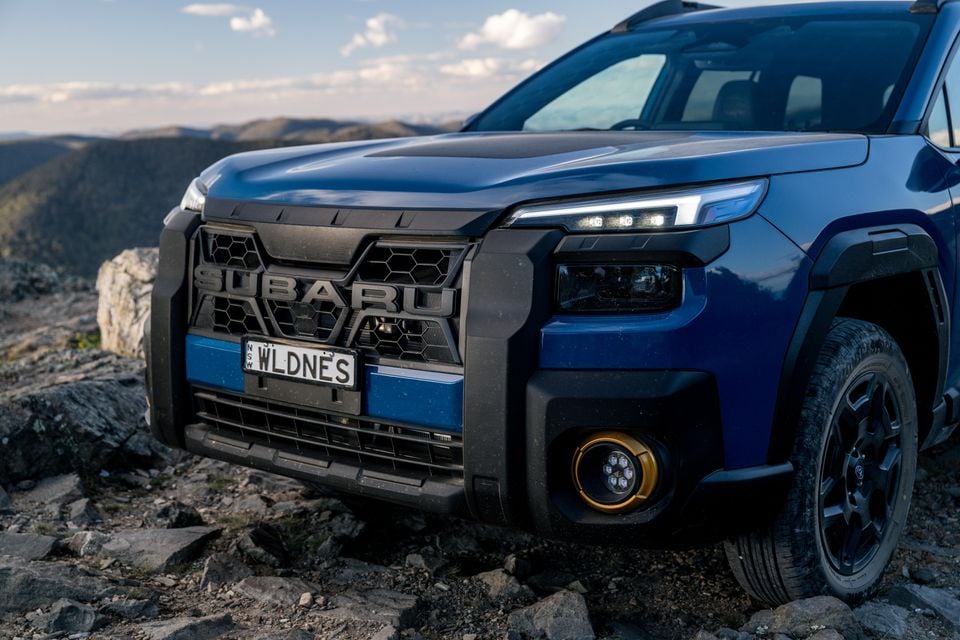
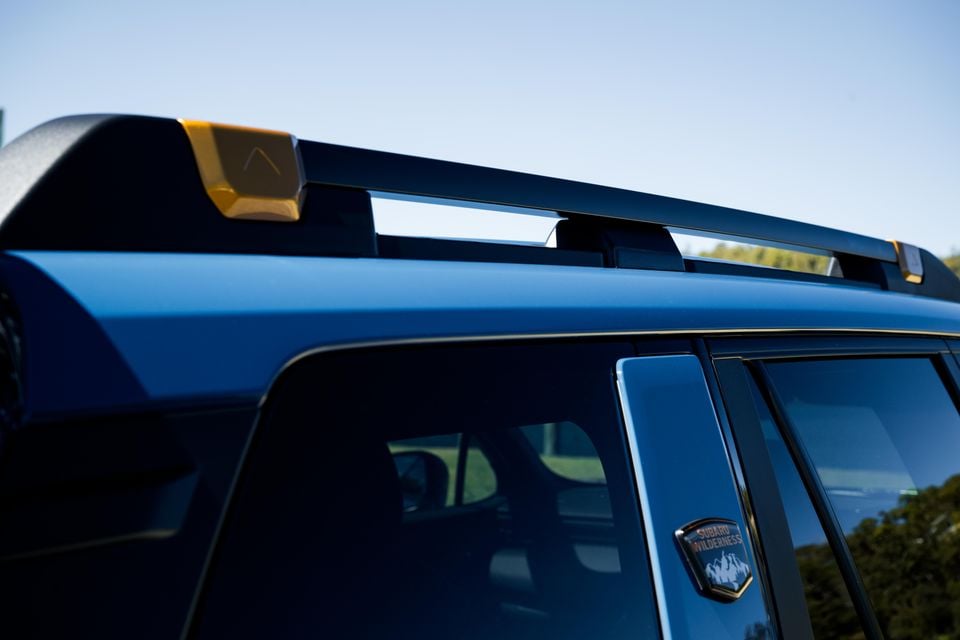
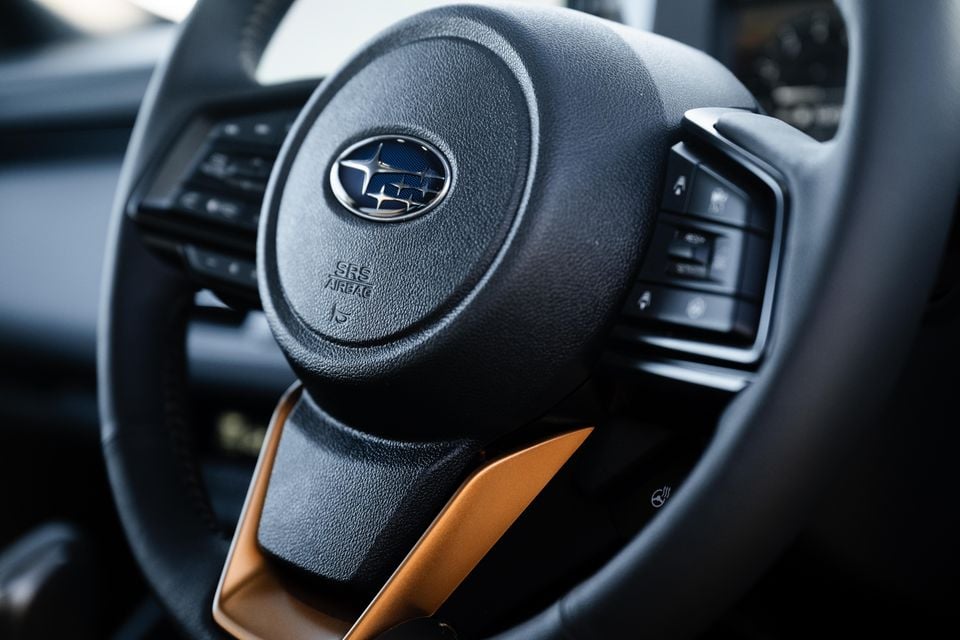
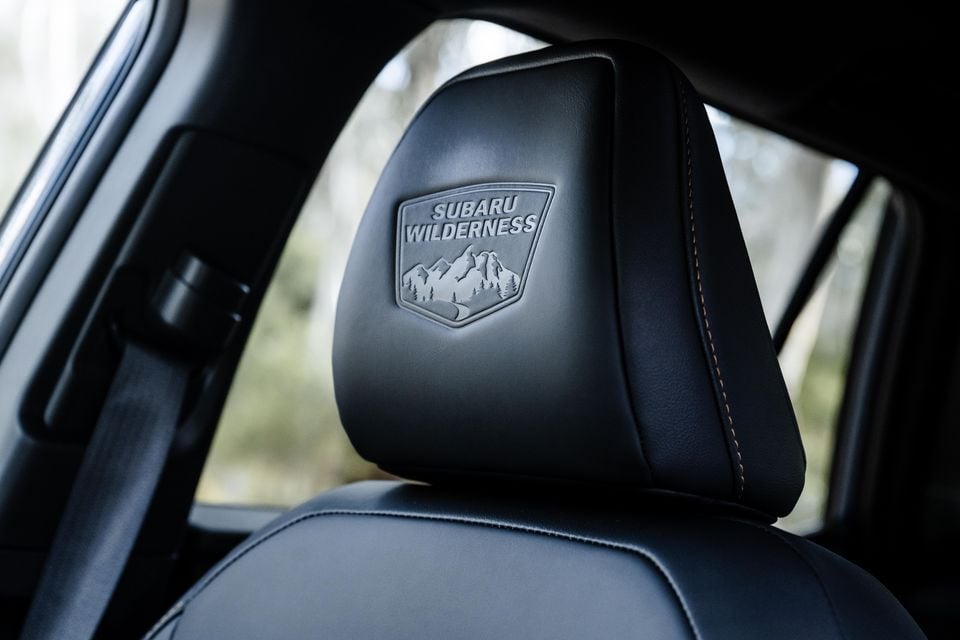
2027 Subaru Outback Wilderness equipment highlights:
Outback Wilderness Apex adds (over Wilderness):
A plethora of accessories are available for the Outback Wilderness, most of which are intended to improve practicality and cargo-carrying ability. We've selected a few that were fitted to the cars on the event.
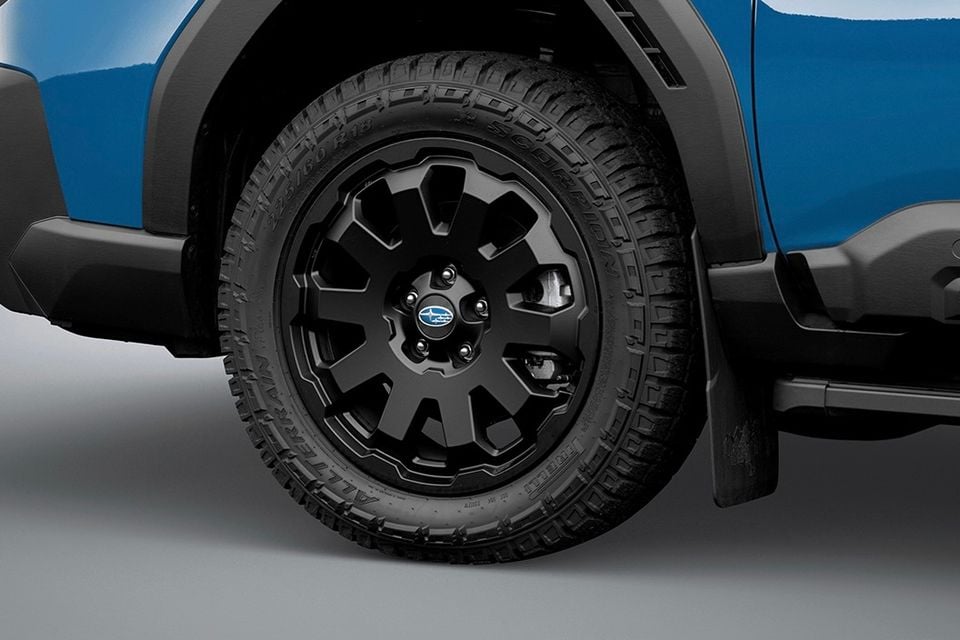
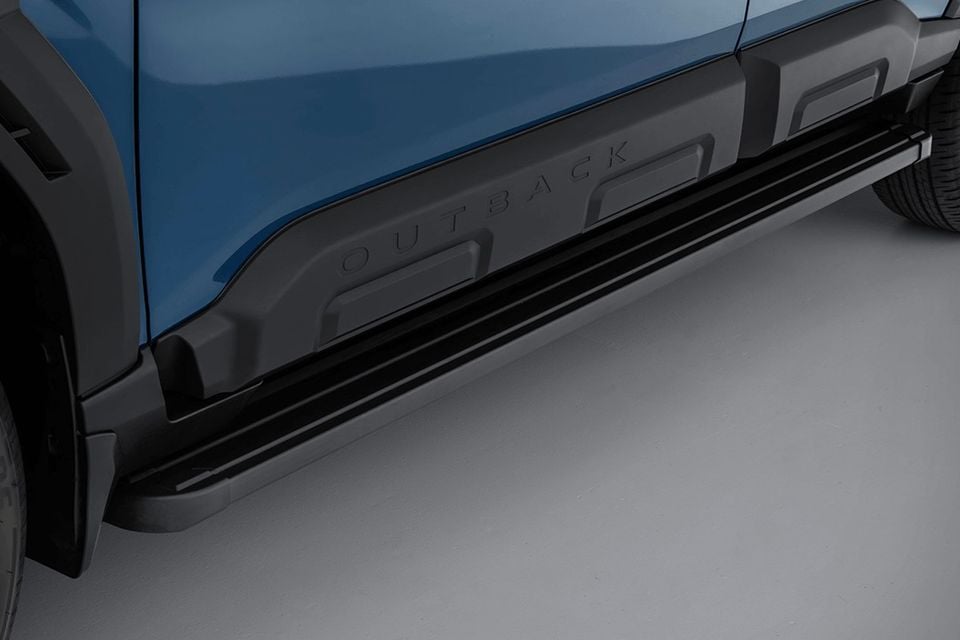
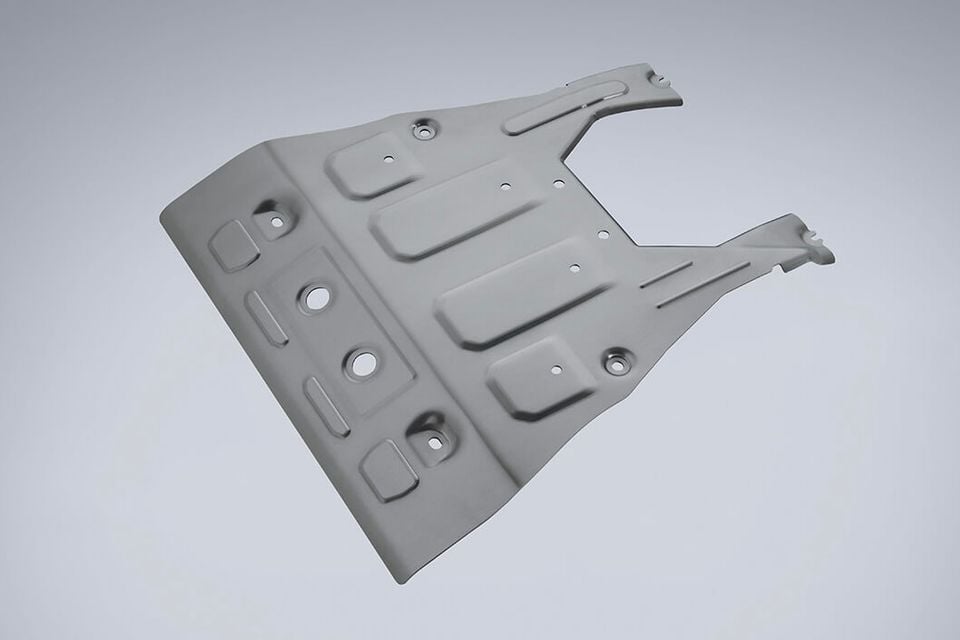
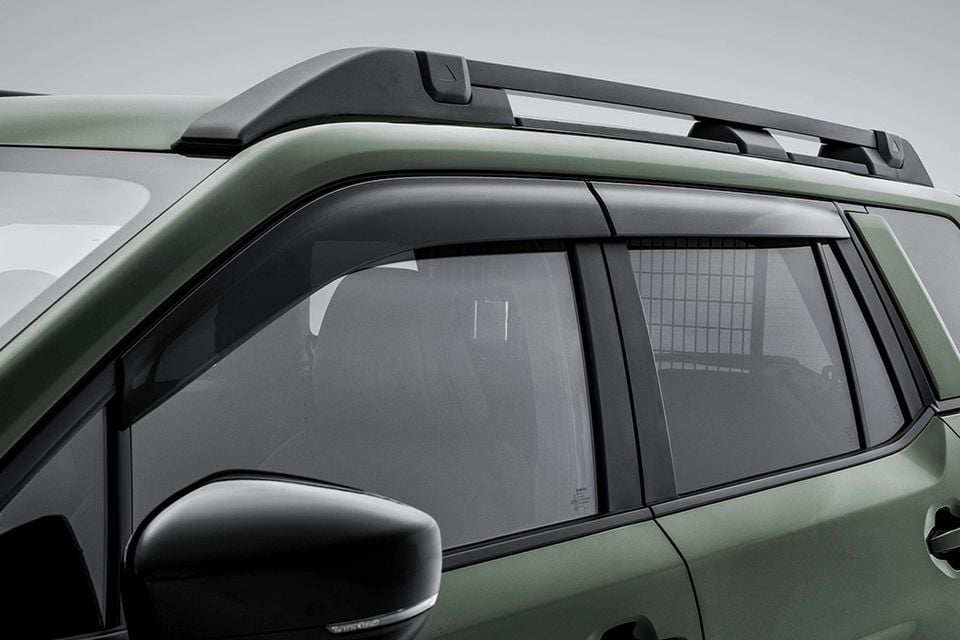
2027 Subaru Outback Wilderness accessories:
To see how the Subaru Outback stacks up against the competition, check out our comparison tool
The new-generation Subaru Outback has yet to be independently crash-tested by ANCAP or sister organisation Euro NCAP, and is therefore unrated.
Standard safety equipment highlights:
Outback Premium adds:
Outback Touring adds:
The Outback Wilderness shares all the same safety gear as the base Outback AWD, while the Wilderness Apex adds a surround-view camera.
To see how the Subaru Outback stacks up against the competition, check out our comparison tool
Like the wider Subaru Australia model lineup, the 2027 Outback is covered by a five-year, unlimited-kilometre warranty. Capped-price servicing is offered for five years, and Wilderness servicing is required every 12 months or 15,000km, whichever comes first.
| Servicing and Warranty | Subaru Outback Wilderness |
|---|---|
| Warranty | 5 years, unlimited kilometres |
| Roadside assistance | 12 months |
| Service intervals | 12 months or 15,000km |
| Capped-price servicing | 5 years |
| Average annual service cost | $469.46 |
| Total capped-price service cost | $2347.31 |
Subaru's individual service costs are detailed below:
| Service | Price |
|---|---|
| 12 months, 15,000km | $347.14 |
| 24 months, 30,000km | $526.12 |
| 36 months, 45,000km | $402.11 |
| 48 months, 60,000km | $701.82 |
| 60 months, 75,000km | $370.12 |
The Wilderness is cheaper to maintain over those five years than the standard Outback, but only by a tiny margin. Servicing for the non-turbo model will cost $2351.21 over that period.
That's nearly identical to the turbocharged Palisade XRT Pro, which costs $2366 to service over the first five years. However, it's worth mentioning that the Hyundai has shorter 12-month/10,000km maintenance intervals.
To see how the Subaru Outback stacks up against the competition, check out our comparison tool
Given how unique this event was, and notwithstanding how most Outback owners treat their own cars, it certainly showed that Subaru still knows how to make a robust, capable off-road vehicle.
Providing a full assessment of this car's capability from a typical media launch would be like describing the taste of a wine based on its smell alone, and the rally stages gave us a much clearer idea of what the Wilderness is all about.
Its adaptive suspension, turbocharged boxer engine, and pumped-up ride height all combine to create an impressive off-road tourer. As much as Subaru's all-wheel drive system adds a degree of capability to all of its models, these extra enhancements realise the Outback's full potential.
The Wilderness was just as accomplished on high-speed rally trails as it is on a moderately technical off-road course, and it's that type of versatility that outdoors types should appreciate. Subaru's new off-road sub-brand exists to exploit that potential, and the Outback is a logical model for its Aussie introduction.
It's the model nameplate people most associate with capability and practicality, and the Wilderness' turbo engine makes it something of an evolution of the old Outback XT, even if we'd still like a regular Outback turbo variant. But it's likely the Wilderness-ified Crosstrek and Forester would also be popular here.
However, there are still kinks to iron out. We'd argue the Outback Wilderness is mildly underequipped for a flagship trim, and that's especially true for the Apex. Seat ventilation and a powered front passenger seat are suspiciously absent, but that equipment pales in comparison to the all-terrain situation.
Charging nearly $4300 for a set of off-road boots is absurd – even if we're glad they're finally available. We really feel they should be standard on the Apex to cement its flagship status, or at least offered free of charge for both Wilderness grades.
The CVT is also somewhat uninspiring, and the hints of safety-related obnoxiousness on the road are sure to be a more significant sticking point in the real world. Whether those traction-control foibles bug you will depend on the type of driving you're doing, but it's unlikely to be a dealbreaker.
All in all, the Outback Wilderness confidently proved it can withstand the challenge of a true outback safari rally, and that should help settle doubts about robustness, capability, and the value of the Wilderness sub-brand. If nothing else, it's refreshing to see Subaru doing something new in Australia.
CarExpert can save you thousands on a new Subaru Outback. Click here to get a great deal.
Click the images for the full gallery
If this is the car for you, we’ll compare offers from trusted dealers, handle the back and forth and manage your purchase from enquiry to delivery.
Quickly see how this car stacks up against its competition. Select any benchmark to see more details.
Subaru Outback
Subaru Outback Sales rolling 12-months#
*Based on VFACTS and EVC data
Looking for complete Subaru Outback price history?
Our Subaru Outback Pricing Page shows exactly how prices have changed over time.
2025
$48,452
2025
$53,161
2026
$53,557
2025
$56,592
2024
$56,592
2026
$58,282
2025
$58,411
2025
$60,907
2026
$61,957
2025
$62,401
2026
$64,792
2026
$67,942
Max Davies is a CarExpert journalist with a background in regional media, with a passion for Japanese brands and motorsport.
Add CarExpert as a Preferred Source on Google so your search results prioritise writing by actual experts, not AI.
Max Davies
8 Seconds Ago


Tace Clifford
4 Days Ago


Damion Smy
4 Days Ago

Damion Smy
4 Days Ago
Damion Smy
5 Days Ago

Josh Nevett
5 Days Ago
Add CarExpert as a Preferred Source on Google so your search results prioritise writing by actual experts, not AI.
# Based on VFACTS and EVC data
† Displayed prices are based on the drive-away price of the vehicle, which includes delivery charges, registration fees, number plates, and applicable road taxes, based on a Sydney location. However, prices may vary between states and territories, and additional costs such as compulsory third party (CTP) insurance, dealer delivery fees, and optional extras are not included. These prices are subject to change without notice and may not reflect current market pricing or dealer offers.
 Automotive Vehicle Spec Data & 4K images Powered by JATO Dynamics Ltd