




Alborz Fallah
Omoda X revealed with night vision and a tougher SUV look
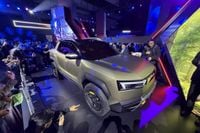
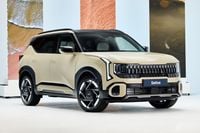
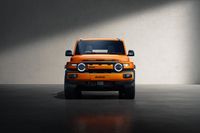
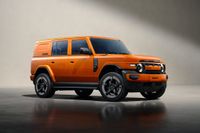
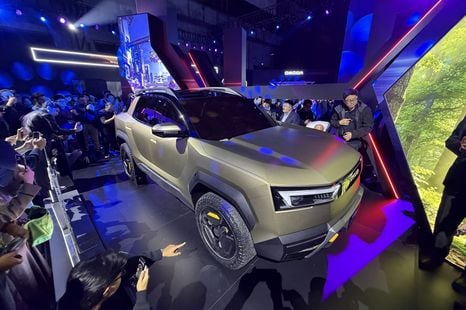
The Omoda X has been revealed as a tougher-looking crossover SUV from Omoda Jaecoo, though it has yet to be confirmed for an Australian launch.
7 Hours Ago
More and more non-Chinese auto brands are introducing Chinese-built – and in some cases, Chinese-engineered – models in Australia.

Senior Editor – News
Senior Editor – News
Automakers from all over the world have been tapping China as a production source for years, but we’re now seeing a major shift.
The first Chinese-built model from a non-Chinese brand in Australia was the 2004 Volkswagen Polo Classic, but it took a while for such vehicles to be common on our roads.
Then, there was a rush of offerings – Tesla switched to Chinese sourcing for our market, and BMW started exporting the iX3 from China, as did Chinese-owned Volvo and Polestar with various models.
CarExpert can save you thousands on a new car. Click here to get a great deal.
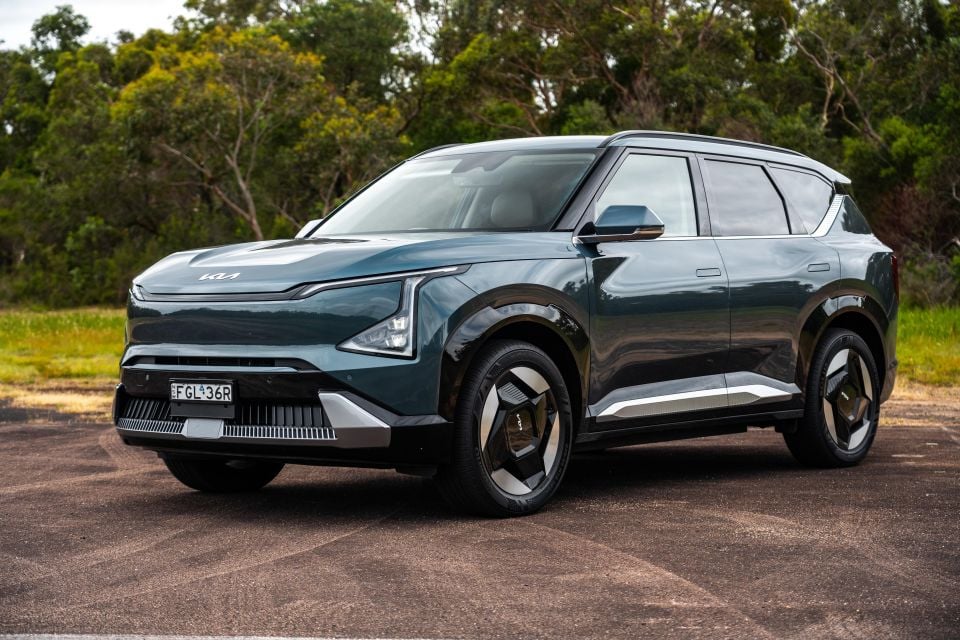
More recently, Kia started sourcing the EV5 from China, while sister brand Hyundai locked in the Elexio and Mazda and Nissan confirmed their own Chinese models.
And that’s where we’re at now – non-Chinese brands are starting to sell models here that were designed primarily for the Chinese market. Sometimes, these vehicles even use Chinese-developed platforms.
It comes after Chinese-built vehicles overtook Thai-built vehicles in sales in Australia last year. That means China is now the second largest production source for new vehicles in Australia, behind only Japan.
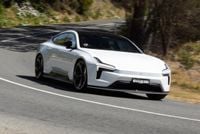
The Kia EV5 and Hyundai Elexio are mid-size SUVs that are offered here with a lower base price than Korean-built models like the EV6 and Ioniq 5.
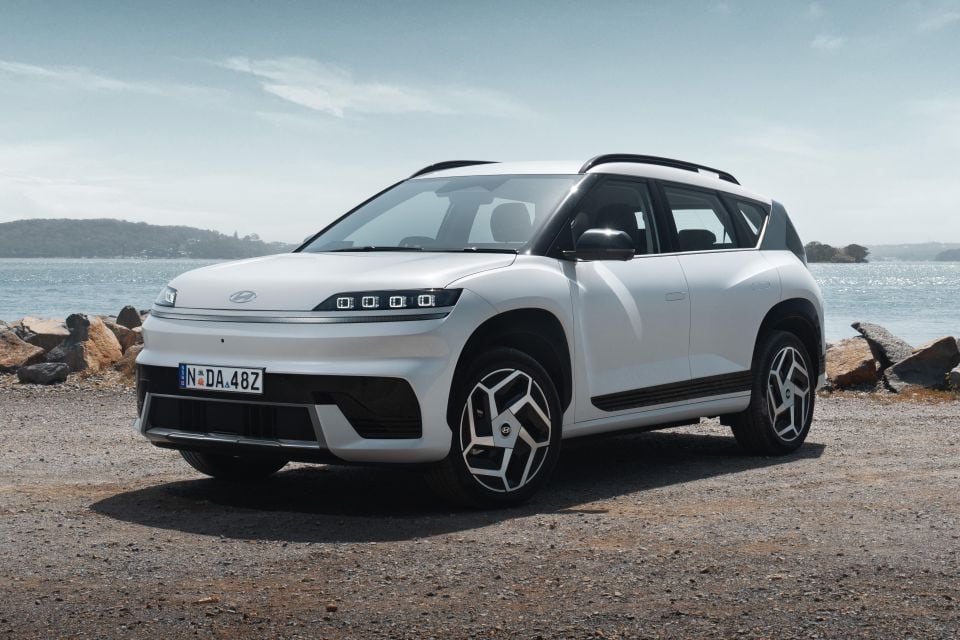
The Elexio comes from the Beijing Hyundai joint venture, while the EV5 is produced by Jiangsu Yueda Kia Motors.
The two Hyundai Motor Company brands say the two competing electric SUVs use the corporate E-GMP dedicated EV platform. However, the EV5 has been confirmed for a slew of global markets and will be produced in Korea as well, while the Elexio has thus far only been confirmed for Australia and China.
In short, it’s the Hyundai that’s more China-focused, having been developed primarily for that market.
But the securing of right-hand drive production has proved a boon for Hyundai Australia, which can plug the Elexio – its first Chinese-built vehicle – in the gap between the Kona Electric and Ioniq 5.
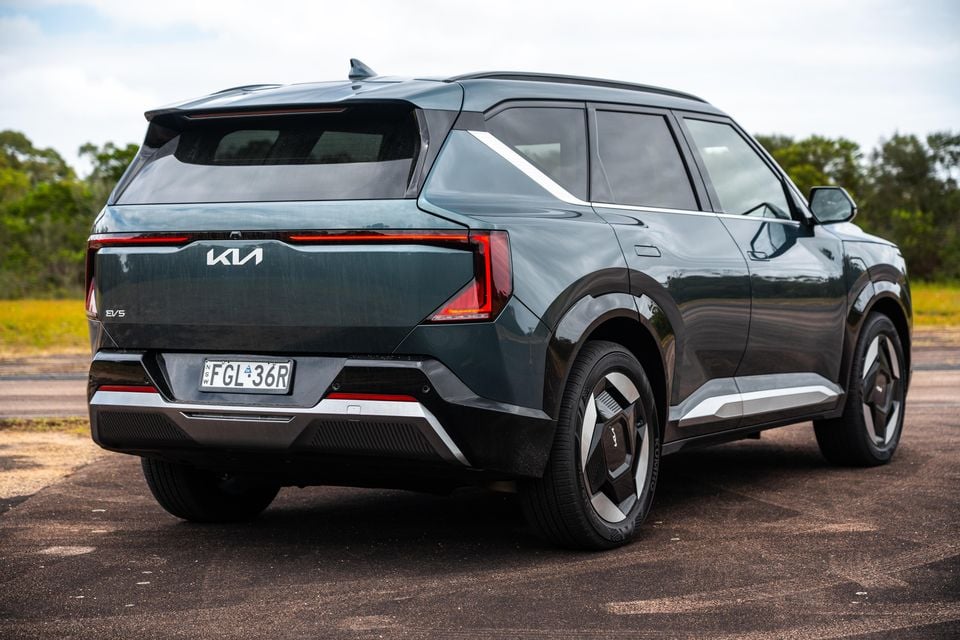
It remains to be seen whether it’ll sell in EV5 volumes, however. The Kia was the fourth best-selling EV in Australia last year, and outsold all other electric Kias combined.
Unlike the EV5, which is offered here with a choice of two batteries and front- or all-wheel drive, the Elexio is due on sale here in the first quarter of 2026 in a single Elite trim with front-wheel drive and an 88kWh battery.
MORE: Explore the Kia EV5 showroom
MORE: 2026 Hyundai Elexio price and specs: Aussie-tuned Chinese EV slots in under Ioniq 5
Japanese brands are turning to China more than ever before, and chief among them is Mazda.
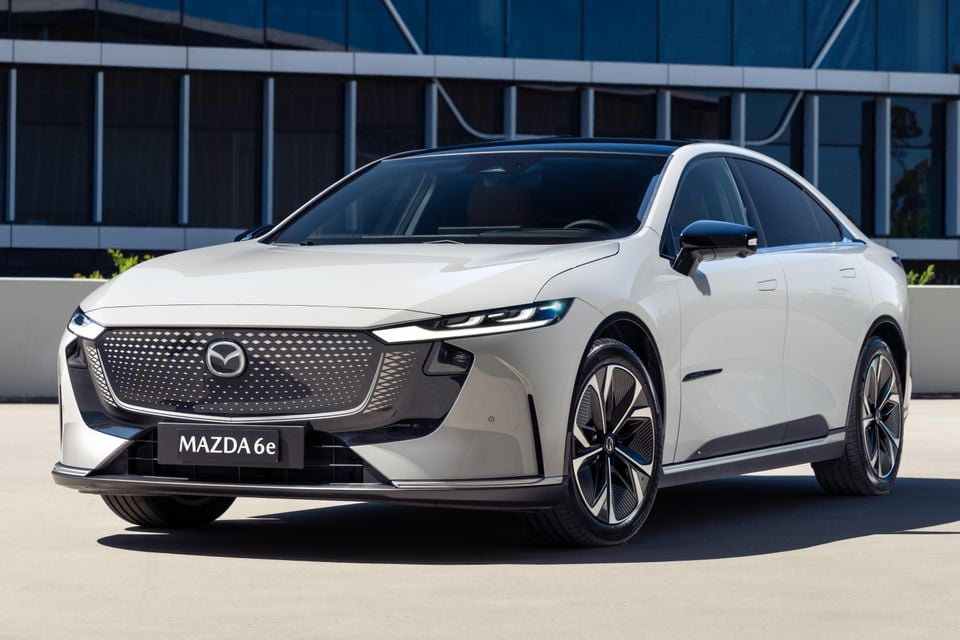
The brand, which has been a laggard in the EV space, has tapped its Chinese joint-venture partner Changan (owner of Deepal) for a pair of models.
And unlike other Japanese-branded models on Chinese underpinnings, such as the Toyota bZ3X, Mazda’s new EVs are set to be widely exported with Australia among these markets.
These new Mazdas are more than mere rebadges, but they use Chinese platforms and powertrains.
They help fill a huge gap in Mazda’s lineup, with the disappointing MX-30 small electric SUV dead in most markets (including ours) and the company’s own new EV platform delayed to 2028.
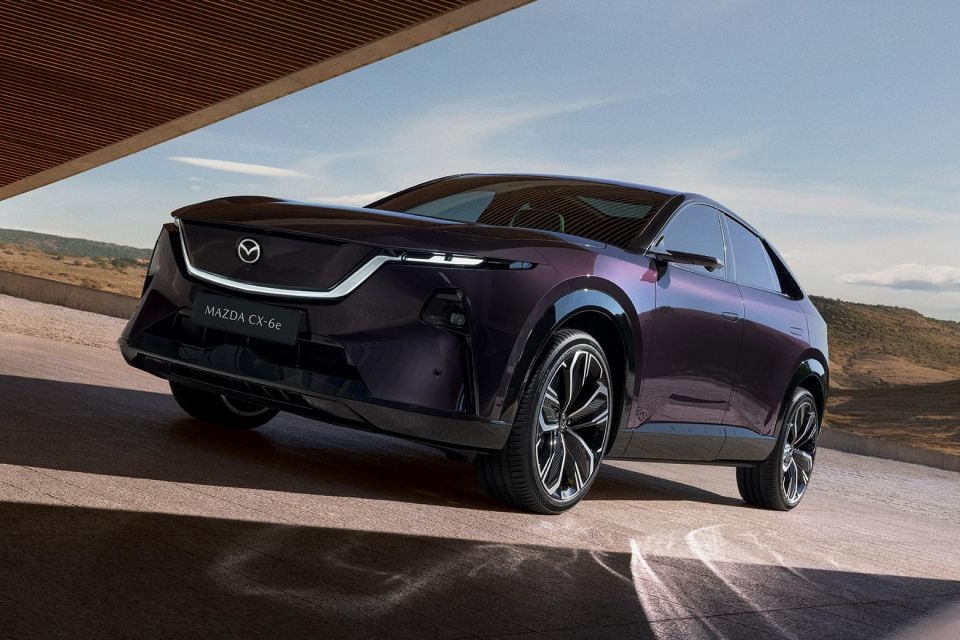
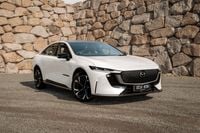
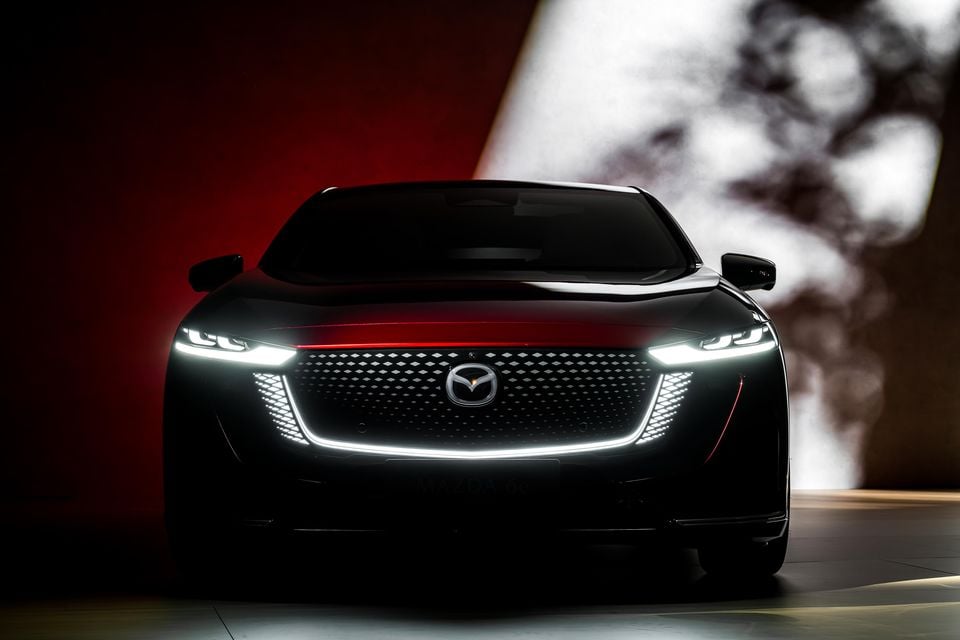
The 6e liftback, due here in mid-2026, effectively replaces the combustion-powered Mazda 6 which has now been axed in almost every global market, while the CX-6e crossover SUV serves as an electric counterpart to the combustion-powered CX-5 and CX-60 mid-size SUVs.
The CX-6e, also due here this year, will enter arguably the most competitive segment in the Australian market, where it’ll also face off against its Deepal cousin, the S07.
Mazda has yet to announce pricing for the CX-6e, and it remains to be seen how much of a premium it’ll charge over the Deepal S07.
The 6e, in contrast, has been confirmed to have a base price under $55,000. That’ll see it priced competitively with the Tesla Model 3 sedan, which starts at $54,900 before on-roads.
MORE: Mazda 6e: China-made EV confirmed for Australia with Tesla-rivalling price
MORE: Mazda locks in another Chinese EV for Australia, this time to take on the Tesla Model Y
The BYD Shark 6 has enjoyed immediate sales success in Australia, and it’s clearly made other brands sit up and take notice.
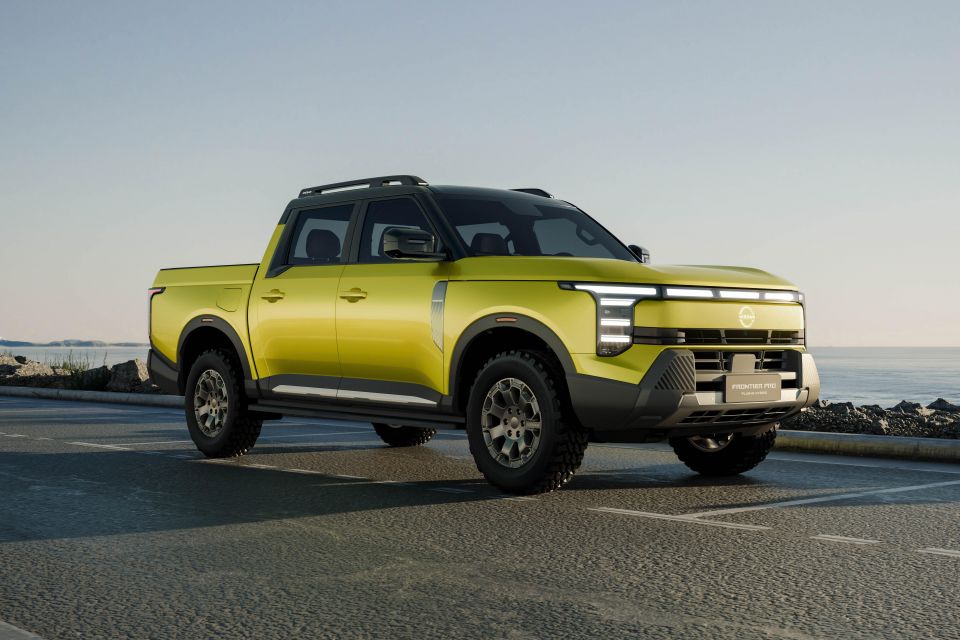
It was the first plug-in hybrid ute in Australia, narrowly beating the Ford Ranger PHEV and GWM Cannon Alpha PHEV, and despite being offered in a single variant with a single powertrain it outsold some established ute players last year in Australia… and that included Nissan’s own Navara.
The Japanese brand has therefore locked in the Frontier Pro as a Chinese-built PHEV counterpart to its new Mitsubishi Triton-based Navara, confirming to dealers in December that it’s due here in 2027.
It’ll be Nissan’s first PHEV model globally and its first electrified ute, but the Frontier Pro was developed by Nissan’s Chinese joint-venture partner Dongfeng, and is based on the Dongfeng Z9.
It’ll reportedly be the first of several models Nissan Australia sources from that partnership, and it’ll enter a growing plug-in hybrid ute segment that’ll soon get entries from Chery and JAC.
William Stopford is an automotive journalist with a passion for mainstream cars, automotive history and overseas auto markets.
Alborz Fallah
7 Hours Ago

James Wong
9 Hours Ago
Alborz Fallah
12 Hours Ago
Alborz Fallah
13 Hours Ago
Alborz Fallah
13 Hours Ago
Alborz Fallah
14 Hours Ago
Add CarExpert as a Preferred Source on Google so your search results prioritise writing by actual experts, not AI.