




Senior Editor – News
Tesla CEO Elon Musk claims his company’s so-called Full Self-Driving driver assistance technology will no longer be a “beta” with its next update.
Responding to a Twitter post by Whole Mars Catalog that said FSD Beta 12 is due “maybe later this year”, Musk confirmed version 12 of the technology “won’t be beta”.
This suggests the company is confident enough in the technology to no longer want to use the beta tag.
Musk didn’t confirm when Version 12 will drop. FSD Beta is currently at version 11.3.6.
The system has yet to be rolled out in Australia, where only Autopilot – another Level 2 autonomous driving feature, if a less comprehensive one – is offered.
The Tesla FSD Beta first launched to select US owners in October 2020, before being opened in November 2022 to all North American owners who purchased the option.
This feature allows Tesla vehicles to drive autonomously in most driving scenarios. It requires “active driver supervision and do[es] not make the vehicle autonomous” though, according to the Tesla website.
Building on Autopilot, which includes the functionality to suggest and execute lane changes and steer within lanes with adaptive cruise activated, FSD Beta can identify stop signs and traffic lights and slow and stop the vehicle accordingly.
Tesla is also continuing to work on Autosteer functionality for city streets.
Musk said back in 2019 that by the middle of 2020 the company would “have over a million Tesla cars on the road with full self-driving hardware” that would be so reliable the driver “could go to sleep”.
As recently as this February, however, Tesla had to roll out an over-the-air update as its FSD Beta “could potentially infringe upon local traffic laws or customs while executing certain driving manoeuvres”.
Musk said last year he didn’t expect regulatory approval for Tesla’s autonomous driving technology until 2023.
Controversially, even as Tesla is pursuing increasingly more autonomous driving, it has been phasing out radar and sensors and avoiding LiDAR in favour of its camera-based Tesla Vision system.

Tesla has been courting controversy not just for beta-testing FSD on public roads, but also for the effectiveness of its Autopilot technology.
The company is reportedly the subject of a criminal investigation from the U.S. Department of Justice, with three people familiar with the matter telling Reuters last year the probe was launched following more than a dozen crashes – some fatal – where Tesla’s Autopilot system was active.
Prosecutors in Washington D.C. and San Francisco are reportedly examining whether Tesla misled consumers, investors, and regulators by making unsupported claims about the capability of its driver assist technology.
This probe represents a more serious level of scrutiny than previous probes as it could lead to criminal charges against the company or individual executives, the sources said, and the DOJ could also seek civil sanctions.
The company confirmed earlier this year the DOJ had requested documents on its Autopilot and FSD features.
The Autopilot probe is currently competing with two other DOJ investigations involving Tesla, one source told Reuters, adding there’s still a great deal of work to do and no decision is imminent.
This is in addition to two ongoing investigations by the National Highway and Traffic Safety Administration, a US regulator.
One of these is in the engineering analysis stage and is looking at crashes with stationary emergency vehicles, while the other is looking at phantom braking reports.
The agency confirmed it’s investigating the 17th fatal crash involving Autopilot, after a Model S collided with a parked fire truck in Contra Costa County, California in February.
Shareholders also recently filed a proposed class action suit against Tesla in federal court in San Francisco, arguing they had been defrauded by the company with false and misleading statements on technology that “created a serious risk of accident and injury”.
Ready to find the right new car at a great deal?
Research cars in our Showroom, compare your options or let our New Car Specialists do the running around to find you a great deal.
William Stopford is an automotive journalist with a passion for mainstream cars, automotive history and overseas auto markets.
You might also like
Derek Fung
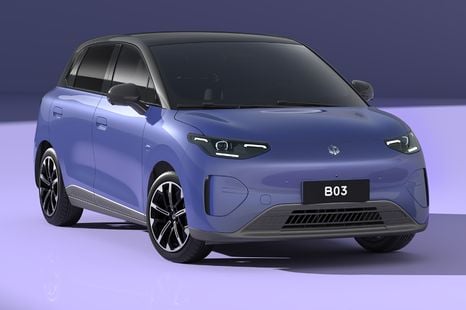
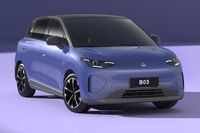
Leapmotor B03: Bargain EV approved for sale in Australia
12 Hours Ago
Ben Zachariah
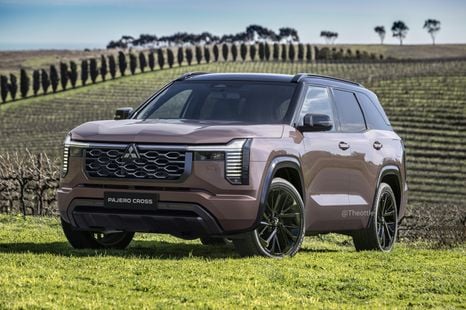
2028 Mitsubishi Pajero Cross: Smaller SUV imagined
13 Hours Ago
Josh Nevett
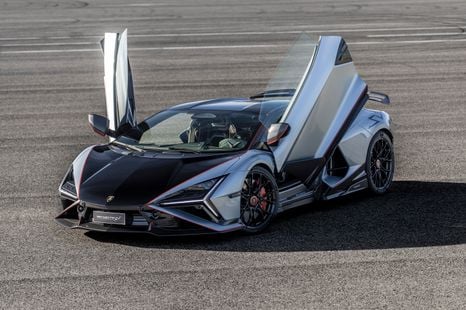
Lamborghini focused on hybrid future, not manual transmissions
13 Hours Ago
Tace Clifford
Top five most affordable large PHEV family SUVs
14 Hours Ago
Max Davies
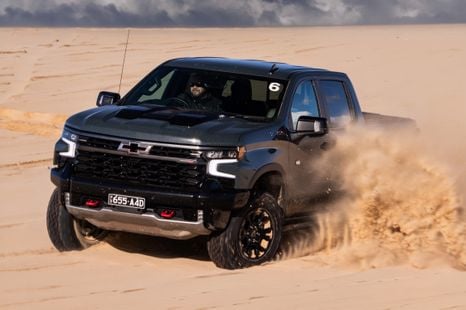
2027 Chevrolet Silverado ZR2 review
21 Hours Ago
James Wong
Bentley design boss on copycats: "We're a pinnacle brand, so a lot of brands look to us"
2 Days Ago
Related
Don't let Google decide who you trust
Add CarExpert as a Preferred Source on Google so your search results prioritise writing by actual experts, not AI.