




Ben Zachariah
GWM Australia sets ambitious deadline for utes to meet key sales target
A senior GWM executive has set an ambitious sales target for its utes, and a deadline for the company to meet it.
57 Minutes Ago
Square-shaped SUVs have proliferated across the lineups of Chinese auto brands, and Chery's design chief says the trend is here to stay.

Senior Editor – News
Senior Editor – News
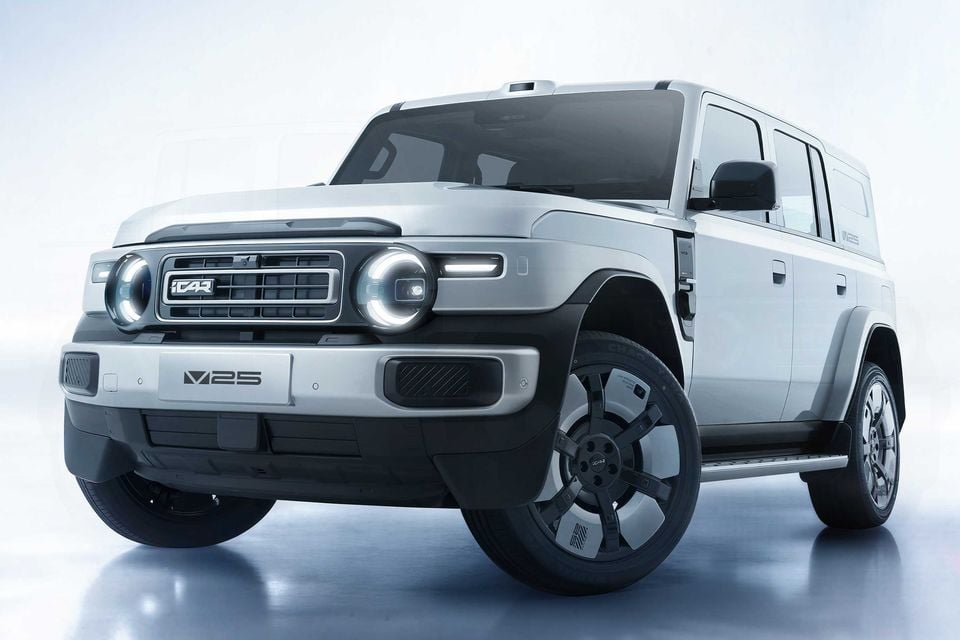
You can’t swing a cat without hitting a boxy SUV from China these days, as the world's largest auto market continues to churn out models that adopt the design theme made famous by iconic SUVs like the Land Rover Defender and Ford Bronco.
No other country has embraced similarly square-edged SUV silhouettes as much as China, though there have been some notable recent entries from non-Chinese brands – including the latest Toyota Prado – that also appear to pay homage to some degree.
Boxy Chinese examples include GWM’s Tank 300, Haval H7/Menglong, Haval H10 and Wey Lanshan; BYD’s Denza B5 and Yangwang U8; Geely’s Battleship 700; and the Rox Adamas, which is arguably the most Defender-like of the lot.
The Chery Group has launched a raft of models which follow a similar basic template to the current Defender and Bronco in particular, which were unveiled in 2019 and 2020 respectively and which seem to have sparked a real trend towards boxy SUVs – even if upright crossovers and off-roaders never really went away.
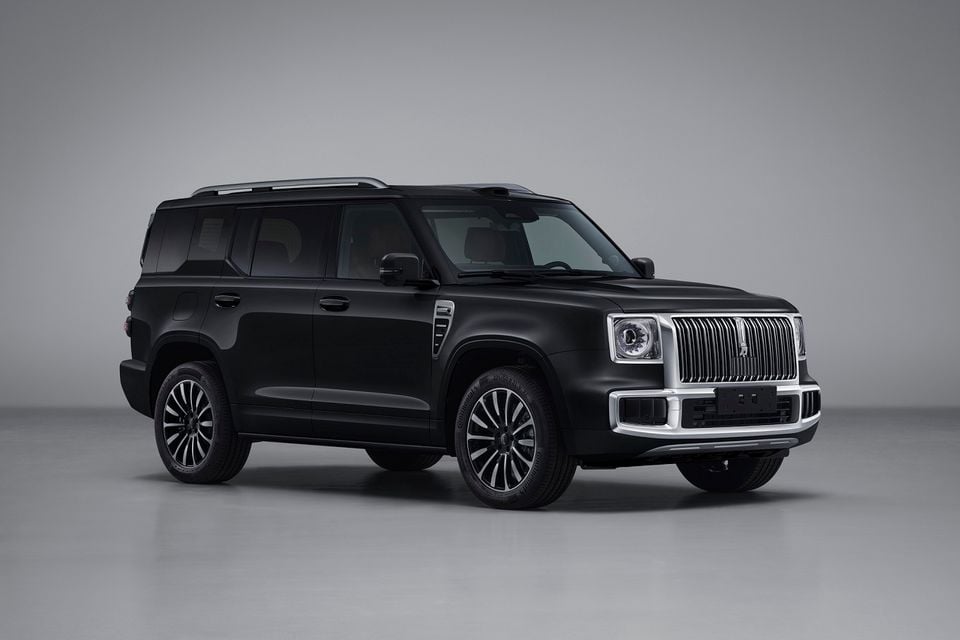
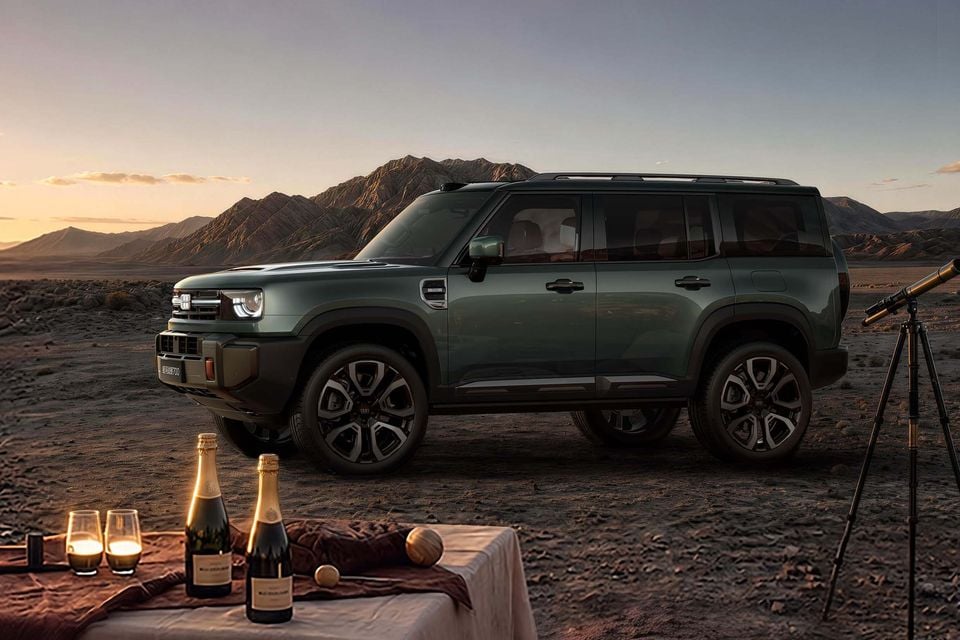
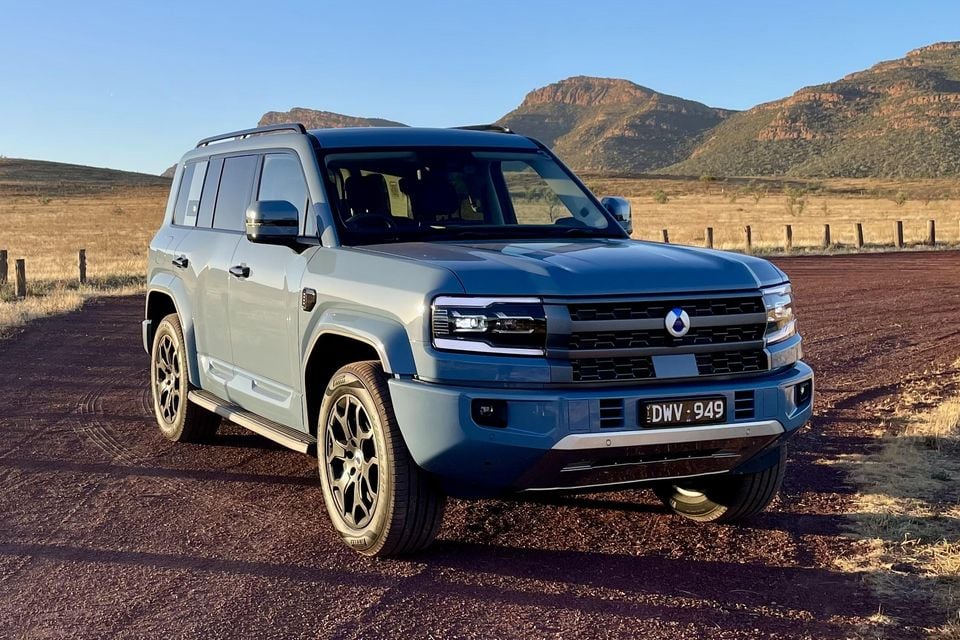
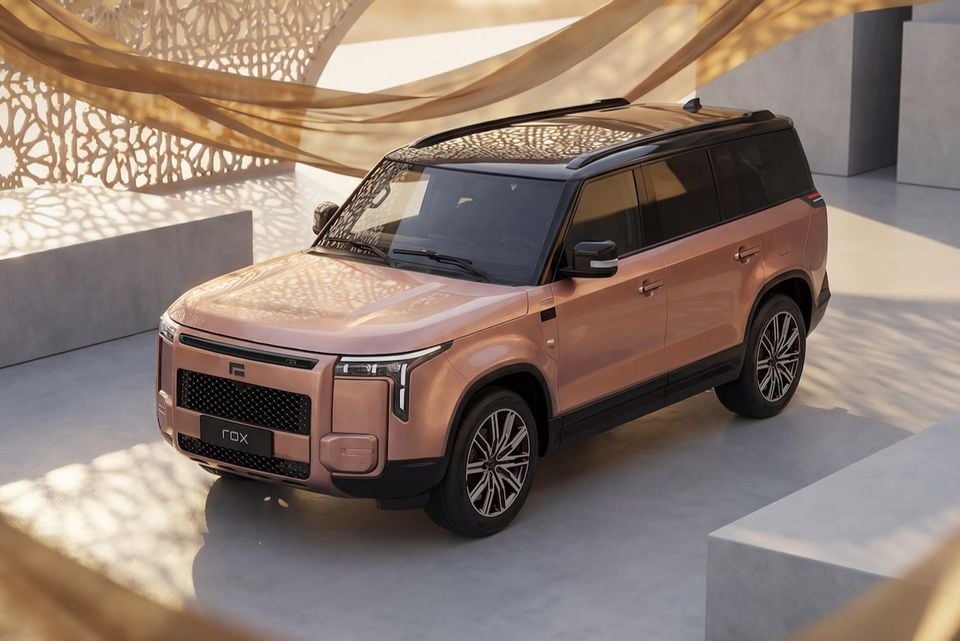
These include the Jetour T2 launched in 2023, as well as the entire four-model iCaur lineup. Almost all of these models are expected to be launched in Australia as soon as early 2027.
“I think it’s a total enduring design format. It’s an iconic shape,” Chery global design director Steve Eum told CarExpert when asked whether this format is a fad.
“The box reference is very iconic and there is a strong, strong connection between enthusiasts and buyers who know their vehicles. And especially in that segment, the SUV off-road segment, the box sort of visually conveys safety, it conveys storage, it conveys toughness, utility.
“It’s an enduring, iconic shape that’s going to keep going. It’s more the details, how we treat the details, make it look more modern, make it look more retro or make it more heritage, or a bit of both, a hybrid.”
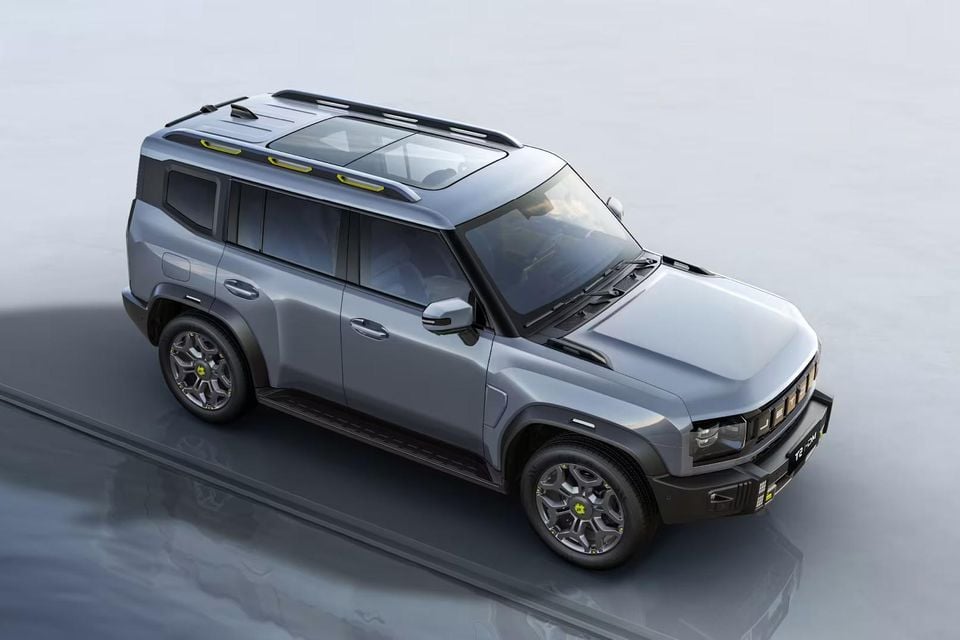
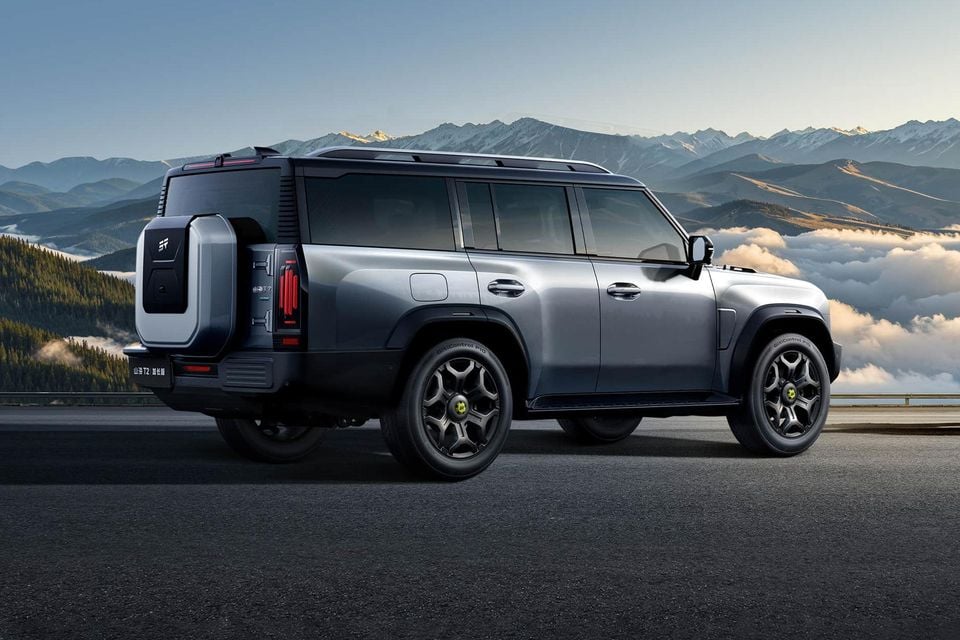
Mr Eum disagreed when asked whether the shape will lose its impact as more and more brands offer similarly styled vehicles.
“That’s why it’s so successful, everybody wants this,” he said.
“Of course, side profile, we have the box, but you could only optimise to a certain point, how comfortable you’re going to fit four, six or even eight people into a vehicle. So if you have that golden standard, everybody’s going to use that as a template,” he added.
Indeed, a boxy body typically gives a vehicle the most space possible for its footprint.
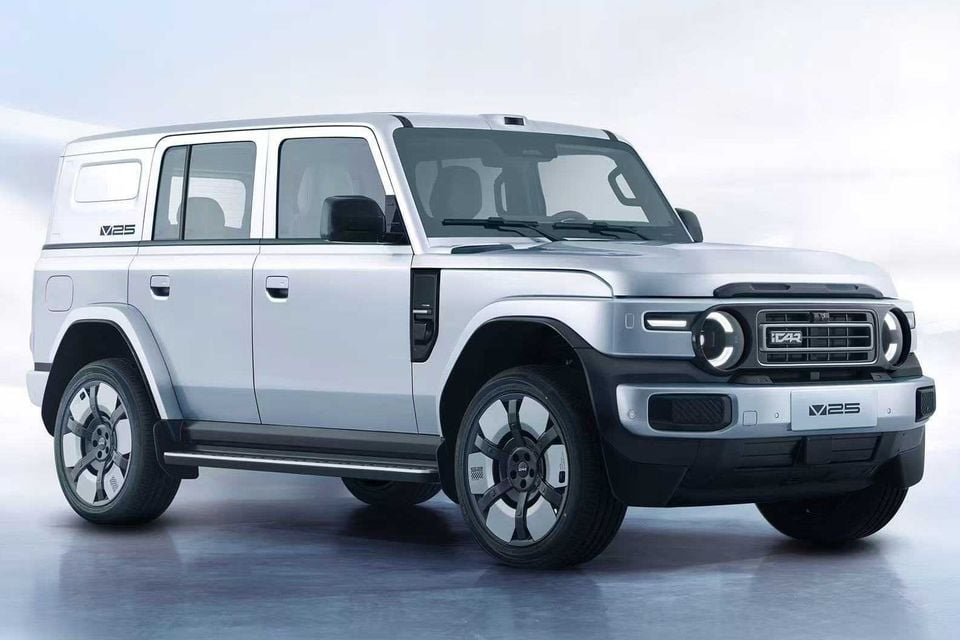
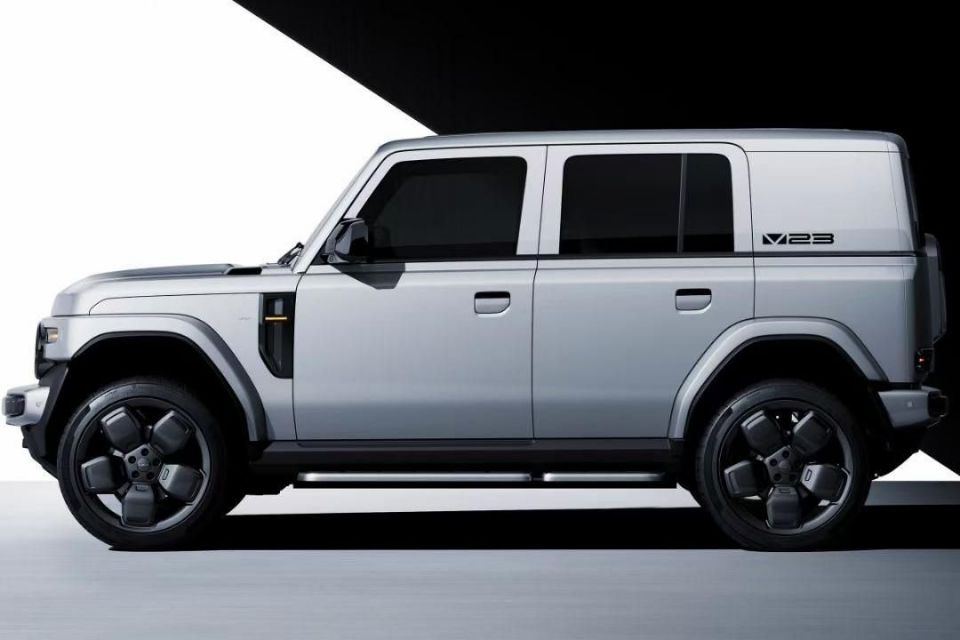
But with SUVs typically having a two-box (wagon) silhouette, there’s less design freedom than with, for example, coupes and sedans.
This resurgence of particularly upright, angular-looking SUVs also comes as electric vehicles (EVs), plug-in hybrids (PHEVs) and extended-range electric vehicles (EREVs) rise in popularity in markets such as China and Australia – vehicles for which aerodynamic efficiency is crucial to ensure maximum range.
Mr Eum said, however, that designers still have the freedom to distinguish boxy SUVs from one another.
“In terms of how you give it the face of the vehicle, the details, and even the rear of the vehicle, a lot of it might be dictated by regulations, but we try as a designer to distinguish it,” he said.
Chery’s various brands have typically offered more rounded SUVs in Australia, but when the Chinese auto giant launches the iCaur brand here early in 2027 it will offer some of the most upright, boxy SUVs on the market, short of icons like the Suzuki Jimny, Mercedes-Benz G-Class and Toyota LandCruiser 70 Series.
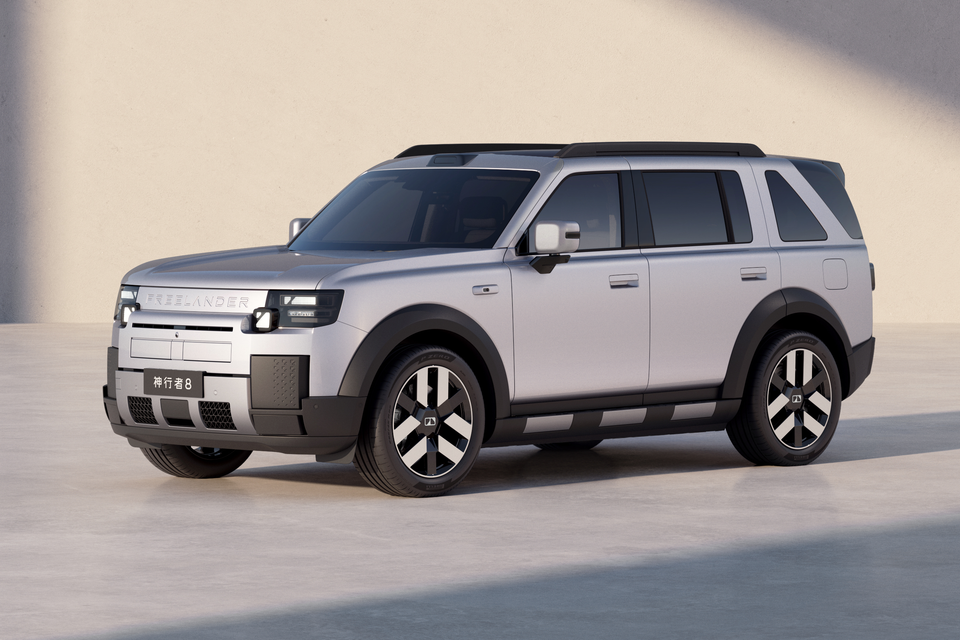
Also due to launch here in 2027 is the nascent Freelander brand, which has thus far revealed only one model – you guessed it, a boxy SUV, albeit one with a quirky rear-side window treatment inspired by the first Land Rover Freelander. This is entirely kosher as the Freelander brand is actually a joint venture between Jaguar Land Rover (JLR) and Chery.
“Ultimately, the market’s going to decide, isn’t it? At the end of the day – as a tangible example – we sent out our first note on iCaur, and the amount of excitement and interest in that model simply is unbelievable,” said Chery Australia spokesperson Tim Krieger.
“So there seems to be a pretty strong enthusiasm for those style of cars in Australia at the moment.”
Mr Eum added: “Not just Australia but globally. It caught people’s eye and their imagination, and I think it’s going to endure on for a long time. It has [already done so], as a matter of fact.”
MORE: Explore the Chery showroom
MORE: Explore the iCaur showroom
William Stopford is an automotive journalist with a passion for mainstream cars, automotive history and overseas auto markets.
Ben Zachariah
57 Minutes Ago

Derek Fung
1 Hour Ago
William Stopford
9 Hours Ago
Derek Fung
1 Day Ago
Ben Zachariah
1 Day Ago

Josh Nevett
1 Day Ago
Add CarExpert as a Preferred Source on Google so your search results prioritise writing by actual experts, not AI.