Before SUVs became the default choice for families, everyone drove wagons and sedans.
Wagons were the best thing for families as their generous boot space made them perfect for fitting in prams, camping equipment, musical instruments, or sports gear. They were made for the job.
Sedans are still the taxi and rideshare driver’s car of choice due to their spacious and fully enclosed boots and comfortable drive.
The lower rooflines of many sedans and wagons does mean you have to watch the heads of your little ones as you put them into their child seats.
But both body styles tend to have a generous amount of legroom in the front and back, compared with an SUV of similar size and price.
Combine this with the benefits of a plug-in-hybrid vehicle (PHEV), and you could find they fit best for your family. Not everyone wants an SUV and they aren’t always the most practical option for all families.
You can also get the best of both worlds with a PHEV, by using electric-only power for your daily local commutes, school runs and driving infants to sleep. Depending on the model's EV range, you may only need to charge it every couple of days, which works well for those with a charger at home or work.
I know that sometimes life gets so busy with kids that keeping a fully electric car charged enough for long journeys, or planning stops around charging, is too much on top of everything else that parenting demands.
For many of us, having the peace of mind of a fuel tank for driving long distances with kids – and for going on family holidays – remains a priority.
That’s why I’ve put together a list of family-friendly plug-in hybrid sedans and wagons currently available in Australia for under $100,000.
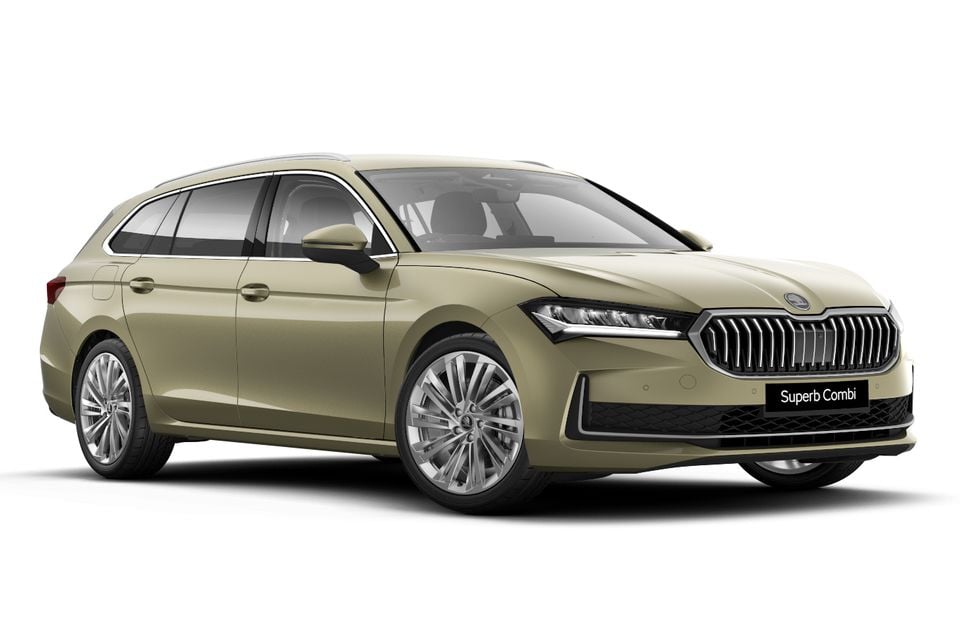
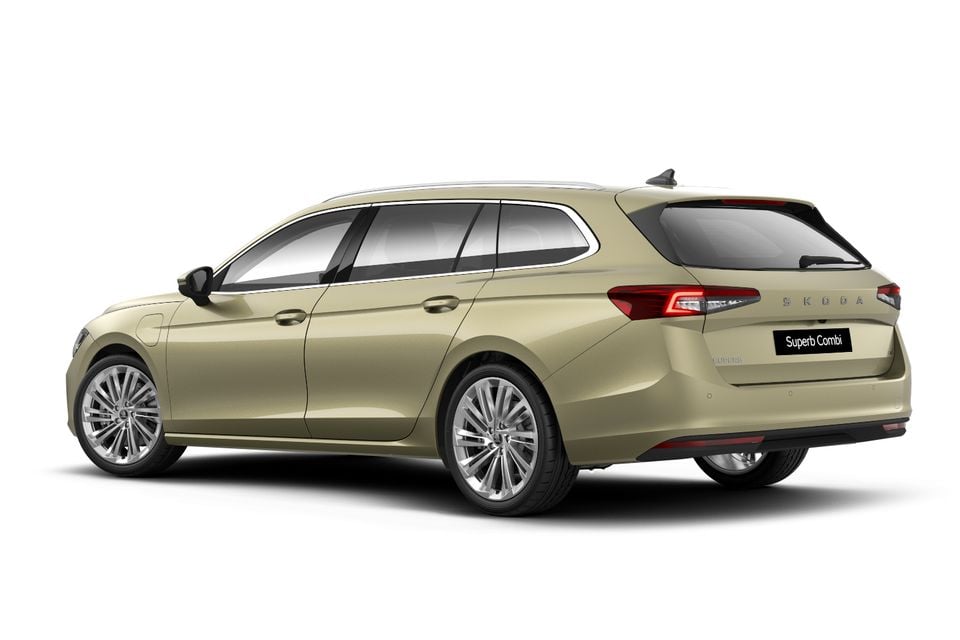
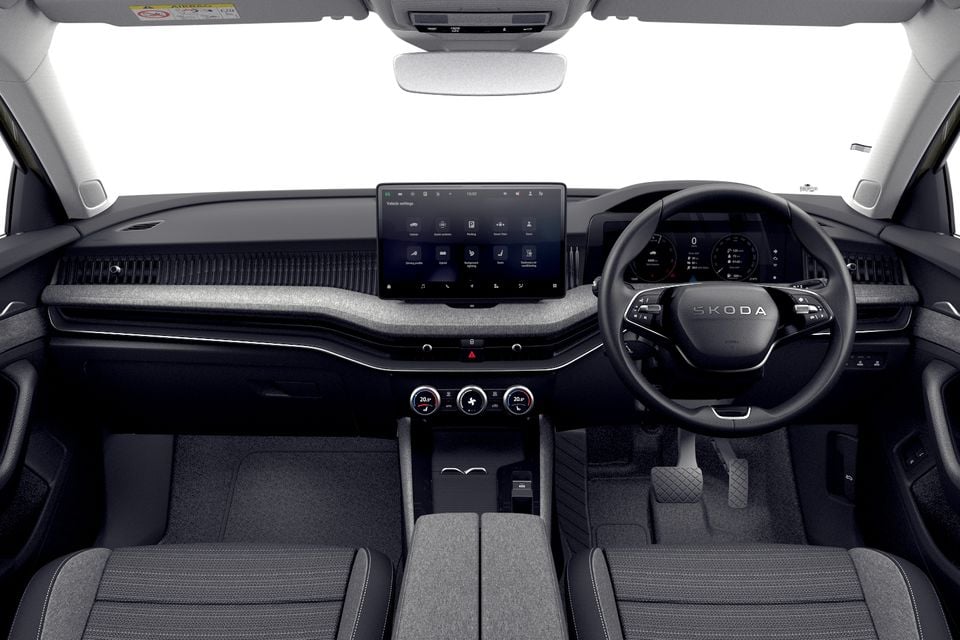
The Skoda Superb Wagon is packed full of thoughtful gadgets that make family life that little bit more convenient – waste bins in the doors, tablet holders on the back of front head restraints, umbrellas in the front doors, to name just a few.
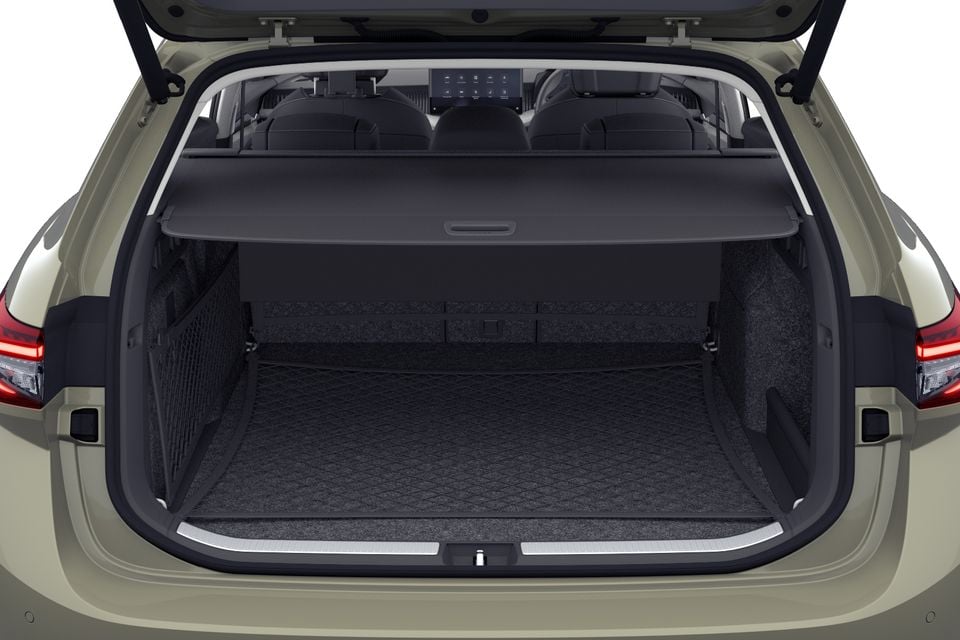
Its 510 litres of cargo capacity is augmented by dividers and easily accommodates a twin side-by-side pram or a 15-bag family grocery shop.
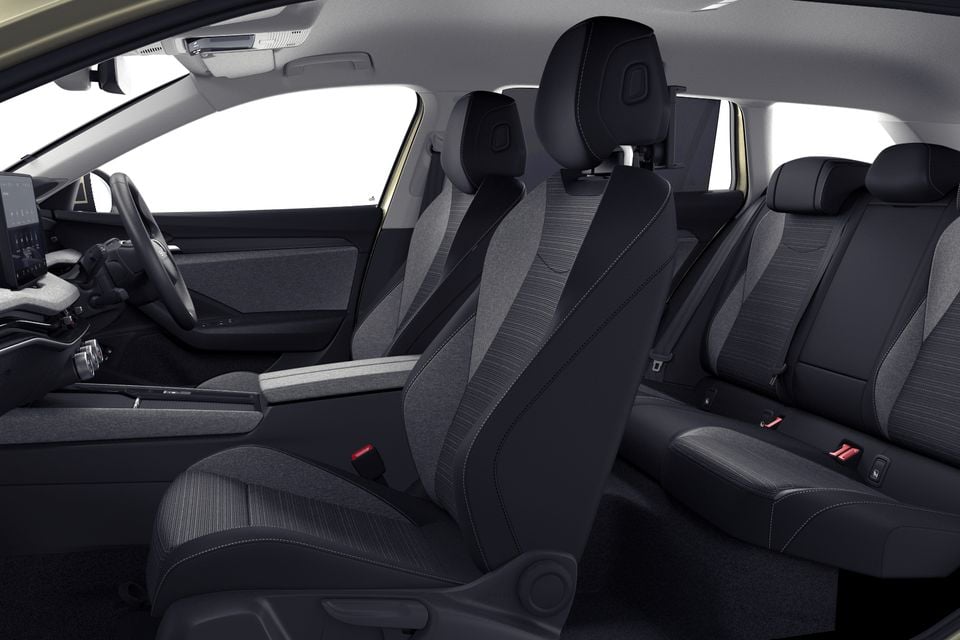
The Skoda Superb wagon has ISOFIX anchors in the two outboard rear seats and top-tether points for all three rear seats, but I could only fit two child seats in the back because the rear seatbacks are so heavily bolstered.
Still, it remains a good pick for tall families as there is so much legroom in the Skoda Superb. Drivers 186cm tall or even taller can sit comfortably in front of a rear-facing child seat.
A 112km (WLTP) electric-only range is enough for a few days of local driving before needing to recharge, and a combined real-world range of 800-1000km is a good amount for long drives between fuel stops.
The Superb Select PHEV wagon is priced at $62,990 before on-road costs and has a five-star ANCAP safety rating, scoring 86 per cent for child occupant protection and 93 per cent for adult occupant protection. It has seven airbags as standard.
It comes with a seven-year, unlimited-kilometre warranty (eight years or 160,000km for the hybrid battery) and roadside assistance for one year, though extensions are available if you purchase a service pack.
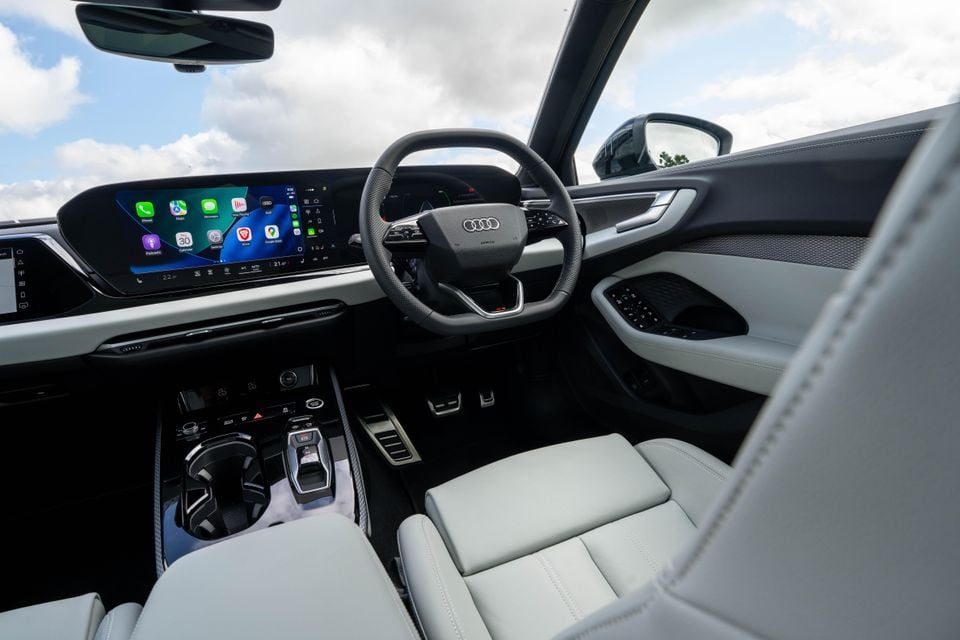
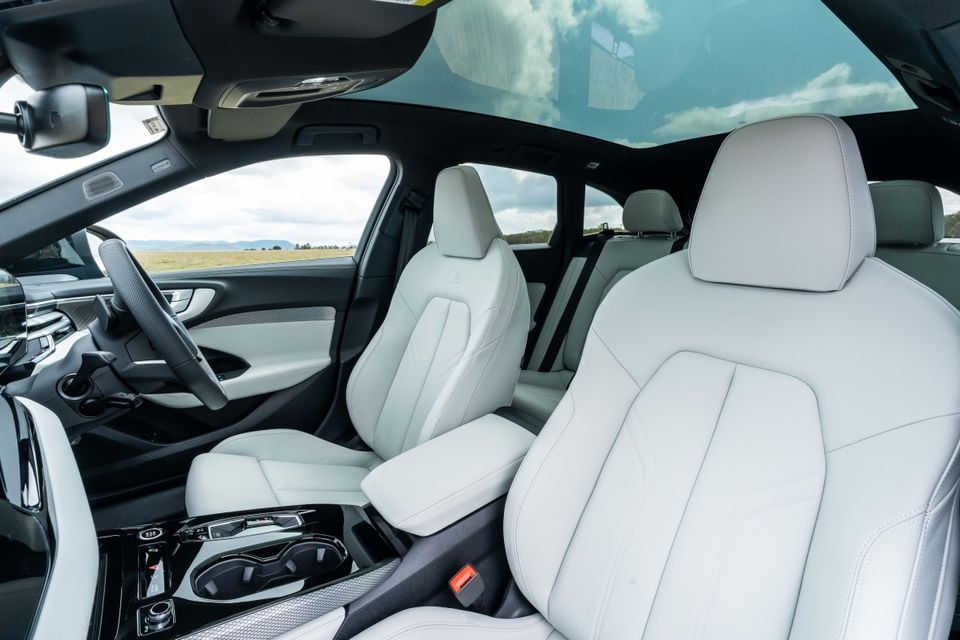
The Audi A5 e-hybrid PHEV is available as a sedan (actually a liftback) or Avant (wagon).
Both body styles offer an 87km (WLTP) electric-only range, so most families can do a couple of days of local driving before needing to recharge, and both have a 760-840km combined range, making them pretty practical for family holidays and road trips.
When it comes to family friendliness, both have modest boot capacity. The A5 e-hybrid sedan has 331 litres and the Avant 361L. So if you have a twin or tandem pram to carry, take it to the Audi showroom to make sure it’ll fit!
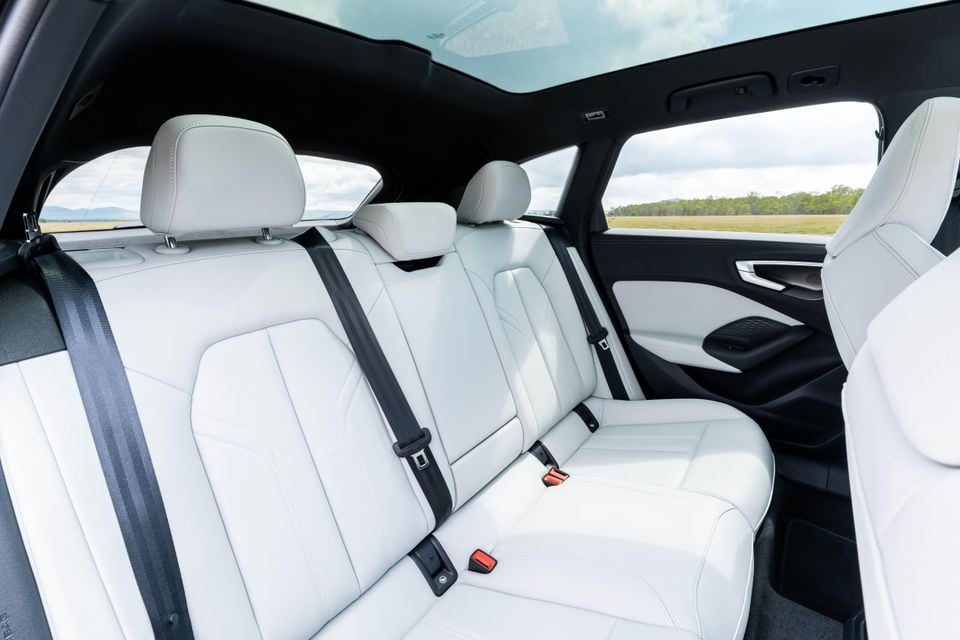
The hardware is there to install three child seats in the back; top-tether anchors for all three rear seats and ISOFIX points for the two outboard second-row seats. However, I’ve not yet had the opportunity to test if three child seats fit across the back seat yet, so make sure you test your child seats first – if only being able to fit two is a dealbreaker.
You’re looking at $89,900 plus ORCs for the Audi A5 e-hybrid quattro 270kW Sedan S line, increasing to $92,900 plus ORCs for the Audi A5 Avant e-hybrid quattro 270kW Avant S line.
All variants of the Audi A5 are backed by a five-star ANCAP safety rating, scoring 87 per cent for both adult and child occupant protection. Seven airbags are standard.
The Audi A5 e-hybrid comes with a five-year, unlimited-kilometre warranty (eight years or 160,000km for the PHEV battery pack).
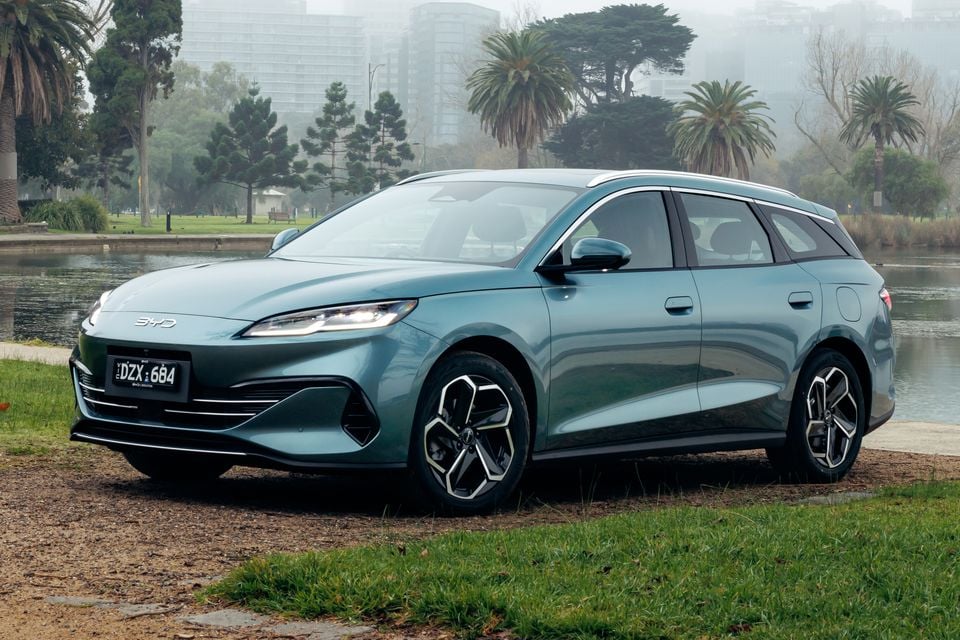
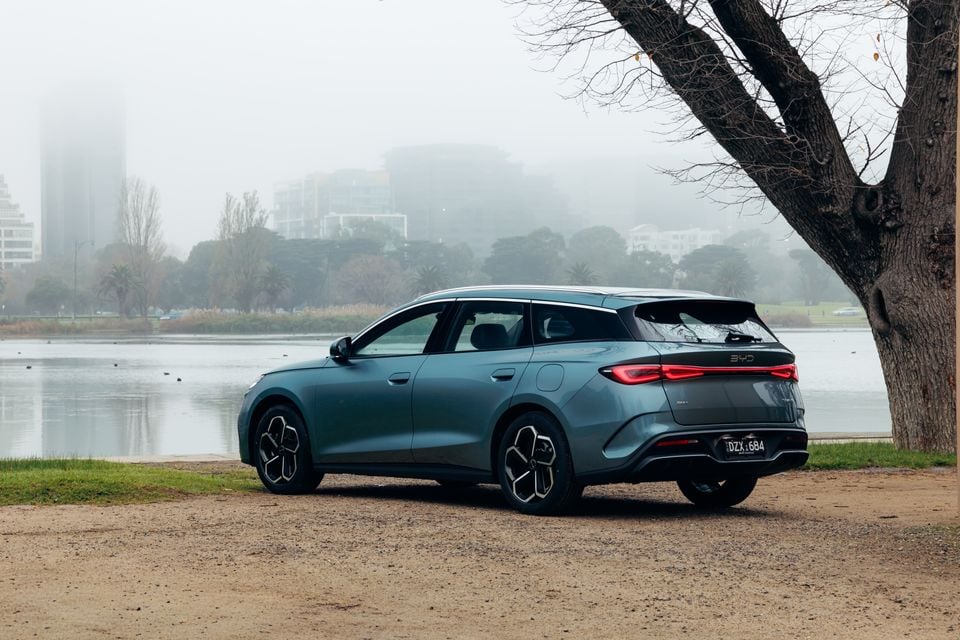
The BYD Seal 6 is available as a sedan or Touring (wagon). Both are equally nice to drive and have a combined range of 1000km according to BYD.
If you go for the Seal 6 sedan, its smaller battery gives you a range of just 55km (WLTP), so most Aussie families would need to recharge daily to do the school run and daily commute on battery power alone, making it most suitable to those with a home or workplace charger.
The Touring model nearly doubles that with its 100km (WLTP) electric-only range, allowing families to get two or three days of local driving before needing to recharge.
At just $34,990 plus ORCs, the Seal 6 sedan is the most affordable PHEV on this list, while the Seal 6 Touring costs $39,990 plus ORCs, making both models great options for families on a budget.
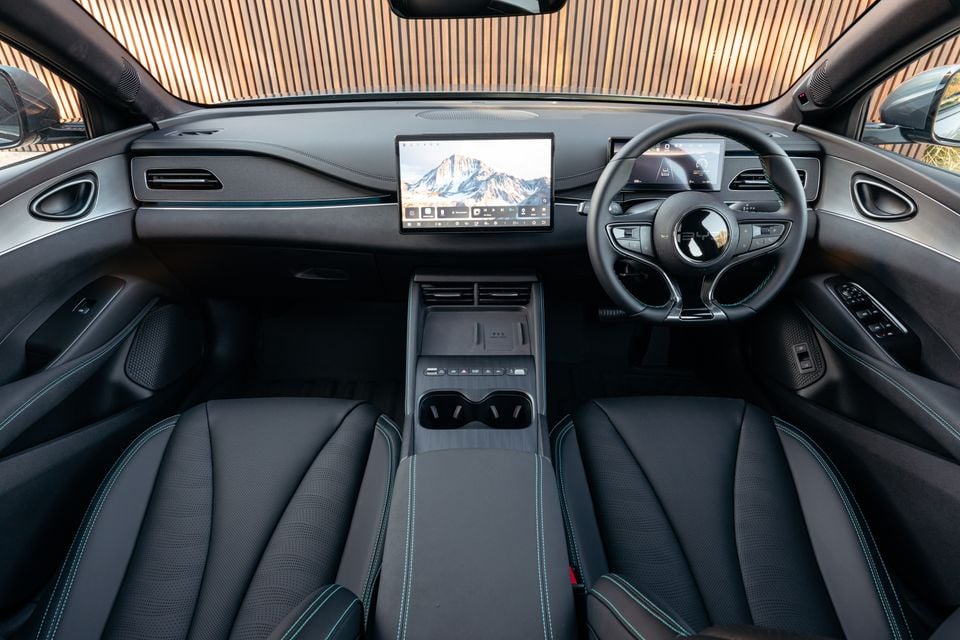
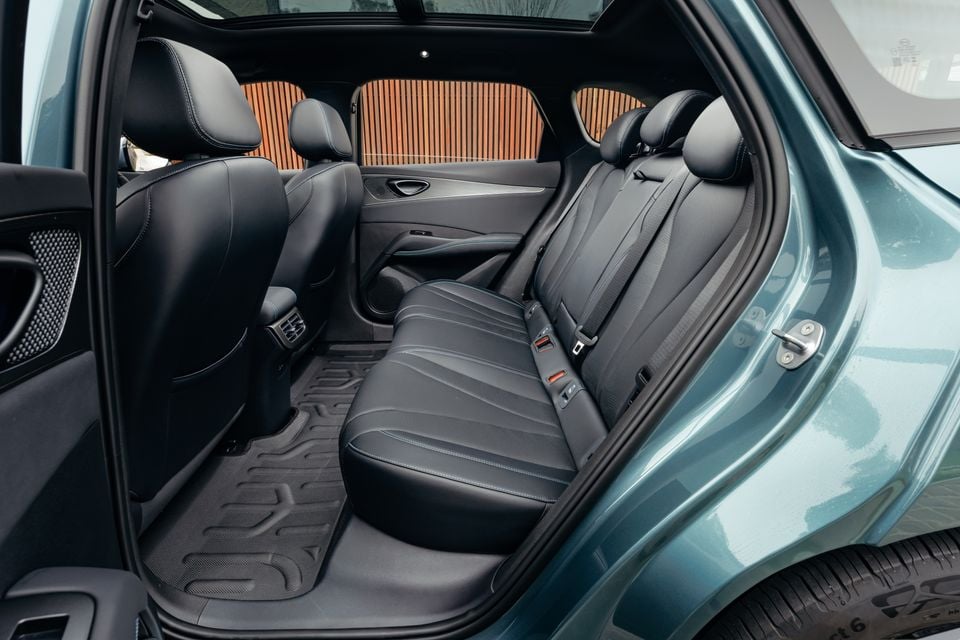
When it comes to family practicality, the back seats are spacious in both models and the flat rear footwells make access easy for passengers (and comfier for an adult or older child sitting in the middle).
I was able to fit three slim child seats in the back of the Seal 6, but the shape of the side bolstering made it a squeeze. There are ISOFIX points in the two outer rear seats plus top-tether anchors (behind all three head restraints in the fixed parcel shelf of the sedan or on the seatbacks in the wagon).
Legroom is excellent for tall families in the Seal 6. With rear-facing child seats in the back, a 186cm driver can sit up front – and an even taller one with forward-facing child seats installed.
The wide opening of the sedan’s boot makes stowing a twin pram and some shopping easy, and the 491L boot is plenty for family life, holding 13 shopping bags.
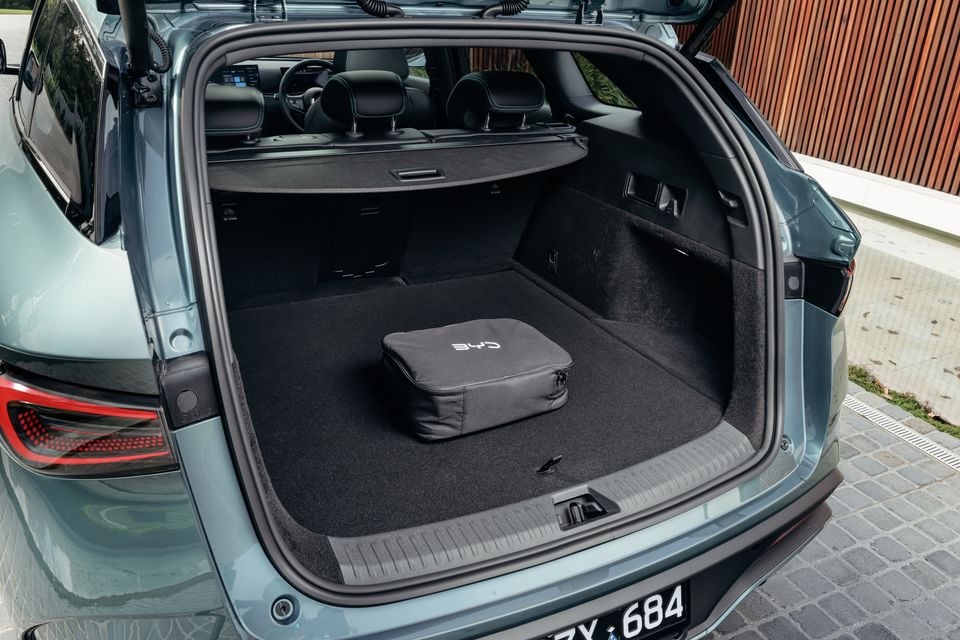
An enormous 670L boot (measured from floor to ceiling; most manufacturers measure to the cargo shelf line) in the Touring easily fits a twin side-by-side pram or a 15-bag family grocery shop.
The BYD Seal 6 has a five-star ANCAP safety rating, scoring 90 per cent for child occupant protection and 92 per cent for adult occupant protection, and seven airbags as standard.
BYD offers a six-year/150,000km vehicle warranty, an eight-year/160,000km battery warranty, and an eight-year/150,000km drive unit warranty.
Although it’s the shortest wagon on this list, the Cupra Leon VZe Sportstourer has a 470L boot, putting it between the Seal 6 Touring and Audi A5 Avant in terms of cargo capacity.
I’ve not tested the Cupra’s boot with prams, but it should fit a twin side-by-side pram easily.
Its 121km (WLTP) electric-only range and 40-litre petrol tank means it should have a combined range exceeding 1000km. Families can get two or three days of local driving on the battery alone, and the combined range is well suited to long journeys and holidays.
The Cupra Leon VZe wagon has ISOFIX points in the two outboard rear seats and top-tether anchors for all three rear positions.
I haven’t been able to test child seat fitment in this car yet, so if three across is important to your family, check your child seats fit before you buy. Being fairly compact, legroom in front of fear-facing child seats might also be restricted in the Leon Sportstourer.
Priced at $69,990 plus ORCs, the Cupra Leon VZe Sportstourer wagon has a stand-out design and sits in the middle of this list in terms of price.
It has a five-star ANCAP safety rating, scoring 86 per cent for child occupant protection and 88 per cent for adult occupant protection, plus eight airbags as standard.
Cupra vehicles are backed by a five-year, unlimited-kilometre vehicle warranty (and eight years or 160,000km for the hybrid battery and related parts), and five years of roadside assistance.
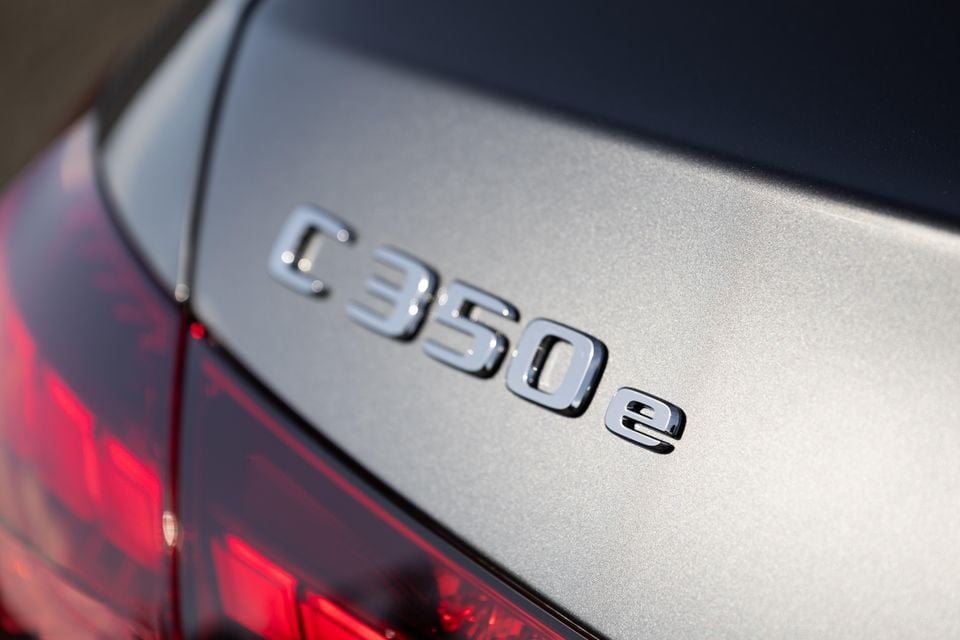
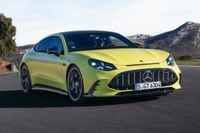
Mercedes-Benz says the C350e sedan has a 104km electric-range, which should be enough for most Australian families over a couple of days of driving before needing to recharge the battery.
With a fully charged battery and a full petrol tank, this mid-size luxury sedan should manage at least 800km between refills on a road trip.
The C350e Sedan has the hardware to install three child seats in the back, with ISOFIX points in the two outboard rear seats and top-tether anchor for all three. There is a large hump in the rear central footwell, which can get in the way of kids scrambling across from the kerb side, and means passengers sitting in the central seat will need to straddle it with their feet.
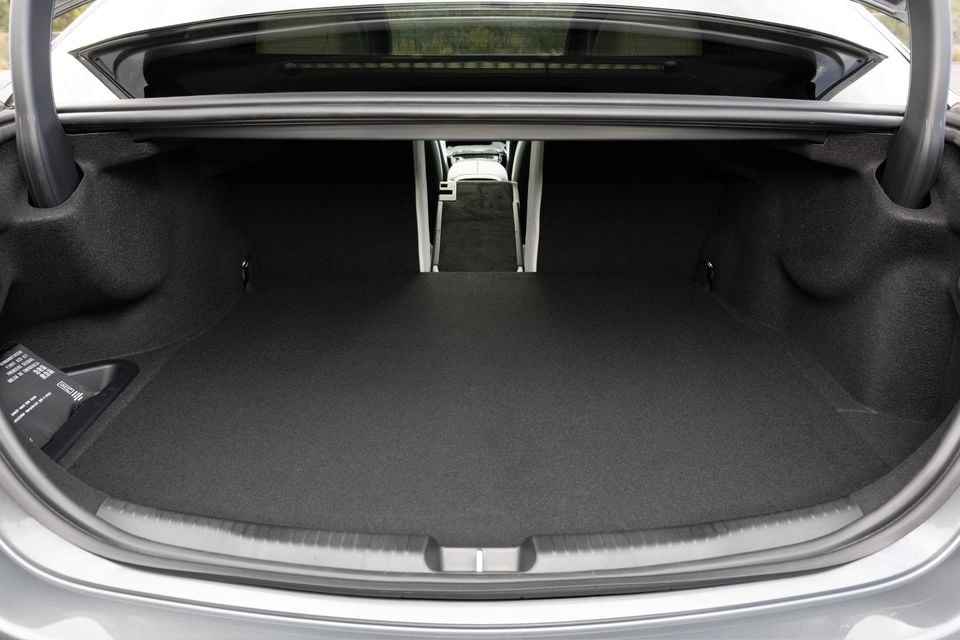
I haven’t tested the Mercedes C350e for child seat fitment, so make sure you test your child seats fit before you buy. The same goes for boot space, which I’ve not yet tested for pram fitment but is the smallest on this list at 315L.
At $98,200 plus ORCs, the Mercedes-Benz C350e sedan is the most expensive model on this list and it doesn’t yet have an ANCAP safety rating, although it does come with 10 airbags as standard.
Mercedes-Benz provides a five-year, unlimited-kilometre warranty and five years of roadside assistance. Parts related to the PHEV system are covered for eight years or 160,000km.