Ben Zachariah
State's plan to expand speed camera usage stalls
The forthcoming Victorian election has resulted in expanded average-speed enforcement laws being enacted, as the government enters caretaker mode.
27 Minutes Ago

Founder
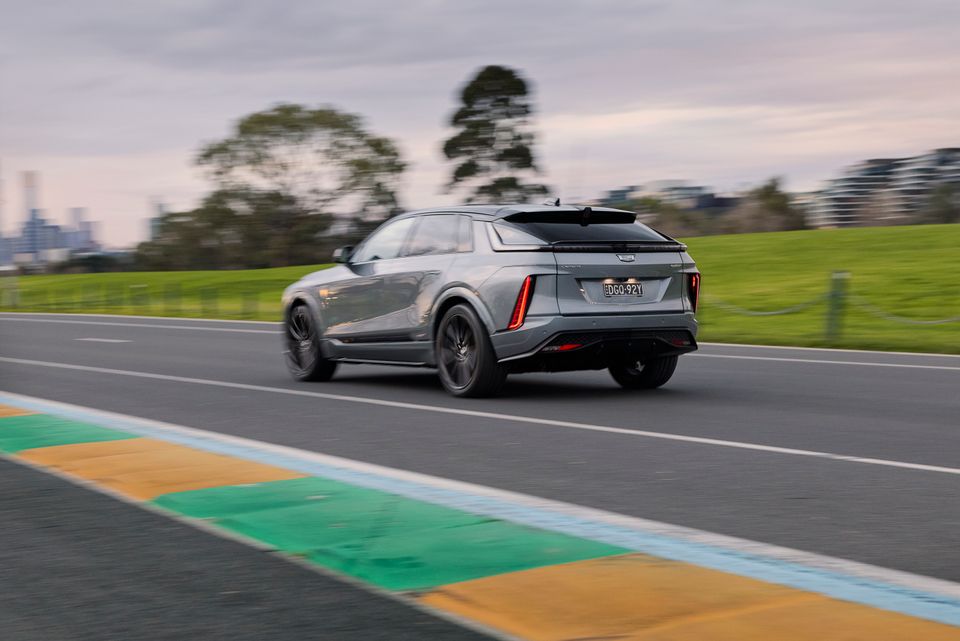
Cadillac has developed electric vehicle (EV) concepts capable of track driving, but they've yet to clear the brand's own durability standards – and that's why its EVs aren't track cars just yet.
Speaking to CarExpert at a recent General Motors event in New York, Cadillac vehicle performance engineer Tom Schinderle said the brand's electric performance models are currently tuned for spirited road driving rather than circuit work.
"Right now, our holdup is we have been gearing our EVs more to the canyon carving, spirited driving, and not full track performance at the moment," Mr Schinderle said.
"There's a lot of engineering work on the thermal side to make sure we have a car that can do it lap after lap after lap."
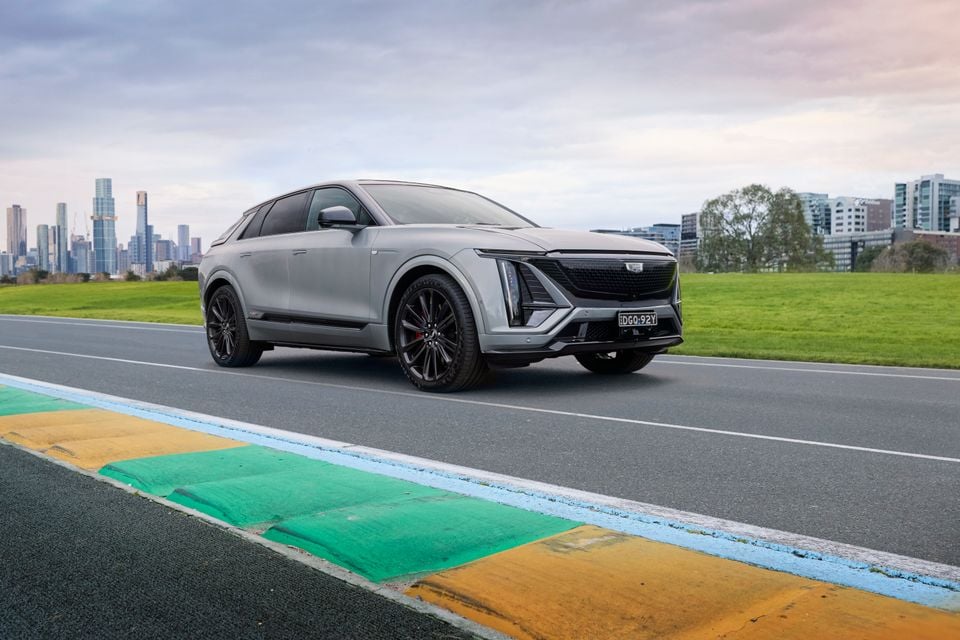
That's the key distinction. Plenty of performance EVs can put down one blistering lap, but heat build-up in the battery and motors often sees power scaled back soon after. Cadillac doesn't want to badge something as track-capable until it can keep going.
"We've got durability standards internal to GM that are stricter than our counterparts and our competitors, and we hold ourselves to that higher level," Mr Schinderle said.
"We've certainly come up with concepts that are track capable, but haven't passed all of our internal benchmarks that are critically important."
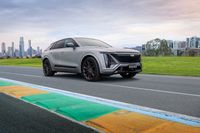
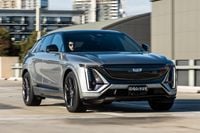
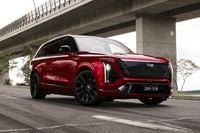
Cadillac currently splits its performance lineup between V-Series models, such as the electric Lyriq-V and Optiq-V and the supercharged V8-powered Escalade-V, and more hardcore, track-focused V-Series Blackwing models.
Until recently, the latter category included the twin-turbo V6-powered CT4-V Blackwing, but now there's just one Blackwing model: the supercharged V8-powered CT5-V Blackwing, which Mr Schinderle works on.
Mr Schinderle said the brand's combustion-powered sedans set the bar.

"These V-Series ICE sedans, I mean, they can [do] lap after lap after lap, and so we are certainly investigating that on the EVs. We're just not quite ready to commit to that yet."
It echoes comments made last year by Lyriq-V lead development engineer Alex Doss, who pointed to battery weight and cooling as the main hurdles to a Blackwing-badged EV.
The Blackwing sedans use Performance Traction Management – a multi-stage traction and stability control system that lets drivers progressively dial back intervention on track.
Asked whether something similar would come to Cadillac's EVs, which can control torque far more precisely than a combustion engine, Mr Schinderle said it was likely – but only once the cars are signed off for track use.
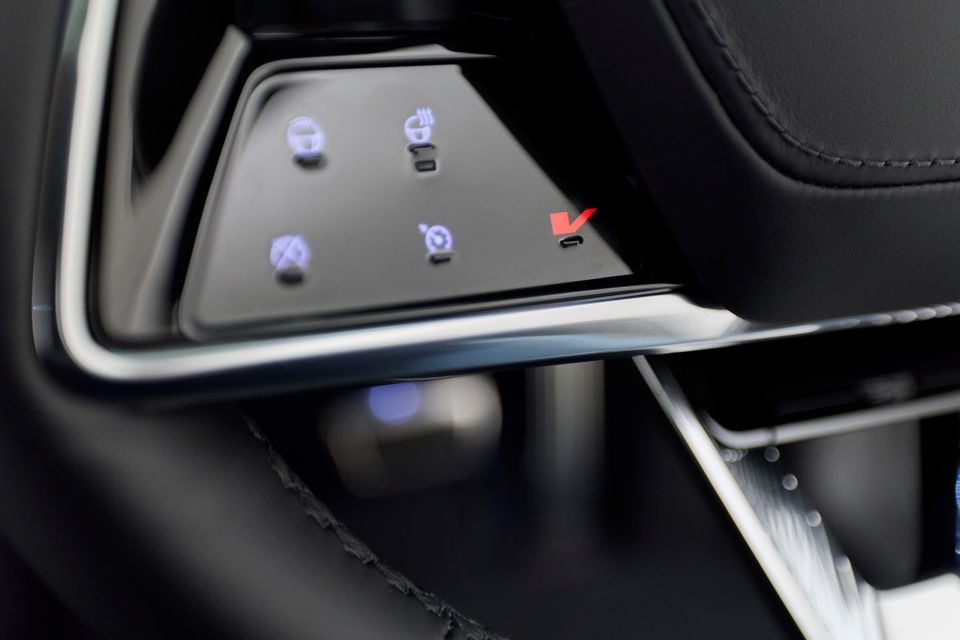
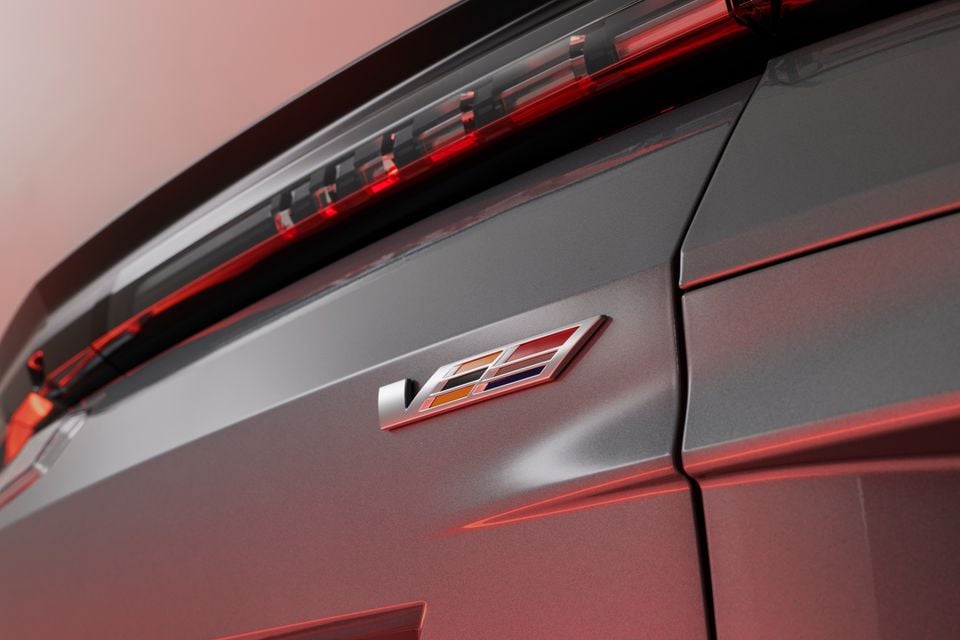
"When we do get to that point, though, that's when the progressive traction control would make it," he said.
In the meantime, Cadillac's V-Series EVs get a Competitive Mode, which Mr Schinderle explained shifts the car's behaviour on corner exit.
"What that does is it actually backs out traction control ever so slightly. We change the ratio of power delivery front to rear – it's called rear bias at that point – and allow ESC to allow the car to step out itself. So it's more agile, just on a corner exit," he said.
Cadillac's Australian lineup is entirely electric, and its flagship performance model is the Cadillac Lyriq-V. It's priced from $99,000 before on-road costs, with 459kW and 880Nm from a dual-motor powertrain, and Cadillac claims a 0-100km/h time of 3.6 seconds.
It's a very quick car on the road. But if you're hoping for a Blackwing-grade electric Cadillac you can take to a track day and lap all session, it sounds like you'll be waiting a little longer.
MORE: Everything Cadillac
Research cars in our Showroom, compare your options or let our New Car Specialists do the running around to find you a great deal.
Paul Maric is a CarExpert co-founder and YouTube host, combining engineering expertise with two decades in automotive journalism.
Ben Zachariah
27 Minutes Ago

Tace Clifford
1 Hour Ago


Derek Fung
8 Hours Ago
Ben Zachariah
8 Hours Ago

James Wong
15 Hours Ago
James Wong
15 Hours Ago
Add CarExpert as a Preferred Source on Google so your search results prioritise writing by actual experts, not AI.