




Damion Smy
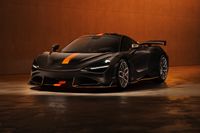
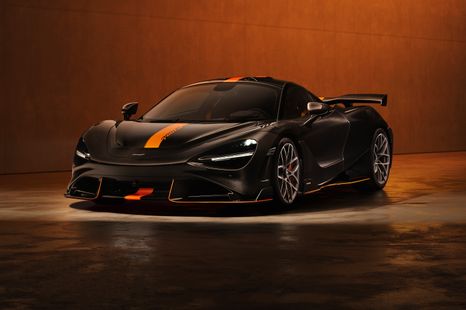
Million-dollar McLaren 788HS revealed as final Super Series supercar
The 330km/h 788HS is the zenith of McLaren's current-generation Super Series range, which dates back almost a decade, and it's coming to Australia.
24 Minutes Ago
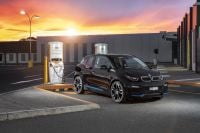
EV buying intentions among Australians aren’t rising or falling, according to the latest research, despite increasing sales and falling prices.
Deputy News Editor
Deputy News Editor
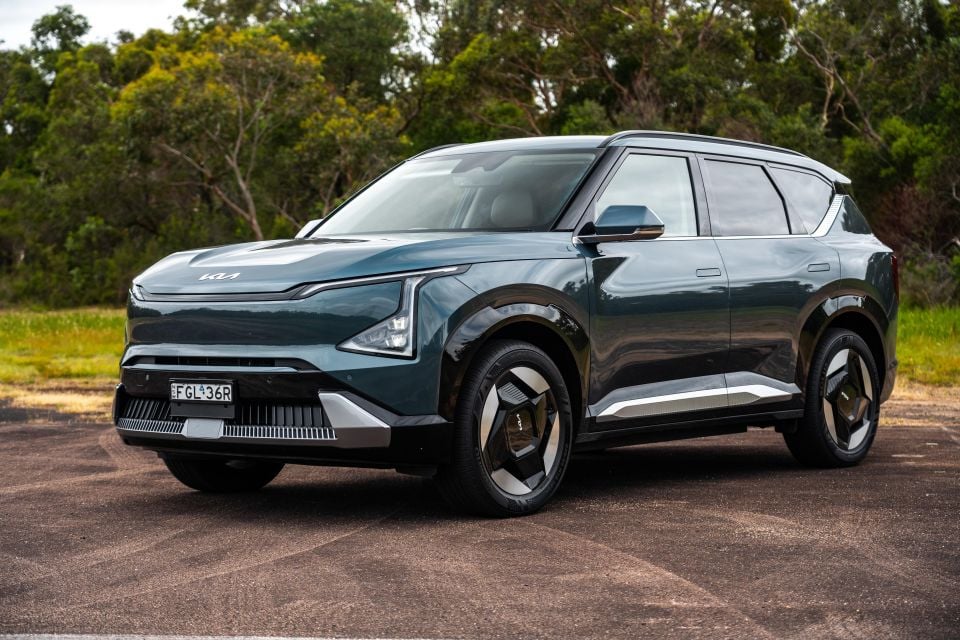
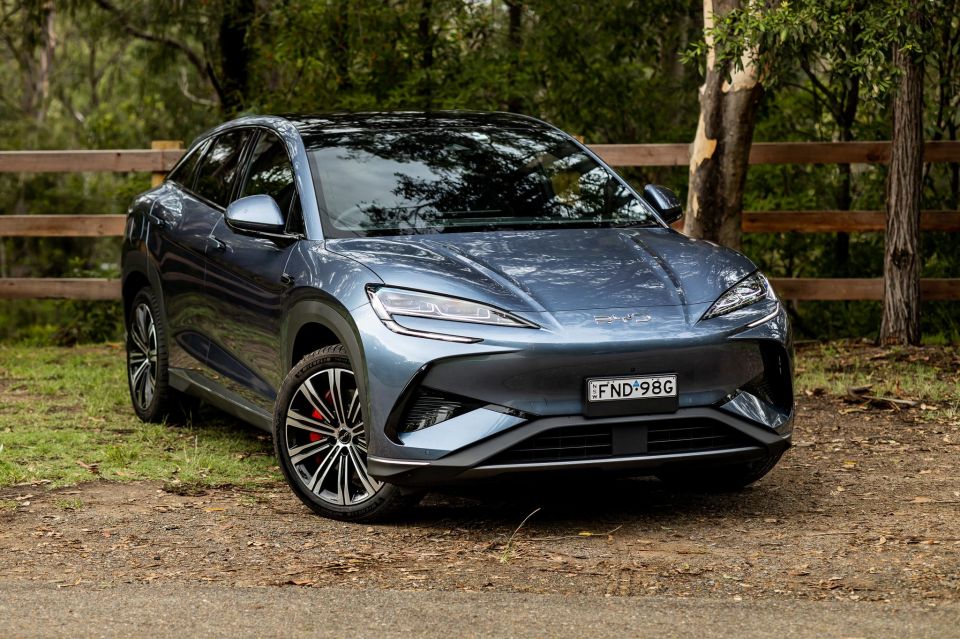
A survey commissioned by the Australian Automotive Dealer Association (AADA) claims demand for electric vehicles (EVs) has ‘flatlined’, despite EV market share gains in 2025.
The survey of 2000 Australian motorists, commissioned by the peak body for car dealers in Australia and conducted by Melbourne-based Zing Insights in November 2025, found 38 per cent of respondents intend to buy an EV as their next primary new-vehicle purchase.
That figure is unchanged from the AADA’s 2022 survey and one percentage point lower than its 2024 result (39 per cent).
“Our members are committed to supporting Australia’s transition to lower-emissions vehicles and want to meet Australian drivers’ needs,” said AADA chief executive James Voortman in a media release.
CarExpert can save you thousands on a new car. Click here to get a great deal.
“However, new-car dealers are not yet seeing a significant increase in the number of consumers intending to purchase an EV at the scale required.”
Despite this, Australians bought more new EVs in 2025 than ever before, with 103,269 sales recorded across the full calendar year, representing a 13.1 per cent year-on-year increase.
As a result, EVs’ share of all new vehicles sold in 2025 rose from 7.4 per cent in 2024 to 8.3 per cent.
That growth outpaced the broader new-vehicle market, which expanded by a modest 0.3 per cent over the same period.
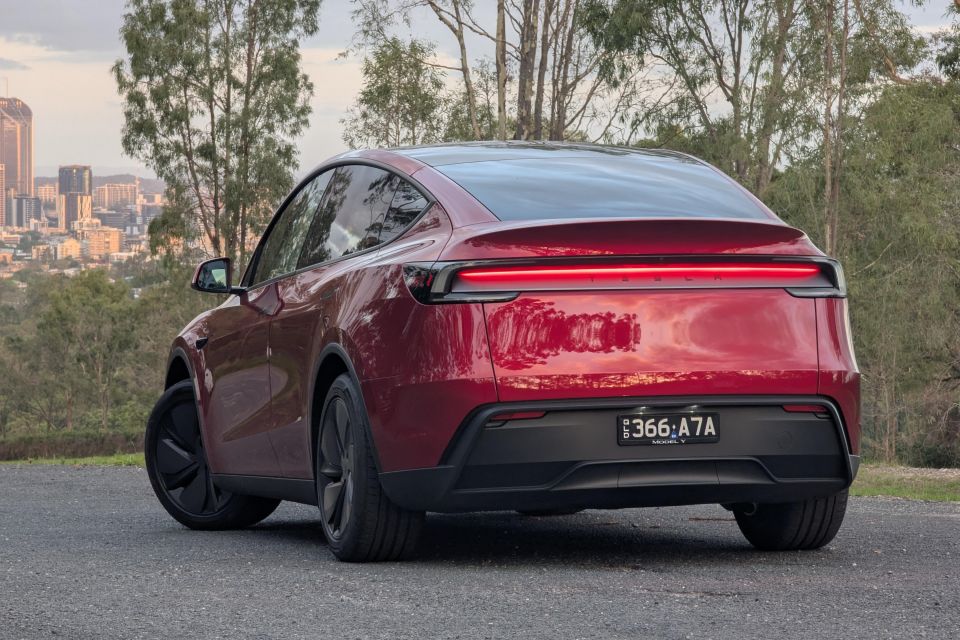
Tesla remained the top-selling EV brand in Australia in 2025 despite lower annual sales, with the Tesla Model Y SUV the most popular EV model ahead of the BYD Sealion 7 SUV and the Tesla Model 3.
The AADA survey, officially titled EV & Hybrid Vehicle Wave 4 (November 2025) Insights Report, found the primary driver for EV purchases in Australia remained the perception they are better for the environment.
Secondary motivations included EVs ‘representing the future’ and offering lower running costs compared with internal combustion engine (ICE) vehicles.
Barriers to ownership cited by respondents included higher showroom prices, a lack of access to home charging for some buyers, and broader concerns about public charging infrastructure.
Overall, the AADA study said “EV intention is less linked now to environmental benefits and is increasingly focused on financial benefits to the driver”.
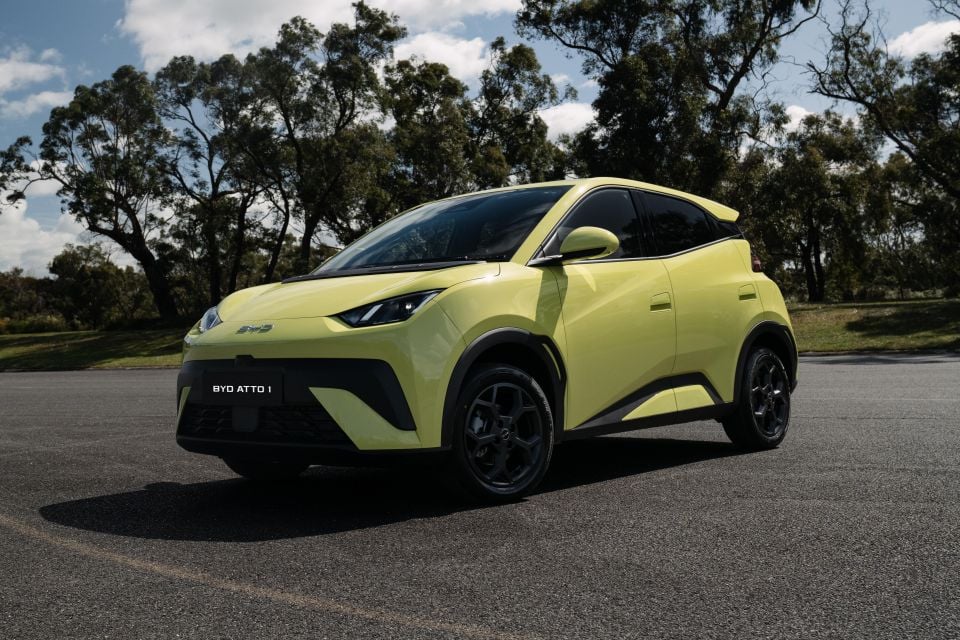
EV prices have continued to fall in Australia, with the BYD Atto 1 electric hatch now priced from $23,990 before on-road costs, making it the cheapest EV in local showrooms.
Just 12 months ago, the slightly larger BYD Dolphin hatch was Australia’s cheapest EV at $32,138 drive-away.
“What we are seeing is the automotive transition is happening, but at the pace of consumers choosing,” said Mr Voortman.
That view is echoed by some automakers, including Volvo Australia, whose managing director Stephen Connor told CarExpert the decision to wind back EV-only plans locally was customer-driven.
“It’s a consumer-led strategy now as opposed to an OEM strategy … but we will still get there, it’s just a case of when,” he said. MORE: Australia’s best-selling EVs in 2025 revealed
Damion Smy is an award-winning motoring journalist with global editorial experience at Car, Auto Express, and Wheels.
Damion Smy
24 Minutes Ago
Damion Smy
3 Hours Ago

Max Davies
4 Hours Ago

William Stopford
5 Hours Ago
William Stopford
6 Hours Ago
William Stopford
7 Hours Ago
Add CarExpert as a Preferred Source on Google so your search results prioritise writing by actual experts, not AI.