




William Stopford
Cadillac says smaller EV batteries for Australia are driven by European regulations
New Cadillac EVs for export markets feature smaller batteries that take longer to fast-charge.
3 Hours Ago

Marketplace Journalist
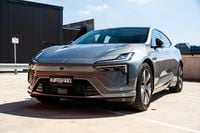
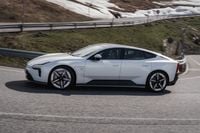
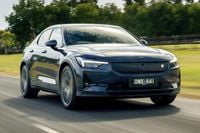
Australia's New Vehicle Efficiency Standard (NVES) is now in effect, and electric vehicle (EV)-only brand Polestar has confirmed it will sell the emissions 'credits' it accrues to brands struggling with their EV uptake.
Under the NVES, all manufacturers operating in Australia are required to meet average fleet-wide carbon dioxide emissions targets every year. These targets will get stricter each year, and any brand that fails to meet them will be fined.
However, if a brand beats its fleet-wide target – particularly easy in the case of plug-in hybrid-heavy and EV-only brands – they'll earn 'credits' that can either be used to meet stricter targets in the following year, or be sold to other brands to help meet their targets.
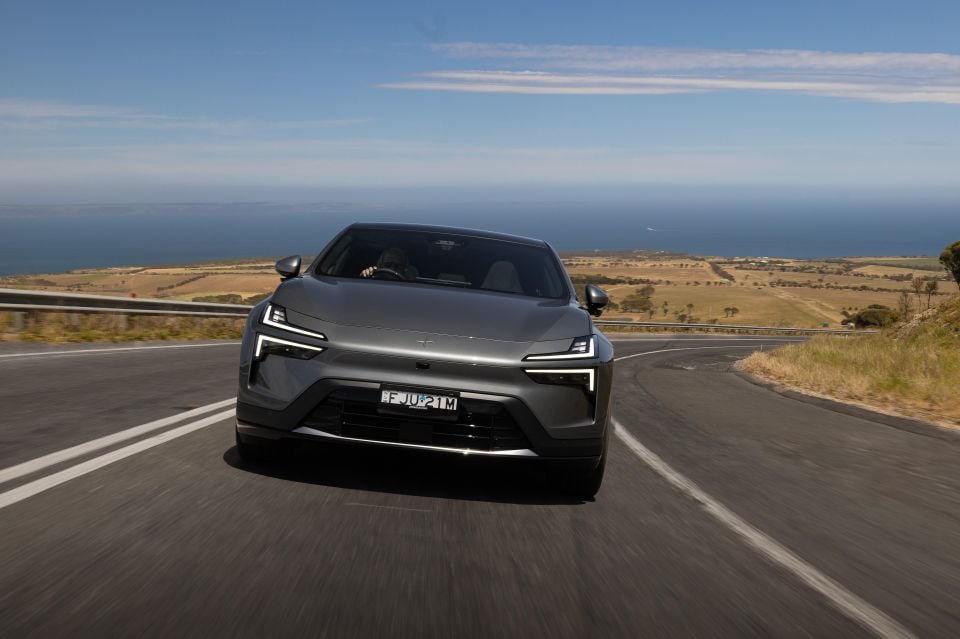
Polestar, a Geely-owned brand that fields an exclusively electric lineup worldwide, has been expected to be one of multiple brands with credits in demand since the NVES came into effect.
Now, Polestar Australia managing director Scott Maynard has confirmed to media: "We've had interest in our credits, and we'll sell them" – without disclosing who's interested.
CarExpert can save you thousands on a new car. Click here to get a great deal.
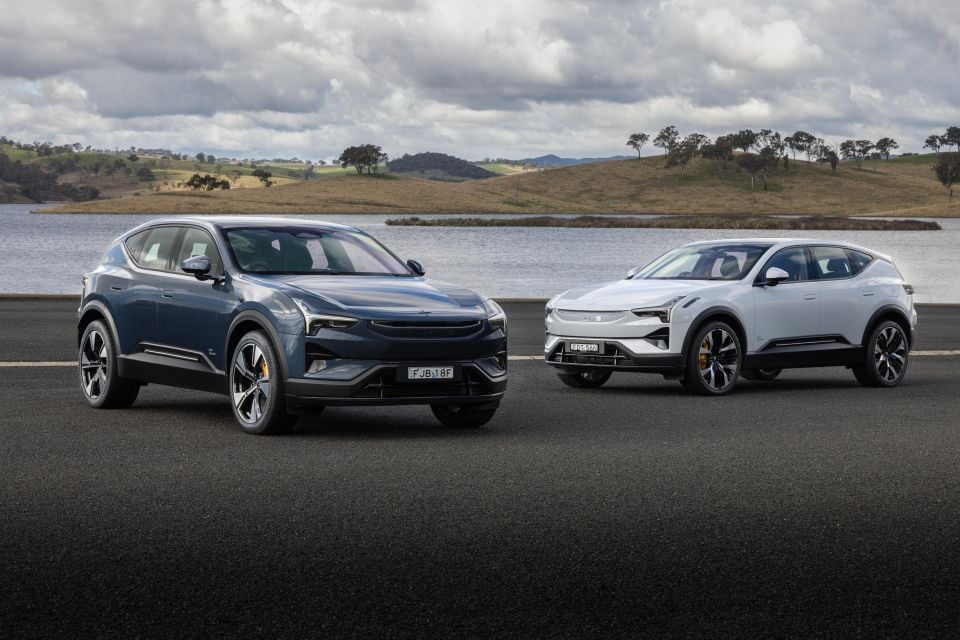
"[It's] still a commercial-in-confidence discussion that wouldn't allow us to name anyone, but I think it would be right for us to [sell credits]," he said.
There are some brands with little to no electrification, such as Isuzu Ute Australia, which could benefit from these credits, as well as brands that offer EVs but have so far struggled to sell them in significant numbers, such as Ford and Subaru.
For 2026, all passenger-car lineups cannot exceed a fleet-wide average of 117g/km of carbon dioxide emissions, while light commercial vehicles and heavy-duty SUVs are limited to 180g/km. For reference, a Toyota RAV4 Hybrid emits roughly 109g/km, while a turbo-diesel Isuzu D-Max emits 185g/km.
"If there are brands out there that opt to not develop clean or low-emission technology, that opt not to invest in that research and development, and there are brands out there that have committed to it and are doing it, I think it's fair and reasonable to expect those that haven't invested to hand that money that they've that they've profited from [internal combustion] to those that are investing [in low-emission tech] at huge cost," Mr Maynard said.
"And I think it's actually a good thing that the government doesn't take to collecting that, but rather allows it to be transferred, because it encourages continual investment and it shows a degree of authenticity to the program."
Australian automotive bodies, particularly the Federal Chamber of Automotive Industries (FCAI), have been critical of NVES, suggesting it could lead to a "lower-than-anticipated uptake of low-emission technologies" and make "new cars more expensive".
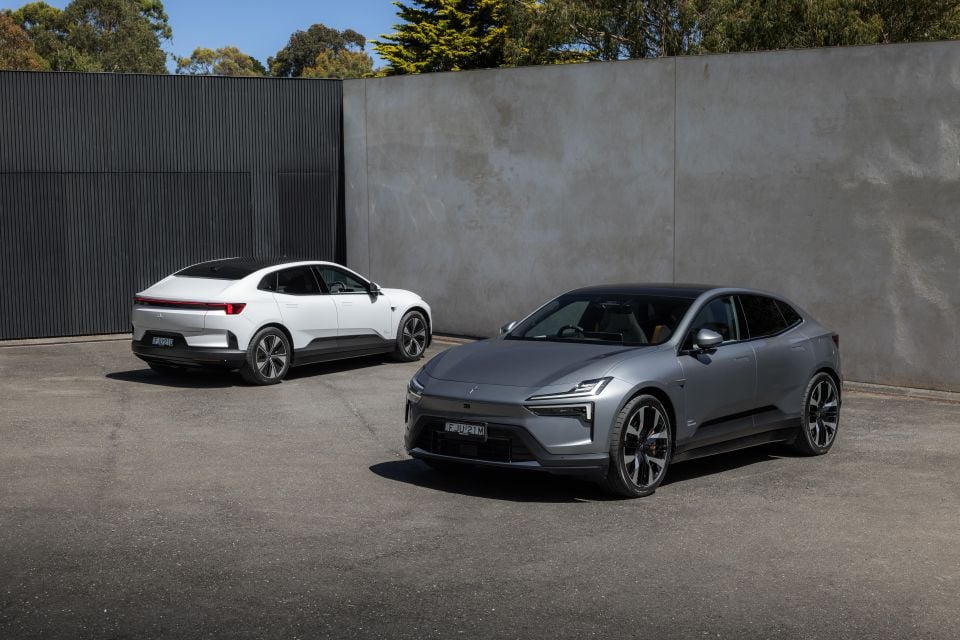
Polestar has long rebutted these claims and instead welcomed the NVES, opting to leave the FCAI in protest alongside fellow EV-only brand Tesla in early 2024.
"There are plenty of brands operating in Australia that are selling vehicles that Australians love to drive, that have said that their portfolio of models is such that they can make it under the standards, that they won't need to pass these costs on to motorists," Mr Maynard said.
"So those brands that are out there touting that they will [need to pass on costs] will simply be relegated to an uncompetitive position, not cost Australian motorists more, because they'll have a choice."
Polestar has previously said the targets of the NVES mean the credits offer little financial value.
“I don’t think it’s [the value of the credits] going to be that high, only because the standards –particularly in the industry here – are low enough that most brands can comfortably slide underneath them," Mr Maynard told Australian media in July 2025.
“There’s been a huge word cloud of concerns about NVES, but now it’s here, and the job is to knuckle down and get it done, I like to think that it’s well within the reach of most of the brands operating this country."
MORE: Polestar won't rejoin Australia's top auto industry body
MORE: What the first federal emission standard means for Aussie car buyers
Go deeper on the cars in our Showroom, compare your options, or see what a great deal looks like with help from our New Car Specialists.
Max Davies is a CarExpert journalist with a background in regional media, with a passion for Japanese brands and motorsport.
William Stopford
3 Hours Ago

Damion Smy
3 Hours Ago

CarExpert
3 Hours Ago
CarExpert
4 Hours Ago
William Stopford
11 Hours Ago
CarExpert
1 Day Ago
Add CarExpert as a Preferred Source on Google so your search results prioritise writing by actual experts, not AI.