




Alborz Fallah
Leapmotor B03X hybrid under study, Australia could help make the case
The upcoming small SUV is electric-only for now, but demand from Australia, Brazil and Mexico could justify a petrol-assisted version.
10 Hours Ago
There are over 30 mid-size SUVs available for under $60,000, with brands from BYD to Mazda and Zeekr offering one. These are our favourites.

News Editor
News Editor
The mid-size SUV segment is Australia’s largest in terms of both sales volume and model count, and accounted for a quarter of all new vehicles sold here last year.
As medium and large passenger cars have disappeared, mid-size SUVs have supplanted them as the default family car choice in markets like ours.
While many enthusiasts bemoan the rise of the mid-size SUV, it’s hard to deny it’s often easier to wedge a bulky pram, sporting gear, and all the other family paraphernalia into one of these than it is with a sedan (okay, so conventional wagons are a thing too, but they’re less convenient for people with limited mobility and, bizarrely, they have a real ‘ick’ factor with a lot of Aussies).
CarExpert can save you thousands on a new car. Click here to get a great deal.

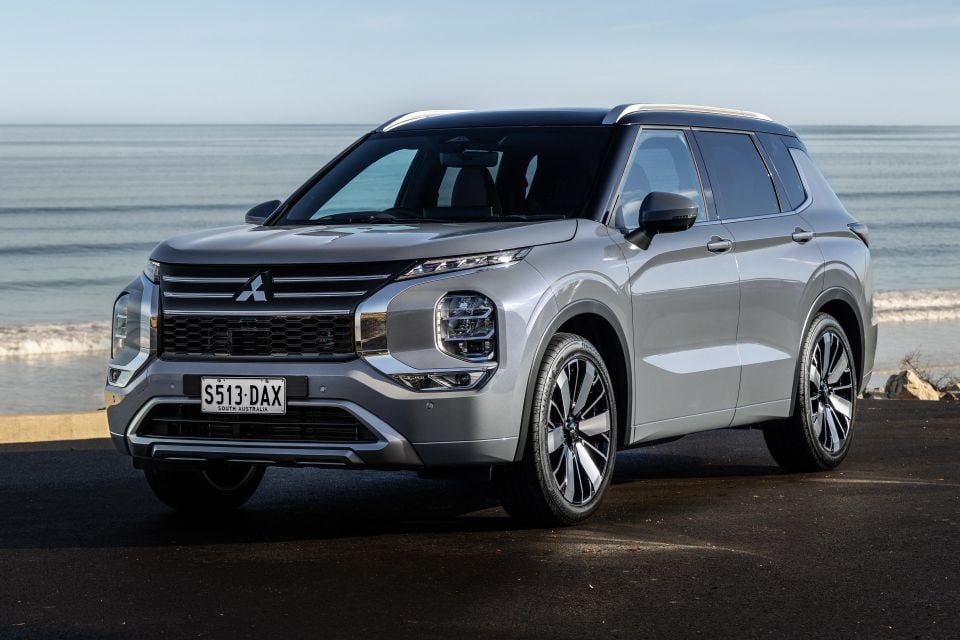
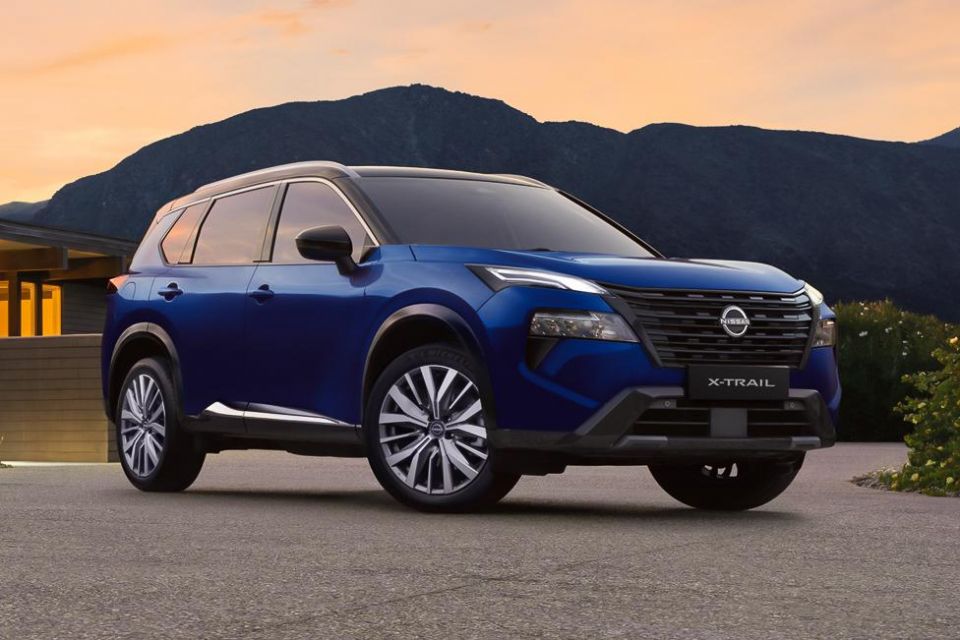
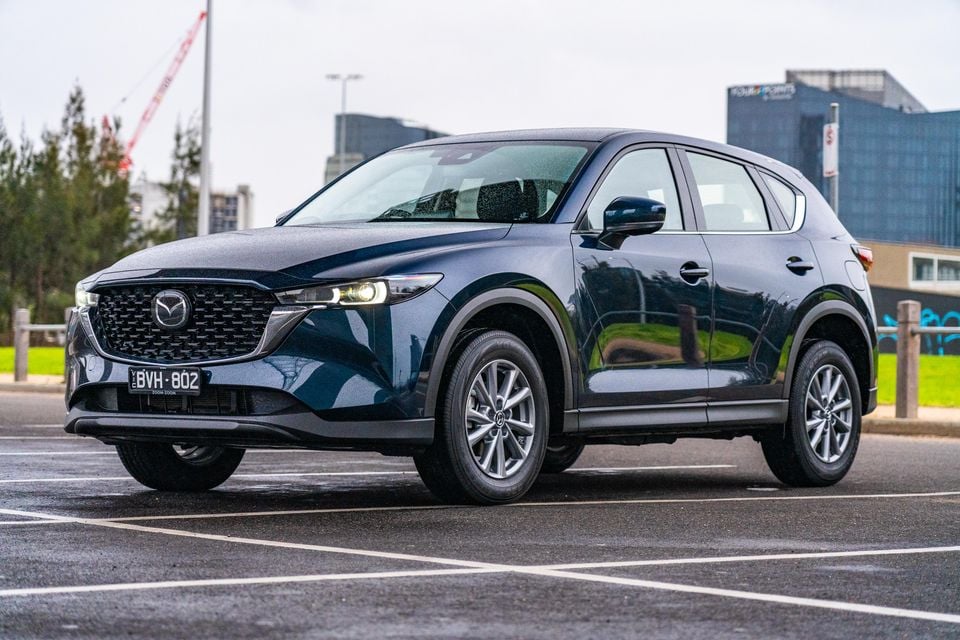
Given the importance of this segment, we asked the members of the CarExpert editorial team to pick their favourite new mid-size SUV with a list price of under $60,000 (excluding on-road costs).
There was no other caveat – team members could choose any powertrain type, whether that be petrol, diesel, hybrid, plug-in hybrid, or electric, and they could pick from any brand so long as the model sat within VFACTS’ medium SUV segment.
What did the team pick?
I need to make this very clear: I am not a huge fan of Tesla.
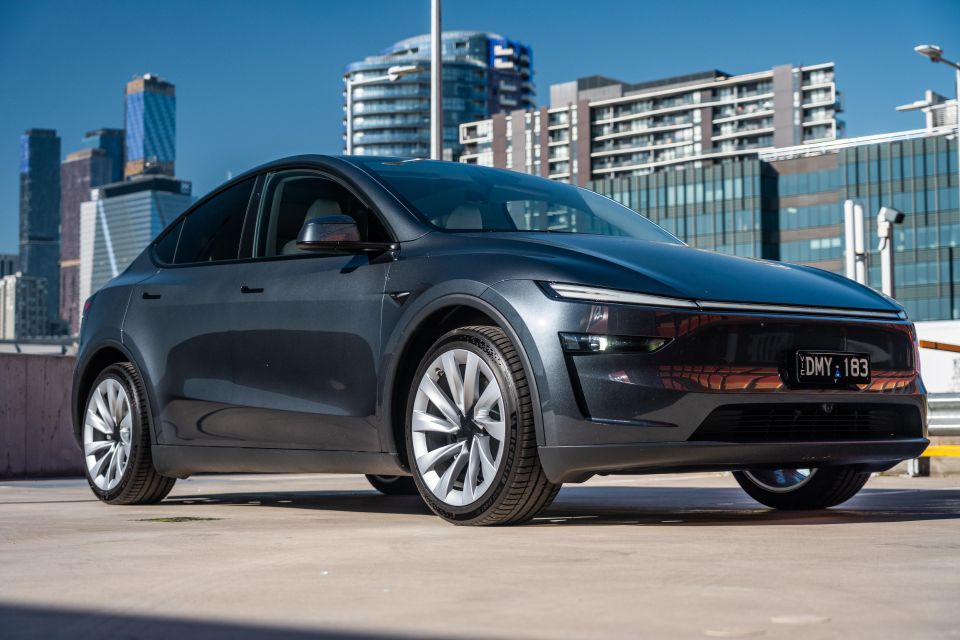
I did own a Model Y for about 10 days before it went back due to ride quality and the lack of a driver-oriented speedometer.
All that said, having recently spent a fair bit of time in the updated Model Y with the Full Self-Driving system enabled, I have to tell you there is no other car that is even in the same category as that for under $60,000.
For the full week that I had the vehicle, it never once set a foot wrong under any driving conditions and even though I love to drive, I don’t love to drive in traffic.
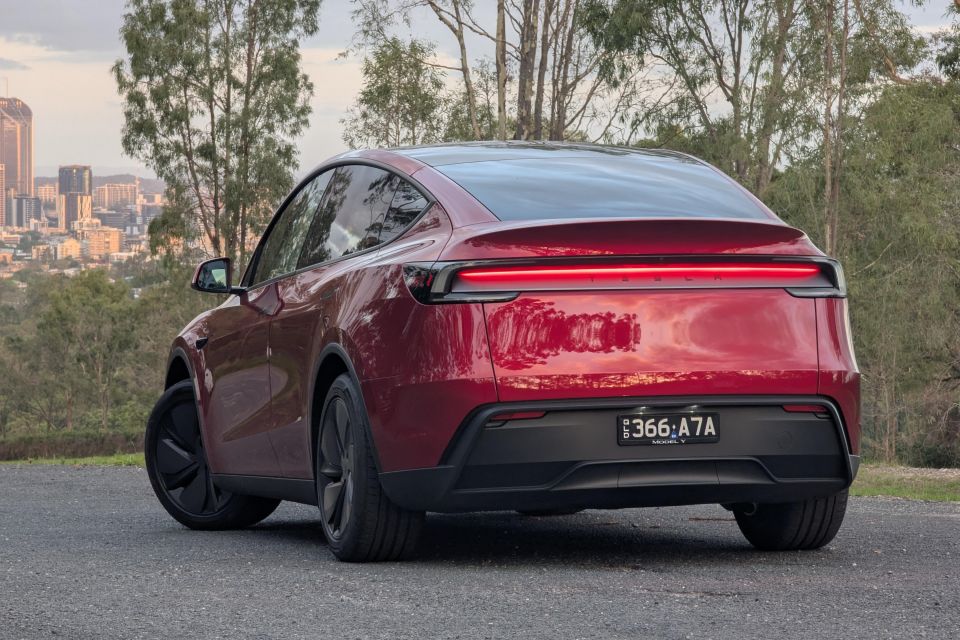
I liken the technology to going from using a horse to get to Coles, to using a car. It doesn’t mean people don’t still ride horses for the joy and thrill of it (which is how I want to think of driving going forward), but I don’t want to drive myself through heavy traffic and wait at red lights. I want a car to do this for me.
Tesla is the only company that can offer that right now and, in my experience with Full Self-Driving, it works flawlessly. I wouldn’t care if it had an 8.0-litre diesel engine in it, I would pick it just for the FSD system.
The fact it’s also backed by the best charging infrastructure, looks pretty good and finally rides well is a bonus. I just wish Elon would swallow his damn pride and put a digital speedo in front of the driver so I can see if his car is speeding all by itself!
MORE: Explore the Tesla Model Y showroom
Full disclosure: I spent my own money buying a Karoq last year, but I just got the front-wheel drive.
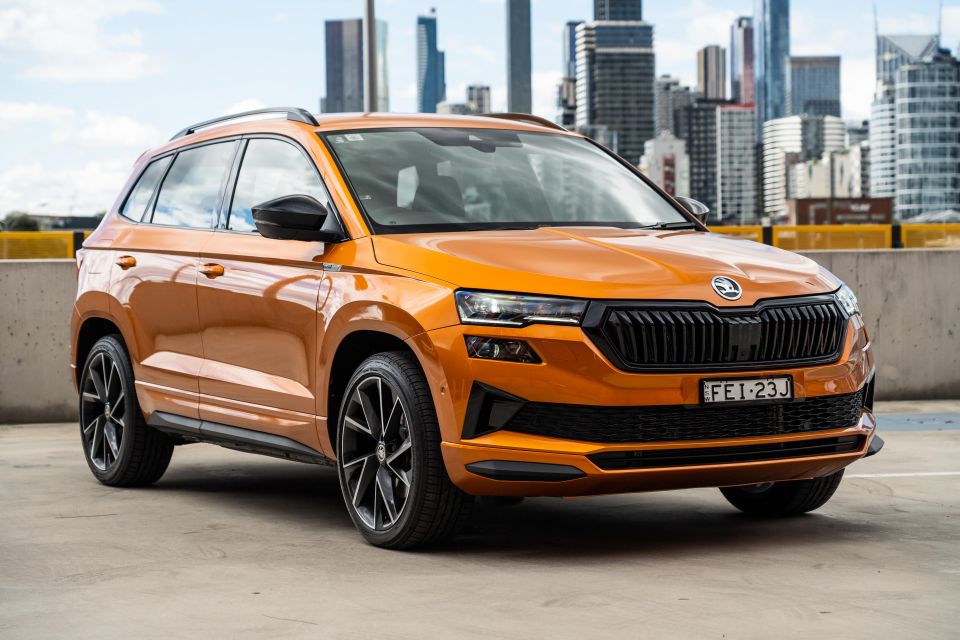
The 4×4 is a beast – 140kW, very nicely trimmed, and pretty darn economical to boot.
What really impressed me was when we did our medium SUV megatest last year, during our tricky roller test – set on a 15-degree slope where three wheels of the car have no traction and one wheel is left to take the load – the Karoq out-performed every other SUV there.
You may ask yourself what this has to do with real-world testing, but it’s an extreme example of a car on an icy road with no traction. It demonstrates how good the traction control system is – how well it sends torque to where it’s required, when it’s required.
“But we don’t really have icy roads here – we’re not exactly Greenland!” I hear you say.
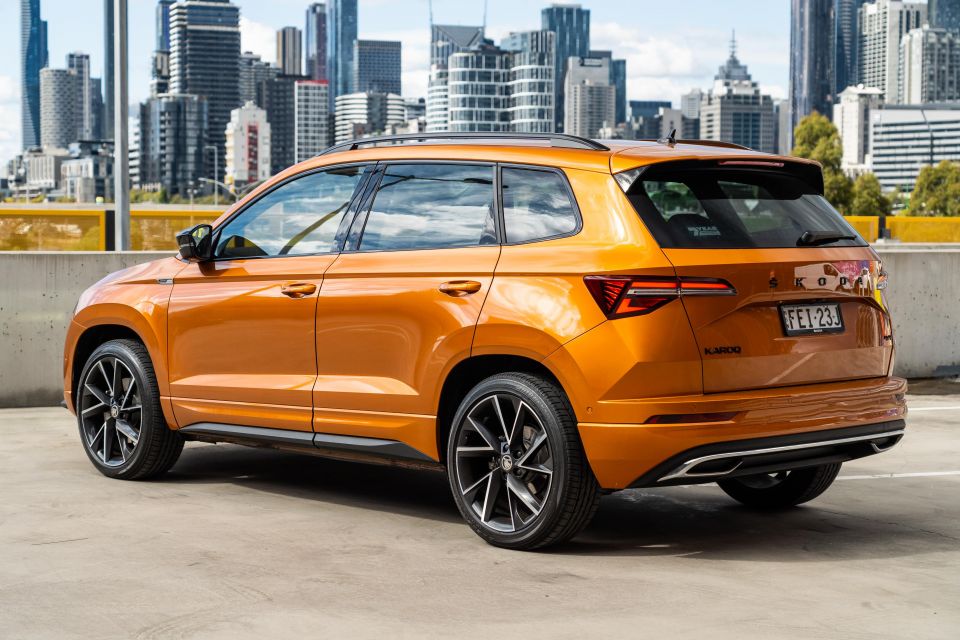
Sure, you’re right, we aren’t. But when the road is wet, or oil has been dropped, or you do decide that autumn drive up to Charlotte Pass is a good idea, you can take comfort in knowing that your Karoq Sportline 4×4 is up to the task, that it has heated seats, and that there are no – that’s right, no – annoying safety bings or bongs!
But its real party trick is the price. You’re getting top-tier Volkswagen parts for less than an equivalent Volkswagen, a seven-year warranty, and Skoda dealers love to do a deal.
MORE: Explore the Skoda Karoq showroom
If I was in the market for a mid-size SUV I’d certainly short-list all of the known quantities like the Honda CR-V, Nissan X-Trail, Hyundai Tucson, Volkswagen Tiguan, and both the Mazda CX-5 and Toyota RAV4 – either the existing models or the new ones coming this year.
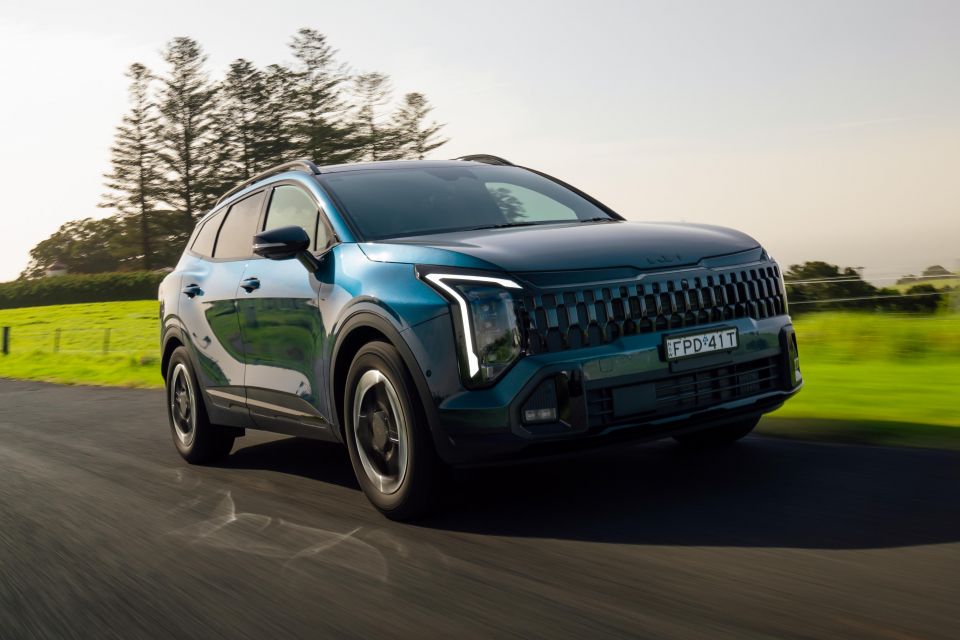
But the one I’d lean towards is the Kia Sportage – the only one of this bunch to come with an unconditional seven-year warranty, a wonderful locally tuned ride/handling package, and the option of petrol, diesel and hybrid power.
In fact, the Sportage is the only mainstream (sub-$60,000) mid-size SUV still available with a diesel engine, which is what I’d have because I live outside the city and travel longer distances, and I’d combine it with all-wheel drive because I have a rough gravel driveway and frequent treacherous rural roads.
For $56,900 before on-roads, the top-spec GT-Line CRDi AWD would give me all the performance, range, versatility and user-friendliness I’d ever need, even if the equivalent hybrid version – the flagship of the upgraded MY26 range released in mid-2025 – can be had for about $4500 more ($60,390 plus ORCs).
But I’d act reasonably quickly, given reports the sixth-generation Sportage will be available only with hybrid and plug-in hybrid power when it’s released in the second half of next year.
MORE: Explore the Kia Sportage showroom
I know in the past you’d probably hear me say Nissan X-Trail e-Power, but this time around I’m changing it up.
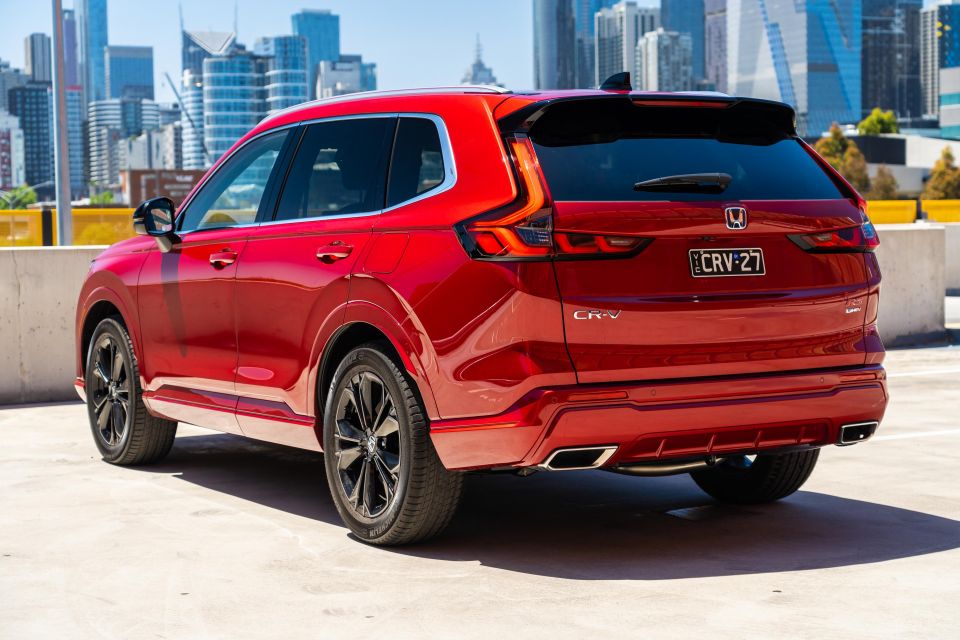
While the electrified X-Trail is objectively excellent, its main drawback is the fact its e-Power system isn’t as efficient as other mid-size hybrid SUVs. A recent update (albeit a very mild one) has also bumped up prices.
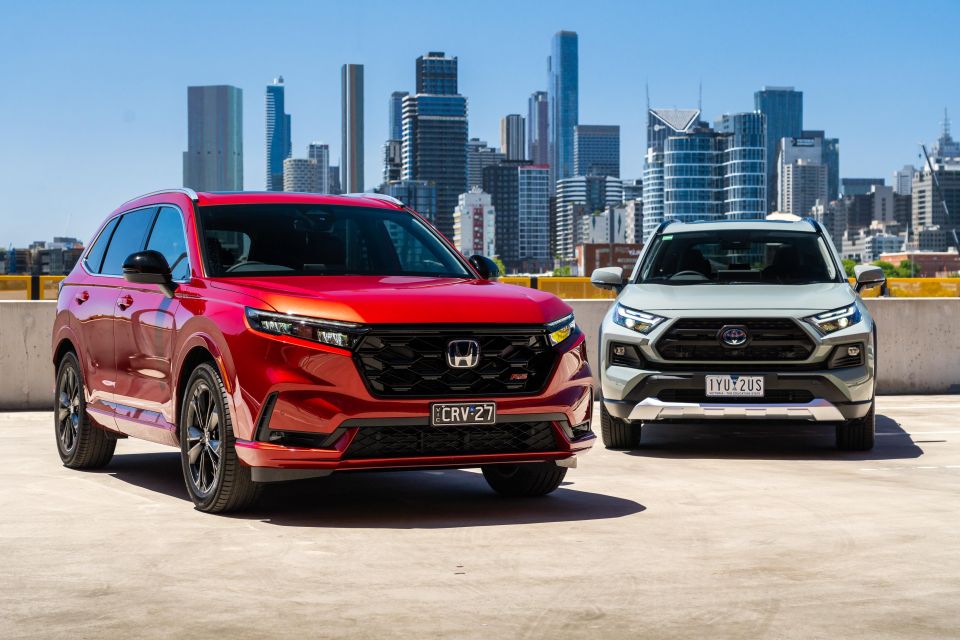
As a result, a high-spec X-Trail e-Power comes in over $60,000 once you have it in your driveway, which is why the Honda CR-V e:HEV makes more sense to me.
Currently advertised for $56,990 drive-away, the CR-V is better packaged than the X-Trail inside, with more space in the rear and the boot, and Honda’s trick hybrid system is more efficient in the real world.
It offers more car-like dynamics for those wanting a more engaging drive, and it’s also much cheaper to service at $199 a pop, which somewhat makes up for the Nissan’s longer (conditional) 10-year warranty.
It’s worth noting, though, that there’s an updated one coming soon with available all-wheel drive and potentially even better efficiency.
MORE: Explore the Honda CR-V showroom
I’m tempted to pour one out for the Mazda CX-5 G35 Akera, one of the most enjoyable vehicles in this segment to drive.
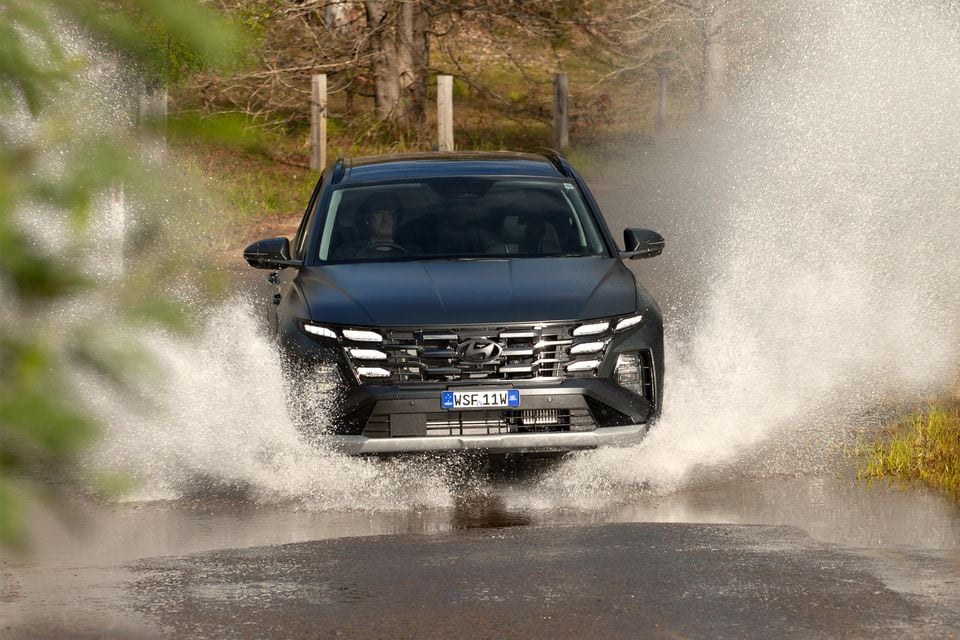
Its smooth, punchy turbocharged 2.5-litre four-cylinder engine and six-speed auto should have been put in the CX-60, and it’s a crying shame the upcoming third-generation CX-5 won’t offer a turbo option.
The CX-5 is showing its age, however, and it’s not the roomiest vehicle in the segment. So I’d look at a Hyundai Tucson, and given the $60k cap I could just slide into a top-spec Premium version with the hybrid powertrain if I forego the N Line pack. That’s fine.
The Tucson Hybrid isn’t as enjoyable as the CX-5 to drive, but it’s still punchy and comfortable, and a lot more fuel-efficient. In Premium trim, the Tucson has really all you could ever want in a mid-size SUV in terms of equipment, and then some.
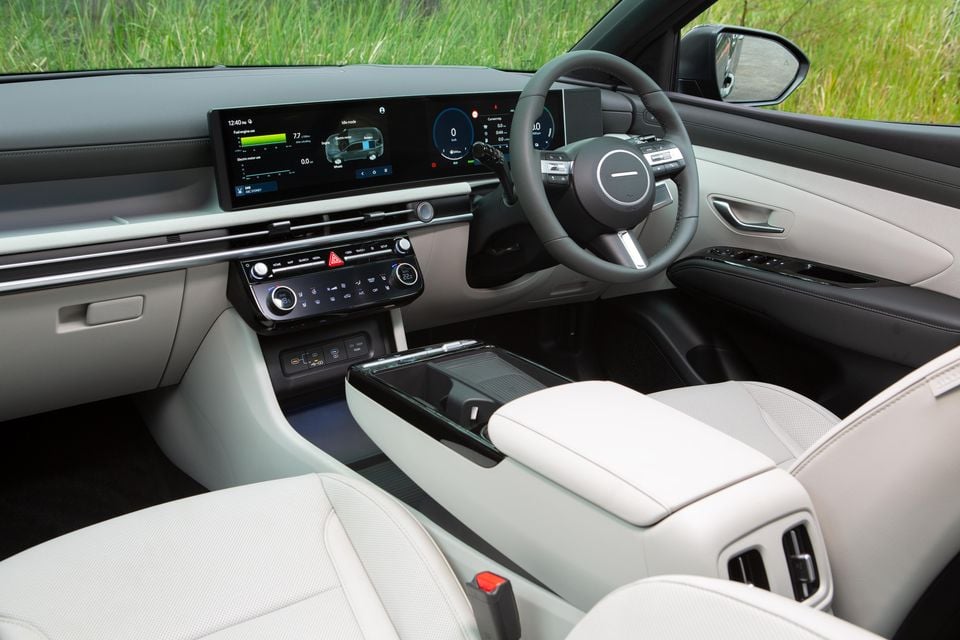
The styling still looks decent towards the end of this generation’s run, and a mid-life update stripped away much of the horrid piano black trim inside.
Give me one with the attractive two-tone interior, thank you very much.
MORE: Explore the Hyundai Tucson showroom
As others have mentioned, this was difficult to pin down. While not everyone truly needs an SUV, I’ve still decided to follow our criteria and cast my vote for the Subaru Forester.
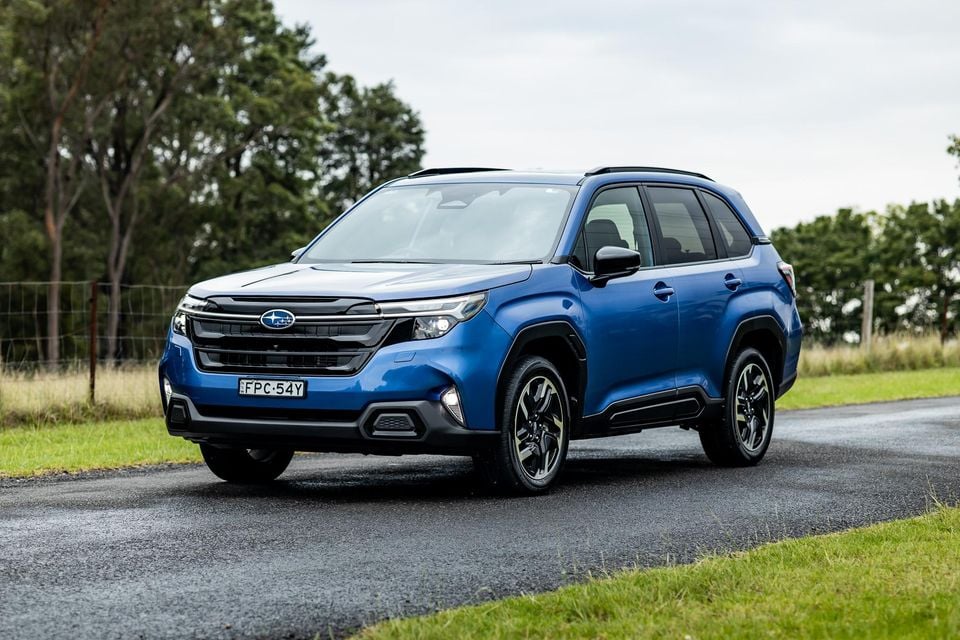
The new-gen Forester has proven popular since it landed in Australia in 2025, and nearly the entire range slides under our $60,000 budget even after on-road costs. My choice is therefore the top-spec non-hybrid Forester Touring, which is currently listed at $56,990 drive-away for a Victorian postcode.
While top-spec variants of any car aren’t usually the best value buys, the Touring is the only Forester grade with the features I’d want if I had this much money to throw around.
The drawcards for me are the leather and suede upholstery, ventilated front seats, and the 10-speaker Harman Kardon sound system, all of which would make it more enjoyable as a daily.
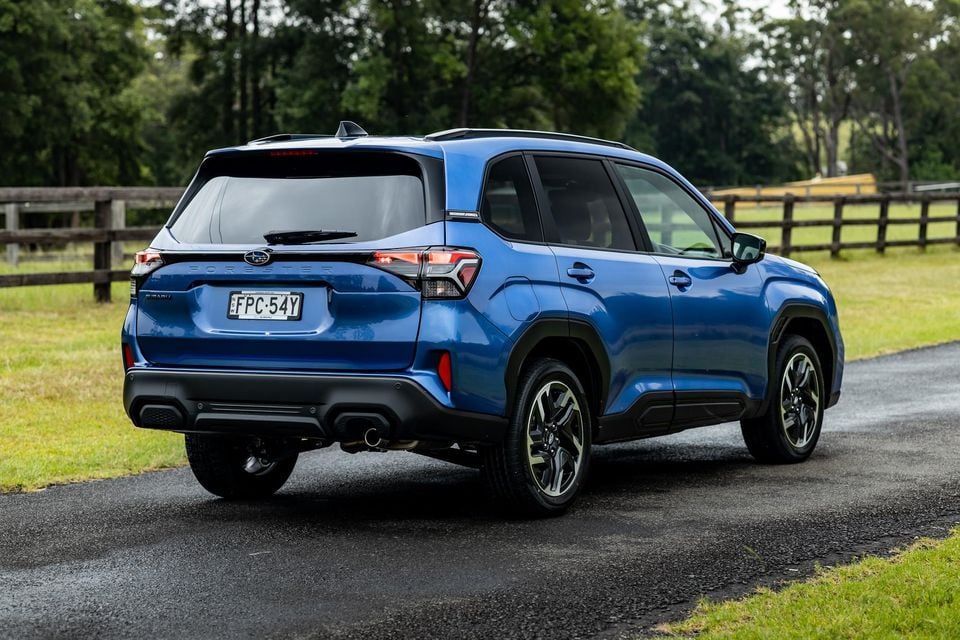
I’d also stick with traditional petrol power instead of the Forester’s much-improved hybrid system. I simply like driving this package, as its boxer engine offers decent performance, and its suspension and steering are well sorted.
My only gripe would be its overreactive driver attention monitor, but I’m sure there are workarounds…
An honourable mention has to go to the Volkswagen Tiguan 150TSI R-Line, though its on-road costs nudge it above $60,000.
MORE: Explore the Subaru Forester showroom
If I had to drive it all the time, it’d have to be the Honda ZR-V.
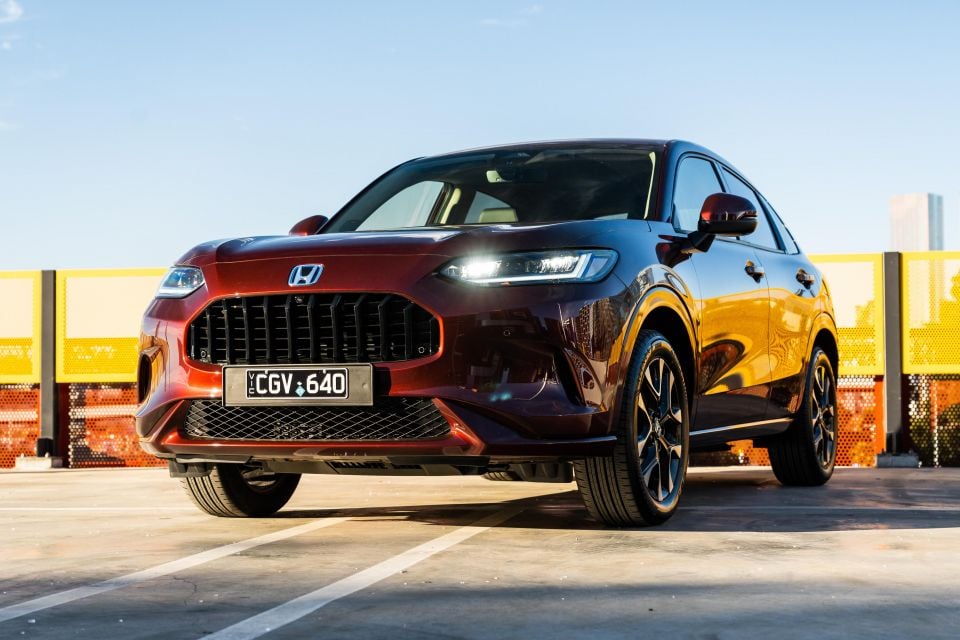
It’s such an excellent SUV to drive, given the core competency of its Civic underpinnings.
I know it’s on the smaller side, but for $55k drive-away the hybrid ZR-V test car we drove months back steered, rode and responded so much better than numerous rivals because – newsflash for other brands – it’s genuinely engaging behind the wheel.
There are SUVs with prettier or at least more palatable designs at this price point, such as the (smaller) Alfa Junior and Volvo XC40, but there’s also a smorgasbord of ugly, horrible-to-drive vehicles that blend into a sea of mediocrity and are best ignored.
The ZR-V is well-made, reasonably priced, and backed by a decent warranty and aftersales support, and – in my view – Honda Australia is also currently a brand on the way up. Sign me up.
MORE: Explore the Honda ZR-V showroom
In the words of my learned colleague James Wong… none of them. I’d buy a practical hatch or wagon instead.
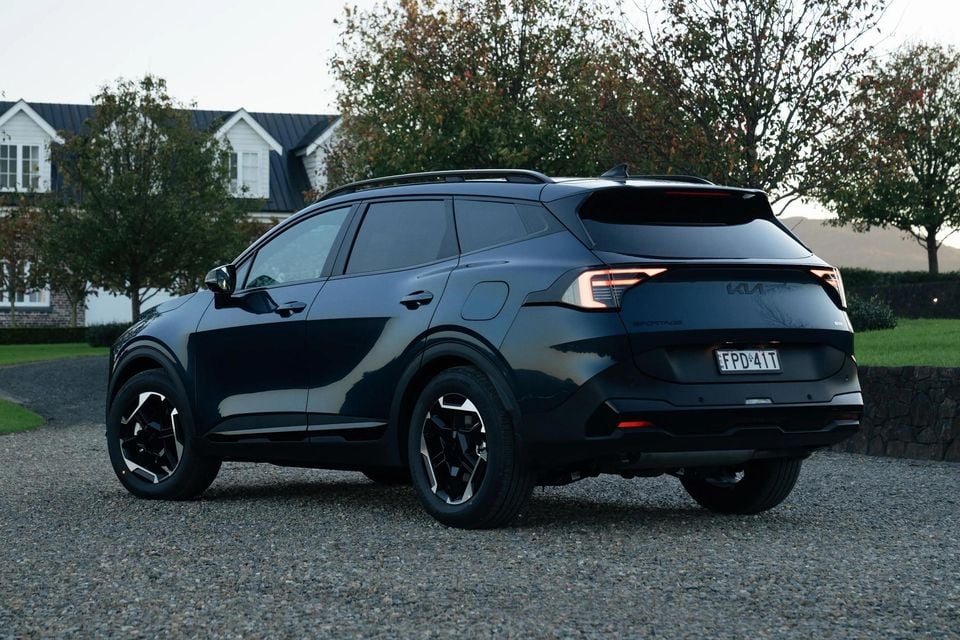
However, in the name of playing by the rules, I suppose I’ll make a selection. And with my sensible hat on, it’s hard to go past the Hyundai Tucson and Kia Sportage.
While I generally prefer the look and feel of the Tucson, our $60k budget has me leaning towards a turbo-petrol Sportage GT-Line, which comes fully loaded with all the kit you could ever need for family life.
And finer details aside, the Sportage is spacious, comfortable and satisfying to steer, with a long warranty and plenty of safety features. Almost too many safety features if you ask me, but Kia has put in the work to make its systems more user-friendly.
Alternatively, the Skoda Elroq is a cracking option for those willing to buy an EV.
MORE: Explore the Kia Sportage showroom
This one was a struggle for me (as you’re about to find out), and I probably spent more time on it than I’d like to admit to my bosses. Ladies and gentlemen, I give you… an insight into my brain.
Of all the models in the sub-$60K mid-size SUV segment, there’s a strong shortlist of contenders. A longlist, if you will. Unfortunately, most of the variants I’d pick just nudge outside of the set budget… or completely blow past it.
The Nissan X-Trail is lovely, the Ariya is excellent (but a base variant for the money), and it’s the same story with the Mitsubishi Outlander and the rest of the shortlist. Great cars, but not necessarily anything I’d feel compelled to pull the trigger on.
The Skoda Elroq is another strong contender but, frankly, the smart money would be on the new Toyota RAV4 Edge Hybrid AWD. You just know it’s going to be a solid car – the last model was one of Australia’s most popular models for good reason – and the very fresh styling will guarantee superb resale value.
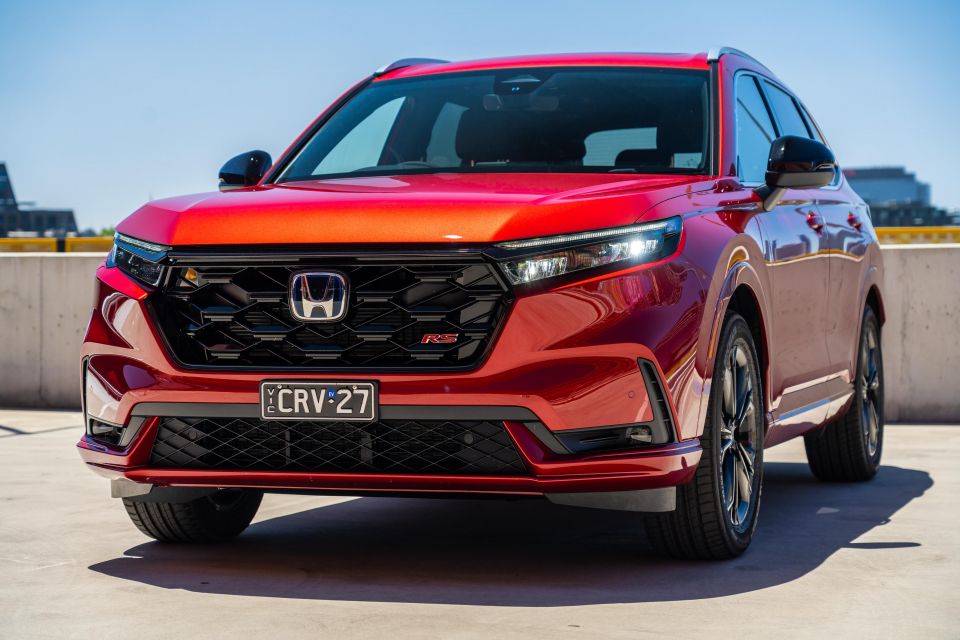
But the one I really want is the RAV4 GR Sport, which is well out of our price range. So that has me turning to the Honda CR-V e:HEV RS, which combines a sporty theme with excellent fuel economy – as well as an equally fantastic design and premium interior. But, then again, I do prefer all-wheel drive for my daily driver…
So, my answer is the Subaru WRX Sportwagon. Sorry, I know it’s not a medium SUV, but it has all the practicality of one and – CVT aside – is relatively fun on the road, plus it has all-wheel drive. Fuel economy be damned, I can eat two-minute noodles.
William Stopford is an automotive journalist with a passion for mainstream cars, automotive history and overseas auto markets.
Alborz Fallah
10 Hours Ago


CarExpert
22 Hours Ago

William Stopford
23 Hours Ago


Tace Clifford
23 Hours Ago


James Wong
1 Day Ago


Damion Smy
2 Days Ago
Add CarExpert as a Preferred Source on Google so your search results prioritise writing by actual experts, not AI.