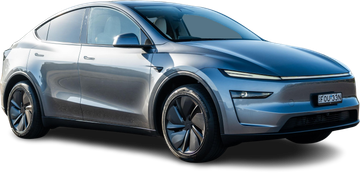
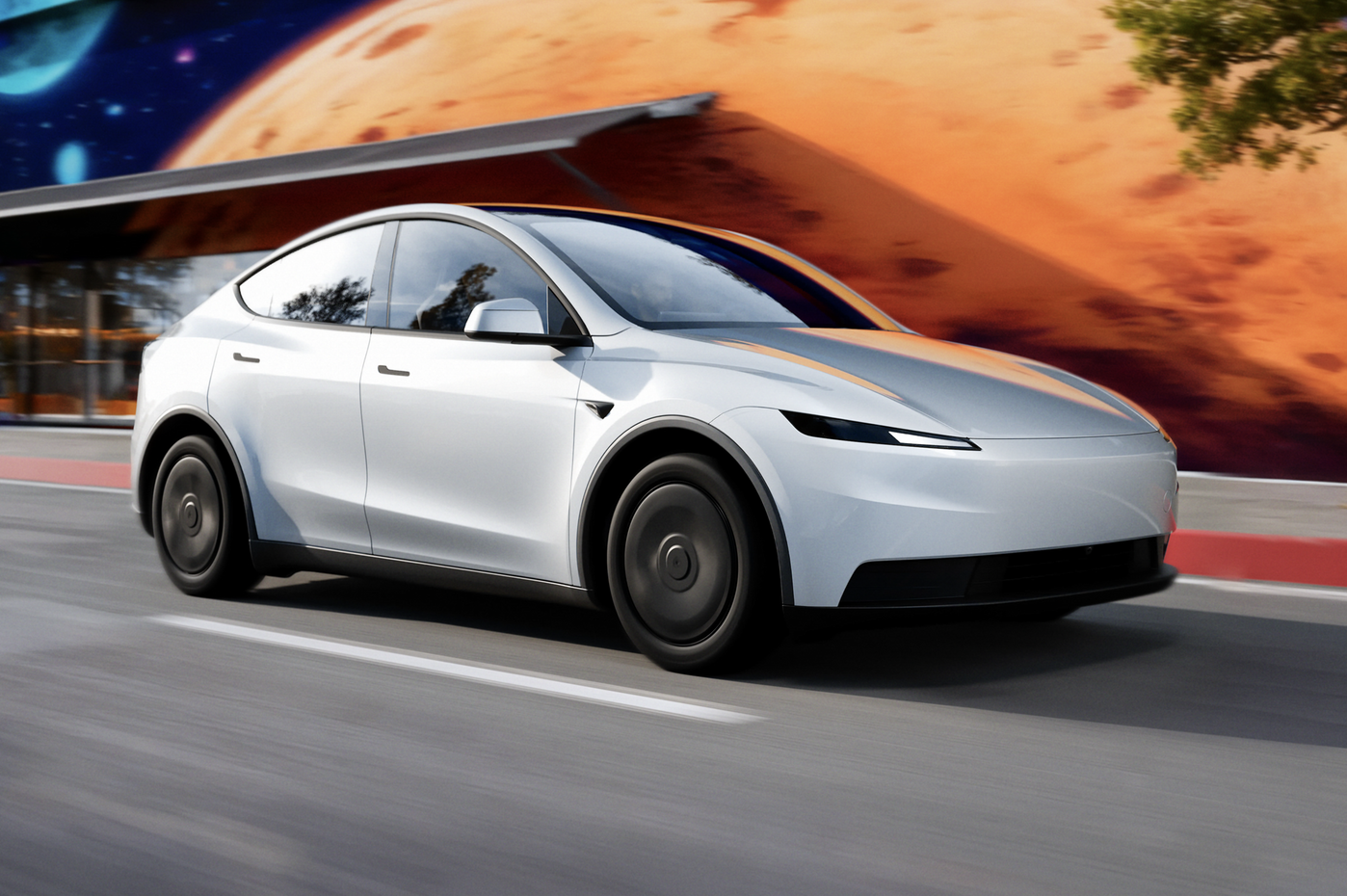
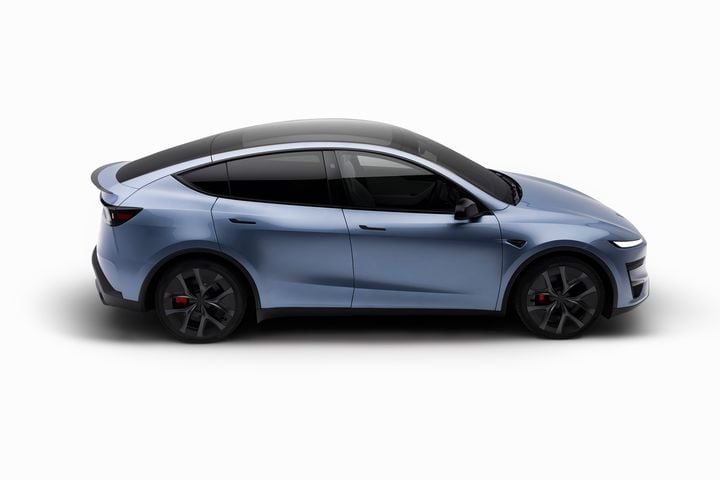
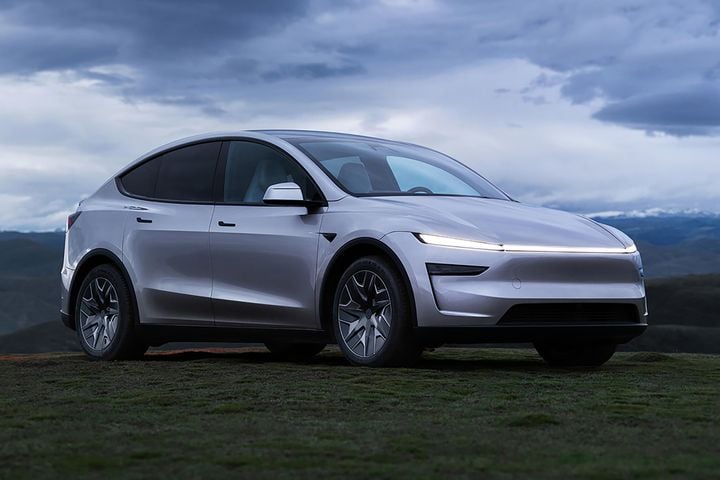
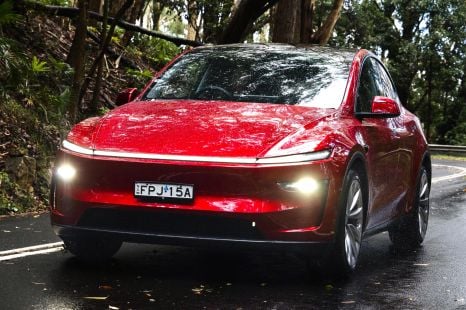
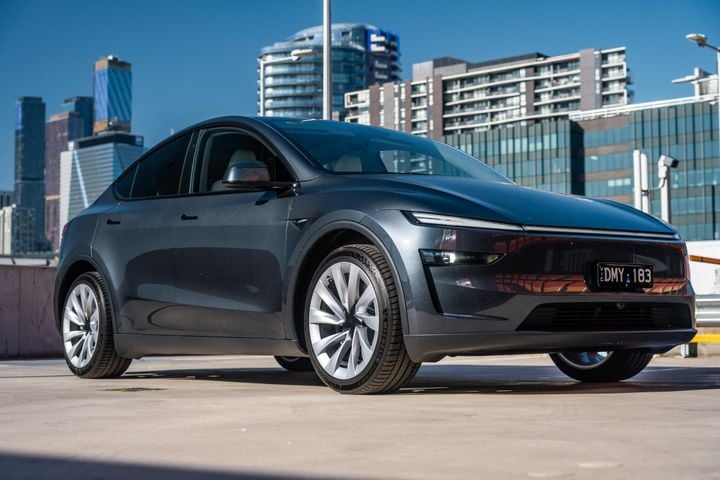
The updated Tesla Model Y takes a different styling direction from the refreshed Tesla Model 3, but it’s one small cabin detail we’re especially pleased to see: an indicator stalk. In this January 2025 first look, Paul Maric runs through the Juniper update and what its Australian launch means for buyers.
Paul brings five years of Tesla ownership to the discussion, having owned a Model 3 Performance and a rear-wheel drive Model Y. He likes the new exterior, with split headlights, a front light bar, and a frosted rear light bar giving the SUV a distinct look rather than simply copying the Model 3.
A low-mounted front camera should help show obstacles the higher camera can’t see. We’re hopeful it improves parking assistance, but our criticism of Tesla’s previous camera-only setup means we’ll reserve judgement until we try it.
Inside, ventilated seats address one of Paul’s frustrations with his Model Y in hot weather. The indicator stalk avoids the awkward steering-wheel buttons we encountered in the updated Model 3, while concealed storage remains a strength. Ambient lighting and revised trim freshen the cabin.
We’re less convinced by the rear entertainment screen’s low position. Having tried the Model 3’s similar arrangement, we think children would have to lean forward to reach it. The updated Model Y also gains motorised rear seats that fold down and return upright.
Tesla promises suspension and refinement improvements, but we haven’t driven this car yet. A more comfortable ride would be particularly welcome given how firm Paul found his previous Model Y, even on 19-inch wheels.
At the reveal, Australian Launch Series pricing was $63,400 for rear-wheel drive and $73,400 for Long Range all-wheel drive, increases of $7500 and $3500 respectively. Those were launch prices, not current quotes. The package included 20-inch wheels and a choice of paint colours without an extra charge, with deliveries then expected from May 2025.
The Long Range’s quoted WLTP range rose from 533km to 551km, and its included Acceleration Boost brought a claimed 0-100km/h time of 4.3 seconds. Still, our advice was to avoid rushing: extra equipment helps explain the price, but strong competition and Tesla’s previous price cuts made waiting worth considering.