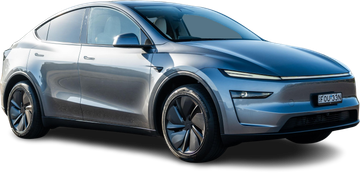
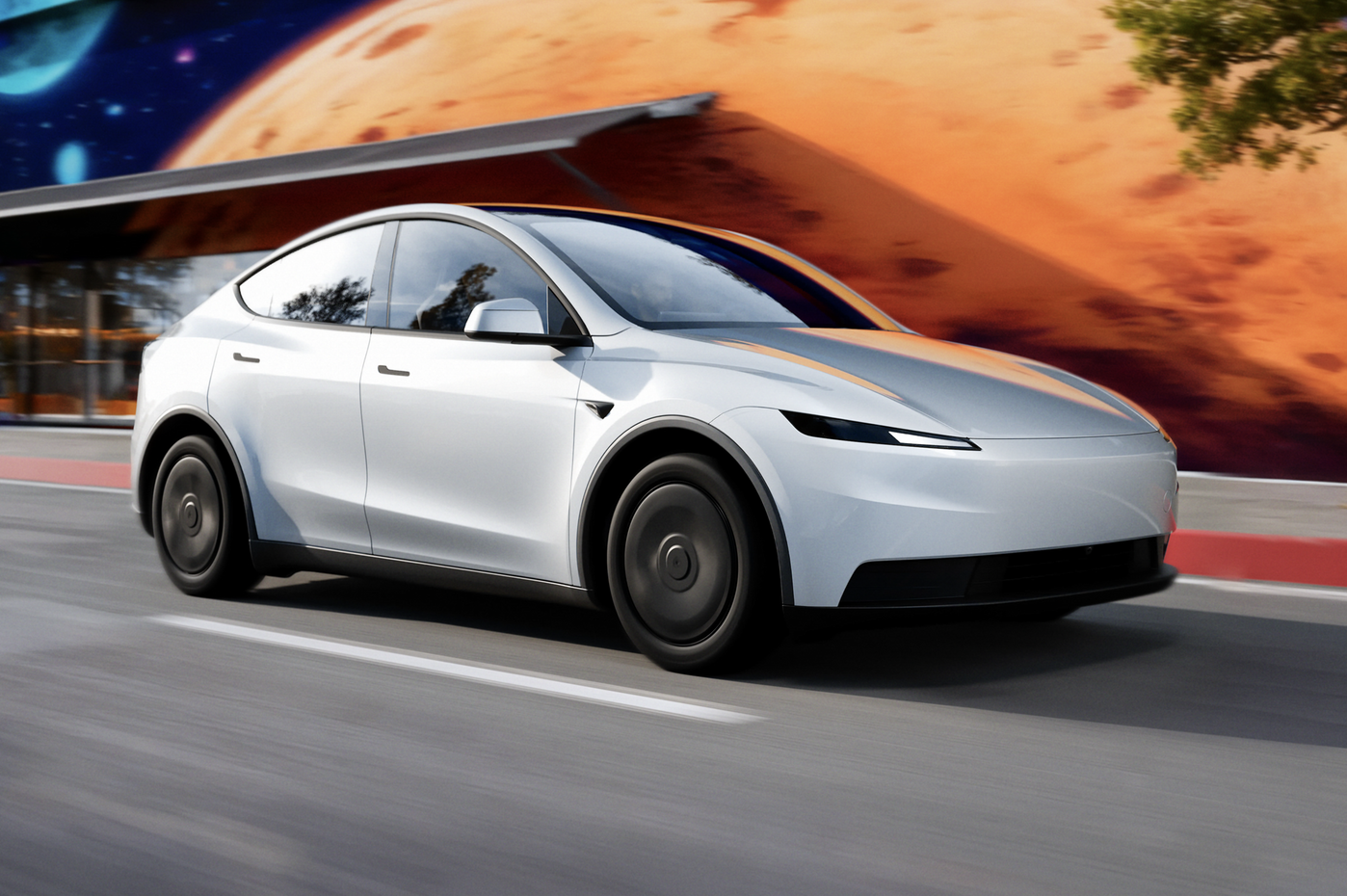
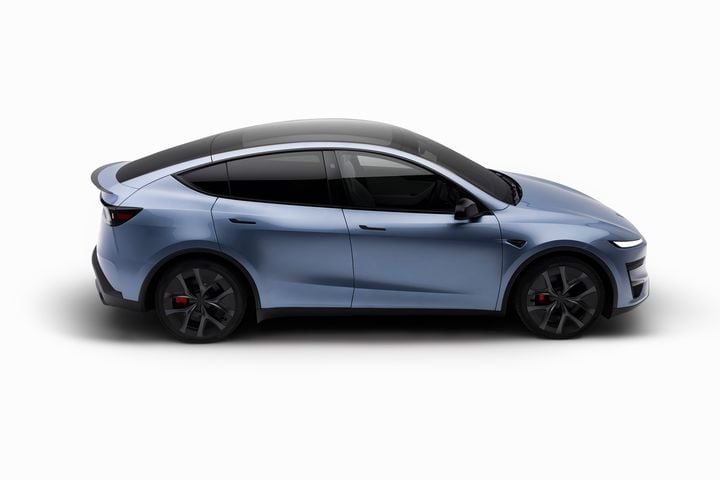
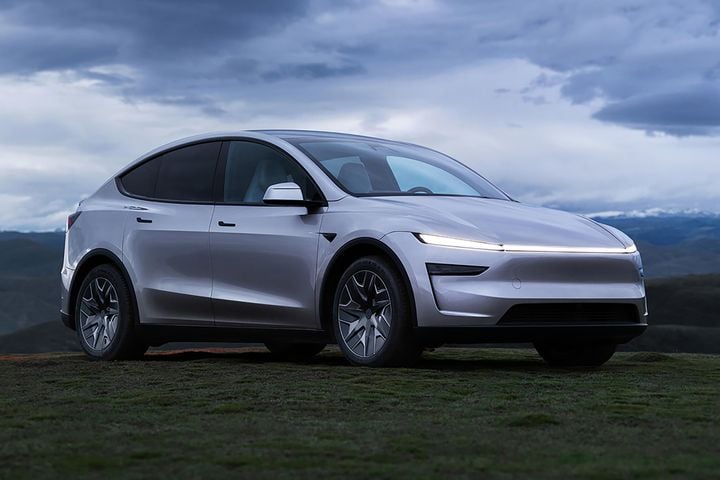
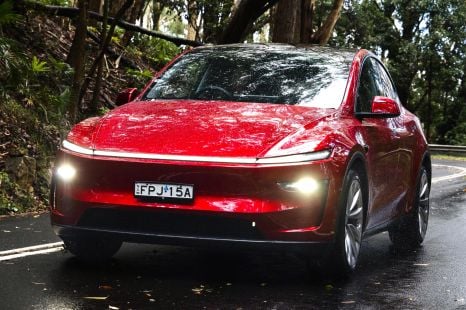
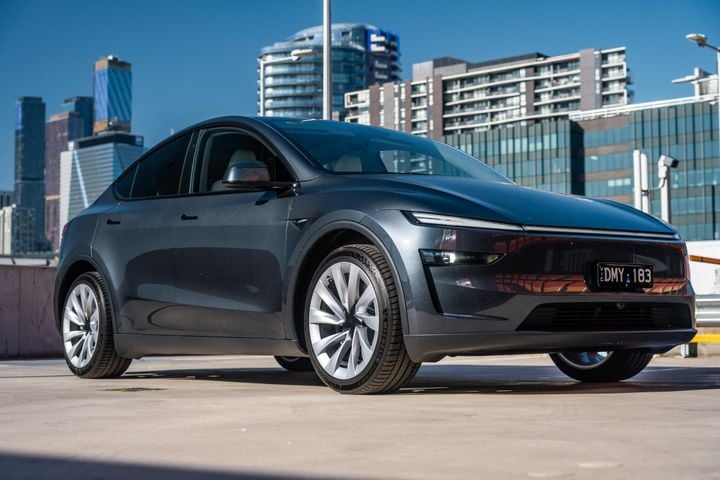
The Tesla Model Y solves many of the practical compromises of the Model 3, but our first Australian drive reveals a substantial catch. This 2022 entry-level rear-wheel drive example is impressively spacious and capable, yet its ride on optional 20-inch wheels is difficult to reconcile with its family-SUV role.
At filming, the range started just below $70,000. Paul Maric had already ordered his own entry-level Model Y before driving this press car, choosing the standard 19-inch wheels. That purchase is an important disclosure, and the smaller-wheel car’s comfort remained untested in this review.
Inside, the minimalist layout centres on a 15-inch touchscreen. The navigation’s charging information, remote phone controls, built-in dashcam, and Sentry Mode are genuinely useful, while the standard sound system is a highlight. Build quality also impresses. There’s no Apple CarPlay or Android Auto, though, and small touchscreen targets can demand too much attention on the move.
Family practicality is the big step forward. Rear passengers have generous space and a flat floor, while the tall boot opening, substantial underfloor compartments, and front storage area make packing easier. Heated seats, wireless phone charging, and extensive cabin storage add to the appeal. The screen-based speedometer and blind-spot information would be more useful directly in the driver’s line of sight.
On our wet proving-ground circuit, the single-motor powertrain feels responsive and the chassis finds remarkable grip. Stability control intervenes without spoiling the flow, and body movement is tightly controlled. One-pedal driving in Hold mode is another strength, bringing the car smoothly to a stop.
The cost of that control is relentless firmness around town. With passengers aboard, seemingly every bump makes itself felt. Adaptive dampers would be welcome; as tested, the suspension could be a deal-breaker for buyers prioritising comfort. Road noise is better suppressed than in Paul’s previous Model 3, although tyre noise remains audible.
We saw indicated consumption of 17.4kWh per 100km during this testing. Exact motor output and maximum DC charging speed were still unconfirmed at filming, so neither should be treated as established here. The overall package is compelling, but we’d want to assess the smaller wheels before recommending it to comfort-focused families.