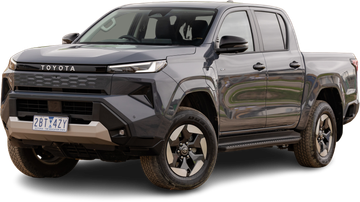
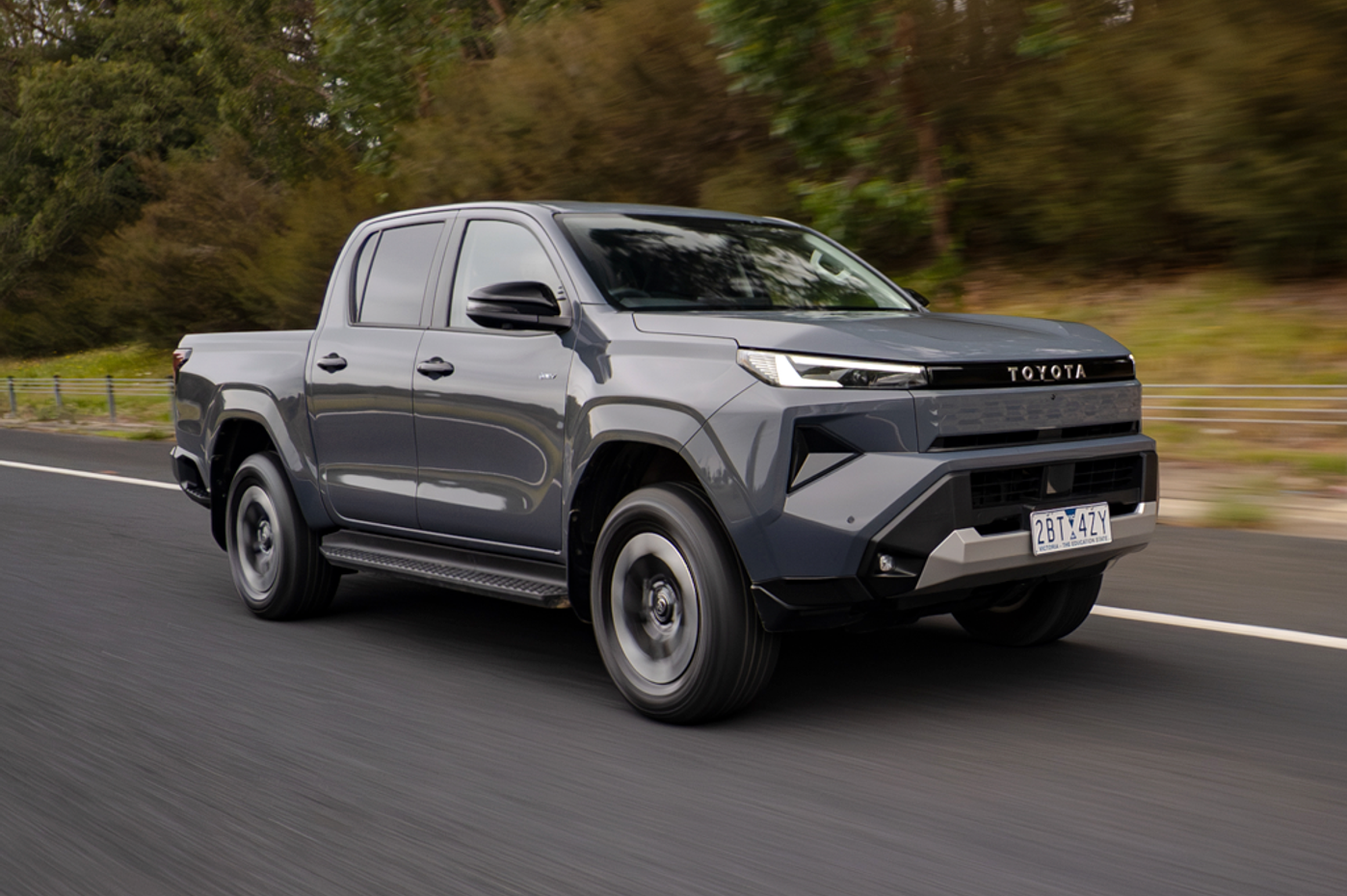
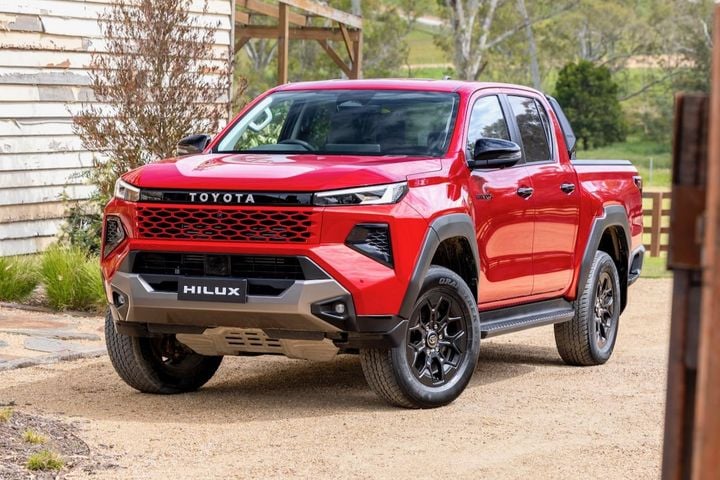
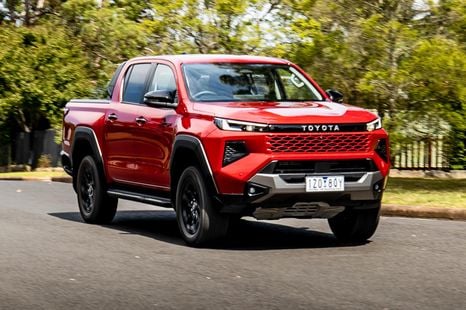
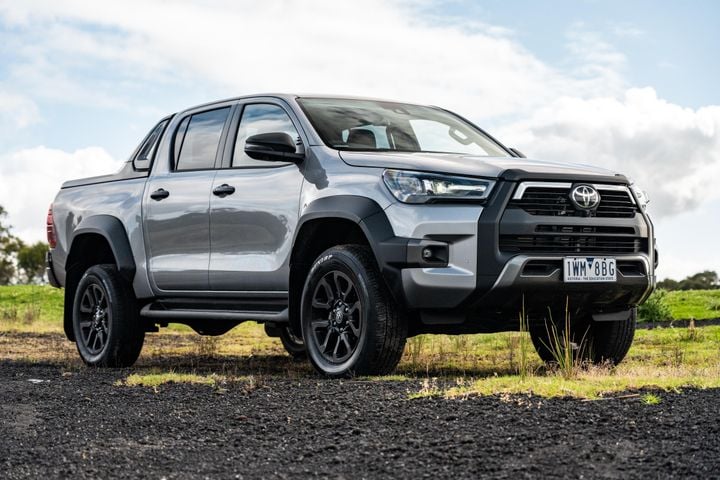
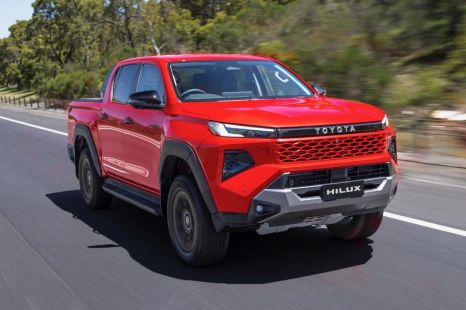
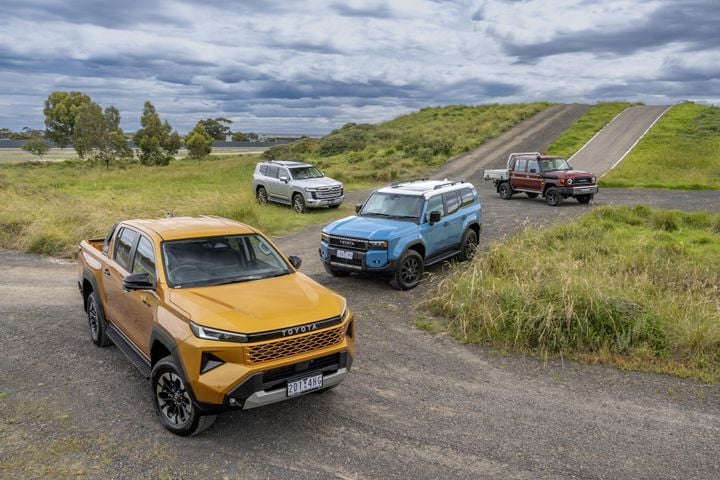
The Toyota HiLux gains useful improvements for this 2021-model review, but they do not erase every weakness. We test the SR5 cab-chassis, priced just below $59,000 when filmed, with its stronger diesel engine, revised suspension, and newly added smartphone mirroring.
The cab-chassis configuration prioritises work rather than the appearance of a conventional ute tub. It offers just over 1100kg of payload capacity and a 3500kg braked towing rating, with buyers adding the rear body and accessories they need. However, the vehicle tested has neither parking sensors nor a reversing camera, a disappointing omission at this price.
Under the bonnet, the 2.8-litre four-cylinder turbo-diesel now produces 150kW of power and 500Nm of torque through a six-speed automatic. It feels more eager from a standstill and responds more readily when asked to accelerate. The downside is harshness and noise as the revs climb beyond 3000rpm.
Our indicated consumption was 12 litres per 100km against the official 7.9L/100km figure, but that included off-road running and idling. It is not a representative long-term average. More encouragingly, the revised suspension takes the edge off the previously firm unladen ride, making rough country roads noticeably more comfortable without turning it into the class benchmark.
The cabin is less convincing. Hard materials and dated presentation leave it feeling behind newer rivals, although the cloth seats are comfortable and storage is generous. Rear occupants get air vents, but knee room and toe room are restricted behind our driving position.
An 8.0-inch touchscreen brings wired Apple CarPlay and Android Auto, alongside satellite navigation and digital radio. There is only one USB port, while the hydraulic steering remains heavy at parking speeds. Autonomous emergency braking and adaptive cruise control are fitted, but the brake-based lane assistance can feel abrupt.
Off-road, the HiLux tackles our dry, light-duty course without fuss. Low range, a rear differential lock that operates in low range, and hill descent control provide useful tools. Throttle control is good, although brake response over uneven descents remains sensitive. We did not test its stated 700mm wading capability because the river was too high.
The improvements are welcome, particularly the extra torque and better ride. Even so, our verdict is that newer competitors offer more compelling combinations of refinement, cabin quality, and equipment.