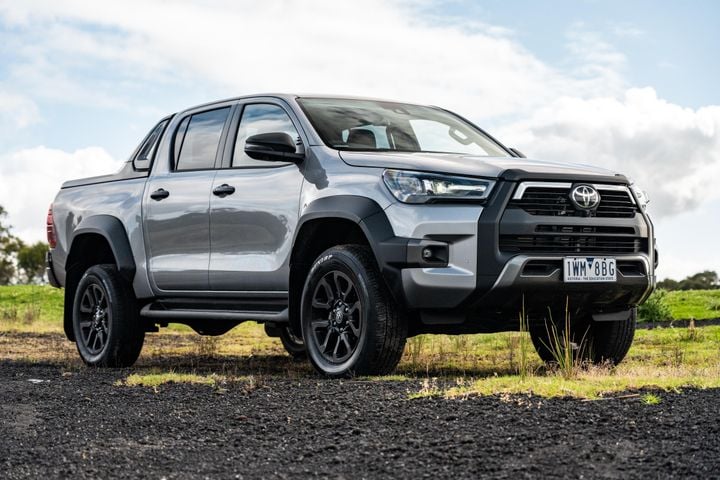
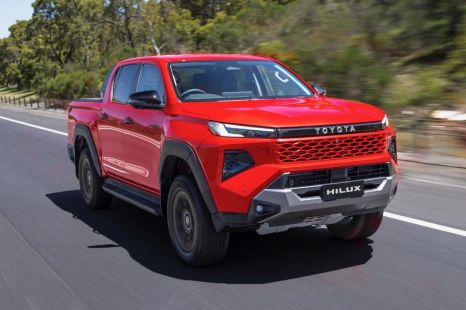
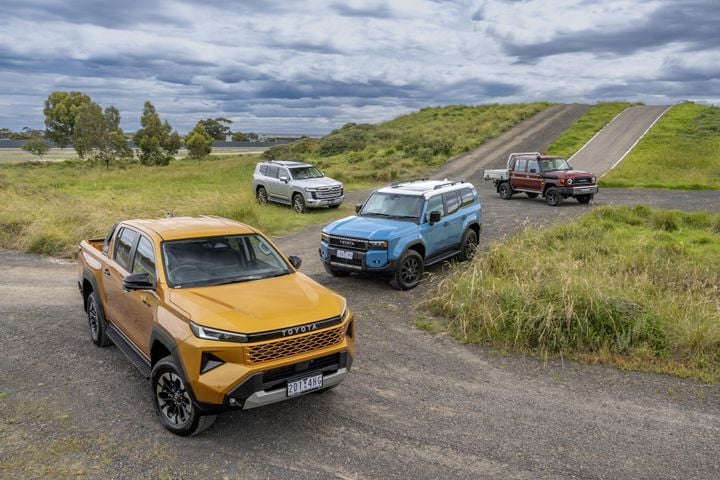
The next Toyota HiLux appears to be keeping more of the current ute than we’d hoped. In our January 2025 analysis, Paul Maric examines spy photos published by Thailand’s Headlight Magazine and explains why they suggest an update rather than a completely new vehicle.
We had expected a move to Toyota’s TNGA-F underpinnings, shared by vehicles including the Toyota LandCruiser Prado and Toyota LandCruiser 300 Series. Instead, the familiar centre section in the photos points towards retaining the HiLux’s existing IMV platform, which dates back to 2004 and received a substantial update in 2015.
That’s an interpretation of a camouflaged prototype, not confirmation from Toyota. Nevertheless, it shapes our expectations: carrying over the body’s centre section would limit changes to cabin width and rear leg room, even if newer screens and other technology improve the dashboard.
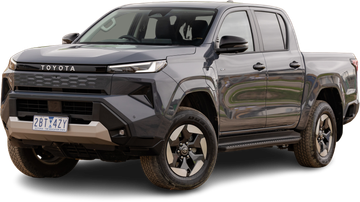
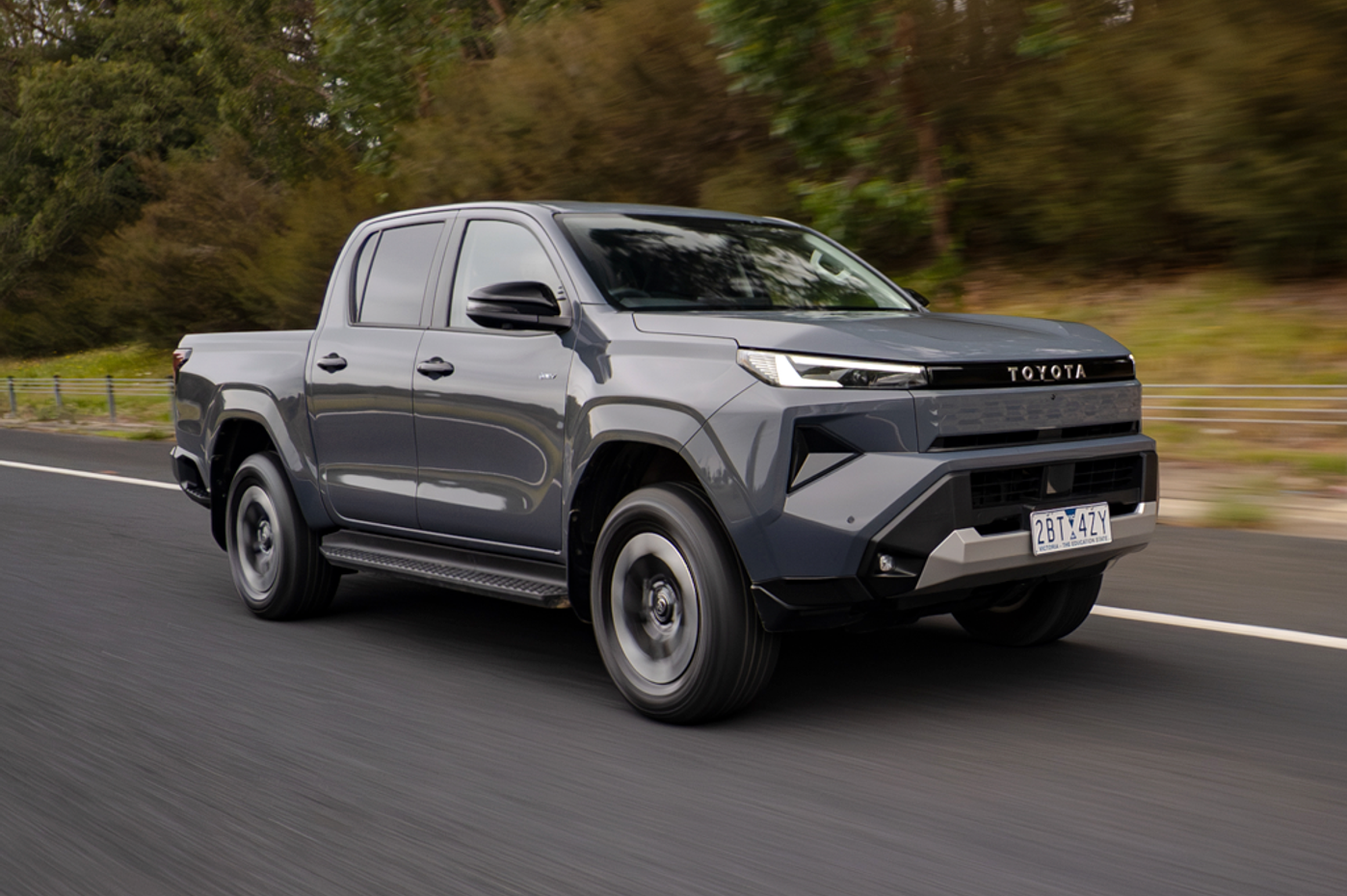
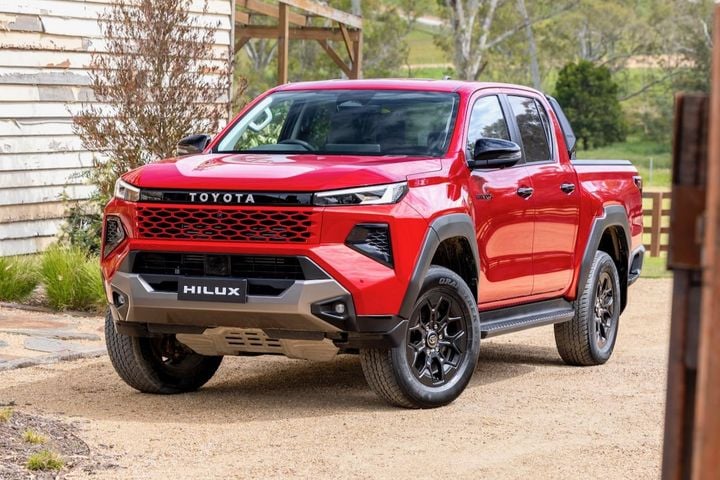
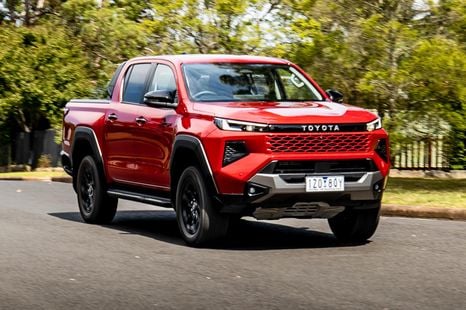
The front looks more extensively reworked, with different headlights, a new bonnet, and a large grille opening. There are changes at the rear, too. Headlight Magazine’s accompanying renders suggest a more aggressive appearance, although they aren’t official images of the finished ute.
Under the bonnet, we expect the 2.8-litre diesel and 48-volt mild-hybrid system to continue, potentially with emissions-related changes. The prototype also appears to have rear disc brakes, a feature already offered on Rogue and GR Sport versions of the outgoing vehicle.
A Ford Ranger in the background raises questions about what Toyota is benchmarking. Paul can’t establish whether it’s a plug-in hybrid or a diesel from the photo, so its presence doesn’t prove a plug-in HiLux is coming. His expectation remains a largely familiar drivetrain rather than a new full-hybrid system at launch.
We also discuss Australian emissions rules and Paul’s concern that any manufacturer penalties could ultimately be passed on through higher vehicle prices. That’s his warning about potential costs, not an announced HiLux price increase.
At the time, we expected a global unveiling later in 2025, followed by an Australian launch. Our concern was whether conservative changes would be enough against newer rivals. We were still hoping Toyota had more substantial improvements hidden beneath the camouflage.