Wild concepts were back at the 2025 Tokyo motor show, but we left wondering how quickly Japan’s automakers could turn that creativity into cars people can buy. Paul Maric’s tour found plenty to admire, from a compact off-roader to performance concepts, alongside familiar platforms and some conspicuous gaps.
The new Mazda CX-5 impressed with a larger cabin, wide-opening rear doors, and a much more ambitious infotainment system. Its carryover engine was harder to celebrate, with a hybrid not expected until 2027. Mazda also explored algae-derived fuel, carbon capture, and a sleek rotary range-extender concept, offering alternatives to a purely battery-electric future.
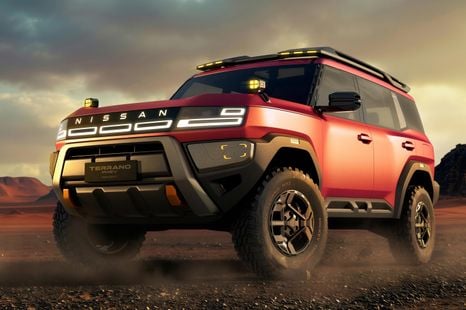
Toyota’s stand was packed with ideas. The Toyota RAV4 GR Sport plug-in hybrid caught our eye, although the new RAV4 retained its existing platform. The Toyota LandCruiser FJ was a bigger talking point: compact proportions, rugged styling, and genuine off-road hardware made it feel like a more practical alternative to a Suzuki Jimny. Its 2.7-litre petrol engine looked less exciting, and Australia wasn’t on the launch list at the time.
A dramatic Toyota Corolla concept previewed a different design direction, while electric Toyota HiAce concepts used flat floors and external screens to rethink commercial vehicles. These were ideas for the future, not showroom-ready vans.
Lexus and Century pushed luxury in more adventurous directions. The Lexus Sport Concept stirred hopes of an LFA spiritual successor, but powertrain talk remained speculative. Mitsubishi’s Elevance concept suggested a possible Pajero revival, though we wanted more momentum from the brand. Nissan’s Elgrand, updated electric models, and adventurous SUV styling made its stand feel busier.
Honda offered another mix of near-term interest and futuristic design. The Honda Prelude returned as a hybrid coupe, the 0 Series explored new electric shapes, and the tiny Honda Super One promised fun if Australian pricing was sensible.
Subaru’s electric Performance-E STI and combustion-powered Performance-B STI concepts were standouts. The latter’s manual transmission and aggressive styling were particularly encouraging, but neither amounted to a confirmed production STI revival.
We finished at BYD, whose kei-car ambitions underlined the competitive pressure. Tokyo had memorable machinery, yet the smaller show and reliance on concepts left us wanting firmer commitments from Japan’s established brands.