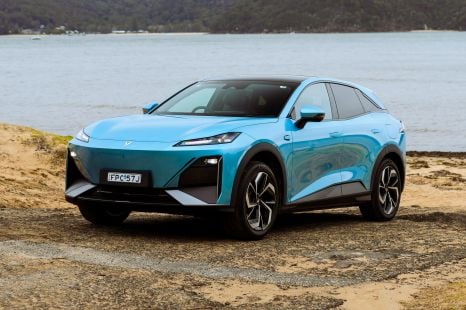
Australia’s new-car market has gotten off to a sluggish start in Australia, with sales declining year-on-year after being essentially flat in January.
Per data from the Federal Chamber of Automotive Industries’ (FCAI) VFACTS report and data from the Electric Vehicle Council, a total of 94,131 new vehicles were delivered in Australia in February 2026, down 2.7 per cent on February 2025 – which in turn was down 7.9 per cent on February 2024.
Sales were flat in Victoria and down in every other state and territory, as well as down among private, business and government buyers. Only rental sales were up year-on-year.
CarExpert can save you thousands on a new car. Click here to get a great deal.
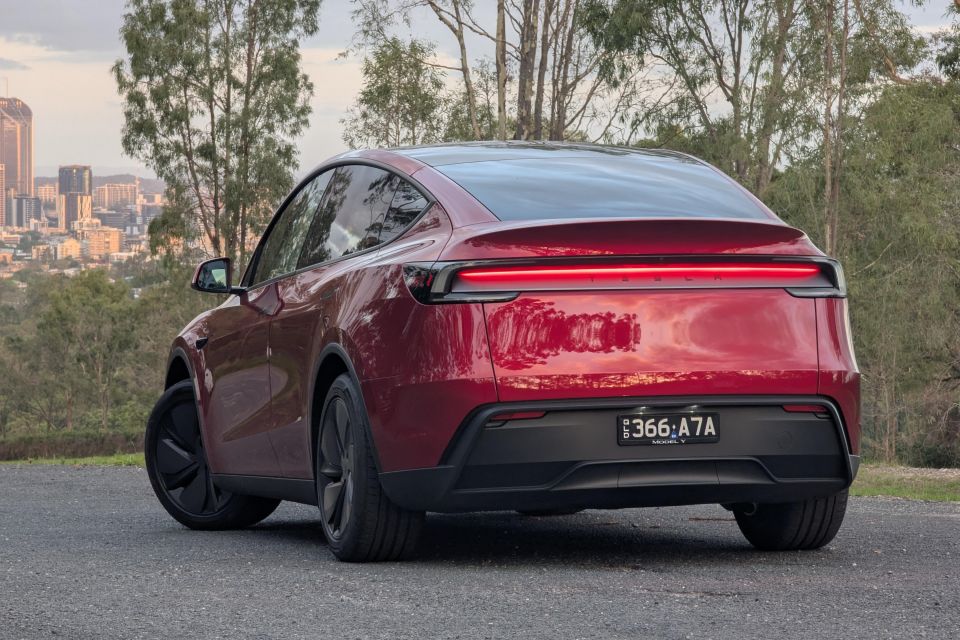
Electric vehicle (EV) sales soared 95.9 per cent, powered largely by a strong month for Tesla which was up by 105.7 per cent year-on-year.
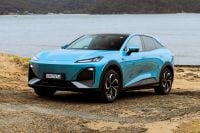
Sales of Chinese-built vehicles – which also includes Tesla’s local lineup – were also up by 50.5 per cent year-on-year. That made China the leading source of new vehicles in Australia, which the FCAI notes is the first time this has happened in a month.
Note that this includes vehicles from non-Chinese brands that build cars in China, a growing list that includes the likes of Tesla and Kia, with more to follow.
Japanese-built vehicles, in contrast, slumped by 31.3 per cent and Korean-built vehicles were down by 2.9 per cent.
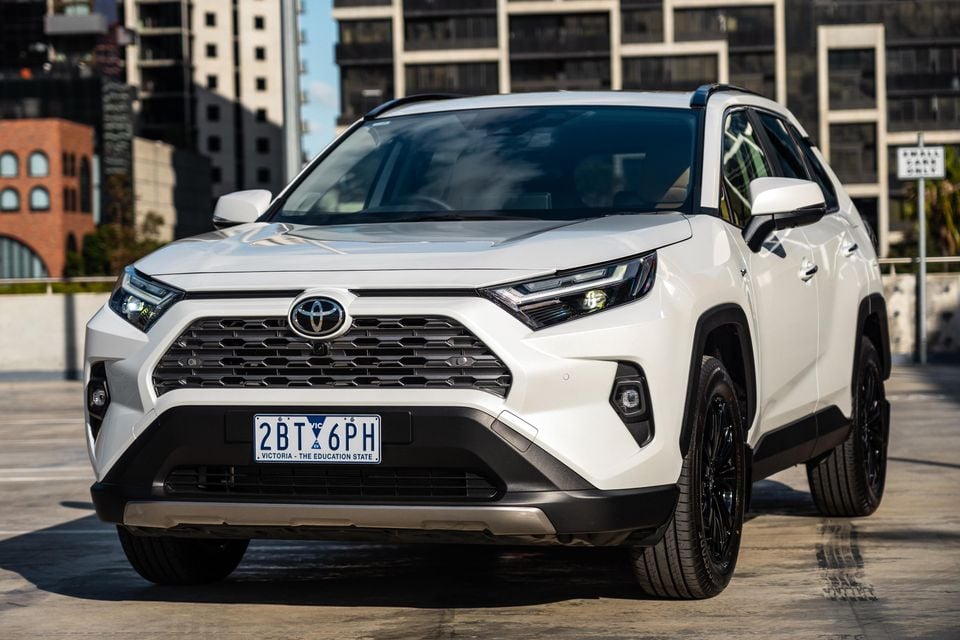
Hybrids slumped by 9.6 per cent, largely attributable to a substantial 83.6 per cent drop in sales of Australia’s best-selling hybrid vehicle, the Toyota RAV4, which is transitioning to a new generation.
Sales of petrol-powered vehicles fell by 17.7 per cent, though diesels were only down by 1.6 per cent. Plug-in hybrids (PHEVs) continue to rise, with sales up 20.2 per cent year-on-year.
Brands
Toyota still sat at the top the market with a healthy lead over second-placed Mazda, but its deliveries were down by 27.8 per cent year-on-year.
Much of this decline was due to the aforementioned 83.6 per cent drop for the RAV4, which is typically Australia’s best-selling mid-size SUV but fell to seventh in its segment in February with just 723 units. That wasn’t even enough to see it crack the top 20.
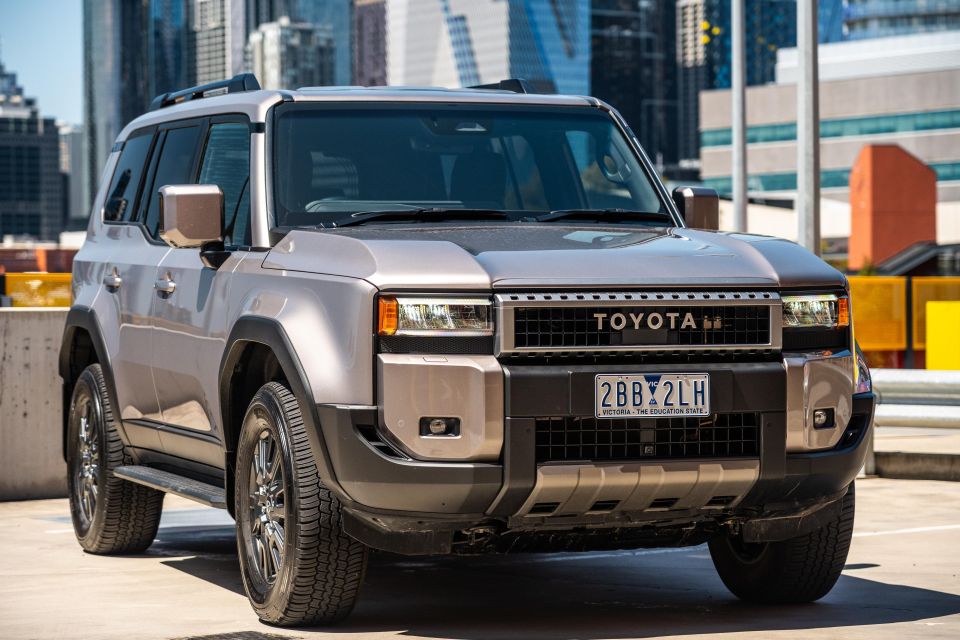
Toyota says it has a strong order bank for the next-generation RAV4, which arrives next month, as well as the current Prado. Nevertheless, Prado sales slumped by 53.3 per cent year-on-year.
The Japanese brand says it’s still on track to deliver more than 200,000 vehicles this year. It notched up 238,863 deliveries last year.
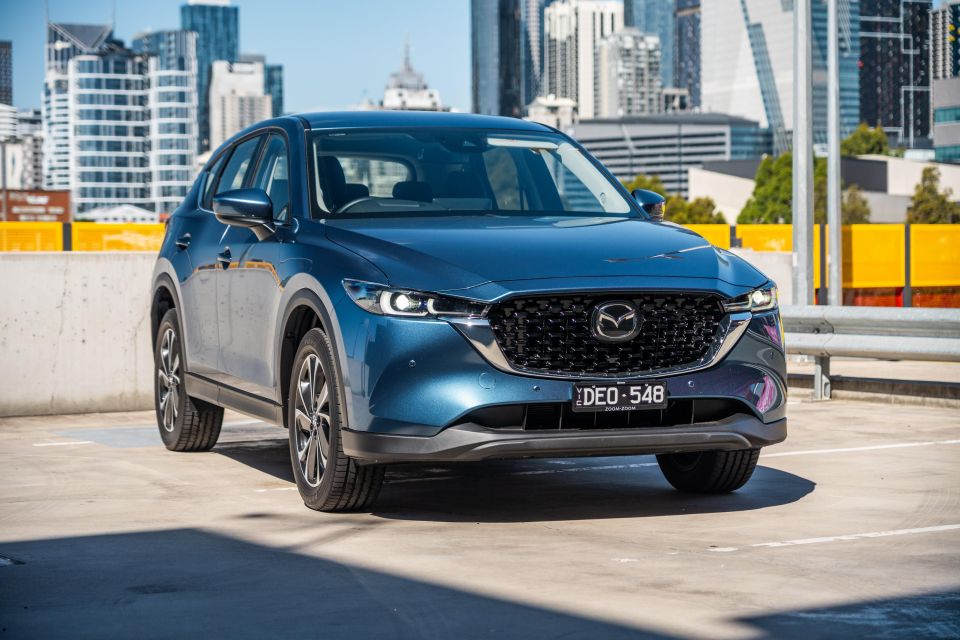
Mazda was down by 19.9 per cent, with deliveries dropping across the board except for the CX-5 which managed to grow by 15.4 per cent to 2099 units despite a new generation being due this year.
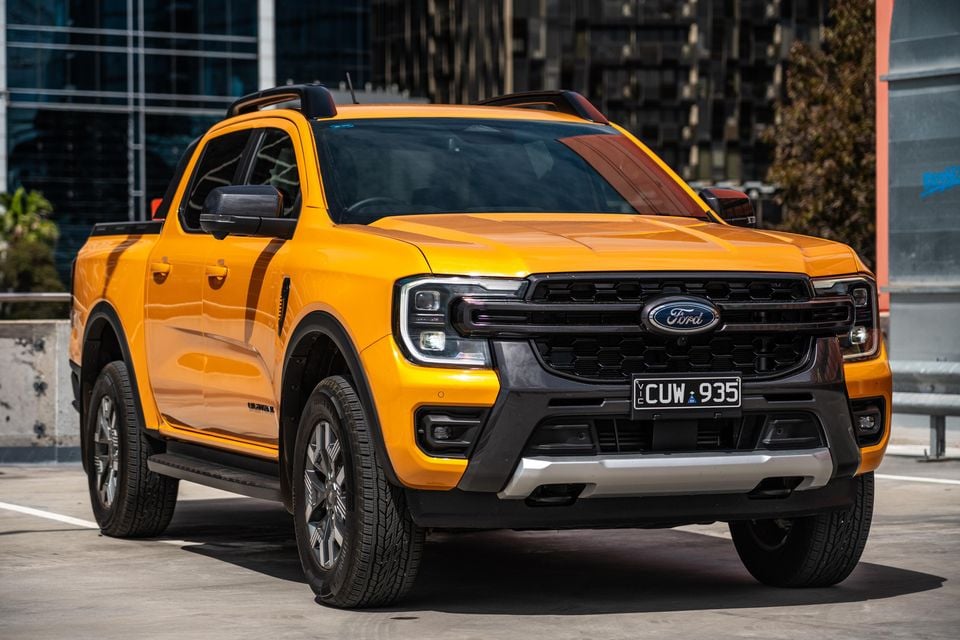
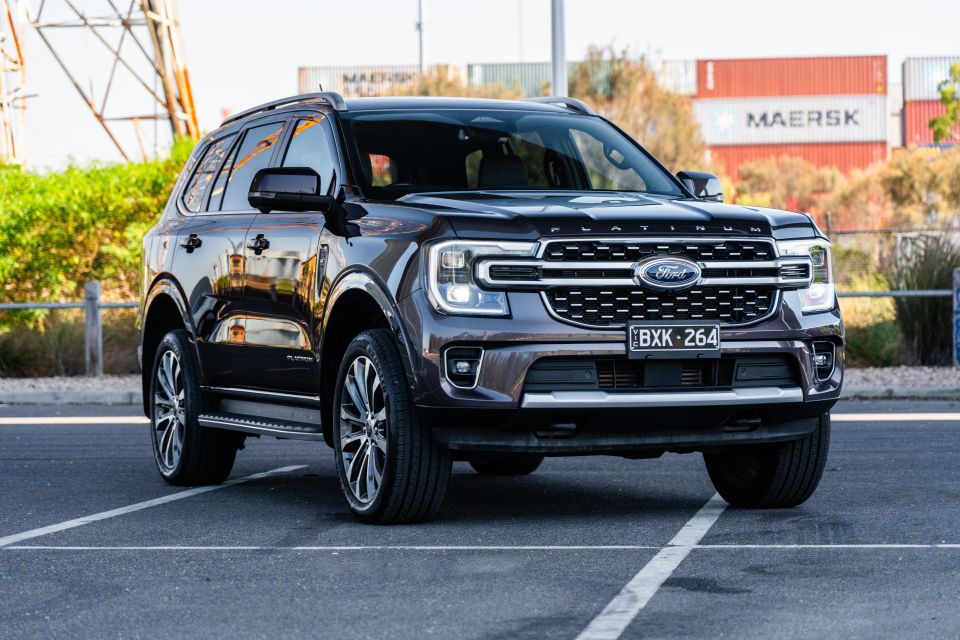
Ford was up by 9.0 per cent, powered by a 7.1 per cent increase in Ranger deliveries (4325 units) and a substantial 47.3 per cent increase for the Everest (1778 units).
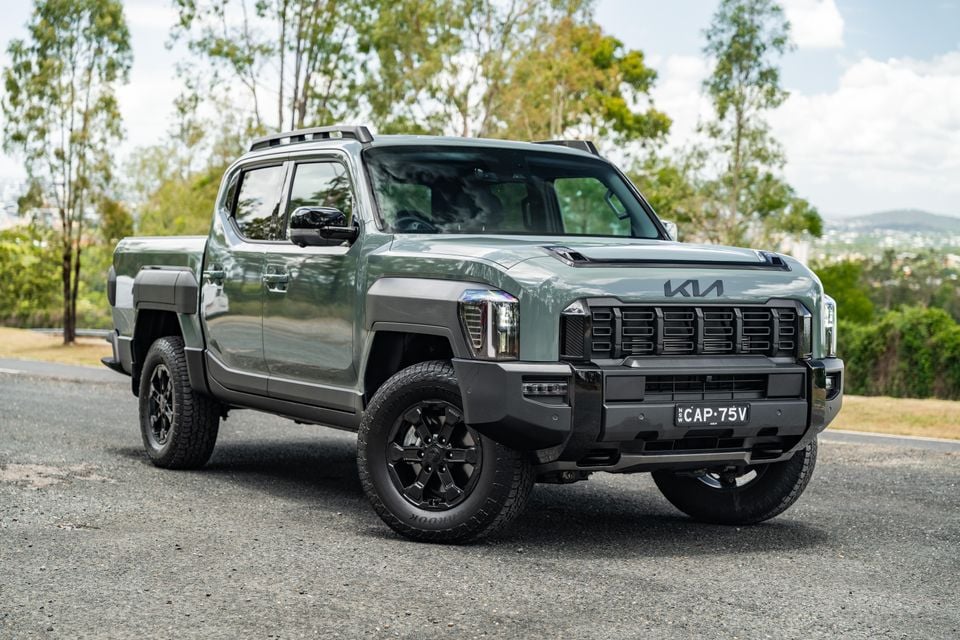
Kia sales were flat at 6710 units, despite the recent arrival of the Tasman ute which was supposed to be a major volume driver. Kia delivered 472 Tasmans in February, which saw it outsold by even mid-pack players like the Nissan Navara (561) and Volkswagen Amarok (495).
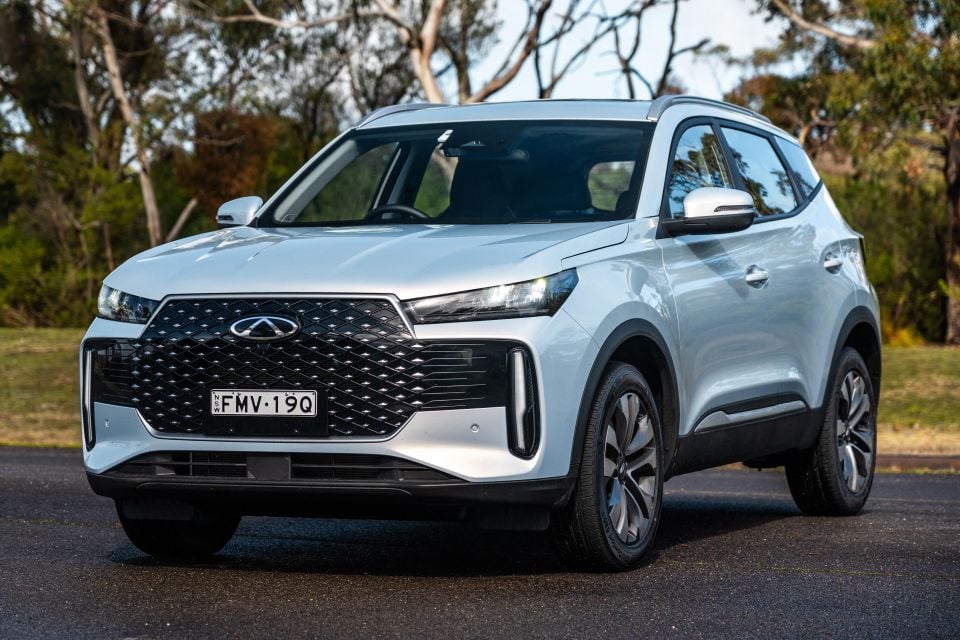
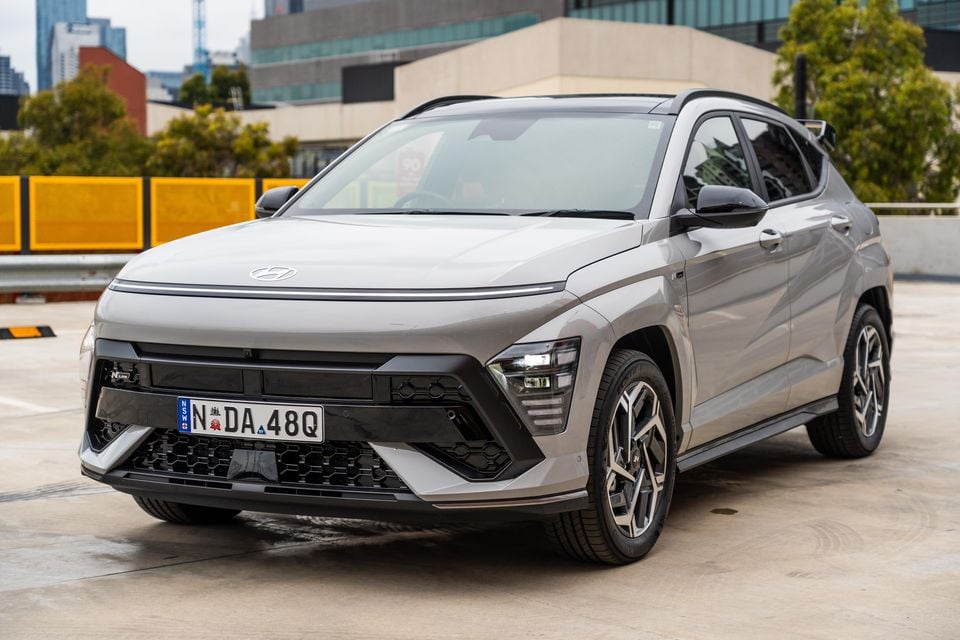
Hyundai was chomping on the heels of its corporate cousin, with 6266 deliveries, up 4.5 per cent year-on-year. The Kona was its best seller with 2023 deliveries, up 7.1 per cent, but while it took the top spot in its segment in 2025, the Chery Tiggo 4 is Australia's favourite small SUV so far this year.
BYD was the top-ranked Chinese brand, sitting in sixth spot with 5323 deliveries, up 62.2 per cent. While it had just one model in the top 20 (the Sealion 7 mid-size electric SUV), the Shark 6 ute didn’t sit far outside of it.
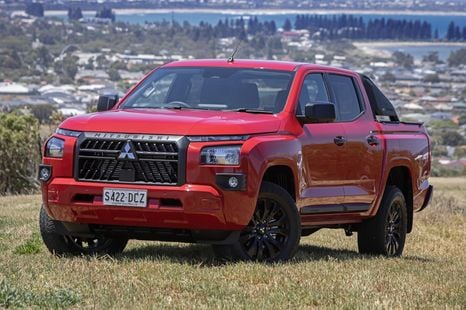
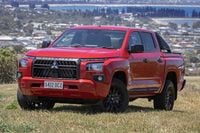
Mitsubishi volume took a hit from the loss of the Eclipse Cross and the switch to a more expensive, European-sourced ASX small SUV. It was down by 22.3 per cent YoY, with even its top-selling Outlander down by 13.2 per cent. However, Triton sales were up – as were, unexpectedly, Pajero Sport sales despite shipments to Australia ending early in 2025.
GWM finished in eighth, up 24.9 per cent to 4689 deliveries, while Chery also finished within the top 10 as it did in January. Its deliveries were up by 93.2 per cent to 3938 units, despite in-house competition from sister brand Omoda Jaecoo.
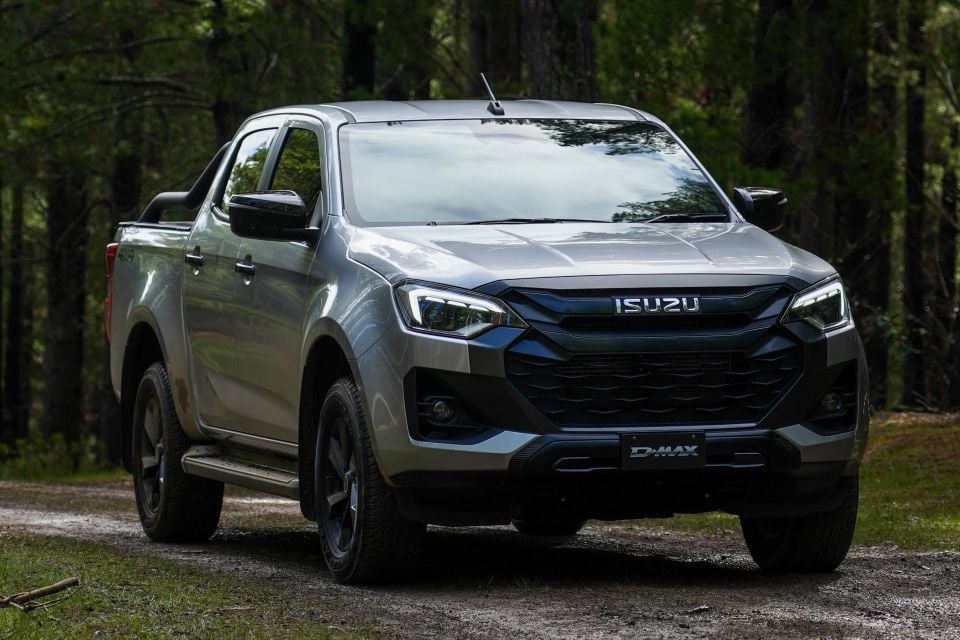
Isuzu Ute finished in 10th spot with 3384 deliveries, up 23.7 per cent YoY. The D-Max narrowly beat the Mitsubishi Triton to hold onto the title of Australia’s third-best selling ute, while the MU-X was beaten only by the Ford Everest in the large SUV segment and outsold the Toyota Prado.
MG fell out of the top 10, sitting in 12th position with 3254 deliveries despite a recent influx of new models including the U9 ute.
Among major brands, Nissan had the biggest decline at 50.1 per cent, finishing in 16th with 1775 deliveries. Every one of its model lines was down apart from the Pathfinder, which was up by 28.6 per cent… although given its low volumes that only meant an increase of four units.
Brand
February 2026 deliveries
Change YoY
Toyota
13,606
-27.8%
Mazda
7042
-19.9%
Ford
6907
+9.0%
Kia
6710
0.0%
Hyundai
6266
+4.5%
BYD
5323
+62.2%
Mitsubishi
4755
-22.3%
GWM
4689
+24.9%
Chery
3938
+93.2%
Isuzu Ute
3384
+23.7%
Tesla
3274
+105.7%
MG
3254
-13.0%
Subaru
2656
-24.4%
Mercedes-Benz
2143
+8.8%
Volkswagen
2139
-2.1%
Nissan
1775
-50.1%
BMW
1602
-9.5%
Honda
1445
+18.6%
LDV
1165
+1.0%
Suzuki
954
-28.2%
Geely
893
New
Audi
862
-24.7%
Lexus
853
-19.1%
Omoda Jaecoo
815
New
Zeekr
654
+560.6%
Volvo
630
+1.8%
Land Rover
464
-26.0%
Mini
432
-0.5%
Porsche
370
-27.5%
Skoda
349
+11.9%
Renault
337
-5.3%
Denza
309
–
Chevrolet
275
-15.4%
Ram
266
+3.9%
KGM
239
-43.6%
Cupra
217
+17.3%
Polestar
145
+16.0%
Genesis
129
+17.3%
JAC
103
-49.5%
Fiat
99
-34.0%
Foton
99
–
Peugeot
85
-14.1%
Deepal
71
–
Jeep
67
-67.3%
Leapmotor
46
+58.6%
GMC
32
–
Alfa Romeo
31
-24.4%
Maserati
23
+21.1%
Ferrari
16
-27.3%
Bentley
15
0.0%
Aston Martin
15
-40.0%
Farizon
13
–
Lamborghini
13
-55.2%
Rolls-Royce
7
-30.0%
Jaguar
4
-91.3%
McLaren
3
-66.7%
Lotus
0
-100.0%
Models
The Ford Ranger held onto the top spot, even though it finished fifth in the 4x2 ute segment.
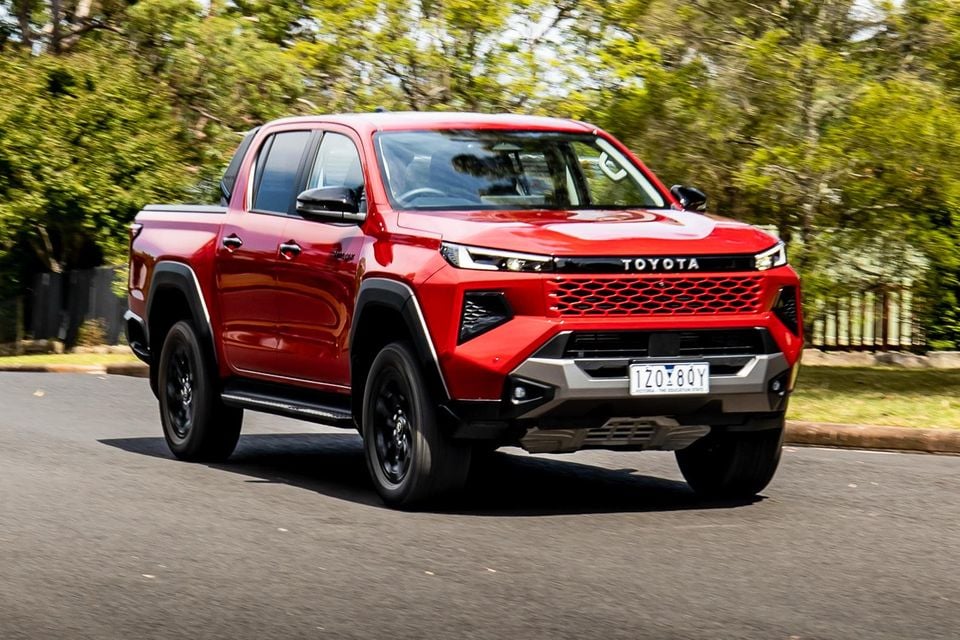
The Toyota HiLux sat in familiar second position, with the Tesla Model Y roaring back to take the bronze medal – and keeping the surging Chery Tiggo 4 off the podium.
The Mazda CX-5 was the best-selling non-electric mid-size SUV in February, despite a new-generation model being just around the corner.
Elsewhere in the top 20, the Isuzu D-Max fended off a rising Mitsubishi Triton; the Ford Everest trounced the Toyota Prado and kept the Isuzu MU-X at bay; and just two passenger cars, both Toyotas, snagged spots.
Model
February 2026 deliveries
Ford Ranger
4325
Toyota HiLux
3625
Tesla Model Y
2791
Chery Tiggo 4
2315
Mazda CX-5
2099
Isuzu D-Max
2092
Mitsubishi Outlander
2070
Hyundai Kona
2023
Mitsubishi Triton
2017
GWM Haval Jolion
1804
Ford Everest
1778
Hyundai Tucson
1705
Kia Sportage
1405
Toyota Corolla
1396
MG ZS
1337
BYD Sealion 7
1327
Isuzu MU-X
1292
Toyota Prado
1273
Toyota Camry
1153
GWM Haval H6
1142
Segments
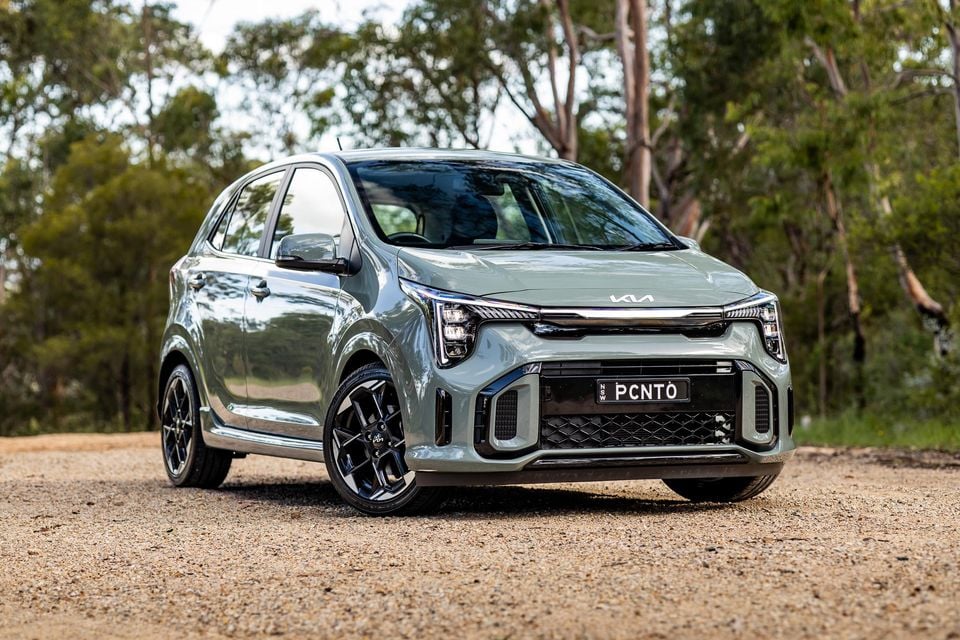
Micro cars: Kia Picanto (621), Fiat/Abarth 500 (16)