




Alborz Fallah
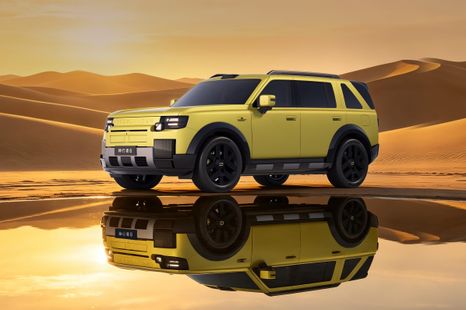
Omoda X revealed with night vision and a tougher SUV look
The Omoda X has been revealed as a tougher-looking crossover SUV from Omoda Jaecoo, though it has yet to be confirmed for an Australian launch.
4 Hours Ago

Senior Editor – News
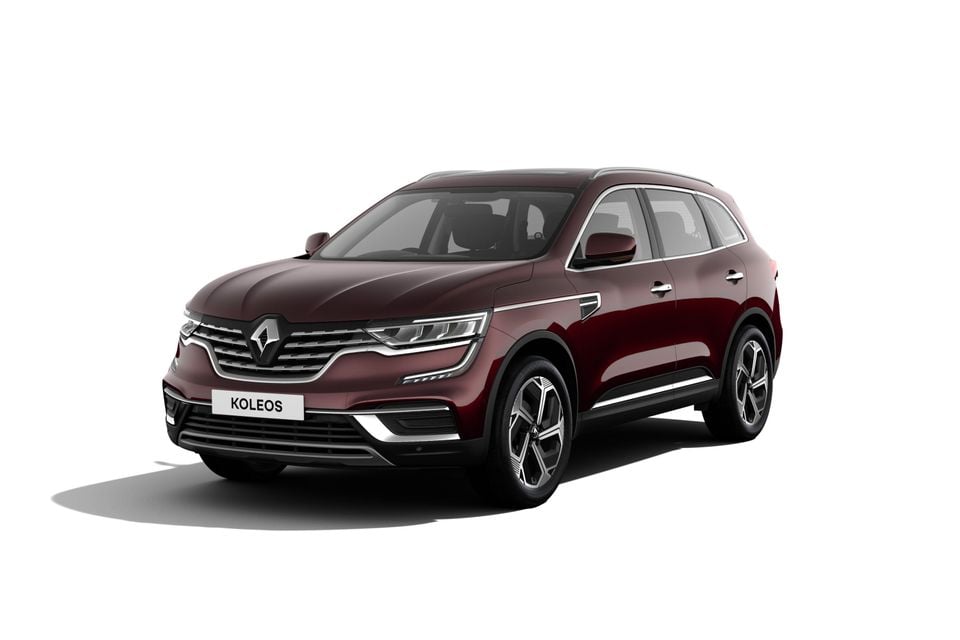
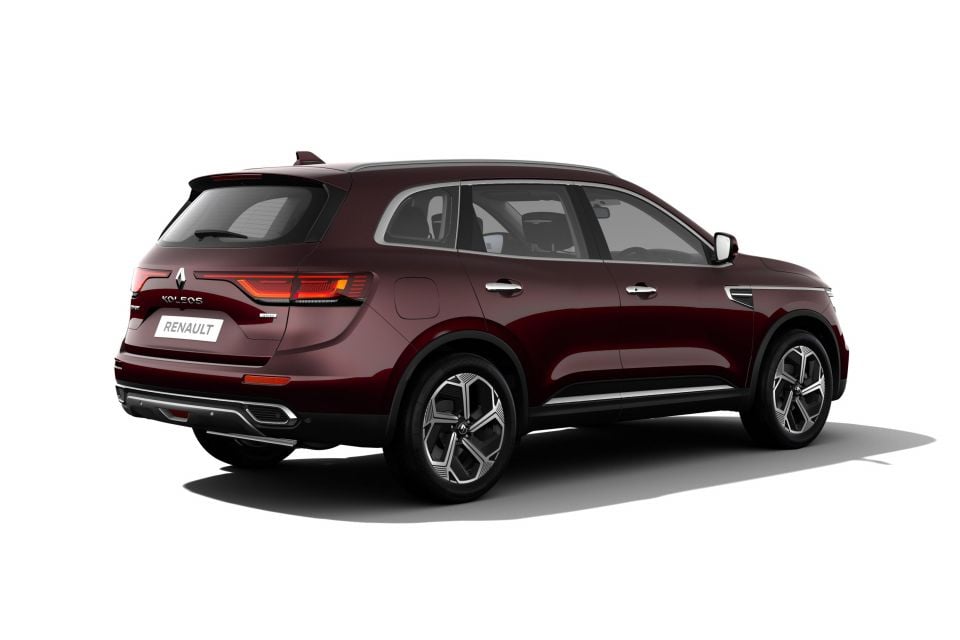
The Renault Koleos is officially in runout in Australia – and while a replacement has yet to be announced for our market, one is understood to be coming.
“The current generation Renault Koleos is in runout after a stellar run as one of Renault Australia's most popular models, with more than 21,000 examples sold,” said a Renault Australia spokesperson.
“Now available from $36,990 drive-away with a $2000 cashback offer, all remaining inventory – complied to meet current motor vehicle regulations – is expected to be sold out by the end of this year or while stock lasts.”
Renault Australia has confirmed it plans to launch multiple new models over the next two years, and a Koleos replacement is understood to be one of these – but what’s less clear is which vehicle will be selected from the French brand’s global portfolio.
“As we have said before, Renault Australia is in the middle of a model revitalisation,” said Renault Australia boss Glen Sealey at the local launch of the new Master van earlier this month.
“Renault has a vast catalogue of vehicles and we continually assess what is available to us and which ones best suit the needs – and price ranges – of Australian customers.
“We’re not going to reveal all our future model plans today, but we can tell you there are another six new or refreshed models now due over the next two years. And we have plenty to get through before then.”
Production of the Renault Koleos ended in Korea in 2025.
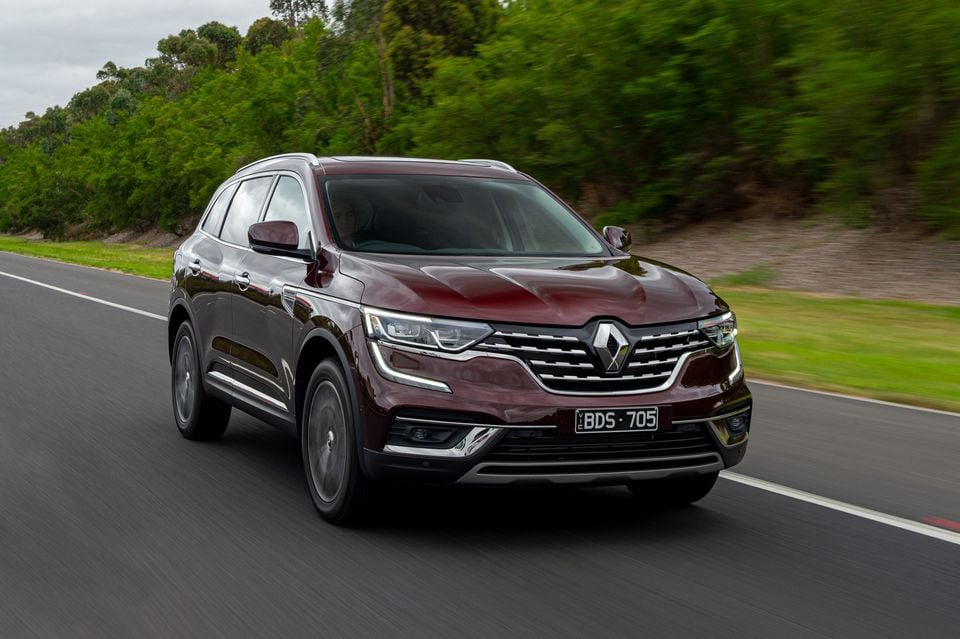
Renault Australia secured enough stock to last it around two years prior to the model’s road vehicle type approval being revoked on March 13, 2025 as despite having autonomous emergency braking (AEB), the system didn’t meet the specific technical requirements outlined in Australian Design Rule 98/00.
This came into effect for all new vehicles manufactured on or after March 1, 2025.
While the Koleos has been replaced in Korea by the Geely-based Grand Koleos, this vehicle has yet to be revealed in right-hand drive despite Renault Korea Motors producing the Arkana for our market in right-hand drive.
Renault has a dizzying array of medium-to-large SUVs across its global portfolio, and it’s unclear which of these could make their way to Australia.
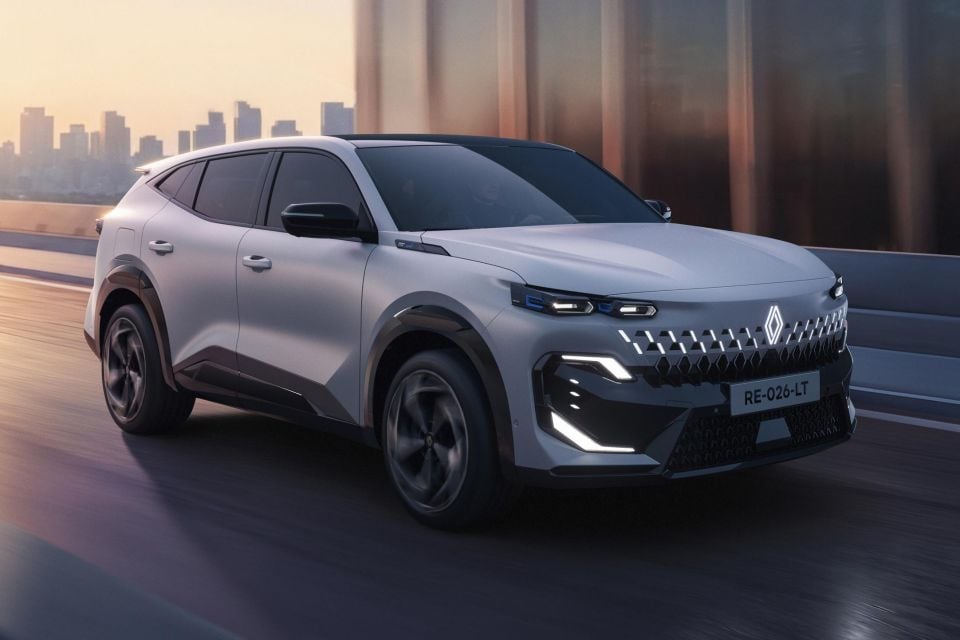
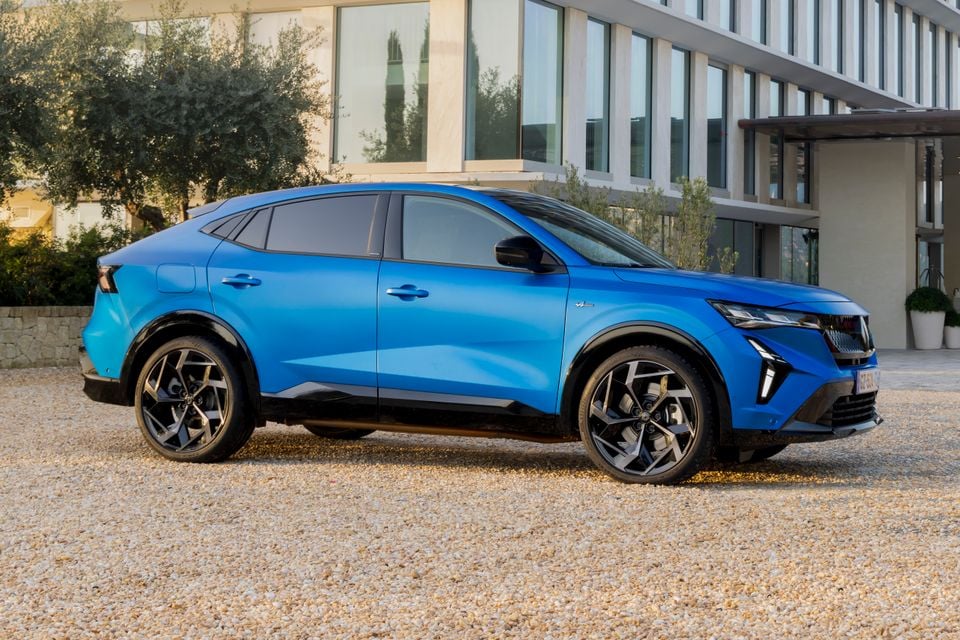
Even if you set aside the electric Scenic E-Tech sold here, there are six Renault SUVs measuring over 4.5 metres long. From shortest to longest, they are the Austral, Boreal, Rafale, Espace, Grand Koleos and Filante.
Of these, the Austral and Rafale are currently built in right-hand drive, while the Boreal is closely related to the Dacia Bigster which is built in right-hand drive.
The Grand Koleos built and sold in Korea is closely related to the Geely Monjaro, a model the Chinese brand could be looking to introduce locally. It sits on the Compact Modular Architecture (CMA) also shared with vehicles such as the Polestar 2 and Volvo XC40.
It measures 4780mm long, 1880mm wide (2146mm including the mirrors) and 1680mm tall on a 2820mm wheelbase.
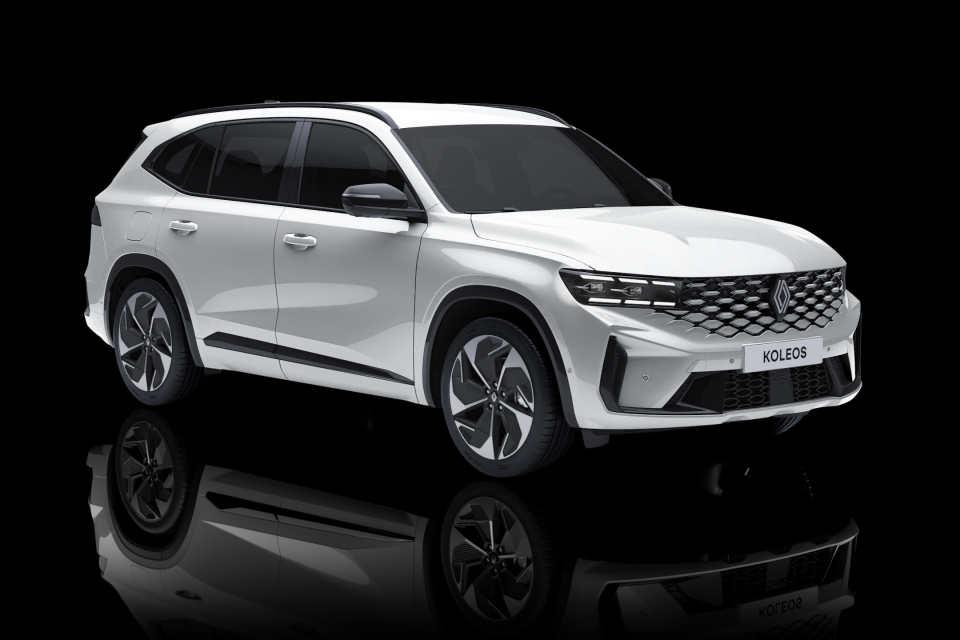
The Grand Koleos is offered in Korea with a choice of a turbocharged 1.5-litre four-cylinder hybrid powertrain mated with a three-speed hybrid transmission, or a turbocharged 2.0-litre four-cylinder engine mated with either a seven-speed dual-clutch automatic (front-wheel drive variants) or an eight-speed auto (all-wheel drive variants).
It sits below the flagship Filante, a large SUV measuring 4915mm long. Like the Grand Koleos, this vehicle was developed with Geely.
The Chinese/Korean Filante is conceptually similar to the Rafale offered in Europe, which also offers hybrid power and a sleek, coupe-like body but rides a Renault-Nissan-Mitsubishi Alliance platform and is smaller at 4710mm long.
Besides the Grand Koleos, the Austral and Boreal shape as the most obvious successors to the outgoing Koleos.
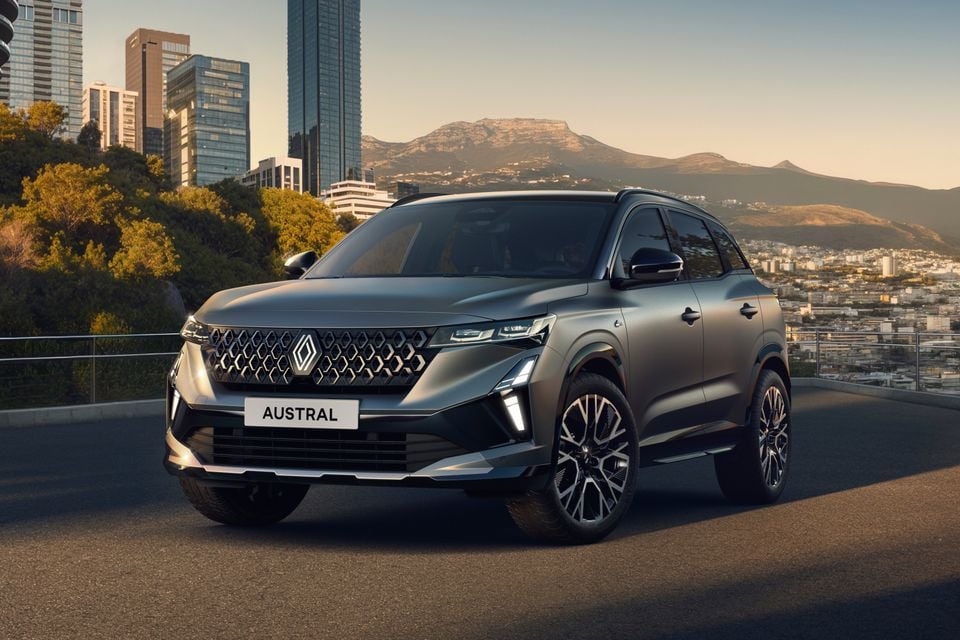
The Austral was launched in 2022 as a replacement for the Kadjar briefly offered in Australia, and shares its CMF-CD underpinnings with the Nissan Qashqai.
It uses a turbocharged 1.2-litre three-cylinder hybrid powertrain, and measures 4533mm long, 1843mm wide and 1621mm tall on a 2667mm wheelbase.
A stretched version of the Austral is currently offered in Europe under the long-running Espace nameplate, previously used on a people mover. This model isn't offered in right-hand drive markets.
The Boreal was revealed in 2025 as a version of the Dacia Bigster primarily for markets where the Romanian budget brand isn't sold.
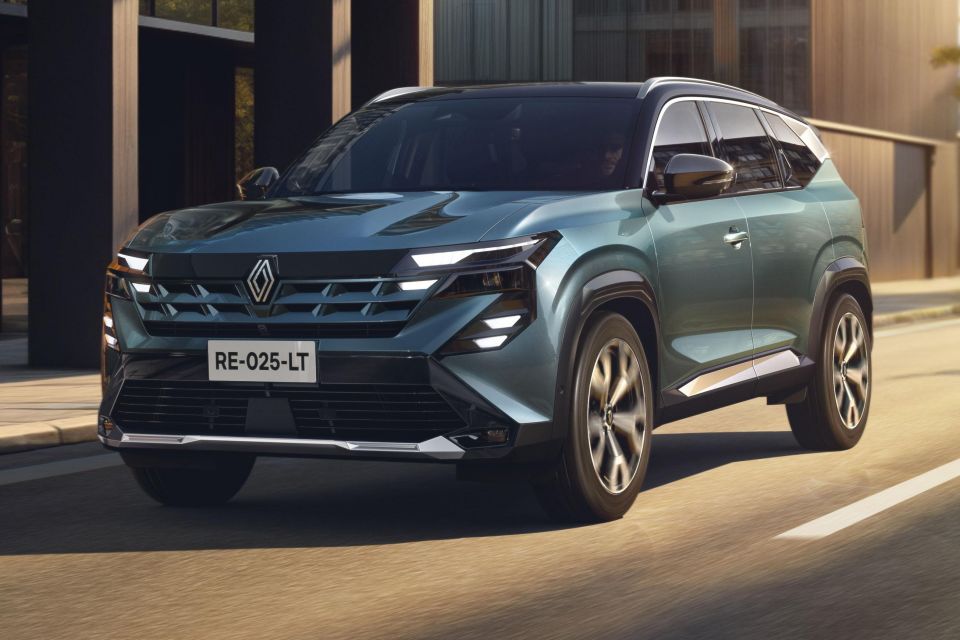
Unlike previous Renault-badged Dacias, including the Duster sold here, the Boreal features unique exterior panels – plus an overhauled interior with a unique dashboard – to make it more than a simple rebadge.
The Boreal is 4556mm long, 1841mm wide, 1650mm tall, and rides on a 2702mm wheelbase, and debuted with a turbocharged 1.3-litre four-cylinder petrol engine mated with a six-speed dual-clutch auto.
This has subsequently been followed by a 1.8-litre four-cylinder hybrid.
It's unclear how long Renault will be without an entrant in Australia's most competitive segment, where it has fielded the Koleos since 2008.
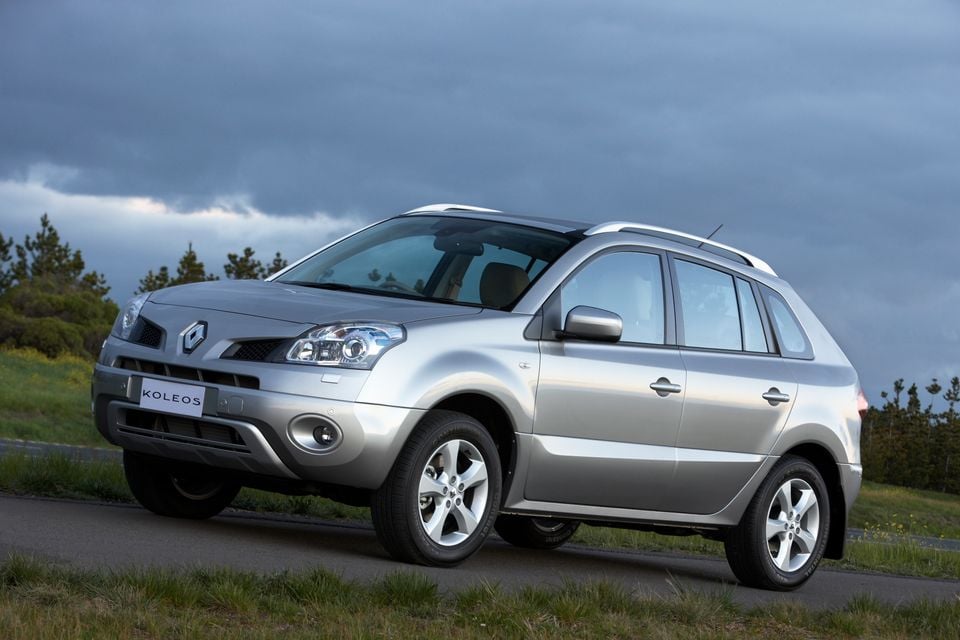
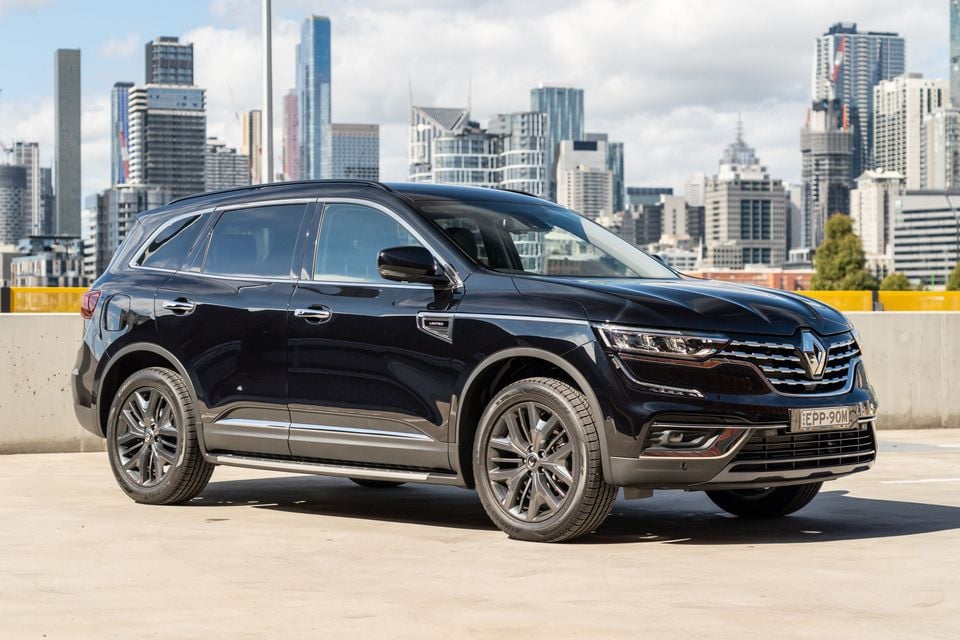
The current, second-generation Koleos arrived here in 2016 as a close cousin to the popular Nissan X-Trail.
From 2017 to 2020 and then from 2022 to 2023, the current-generation Koleos was Renault's best-seller Down Under. It has subsequently been overtaken by the Master van.
Its best year was 2017 when Renault delivered 3120 examples. Sales declined every year thereafter, before rallying in 2022 and 2023.
By the end of 2022, however, its X-Trail cousin had been replaced, leaving the Koleos as one of the oldest vehicles in its segment.
Research cars in our Showroom, compare your options or let our New Car Specialists do the running around to find you a great deal.
William Stopford is an automotive journalist with a passion for mainstream cars, automotive history and overseas auto markets.
Alborz Fallah
4 Hours Ago

James Wong
7 Hours Ago
Alborz Fallah
10 Hours Ago
Alborz Fallah
10 Hours Ago
Alborz Fallah
11 Hours Ago

Alborz Fallah
11 Hours Ago
Add CarExpert as a Preferred Source on Google so your search results prioritise writing by actual experts, not AI.