Chery’s iCaur has no diesel or ute planned, looks beyond boxy styling
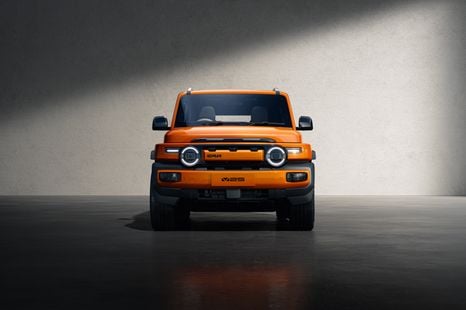
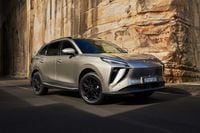
iCaur says diesel engines and utes aren’t in its current plans, while its leadership wants future SUVs to share more than the boxy styling of today’s lineup.
Chery’s incoming iCaur brand has no diesel engine or ute in its current plans, while its bosses say future models need not share the boxy styling of its existing SUVs.
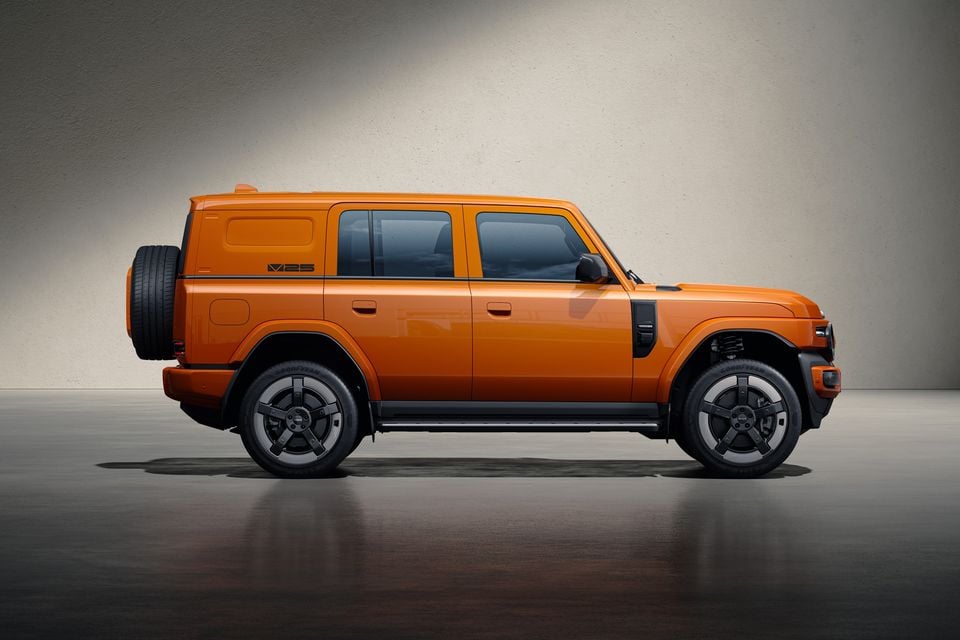
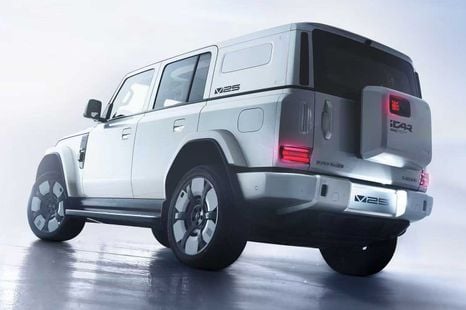
The comments come ahead of the iCaur V25’s Australian launch in early 2027.
Asked by Australian media, including CarExpert, in China whether iCaur could use a diesel engine, iCaur International CEO Ronna Luo replied: “Definitely no diesel engine plan.”
She also said a pickup or truck wasn’t in iCaur’s current plans.
Chery, however, is preparing the Chery Stockman dual-cab ute for Australia. Customer deliveries are due from February 1, 2027, after the previously announced late-2026 launch slipped.
Market leader Toyota, meanwhile, has defended its continued use of diesel. Toyota Australia sales vice-president John Pappas told CarExpert this month that “customers still need diesel in regional and rural Australia”.
Ms Luo described iCaur’s customers as mostly urban buyers who need a vehicle for everyday use and occasional trips further afield. She characterised sister brand Jetour as more focused on toughness.
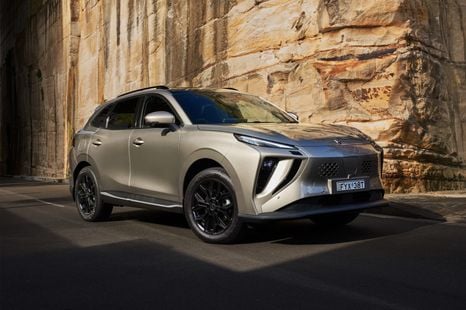
Chery Automobile vice president Dr Su Jun, who oversees iCaur’s product design, brand building and business operations, said future models wouldn't need to share the same squared-off silhouette.
“A boxy car is only one kind of our car,” Dr Su said.
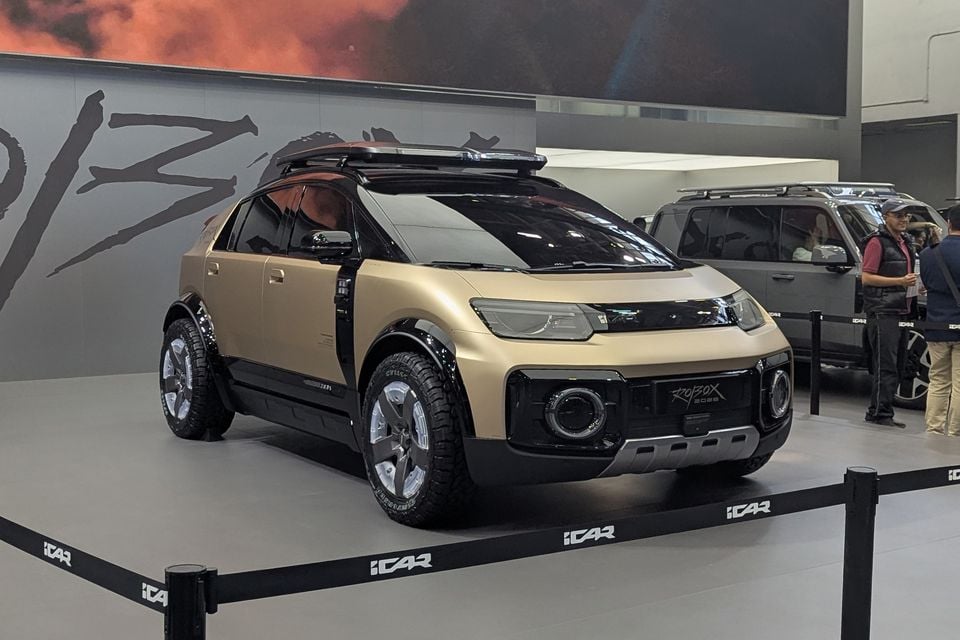
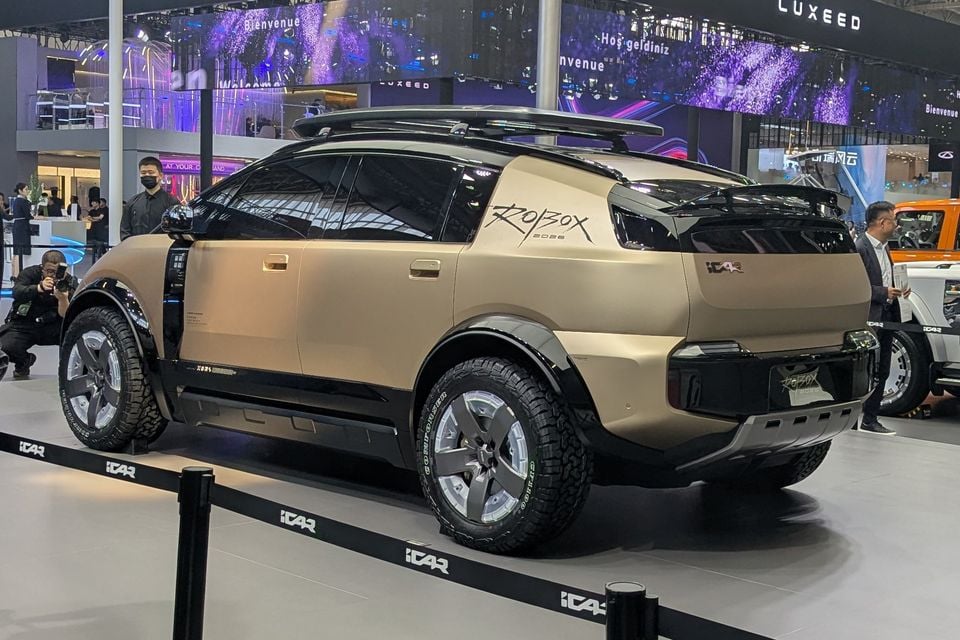
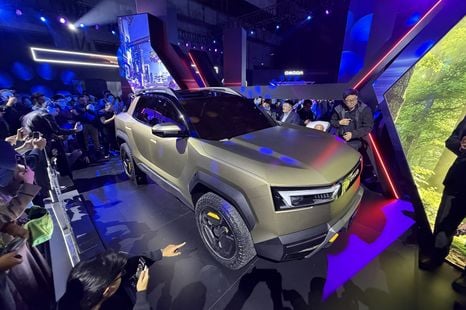
iCaur Robox concept
He used the Mercedes-Benz G-Class and S-Class as examples of vehicles with very different shapes that remain recognisable members of the same brand.
“So I don’t think boxy is the only gene of the family,” he said.
Ms Luo also said she would “prefer not to limit ourselves to boxy” when describing iCaur, instead emphasising its mix of classic design and electrified technology.
Asked whether the brand would move beyond SUVs, she replied: “Mostly SUVs. Yes.”
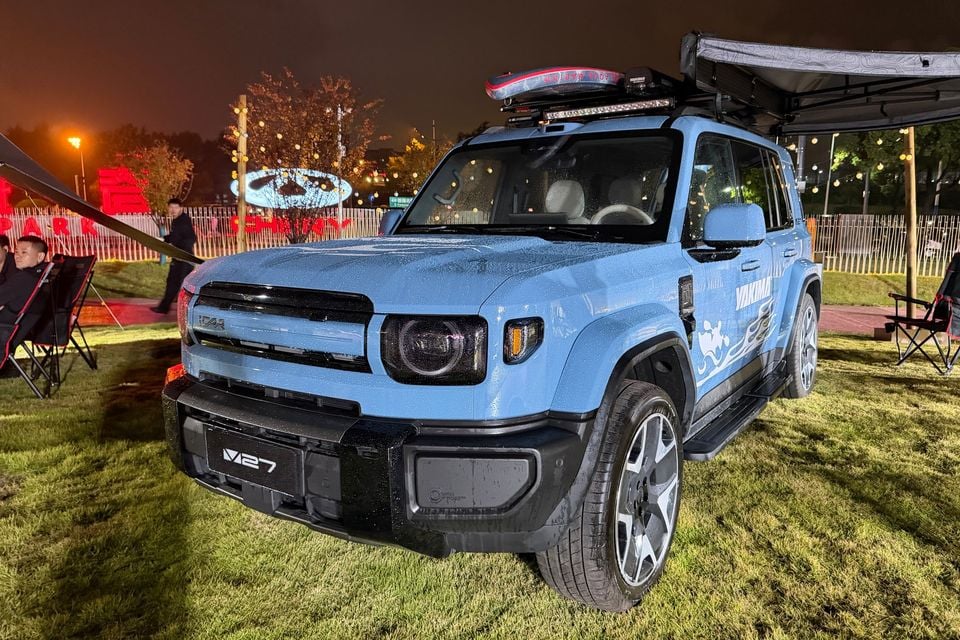
Customised overseas V27 shown in China. Australian sales remain unconfirmed.
Dr Su said the design team was influenced by the restraint and simplicity of brands such as Apple and Muji. The aim was a recognisable product family even when individual vehicles took different forms.
Dr Su holds a doctorate in design from Tsinghua University, founded Smartmi Technology in 2014 and joined Chery with his automotive research and development team in early 2024.
Chery global design director Steve Eum recently told CarExpert he regarded boxy SUV design as enduring, with room for brands to distinguish their vehicles through the details.
iCaur has already shown a more streamlined design with its Robox concept, revealed at the Beijing motor show earlier this year. It retains rugged styling cues but has a more swept-back roofline than the production V-series SUVs.
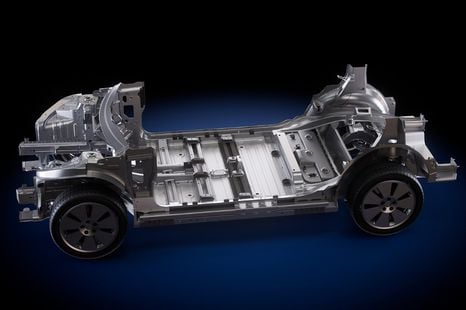
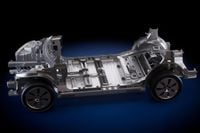
Despite its off-roader styling, the V25 uses car-like unibody construction rather than more rugged body-on-frame underpinnings.
Globally, iCaur’s lineup of SUVs ranges from the 4220mm-long, electric V23 to the 5045mm-long V27 range-extender, with the V25 positioned between them. Right-hand drive V23 and V27 vehicles have been shown, but Australian sales of those models remain unconfirmed.
The V25’s Australian powertrain lineup, pricing, warranty coverage, final specifications and detailed launch arrangements are still to be announced.