




William Stopford
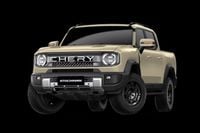
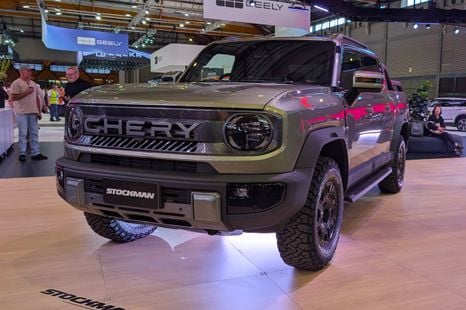
2027 Chery Stockman: More specifications detailed for diesel PHEV ute
Chery will beat key ute rivals on electric range and payload, and come very close on braked towing capacity.
3 Days Ago
The next generation of Volkswagen’s ladder-frame ute could dump its Ford connection and use the same platform as LDV and MG models already on sale in Australia.

Deputy News Editor
Deputy News Editor
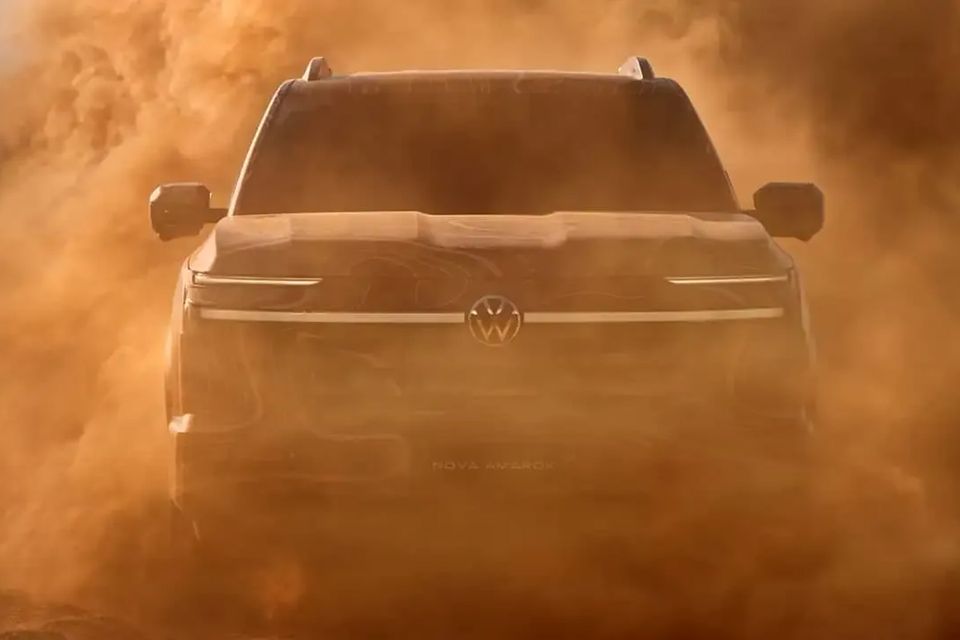
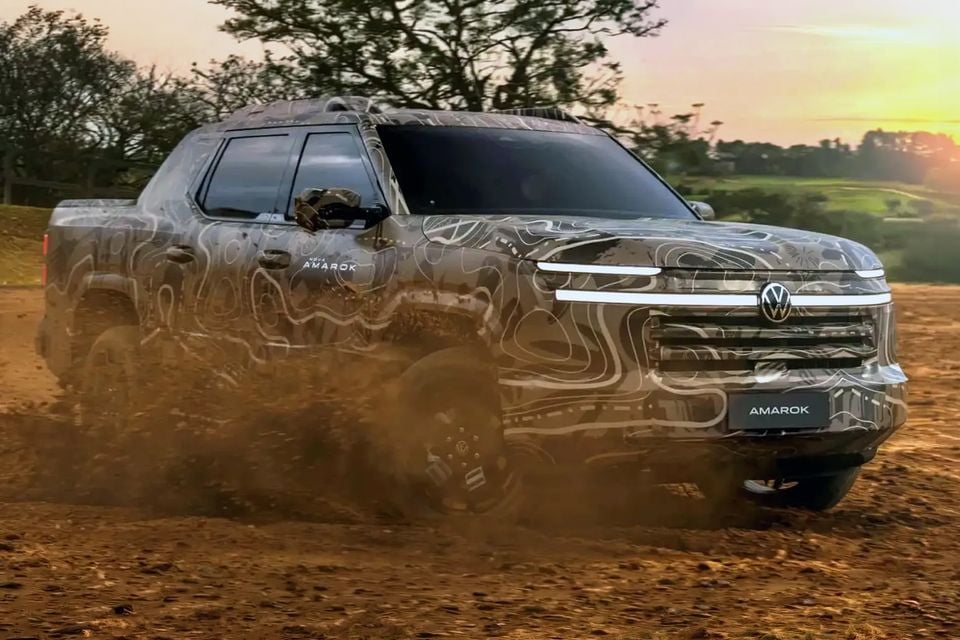
The next-generation Volkswagen Amarok could ditch its Ford Ranger underpinnings and instead use a platform from China’s SAIC Motor, parent company of MG and LDV, following a switch for the upcoming South American version.
Volkswagen has issued a new teaser of the next-generation Amarok for South America, due in 2027, which will be built at the company’s General Pacheco plant in Argentina, where the current regional version is produced.
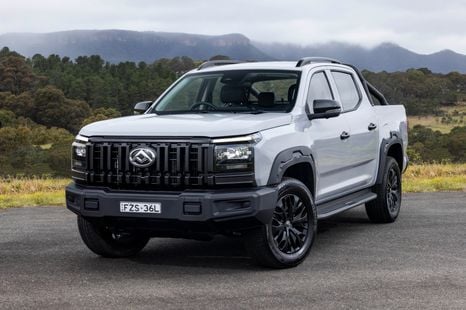
According to CarScoops, the new Argentine model is understood to use the same ‘Starbridge Architecture’ as the LDV Terron 9 and MG U9 utes introduced in Australia in 2025, although Volkswagen hasn't confirmed this.
The LDV and MG twins share a 2.5-litre four-cylinder turbo-diesel engine. In China, the ute is offered under another SAIC marque, Maxus, as the Interstellar X.
The arrangement comes after Volkswagen recently renewed its partnership with SAIC, which dates back to 1984, through to at least 2040.
The German brand has also said it's seriously considering growing its European vehicle range using models designed specifically for Chinese showrooms.
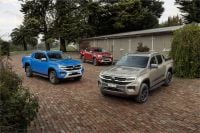
The outgoing Argentine Amarok is a heavily updated version of the original Amarok introduced in 2010, rather than the Ford Ranger-based second-generation Amarok introduced in Australia in 2023 and built for Volkswagen at Ford’s Silverton plant in Pretoria, South Africa.
Long-term use of platforms isn’t unusual for dual-cab utes, with the current Ranger’s architecture tracing its roots to 2011, while the ‘new’ 2026 Toyota HiLux can trace its IMV (Innovative International Multi-purpose Vehicle) platform even further, to 2004.
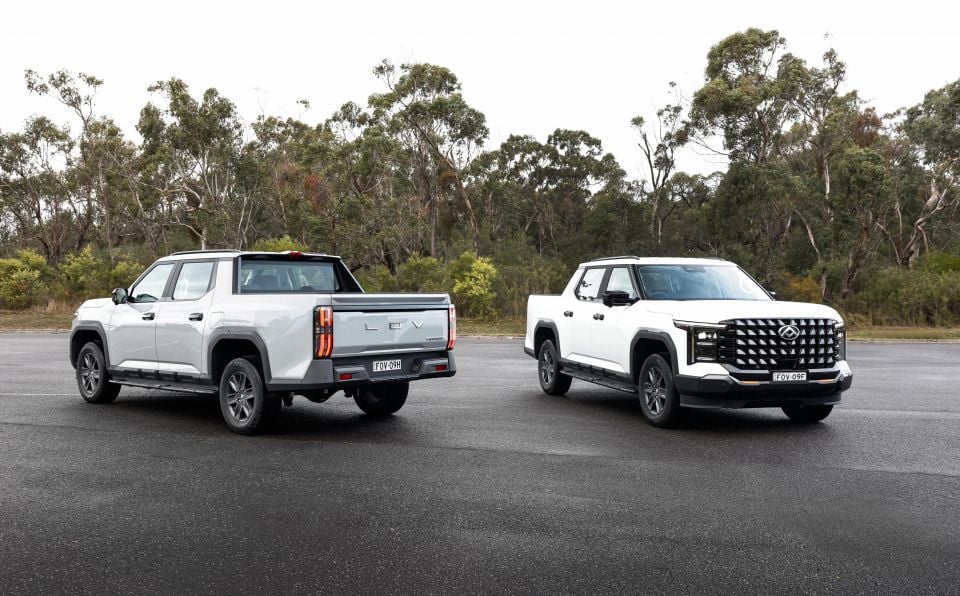
The SAIC architecture is significantly newer, having first appeared in 2024.
Following Volkswagen’s recent job cuts and restructuring, including plans to reduce worldwide vehicle production capacity from around 10 million to nine million units annually, the company has also approved plans to cut its roughly 150-model global portfolio by as much as half.
This raises the possibility of the Amarok eventually becoming a single global model instead of the two distinct versions currently offered, as Volkswagen looks to reduce complexity and the number of models and derivatives it produces.
Volkswagen’s partnership with Ford includes not only the Ranger-based Amarok but also model-sharing across the Ford Transit Custom and Volkswagen Transporter commercial-vehicle ranges. However, Volkswagen has yet to announce a next-generation global Amarok developed with Ford.
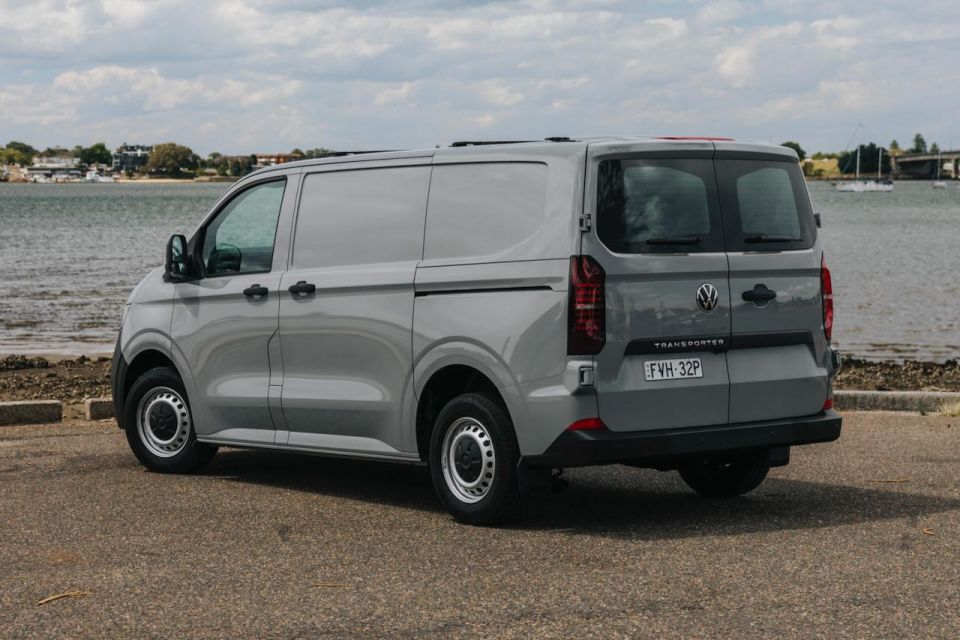
According to Handelsblatt, Volkswagen’s commercial-vehicle plant in Hanover, Germany, is particularly expensive to operate because it's currently under-utilised, producing around 113,500 vehicles in 2025 compared with more than 200,000 in 2017.
The reduced production came after the Transporter became twinned with the Ford Transit Custom and production shifted to Ford Otosan in Turkey. Slower-than-forecast sales of the Volkswagen ID. Buzz people mover and ID. Buzz Cargo van models produced in Hanover have also contributed to excess capacity.
Handelsblatt reported sources within Volkswagen saying the arrangement benefits Ford more than Volkswagen, contributing to expectations the partnership is unlikely to be renewed beyond the current product cycle.
Volkswagen has said a third-generation global Amarok is in development and will offer some form of electrification, something SAIC can also readily provide.
A plug-in hybrid (PHEV) version of the LDV Terron 9 has been shown in China and LDV Australia has left the door open for the introduction of PHEV models here. Meanwhile, an MG U9 PHEV is also expected, while an electric version has already been confirmed for an Australian launch.
Known overseas as the Maxus eTerron 9, SAIC's flagship ute is already exported to markets such as Europe and the UK with an MG-badged version to follow.
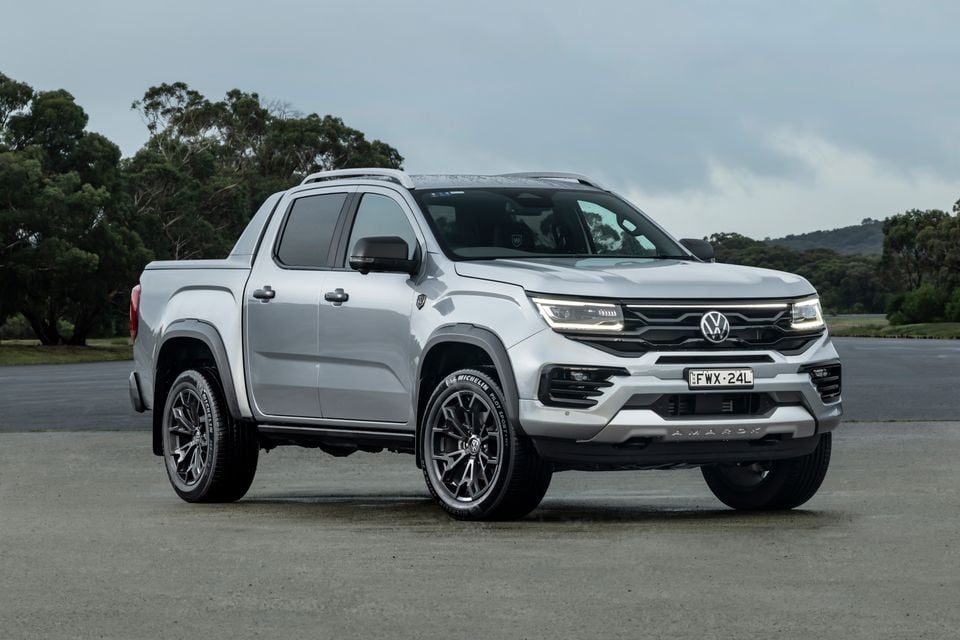
Volkswagen is continuing to expand the Australian Amarok lineup.
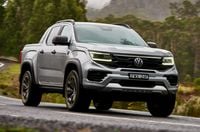
The latest addition to the Australian Amarok range is the W600, developed as a driver-focused performance model by Melbourne-based Walkinshaw Automotive.
Research cars in our Showroom, compare your options or let our New Car Specialists do the running around to find you a great deal.
Damion Smy is an award-winning motoring journalist with global editorial experience at Car, Auto Express, and Wheels.
William Stopford
3 Days Ago
Damion Smy
4 Days Ago
William Stopford
4 Days Ago
Damion Smy
4 Days Ago
William Stopford
5 Days Ago

Marton Pettendy
5 Days Ago
Add CarExpert as a Preferred Source on Google so your search results prioritise writing by actual experts, not AI.