




Alborz Fallah
GWM offers $5000 discounts on selected SUVs, low-rate finance in October
GWM’s October offers include discounts of up to $5000, low-rate finance and $2000 cash-or-fuel-card bonuses on selected new models.
1 Hour Ago
Volkswagen and Walkinshaw have teamed up for another tuned-up dual-cab ute, but its handling upgrades have come at a cost.

Journalist
Journalist
Journalist
Journalist
If this is the car for you, we’ll compare offers from trusted dealers, handle the back and forth and manage your purchase from enquiry to delivery.
The masterminds behind some of Australia's greatest performance cars have been at it again, though their newest performance model isn't really a car at all.
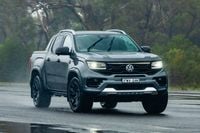
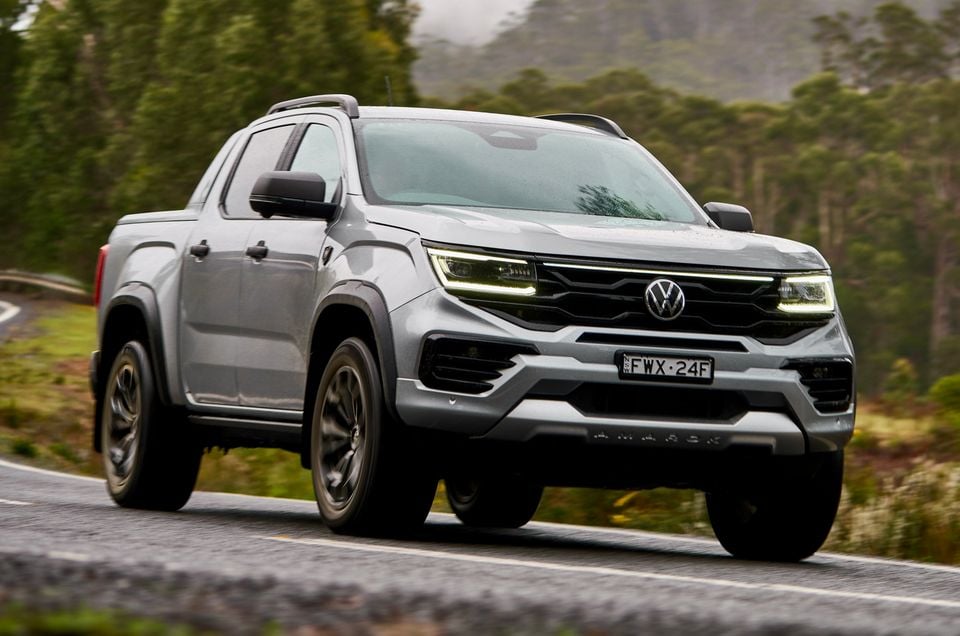
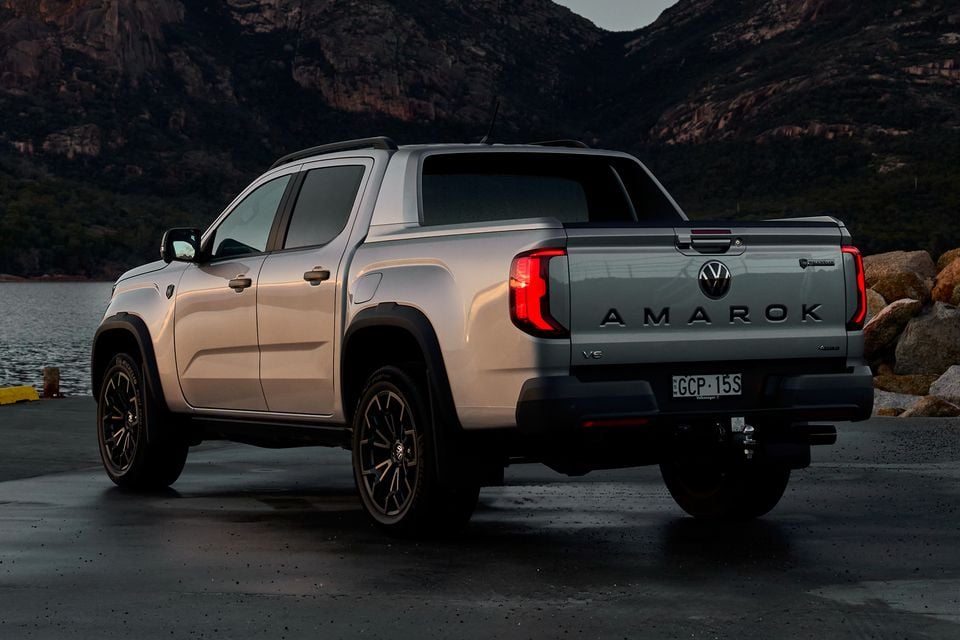
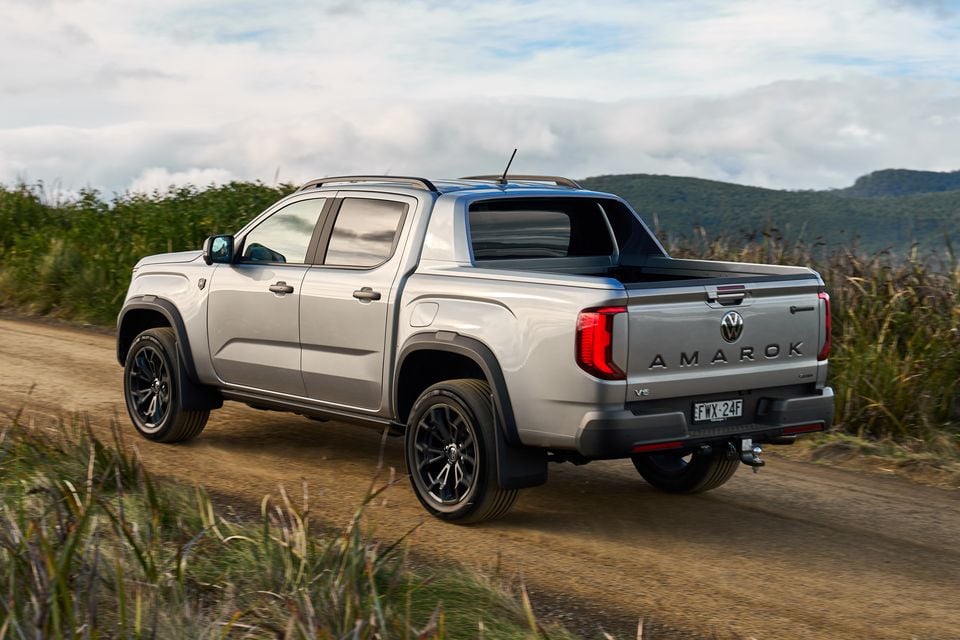
The Volkswagen Amarok W600 is the latest creation by Victorian-based automotive firm Walkinshaw, and the second iteration of a locally tuned performance version of the German brand's ute.
The brief was to create the "ultimate driver's ute" centred around on-road prowess rather than off-road capability, much like the first Walkinshaw-tuned Amarok, the W580 that launched in 2021. A key difference is that the new Amarok is based on the Ford Ranger, unlike Volkswagen's in-house first-gen ute.
Walkinshaw achieved this by developing a vastly overhauled suspension setup. At the heart of it all are new Koni 'Frequency Selective Dampers' with bespoke valve tuning, while a rear sway bar has been added to complement the leaf-sprung rear axle.
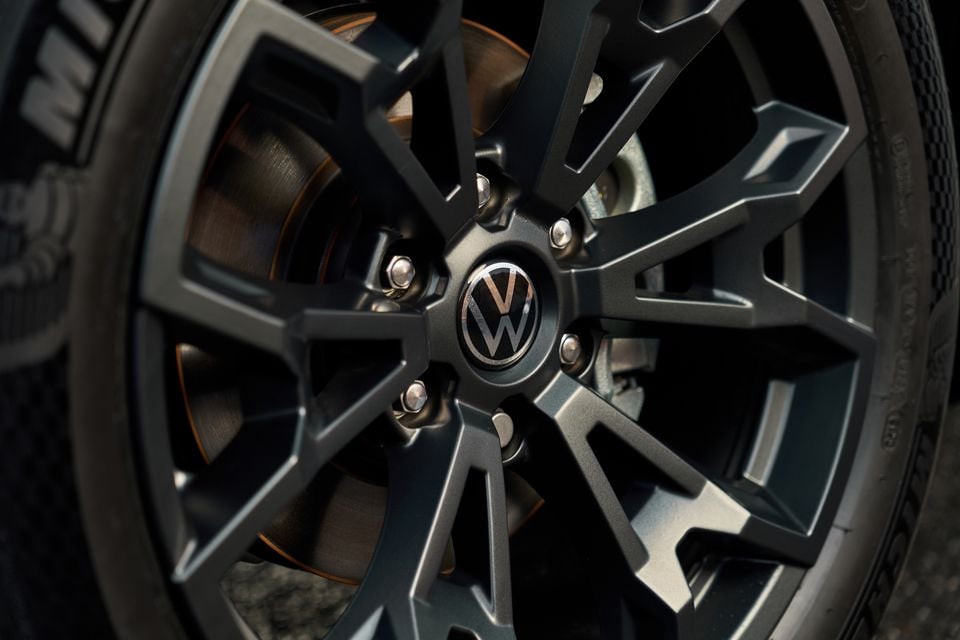
It also developed new 20x10-inch alloy wheels and fitted them with Michelin Pilot Sport 4 SUV tyres, giving the Amarok a wider track, while retuning the steering to suit. Walkinshaw says all parts were designed to work in harmony, creating a comprehensive handling-focused package.
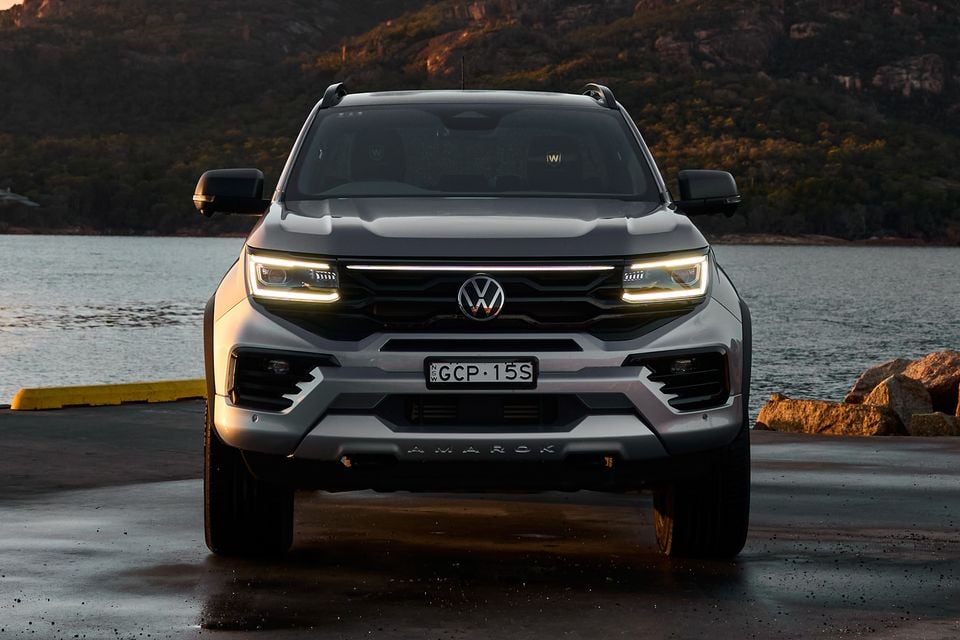
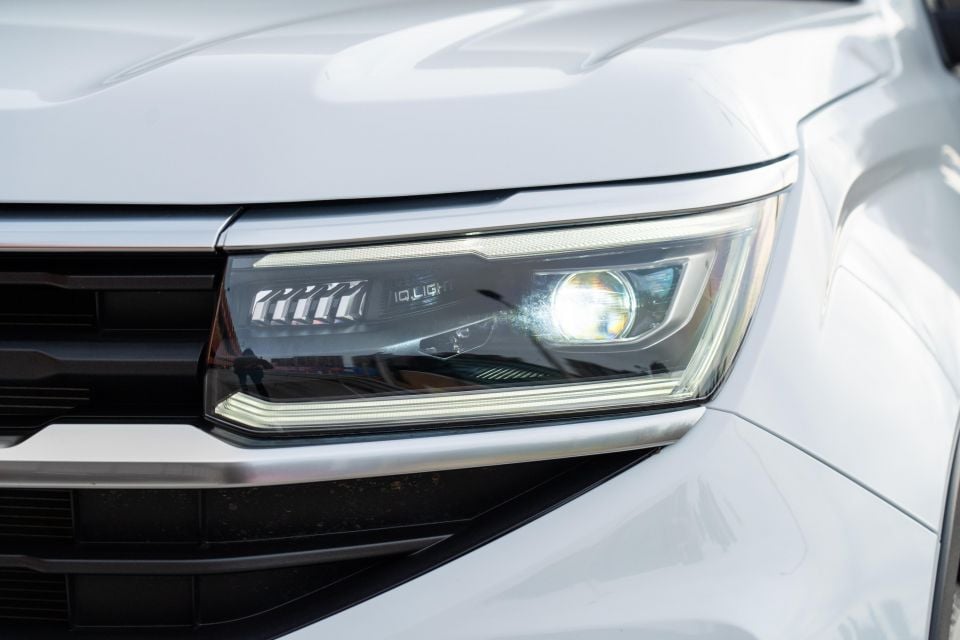
Of course, there have been some cosmetic tweaks to match. Most obvious is a new front bumper with a new grille, the latter incorporating a light bar for a unique front lighting signature.
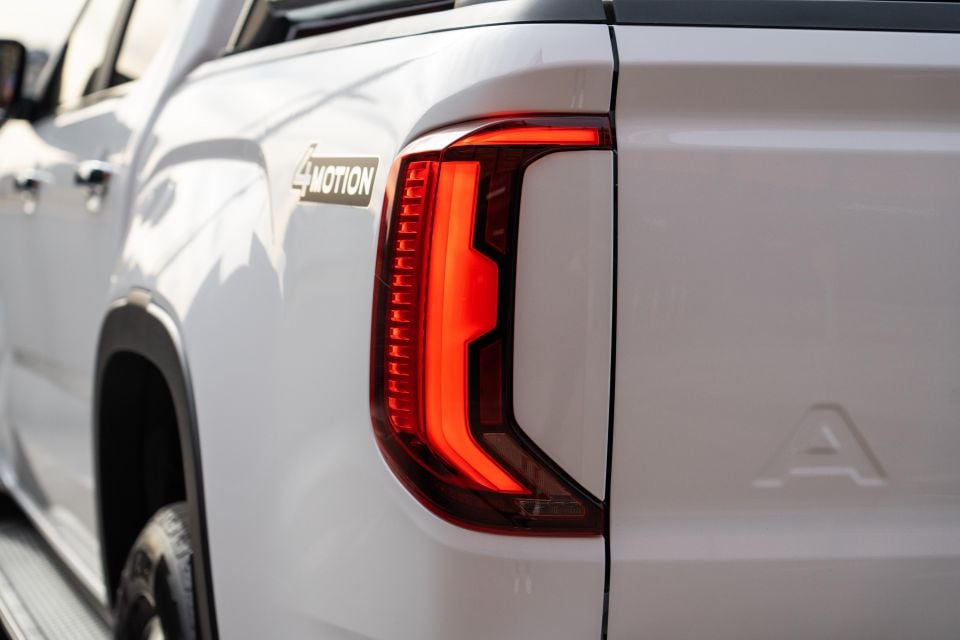
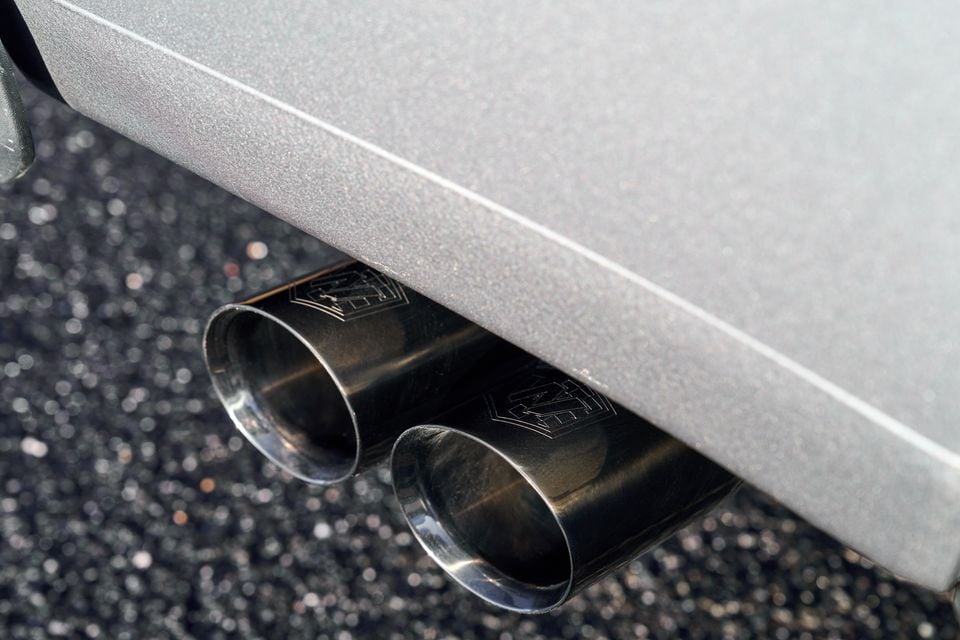
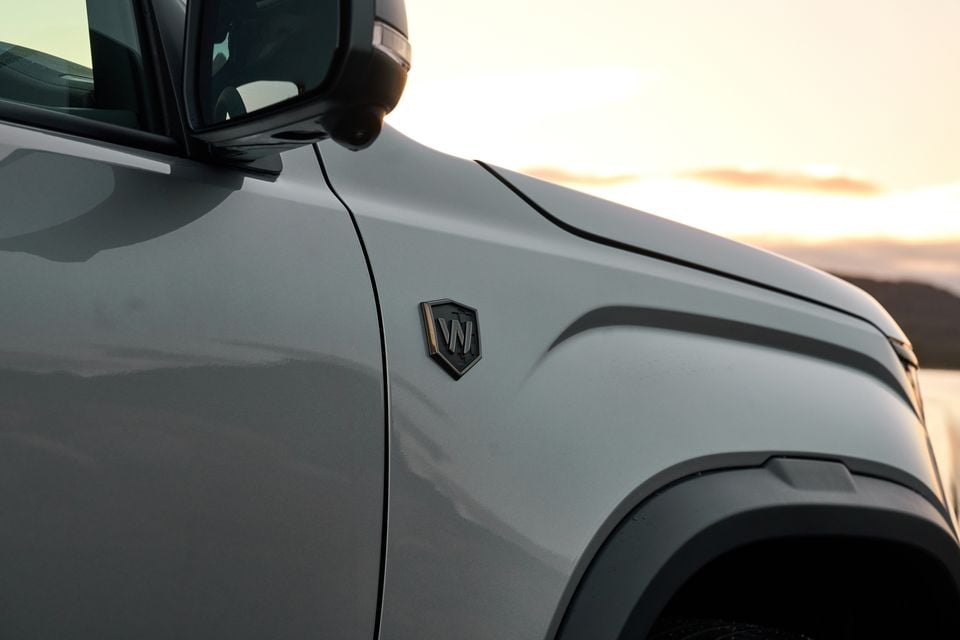
There are also new exterior badges and minor embellishments inside, while new power-retractable side steps and twin side-exit exhaust tips behind the right-hand rear wheel round out the package.
It's certainly a distinctive look, but to see how everything has come together, Volkswagen invited media to Tasmania to sample the W600 on some of the roads used during development. This follows a pre-production drive at the Lang Lang Proving Ground earlier this year.
What is Walkinshaw's newest vehicle really like, and is it actually the ultimate driver's ute?
Walkinshaw's latest creation is the Amarok's new flagship trim, priced at $91,990 before on-road costs.
| Model | Price before on-road costs |
|---|---|
| 2027 Volkswagen Amarok TSI452 Style dual-cab pickup | $73,740 |
| 2027 Volkswagen Amarok TDI600 Style dual-cab pickup | $73,740 |
| 2027 Volkswagen Amarok TDI600 Style Tray dual-cab/chassis | $77,740 |
| 2027 Volkswagen Amarok TDI600 Dark Label dual-cab pickup | $77,990 |
| 2027 Volkswagen Amarok TDI600 PanAmericana dual-cab pickup | $78,990 |
| 2027 Volkswagen Amarok TDI600 Aventura dual-cab pickup | $82,990 |
| 2027 Volkswagen Amarok TDI600 W600 dual-cab pickup | $91,990 |
Given the W600's unique offering, direct rivals are limited, so we've identified two that seem the most relevant.
One is the Isuzu D-Max Blade, another Walkinshaw creation but instead built to maximise off-road capability. It's priced at $80,900 before on-road costs, roughly $8000 more than the next-dearest D-Max.
The other is the Ford Ranger Raptor. It has the same basic underpinnings as the W600, but packs a vastly more powerful twin-turbo V6 petrol engine and motorsport-inspired adaptive off-road suspension, among other upgrades. It currently costs $90,690 before on-roads.
To see how the Volkswagen Amarok stacks up against the competition, check out our comparison tool
Aside from a few minor additions, the W600's interior is identical to that of the regular Amarok.
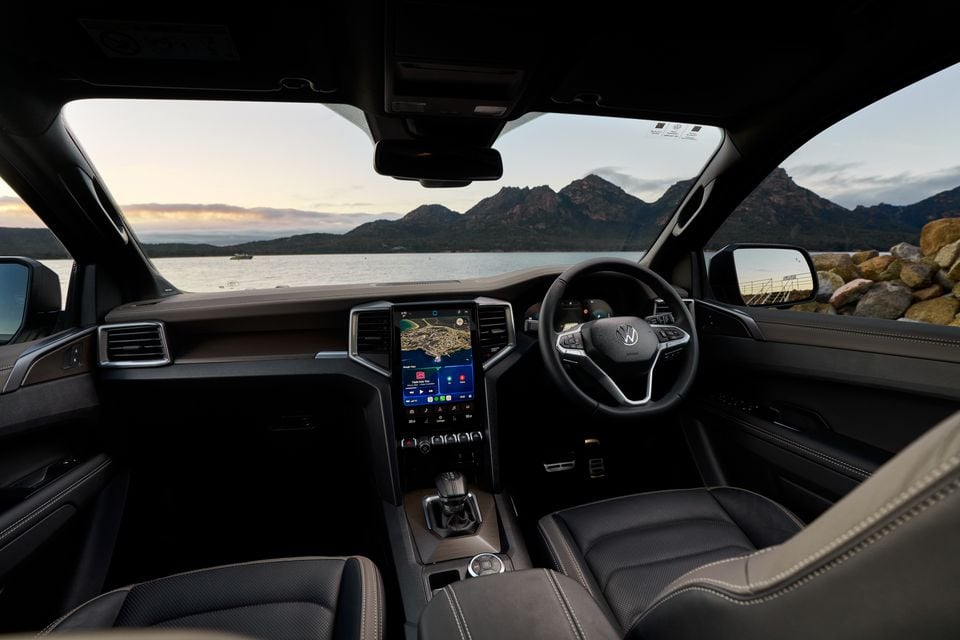
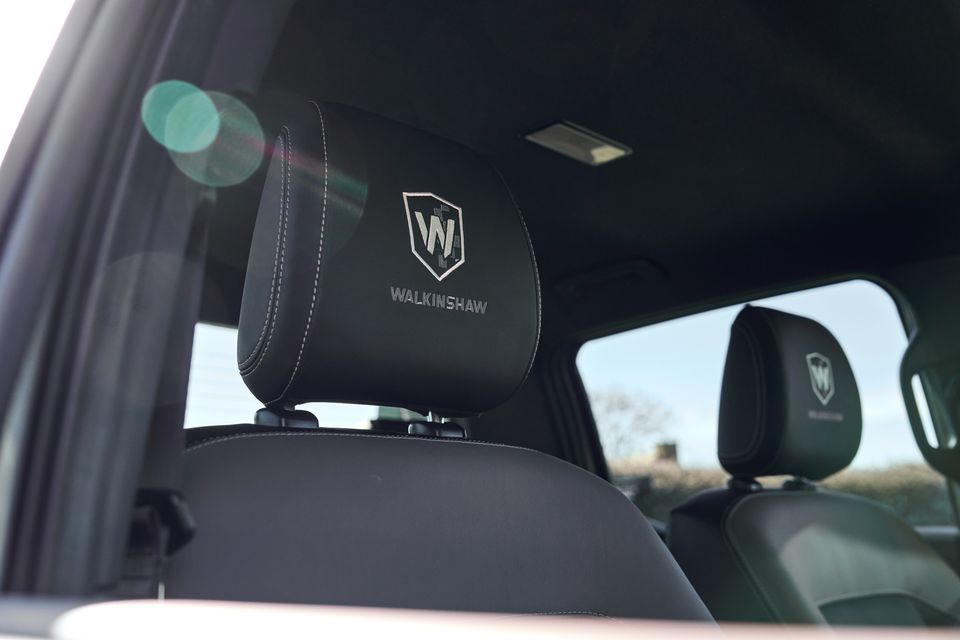
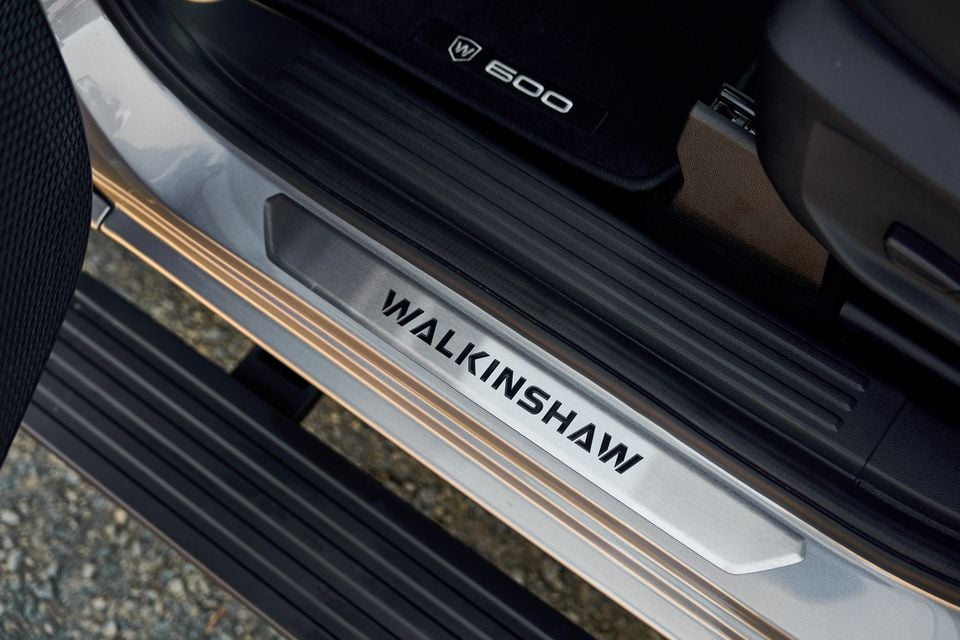
The only Walkinshaw-flavoured additions inside are the headrest logos, metal door scuff plates, branded floor mats, and stainless sports pedals. Oh, and you can't forget the power-retractable side steps helping you get in and out.
Other than that, though, nothing signifies that you're in a Walkinshaw vehicle once you're in the driver's seat. That isn't the end of the world given this project is focused on the driving experience, and it isn't immediately obvious where extra embellishments could be applied anyway.
So, the W600's interior feels upmarket relative to many other dual-cabs, as the regular Amarok already does. It's visually tidy, while its layout feels logical – the Volkswagen skin applied to the interior tech also looks much sharper than what Ford offers.
That said, there's too much scratchy black plastic on the sides of the centre console and dashboard. Something leather-like would've been great, particularly where your knees go.
There's also wood-look panelling scattered around, which neither looks nor feels fantastic. Nitpicks, sure, but this isn't a cheap vehicle; fortunately, there are still more premium inclusions to be found elsewhere.
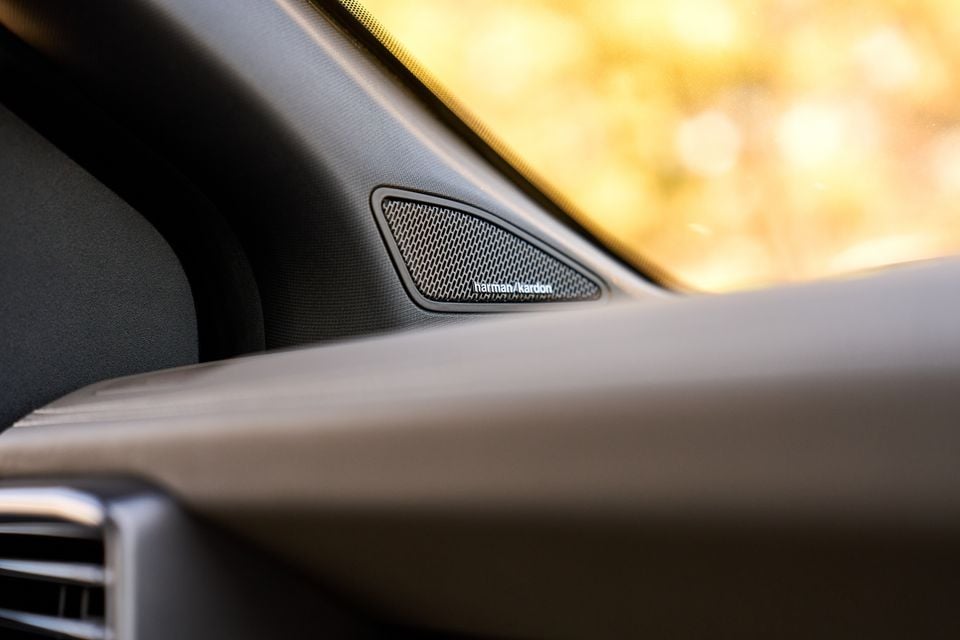
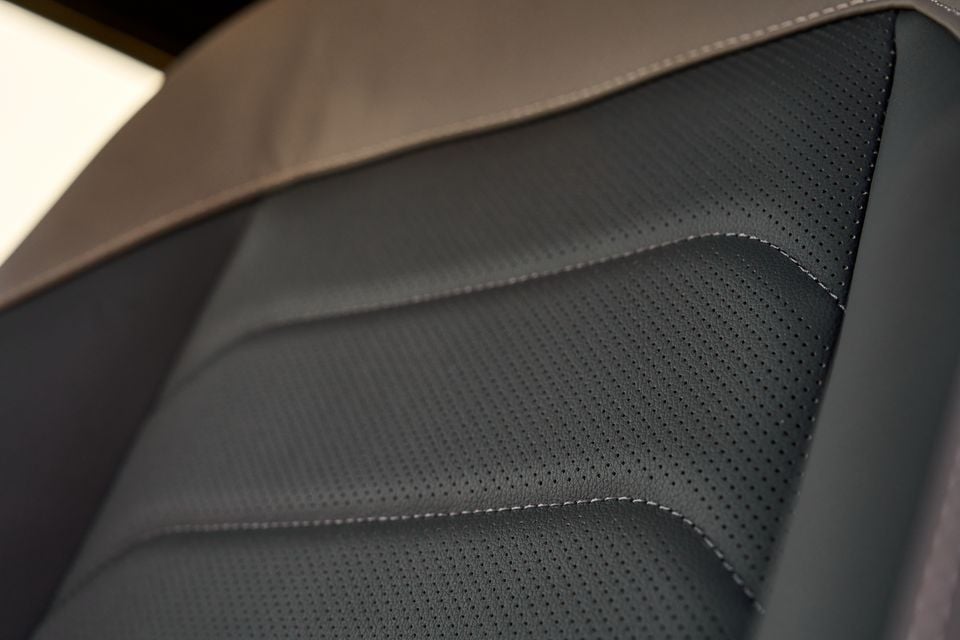
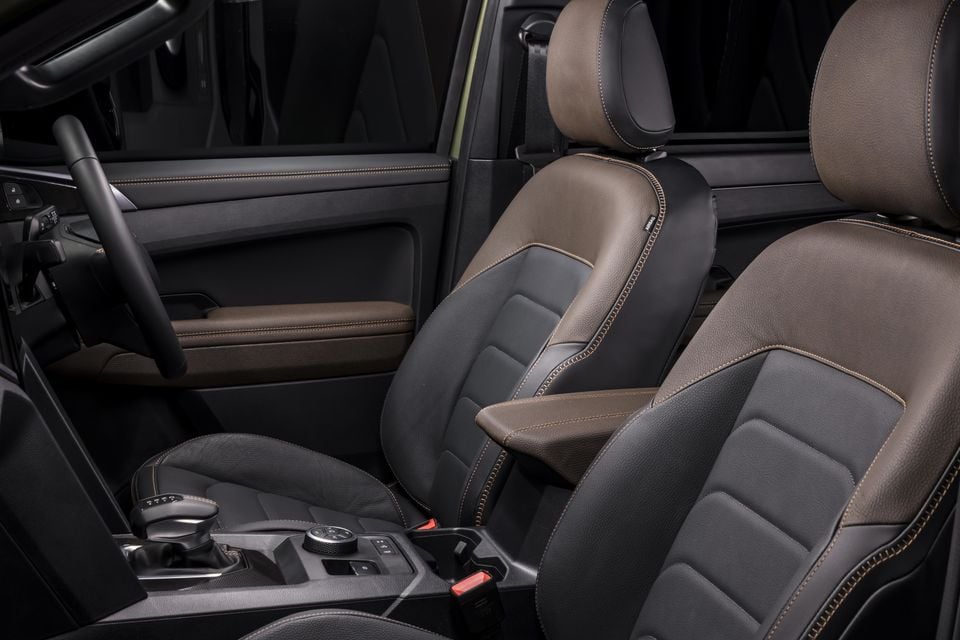
While Volkswagen pointed out that the W600 is technically based on the range-opening Style, it's a heavily 'up-spec' version with plenty of features seen higher in the Amarok pecking order. As such, it's fitted with plush Savona leather upholstery and features very punchy Harman Kardon audio.
Things like this are clear indicators that you are in a premium-leaning vehicle. It helps that the Amarok is already very well equipped too, particularly after the lineup changes earlier this year, which means no variant feels truly bog-standard.
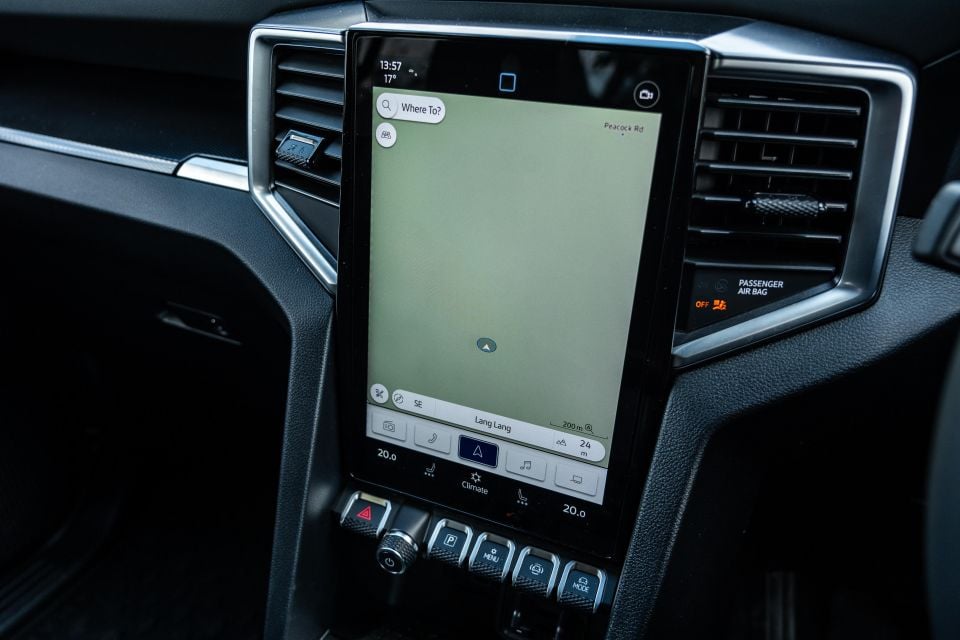
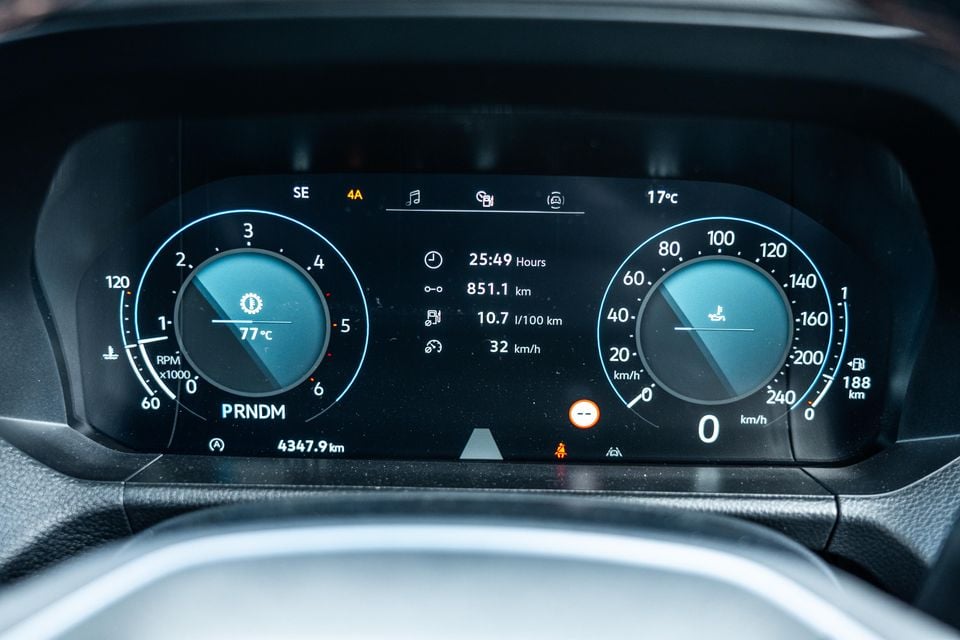
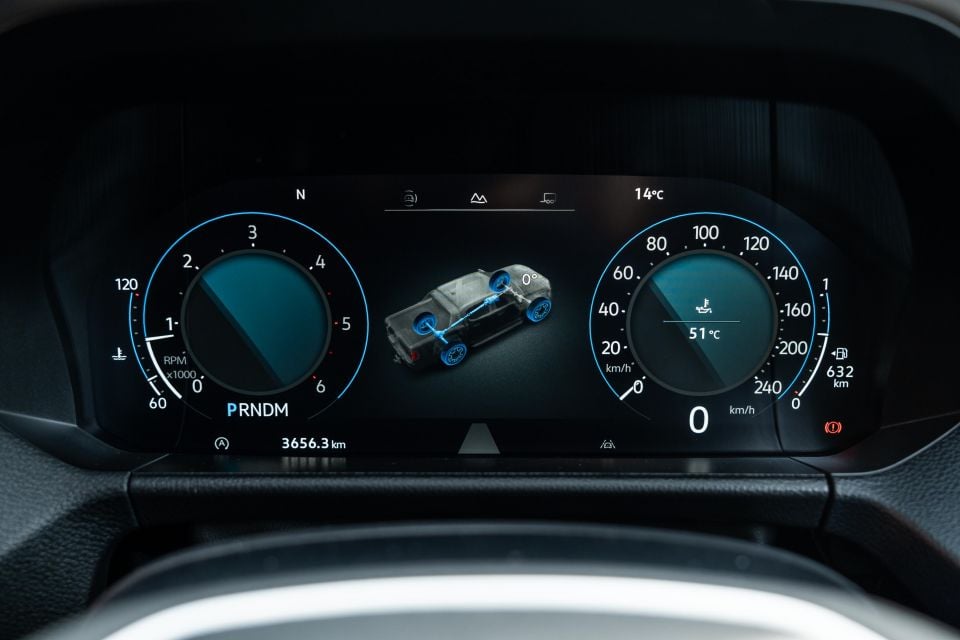
The tech is therefore a highlight. We've mentioned that all the digital themes look excellent, but it's also good that everything is easy enough to figure out. The instrument display, for example, offers a tidy look with several different layouts to flick through using the steering wheel buttons.
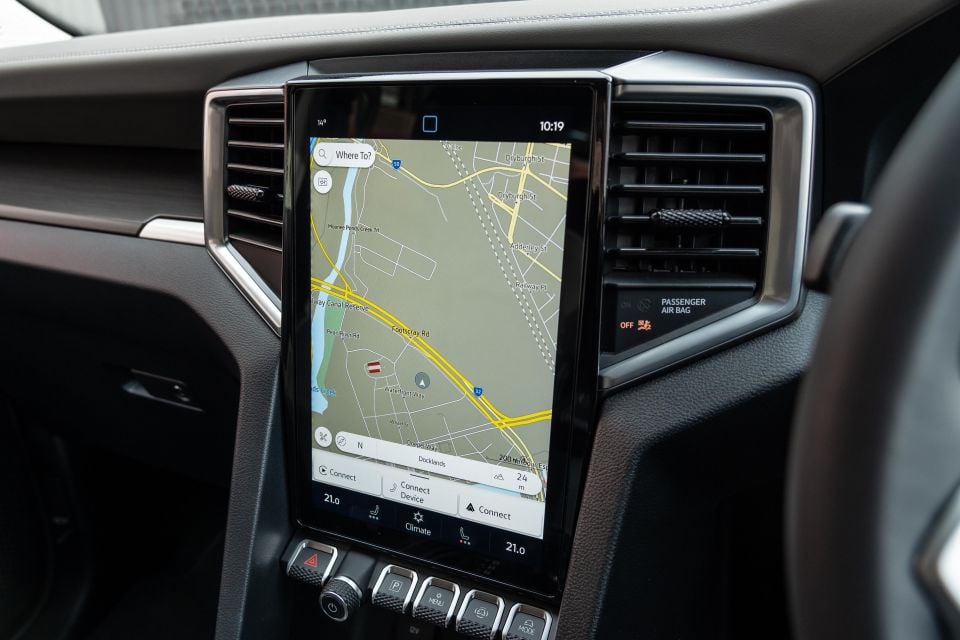
The infotainment system is a little less intuitive, particularly because it incorporates the climate control system and offers no physical buttons as alternatives. This makes it fiddly to use on the move, even if basic climate functions are available in an always-on ribbon at the bottom of the screen.
Wireless smartphone mirroring is still standard, and we had no connectivity issues during the launch event. Those who prefer a wired connection can use the USB ports in the cubby below the screen, which is also where you'll find a wireless phone charger and the ute's trailer brake controller.
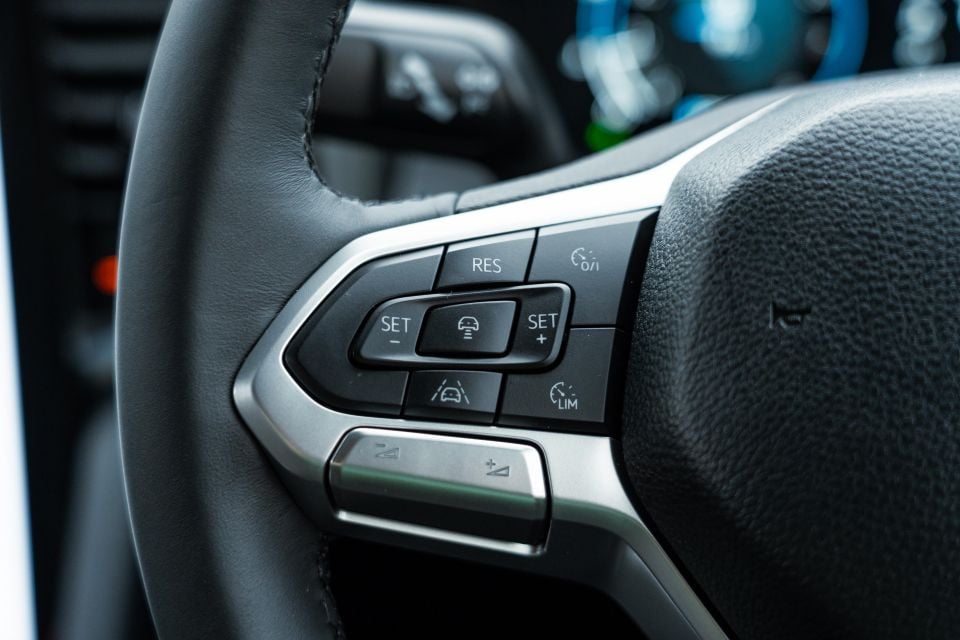
We can also commend the Amarok's high-quality interior fittings. The leather wrap on the shifter and small-ish, thin steering wheel feels nice to the touch, and the inclusion of physical buttons on the centre stack, centre console, and steering wheel is always a bonus.
We also found it to be quite comfortable. The seats are well-bolstered yet soft enough to be enjoyable in daily driving, and it's easy to get into a good driving position with the broad range of ergonomic adjustment on offer.
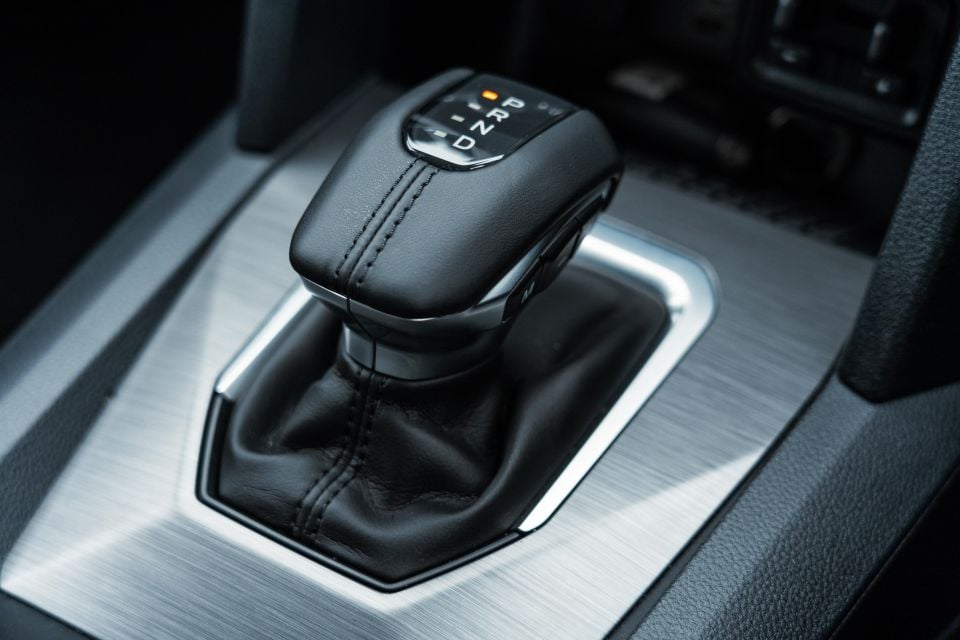
Storage-wise, the W600 is as strong as any Amarok. There's that aforementioned cubby ahead of the gear selector, and behind it are nicely sized cupholders and a decent central storage box. The latter is found under the high, padded armrest between the front seats.
On the passenger side, meanwhile, is the same two-tier glovebox we've come to expect from Volkswagen's ute. It's all fairly well-considered, and it's perhaps a good thing that Walkinshaw hasn't compromised on the Amarok's interior strengths – even if it isn't particularly special.
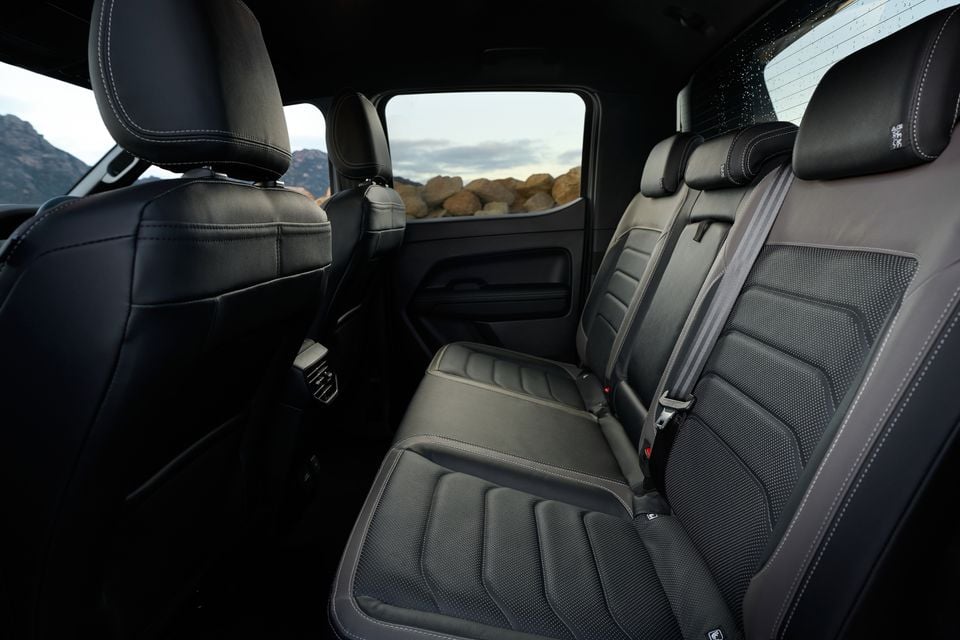
Moving to the second row reveals a tighter space than you might expect. The boxy body means there's a comfortable amount of headroom, but legroom is certainly on the conservative side. The black headliner doesn't help with the perception of space, either.
Still, it'll be comfortable enough for children, and adults can no doubt make the flat bench work if need be. Volkswagen's inclusion of a vast array of map pockets makes the area just a tad more workable, while you still get the usual fold-down central armrest, air vents, and power outlets.
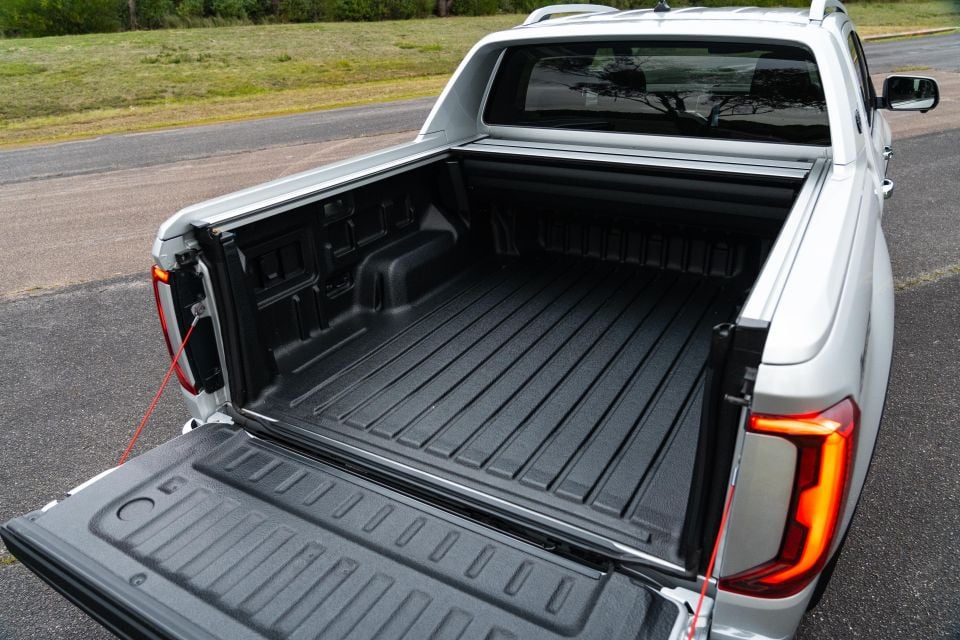
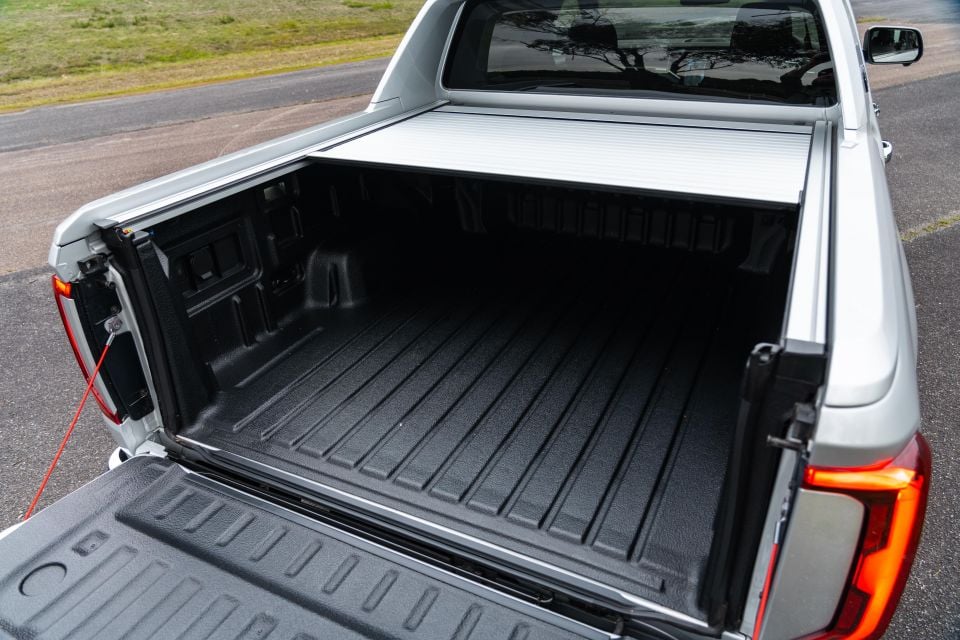
That's all unchanged for the W600, as is the tub out back. The load area is actually slightly longer overall than its Ranger donor vehicle, despite the Amarok being shorter overall, and there's a healthy number of tie-down points to help keep things from sliding about.
A drop-in tub liner is standard, but a tonneau cover is not. Buyers can opt to have an electric roller cover installed for $3450, which is the only option available for the W600.
An interesting observation is that while the tailgate is said to have "Tailgate Lift Assist", it doesn't appear to be damped. That means it'll crash down if you don't hold it while it's opening, which feels like an odd oversight.
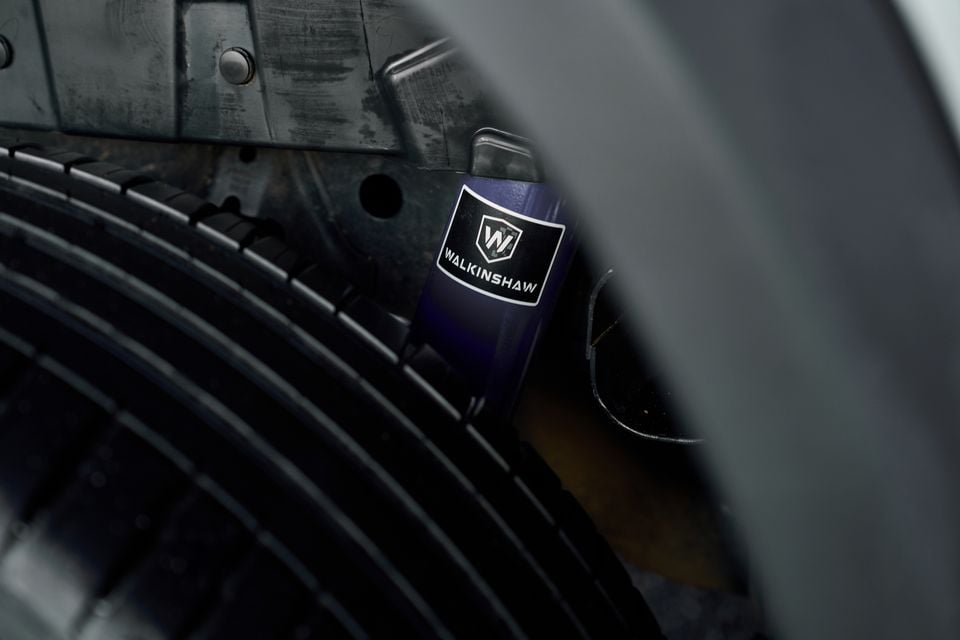
A full-size spare is still mounted underneath the tub, and poking your head below the vehicle will reveal the Lapiz Blue suspension dampers and 22mm rear sway bar.
| Dimensions | Volkswagen Amarok W600 |
|---|---|
| Length | 5350mm |
| Width | 1985mm |
| Height | 1886mm |
| Wheelbase | 3270mm |
| Tub length (at floor) | 1544mm |
| Tub width (at floor) | 1224mm |
| Tub depth | 529mm |
To see how the Volkswagen Amarok stacks up against the competition, check out our comparison tool
Mechanically, the W600 is identical to the regular Amarok TDI600. It's powered by a 3.0-litre turbo-diesel V6 producing 184kW of power and 600Nm of torque, with drive sent to a full-time four-wheel drive system via a 10-speed automatic transmission.
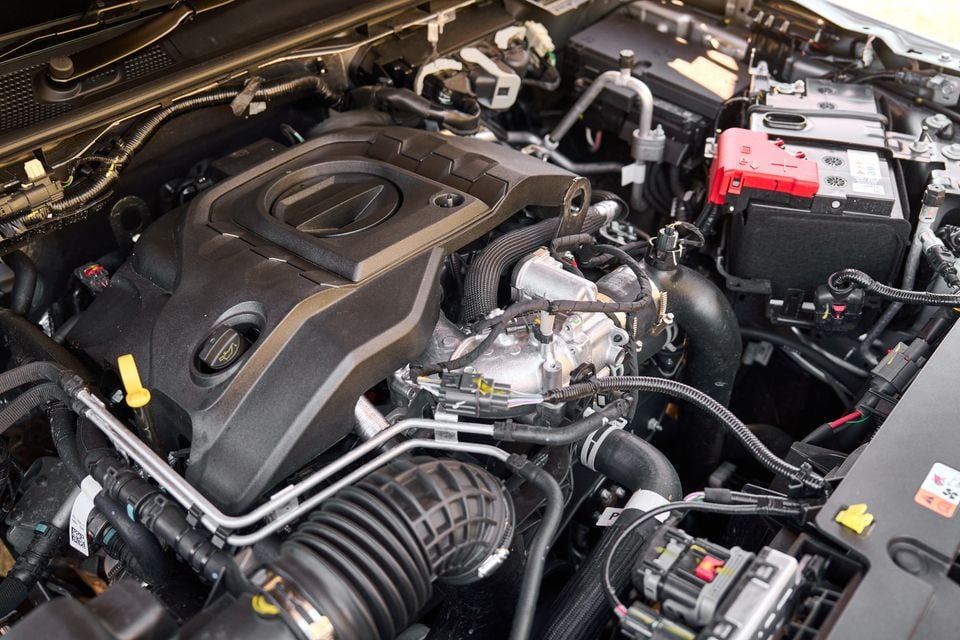
| Specifications | Volkswagen Amarok TDI600 W600 |
|---|---|
| Engine | 3.0L turbo-diesel V6 |
| Power | 184kW |
| Torque | 600Nm |
| Transmission | 10-speed auto |
| Drive type | Full-time four-wheel drive with low range |
| Fuel economy (claimed) | 8.4L/100km |
| CO2 emissions (claimed) | 222g/km |
| Fuel tank | 80L |
| Tare mass | 2396kg |
| Payload | 954kg |
| Braked towing capacity | 3500kg |
| Gross vehicle mass (GVM) | 3350kg |
| Gross combination mass (GCM) | 6400kg |
Media, including CarExpert, have been quick to ask why a sportier engine wasn't implemented, such as the 'TSI452' 2.3-litre turbocharged four-cylinder petrol engine. Volkswagen cited the diesel V6's balance between performance and ute capability (towing, payload, etc.) as a key reason why.
Indeed, the W600 has the same 3.5-tonne towing capacity as the rest of the range, while maintaining a relatively high payload of 954kg. For context, the TSI452 Style has the same towing figure, while the highest payload figure belongs to the TDI600 PanAmericana with 985kg.
But for performance context, the TSI452 2.3-litre turbo four-cylinder offers 222kW of power and 452Nm of torque. The 3.0-litre twin-turbo V6 petrol Raptor, meanwhile, produces 292kW and 583Nm, but has a reduced towing capacity of 2500kg.
We didn't get enough driving time in varied environments during Volkswagen's launch event to record a representative real-world fuel economy figure. That said, one W600 was showing a consumption figure of roughly 10.5L/100km at the event's conclusion.
To see how the Volkswagen Amarok stacks up against the competition, check out our comparison tool
For the lengthy teaser campaign and the hype built up around the W600, we expected a little more.
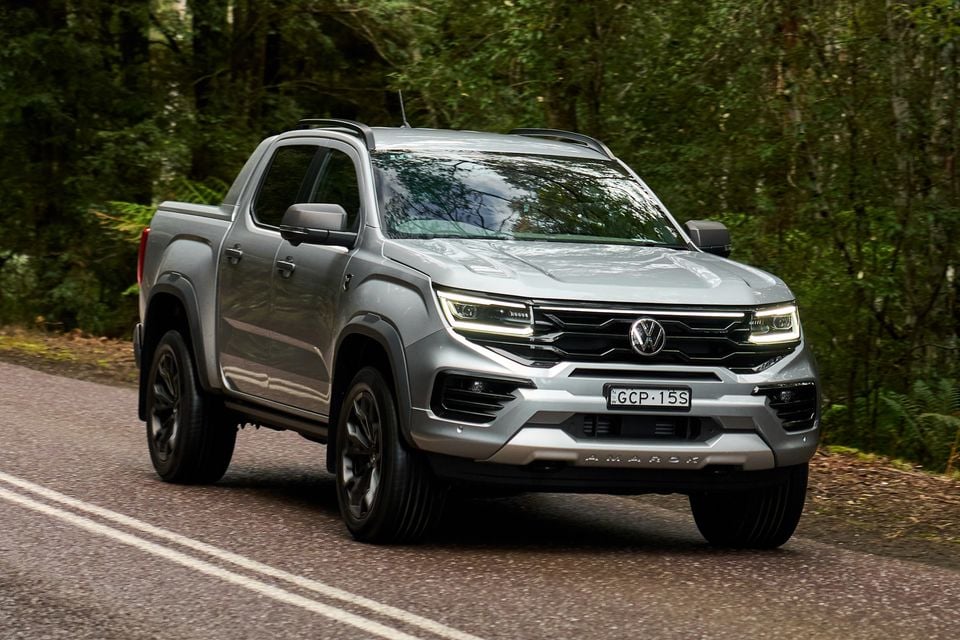
Don't get us wrong – it's fundamentally a good ute, and the Amarok is a very strong platform to have started with. Media have long regarded this and the Ranger as the dual-cab segment leaders for comfort and refinement, so it's logical to think that it could benefit from sharper handling as well.
And that's exactly what the W600 provides. It's an evolution of a ute that was already quite good on the road, and the changes that Walkinshaw has implemented are immediately obvious once you start moving.
The firmer suspension setup makes it feel confident and planted, a trait that directly contradicts the wobbly character of most ladder-frame dual-cabs. When the bends arrive, the W600 behaves with such composure that you practically have to rewire your brain to get the most out of it.
We're confident there's no other dual-cab with as little body roll as the W600, allowing it to carry serious speed down twisty roads where other utes have to drop well below the speed limit. It's also a bizarre sensation to hurtle towards a hairpin bend in a tall ute, but you can trust it'll stick.
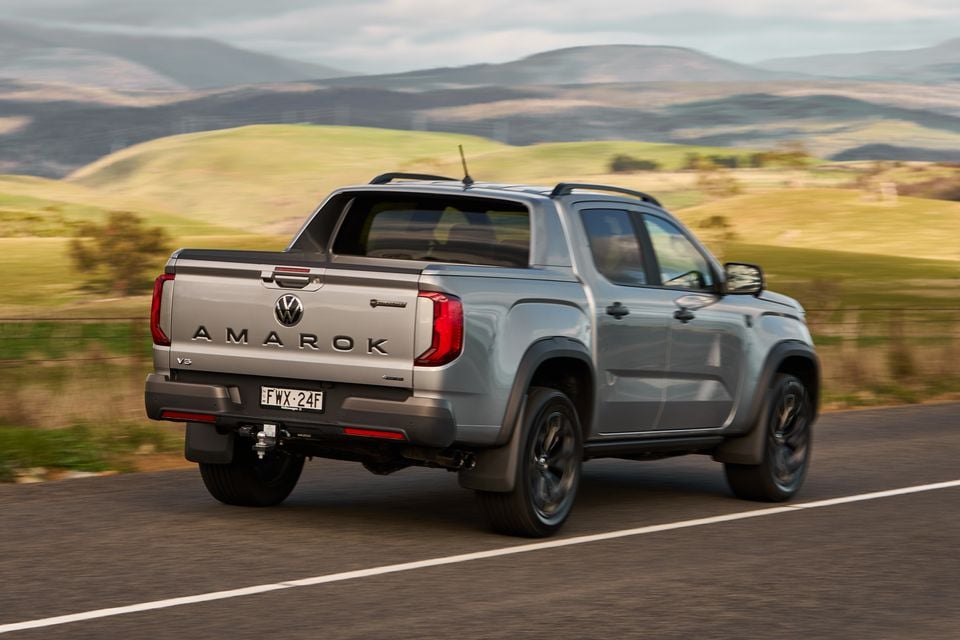
We do not doubt that this is in no small part thanks to the new rear sway bar. Contrary to some previous reports, the W600 does retain a front sway bar, and it's clear Walkinshaw's new 22mm rear bar works very well with Volkswagen's factory hardware. The vehicle feels incredibly well-balanced.
There's also the Michelin rubber, specifically the Pilot Sport 4 SUV tyres that are proven to be a quality set of boots. It takes a fair bit to find the limit of traction, even if understeer is, of course, still possible, yet strong cornering grip remains an undeniable highlight.
Rounding it off is good steering, which is nicely weighted and communicative enough for this application. There's no issue placing the car on the road, and you generally have a good understanding of what the front wheels are doing as you steer.
Unfortunately, that's realistically all the W600 has to give. The difficulty is that while its handling is genuinely very good, the rest of the package hasn't changed enough to keep up, which will likely leave prospective buyers wanting more for the nearly $100,000 they'd be forking over.
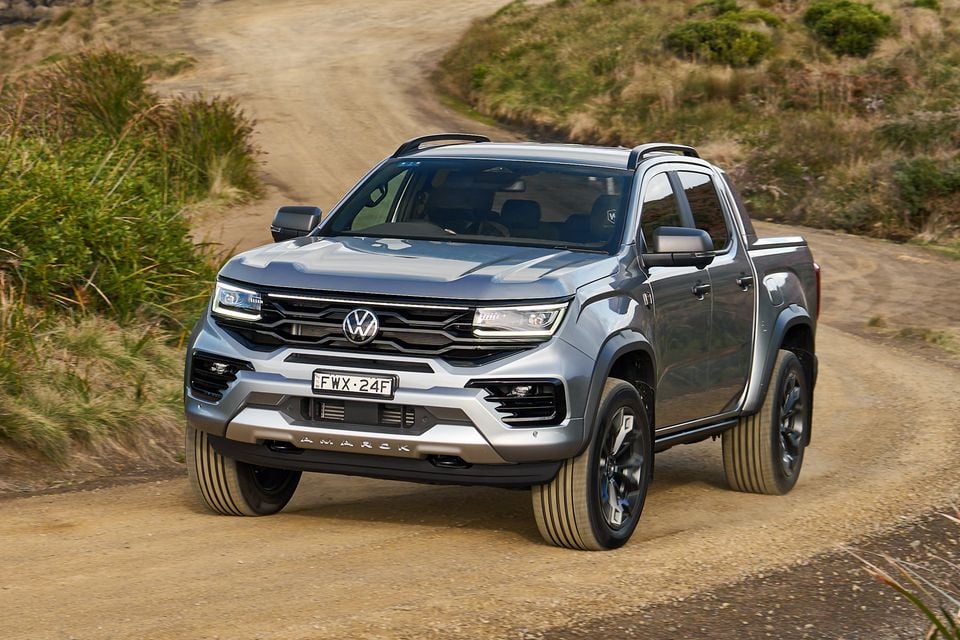
Some of those shortcomings actually arrive as a side effect of the new suspension, because the W600 has lost the compliance that makes the regular Amarok commendable. What you gain in stability and handling, you lose in ride comfort.
It's firm for normal driving, and it exacerbates the taut ladder-frame structure underneath. It certainly isn't nervous, and it seems to handle road imperfections reasonably well, but it lacks the overall quality we'd want from a vehicle at this price point.
It's possible that a true adaptive setup – as opposed to the Koni 'frequency selective dampers' that adapt to the road conditions on their own – could provide a better compromise between everyday comfort and sharp handling.
We already know that Volkswagen's Dynamic Chassis Control (DCC) adaptive suspension setup available on other models is genuinely very good, and it could be a worthwhile addition to this particular Amarok. We daren't think of what that could do to its price tag, though.
If this is the car for you, we’ll compare offers from trusted dealers, handle the back and forth and manage your purchase from enquiry to delivery.
But arguably our biggest bugbear concerns the engine. It's a shame Volkswagen opted for the diesel V6, because while it's true to the first iteration of the Walkinshaw Amarok, it doesn't fit the sporty character that the W600 is going for.
Like the base Amarok, the V6 is a great powerplant straight out of the box. It's punchy, good at 'ute stuff', and one of the main reasons you'd buy a Ranger or Amarok in the first place – but no one has ever called it a performance engine.
Off the line, it pulls away with decent force. The 600Nm of torque is no small amount, and it can easily overpower rear-wheel traction if you're particularly sharp on the throttle. Switching to the full-time '4A' four-wheel drive mode helps with overall traction, which remains a drawcard of this platform.
It just lacks that lively, sports-car character that makes you want to lay on the throttle with the windows down on a wide-open road. We're not asking for an HSV-style V8 or the Raptor engine, but something with a bit more life, like the TSI452 2.3-litre turbo-four, would've been tremendous.
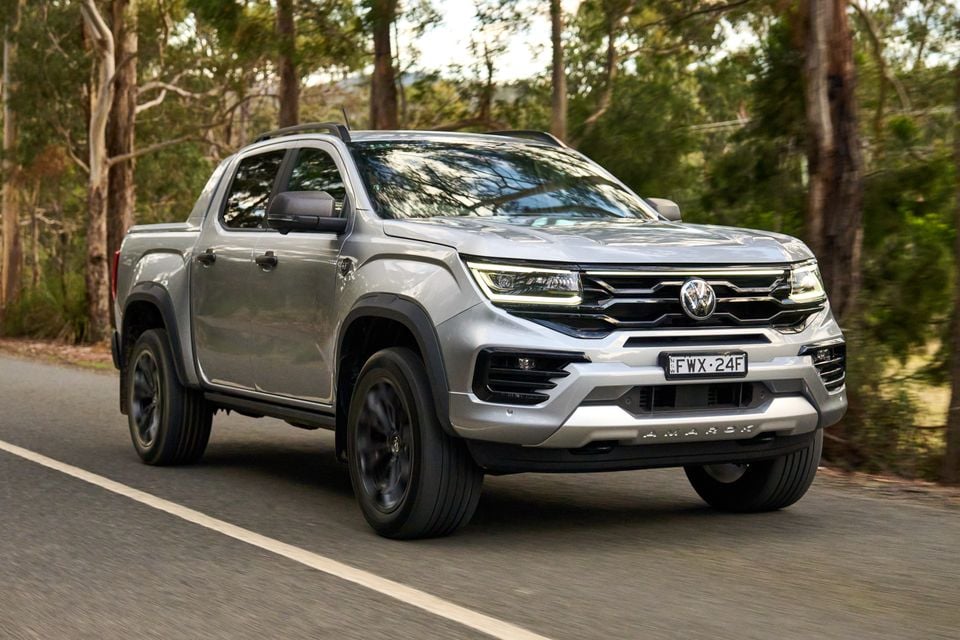
At least the dual-tip side-exit exhaust – a dual-pipe setup from only the resonator back – gives the clattery diesel a slightly meatier sound, which we found to be quite tasteful volume-wise.
Then there are the brakes, which haven't been upgraded as part of the Walkinshaw conversion. While that doesn't sound ideal, the truth is that they're fine and seemed to hold up well to slightly harder driving. Fixed calipers are still better for any sporty application, and a brake upgrade is something the W600 could get in the future.
Everything else is as good as the Amarok ever was. The 10-speed transmission remains a good partner for the V6, as it can maintain ideal RPM for torque while shifting smoothly and consistently. It may still take a second to kick down when accelerating, and it can be fairly busy as it rows through the gears.
We also feel the W600 could do with a dedicated 'Sport' mode to whip the transmission into shape for performance-oriented driving. We're told that this is something Volkswagen wanted but couldn't make happen – apparently Towing mode is a good compromise for holding gears longer.
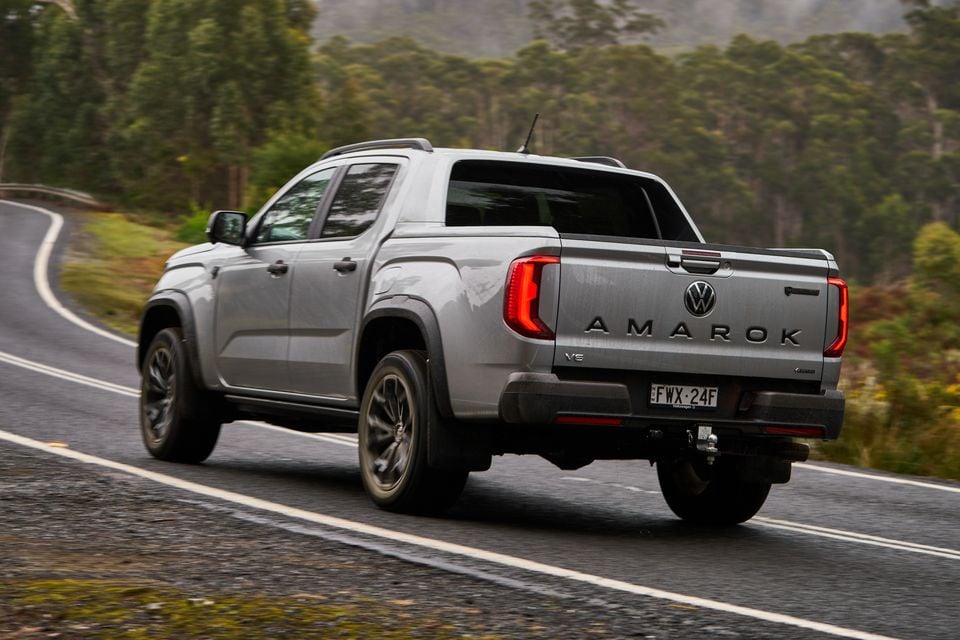
Refinement remains solid, with road noise well managed. Keep in mind that these 20-inch alloys aren't the largest wheels available across the Amarok lineup, and the other large-wheeled grades get slightly noisier all-terrains.
As for the safety tech, there has been no compromise. No safety systems make themselves known, except for the lane-keep assist that'll gently tug at the wheel if you get too close to the lane markings. Even then, it's easy to disable.
So, in simplest terms, the W600 is a very sharp ute and – in our opinion – by far the segment leader for handling. We just think there's more potential here, much of which could be unlocked by a different engine with far sportier intent.
| Off-road dimensions | Volkswagen Amarok W600 |
|---|---|
| Track front and rear | 1660mm |
| Ground clearance | 237mm |
| Approach angle | 30.0º |
| Departure angle | 25.6º |
| Ramp breakover angle | 22.0º |
| Wading depth | 800mm |
To see how the Volkswagen Amarok stacks up against the competition, check out our comparison tool
There are now five trim levels in the Australian Amarok lineup.
2027 Volkswagen Amarok Style equipment highlights:
Amarok Dark Label adds:
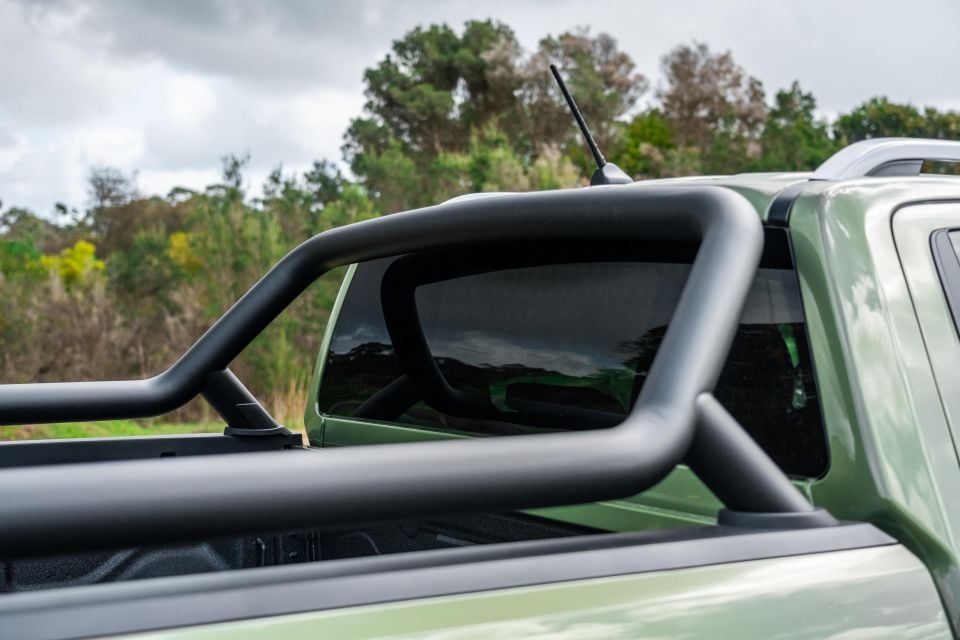
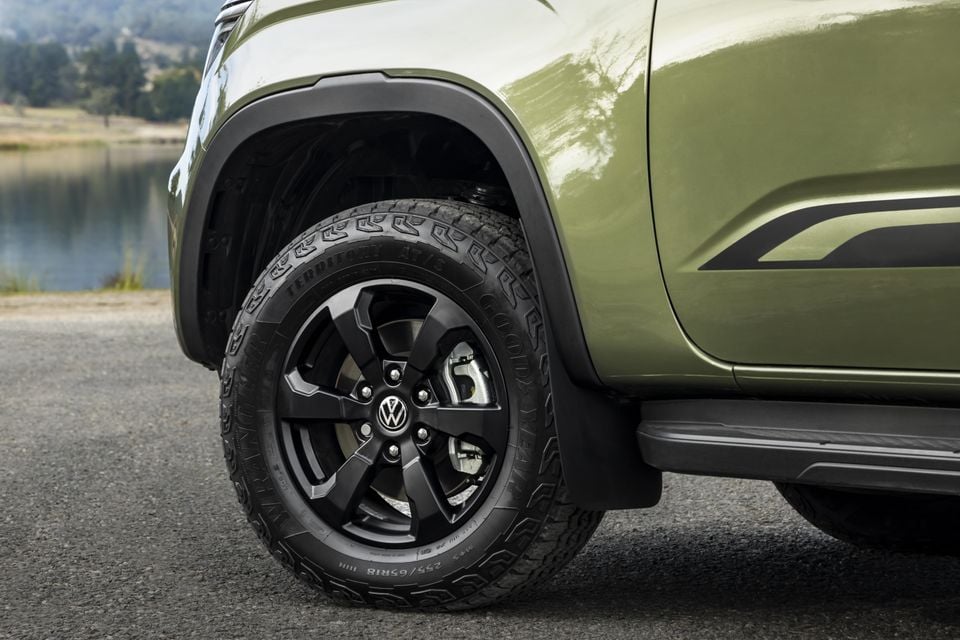
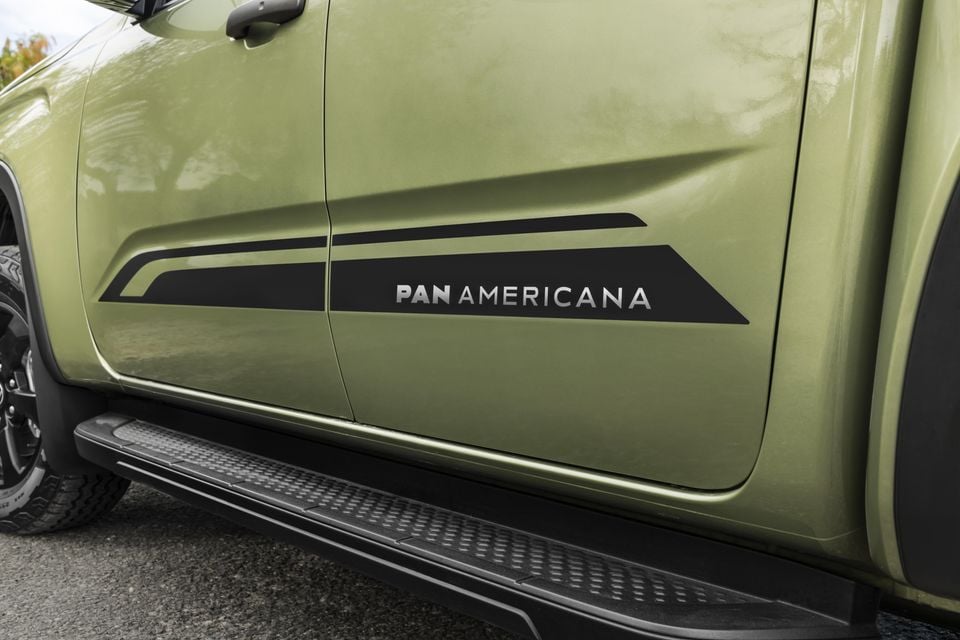
Amarok PanAmericana adds (over Style):
The PanAmericana removes the tub's 12V power socket.
Amarok Aventura adds:
Amarok W600 adds:
The W600 removes the heated steering wheel.
There are just a handful of options available across the Amarok range, along with a vast assortment of general ute accessories. It's worth visiting a dealer for information on those accessories.
2027 Volkswagen Amarok options:
Metallic paint options command a $1100 premium.
To see how the Volkswagen Amarok stacks up against the competition, check out our comparison tool
The Volkswagen Amarok has a five-star ANCAP safety rating based on testing conducted by Euro NCAP in 2022, as well as local testing of the Ford Ranger. Volkswagen Australia has confirmed this rating also applies to the W600.
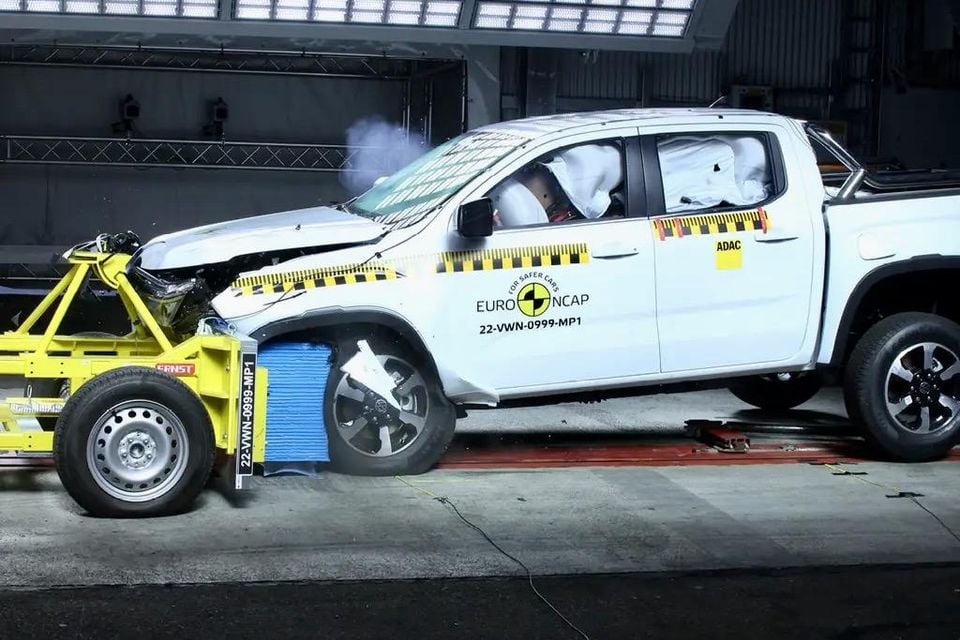
| Category | Volkswagen Amarok |
|---|---|
| Adult occupant protection | 86 per cent |
| Child occupant protection | 93 per cent |
| Vulnerable road user protection | 74 per cent |
| Safety assist | 83 per cent |
Standard safety equipment highlights:
To see how the Volkswagen Amarok stacks up against the competition, check out our comparison tool
Volkswagen Australia backs its range with a five-year, unlimited-kilometre warranty. Servicing for the Amarok is required every 12 months or 15,000km, whichever comes first.
| Servicing and Warranty | Volkswagen Amarok |
|---|---|
| Warranty | 5 years, unlimited kilometres |
| Roadside assistance | 12 months |
| Service intervals | 12 months or 15,000km |
| Capped-price servicing | 5 years |
| Average annual service cost | $772.80 |
| Total capped-price service cost | $3864 |
Volkswagen's individual service costs are detailed below:
| Service | Price |
|---|---|
| 12 months, 15,000km | $665 |
| 24 months, 30,000km | $687 |
| 36 months, 45,000km | $858 |
| 48 months, 60,000km | $989 |
| 60 months, 75,000km | $665 |
Its total capped-price service cost of $3864 is more expensive than that of the D-Max, for which Isuzu outlines a five-year service cost of $2245.
Ford's servicing is cheaper still, as it offers a five-year service pack for the Ranger Raptor that costs $1596.
It's worth mentioning, however, that Volkswagen currently offers a prepaid five-year service plan for the Amarok that costs $3200.
To see how the Volkswagen Amarok stacks up against the competition, check out our comparison tool
The idea behind the Amarok W600 is solid: tap into an on-road-focused niche that most ute manufacturers avoid in favour of off-road capability. That's what the W580 did, and the W600 appears to have met the same brief comfortably.
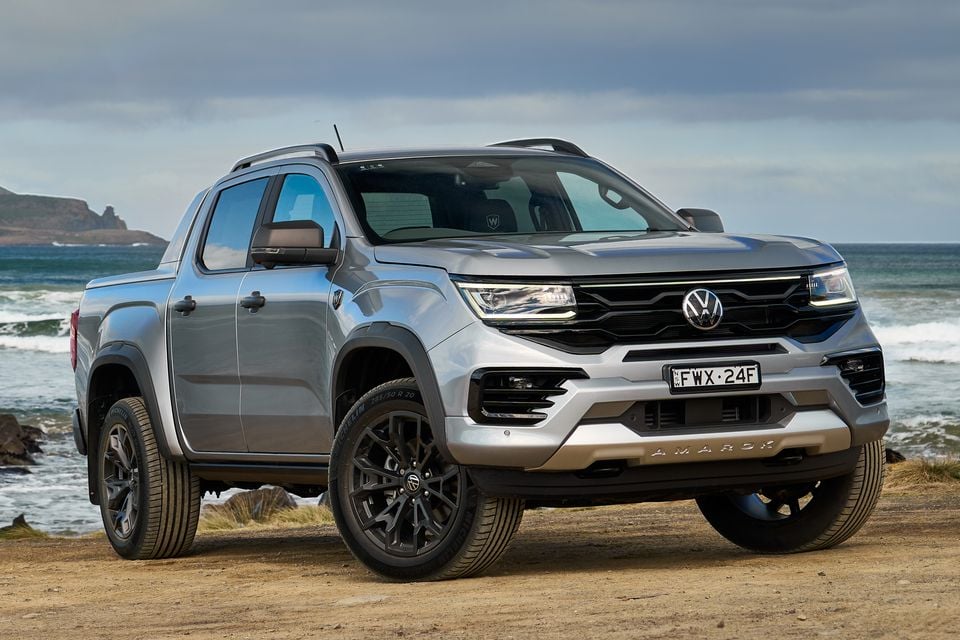
There's no denying it's the best-handling ute now on the market, even if that isn't a particularly high bar. It's also good to see that Volkswagen continues to trust Walkinshaw's process, as automotive projects conceived and delivered in Australia will always earn extra brownie points.
But there are issues. The handling-focused setup has compromised the Amarok's general ride quality, and we found it very firm in normal driving. This is particularly noticeable in a vehicle like the Amarok, which is generally considered to be quite comfortable by ute standards.
Then there's the engine, which – try as we might – doesn't feel like it fits the character the W600 is angling towards. The V6 just doesn't have the lively, slightly wild energy we'd want from any sporty vehicle; it's a great engine, but it's still a commercial engine.
Our biggest sticking point, however, is the price. There's no getting around the fact that it's now Australia's most expensive mid-size dual-cab, outdone by only the heavy-duty Ranger Super Duty, without offering a full bevy of equipment to back it up.
It's impossible not to mention the Raptor in that context, because that has the same underpinnings but goes a lot further with its performance-oriented enhancements, yet still manages to be priced lower than the W600.
Of course, this Amarok does still have its strengths. We've already mentioned its fantastic handling, but it's important to remember that its changes haven't compromised on its ute capabilities: it can still carry a lot, and it can still tow – we'd dare say better than a Raptor.
It therefore seems the W600 is at an impasse. It wants to be a sporty vehicle, and the modifications necessary to achieve that aspiration have been implemented to good effect. It just gets caught between trying to be a 'performance ute' while still being good at 'ute things'.
If it were up to us, we'd go all-in on the performance angle by throwing in the TSI452 petrol engine, and leaving the regular Amarok V6 for the majority of buyers who need its commendable ute capability.
CarExpert can save you thousands on a new Volkswagen Amarok. Click here to get a great deal.
Click the images for the full gallery
If this is the car for you, we’ll compare offers from trusted dealers, handle the back and forth and manage your purchase from enquiry to delivery.
Quickly see how this car stacks up against its competition. Select any benchmark to see more details.
Volkswagen Amarok
Volkswagen Amarok Sales rolling 12-months#
*Based on VFACTS and EVC data
Looking for complete Volkswagen Amarok price history?
Our Volkswagen Amarok Pricing Page shows exactly how prices have changed over time.
2025
$61,111
2025
$65,231
2025
$74,501
2025
$75,789
2026
$79,909
2026
$84,286
2026
$85,316
2025
$85,316
2025
$86,346
2026
$89,436
2026
$98,706
Max Davies is a CarExpert journalist with a background in regional media, with a passion for Japanese brands and motorsport.
Add CarExpert as a Preferred Source on Google so your search results prioritise writing by actual experts, not AI.
Alborz Fallah
1 Hour Ago

Damion Smy
8 Hours Ago

Ben Zachariah
18 Hours Ago
Damion Smy
1 Day Ago
Damion Smy
2 Days Ago
Damion Smy
2 Days Ago
Add CarExpert as a Preferred Source on Google so your search results prioritise writing by actual experts, not AI.
# Based on VFACTS and EVC data
† Displayed prices are based on the drive-away price of the vehicle, which includes delivery charges, registration fees, number plates, and applicable road taxes, based on a Sydney location. However, prices may vary between states and territories, and additional costs such as compulsory third party (CTP) insurance, dealer delivery fees, and optional extras are not included. These prices are subject to change without notice and may not reflect current market pricing or dealer offers.
 Automotive Vehicle Spec Data & 4K images Powered by JATO Dynamics Ltd