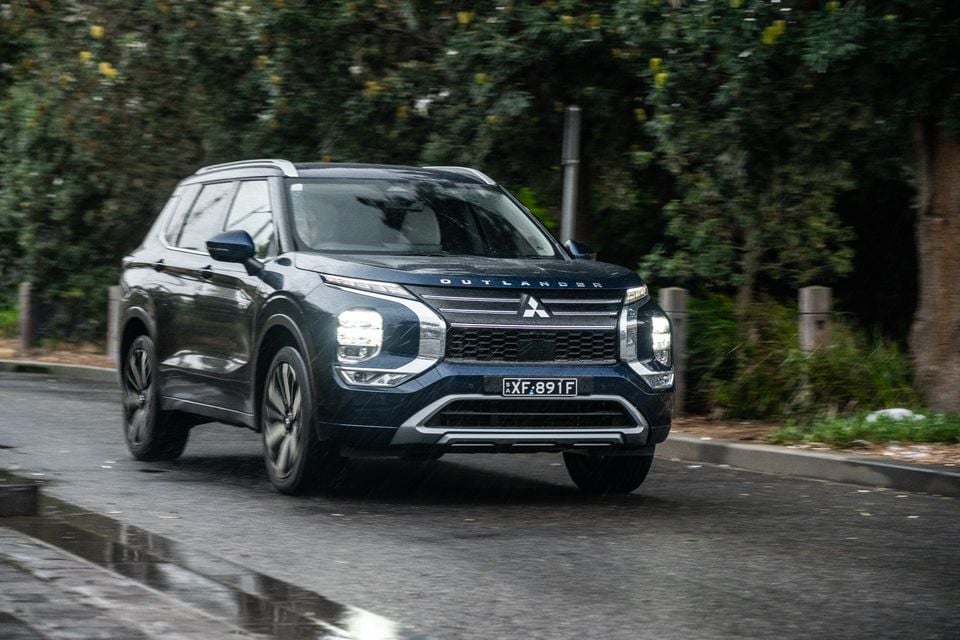
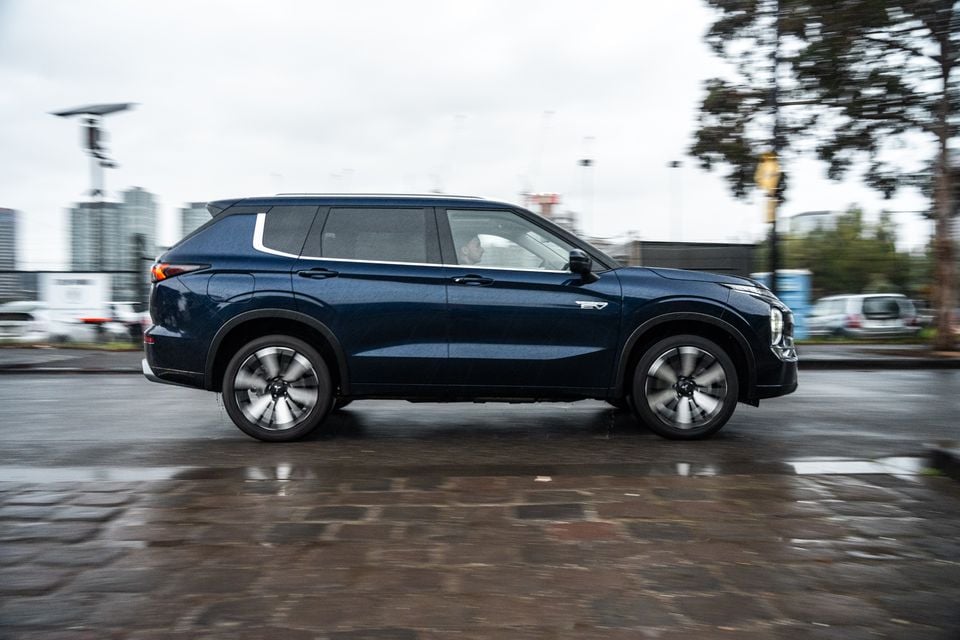
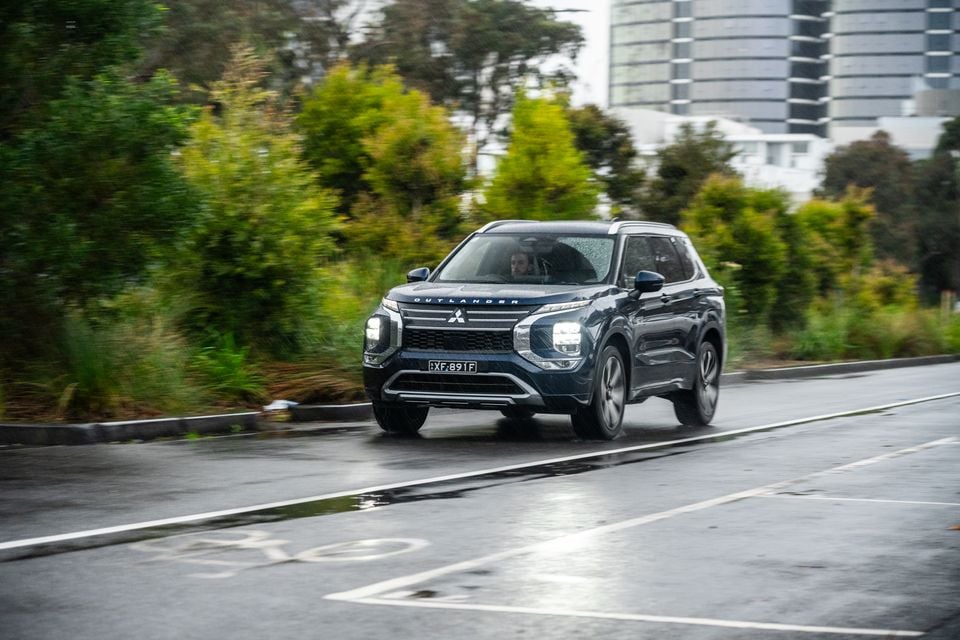
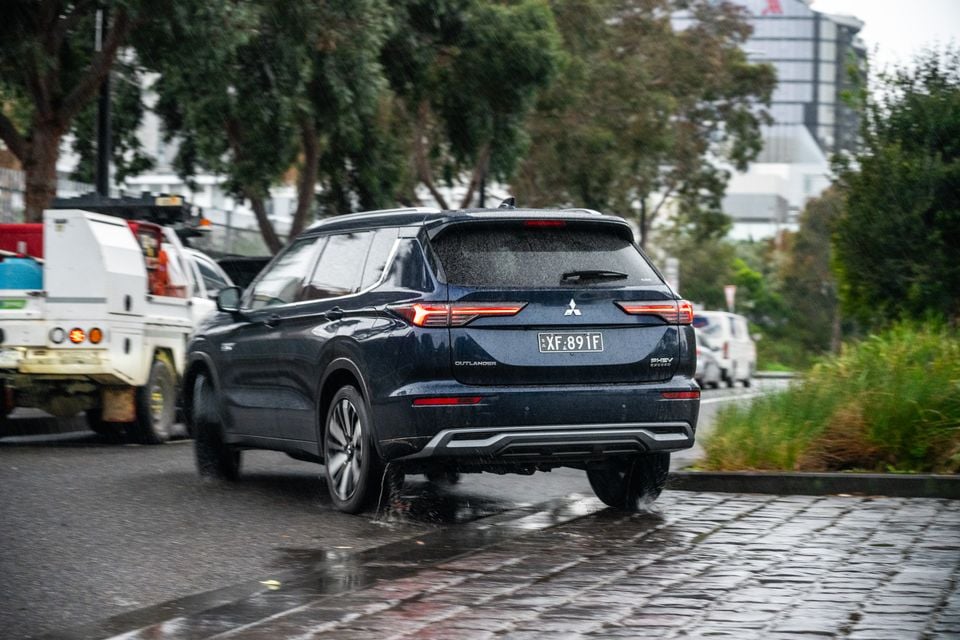
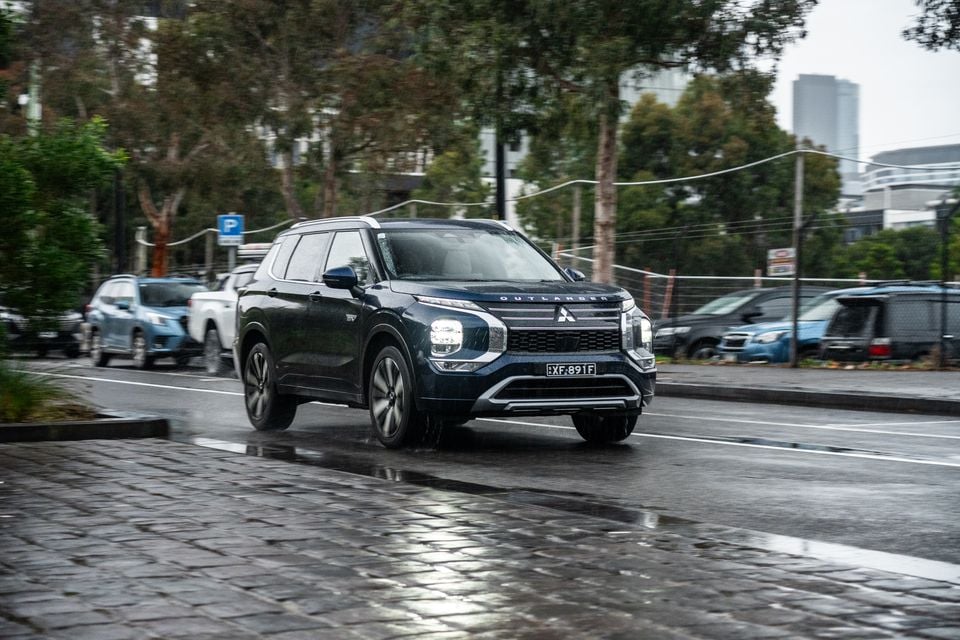
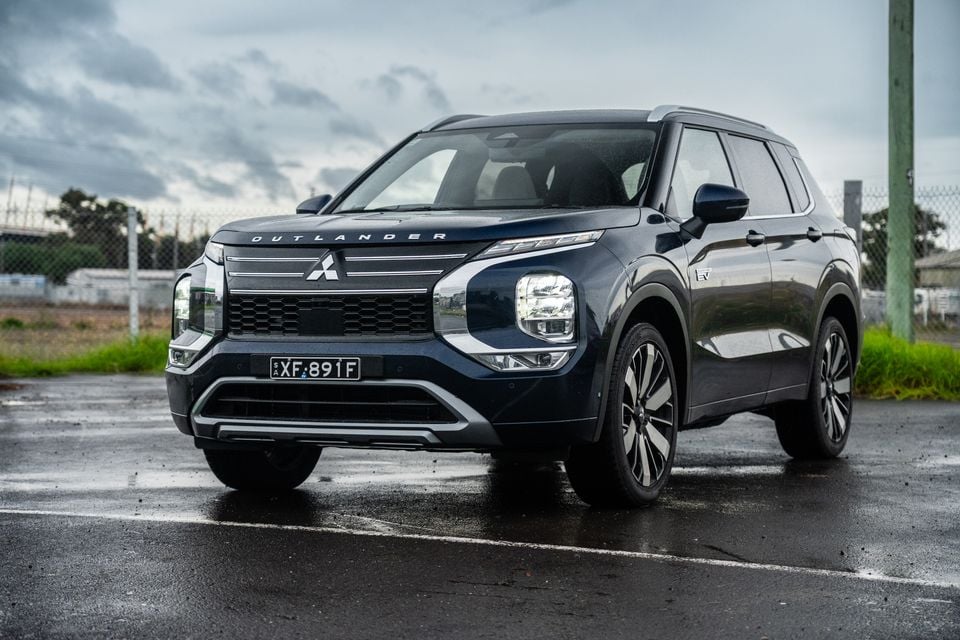
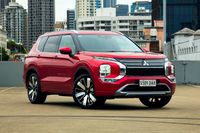
Mitsubishi has treated its beloved Outlander Plug-in Hybrid EV (PHEV) to an update for 2026, but blink and you might miss it.
That's because almost all the changes have taken place under the skin. Notably, the electrified mid-size SUV has received a new suspension and steering tune developed on regional roads outside Adelaide, much like the treatment applied to the non-PHEV Outlander range from 2025.
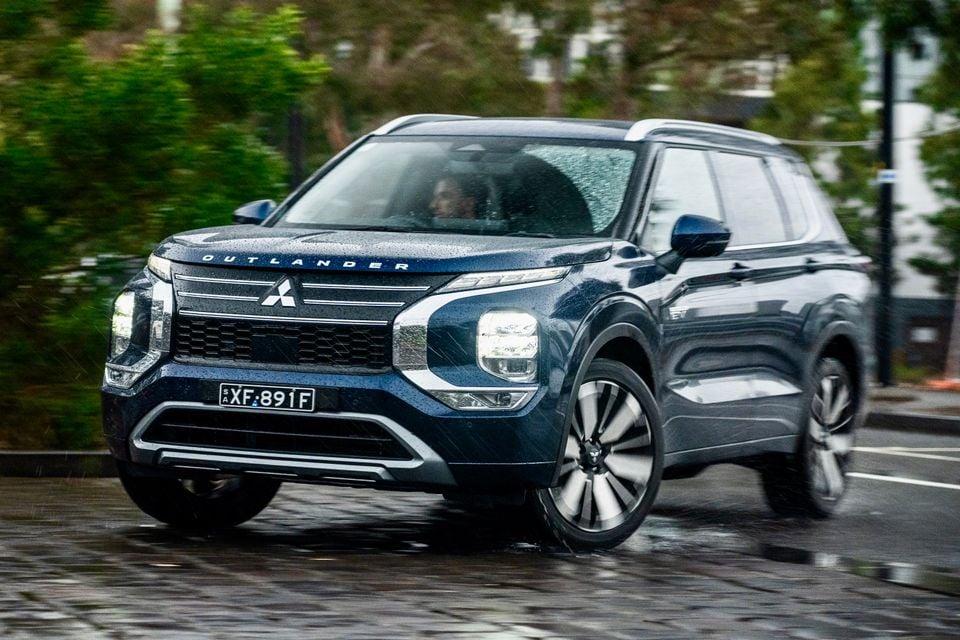
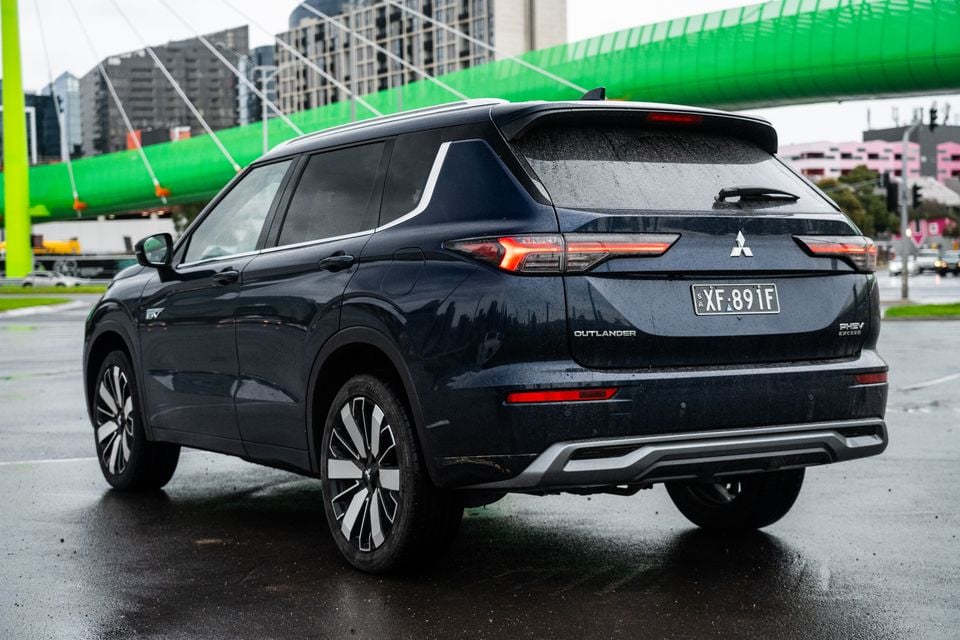
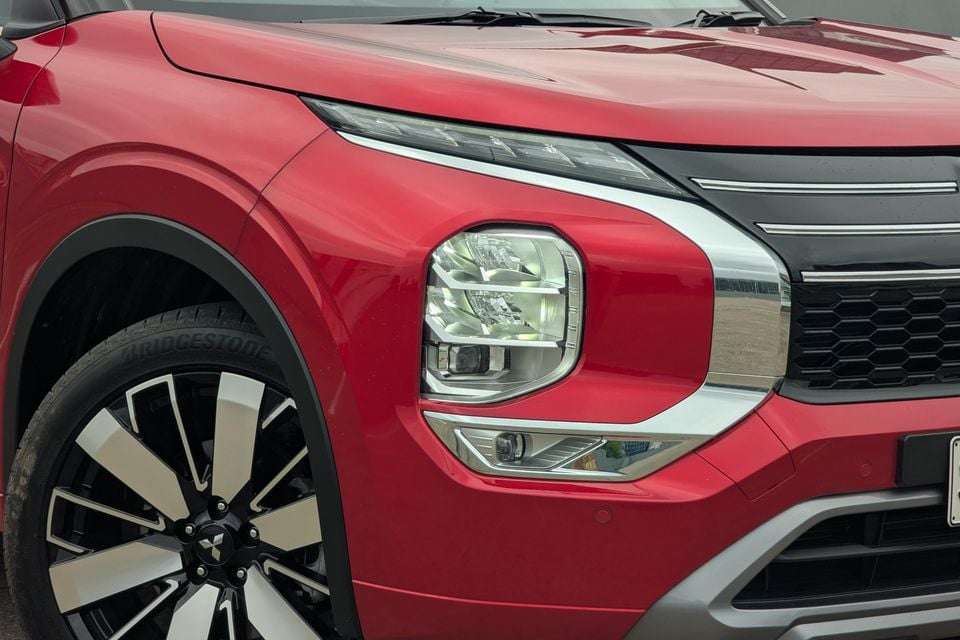
Mitsubishi has also revised the popular SUV's body materials to improve cabin noise insulation, updated the infotainment system to include connected services, and tweaked standard specifications across the range. There's also a new 20-inch alloy wheel design.
But the most important upgrade involves the Outlander's hybrid system. A new 22.7kWh lithium-ion battery pack has been fitted to feed two electric motors, providing an increased electric-only driving range of 103km according to the relatively lenient NEDC test – up from 84km previously.
Total system power output has also increased to 221kW, up by nearly 40kW, while retaining the same 450Nm of torque. At the heart of it all is still a non-turbo 2.4-litre four-cylinder petrol engine and a single-speed automatic transmission, with all-wheel drive standard.
The updates have resulted in price rises across the board, with a $2350 increase applied to the 2026 Mitsubishi Outlander PHEV Exceed on test here. Even so, these are some very timely changes for the Japanese brand.
Mitsubishi became somewhat of a plug-in hybrid pioneer when it launched the Outlander PHEV in Australia in 2014, but times have changed. A swarm of PHEVs have since arrived locally – particularly from Chinese brands – that broadly offer greater EV capability and value.
Even other Japanese brands like Mazda and Toyota have rolled out their takes on the PHEV SUV formula, making the plug-in hybrid SUV segment more competitive than ever. The Outlander PHEV has survived through it all, and these updates should help it find it more customers.
Has Mitsubishi done enough?
How much does the Mitsubishi Outlander cost?
The PHEV Exceed is the penultimate grade in the broader Outlander lineup, priced at $71,640 before on-road costs. That's $2350 more than its price 12 months ago.
| Model | Price before on-road costs |
|---|
| 2026 Mitsubishi Outlander ES 2WD 5-seat | $39,990 |
| 2026 Mitsubishi Outlander ES 2WD 7-seat | $42,540 |
| 2026 Mitsubishi Outlander ES AWD 5-seat | $43,240 |
| 2026 Mitsubishi Outlander LS 2WD 7-seat | $44,040 |
| 2026 Mitsubishi Outlander Black Edition 2WD 7-seat | $45,490 |
| 2026 Mitsubishi Outlander LS AWD 7-seat | $46,540 |
| 2026 Mitsubishi Outlander Aspire 2WD 7-seat | $48,540 |
| 2026 Mitsubishi Outlander Aspire AWD 7-seat | $51,040 |
| 2026 Mitsubishi Outlander Exceed AWD 5-seat | $55,890 |
| 2026 Mitsubishi Outlander Exceed Tourer AWD 5-seat | $58,740 |
| 2026 Mitsubishi Outlander PHEV ES AWD 5-seat | $58,990 |
| 2026 Mitsubishi Outlander PHEV Aspire AWD 7-seat | $66,790 |
| 2026 Mitsubishi Outlander PHEV Exceed AWD 5-seat | $71,640 |
| 2026 Mitsubishi Outlander PHEV Exceed Tourer AWD 5-seat | $74,490 |
Bear with us while we rattle off some cheaper Chinese alternatives.
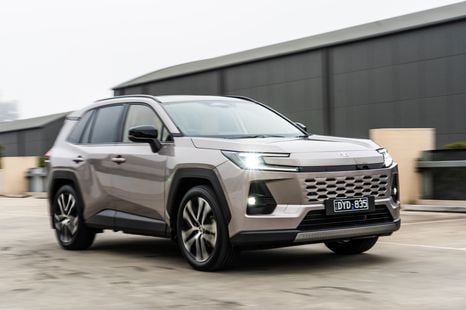
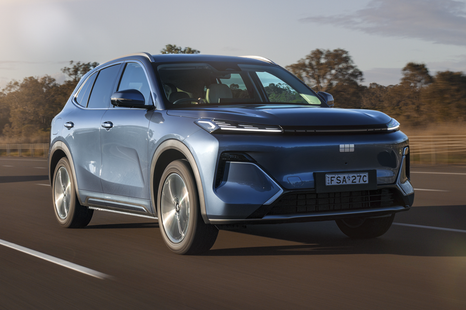
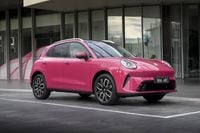
There's the Chery Tiggo 8 Super Hybrid Ultimate ($49,990 drive-away), BYD Sealion 6 Premium ($52,990 plus ORCs), GWM Haval H6 Ultra PHEV ($50,990 drive-away), Geely Starray EM-i Inspire Extended Range ($41,490 plus ORCs), and the MG HS Super Hybrid Essence ($52,990 drive-away), all of them top-spec variants.
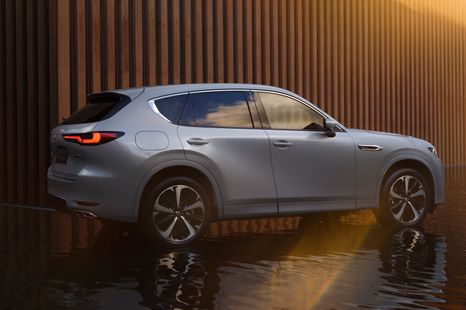
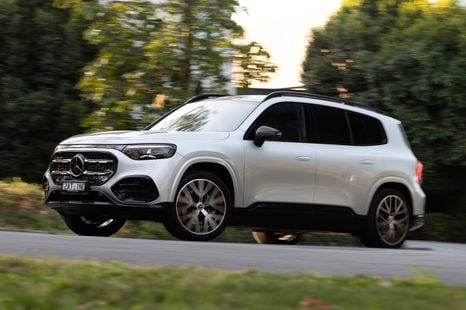
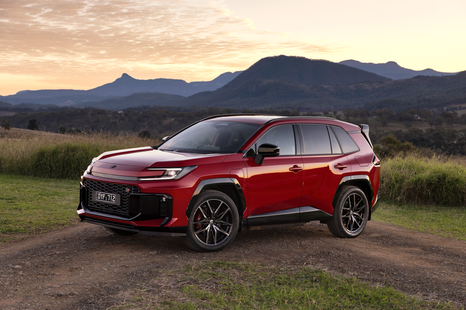
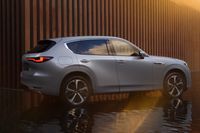
That's quite a lot of cheaper rivals, but Mitsubishi isn't alone in offering a PHEV priced above them. Mazda's CX-60 P50e is no different, and the incoming Toyota RAV4 PHEV starts at a similar price to the base Outlander PHEV.
To see how the Mitsubishi Outlander stacks up against the competition, check out our comparison tool
What is the Mitsubishi Outlander like on the inside?
There's no convincing anyone that the Outlander's interior doesn't look old compared to the cabins in most of its rivals, but there's an air of traditionalism here that some may appreciate.
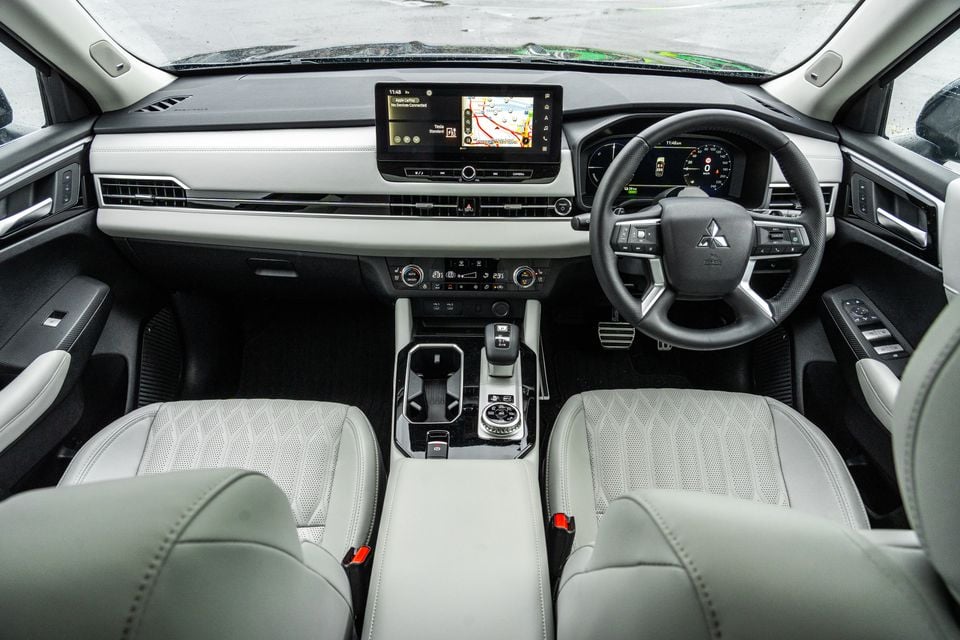
Its strength is that it's full of buttons. Unlike pretty much all of the Chinese alternatives mentioned above, the Outlander isn't overly reliant on its touchscreen and remains pleasantly old-school. That won't help it win on 'wow' factor, but still.
Find your perfect new car with CarExpert
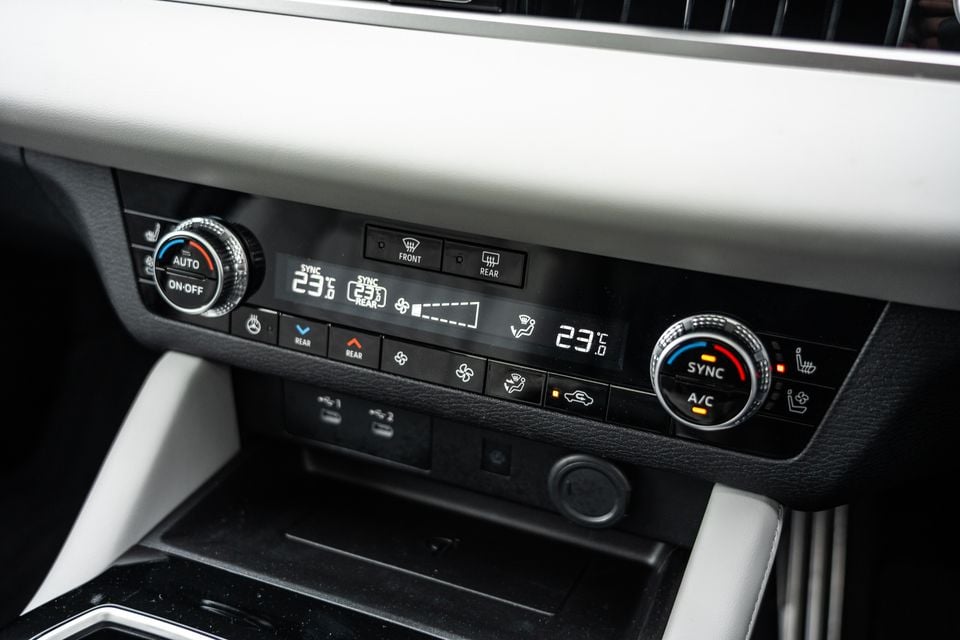
The best example of this is that the Outlander’s climate system is still controlled by an isolated physical panel, populated by an array of buttons and a couple of dials. The use of fingerprint-prone glossy black plastic is the only real downside, as the system is easy to understand at a glance.
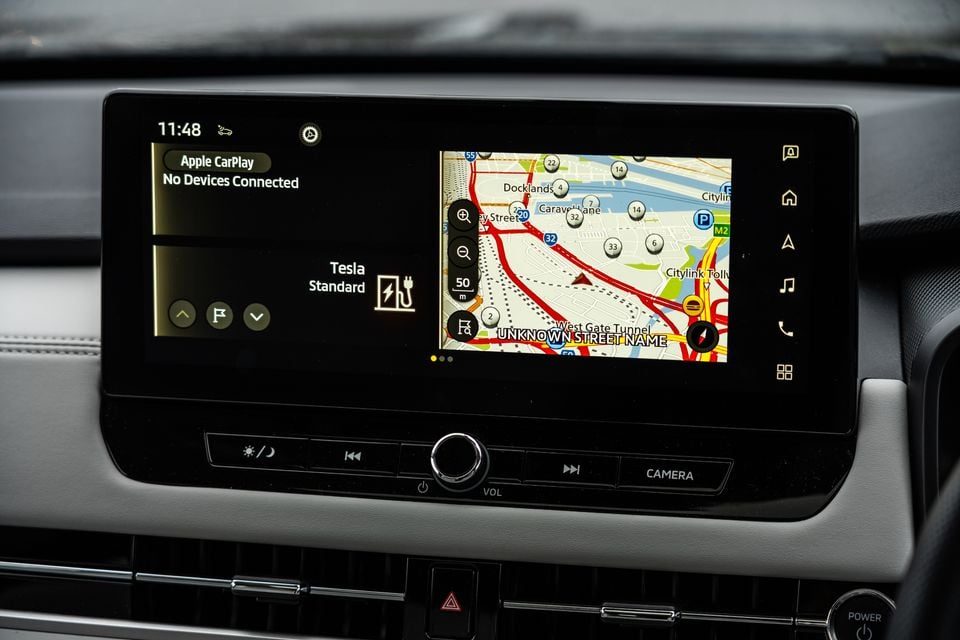
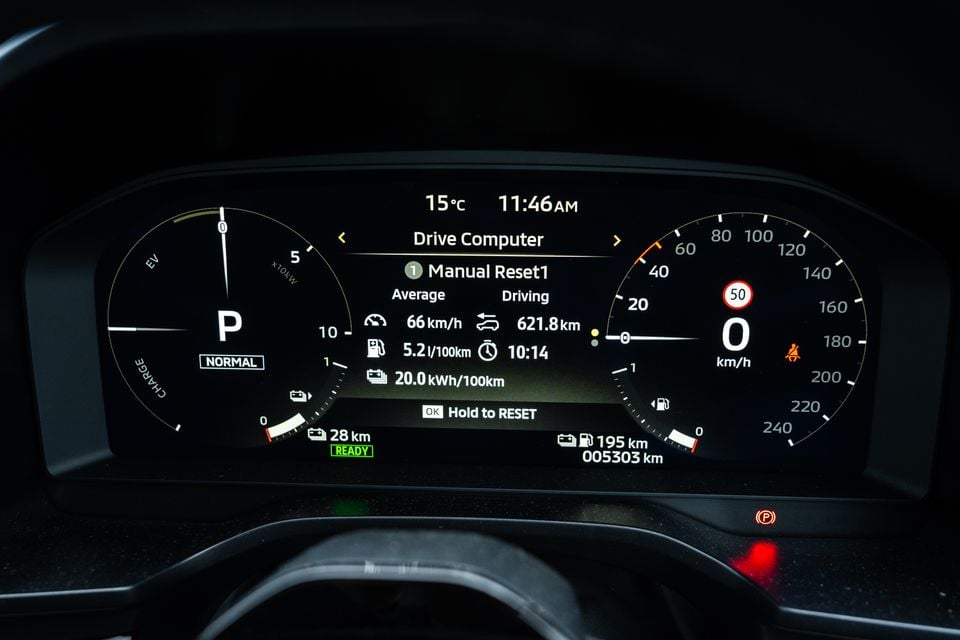
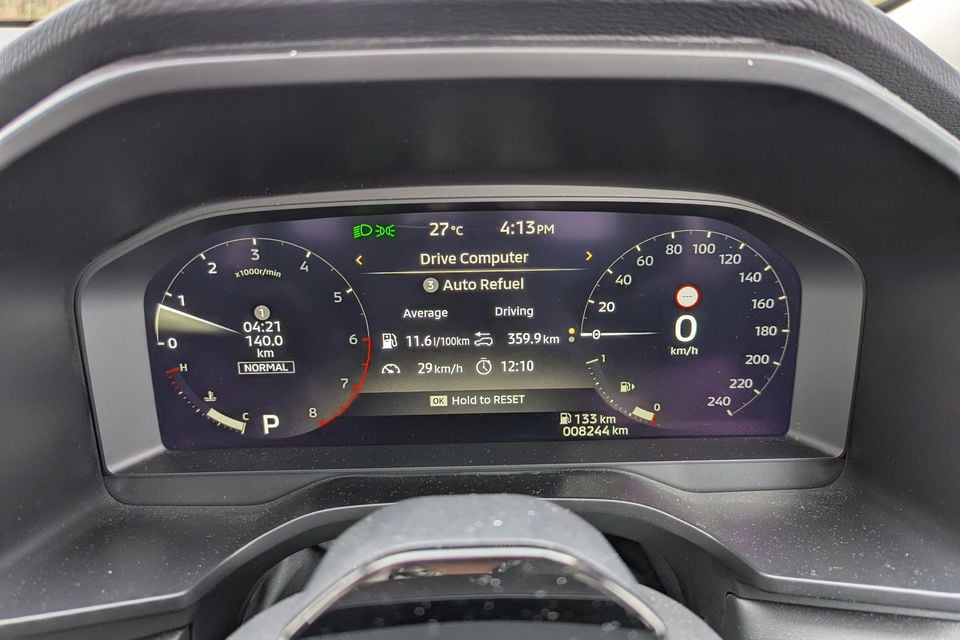
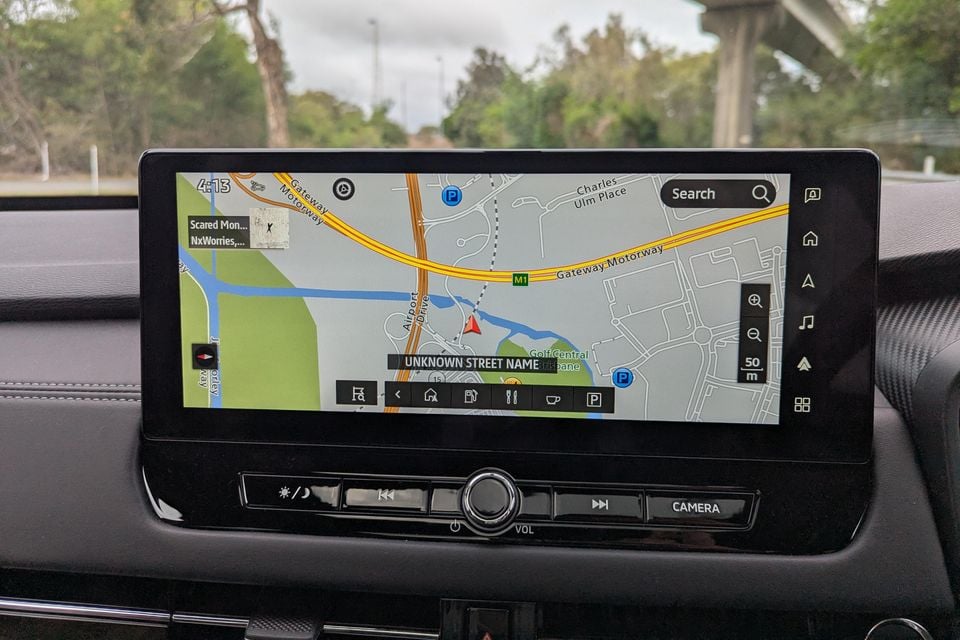
As for the Outlander's tech, all variants are fitted with 12.3-inch digital screens for the infotainment system and instrument display. Both are sharp and easy to operate, though the instrument display looks a little cluttered with so much info crammed in.
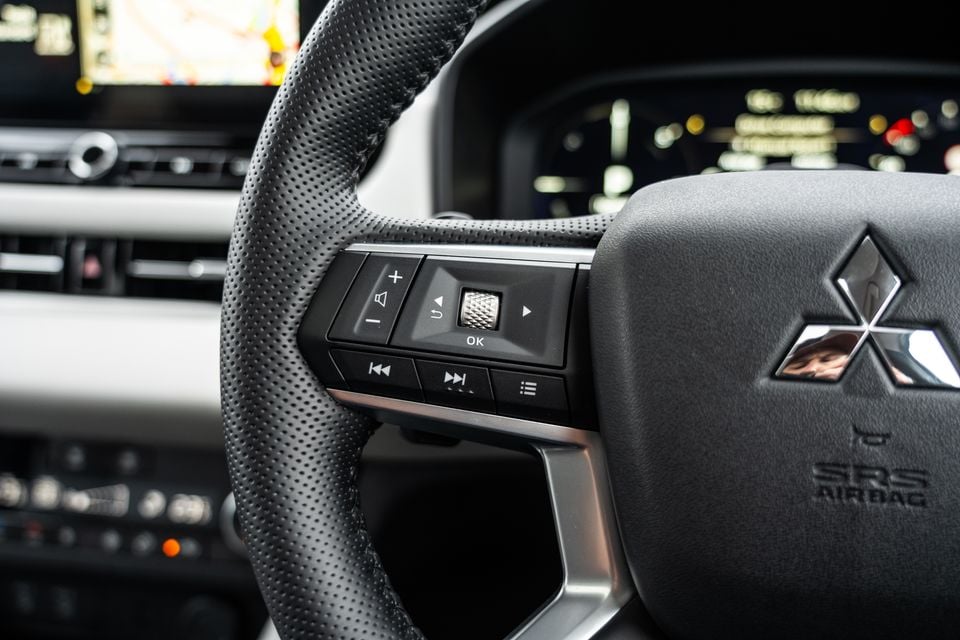
This will be less confusing after you spend time with the car, particularly once you learn which steering wheel buttons do what. There’s also a little bit of customisation available for gauge style, if that takes your fancy.
The infotainment screen, meanwhile, is responsive but graphically dated. It's borrowed from the Nissan X-Trail and is easy enough to navigate, thanks largely to the vertical shortcut ribbon on the right of the screen.
Unfortunately, this disappears if you're using any form of smartphone mirroring, but there's little need to fiddle with the car's native settings menus within the infotainment system anyway. Wireless Apple CarPlay and Android Auto are always a plus.
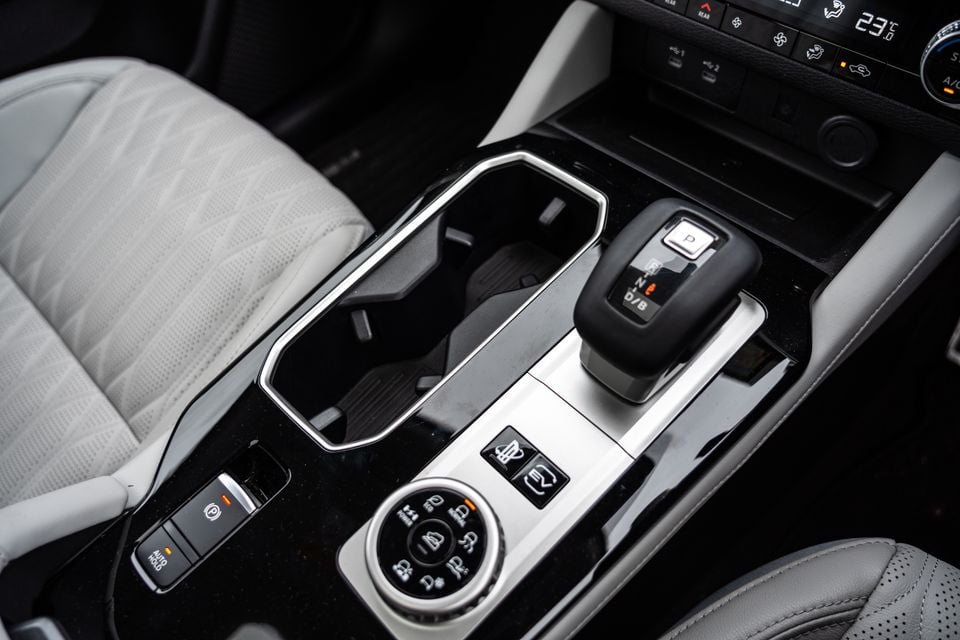
However, there's more piano-black surfacing on the physical buttons and volume dial below the screen, along with a fair bit on the centre console. This is always a complaint in high-traffic areas, as it quickly dates the interior when it gets scratched or grimy.
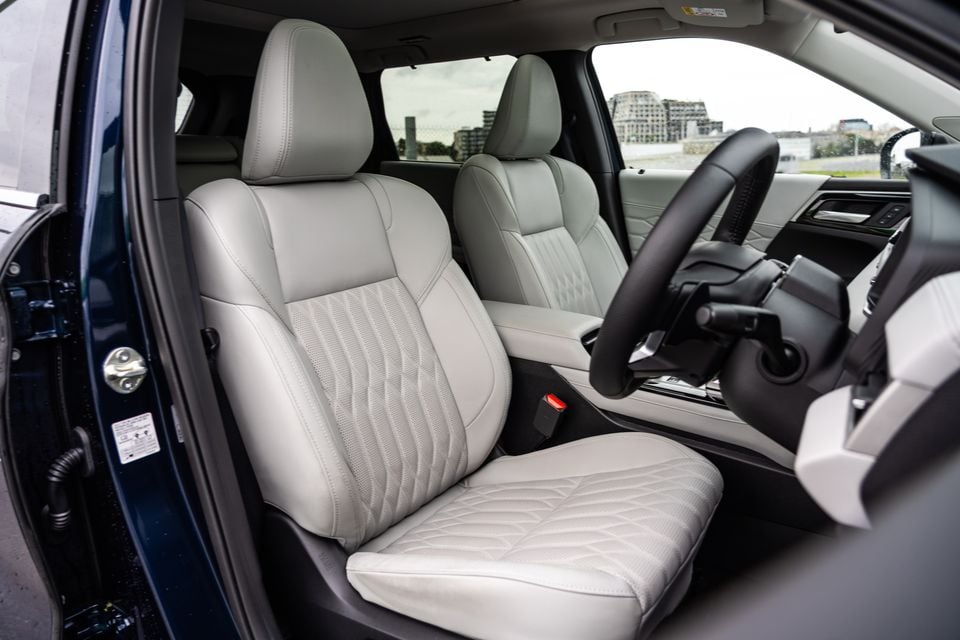
In contrast, the Outlander's touchpoints and ergonomics are on-point. Upon entry, you're greeted by the undeniably plush off-white upholstery, quilted in key areas such as the seats and door cards. This looks great, and the fact that it's optional means you can stick with black if you're worried about stains.
Then there's the steering wheel, finished in perforated leather and very chunky to match the Outlander's stature. The buttons here are finished in dull plastic and operate with a robust action, and it's generally a lovely wheel to interact with.
There's a wide range of adjustment for both the seats and tiller, making it easy to get comfortable. Seat heating and ventilation are also nice to have, though you'll have to step up to the Exceed Tourer for a massage.
Generally speaking, the Outlander's interior is comfortable and functional. Our only complaint concerns the gear selector, because it's a cheap-feeling knob that slides back and forth with an unsatisfying elastic character. It's the same story in the X-Trail, so not necessarily Mitsubishi's fault.
Storage options include a nicely sized central storage box, a passenger-side glovebox, large bottle holders in the doors, and cupholders on the centre console. There's also a single wireless phone charger with two USB-C ports nearby.
It's also worth mentioning the updated Yamaha sound system fitted across the range. All bar the flagship Exceed Tourer get a standard eight-speaker setup, which requires a little fiddling to get it singing. Once adjusted appropriately, it offers decent low-end punch while maintaining overall clarity.
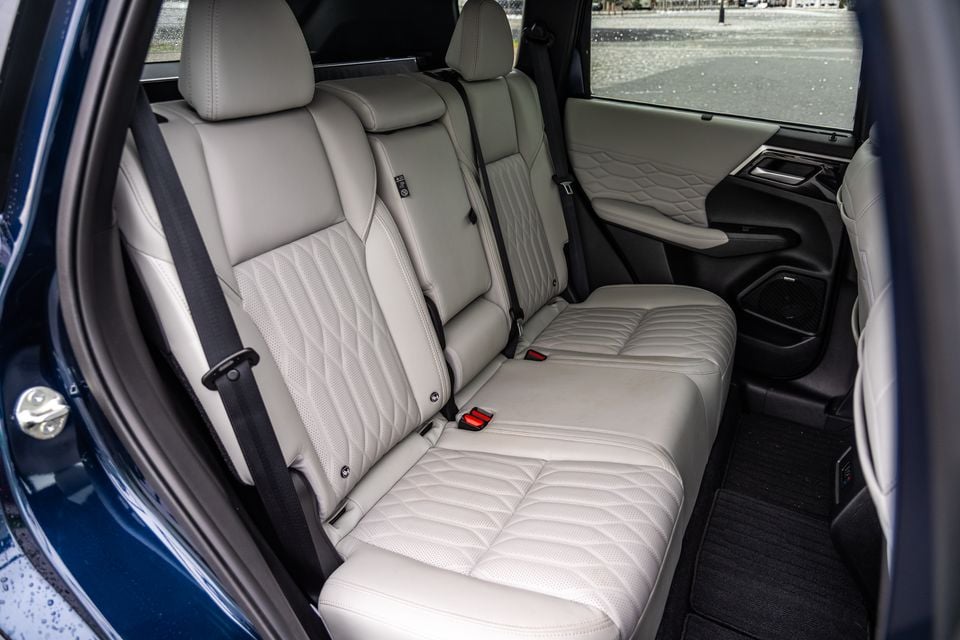
The second row offers impressive headroom and legroom. This is a product of the Outlander's boxy body, and it proves to be a very functional space, made even better by the bench seat's comfort.
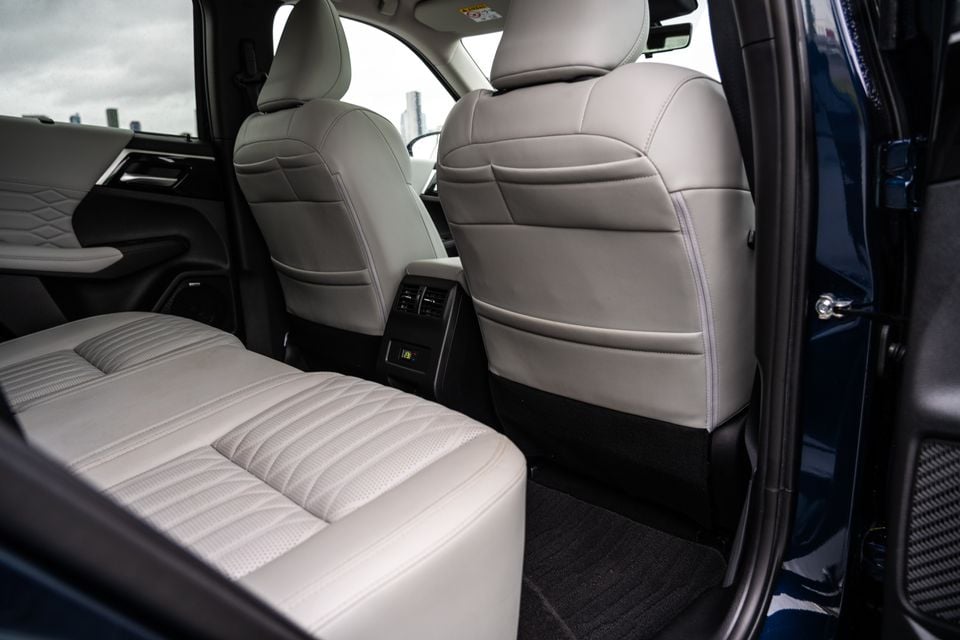
There's a simple climate control interface on the back of the centre console, along with two USB-C ports in all grades bar the base ES. These buttons are quite basic and draw attention to their scratchy plastic surrounds.
Storage-wise, there are device pockets on the front seatbacks and more traditional map pockets below. The central armrest and cupholder situation is comparatively strange, as you have to fold down the entire middle seatback to use them, leaving a gaping hole into the boot.
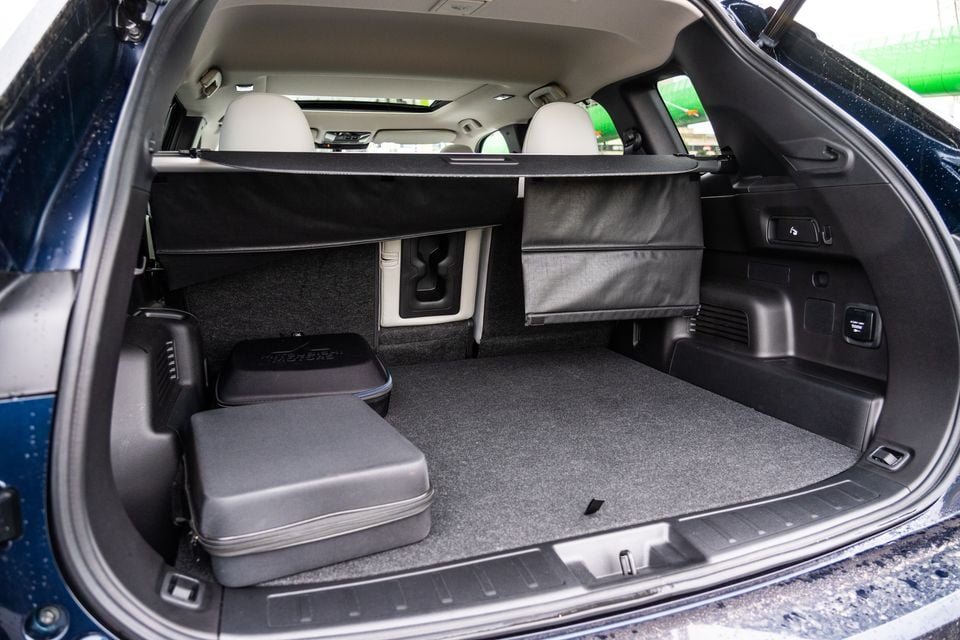
This particular grade of Outlander PHEV is not available as a seven-seater, which means you get a fairly spacious boot. It's still slightly smaller than that in petrol-only Outlanders due to the different PHEV-specific packaging, but it's still reasonably spacious.
It's worth noting that it appears slightly smaller than the boot of the RAV4 PHEV, an impression backed up by the difference in quoted capacities. Mitsubishi quotes 472 litres of space in the Outlander PHEV, while Toyota quotes 655L.
At least there's a flat load floor here, and it sits at a comfortable height for loading and unloading. There's also a power tailgate as standard, and you'll find several cargo hooks scattered throughout the interior.
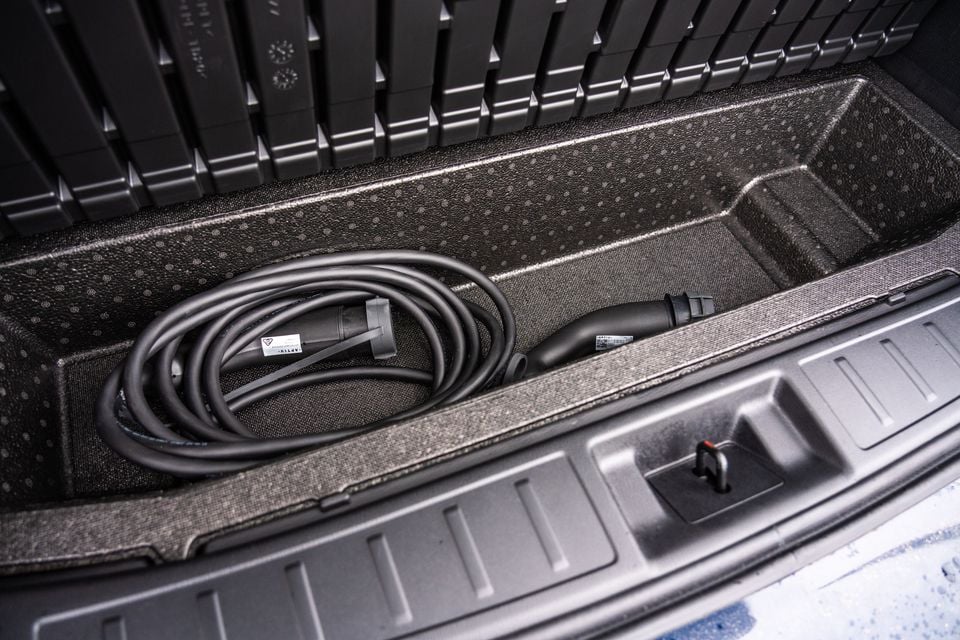
Unfortunately, Outlander PHEVs only get a tyre repair kit. Five-seat petrol-only models get a full-size alloy instead.
| Dimensions | Mitsubishi Outlander PHEV Exceed |
|---|
| Length | 4720mm |
| Width | 1862mm |
| Height | 1751mm |
| Wheelbase | 2704mm |
| Cargo capacity (VDA) | 472L (rear seats up)
1392L (rear seats folded, to roof) |
To see how the Mitsubishi Outlander stacks up against the competition, check out our comparison tool
What's under the bonnet?
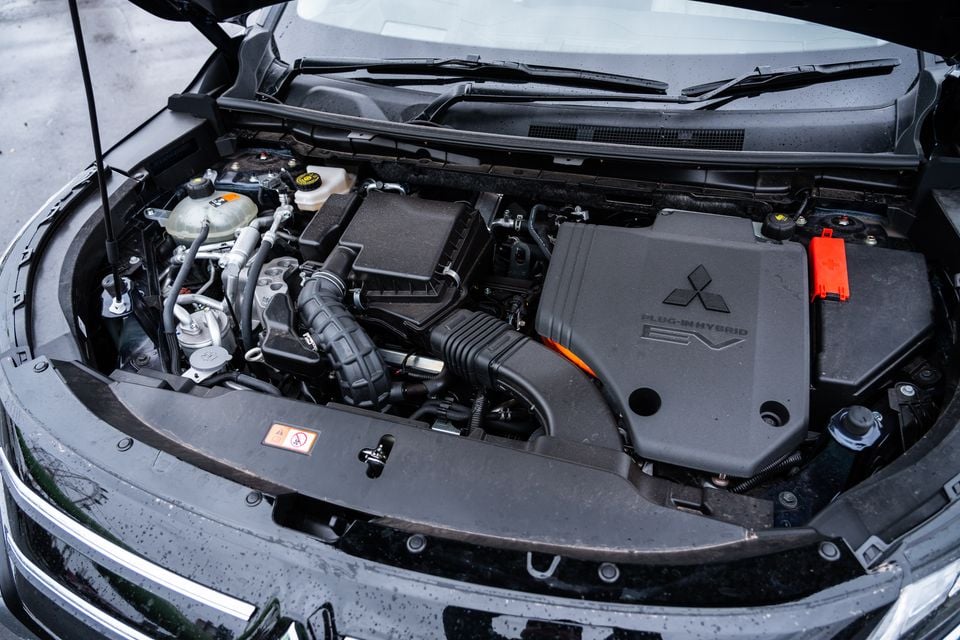
Powering the Outlander PHEV is a 2.4-litre four-cylinder non-turbo petrol engine mated with two electric motors, one up front and one at the rear. Total system outputs are quoted at 221kW of power and 450Nm of torque.
| Specifications | Mitsubishi Outlander PHEV Exceed |
|---|
| Engine | 2.4L 4cyl PHEV |
| Engine outputs | 98kW / 195Nm |
| Electric motor outputs | 85kW / 255Nm (front)
100kW / 195Nm (rear) |
| System outputs | 221kW / 450Nm |
| Battery | 22.7kWh li-ion |
| Transmission | Single-speed transaxle |
| Drive type | All-wheel drive |
| Kerb weight | 2156kg |
| Fuel economy (claimed) | 1.2L/100km |
| Fuel economy (as tested) | 5.2L/100km |
| Electric driving range (NEDC) | 103km |
| Energy consumption (calculated) | 22.0kWh/100km |
| Energy consumption (as tested) | 20.0kWh/100km |
| Fuel tank capacity | 53L |
| Fuel requirement | 91-octane regular unleaded |
| CO2 emissions | 27g/km |
| Emissions standard | Euro 6 |
| Braked tow capacity | 1600kg |
All Outlander PHEVs get Mitsubishi's 'Super All-Wheel Control' (S-AWC) system, which can optimise "driving and braking force for each wheel". This works a bit like traditional torque-vectoring, and the brand says it improves acceleration, cornering ability, and stability.
Our week with the car involved highway commuting and a weekend day trip through regional Victoria. That contributed to our high-ish energy consumption, which at least kept our fuel consumption impressively low.
To see how the Mitsubishi Outlander stacks up against the competition, check out our comparison tool
How does the Mitsubishi Outlander drive?
All things considered, the Outlander PHEV is solid once things get moving.
It isn't necessarily outstanding in any one area, but it's a cohesive package in which everything makes sense. Starting with the powertrain, we were impressed to find that it's both easy to use and quite configurable.
It's competent on its own, with Normal mode making logical choices between electric and petrol power. The switch from one to the other is consistently smooth too, which is more than can be said about some of the Outlander's Chinese PHEV rivals.
But arguably a greater strength is how easy it is to make any powertrain-related adjustments. A handy button on the centre console will flick between the four PHEV modes, which is incredibly convenient if you want to be in control of how energy is managed.
Even better, each mode does exactly what it says on the tin. This is especially commendable when it comes to the Battery Save and Battery Charge modes, which are both effective in managing the level of charge on hand at any given moment.
That said, the fact that we frequently used Battery Charge highlighted a minor issue with the Outlander. The battery's charge level seems to evaporate during normal driving, and while it isn't uncommon for PHEV batteries to run out of charge fairly quickly, it's still mildly disappointing.
It doesn't help that Normal mode tends to prioritise electric driving, either. This was exposed when a 60km drive just about drained the battery, despite setting off with a full charge and an indicated EV range of 86km – the variance from Mitsubishi's 103km range claim is due to driver behaviour and the car's trip computer memory.
Still, the existence of the various effective PHEV modes means this isn't a dealbreaker. The Outlander PHEV is naturally more comfortable in urban environments and at medium speeds, where the two sides of the powertrain work in harmony to maximise efficiency.
You'll also notice the powertrain is fairly potent. Despite what social media says, 221kW is hardly underpowered, and it actually suits the Outlander quite well. Lay into the throttle and the electric motors give you a solid push before the engine wakes up, after which it pulls even harder.
The engine isn't particularly sonorous, but it's clear that hard acceleration isn't necessarily a chore. We can also appreciate that its throttle response is consistent, which makes the powertrain predictable.
The same can't be said about the brake pedal, which lacks feel. You'll find there's a bit of travel before there's any meaningful response, which takes a moment to get used to. Alternatively, Mitsubishi has fitted paddles behind the steering wheel to adjust regenerative braking strength on the fly.
I always appreciate having such paddles, because they make it easy to adjust the car to match the driving conditions on a whim. They were particularly useful in maintaining speed while going downhill.
Further, the Outlander PHEV is fitted with a one-pedal-style driving feature. Pressing another button on the centre console activates it, but while it provides quite strong deceleration, it can't bring the vehicle to a complete stop. This is a weird limitation and kind of defeats the purpose.
Otherwise, the Outlander's on-road behaviour remains solid and without major faults. The Australian steering and suspension tune is well sorted, and while its damping errs on the firmer side, the car still feels comfortable yet planted on the road.
There's only a hint of it crashing over bumps, with most imperfections ironed out reasonably well. It handles rough regional roads with good composure too, which is no doubt courtesy of Mitsubishi Australia's local suspension tuning program.
The Outlander's firm-ish suspension also brings reasonable handling for an SUV that isn't particularly sporty, though you certainly notice its weight if you're carrying pace through the bends. Still, it'll diligently follow wherever you point the steering wheel, and its stability systems are well-calibrated.
Its steering weight is also appropriate, naturally becoming heavier in the sportier drive modes. A highlight of those modes is Tarmac Mode, in which all-wheel drive becomes permanently engaged, allowing the car to pivot a bit more nimbly in tight bends and low-speed turns. It certainly makes the car feel more awake.
Ready to buy? We’ll help you get a great deal.
If this is the car for you, we’ll compare offers from trusted dealers, handle the back and forth and manage your purchase from enquiry to delivery.
That last point sums up the Outlander PHEV nicely: it doesn't take a one-size-fits-all approach. The multitude of drive modes is impressive, and the fact you can combine each of them with any of the four PHEV modes means it can suit a vast array of driving styles and conditions.
There is still one glaring issue, though. The driver attention monitor is still too sensitive, even though there's been an update that claims to have reduced its sensitivity. You've heard it from us before – it pings frequently, often incorrectly, and is always incredibly frustrating.
It's at least simple enough to deactivate, requiring just a few button presses to navigate through the menus in the instrument display. But you still have to do this every time you hop in.
That's the only disappointment, especially given all the other safety systems work commendably well.
To see how the Mitsubishi Outlander stacks up against the competition, check out our comparison tool
What do you get?
The 2026 Mitsubishi Outlander is available in six trim levels.
2026 Mitsubishi Outlander ES equipment highlights:
- 18-inch silver alloy wheels
- Full-size alloy spare wheel (5-seat petrol)
- Space-saver spare wheel (7-seat petrol)
- Tyre repair kit (PHEV)
- LED headlights
- LED tail-lights
- Black cloth seat upholstery
- Manual driver's seat with lumbar adjustment
- Manual front passenger seat
- Vehicle-to-load (V2L) capacity
- 12.3-inch digital instrument display
- 12.3-inch touchscreen infotainment system
- Wireless Apple CarPlay and Android Auto
- Satellite navigation
- Bluetooth
- DAB+ digital radio
- 8-speaker Yamaha sound system
- 2 x front USB-C ports
- Dual-zone climate control
- Rear air vents
- 4 hybrid modes (PHEV only):
- Normal (hybrid)
- EV
- Battery save
- Battery charge
- Drive modes:
- Normal
- Eco
- Tarmac
- Gravel
- Snow
- Mud
- Power (PHEV only)
- Mitsubishi Connect – connected services (PHEV only)
Outlander LS adds:
- 18-inch two-tone alloy wheels
- Space-saver spare wheel
- LED front fog lights
- Rain-sensing wipers
- Power-folding, heated side mirrors
- Rear privacy glass
- Leather-wrapped steering wheel
- Leather-wrapped gear selector
- Wireless phone charger
- 2 x second-row USB-C ports
- Mitsubishi Connect – connected services
Outlander Black Edition adds:
- 20-inch black alloy wheels
- Black exterior accents
- Black headliner
- Black microsuede, leather-accented upholstery
- Heated front seats
- Power driver's seat
Outlander Aspire adds:
- 20-inch two-tone alloy wheels
- Auto LED headlights (PHEV only)
- Heated steering wheel
- Head-up display
- Power tailgate
- 2 x power outlets (PHEV only)
Outlander Aspire reverts to chrome-style exterior accents.
Outlander Exceed adds:
- Full-size alloy spare wheel (petrol only)
- Auto LED headlights
- Digital rear-view mirror
- Panoramic sunroof
- Leather-accented upholstery
- Black – standard
- Light grey – optional
- Power front passenger seat
- Ventilated front seats
- Front seat position memory
- Aluminium pedals
- Rear-door retractable sunshades
- Hands-free power tailgate
- Tri-zone climate control
Outlander Exceed Tourer adds:
- Two-tone body colour
- Brick Brown upholstery
- Front seat massage function
- Heated rear outboard seats
- 12-speaker Yamaha Ultimate sound system
To see how the Mitsubishi Outlander stacks up against the competition, check out our comparison tool
Is the Mitsubishi Outlander safe?
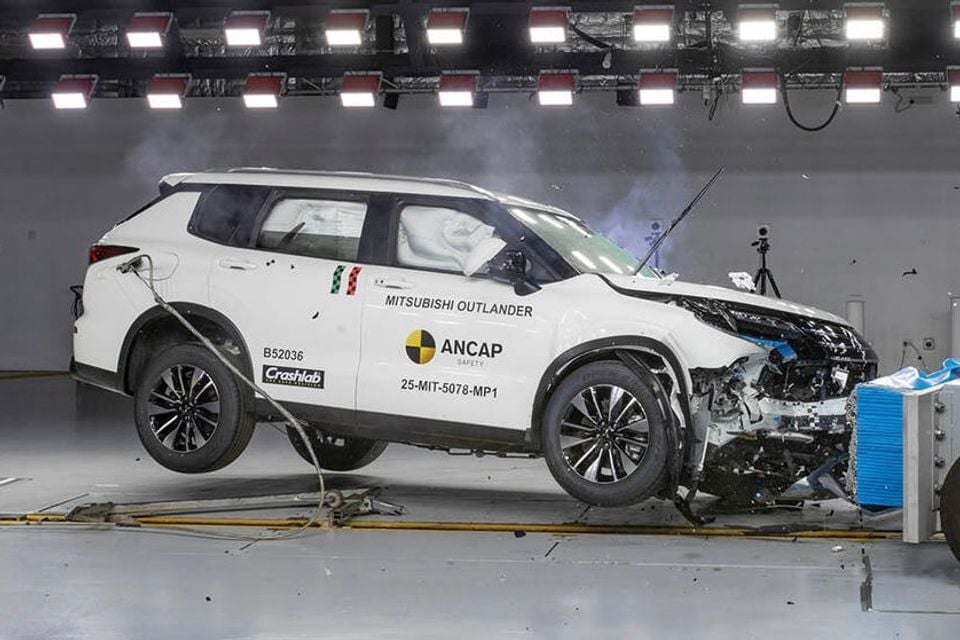
The Mitsubishi Outlander has a five-star ANCAP safety rating based on testing conducted in 2021, which has since been supplemented by additional tests carried out in 2025.
| Category | Mitsubishi Outlander |
|---|
| Adult occupant protection | 85 per cent |
| Child occupant protection | 84 per cent |
| Vulnerable road user protection | 79 per cent |
| Safety assist | 70 per cent |
Standard safety equipment highlights:
- 8 airbags, incl:
- Front
- Front-side
- Curtain
- Driver's knee
- Centre
- Adaptive cruise control
- Autonomous emergency braking
- Blind-spot monitoring
- Driver attention monitoring
- Front and rear parking sensors
- Hill descent control
- Lane departure warning
- Rear cross-traffic alert
- Surround-view monitor
- Traffic sign recognition
Outlander Aspire adds:
- Lane-keep assist
- Traffic jam assist
To see how the Mitsubishi Outlander stacks up against the competition, check out our comparison tool
How much does the Mitsubishi Outlander cost to run?
The 2026 Mitsubishi Outlander is backed by a five-year, 100,000km standard warranty, which is extended by 12 months or 20,000km every time the vehicle is serviced on time at a Mitsubishi dealer, up to the 10-year/200,000km mark.
| Servicing and Warranty | Mitsubishi Outlander PHEV |
|---|
| Warranty | 5 years/100,000km, service-activated up to 10 years/200,000km |
| Roadside assistance | 10 years (service-activated) |
| Service intervals | 12 months or 15,000km |
| Capped-price servicing | 10 years (service-activated) |
| Average annual service cost | $549.80 |
| Total capped-price service cost | $5498 |
Mitsubishi's individual service costs are detailed below:
| Service | Price |
|---|
| 12 months, 15,000km | $377 |
| 24 months, 30,000km | $449 |
| 36 months, 45,000km | $399 |
| 48 months, 60,000km | $449 |
| 60 months, 75,000km | $379 |
| 72 months, 90,000km | $849 |
| 84 months, 105,000km | $349 |
| 96 months, 120,000km | $849 |
| 108 months, 135,000km | $499 |
| 120 months, 150,000km | $899 |
For context, BYD outlines 11 years of servicing for the Sealion 6, totalling $4549. Mazda, meanwhile, will charge a total of $4050 for CX-60 PHEV maintenance over seven years.
To see how the Mitsubishi Outlander stacks up against the competition, check out our comparison tool
CarExpert's Take on the Mitsubishi Outlander PHEV Exceed
It might face increasing pressure from competitive rivals offering sharper prices, but the Outlander PHEV is far from a bad plug-in hybrid SUV.
Its main flaw behind the wheel is that pesky driver monitor, which is a relatively small sticking point in an established, well-rounded SUV such as this one. The updates to its PHEV capabilities have also been worthwhile, even if it still isn't a class-leader.
But it's ultimately held back by its relatively high price. The upgrades haven't fundamentally changed the value equation in a meaningful way, which makes an on-road price upwards of $75,000 a very difficult sell.
Meanwhile, there's a vast cohort of Chinese PHEVs that are better equipped, offer greater PHEV capability and, most importantly, cost significantly less. As much as Mitsubishi has the benefit of a stronger Australian presence and better brand recognition, that will only go so far in an evolving market.
None of that means you shouldn't buy an Outlander PHEV, but keep in mind that cheaper variants like the Aspire make a tiny bit more sense. Otherwise, something like a Sealion 6 may be a better option for you.
CarExpert can save you thousands on a new Mitsubishi Outlander. Click here to get a great deal.
Click the images for the full gallery
MORE: Explore the Mitsubishi Outlander showroom










 Automotive Vehicle Spec Data & 4K images Powered by JATO Dynamics Ltd