Mercedes-Benz has committed to a goal of ‘accident-free driving’, aiming for zero traffic fatalities involving its cars by 2050.
The group has set its first benchmark in 2030, when it hopes to have halved the number of traffic deaths and injuries compared to 2020.
The campaign is called ‘Vision Zero’ and will focus on innovation in autonomous driving features and EV safety.
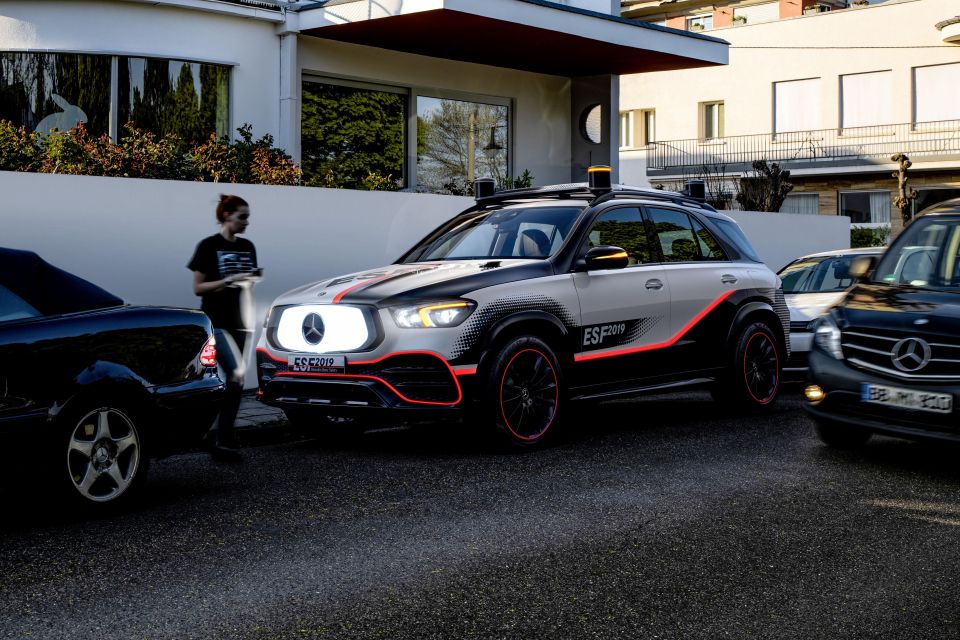
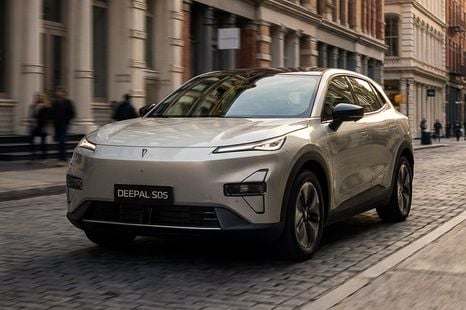
A Mercedes-Benz concept previewing future safety features
Mercedes-Benz says extensive research is already being undertaken by its Accident Research unit in North America, China, India, and Europe.
There were 119 road deaths in Australia in September alone, while the World Health Organisation estimates around 1.3 million people are dying in road accidents worldwide every year, and up to 50 million are seriously injured.
“At Mercedes-Benz, we are pursuing our vision of accident-free driving. In other words: no more accidents involving Mercedes vehicles. Highly automated and autonomous driving will be a decisive contributor to its success,” said head of vehicle Safety at Mercedes-Benz, Paul Dick.
As the market continues to trend toward autonomous driving, driver-assist features will take a front seat in safety discussions.
Brands across the board are adopting driver assist features such as lane-keep assist, blind-spot assist, and automatic emergency braking, all the way to hotly debated fully autonomous driving.
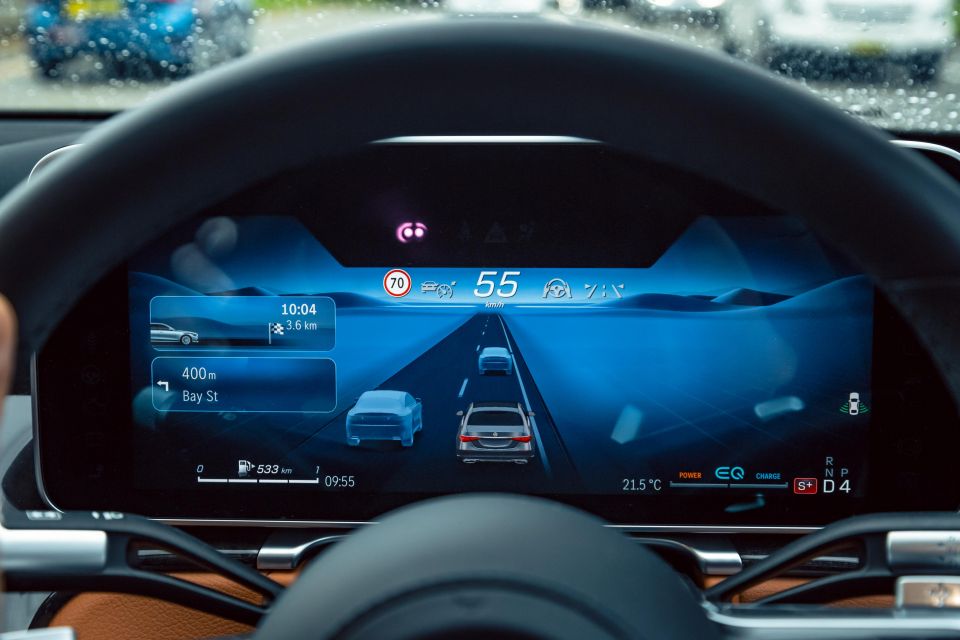
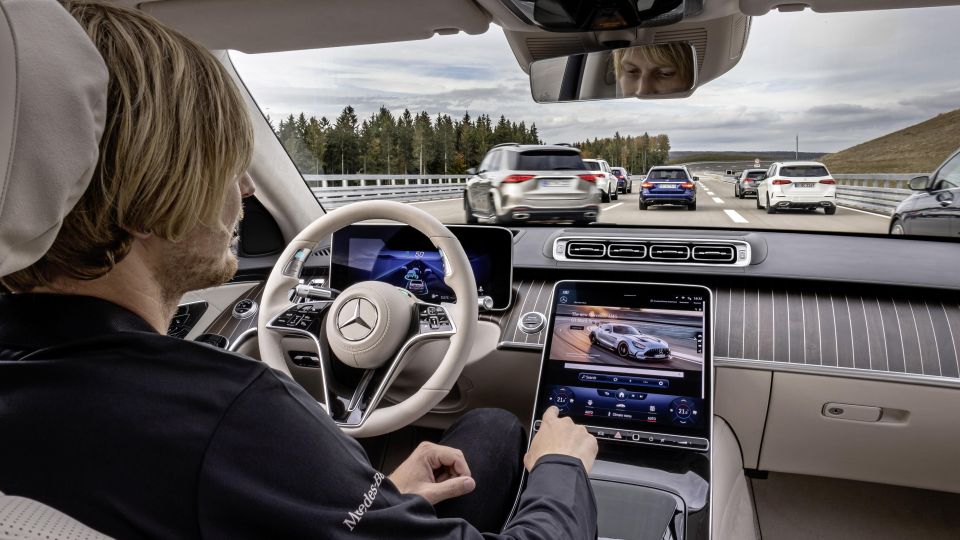
Mercedes-Benz has already introduced level 3 autonomous driving, meaning drivers can take their hands off the wheel in some situations, in certain areas in Germany last year.
It is still unclear when Australian legislation will allow this degree of autonomy on the roads.
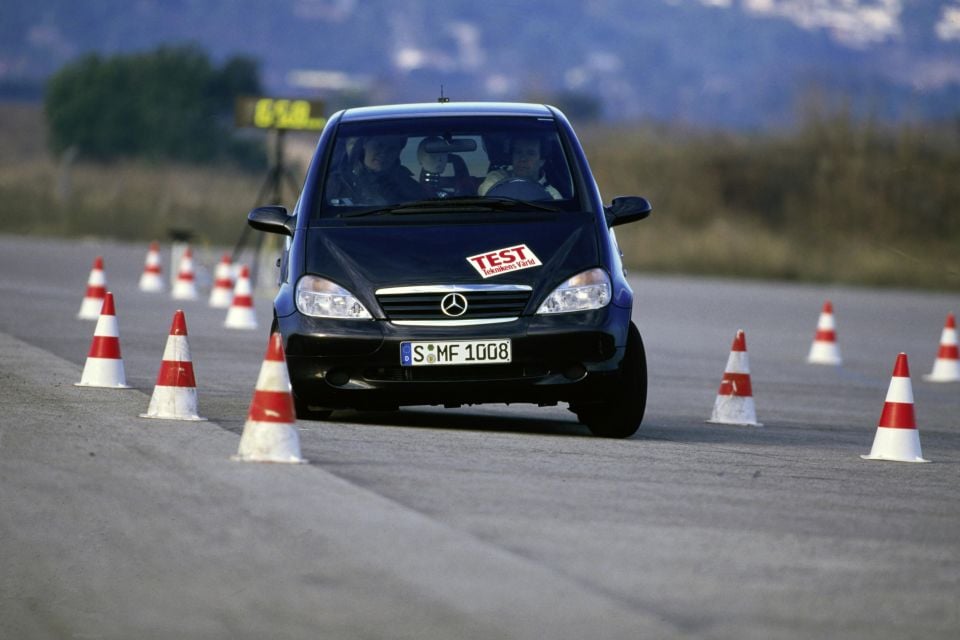
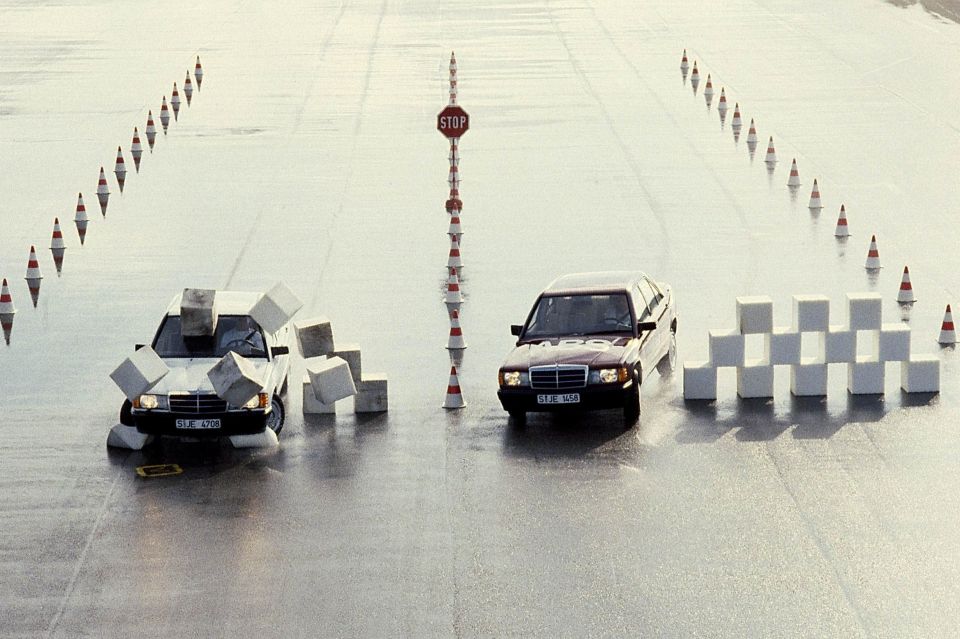
The Mercedes-Benz group has an extensive history of innovating safety protocols across its models, including the introduction of the Electronic Stability Program (ESP) in 1997, which is now mandatory across Europe.
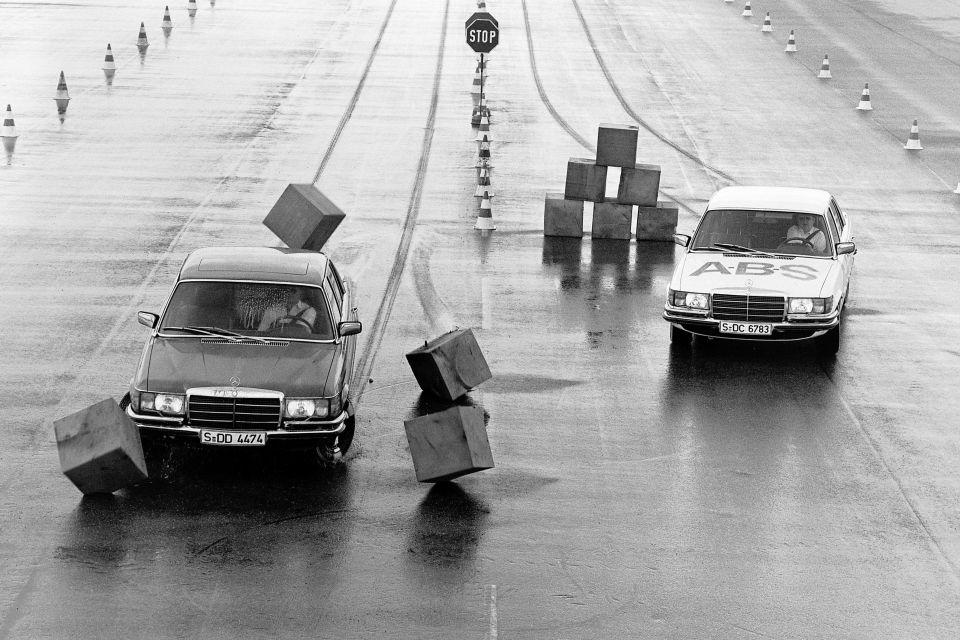
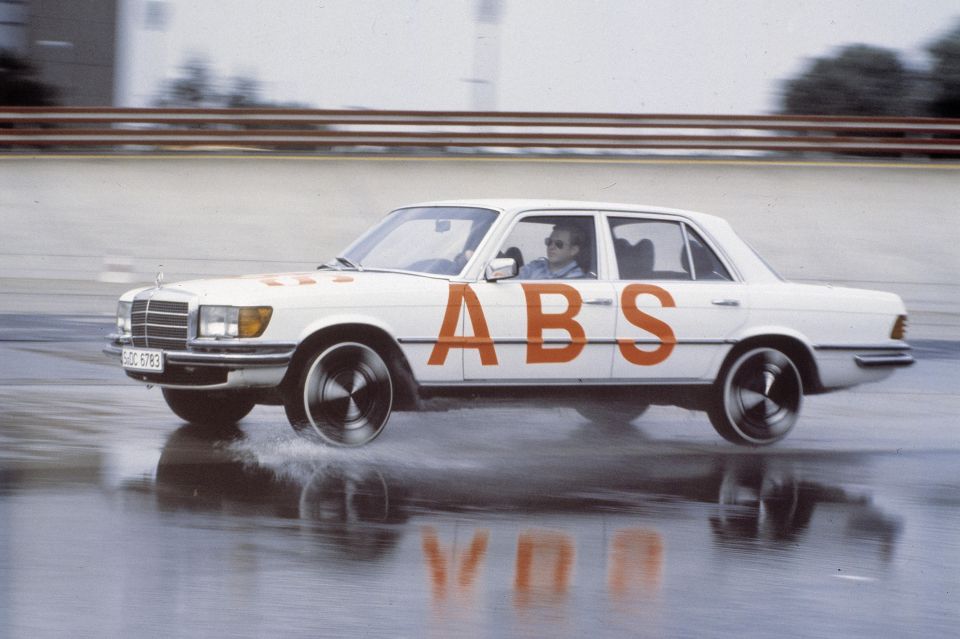
It has included anti-lock braking in its cars as standard since 1984, having debuted four-channel ABS for all production cars as an option on the S-Class in 1978.
The early days of ABS
The ‘Moose Test’ with ESP
Of course, as the brand and the entire market continue to move toward EVs, the focus will be on minimising the particular risks that come with vehicles utilising live components.
Mercedes-Benz isn’t the first carmaker to pledge no deaths in its cars; in 2016 the brand most associated with safety for many consumers, Volvo, promised the same by 2020.
Ready to find the right new car at a great deal?
Research cars in our Showroom, compare your options or let our New Car Specialists do the running around to find you a great deal.