




Anthony Crawford
2026 Cupra Formentor VZ5 review: Quick drive
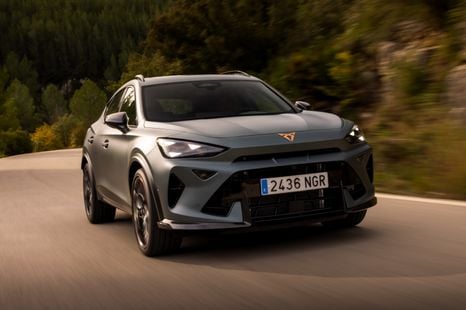
Five-cylinder theatrics on the road from Barcelona to Montserrat in the fastest and most powerful Formentor ever built was always going to be fun.
3 Hours Ago

Deputy Road Test Editor
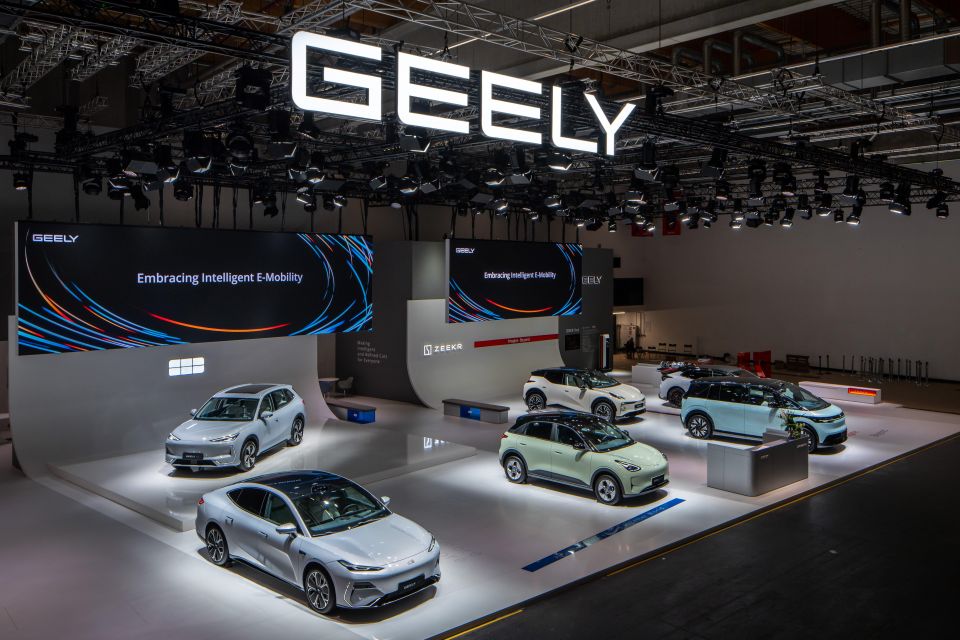
Geely Australia has confirmed two electric vehicles (EVs) – a mid-size sedan and SUV – as part of its product plan for the next 12 months.
The pair will join four previously promised plug-in hybrids (PHEVs) – two large SUVs, a mid-size SUV, and a mid-size sedan – in the Chinese automotive giant's local lineup, leaving just the ute and small SUV segments unoccupied.
“If you're looking at that chart and thinking there's a couple of segments missing, I think we're very confident in knowing what they are, and we're working on those," said Geely Australia director product marketing and planning Andrew Tuitahi.
While Geely stopped short of specifying any nameplates, the closest match for a sleek-looking medium electric sedan is the Galaxy E8, which ranks among the most aerodynamic mass-production sedans globally with a drag coefficient of 0.199Cd.
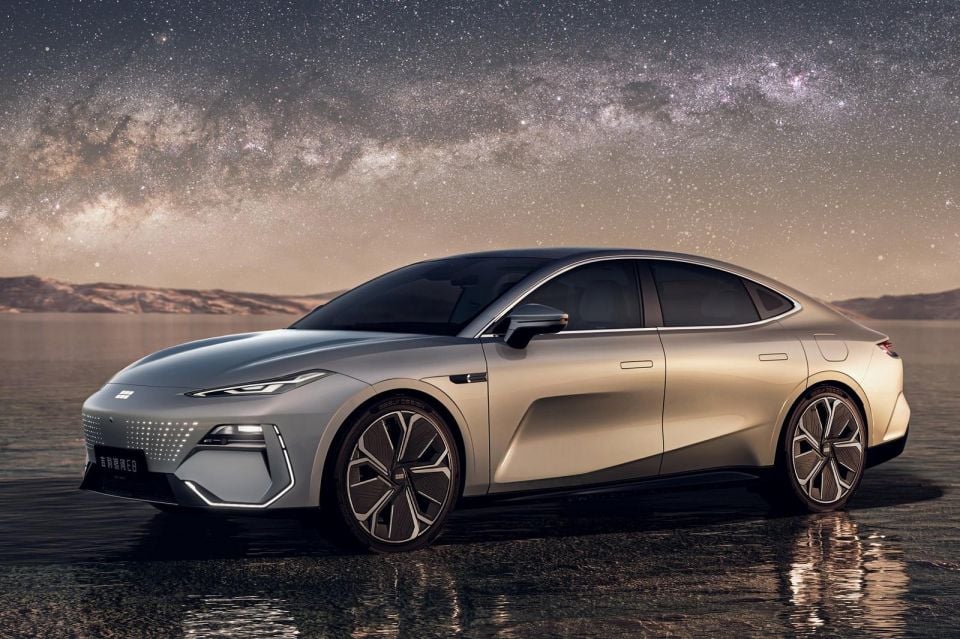
First unveiled in 2023, it was also the first EV to be sold by Geely's Galaxy sub-brand, and is available in both rear-wheel drive and all-wheel drive configurations.
At just over five metres long and 1.92 metres wide, the Galaxy E8 is appreciably larger than a Toyota Camry, though slightly shorter than the new electric Lexus ES.
The identity of the incoming electric SUV is also subject to speculation, although we expect Geely is referring to the facelifted version of the EX5 already sold here.
Already a strong seller in Australia, the facelifted 2027 Geely EX5 swaps its 160kW/320Nm front-mounted motor for a new 245kW rear-mounted unit, switching from front- to rear-wheel drive in the process.
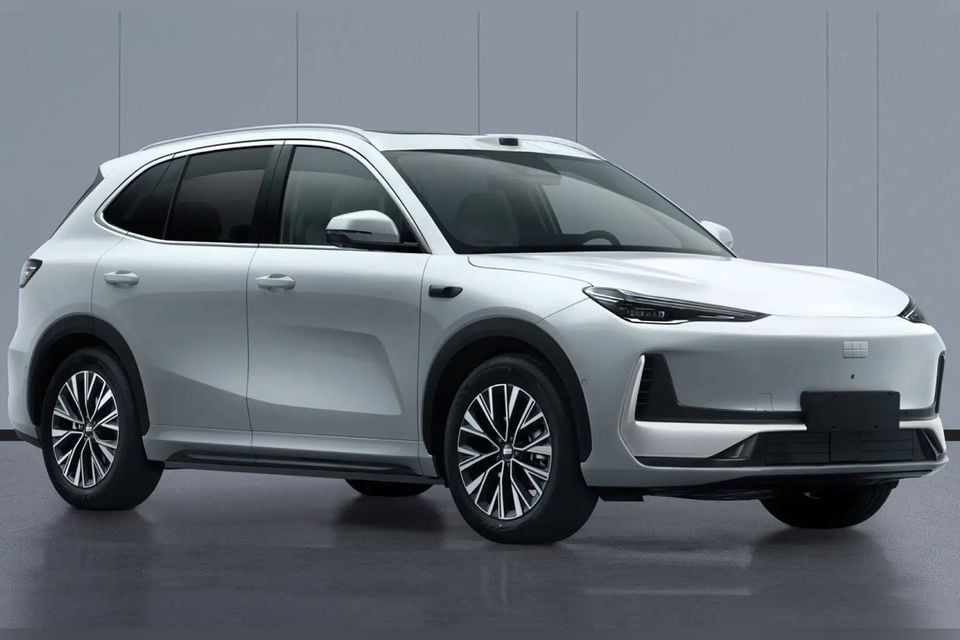
It also gains a sharper front bumper, conventional pull-out door handles and minor rear styling tweaks, including a Geely wordmark beneath the light bar. Overall length grows 21mm to 4636mm, while lithium iron phosphate (LFP) battery technology carries over.
Chinese-market versions also gain roof-mounted LiDAR for more advanced driver assistance features.
As previously mentioned, Geely's expanded local lineup will include an array of new PHEVs, too.
Speaking with Australian media in Hangzhou, China earlier this year, Geely Australia managing director and Geely Auto vice president Alex Gu confirmed plans to launch several plug-in hybrid SUVs, as well as a rival for the hybrid Toyota Camry.
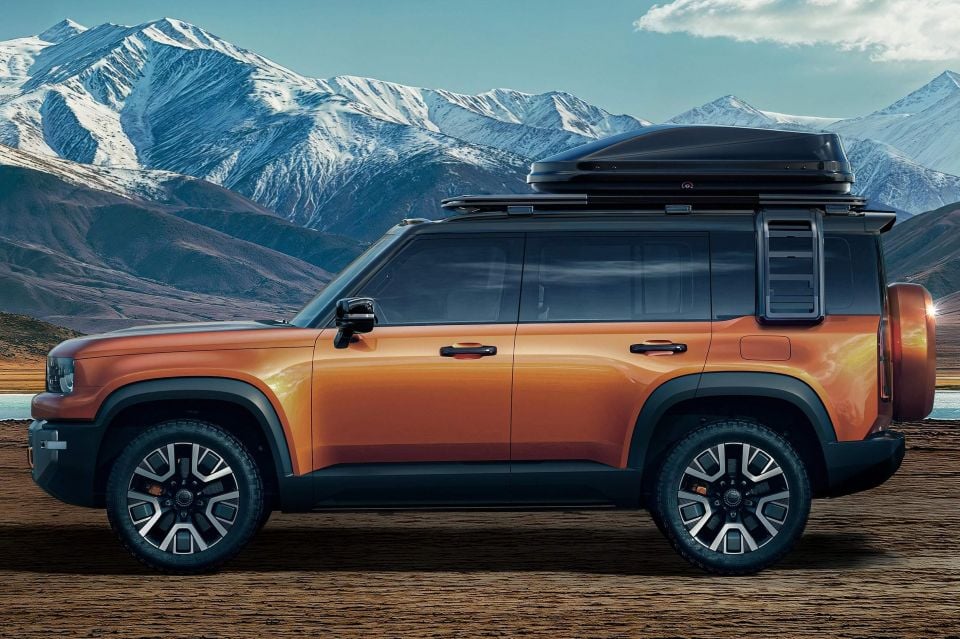
"I want to say [in] H1 2027 we will have a big five-seat [SUV], and we will try to bring a seven-seat [SUV]. In H2 we will bring the 'box-style' [SUV] models," Mr Gu said.
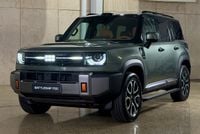
We already know the "box-style" model is the production version of the Galaxy Cruiser PHEV 4WD SUV shown at Auto China 2025 in Shanghai, likely pitched as a rival to higher-spec versions of the popular Ford Everest and Toyota Prado, as well as the likes of the Denza B5 and Land Rover Defender.
The larger five-seat SUV could be a version of the Galaxy M7 sold in China, which is about 100mm longer than the existing Starray EM-i with more premium styling and features, as well as a longer-range plug-in Super Hybrid drivetrain.
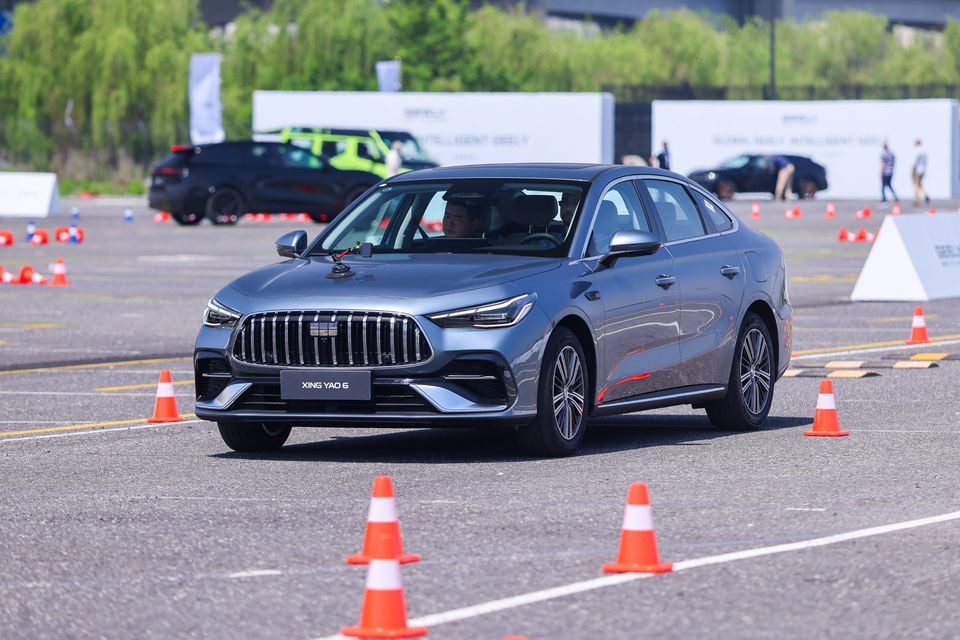
Geely's local boss also confirmed the Emgrand EM-i – known elsewhere under several names including Xingyao 6 and Starshine 6 – will also make its way to Australia early in the new year, with the Starray EM-i's PHEV drivetrain and its sights firmly set on the Camry.
That leaves one more large, as-yet-unnamed seven-seat PHEV SUV that's not the M9 EM-i already on sale in some overseas markets.
The incoming model onslaught is a core part of Mr Gu's ambitions to make Geely the number one Chinese auto brand in Australia by the end of this decade.
MORE: Explore the Geely showroom
MORE: Geely details PHEV-heavy Australian product offensive
Research cars in our Showroom, compare your options or let our New Car Specialists do the running around to find you a great deal.
Josh Nevett is an automotive journalist covering news and reviews, with a background in motorsport journalism.
Anthony Crawford
3 Hours Ago

Damion Smy
11 Hours Ago

Marton Pettendy
13 Hours Ago

William Stopford
13 Hours Ago

Max Davies
15 Hours Ago
Josh Nevett
17 Hours Ago
Add CarExpert as a Preferred Source on Google so your search results prioritise writing by actual experts, not AI.