
Derek Fung
Zeekr planning electric Mercedes-Benz G-Class rival – report
Zeekr is reportedly looking to succeed where the Mercedes-Benz G-Class off-raider has failed to fire.
4 Hours Ago
The Chinese car giant’s new plug-in hybrid sedan can run on methanol, petrol or electricity, with a claimed combined range of up to 1880km.

Deputy News Editor
Deputy News Editor
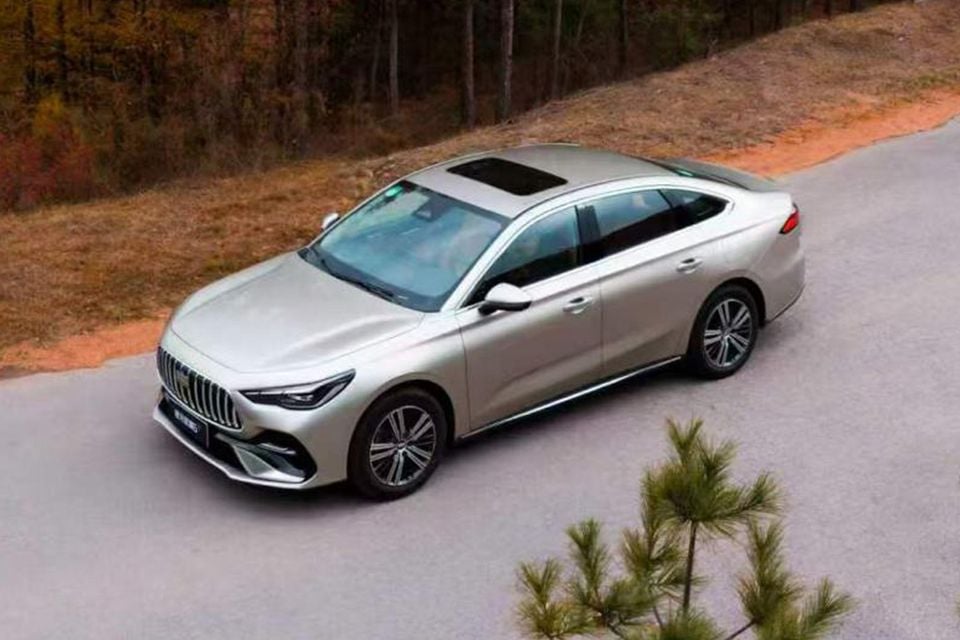
China’s Geely has unveiled a production plug-in hybrid sedan capable of running on any mix of methanol and petrol, as well as electric power.
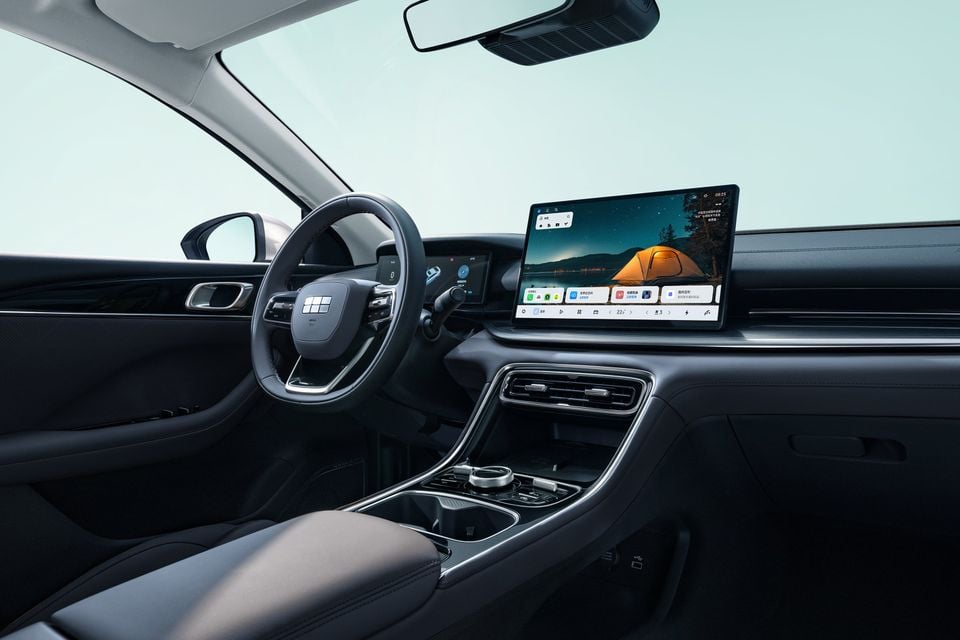
The Xingyao 6 EF, also known as the Galaxy Starshine 6 EF, is a four-door sedan similar in size to a Toyota Camry, with a plug-in hybrid (PHEV) powertrain capable of using petrol and methanol in the same tank.
This includes running on 100 per cent methanol or 100 per cent petrol, in addition to an electric-only range of 230km on the more generous CLTC cycle for higher model grades.
In a statement, Geely said the sedan offers a combined range of up to 1250km (CLTC) on a tank of methanol and a full battery charge. Using petrol instead of methanol extends this to 1880km.
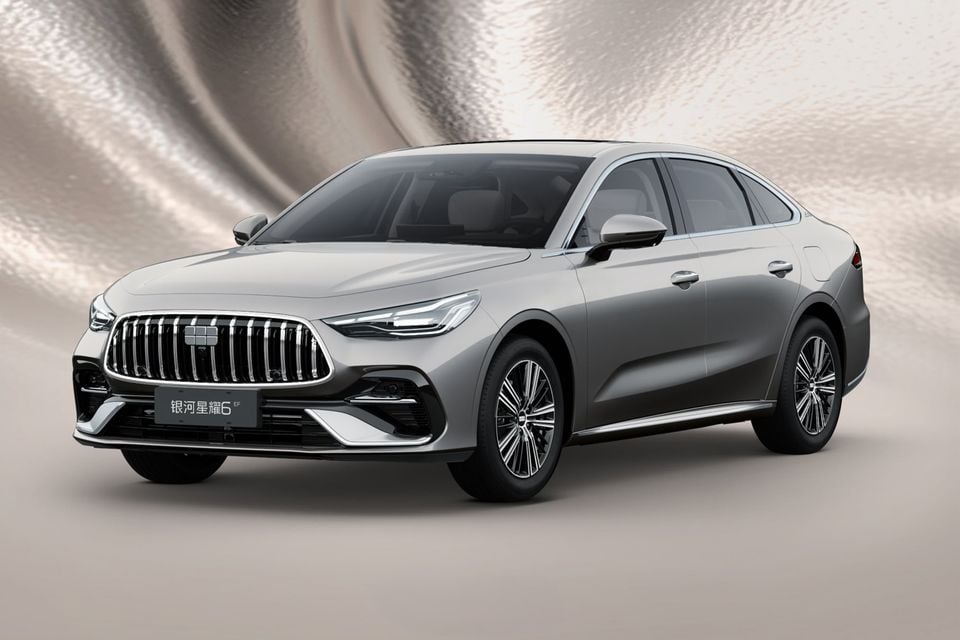
The 1.5-litre naturally aspirated four-cylinder engine produces peak outputs of 93kW/170Nm and drives the front axle alongside a 140kW/240Nm electric motor.
The entry-level version comes with a 17kWh lithium iron phosphate (LFP) battery pack for a claimed 130km electric range, with a larger 28.3kWh LFP pack offered in the two higher model grades delivering the 230km electric range.
“Geely positions the Xingyao 6 not as a replacement for electric or conventional hybrid models, but as a complementary solution that fills a critical gap in cold-climate and long-distance sustainable green mobility,” a company statement said.
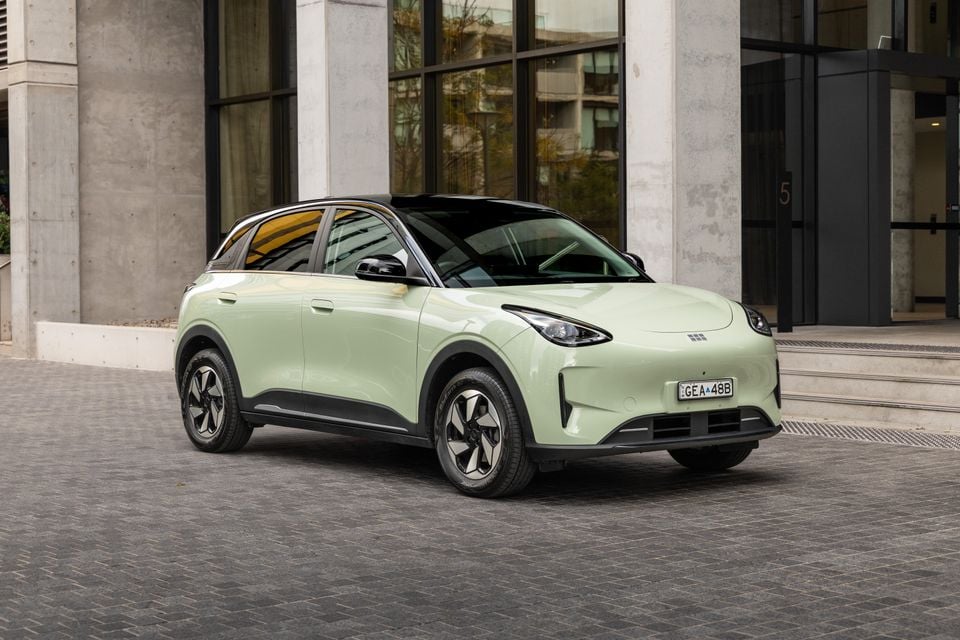
Geely Australia hasn't announced any plans to bring the methanol-powered sedan here. It shares its underpinnings with the Geely Emgrand L EM-i petrol PHEV confirmed for Australia, with a scheduled arrival in the first half of 2027.
The same GEA global intelligent electric architecture is used on the Geely EX2 electric hatchback and EX5 mid-size electric SUV currently sold in Australia.
Methanol isn't commonly available at Australian service stations but is used in motorsport for its high octane rating, which allows suitably designed engines to run higher compression ratios for greater power and efficiency.
Geely claims the engine in the Xingyao 6 EF is specifically designed for methanol and has a thermal efficiency of 48.15 per cent, which it says is the highest among mass-produced methanol engines globally.
It's also been engineered for cold starts at temperatures “approaching minus 40 degrees Celsius”, which the company says “directly addresses the severe range degradation that electric vehicles experience in northern China’s winter conditions”.
While Geely describes the Xingyao 6 EF as the world’s first production methanol hybrid sedan, it's not the first methanol hybrid, nor even Geely’s.
Geely launched the methanol-powered Emgrand hybrid (HEV) in China in 2022, documenting its introduction in its sustainability reporting as part of its push towards carbon neutrality.
The Emgrand used a larger 1.8-litre four-cylinder engine with a claimed thermal efficiency of 41.5 per cent and was primarily designed to run on methanol, with a separate petrol tank used for start-up.
Geely’s methanol-powered cars were on Chinese roads even earlier, with the SC7 joining the taxi fleet in Jinzhong, Shanxi, under a government pilot programme in 2013.
By the end of 2024, Geely reported its methanol-powered vehicles were operating in more than 50 cities across China as it worked towards achieving carbon neutrality by 2045.
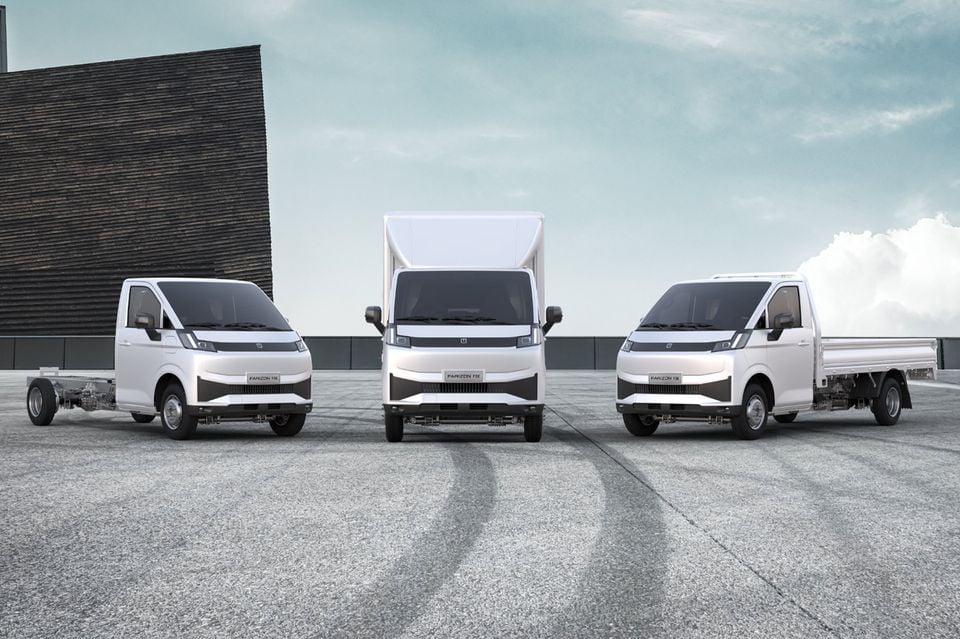
In announcing its latest sustainability report in May 2026, Geely said it had expanded its green methanol ecosystem through its commercial vehicle brand, Farizon, which was launched in Australia in April 2025.
Geely said Farizon had established more than 1000 methanol refuelling stations across China, while Farizon has outlined a target of 4000 by the end of 2027.
Damion Smy is an award-winning motoring journalist with global editorial experience at Car, Auto Express, and Wheels.
Derek Fung
4 Hours Ago


Marton Pettendy
17 Hours Ago

William Stopford
18 Hours Ago
William Stopford
19 Hours Ago
Damion Smy
19 Hours Ago
Damion Smy
19 Hours Ago
Add CarExpert as a Preferred Source on Google so your search results prioritise writing by actual experts, not AI.